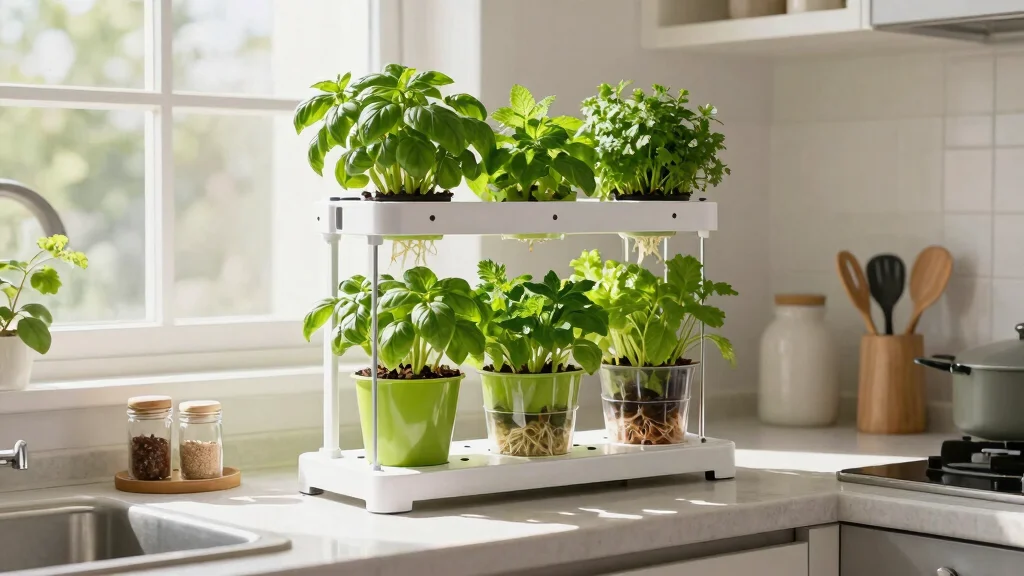
Growing your own herbs indoors can elevate your cooking game, bringing fresh flavors right into your kitchen. With the increasing interest in home cooking, this post dives into a unique solution to keep your culinary creations vibrant year-round: hydroponic herbs indoors. I’ve crafted this guide because I believe you shouldn’t have to sacrifice flavor just because it’s cold outside or you lack a garden.
If you’re an urban dweller with limited space or simply someone who enjoys fresh ingredients, this post is for you. Whether you’re a seasoned chef or a home cook looking to expand your herb repertoire, you’ll find something valuable here. I’ve pulled together nine fantastic hydroponic herbs that are easy to grow indoors, offering tips and tricks to help you succeed. These ideas are practical, flavorful, and sure to inspire your culinary adventures, no matter the season.
Imagine the scent of fresh basil or mint wafting through your home—these herbs can be at your fingertips! With hydroponic systems for herbs, you can enjoy an aromatic indoor garden that not only enhances your meals but also brings a touch of nature into your living space. Let’s explore these exciting options together and get ready to transform your cooking.
Key Takeaways
– Basil: A must-have for Italian dishes, basil thrives in hydroponic systems and is easy to grow indoors.
– Mint: Known for its refreshing taste, mint adapts well to indoor conditions and can be used in drinks and desserts.
– Cilantro: This herb adds a bold flavor to salsas and salads, and it grows quickly in hydroponic setups.
– Chives: With their subtle onion flavor, chives are perfect for garnishing dishes and are simple to maintain indoors.
– Oregano: A staple in Mediterranean cooking, oregano flourishes in hydroponic gardens, bringing a delightful taste to your meals.
1. Basil: A Culinary Must-Have
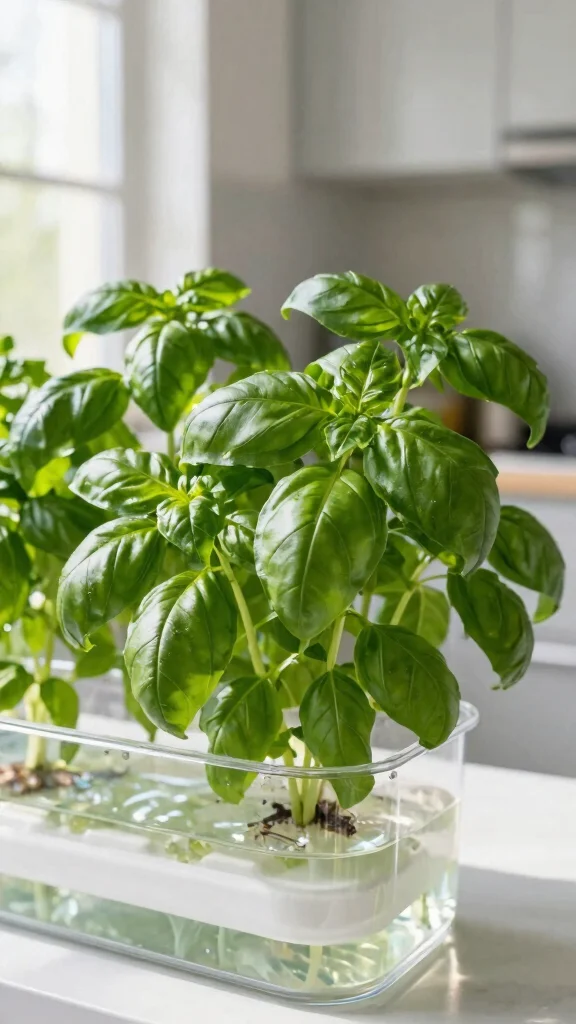
Are you ready to transform your cooking with a touch of fresh basil? This aromatic herb is a game-changer in your kitchen, adding a burst of flavor to dishes like pizza or pasta. With its rich taste and easy growth in hydroponic systems, basil is not only delicious but also nutrient-packed, bringing vitamins A and K to your meals.
Growing basil indoors is simple. Just ensure it gets plenty of light, ideally around six hours a day. You can use grow lights if natural sunlight is scarce. Keep the water nutrient-rich and change it every couple of weeks to maintain freshness. Regularly pinch off the leaves to encourage bushier growth. With these tips, you’ll have a steady supply of fresh basil ready for your culinary adventures year-round.
Basil: A Culinary Must-Have
Editor’s Choice

Ahopegarden Indoor Garden Hydroponics Growing System: 10 Pods Plant Germ…


Liquid Plant Food for use in AeroGarden, IDOO and Hydroponic Growing Sys…

GooingTop LED Grow Light,6000K Full Spectrum Clip Plant Growing Lamp wit…
2. Mint: Refreshing and Versatile
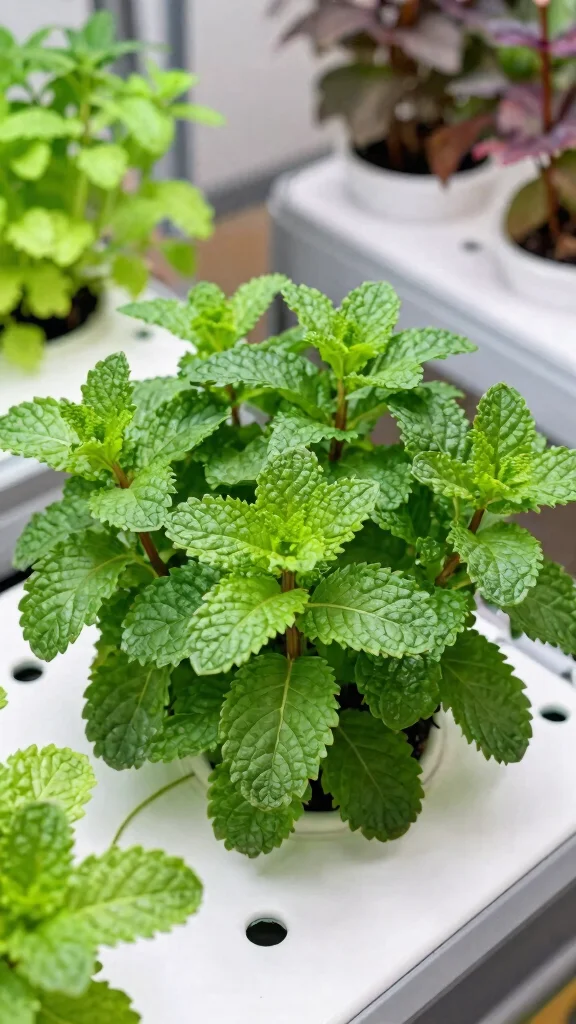
Craving something refreshing? Mint is your go-to herb for adding a burst of flavor to drinks and dishes alike! It’s perfect for mojitos, iced teas, or even elevating savory meals. Plus, growing mint indoors is a breeze, making it a fun addition to your herb garden.
To help your mint thrive, use a wide pot or hydroponic system that allows for ample root space. Keep the water slightly moist to maintain humidity without overwatering. Regularly clip the stems to promote bushiness and more leaves. Once established, you can enjoy fresh mint leaves anytime, enhancing everything from desserts to salads.
Mint thrives indoors with minimal fuss—snip a stem, brighten your drink, and you’ve got instant flavor on tap. In a compact hydroponic herbs indoors setup, fresh mint elevates mojitos, iced teas, and savory dishes all year long.
📹 Related Video: Grow Mint in Water | COST FREE HYDROPONICS
Ongoing Maintenance & Care Guide
Maintenance Schedule:
Daily/Weekly Tasks:
– Check Water Levels: Ensure your hydroponic system has enough water. Add water if levels are low. ⏱ Estimated time: 5-10 minutes.
– Inspect Plants for Pests: Look for pests or signs of disease. This helps keep your herbs healthy. ⏱ Estimated time: 5 minutes.
– Monitor Nutrient Concentration: Check nutrient levels in the water. Adjust according to your herbs’ needs. ⏱ Estimated time: 5 minutes.
– Trim Dead Leaves: Remove any yellowing or dead leaves to promote new growth. ⏱ Estimated time: 10 minutes.
Monthly/Seasonal Tasks:
– Change the Nutrient Solution: Replace the water and nutrients every 2-4 weeks for optimal growth. ⏱ Estimated time: 30 minutes.
– Clean the Hydroponic System: Rinse out the system to prevent algae buildup. Use warm, soapy water. ⏱ Estimated time: 30 minutes.
– Check pH Levels: Test and adjust the pH to keep it between 5.5 and 6.5. ⏱ Estimated time: 15 minutes.
– Rotate Plants: If space allows, rotate your plants for even light exposure. ⏱ Estimated time: 10 minutes.
Maintenance Summary Table:
| Task | Frequency | Difficulty | Time Needed |
|—————————-|—————-|—————-|——————|
| Check Water Levels | Daily | Easy | 5-10 minutes |
| Inspect Plants for Pests | Daily | Easy | 5 minutes |
| Monitor Nutrient Concentration | Daily | Easy | 5 minutes |
| Trim Dead Leaves | Weekly | Easy | 10 minutes |
| Change Nutrient Solution | Monthly | Moderate | 30 minutes |
| Clean the Hydroponic System | Monthly | Moderate | 30 minutes |
| Check pH Levels | Monthly | Moderate | 15 minutes |
| Rotate Plants | Monthly | Easy | 10 minutes |
Common Issues to Watch For:
⚠️ Yellowing Leaves: If leaves turn yellow, it may mean your herbs need more nutrients or are getting too much light. Check your nutrient levels and light exposure.
⚠️ Wilting Plants: If plants look droopy, they might be thirsty or overwatered. Check your water levels and adjust accordingly.
⚠️ Algae Growth: Green or brown growth on your system can block light and harm plants. Clean your hydroponic system thoroughly to remove it.
⚠️ Pest Infestations: Look for small bugs or webbing. If you find pests, treat your plants with an organic pesticide.
⚠️ Slow Growth: If your herbs aren’t growing as expected, check your light, nutrients, and pH levels. Adjust as needed for better growth.
Care Tips:
💡 Use Clean Water: Always use filtered or distilled water. Tap water may contain chlorine or chemicals that harm your plants.
💡 Maintain Proper Light Levels: Ensure your herbs get 12-16 hours of light each day. Use grow lights if natural light is limited.
💡 Keep Temperature Stable: Ideal temperature for herbs is between 65°F and 75°F. Avoid drafts or extreme heat.
💡 Fertilize Wisely: Use a balanced hydroponic nutrient solution. Follow instructions to avoid over-fertilizing.
💡 Be Patient: Some herbs take longer to grow than others. Keep up with your routine and enjoy watching them flourish!
Following this guide will help you maintain your hydroponic herbs indoors for fresh flavors all year long. With regular check-ins and care, your indoor garden can thrive and provide delicious herbs for your culinary creations. Enjoy your gardening journey!
Mint: Refreshing and Versatile
Editor’s Choice

Aokrean Plant Grow Light, 48 LEDs Full Spectrum Grow Lights for Indoor P…

URUQ Hydroponics Growing System Garden: 8 Pods Indoor Herb Garden with G…
Liquid Plant Food for use in AeroGarden, IDOO and Hydroponic Growing Sys…
3. Cilantro: Bold and Flavorful
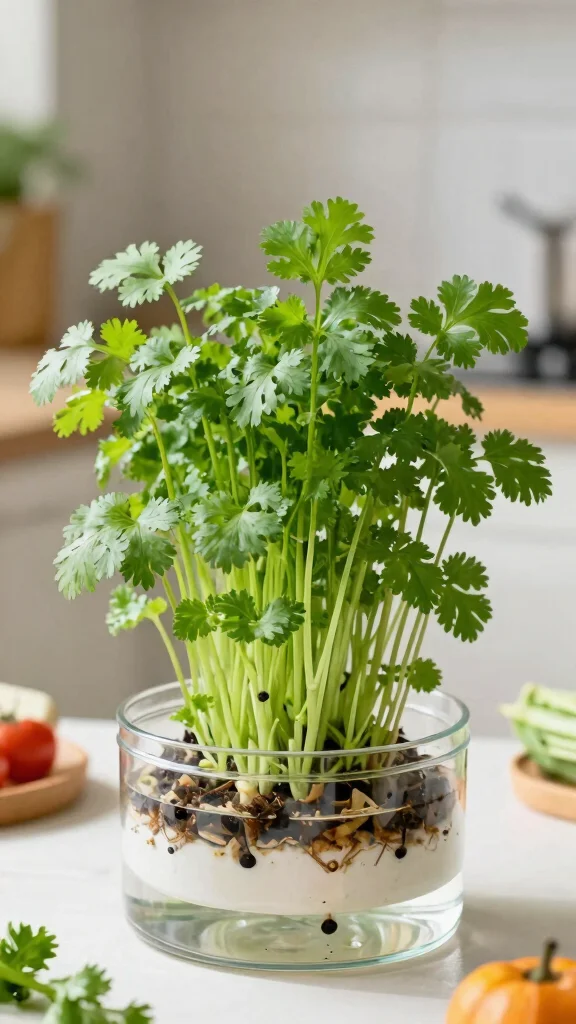
Looking to spice up your dishes? Cilantro is the bold herb that brings vibrant flavor to your cooking, especially in Mexican and Asian cuisines. While it can be tricky to grow outdoors, using a hydroponic system simplifies the process and allows for controlled growth.
For successful cilantro cultivation, keep the temperature cool—ideally between 50-70°F—to prevent bolting. Provide bright but indirect light to protect the leaves. Harvesting the leaves when they are tall will encourage additional growth. With the right care, your indoor cilantro will be ready to elevate salsas, curries, and salads in no time!
Cilantro: Bold and Flavorful
Editor’s Choice
Ahopegarden Indoor Garden Hydroponics Growing System: 10 Pods Plant Germ…

LBW Desk Grow Light, Full Spectrum Plant Light for Indoor Plants, Grow L…
Liquid Plant Food for use in AeroGarden, IDOO and Hydroponic Growing Sys…
4. Chives: Subtle and Savory
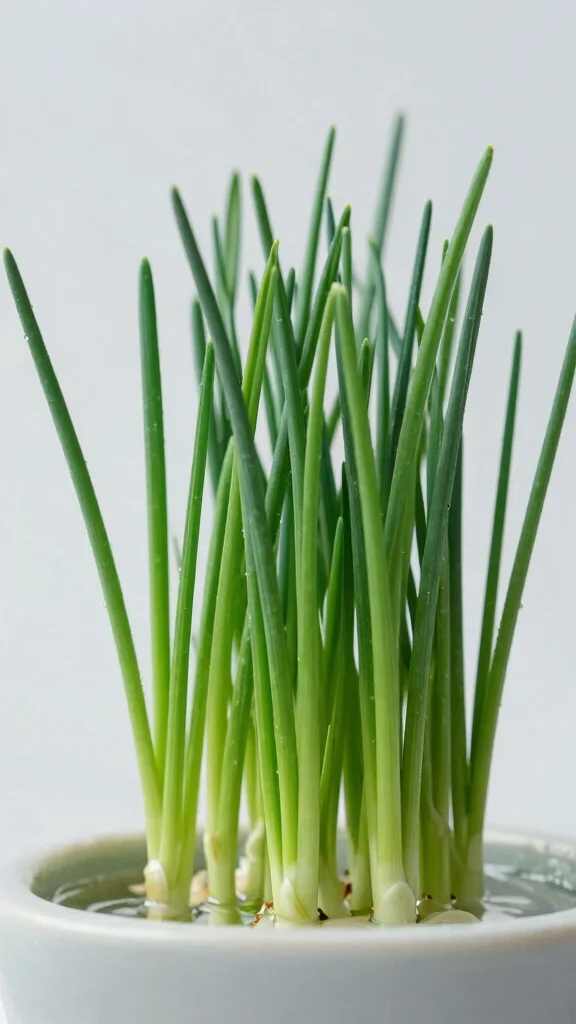
Want to add a delicate onion flavor to your dishes? Chives are perfect for that! Their slender green stalks grow beautifully indoors, making them an excellent choice for hydroponic systems. Plus, they’re easy to care for, which is great for busy urban dwellers.
To grow chives successfully, ensure they receive bright light but can tolerate some shade. Keep the water fresh and nutrient-rich, avoiding soggy roots. Regularly cut the stems from the base to encourage new growth. With chives at your disposal, you can enhance everything from baked potatoes to salads with just a snip!
Chives: Subtle and Savory
Editor’s Choice
URUQ Hydroponics Growing System Garden: 8 Pods Indoor Herb Garden with G…
Liquid Plant Food for use in AeroGarden, IDOO and Hydroponic Growing Sys…
GooingTop LED Grow Light,6000K Full Spectrum Clip Plant Growing Lamp wit…
5. Oregano: A Mediterranean Delight
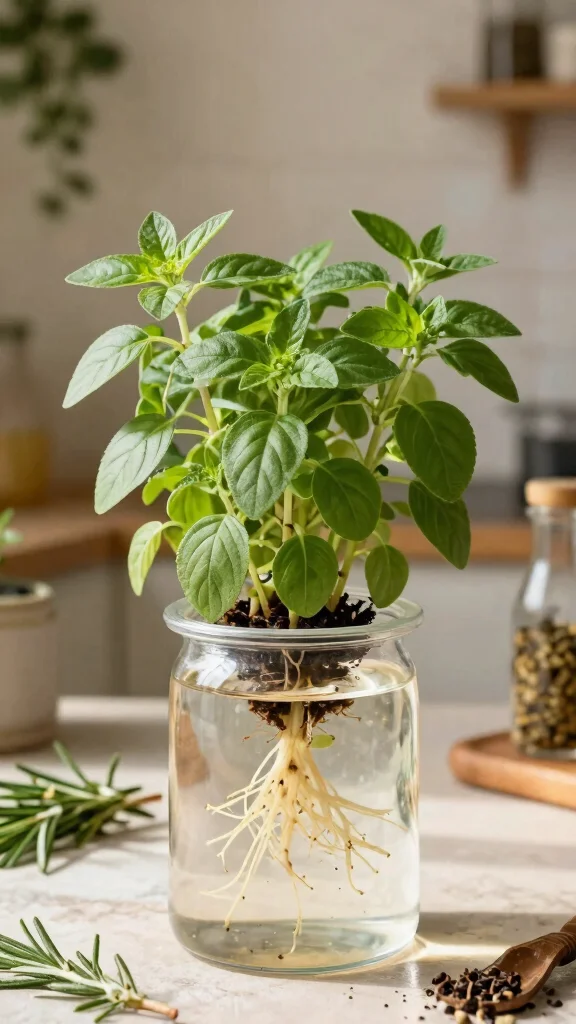
Do you love Mediterranean dishes? Oregano is a must-have herb that adds an earthy flavor to your meals, from pizzas to roasted veggies. Growing oregano hydroponically is ideal, as it ensures the perfect conditions for this flavorful herb.
For successful growth, provide at least six hours of sunlight daily and ensure good drainage to prevent soggy roots. Regularly harvest the leaves to promote bushiness, and enjoy them fresh or dried in your cooking. Oregano not only enhances flavors but also fills your kitchen with its delightful aroma, making it an essential herb for year-round cooking.
You might also like
Oregano: A Mediterranean Delight
Editor’s Choice
Ahopegarden Indoor Garden Hydroponics Growing System: 10 Pods Plant Germ…
Liquid Plant Food for use in AeroGarden, IDOO and Hydroponic Growing Sys…
LBW Desk Grow Light, Full Spectrum Plant Light for Indoor Plants, Grow L…
6. Thyme: Earthy and Resilient
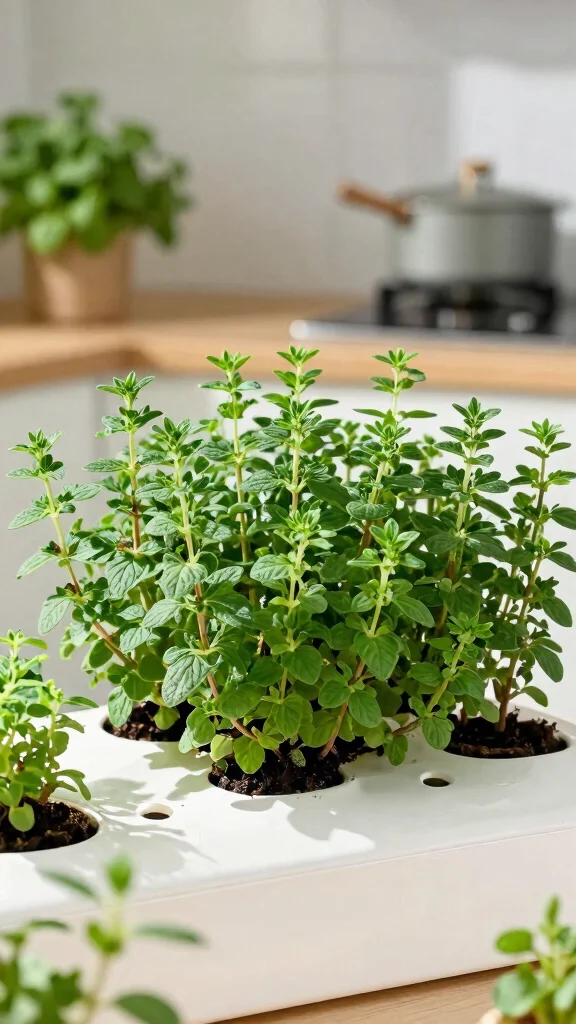
Looking for an herb that can withstand a bit of neglect? Thyme is your answer! This earthy herb adds depth to both hearty and light dishes, making it a versatile choice for your cooking. It’s surprisingly resilient, thriving in hydroponic systems with the right care.
To cultivate thyme indoors, ensure it gets plenty of bright light. Keep the water well-drained to avoid root rot, as thyme prefers drier conditions. Regular trimming of the stems, especially before flowering, keeps the plant healthy. With thyme on hand, you can easily enhance soups, stews, and roasted dishes with a touch of warmth and richness.
Thyme: Earthy and Resilient
Editor’s Choice
Ahopegarden Indoor Garden Hydroponics Growing System: 10 Pods Plant Germ…
Aokrean Plant Grow Light, 48 LEDs Full Spectrum Grow Lights for Indoor P…
Liquid Plant Food for use in AeroGarden, IDOO and Hydroponic Growing Sys…
7. Dill: Dill-icious Flavors
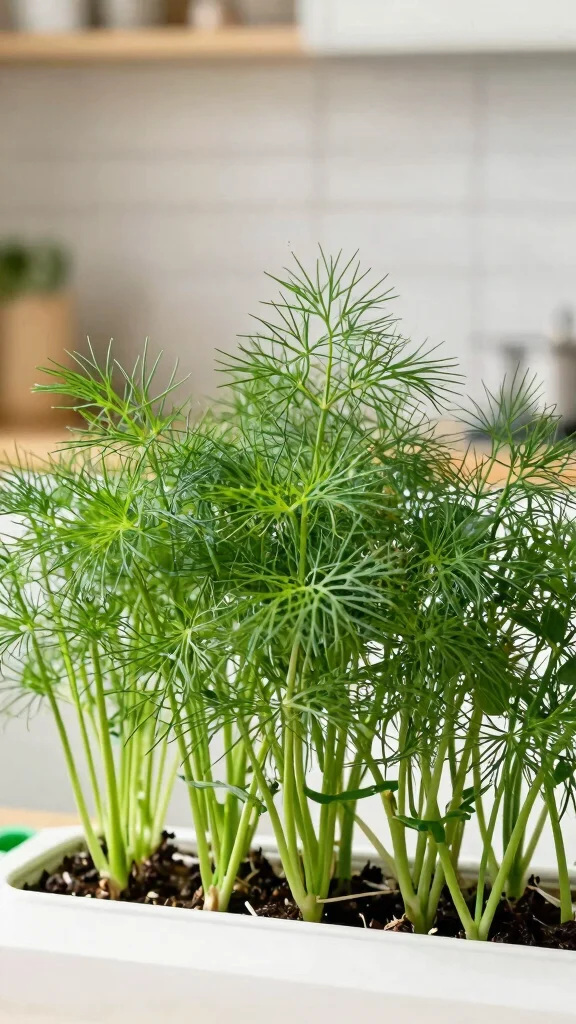
Want to add a unique flavor to your meals? Dill is the herb that brings a bright, distinctive taste to your dishes, especially in pickling and with fish. Growing dill indoors in a hydroponic system is both enjoyable and rewarding.
To grow dill effectively, ensure it receives six to eight hours of direct light daily. Use nutrient-rich water but avoid overwatering, as dill prefers slightly dry conditions. Regularly snip the leaves to keep the plant bushy and productive. Dill will elevate your indoor garden with fresh flavors that enhance your cooking all year round!
Fun fact: Dill thrives with 6 to 8 hours of direct light, so hydroponic herbs indoors can stay bright and bushy year-round. Snip regularly to keep it productive, and avoid overwatering for crisp, flavorful dill every meal.
Dill: Dill-icious Flavors
Editor’s Choice

Dill Seed Pods for All Hydroponics Growing Systems, 12 Pods Herb Kit wit…
GooingTop LED Grow Light,6000K Full Spectrum Clip Plant Growing Lamp wit…

Miracle-Gro Indoor Plant Food for All Plants, Liquid Plant Food for Hous…
8. Parsley: A Versatile Classic
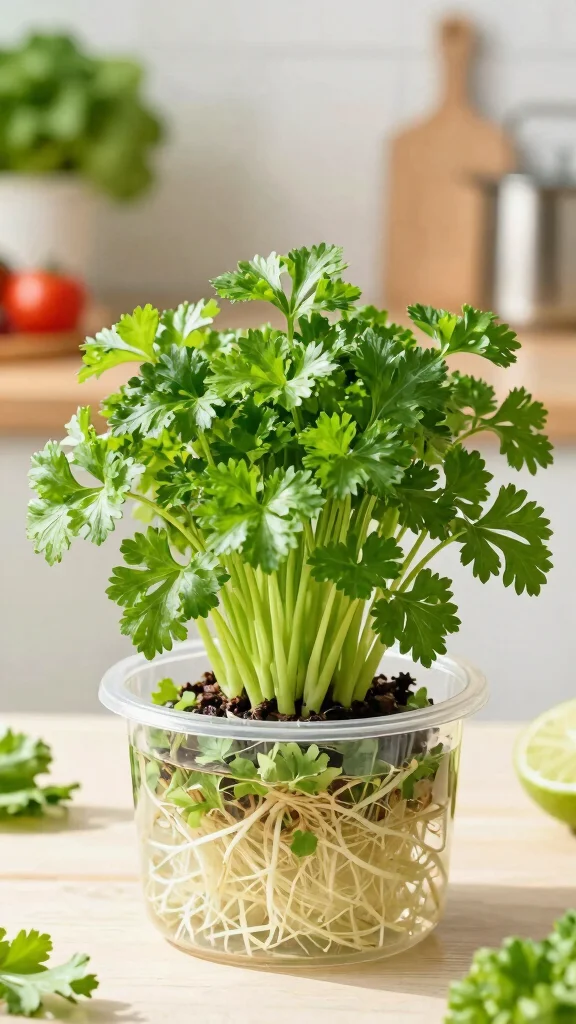
Do you need a herb that adds freshness to any dish? Parsley is not just a garnish; it’s a versatile herb perfect for everything from tabbouleh to soups. Growing parsley hydroponically ensures you have a consistent supply of this beloved herb.
For healthy parsley growth, provide about four to six hours of sunlight daily. Keep the water nutrient-rich and fresh, changing it regularly. Snip the outer leaves to encourage new growth from the center. Having fresh parsley on hand can transform your cooking, adding a burst of color and flavor to your meals!
You Might Also Like

Parsley: A Versatile Classic
Editor’s Choice
Ahopegarden Indoor Garden Hydroponics Growing System: 10 Pods Plant Germ…
Liquid Plant Food for use in AeroGarden, IDOO and Hydroponic Growing Sys…
GooingTop LED Grow Light,6000K Full Spectrum Clip Plant Growing Lamp wit…
9. Sage: Aromatic and Flavorful
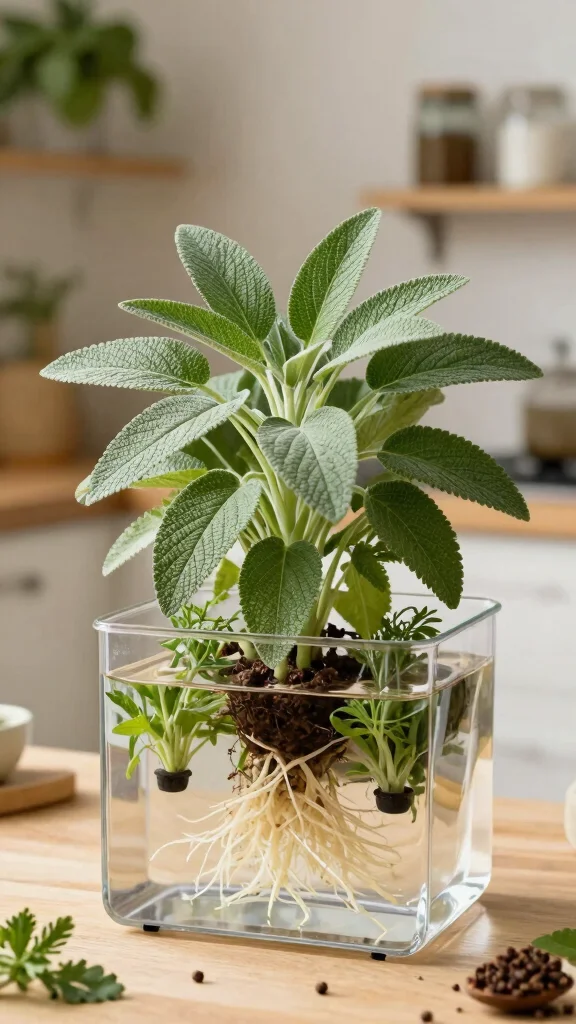
Are you searching for a robust herb to elevate your dishes? Sage is known for its earthy flavor and fragrant leaves, making it a culinary gem for savory meals like stuffings and roasted meats. Growing sage indoors with hydroponics allows you to enjoy this flavorful herb year-round.
For successful sage growth, ensure it gets ample direct sunlight for six to eight hours a day. Keep the roots dry between watering to prevent rot, and regularly trim the leaves to encourage bushiness. With sage in your indoor garden, you’ll always have an aromatic ingredient ready to enhance your next culinary creation!
Fun fact: Sage thrives in hydroponic herbs indoors setups—give it 6–8 hours of direct sun and you can harvest leaves year-round. Regular pruning keeps it bushy and aromatic, ready for stuffing and roasts.
Sage: Aromatic and Flavorful
Editor’s Choice

VIVOSUN Liquid Nutrients Base A & B Bundle, Grow Big Hydroponic Fertiliz…
Aokrean Plant Grow Light, 48 LEDs Full Spectrum Grow Lights for Indoor P…
Ahopegarden Indoor Garden Hydroponics Growing System: 10 Pods Plant Germ…
Conclusion
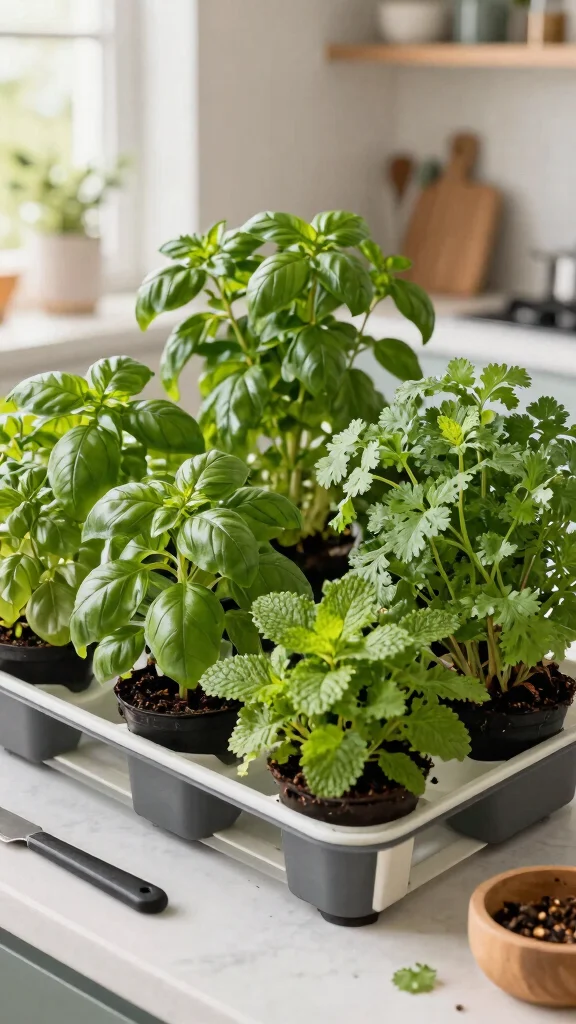
Transforming your indoor space into a flourishing herb garden is not just a trend; it’s a lifestyle choice that brings fresh flavors into your cooking all year round. These nine hydroponic herbs provide a variety of tastes and aromas, allowing you to experiment with new recipes anytime you desire.
No matter if you’re a seasoned chef or a beginner in the kitchen, growing herbs indoors can enhance your culinary creativity. Embrace the joy of having fresh ingredients right at your fingertips and enjoy the process of nurturing your indoor garden!
Note: We aim to provide accurate product links, but some may occasionally expire or become unavailable. If this happens, please search directly on Amazon for the product or a suitable alternative.
This post contains Amazon affiliate links, meaning we may earn a small commission if you purchase through our links, at no extra cost to you.
Frequently Asked Questions
What are the easiest hydroponic herbs indoors to grow for year‑round flavor?
Think basil, mint, cilantro, chives, and parsley. These hydroponic herbs indoors thrive in compact hydroponic systems for herbs and keep your kitchen stocked with fresh flavors all year long.
Practical setup tips: start with a simple Deep Water Culture (DWC) or a small NFT kit, keep nutrients steady, and monitor pH around 5.5–6.5. Provide 12–16 hours of light per day with a quality LED so growth stays vigorous.
Regular pruning and harvesting encourage bushier plants and longer production, giving you steady supplies of fresh year-round herbs.
What setup do I need for growing hydroponic herbs indoors?
Beginner friendly options include Deep Water Culture (DWC), Nutrient Film Technique (NFT), or a simple wick system. For most urban dwellers, a compact DWC kit with an air stone, net pots, and a small grow light is enough to start.
Key components: a clean reservoir, an appropriate growing medium, a timer for lights, and a quality LED grow light to ensure strong growth of hydroponic herbs indoors.
Maintenance tips: keep water temperatures stable (60–70°F / 15–21°C), follow hydroponic gardening tips for nutrients, and check pH weekly to stay in the 5.5–6.5 range.
How can I maximize year‑round harvests in a small urban space?
Use vertical shelving, compact pots, and staggered harvesting so two or more varieties produce continuously. Choose herbs that do well in indoor hydroponics, like basil, mint, and cilantro, and keep a consistent light schedule to ensure year-round herbs production.
Practical tips: install a slim LED panel above a trellis or use a DIY vertical hydroponic setup; keep nutrients steady, maintain reservoir cleanliness, and rotate crops so you always have something ready to harvest.
With thoughtful space planning and indoor gardening discipline, you can enjoy fresh hydroponic herbs indoors even in a tiny apartment.
What common mistakes should beginners avoid when growing hydroponic herbs indoors?
Avoid overwatering or underwatering; never neglect light— herbs indoors still need 12–16 hours of strong light per day. Don’t ignore pH or EC levels; aim for pH 5.5–6.5 and proper nutrient strength. Use clean equipment to prevent diseases, and ensure good airflow around the plants to prevent mold and root rot. Also, don’t recycle nutrient solution too long; refresh regularly to keep flavors vibrant.
Following hydroponic gardening tips helps new growers build a solid, repeatable routine for healthy herbs indoors.
How do I troubleshoot issues like yellow leaves or slow growth in hydroponic herbs indoors?
Start by checking the basics: is the pH in range (5.5–6.5) and are you feeding appropriate nutrients? Yellowing often means nutrient imbalance or light stress. Inspect the roots for rot or dark, mushy areas—oxygenation from the air stone helps. Ensure the reservoir isn’t too warm and that roots get enough oxygen. Verify lighting duration and intensity; adjust as needed. Finally, confirm you’re not over‑crowding plants or letting humidity spike; tidy pruning can restore airflow and vigor.
With careful monitoring and small tweaks, your hydroponic herbs indoors will bounce back quickly.
Related Topics
hydroponic herbs indoors
indoor gardening
year-round herbs
growing herbs indoors
hydroponic gardening tips
urban gardening
fresh flavors
easy hydroponics
beginner friendly
small space gardening
herb garden ideas
sustainable living