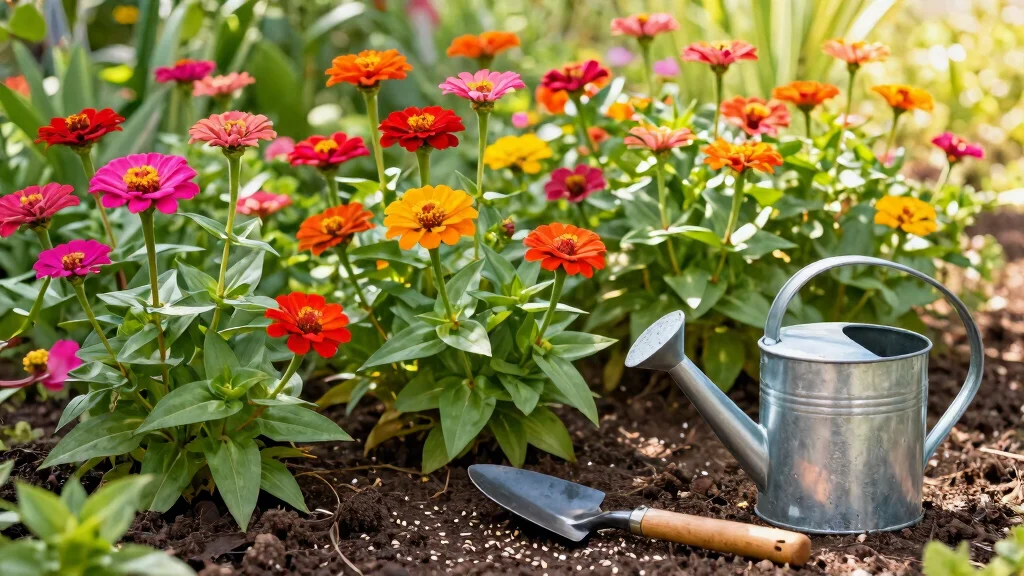
Growing a garden filled with bold and colorful blooms is a dream for many flower enthusiasts. If you’re like me, the thought of spending summer surrounded by vibrant zinnias has you craving a burst of color in your outdoor space. I created this guide to share essential tips for growing zinnia seeds successfully, ensuring your garden flourishes all summer long.
This post is especially for anyone who loves gardening, whether you’re a seasoned pro or just starting. If you want a low-maintenance garden filled with stunning flowers, you’re in the right place. Zinnias are not only beautiful but also drought-tolerant, making them perfect for summer gardens. Here, you’ll find nine practical tips that will help you create a colorful paradise right in your backyard, complete with zinnias that bloom continuously, adding beauty and joy to your outdoor space.
From choosing the right variety to effective watering techniques, you’ll gain valuable insights that will set you up for success. Let’s dive in and make your summer garden the talk of the neighborhood with these vibrant zinnia blooms!
Key Takeaways
– Choose the Right Zinnia Variety: Different varieties suit different climates. Make sure to pick one that thrives in your local conditions for best results.
– Start with Quality Seeds: Quality zinnia seeds are essential for strong growth. Look for trusted sources to ensure your seeds are healthy and viable.
– Perfect Your Soil Preparation: Good soil is the foundation of any garden. Test and amend your soil to provide the right nutrients that zinnias need to flourish.
– Timing Is Everything: Planting zinnia seeds at the right time boosts their growth. Pay attention to frost dates and seasonal changes to ensure optimal planting conditions.
– Watering Techniques for Success: Zinnias love water, but overwatering can harm them. Learn effective watering habits to keep your plants hydrated without drowning them.
1. Choose the Right Zinnia Variety

Choosing the perfect variety of zinnia can elevate your garden’s beauty. With so many options available, you can find zinnias that suit your style and garden conditions. Varieties like the vibrant ‘Zahara’ series and the resilient ‘Profusion’ provide a burst of color and withstand heat, making them a top choice for summer gardens.
Start by exploring the variety that fits your garden’s needs. Select zinnias that are disease-resistant and compact for smaller spaces, or go for the larger types if you have room to spare. Each variety has its own unique appeal, so pick what speaks to you.
Consider these popular options:
– Zahara Zinnias: Known for their vibrant colors and disease resistance.
– Profusion Zinnias: Compact growth makes them ideal for pots and borders.
– Cut and Come Again: Regularly cut them for more blooms throughout the season.
Choosing the right variety will ensure your garden bursts with color and charm all summer long.
Choose the Right Zinnia Variety
Editor’s Choice

HOME GROWN Zinnia Dahlia Seeds Pack for 2026 Non GMO 524 Flower Seeds | …


Eden Brothers Zinnia Seeds – Profusion Cherry Bicolor, Non-GMO Seeds for…
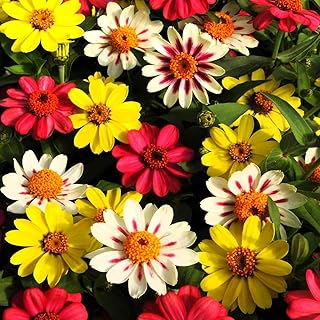
Outsidepride Zahara Raspberry Lemonade Mix Zinnia Seeds – 50 Pcs Annual,…
2. Start with Quality Seeds

The secret to a thriving zinnia garden lies in the seeds you plant. Opt for high-quality seeds from trusted sources to ensure healthy growth. Organic seeds are a fantastic option, as they’re free from harmful chemicals that can hinder your plants.
Before you purchase, check the packaging date to confirm freshness. Remember, older seeds may not germinate as well. Investing in quality seeds means stronger plants, leading to a summer filled with stunning blooms.
When selecting your seeds, keep these tips in mind:
– Source: Buy from reputable garden centers or specialty seed companies.
– Germination Rate: Look for seeds with high germination percentages for better results.
– Storage: Keep seeds in a cool, dry place to maintain their viability.
Starting with top-notch seeds sets the stage for a successful and colorful zinnia garden.
Fun fact: fresh zinnia seeds can germinate up to 2x–3x better than older packs. Always check the packaging date and choose organic, high-quality zinnia seeds for a bold, low-maintenance summer garden.
Start with Quality Seeds
Editor’s Choice
HOME GROWN Zinnia Dahlia Seeds Pack for 2026 Non GMO 524 Flower Seeds | …

Burpee SuperSeed Seed Starting Tray | 36 Cell Reusable Seed Starter Tray…
3. Perfect Your Soil Preparation

A flourishing zinnia garden starts with healthy soil. Before planting, ensure your garden bed is rich in nutrients and has good drainage. Zinnias thrive in well-draining soil mixed with organic matter, which helps retain moisture while allowing excess water to escape.
Getting your soil ready is crucial for strong plant growth. Conduct a soil test to understand its current state and make necessary amendments. This preparation will lay a solid foundation for vibrant blooms all summer.
Here’s how to prepare your soil:
– Test Your Soil: Check the pH and nutrient levels to guide amendments.
– Amend with Compost: Mix in organic compost or well-rotted manure for added nutrients.
– Tilling: Loosen the soil to a depth of at least 12 inches for optimal root growth.
A well-prepared soil bed will promote robust zinnia plants that display beautiful blooms throughout the season.
Fun fact: Well-draining soil with organic matter boosts zinnia seeds germination and bloom quality by up to 40%. A quick soil test, followed by simple amendments, gives your garden the solid foundation it needs for vibrant, low-maintenance blooms all summer.
Perfect Your Soil Preparation
Editor’s Choice

MZK 12-Inch 10.5 Amp Corded Electric Tiller/Cultivator for Gardening, 8-…

Michigan Peat Compost and Manure Blend, Garden Magic Mix with Odor-Free …
Rapitest Soil Test Kit for Gardens, Vegetables, Flowers and Lawns. USA d…
4. Timing Is Everything

Planting zinnia seeds at the right moment is crucial for their success. These flowers love warm weather, so aim to plant them after the last frost. In most areas, this means sowing seeds directly into the soil in late spring when temperatures hit 70°F (21°C) or higher.
Getting your timing right can lead to a spectacular summer display of blooms. Monitor soil temperatures and consider staggering your planting to enjoy continuous blooms throughout the season.
Here are some tips for perfect timing:
– Soil Temperature: Use a thermometer to ensure the soil is warm enough.
– Stagger Planting: Space out your planting every few weeks for ongoing color.
– Indoor Start: If in a cooler area, start seeds indoors 4-6 weeks before the last frost.
When you time your planting correctly, you’ll be rewarded with a vibrant garden filled with zinnias all summer long.
Fun fact: Zinnia seeds germinate best when soil temps reach 70°F (21°C) or warmer. Planting after the last frost and staggering sowing in late spring helps you enjoy continuous blooms throughout summer.
Timing Is Everything
Editor’s Choice
The 2026 Old Farmer’s Almanac Gardening Wall Calendar

10 Plant Growing Trays (No Drain Holes) – 20″ x 10″ – Perfect Garden See…

Taylor Soil Testing Thermometer, Gardening Tool for Plant Care, Gardenin…
5. Space Your Plants Wisely

Proper spacing is vital for the health of your zinnias. Crowding can limit airflow and increase the risk of diseases. Aim for each zinnia plant to have ample room to grow without competing for light and nutrients. Generally, spacing them 12 to 18 inches apart works best for larger varieties.
Keep in mind the growth habits of your chosen zinnia types. Adequate space not only supports plant health but allows you to create beautiful patterns in your garden design.
Consider these spacing factors:
– Growth Habit: Research the mature size of your zinnia variety.
– Airflow: Good spacing improves airflow, reducing fungal disease risk.
– Design Consideration: Experiment with spacing for attractive garden layouts.
Giving your zinnias room to breathe will enhance their growth potential and lead to a colorful display.
You might also like

Top Varieties for Different Conditions
When it comes to growing zinnias, you’ll find a variety of options suited for different conditions and preferences. Here are some recommended varieties that can make your garden pop with color all summer long.
1. Dreamland Zinnia
– Best conditions: Ideal for small gardens and container gardening.
– Key features: This compact variety produces vibrant 2-3 inch blooms in a range of colors, making it perfect for borders or patio pots. It thrives in full sun and is low-maintenance.
– Considerations: Limited height means it may not stand out in larger garden beds.
2. State Fair Zinnia
– Best conditions: Works well in hotter climates with full sun.
– Key features: Known for its towering blooms that can reach up to 4 inches across, this variety is a showstopper. It’s resistant to powdery mildew, which is great for humid areas.
– Considerations: Requires about 18 inches of spacing to prevent overcrowding and promote air circulation.
3. Zahara Zinnia
– Best conditions: Perfect for drought-tolerant gardens and poor soils.
– Key features: This variety is hardy and requires little water once established. It produces bright, colorful flowers that attract pollinators.
– Considerations: While drought-resistant, it does need regular watering in the initial growth phase.
4. Benary’s Giant Zinnia
– Best conditions: Great for cutting gardens and sunny spots.
– Key features: With large, full blooms in multiple shades, these zinnias are excellent for bouquets. They also have a longer lifespan than many other varieties.
– Considerations: They may need staking in windy areas due to their height.
5. Lilliput Zinnia
– Best conditions: Suitable for tight spaces and raised beds.
– Key features: These small, pom-pom-like flowers are perfect for adding texture and variety to any garden setting. They bloom in a mix of colors, providing a cheerful display.
– Considerations: Their small stature means they can be overshadowed by taller plants.
6. Envy Zinnia
– Best conditions: Best for full sun and well-drained soil.
– Key features: This unique variety features lime-green blooms that turn yellow as they age. It offers a fresh twist in a traditional zinnia palette.
– Considerations: Requires regular deadheading to encourage continuous blooming.
7. Persian Carpet Zinnia
– Best conditions: Great for wildflower gardens and pollinator-friendly spaces.
– Key features: Known for its striking, mixed colors and unique patterns, this variety attracts bees and butterflies. It’s a fantastic choice for more natural landscapes.
– Considerations: May need regular watering during dry spells to maintain vibrant blooms.
Climate/Condition Guide:
When choosing zinnia varieties, consider your local climate:
– Temperate: Most zinnias will thrive with plenty of sunlight and regular watering.
– Hot/Dry: Choose drought-tolerant varieties like Zahara and Lilliput for best results.
– Humid: Look for mildew-resistant options like State Fair to combat humidity-related issues.
– Coastal: Ensure good air circulation and choose shorter varieties to withstand coastal winds.
Growing Tips:
– Plant zinnia seeds after the last frost, as they thrive in warm weather. Space them according to the variety to prevent crowding.
– Regularly deadhead spent blooms to encourage more flowers throughout the summer.
– Monitor for pests like aphids or spider mites, treating them early to prevent damage.
Avoid:
– Overwatering, which can lead to root rot and fungal diseases. Ensure good drainage.
– Choosing varieties that are not suited for your climate, as this can lead to poor growth and disappointing blooms.
Space Your Plants Wisely
Editor’s Choice

Plant Ruler by Snurfado – Wooden Seed Spacing Tool for Vegetable Garde…
6. Watering Techniques for Success

Although zinnias can handle dry conditions, they need consistent watering to establish strong roots. Initially, water them deeply and less frequently to encourage deep root growth. Aim for about an inch of water per week, whether from rain or supplemental watering.
Effective watering techniques can make a significant difference in your zinnias’ health. Pay attention to the time of day and moisture levels in the soil to ensure optimal results.
Here are some effective watering tips:
– Time of Day: Water early in the morning to reduce evaporation losses.
– Soil Check: Feel the soil; if it’s dry two inches down, it’s time to water.
– Avoid Overhead Watering: Use soaker hoses to minimize mold and mildew risks.
By mastering your watering routine, your zinnias will thrive with vibrant blooms all summer long.
📹 Related Video: Growing Zinnias and Care of Zinnia Plants
Watering Techniques for Success
Editor’s Choice
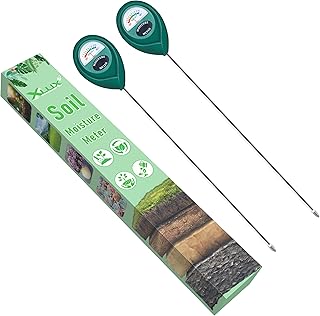
XLUX Long Probe Deep Use Soil Moisture Meter Sensor, Water Monitor Indic…

MIXC 230FT Quick-Connect Drip Irrigation System Kit, Automatic Garden Wa…

Chapin 47998 Watering Can, 2 Gallon, Indoor and Outdoor Plants, Lawn, Ga…
7. Fertilizing for Flourishing Flowers

Zinnias are generally low-maintenance, but a little fertilizer can boost their growth significantly. Use a balanced, slow-release fertilizer once a month during the growing season. Avoid high-nitrogen fertilizers as they promote foliage over blooms.
Regular feeding will keep your zinnias healthy and blooming beautifully all season long. You can choose organic options for a natural approach that benefits both plants and the environment.
Consider these fertilizing tips:
– Organic Options: Use fish emulsion or compost tea for a natural boost.
– Application Method: Apply fertilizer at the plant base to prevent leaf burn.
– Timing: Fertilize after watering to protect roots from damage.
With proper fertilization, your zinnias will be robust and colorful, ready to impress throughout the blooming season.
Fertilizing for Flourishing Flowers
Editor’s Choice
Rapitest Soil Test Kit for Gardens, Vegetables, Flowers and Lawns. USA d…

Osmocote Smart-Release Plant Food Plus Outdoor & Indoor1 – Granular, Con…
8. Deadheading for Continuous Blooms

To ensure your zinnias keep blooming, deadheading—removing spent flowers—is essential. This simple task encourages plants to produce more blooms instead of seeds, extending the flowering period. Just pinch or cut off faded flowers and watch for more vibrant blooms.
Incorporating deadheading into your garden routine is a game-changer for continuous color. Stay consistent with this practice to enjoy a lively garden all summer.
Here’s how to effectively deadhead:
– Timing: Deadhead regularly to maximize blooms.
– Tools: Use clean, sharp scissors or pruning shears for best results.
– Observe: Keep an eye on wilting flowers and remove them promptly.
By regularly deadheading, your garden will flourish with a burst of color, creating a vibrant outdoor space.
You Might Also Like

Deadheading for Continuous Blooms
Editor’s Choice

Garden Tools, 2-in-1 Hand Weeder Puller, Heavy Duty Stainless Steel Gard…
9. Pests and Disease Management

Even resilient zinnias can encounter pests and diseases. Regular inspections are vital to catch issues early. Common pests like aphids and spider mites can often be controlled with a gentle water spray or insecticidal soap.
Additionally, proper spacing and good air circulation can help prevent fungal diseases. Stay vigilant and proactive to keep your zinnias healthy and thriving all summer long.
Implement these management strategies:
– Daily Checks: Inspect leaves and stems for pests.
– Natural Predators: Attract ladybugs to control aphid populations.
– Fungal Awareness: Remove affected leaves and ensure proper spacing.
By staying ahead of potential problems, your zinnias will remain stunning and vibrant throughout the season.
Pests and Disease Management
Editor’s Choice

Bonide Captain Jack’s Copper Fungicide, 32 oz Ready-to-Use Spray for Org…

Garden Safe Brand Insecticidal Soap Insect Killer, 32 Fluid Ounces, For …
Chapin 20004 Pump Sprayer, 1-Gallon SureSpray Translucent Tank with an E…
Conclusion

With these nine zinnia seeds tips, you’re well on your way to cultivating a stunning, drought-tolerant garden filled with bold and colorful blooms. Whether you’re a seasoned gardener or just starting out, zinnias offer a low-maintenance, rewarding experience. Embrace the beauty of summer with zinnias that will dazzle and delight, making your outdoor space a true haven.
Happy gardening, and may your garden overflow with vibrant zinnia colors all season long!
Note: We aim to provide accurate product links, but some may occasionally expire or become unavailable. If this happens, please search directly on Amazon for the product or a suitable alternative.
This post contains Amazon affiliate links, meaning we may earn a small commission if you purchase through our links, at no extra cost to you.
Frequently Asked Questions
Which zinnia seeds are best for a drought-tolerant, low-maintenance summer garden?
For a drought-tolerant, low-maintenance garden, look for zinnia seeds labeled drought-tolerant or heat-tolerant. Classic options in this realm include the Profusion and State Fair series, known for bold color with less water. Plant in full sun on well-draining soil, amend with compost, and top the bed with 2-3 inches of mulch to conserve moisture. Water deeply but infrequently, then let the soil dry slightly between sessions. Deadhead spent blooms to keep the display coming all season, turning your space into a joyful, colorful garden idea you can enjoy with minimal fuss.
How should I plan and plant zinnia seeds to keep color going all summer?
Start by planting planting zinnia seeds after the danger of frost or directly into warm soil. Space seeds about 6-12 inches apart and sow them 1/4 inch deep. For continuous color, sow new crops every 2-3 weeks through late spring and early summer. Keep the soil evenly moist until germination, then switch to deep, infrequent watering. Mulch to preserve moisture and weed suppression, and thin seedlings to the final spacing once they’re large enough to manage. With steady succession sowings, you’ll enjoy uninterrupted summer blooms from your zinnias.
What is the essential zinnia care guide to keep blooms vibrant throughout summer?
A simple zinnia care guide starts with full sun and well-draining soil, plus regular but light feeding. Water at the base to avoid foliar diseases, and use a light mulch to retain moisture. Deadhead regularly to encourage new growth and larger blooms, and pinch young plants to promote branching. Keep an eye out for common pests, but generally these low-maintenance plants thrive with flower gardening tips like consistent spacing and timely pruning. With a little care, your colorful garden ideas will stay vibrant all season long.
How can I design my garden for bold and colorful summer displays using zinnias?
Think in blocks of color and height to create dramatic contrasts with colorful garden ideas. Plant compact varieties in front and taller ones toward the back, grouping like colors for impact. Try pairing zinnias with drought-tolerant companions like portulaca, salvia, or ornamental grasses for texture and continuity. Containers or raised beds are great for controlled watering in hot weather. This approach keeps your space lively and ensures you get striking, long-lasting summer blooms from your zinnia seeds.
How much water do zinnias need during hot, dry spells and how can I water efficiently?
During hot spells, water deeply but infrequently to encourage deep root growth—typically about 1 inch per week, increasing during extreme heat or if rainfall is scarce. Use drip irrigation or soaker hoses to water at the soil level, which reduces evaporation and disease risk. Mulch with 2-3 inches of organic material to conserve moisture. Monitor for signs of stress (wilting between waterings) and adjust accordingly. With these steps, you’ll make the most of zinnia seeds while keeping summer blooms thriving and water use efficient.
Related Topics
zinnia seeds
flower gardening tips
drought-tolerant plants
summer blooms
zinnia care guide
easy gardening
colorful garden ideas
low-maintenance flowers
beginner friendly
planting zinnia seeds
bold blooms
garden design