
Creating a year-round indoor garden using hydroponics has me dreaming of fresh, vibrant greens and the joy of home-grown produce. With the rise of urban living and limited outdoor space, more people are looking for ways to bring a piece of nature indoors. If you have a passion for gardening but struggle with space or the seasons, you’re in the right place. This post is crafted especially for you, whether you’re a seasoned gardener or a beginner eager to try hydroponic gardening at home.
You’ll discover nine innovative hydroponic ideas that let you harvest fresh food every month. From space-saving vertical gardens to delightful indoor herb gardens, these suggestions are practical and fun. Each idea offers unique benefits, making it easier for you to enjoy fresh produce throughout the year. By the end, you’ll have a variety of options to start your journey into hydroponic gardening, ensuring you can enjoy delicious, home-grown food no matter the season.
Key Takeaways
– Explore vertical tower gardens, perfect for small spaces, allowing you to maximize your growing area while adding visual appeal to your home.
– Discover hydroponic window farms that bring the outdoors inside, letting you cultivate herbs and vegetables right from your kitchen.
– Learn about DIY hydroponic kits that let you personalize your gardening experience, providing an engaging way to grow your favorite plants.
– Get inspired by indoor herb gardens that can elevate your cooking with fresh flavors year-round, making meal prep more exciting and flavorful.
– Understand the importance of sustainable gardening practices, ensuring that your indoor garden is both environmentally friendly and rewarding.
1. Vertical Tower Gardens: Space-Saving Marvels

Are you looking to grow fresh produce but short on space? Vertical tower gardens are your answer! These innovative systems let you cultivate a variety of plants upwards, transforming any small area into a lush garden. Picture a stylish tower brimming with green leaves and colorful herbs, all thriving in harmony.
Not only do they maximize space, but they also make harvesting easy with plants arranged at different heights. Plus, they add a modern touch to your home decor. With the right care and lighting, you can enjoy fresh greens all year round. Imagine plucking fresh basil, cilantro, or even crisp lettuce right from your own indoor garden!
Ingredients:
– Vertical tower garden kit
– Nutrient-rich water solution
– Seeds or seedlings of your choice (herbs, lettuce, etc.)
– Grow lights (if natural light is insufficient)
– pH testing kit (optional)
Instructions:
1. Assemble the vertical tower according to the kit instructions.
2. Fill the reservoir with nutrient-rich water solution.
3. Plant seeds or seedlings in the designated slots.
4. Position grow lights above if needed, ensuring they are on for 12-16 hours daily.
5. Monitor water levels and nutrient balance regularly.
6. Harvest your greens as they mature, enjoying fresh produce right at home!
FAQs:
– Can I grow different types of plants together? Yes, as long as their growing conditions are compatible.
– Can I use my tower garden outdoors? Yes, but ensure it has appropriate sunlight and protection from harsh weather.
Vertical Tower Gardens: Space-Saving Marvels
Editor’s Choice

VEVOR Hydroponic Tower, 50 Pods 10 Tiers Hydroponics Growing System Kit …


Liquid Plant Food for use in AeroGarden, IDOO and Hydroponic Growing Sys…

Spider Farmer SF300 LED Grow Lights Sunlike Full Spectrum Plant Growing …
2. Hydroponic Window Farms: Nature at Your Fingertips

Do you have a sunny window and a passion for fresh herbs? Hydroponic window farms bring the joy of gardening right to your fingertips. These compact systems utilize natural sunlight to thrive, making it simple to grow delicious herbs and greens right in your kitchen. Imagine having fresh basil, mint, and arugula just an arm’s reach away for all your cooking needs!
With minimal maintenance required, you can enjoy the vibrant flavors of homegrown produce while enhancing your culinary creations. You’ll appreciate the difference in taste when you use fresh ingredients from your own indoor garden.
Ingredients:
– Hydroponic window farm kit
– Nutrient solution
– Seeds or seedlings (herbs, salad greens)
– Grow lights (optional, for cloudy days)
Instructions:
1. Set up the window farm kit according to the instructions provided.
2. Fill the system with the nutrient solution as directed.
3. Plant seeds or seedlings in the designated areas.
4. Ensure plants receive 10-12 hours of light daily, supplementing with grow lights if necessary.
5. Monitor water and nutrient levels weekly.
6. Harvest herbs and greens as needed for fresh flavors in your meals!
FAQs:
– Can I use artificial light? Yes, artificial grow lights can help if natural light is insufficient.
– Can I grow vegetables in a window farm? Yes, many leafy greens and herbs thrive well in these systems.
Hydroponic Window Farms: Nature at Your Fingertips
Editor’s Choice
Liquid Plant Food for use in AeroGarden, IDOO and Hydroponic Growing Sys…

GooingTop LED Grow Light,6000K Full Spectrum Clip Plant Growing Lamp wit…

Ahopegarden Indoor Garden Hydroponics Growing System: 10 Pods Plant Germ…
3. DIY Hydroponic Kits: Personalize Your Garden

Are you a hands-on gardener looking for a personalized touch? DIY hydroponic kits offer you the opportunity to create your own indoor garden tailored to your needs. Whether you’re crafting a simple Kratky setup or experimenting with a more complex system, the creative possibilities are endless!
This approach not only allows you to grow fresh food but also deepens your understanding of hydroponics. You’ll learn about nutrient cycles and water management while enjoying the fruits of your labor.
Ingredients:
– DIY hydroponic kit components (containers, pumps, etc.)
– Nutrient solution
– Seeds or seedlings of your choice
– pH testing kit (optional)
Instructions:
1. Gather materials based on your chosen hydroponic method.
2. Assemble your system as per your design.
3. Fill with nutrient solution, ensuring it’s well-mixed.
4. Plant your seeds or seedlings in the system.
5. Monitor water levels and nutrients regularly.
6. Enjoy watching your plants grow and flourish!
FAQs:
– Can I use recycled materials for my DIY kit? Yes, many gardeners successfully use repurposed items for their systems.
– How much time does it take to see growth? It can vary by plant type, but many will sprout within a week or two.
Fun fact: DIY hydroponic kits can reduce water use by up to 90% in year round indoor garden hydroponics. Personalize your setup with a Kratky or pump-based system, and watch your fresh herbs grow even in small spaces.
DIY Hydroponic Kits: Personalize Your Garden
Editor’s Choice

Aokrean Plant Grow Light, 48 LEDs Full Spectrum Grow Lights for Indoor P…
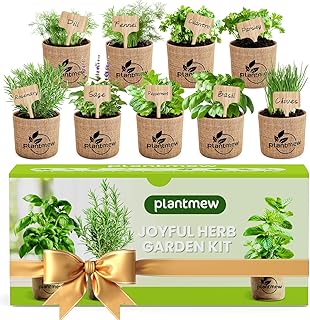
Gift for Women, Mom, Her – 9 Herb Indoor Window Garden Kit | Complete …
Liquid Plant Food for use in AeroGarden, IDOO and Hydroponic Growing Sys…
4. Indoor Herb Gardens: Fresh Flavors Year-Round

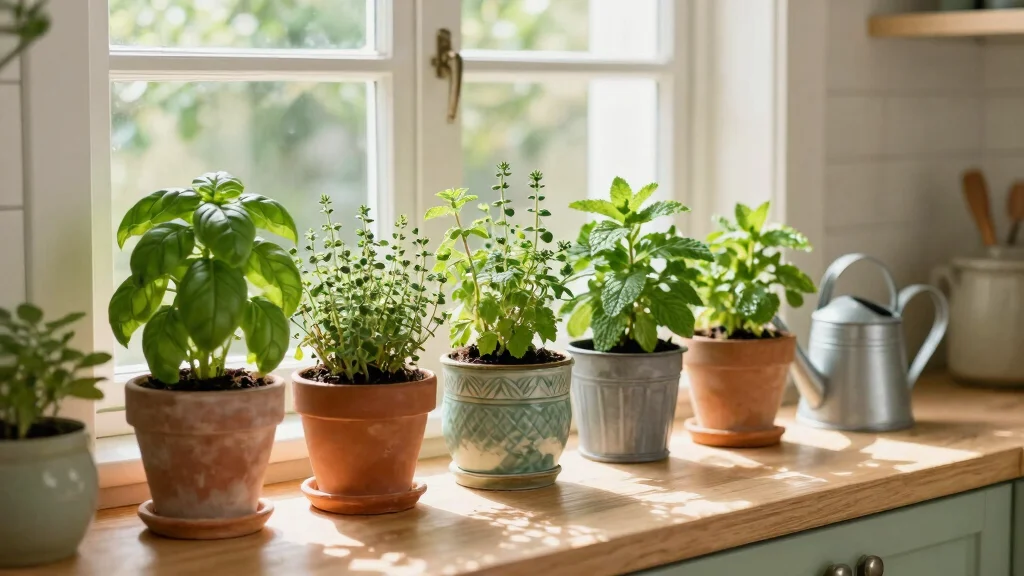
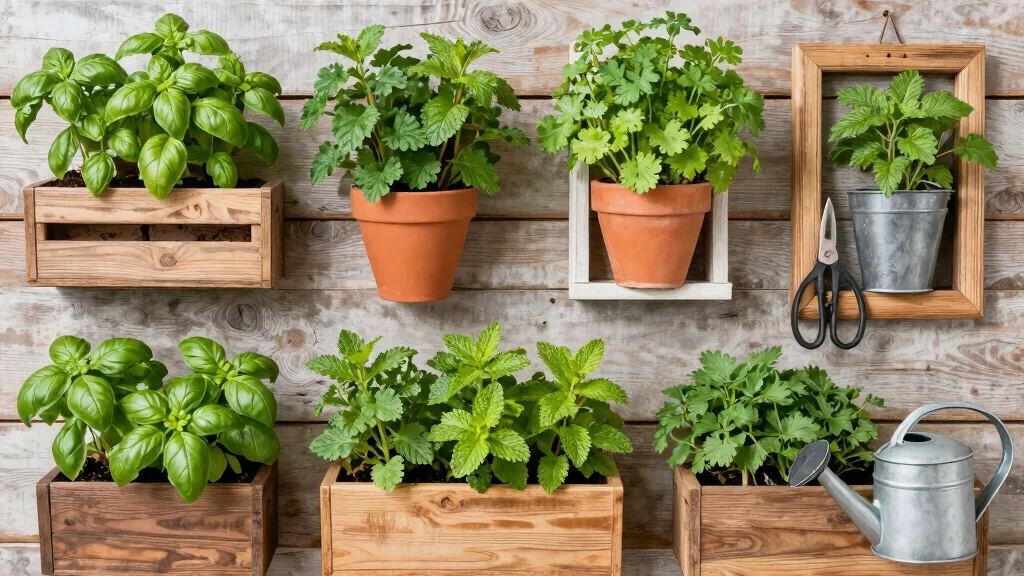
Do you dream of fresh herbs enhancing your culinary creations? An indoor herb garden allows you to enjoy aromatic flavors right in your kitchen. With hydroponics, you can cultivate herbs like basil, mint, and oregano year-round, ensuring you have fresh ingredients at your fingertips. Imagine snipping a sprig of rosemary for your roasted chicken or adding parsley to your pasta sauce!
These gardens are easy to set up and maintain, bringing delightful scents and flavors into your home. You’ll impress family and friends with dishes elevated by your own fresh herbs.
Ingredients:
– Small hydroponic system or containers
– Nutrient solution
– Herb seeds or seedlings (basil, mint, etc.)
– Grow lights (optional)
Instructions:
1. Set up your hydroponic system according to the instructions.
2. Fill it with nutrient solution as directed.
3. Plant your herb seeds or seedlings in the system.
4. Ensure the herbs get 10-12 hours of light each day, adding grow lights if needed.
5. Water and nourish your herbs regularly.
6. Harvest fresh herbs as they grow for cooking!
FAQs:
– Can I grow herbs without a hydroponic system? Yes, traditional potting works as well.
– How often should I harvest? Regular trimming encourages bushier growth and more flavor!
📹 Related Video: Indoor Herb Gardens – The Definitive Guide For Beginners
Indoor Herb Gardens: Fresh Flavors Year-Round
Editor’s Choice
GooingTop LED Grow Light,6000K Full Spectrum Clip Plant Growing Lamp wit…
Ahopegarden Indoor Garden Hydroponics Growing System: 10 Pods Plant Germ…
Liquid Plant Food for use in AeroGarden, IDOO and Hydroponic Growing Sys…
5. NFT Hydroponic Systems: Efficient and Productive

Are you seeking an efficient way to grow plants indoors? Nutrient Film Technique (NFT) hydroponic systems are an excellent choice. This innovative setup circulates a thin film of nutrient-rich water over plant roots, ensuring they receive all they need to thrive. Imagine a streamlined setup bursting with fresh greens, all while conserving water and maximizing your space!
These systems are perfect for anyone looking to produce a high yield with minimal resources. You’ll be amazed at how productive they can be, allowing you to enjoy a bountiful harvest with ease.
Ingredients:
– NFT hydroponic system kit
– Nutrient solution
– Seeds or seedlings (lettuce, herbs)
– Pump and tubing for water circulation
Instructions:
1. Assemble the NFT system according to the provided instructions.
2. Fill the reservoir with nutrient solution.
3. Plant seeds or seedlings in the designated channels.
4. Set the pump to circulate water continuously.
5. Monitor nutrient and water levels regularly.
6. Enjoy your harvest as your plants flourish!
FAQs:
– Can I grow all types of plants in NFT systems? They work best for leafy greens and herbs.
– How much space do I need? NFT systems can be set up in small areas, making them versatile for indoor gardening.
NFT setups prove small spaces can feed a family. A thin nutrient film, steady circulation, and smart spacing mean high yields with minimal resources. With year round indoor garden hydroponics, you’ll enjoy fresh greens all month, no guesswork needed.
You might also like

NFT Hydroponic Systems: Efficient and Productive
Editor’s Choice
Ahopegarden Indoor Garden Hydroponics Growing System: 10 Pods Plant Germ…
GooingTop LED Grow Light,6000K Full Spectrum Clip Plant Growing Lamp wit…
Liquid Plant Food for use in AeroGarden, IDOO and Hydroponic Growing Sys…
6. Aquarium Hydroponic Systems: Foster a Sustainable Ecosystem

Are you interested in a unique gardening experience? Aquaponics blends hydroponics with aquaculture, creating a sustainable ecosystem where fish and plants thrive together. By using fish waste as fertilizer, you can cultivate your plants while enjoying the lively presence of fish. Picture a vibrant aquarium with colorful fish swimming beneath lush herbs and vegetables, all working together in harmony!
This system not only produces delicious produce but also teaches valuable lessons about ecosystem balance. It’s a wonderful way to engage with nature right in your home.
Ingredients:
– Aquaponic system kit (tank, grow bed)
– Fish (such as tilapia or goldfish)
– Plant seeds or seedlings (herbs, leafy greens)
– Water testing kit
Instructions:
1. Set up the aquaponic system according to the kit instructions.
2. Fill the tank with water and introduce fish once it’s established.
3. Plant seeds in the grow bed.
4. Monitor water quality and nutrient levels regularly.
5. Harvest your plants as they grow, enjoying the fruits of your sustainable ecosystem!
FAQs:
– Can I use any type of fish? Choose fish that are hardy and suitable for aquaponics.
– How much maintenance is required? Regular monitoring of water quality is essential, but overall care is manageable.
Aquarium Hydroponic Systems: Foster a Sustainab…
Editor’s Choice

Ahopegarden Hydroponics Growing System Herb Garden: 10 Pods Indoor Garde…

11 in 1 – Aquarium Test Strips | 950 Tests – 150 Strips | Fish Tank Aqua…
7. Hydroponic Strawberry Towers: Sweet Treats Indoors

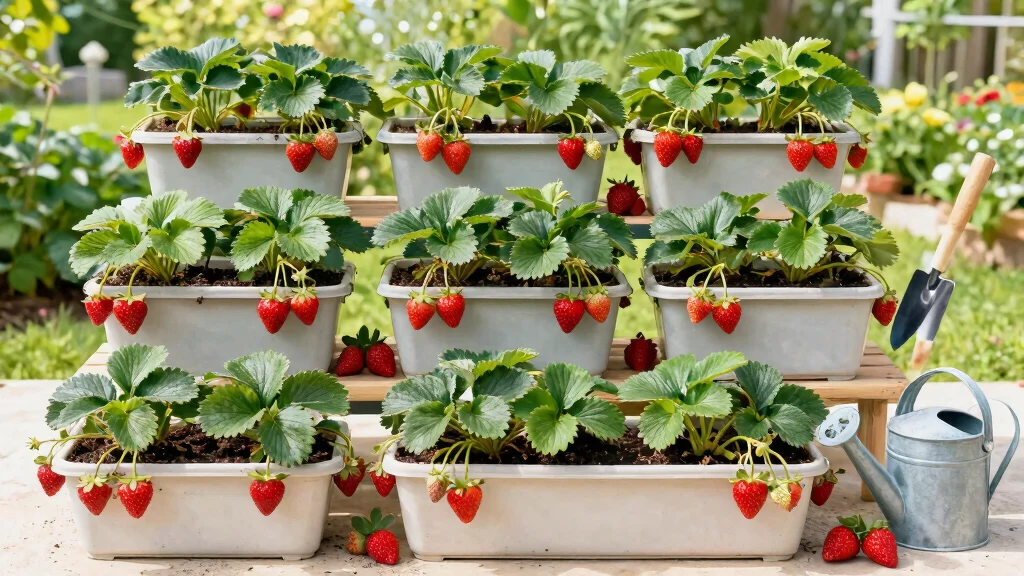
Do you crave sweet strawberries throughout the year? Hydroponic strawberry towers make it easy to grow these delicious fruits indoors! These vertical systems provide ample space for strawberries to flourish, allowing you to enjoy bountiful harvests without needing a large garden. Imagine plucking bright red strawberries right from their lush green leaves, ready to be enjoyed!
With proper care, you can indulge in juicy strawberries year-round. This unique gardening approach is perfect for impressing friends and family with the fruits of your labor.
Ingredients:
– Hydroponic strawberry tower kit
– Nutrient solution
– Strawberry seedlings
– Grow lights (if needed)
Instructions:
1. Set up the strawberry tower following the kit instructions.
2. Fill the reservoir with nutrient solution.
3. Plant strawberry seedlings in the designated slots.
4. Ensure they receive adequate light for optimal growth.
5. Monitor water levels and nutrient balance.
6. Harvest strawberries as they ripen, savoring the sweetness of homegrown fruit!
FAQs:
– Can I grow other fruits in the same tower? Strawberries are best suited for these systems, but some small fruits may work too.
– How long until I can harvest? Typically, strawberries will be ready in about 4-6 weeks after planting.
Hydroponic Strawberry Towers: Sweet Treats Indoors
Editor’s Choice
VEVOR Hydroponic Tower, 50 Pods 10 Tiers Hydroponics Growing System Kit …
GooingTop LED Grow Light,6000K Full Spectrum Clip Plant Growing Lamp wit…

Tigvio 800ml Hydroponic Nutrients A&B for Aerogarden Plant Food Growth -…
8. Microgreens Hydroponics: Fast and Nutritious

Are you looking for a quick and nutritious addition to your meals? Microgreens are packed with flavor and nutrients, making them a fantastic choice for your indoor garden. These tiny greens grow rapidly, allowing you to enjoy fresh produce in as little as 7-21 days! Imagine trays filled with vibrant radish, sunflower, and pea shoots, all ready to elevate your dishes.
Hydroponic systems make growing microgreens easy for beginners, providing a fun way to add color and flavor to your meals. You’ll love the burst of freshness they bring to salads, sandwiches, and garnishes.
Ingredients:
– Hydroponic microgreens kit or trays
– Nutrient solution
– Seeds (radish, sunflower, pea, etc.)
Instructions:
1. Set up your microgreens kit or trays as instructed.
2. Fill with nutrient solution as directed.
3. Scatter seeds evenly across the surface.
4. Provide adequate light, either natural or artificial.
5. Water regularly to keep the growing medium moist.
6. Harvest microgreens once they reach 2-3 inches tall, enjoying their fresh flavors!
FAQs:
– Can I grow microgreens without hydroponics? Yes, soil-based methods work as well for growing microgreens.
– How long do they last after harvesting? Fresh microgreens are best enjoyed within a few days for optimal flavor.
You Might Also Like
How To Choose The Right Hydroponic System for Your Year-Round Indoor Garden
When planning a year-round indoor garden hydroponics setup, it’s essential to select the right system. Each type has its advantages and unique features. Here’s how to make the best choice for your space and needs.
1. Size
Consider the available space in your home. Measure the area where you plan to set up your hydroponic system. Systems range from small countertop models suitable for a few herbs to larger vertical setups that can accommodate a variety of plants. Make sure to account for how tall your system will be; some plants need vertical space to grow properly.
2. Type of Hydroponic System
Understand the different types of hydroponic systems available. Common types include Nutrient Film Technique (NFT), Deep Water Culture (DWC), and aeroponic systems. Each functions differently and has its pros and cons. For instance, NFT uses a thin film of nutrient solution, making it less water-intensive, while DWC involves roots submerged in water. Choose one that fits your gardening style and plant choices.
3. Ease of Use
If you’re a beginner, look for user-friendly systems. Some hydroponic setups come with built-in timers, pumps, and nutrient dispensers, which make maintenance easier. Others might require more hands-on management. Consider how much time you can realistically dedicate to your indoor garden each week.
4. Budget
Hydroponic systems vary widely in price. A simple DIY setup may cost less than $100, while advanced systems can run into the thousands. Set a budget that includes not just the initial cost of the system but also ongoing expenses like nutrients, lighting, and maintenance. Remember, investing in a higher-quality system can pay off in better yields and fewer headaches.
5. Plant Types
Think about what you want to grow. Some systems are better suited for leafy greens, while others can support fruit-bearing plants. If you want to grow a variety, ensure that your chosen system can handle different growth requirements. For example, if you’re interested in growing tomatoes or strawberries, make sure the system you choose can support these larger plants.
6. Lighting Requirements
Consider how you will provide light to your indoor garden. Natural light may be limited, especially in winter months. Indoor hydroponic gardens often require grow lights. Look for systems that come with integrated grow lights, or plan to invest in good-quality lights separately. Ensure they can support the specific light needs of the plants you wish to grow.
Pro Tip: Before purchasing, read reviews and watch tutorial videos on different systems. This will give you a better understanding of their setup and performance. Engaging with online gardening communities can also provide valuable insights and recommendations from experienced hydroponic gardeners.
Selecting the right hydroponic system is crucial for creating a successful year-round indoor garden. By considering size, type, ease of use, budget, plant types, and lighting, you can find a setup that suits your needs perfectly. Happy gardening!
Microgreens Hydroponics: Fast and Nutritious
Editor’s Choice

4-Tier Seed Sprouting Kit with Drain Holes and Drain Tray, Upgrade Stack…
Aokrean Plant Grow Light, 48 LEDs Full Spectrum Grow Lights for Indoor P…

Seedboy Organic Non-GMO Sprouting Seeds, Fresh Salad Blend – USA Grown M…
9. Complete Hydroponic Kits for Beginners: Start Your Journey

Are you eager to start your indoor gardening journey but unsure where to begin? Complete hydroponic kits for beginners simplify the process by providing everything you need in one package. These all-in-one systems take the guesswork out of growing, allowing you to set up and start enjoying fresh food quickly. Picture your indoor space transforming into a vibrant garden filled with fresh herbs and vegetables with minimal effort!
With user-friendly instructions and all necessary components included, you can easily dive into hydroponics. It’s a fantastic way to cultivate your love for gardening while enjoying the benefits of homegrown food.
Ingredients:
– Complete hydroponic kit (includes system, nutrients, pots)
– Seeds or seedlings (herbs, greens)
– Water testing kit (optional)
Instructions:
1. Unbox your hydroponic kit and follow the setup instructions.
2. Fill with nutrient solution as directed.
3. Plant your seeds or seedlings in the appropriate spots.
4. Ensure they receive adequate light for growth.
5. Monitor water and nutrient levels as needed.
6. Enjoy the fruits of your hydroponic labor, harvesting fresh produce at home!
FAQs:
– Can I customize my kit? Many kits allow for some customization, especially regarding plant choices.
– How often should I check on my system? Regular monitoring helps ensure healthy plants, ideally checking daily or every few days.
Fun fact: Beginner hydroponic kits can cut setup time to under 30 minutes, turning a small corner into a year round indoor garden hydroponics win. With all-in-one systems, you’ll harvest fresh herbs and veggies in days.
Complete Hydroponic Kits for Beginners: Start Y…
Editor’s Choice

Ahopegarden 52PCS Hydroponics Pods Kit: Compatible with Aerogarden, Incl…
Ahopegarden Indoor Garden Hydroponics Growing System: 10 Pods Plant Germ…
Ahopegarden Indoor Garden Hydroponics Growing System: 10 Pods Plant Germ…
Conclusion: Embrace Year-Round Indoor Gardening

Gardening doesn’t have to be just a seasonal activity; with these year-round indoor garden hydroponics ideas, you can enjoy fresh food every month, regardless of the weather outside. From vertical gardens to DIY systems and complete kits, there’s something for everyone to explore and enjoy. Embracing indoor gardening not only enhances your meals but also promotes sustainable practices that are beneficial for the planet. So go ahead, pick a system that resonates with you, and start your journey into the world of indoor gardening today!
Note: We aim to provide accurate product links, but some may occasionally expire or become unavailable. If this happens, please search directly on Amazon for the product or a suitable alternative.
This post contains Amazon affiliate links, meaning we may earn a small commission if you purchase through our links, at no extra cost to you.
Frequently Asked Questions
What is year round indoor garden hydroponics and how can I get started in a small space?
Year round indoor garden hydroponics means growing edible plants indoors using a water-based nutrient solution instead of soil, so you can harvest fresh veggies and herbs every month. For small spaces, go vertical with a compact hydroponic unit or a wall-mounted shelf and pair it with bright LEDs. Start simple: a few easy crops like lettuce, kale, basil, and microgreens; a small reservoir with an air stone; and a timer to control lights. Keep nutrients steady, monitor pH (around 5.5-6.5 for most greens), and maintain steady temperatures (ideally 65-75°F). Regular checks are part of indoor gardening tips and year round indoor garden hydroponics excellence.
Which hydroponic systems are best for beginners with limited space?
For beginners in small spaces, choose compact, low-maintenance systems like vertical towers, small NFT channels, or compact ebb-and-flow kits. These hydroponic systems for beginners are easy to wire up, water efficiently, and fit on a kitchen counter or balcony. Pick one with a built-in timer, a manageable reservoir (1-2 gallons to start), and compatible LED lighting. Start with leafy greens and herbs to learn nutrient balance and pH, then scale up as you gain confidence. This aligns with year round indoor garden hydroponics and practical indoor gardening tips.
Which crops are easiest to grow year-round in an indoor hydroponic setup?
Easiest bets for year-round indoor hydroponics are leafy greens like lettuce, spinach, and arugula; herbs such as basil, cilantro, and mint; and compact fruiting plants like cherry tomatoes and peppers. With vertical racks, you can grow a mix of quick harvests and longer-term crops. For a steady supply, plan a crop rotation to ensure you always have something to harvest monthly—perfect for year-round vegetable gardening and indoor herb garden ideas.
What practical tips help ensure year-round harvests while saving energy and water?
Focus on sustainability: use energy-efficient LEDs, set up a reliable timer for lights, and implement a recirculating hydroponic loop to reuse water. Use a compact reservoir and monitor pH and EC regularly; keep temperatures stable for optimal growth. Collect condensation or reuse rinse water for future plants when safe. By following these sustainable gardening practices, you’ll maximize yields while minimizing waste in year round indoor garden hydroponics.
How do I troubleshoot common problems like nutrient deficiencies, algae, or pests in a year-round indoor hydroponic garden?
Start with a quick diagnosis: check the nutrient solution’s EC and pH, test for signs of deficiency (yellowing leaves, slow growth), and inspect roots for rot. Algae appear with excess light; shield reservoirs and tighten covers. Pests are rarer indoors, but watch for aphids or fungus gnats near the growing medium. Clean and sanitize the system periodically, flush and replace solutions, and adjust lighting and airflow. These actionable steps help keep a healthy year round indoor garden hydroponics system running smoothly.
Related Topics
year round indoor garden hydroponics
indoor gardening tips
hydroponic systems for beginners
vertical gardening
sustainable gardening practices
fresh food year round
indoor herb garden
small space gardening
easy hydroponics
vegetable gardening tips
container gardening
herb growing techniques