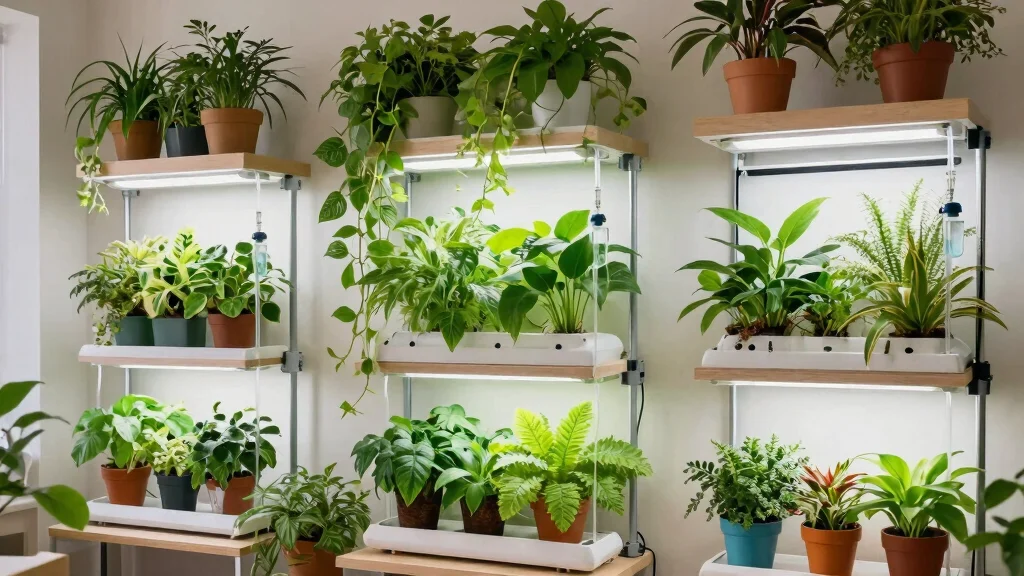
Creating a flourishing indoor garden can feel like a dream, especially if you’re working with limited space. Urban living has its perks, but finding room for greenery can be a challenge. That’s why I put together this guide on vertical indoor garden hydroponics. It’s all about making the most of every inch in your home while enjoying the beauty and benefits of indoor plants.
If you’re someone who loves gardening but feels constrained by small spaces, this post is for you. Whether you’re a seasoned gardener or just starting out, you’ll find something valuable here. I’ve gathered 7 creative ideas that are practical, space-saving, and perfect for any indoor environment. You’ll discover how to use wall-mounted planters, tiered shelves, and more to maximize your indoor plant growth, even in the tiniest apartments.
Let’s get ready to transform your indoor space into a lush, vibrant oasis! With these vertical gardening techniques, you can enjoy the satisfaction of growing your own herbs, flowers, or veggies right at home. No need for a backyard; your creativity will allow you to thrive indoors.
Key Takeaways
– Wall-Mounted Hydroponic Planters: Utilize vertical wall space to create eye-catching displays that also save floor space. These planters are perfect for herbs and small plants.
– Tiered Shelving Units: Invest in tiered shelves to stack multiple plants at various heights, allowing for better light exposure and a stunning visual effect.
– Hanging Hydroponic Gardens: Maximize overhead space with hanging gardens. They work well in kitchens and living areas, bringing greenery to often-unused spots.
– Reclaimed Material Hydroponics: Get creative by using reclaimed materials for your hydroponic systems. This eco-friendly option adds character and is budget-friendly.
– Smart Hydroponic Systems: Explore smart hydroponic systems that automate watering and lighting, making indoor gardening almost effortless. Perfect for busy urban dwellers!
1. Wall-Mounted Hydroponic Planters

Are you looking to maximize your indoor space while adding a touch of greenery? Wall-mounted hydroponic planters are the perfect solution, combining functionality with stunning aesthetics. These systems not only save valuable floor space but also bring nature’s beauty right to your walls, making them a delightful addition to any room.
To get started, pick a mix of plants that thrive in hydroponic conditions, such as aromatic herbs like basil and mint. Consider choosing stylish materials like reclaimed wood or sleek metal to match your decor. Ensure your wall can support the weight of these planters for safety and stability.
Key advantages of wall-mounted planters:
– Maximize vertical space while enhancing your interior decor.
– Easy access for watering and plant care.
– Minimalistic designs that fit various styles.
Adding a wall-mounted hydroponic planter can transform your living space, creating a vibrant atmosphere that breathes life into any corner.
Wall-Mounted Hydroponic Planters
Editor’s Choice

LEOTER Grow Light for Indoor Plants – Upgraded Version 80 LED Lamps with…


Liquid Plant Food for use in AeroGarden, IDOO and Hydroponic Growing Sys…

Mkono Wall Hanging Planter Propagation Station Glass Flower Vase for Hyd…
2. Tiered Shelving Units
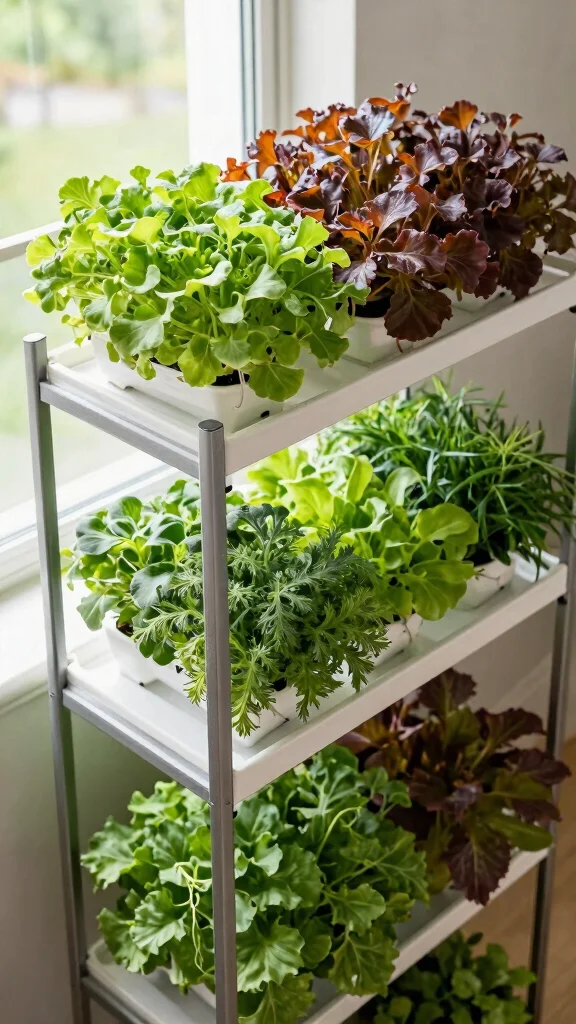
Are you short on space but still want to enjoy a lush indoor garden? Tiered shelving units provide an excellent way to stack multiple hydroponic systems, maximizing your growing area. Placing these units near windows ensures your plants get plenty of light while keeping them organized and accessible.
When setting up, opt for adjustable shelves to accommodate varying plant heights and needs. If natural light is scarce, consider incorporating grow lights to support healthy growth. Group plants with similar requirements together to simplify care.
Key benefits of tiered units:
– Vertical design creates a stunning visual display.
– Easy maintenance at different levels.
– Versatile for various plant types with different light needs.
A vibrant tiered shelving unit can become a captivating focal point, seamlessly blending function with beauty in your home.
📹 Related Video: How To Hydroponics – S01E03 Building a custom Hydroponic Flood Table / Shelf
Tiered Shelving Units
Editor’s Choice

VyGrow Plant Stand, 4 Tier Stackable Tiered Plant Stand, Scalable Heavy …

Aokrean Plant Grow Light, 48 LEDs Full Spectrum Grow Lights for Indoor P…

Ahopegarden Indoor Garden Hydroponics Growing System: 10 Pods Plant Germ…
3. Hanging Hydroponic Gardens

Wondering how to utilize vertical space without sacrificing style? Hanging hydroponic gardens are a charming solution, perfect for small apartments or kitchens. These gardens can be crafted from simple materials and hung near windows, allowing easy access while making a delightful visual statement.
When creating your hanging garden, ensure you use strong hooks and sturdy ropes or chains for safety. Choose trailing plants like strawberries or herbs that look stunning as they cascade down. You might even consider recycling materials like bottles for a creative touch.
Key features of hanging gardens:
– Customize easily to fit any space.
– Add unique decor while being functional.
– Utilize vertical space effectively with trailing plants.
Establishing a hanging hydroponic garden brings nature to eye level, enhancing your home’s ambiance and making it feel more inviting.
Did you know hanging setups can reclaim up to 40% of tiny kitchens? With vertical indoor garden hydroponics, herbs like basil cascade from sturdy hooks, while strawberries trail gracefully. Use strong anchors and sun-loving plants for fast, tasty growth.
Hanging Hydroponic Gardens
Editor’s Choice

TOREVSIOR 5-Tier Vertical Raised Garden Bed, Vertical Garden Planter wit…
Ahopegarden Indoor Garden Hydroponics Growing System: 10 Pods Plant Germ…

DINGEE 6 Inch Heavy Duty S Hooks, Large S Hook for Hanging Plants, Vinyl…
4. Reclaimed Material Hydroponics
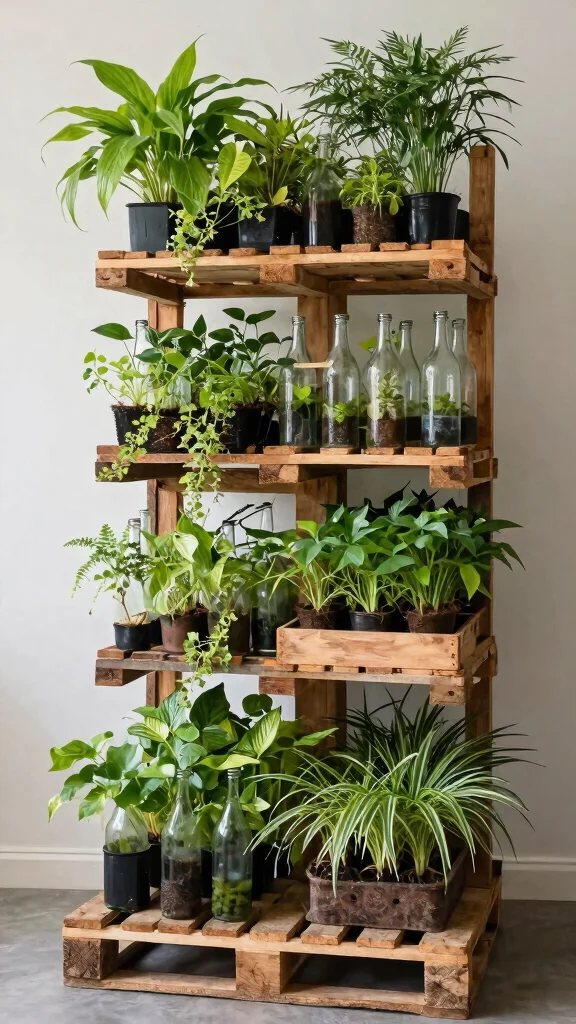
Are you passionate about sustainability? Using reclaimed materials for hydroponic systems allows you to create an eco-friendly garden while expressing your unique style. This approach not only reduces waste but also adds character to your indoor garden.
Get creative by repurposing items like old bottles or wooden pallets as planters. Just be sure the materials are clean and safe for plants—glass and untreated wood are excellent choices. Play around with different arrangements to craft a visually appealing setup.
Key benefits of reclaimed hydroponics:
– Unique designs showcase your creativity.
– Repurpose materials you already have at home.
– Cost-effective way to create a hydroponic system.
This method not only maximizes your space but also tells a story of sustainability, making your gardening journey even more meaningful.
Reclaimed materials prove sustainability can be chic. Turn old bottles and pallets into planters for your vertical indoor garden hydroponics—your space grows greener, and waste shrinks. Small swaps, big style, and fresh, safe setups you can actually build today.
You might also like

How To Choose the Right Vertical Indoor Garden Hydroponics System
When you’re planning a vertical indoor garden hydroponics system, making the right choice is vital. Here are some key points to consider:
1. Space Availability
Before you buy, measure your available space. Vertical systems come in various sizes, so knowing your area helps you choose one that fits perfectly. Consider how many plants you want to grow and how much light they need. A compact system works well in small apartments, while larger setups may be suitable for bigger rooms.
2. Plant Type
Different plants have different needs. Leafy greens like lettuce and herbs thrive in hydroponic systems, while fruiting plants may require more space and support. Think about what you want to grow. If you’re focusing on herbs, a tiered shelf system is great. For tomatoes or cucumbers, opt for a hydroponic tower that provides ample support.
3. System Type
There are various types of hydroponic systems, including deep water culture, nutrient film technique, and aeroponics. Each has its pros and cons. For beginners, a simple nutrient film system is easy to use and efficient. If you want to be more hands-on, consider aeroponics, which uses mist to supply nutrients. Research each type to find what works best for you.
4. Maintenance Requirements
Some systems demand more effort than others. Automated systems ease the workload by regulating water and nutrients. If you prefer a low-maintenance option, choose a smart hydroponic system that monitors conditions for you. Keep in mind that manual systems can be rewarding, but they require regular check-ups.
5. Budget
Hydroponic systems can range from affordable DIY projects to high-end smart systems. Set a budget that includes not just the system but also maintenance costs, like nutrients and electricity. Don’t forget to factor in any additional tools you may need, like grow lights. Stick to your budget to ensure a satisfying gardening experience.
6. Aesthetic Appeal
Since your vertical garden will be indoors, consider how it fits with your decor. Some systems are sleek and modern, while others have a rustic charm. Choose a design that complements your space. A well-designed garden can enhance your home and make your indoor gardening not just functional, but beautiful too.
Pro Tip: If you’re just starting, a small, simple hydroponic system can help you learn the basics without overwhelming you. Once you’re comfortable, you can expand to larger or more complex systems.
Choosing the right vertical indoor garden hydroponics system can be an exciting journey. By considering these factors, you’ll make a decision that aligns with your goals and lifestyle. Happy gardening!
Reclaimed Material Hydroponics
Editor’s Choice
Ahopegarden Indoor Garden Hydroponics Growing System: 10 Pods Plant Germ…
5. Hydroponic Tower Systems
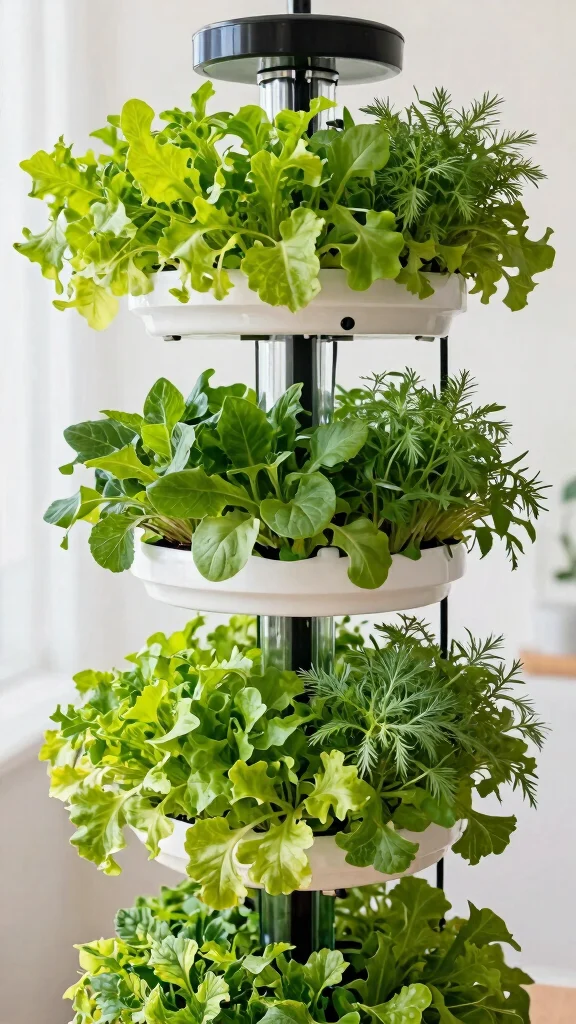
Looking for an advanced way to grow plants indoors? Hydroponic tower systems offer a compact, vertical format for cultivating a variety of plants. They are perfect for urban gardeners who want to maximize their limited space.
When choosing a tower system, research models that fit your needs and budget. Make sure to provide adequate light and ventilation to support healthy plant growth. Regularly check on your plants to ensure they are thriving and address any issues promptly.
Key advantages of tower systems:
– Compact design holds multiple plants in minimal space.
– Automated features simplify watering and nutrient delivery.
– Ideal for urban gardeners seeking efficient growth solutions.
Hydroponic towers can add a sleek, modern touch to your indoor gardening, enabling you to grow more with less effort.
Fun fact: in vertical indoor garden hydroponics, a hydroponic tower system can fit 20–30 leafy greens in the footprint of a small shelf. That’s space-smart gardening at its best. With proper lighting and airflow, you’ll harvest fresh greens right where you live.
Hydroponic Tower Systems
Editor’s Choice

VEVOR Hydroponic Tower, 50 Pods 10 Tiers Hydroponics Growing System Kit …

GooingTop LED Grow Light,6000K Full Spectrum Clip Plant Growing Lamp wit…
Liquid Plant Food for use in AeroGarden, IDOO and Hydroponic Growing Sys…
6. DIY Hydroponic Systems

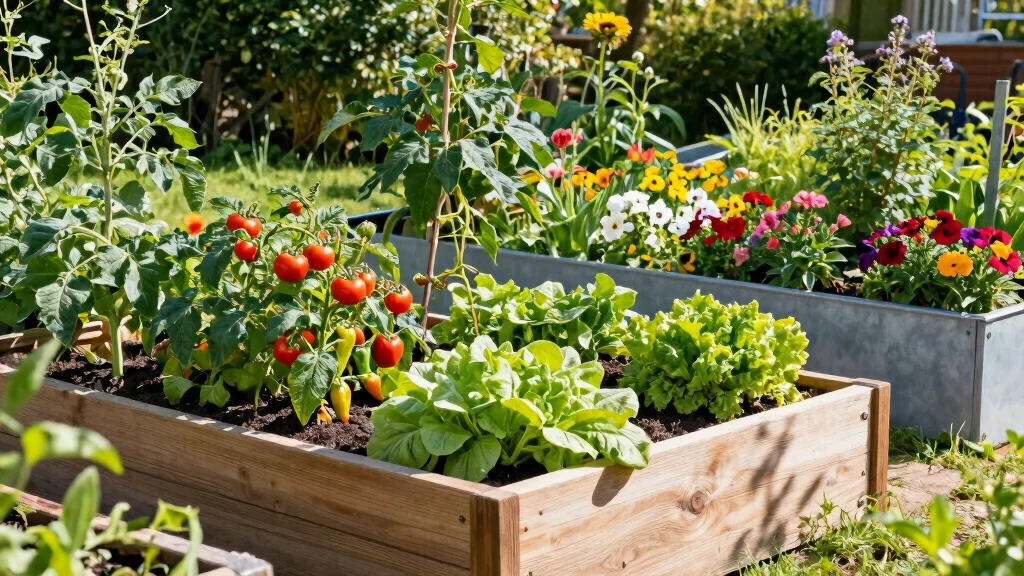
Ready to embark on a fun project? Building your own hydroponic system allows you to customize your setup to fit your specific space and style. It’s a great way to learn about gardening while getting creative.
Explore different hydroponic techniques, like deep water culture or nutrient film techniques, to find what works best for you. Gather materials from local stores or online, focusing on sustainable options. Share your journey by documenting your process and progress.
Key benefits of DIY systems:
– Tailored to your needs and available space.
– Educational and enjoyable gardening experience.
– Cost-effective and fosters creativity.
Creating your own hydroponic system not only saves money but also deepens your connection to your plants, making gardening even more rewarding.
You Might Also Like
DIY Hydroponic Systems
Editor’s Choice

Hydroponics Growing System Kit 36 Plant Sites Food-Grade PVC-U Pipes Hyd…
Liquid Plant Food for use in AeroGarden, IDOO and Hydroponic Growing Sys…
GooingTop LED Grow Light,6000K Full Spectrum Clip Plant Growing Lamp wit…
7. Smart Hydroponic Systems
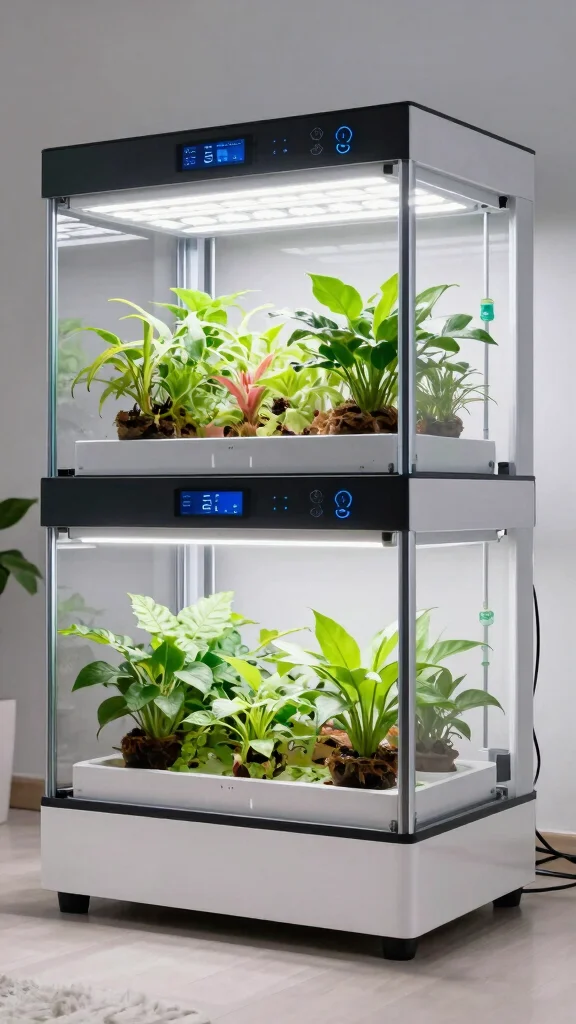
Are you ready to embrace technology in your gardening? Smart hydroponic systems offer automated features that streamline the growing process. They help take the guesswork out of indoor gardening, managing light, water, and nutrients efficiently.
When looking for a smart system, pick one that meets your budget and tech comfort level. Ensure compatibility with your existing smart devices for a seamless experience. Regularly check the system to maintain optimal functionality.
Key features of smart systems:
– Automated schedules reduce maintenance time.
– Sensors monitor plant health and conditions.
– User-friendly apps for managing your garden remotely.
Smart hydroponic systems provide a glimpse into the future of gardening, allowing anyone to successfully grow plants with minimal effort in their own home.
Smart Hydroponic Systems
Editor’s Choice

Click & Grow Indoor Herb Garden Kit with Grow Light | Easier Than Hydrop…

60Ft Drip Irrigation System with Smart Water Timer – Automatic Garden …

Bounty Basic – Indoor Garden with LED Grow Light, Black
Conclusion

Vertical indoor garden hydroponics opens up a world of possibilities for small space urban gardeners. By optimizing every inch of space with creative setups, you can enjoy a fresh, green environment right in your home.
Think outside the box—literally—and experiment with different hydroponic ideas that resonate with your style and kitchen needs.
Don’t be afraid to start small and gradually expand your garden as you gain confidence. Happy gardening!
Note: We aim to provide accurate product links, but some may occasionally expire or become unavailable. If this happens, please search directly on Amazon for the product or a suitable alternative.
This post contains Amazon affiliate links, meaning we may earn a small commission if you purchase through our links, at no extra cost to you.
Frequently Asked Questions
What makes vertical indoor garden hydroponics ideal for maximizing space in small homes?
Vertical indoor garden hydroponics shines in tiny spaces because you stack plants rather than spreading out, using a compact footprint while delivering water and nutrients directly to roots. With a few shelves or a tower, you can grow herbs, leafy greens, and microgreens right on your kitchen wall. It reduces mess, eliminates soil, and makes irrigation efficient. To get started: measure your space, pick a modular vertical system, choose compact crops, and install a bright grow light. Regularly check pH and nutrient levels to maximize indoor plant growth and keep space-saving gardening goals on track.
Which hydroponic systems work best for vertical setups in apartments?
Great question. For vertical hydroponics, look at systems that are compact, reliable, and easy to maintain—think nutrient film technique (NFT) or vertical drip towers and recirculating deep-water culture in a stackable format. These setups are ideal for hydroponic systems for small spaces because they minimize footprint while delivering steady nutrients. When choosing: consider your budget, space, and how hands-on you want to be. Use a drip tray to prevent leaks, a timer for consistent feeding, and opaque reservoirs to avoid algae. With the right system, you’ll maximize indoor plant growth without clutter.
How can I maximize plant growth using vertical gardening techniques at home?
Focus on three pillars: light, nutrients, and airflow. For vertical gardening techniques, position a strong LED or full-spectrum grow light to cover all tiers, aim for 12–16 hours of light for leafy greens, and ensure even distribution. Use a balanced hydroponic nutrient solution and keep the pH around 5.5–6.5 with an EC of about 1.0–2.0 for leafy crops. Prune and trellis aggressively to promote air circulation and prevent crowding. Rotate crops seasonally so you’re continuously harvesting, which is a major boost for maximizing indoor plant growth in a vertical setup.
What indoor gardening tips help maintain a healthy hydroponic system in limited space?
Keep it simple and disciplined. Regularly inspect reservoirs for pH drift and nutrient levels, change the solution every 1–2 weeks, and run your pumps and air stones to keep roots oxygenated. Use opaque, sealed containers to cut down on algae and manage temperature to avoid root stress. Clean the system every month and sanitize fittings to prevent disease. Label crops to plan staggered harvests, and keep cables and lights neatly organized to maintain a tidy, space‑efficient setup for space-saving gardening success.
How do I choose plants for a vertical indoor garden hydroponics project?
Start with fast-growing, compact crops that do well in hydroponics: leafy greens (lettuce, spinach, arugula), herbs (basil, cilantro, mint), and microgreens. These are perfect for vertical stacks and deliver quick harvests, boosting maximizing indoor plant growth. Avoid large-fruiting plants unless you have a bigger system. Plan by light availability, shelf height, and nutrient needs—then group plants with similar feeding schedules. With careful selection, your vertical indoor garden hydroponics project stays productive and tidy.
Related Topics
vertical indoor garden
hydroponic systems
small space gardening
indoor gardening tips
space-saving techniques
maximizing plant growth
urban gardening solutions
easy hydroponics
beginner friendly
sustainable gardening
container gardening
green living