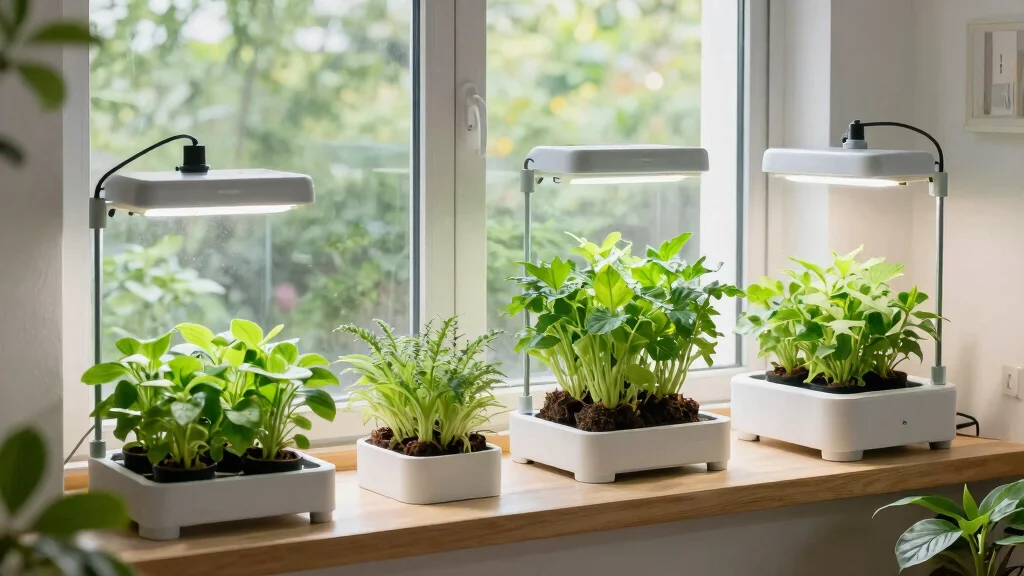
Starting your first hydroponic garden can feel like stepping into a whole new world. With so many different systems to choose from, it’s easy to feel overwhelmed. That’s why I created this post—to break down the various types of hydroponic systems in a way that’s simple and relatable. Whether you’re in a tiny apartment or have a small backyard, hydroponic gardening can be a fun and rewarding way to grow your own food.
If you’re someone who dreams of growing fresh vegetables or herbs but lacks outdoor space, this guide is for you. You’ll find practical information tailored for beginners, focusing on indoor gardening solutions that fit your lifestyle. No matter your skill level, you’ll find tips and insights that help you choose the right system for your needs.
By the time you finish reading, you’ll have a clear understanding of nine different hydroponic setups. Each one comes with its own unique benefits and challenges, giving you the tools you need to make an informed decision. Let’s jump right into the world of hydroponics, where every system offers a new way to cultivate your green thumb.
Key Takeaways
– Understand the nine main types of hydroponic systems, including Deep Water Culture and Nutrient Film Technique, to find the right fit for your space and needs.
– Explore the benefits of hydroponics, such as faster growth rates and reduced water usage, to see why this method is gaining popularity.
– Learn about beginner-friendly hydroponic systems that require minimal setup and maintenance, perfect for those just starting out.
– Discover indoor gardening solutions that maximize small spaces, allowing you to grow fresh produce right in your home.
– Gain insights into various hydroponic growing methods, helping you to effectively manage your garden for the best yield.
1. Deep Water Culture (DWC)
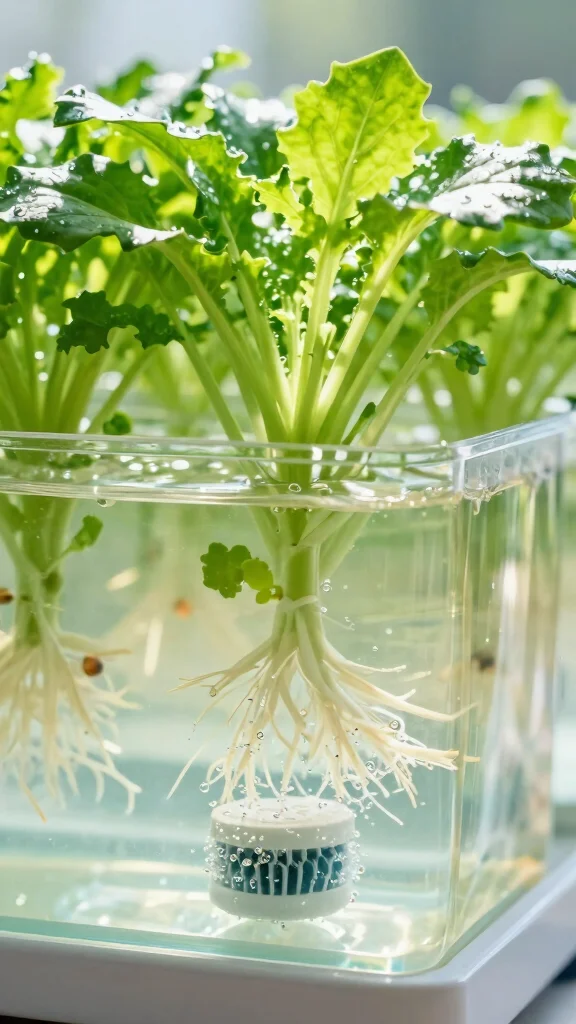
If you’re new to hydroponics, Deep Water Culture (DWC) is your best friend. This method lets your plants thrive by suspending their roots in nutrient-rich water, giving them direct access to essential oxygen. All you need is a reservoir, a pump, and an air stone to keep things bubbling along smoothly.
Getting started with DWC is a breeze. Just fill your reservoir with water mixed with nutrients, place a floating platform with net pots on top, and make sure the air stone is functioning. Your plants will flourish in no time, and you’ll love the rapid growth they experience!
Key benefits of DWC:
– Fast growth due to constant nutrient access.
– Minimal equipment needed, ideal for tight spaces.
– Simple maintenance that keeps you engaged.
This system is a fantastic introduction to hydroponics, allowing you to see impressive results quickly. You’ll feel accomplished watching your plants thrive!
Did you know a Deep Water Culture setup can be up and running in under 20 minutes? Your plants get oxygen directly through water-rich roots, speeding growth in tiny urban spaces. Keep it simple: a reservoir, a pump, and an air stone, and you’re good to go.
📹 Related Video: Deep Water Culture (DWC) Hydroponics System Tutorial
Deep Water Culture (DWC)
Editor’s Choice

4pcs Rigid PC Tubes Set, Hollow round Plastic Tubing, Small Diameter 5×4…


Hydroponic for Plant Cultivation with and Deep Water Culture Setup

2. Nutrient Film Technique (NFT)
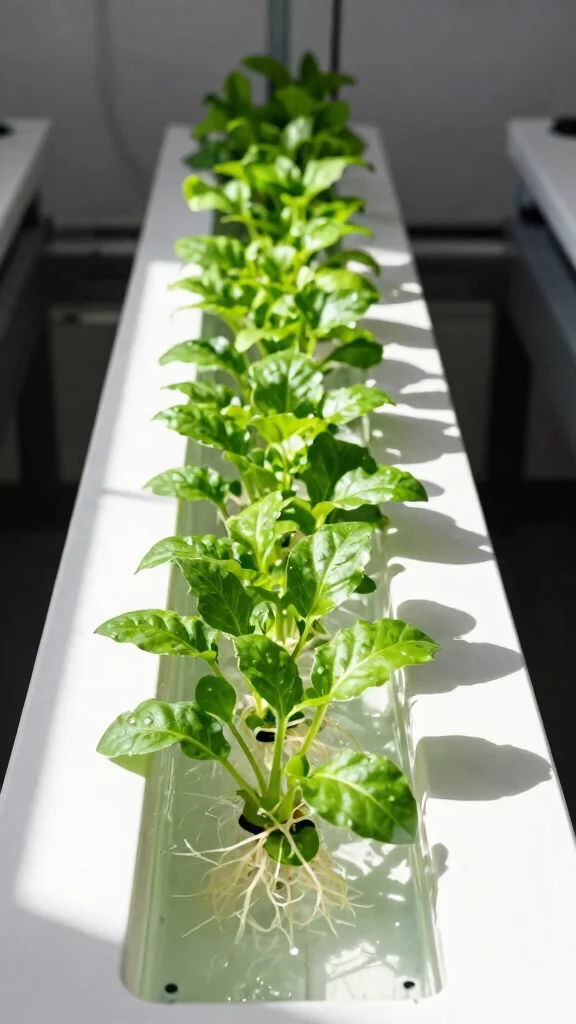
Nutrient Film Technique (NFT) is a step up in hydroponics that many gardeners find rewarding. It involves a thin film of nutrient-rich water continuously flowing over the roots, ensuring optimal nutrient absorption while conserving water. This method is efficient and perfect for those looking to maximize yields.
To set up your NFT system, you’ll need a sloped channel or tube to guide the nutrient solution, a reservoir, and a pump. With regular monitoring, this method can lead to impressive results with various plants, from leafy greens to herbs. Enjoy the benefits of lower water consumption while reaping bountiful harvests!
Advantages of NFT:
– Space-efficient for urban gardening.
– High oxygenation promotes faster root growth.
– Less water use than traditional methods.
This system offers a fantastic way to grow while conserving resources, making it perfect for environmentally conscious gardeners.
Fun fact: NFT is one of the types of hydroponic systems explained, using up to 30-40% less water while delivering a constant nutrient film to roots. In small spaces, this efficient flow helps maximize yields with minimal waste. Set up with a sloped channel, a reservoir, and a reliable pump.
Nutrient Film Technique (NFT)
Editor’s Choice
Aquastrong Whole House Water Pressure Booster Pump 80 PSI, 115V Automati…

NFT Hydroponic Growing System Kit – Full-Spectrum Grow Lights & Timer …

Liquid Plant Food for use in AeroGarden, IDOO and Hydroponic Growing Sys…
3. Ebb and Flow (Flood and Drain)
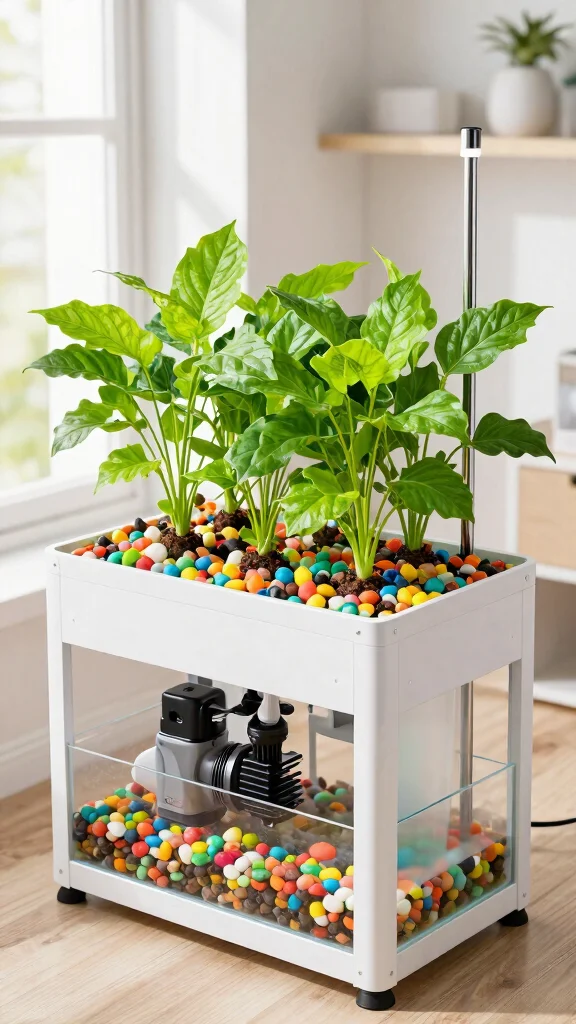
The Ebb and Flow system, also called Flood and Drain, is a flexible option for hydroponic gardening. It works by flooding the roots with nutrient solution and then draining it back into the reservoir, providing both nutrients and oxygen. This dynamic method is great for various plants and keeps them healthy and happy.
Setting up an Ebb and Flow system is straightforward. You’ll need a grow bed, reservoir, and pump, plus timers to automate the flooding cycle, which lasts about 15-30 minutes. This approach is particularly effective for larger plants like tomatoes and peppers, giving you the freedom to experiment with your crop choices.
Reasons to try Ebb and Flow:
– Flexibility in crop selection.
– Enhanced root growth from periodic drying.
– Versatile setups for small spaces.
This system can lead to vibrant plants and a fruitful garden, making it a popular choice among hydroponics enthusiasts.
Ebb and Flow (Flood and Drain)
Editor’s Choice
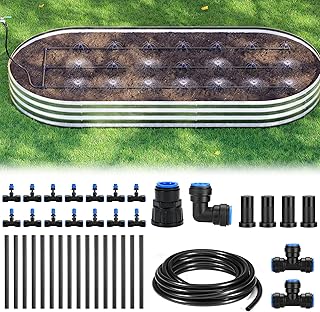
HIRALIY Raised Bed Drip Irrigation Kit Medium, DIY Garden Grid Watering …

Aquastrong Sump Pump 1 HP 4500 GPH Submersible Water Pump Thermoplastic …
4. Aeroponics
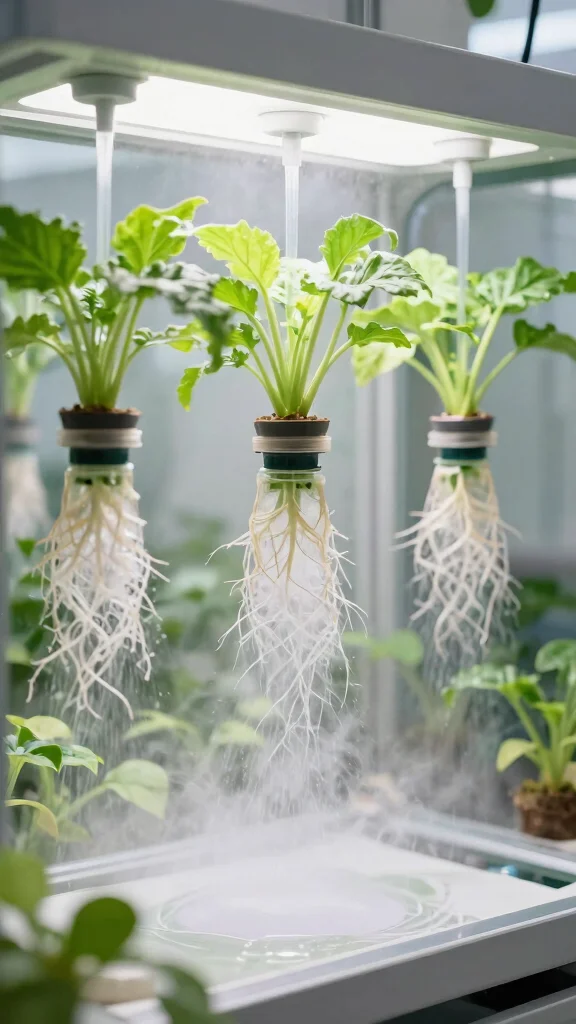
Aeroponics is an exciting method that takes hydroponics to a new level. By suspending plants in the air and misting their roots with a nutrient solution, this technique maximizes oxygen exposure and nutrient uptake. It’s incredibly efficient and well-suited for gardeners eager to see rapid growth.
To set up an aeroponic system, you’ll need a misting chamber, reservoir, and pump. Although it may require a higher initial investment, the results will leave you amazed, especially if you’re looking to grow exotic fruits or herbs in a compact space.
Benefits of Aeroponics:
– Minimal water usage for conservation.
– Faster growth cycles for ambitious gardeners.
– Space-efficient with vertical gardening options.
This method can revolutionize your gardening experience, helping you cultivate a stunning variety of plants with ease.
Aeroponics
Editor’s Choice
Liquid Plant Food for use in AeroGarden, IDOO and Hydroponic Growing Sys…
MistKing – Starter Misting System, 5th Gen | Used by Zoos, Botanical G…

VIVOSUN 800GPH Submersible Pump(3000L/H, 24W), Ultra Quiet Water Fountai…
5. Wick System
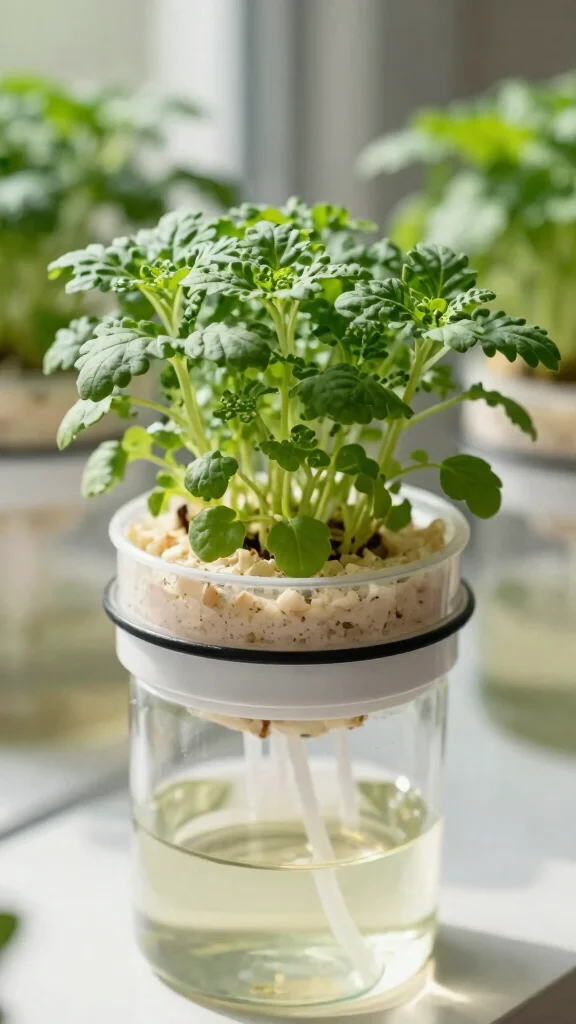
The Wick System stands out as one of the easiest hydroponic setups for beginners. This passive system uses wicks to draw nutrient solution into the growing medium, so your plants stay hydrated without the need for pumps or electricity. It’s an excellent way to start your hydroponic journey.
Setting up a Wick System requires a container, growing medium, and wicks. Simply place your plants in the medium and let the wicks do their magic. While you may not achieve the rapid growth of other systems, it’s a fantastic way to learn the basics and enjoy small-scale herb gardening.
Advantages of the Wick System:
– Simple setup and easy maintenance.
– No electricity needed, budget-friendly option.
– Perfect for small herb gardens.
This approach allows you to enjoy growing your own plants with minimal fuss, making it ideal for newcomers.
Fact: The Wick System needs zero pumps or electricity—perfect for tiny spaces and beginners. Just place your plants in the growing medium with a wick, and let the wick draw nutrients—a simple start among the types of hydroponic systems explained.
You might also like

Wick System
Editor’s Choice

30 feet 1/5 inch Self Watering Capillary Wicking Hydroponic Wick Cord Va…

50ft 1/4 inch Plants Self Watering Capillary Wick Rope Cord DIY Vacation…

Legigo 1 Inch Rockwool Cubes Seed Starter Plugs for Hydroponics, RockWoo…
6. Drip System
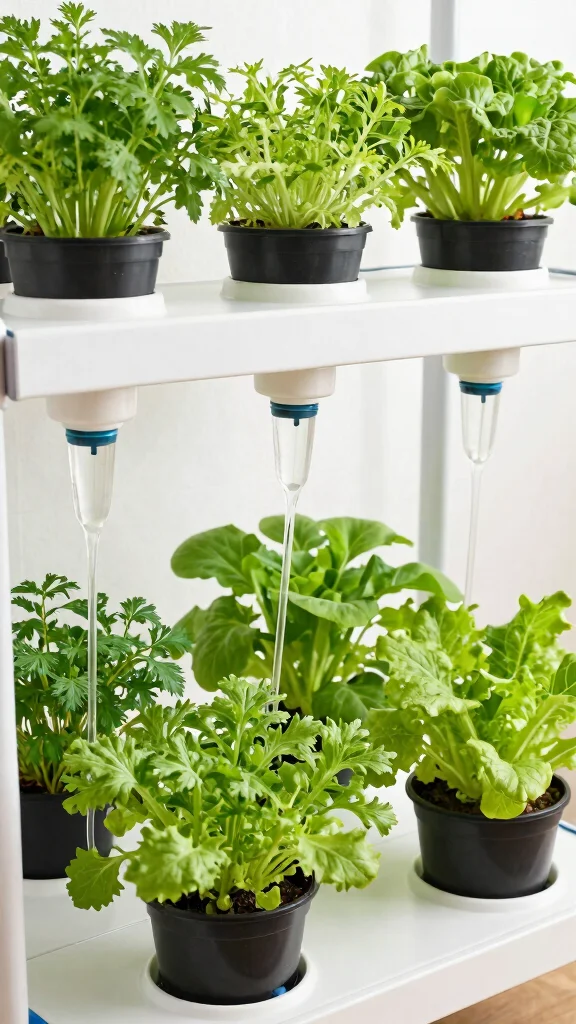
Drip irrigation systems are highly regarded in hydroponics for their efficiency and adaptability. This system delivers a steady drip of nutrient solution directly to the base of each plant, ensuring all roots receive the moisture they need while minimizing waste. It’s a versatile option for various gardening setups.
To set up a drip system, you’ll need a reservoir, pump, and tubing to distribute the nutrient solution. This method is suitable for both small and larger spaces, allowing you to grow everything from leafy greens to larger fruit-bearing plants. It’s easy to automate with timers for consistent watering.
Key advantages of Drip Systems:
– Customizable to fit different plant needs.
– Easy to automate for convenience.
– Suitable for various plant types.
This system can help you achieve healthy, thriving plants while ensuring efficient use of resources.
Drip System
Editor’s Choice

Raindrip 016010T 1/4-Inch Drip Irrigation Supply Tubing, 100-Foot., for …
VIVOSUN 800GPH Submersible Pump(3000L/H, 24W), Ultra Quiet Water Fountai…

VIVOSUN Automatic Drip Irrigation Kit, Smart Watering System with 16 Dri…
7. Vertical Hydroponics
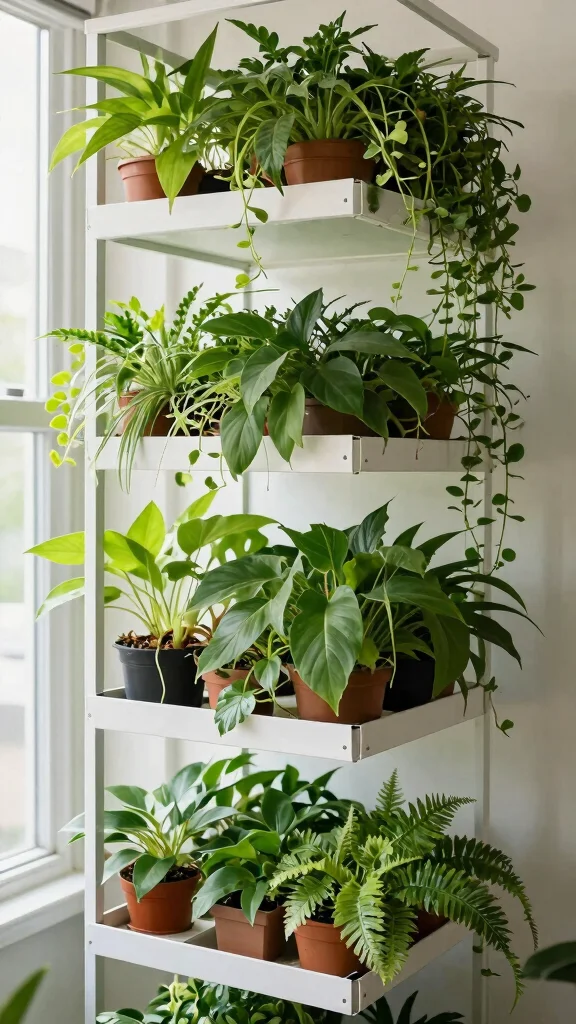
Vertical hydroponics is a revolutionary approach for maximizing limited space. By utilizing vertical structures, you can grow plants upward, significantly increasing your gardening capacity. This method can incorporate various hydroponic techniques like NFT or drip systems, providing flexibility in your setup.
Setting up a vertical hydroponic system may require some DIY skills, but the results can be stunning. Adding shelves or towers filled with plants can create a beautiful green wall in your home, transforming your space into a vibrant oasis.
Reasons to explore Vertical Hydroponics:
– Efficient space use in urban environments.
– High yield per square foot.
– Aesthetic appeal with cascading plants.
This method allows you to turn any small area into a productive garden, making your home feel fresh and alive.
Key Trade-offs & Our Top Pick
Option Comparison:
1. Deep Water Culture (DWC)
– Pros:
– Simple setup without complex equipment.
– Allows rapid plant growth due to constant nutrient access.
– Cons:
– Risk of root rot if water temperature rises.
– Requires regular monitoring and maintenance.
– Best for: Beginners who want a straightforward method with quick results.
2. Nutrient Film Technique (NFT)
– Pros:
– Efficient use of water and nutrients.
– Great for smaller spaces because of its vertical setup.
– Cons:
– Vulnerable to pump failures, which can harm plants quickly.
– Requires close attention to nutrient balance.
– Best for: Urban gardeners with limited space looking for efficient growth.
3. Ebb and Flow (Flood and Drain)
– Pros:
– Flexible for various plant types and growth stages.
– Helps oxygenate roots during the drain cycle.
– Cons:
– More complex setup with multiple components.
– May require more maintenance to prevent clogs.
– Best for: Intermediate gardeners wanting a versatile system that supports diverse crops.
4. Wick System
– Pros:
– Very low maintenance and easy to set up.
– No electricity needed, making it cost-effective.
– Cons:
– Slower growth compared to other systems.
– Not ideal for large plants or heavy feeders.
– Best for: New gardeners looking for a simple, passive approach to hydroponics.
5. Drip System
– Pros:
– Excellent for both small and large-scale setups.
– Highly customizable for different plant needs.
– Cons:
– Can be prone to clogging if not monitored.
– Requires more components and initial setup time.
– Best for: Gardeners who want control over water delivery and nutrient intake.
Expert Recommendation:
Best Overall: Deep Water Culture (DWC)
DWC stands out as the top choice for most beginners. It offers great value for money and is easy to set up, making it perfect for those new to hydroponics. The system’s ability to encourage rapid growth makes it a favorite, especially for small-space gardeners wanting quick results. It also provides an easy way to experiment with different plants without heavy initial investment.
Why We Picked This:
While DWC is great for beginners, some may prefer options like NFT for its efficient use of resources or the Ebb and Flow system for its flexibility with various plants. Consider your specific needs, available space, and commitment level when choosing the right hydroponic system for your setup. Each method has its unique pros and cons, so pick one that aligns with your gardening goals.
Vertical Hydroponics
Editor’s Choice
Liquid Plant Food for use in AeroGarden, IDOO and Hydroponic Growing Sys…

VEVOR Hydroponic Tower, 50 Pods 10 Tiers Hydroponics Growing System Kit …

GooingTop LED Grow Light,6000K Full Spectrum Clip Plant Growing Lamp wit…
8. Floating Raft System
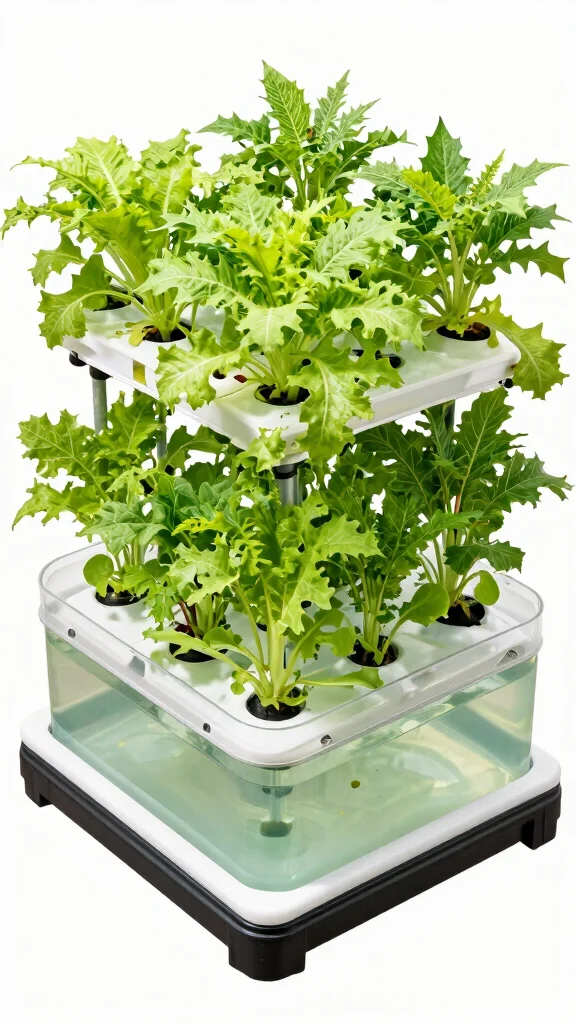
The Floating Raft System is favored by many commercial growers, but it’s also adaptable for home use. In this setup, plants grow on a floating raft that rests on nutrient solution, letting their roots dangle in the water below. It’s a visually appealing and efficient way to cultivate plants.
To create this system, you’ll need a large container filled with nutrient solution and a raft made from Styrofoam or similar buoyant materials. This method excels with leafy greens and herbs, making it simple for beginners to maintain while enjoying beautiful results.
Benefits of the Floating Raft System:
– Easy setup and maintenance.
– Excellent for leafy greens and herbs.
– Efficient use of nutrients and water.
This system can enhance your gardening experience, allowing you to grow healthy plants with ease.
You Might Also Like
Floating Raft System
Editor’s Choice

NTAOHAMPER Rectangular Green Storage Basket, Waterproof Safari Nursery B…

Miracle-Gro Indoor Plant Food for All Plants, Liquid Plant Food for Hous…

2Pack Round Floating Flora Fish Barrier Floating Island Plant Protector …
9. Hybrid Systems
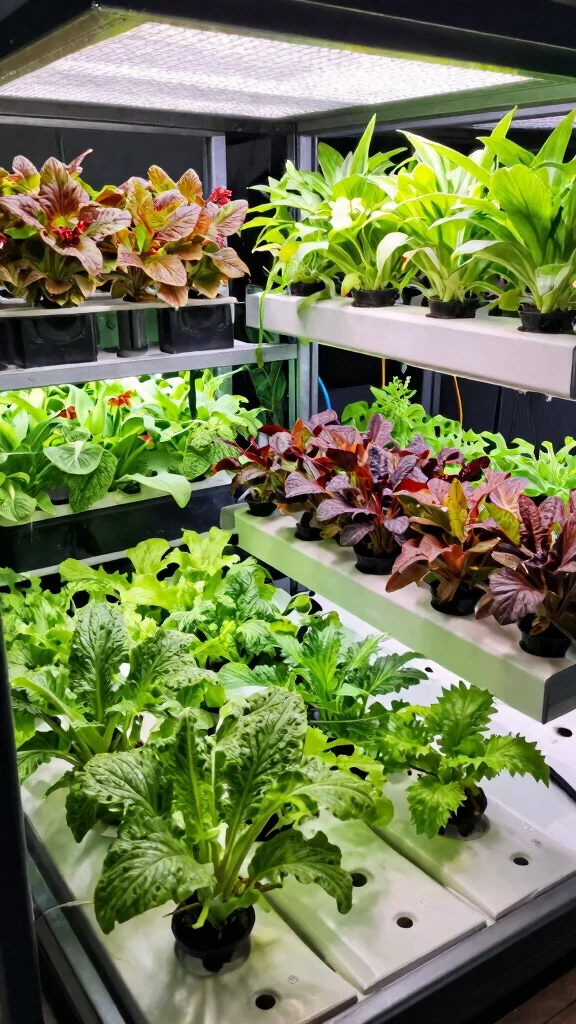
Hybrid systems blend elements from different hydroponic methods, offering the best of both worlds. For instance, you might combine Ebb and Flow with NFT to improve nutrient distribution and root aeration. This approach allows for creativity and customization in your gardening setup.
Creating a hybrid system lets you tailor your setup to meet specific plant needs, improving growth rates and yields. It’s particularly useful in small spaces, ensuring you make the most of your gardening area. Just be sure to monitor your system closely for balanced nutrient delivery and healthy roots.
Reasons to explore Hybrid Systems:
– Customization for unique plant needs.
– Enhanced growth rates and yields.
– Flexible setups for any space.
This innovative approach can help you achieve remarkable results, transforming your gardening experience into something truly special.
Hybrid Systems
Editor’s Choice

Flow – Guia prático: Como encontrar o foco ideal no trabalho e na vid…
Liquid Plant Food for use in AeroGarden, IDOO and Hydroponic Growing Sys…

NFT Hydroponics Growing System,36 Pods Wall-Mounted Indoor Garden,Fu…
Conclusion
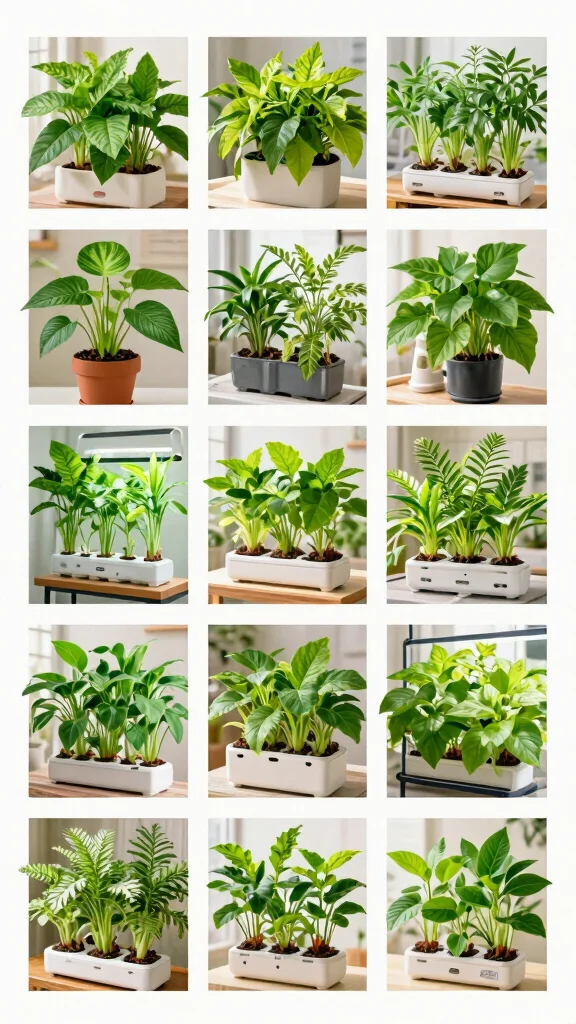
Hydroponic gardening offers a unique and rewarding way to grow plants in urban spaces, transforming small areas into flourishing gardens. Each of the nine hydroponic systems we’ve discussed has its distinct benefits, making it easier for you to find one that fits your lifestyle and space.
As you consider starting your own hydroponic adventure, remember that practice and patience are key. With the right setup and a little love, you’ll soon be enjoying fresh produce right from your indoor garden!
Note: We aim to provide accurate product links, but some may occasionally expire or become unavailable. If this happens, please search directly on Amazon for the product or a suitable alternative.
This post contains Amazon affiliate links, meaning we may earn a small commission if you purchase through our links, at no extra cost to you.
Frequently Asked Questions
What are the 9 types of hydroponic systems explained and which one is best for a small urban setup?
Here’s a quick map of the 9 types of hydroponic systems explained, with practical notes for compact urban setups:
Wick systems – ultra‑simple, no pump, great for beginners and tiny spaces.
Deep Water Culture (DWC) – roots sit in oxygenated nutrient solution; compact and fast for small tanks.
Nutrient Film Technique (NFT) – a thin film of solution flows over the roots; space‑efficient but best in a controlled environment.
Drip systems (recovery) – nutrients drip to the roots and are recycled to the reservoir; scalable for small setups.
Drip systems (non‑recovery) – excess solution isn’t returned; simple and compact, ideal for beginners.
Ebb and Flow (Flood and Drain) – roots are periodically flooded, then drained; forgiving and adaptable to small trays.
Aeroponics – roots are misted in air; high oxygen delivery and fast growth, but a bit more setup.
Kratky method – passive, no pumps after setup; perfect for mason jars or tubs in apartments.
Vertical hydroponics – stacks plants vertically to maximize space; ideal for urban gardening solutions in tight spaces.
What are the main benefits of hydroponics for urban indoor gardening?
Hydroponics offers several compelling benefits for urban indoor gardening: it uses less water and soil, allows year‑round harvests, and makes better use of limited space. With benefits of hydroponics, you get tighter nutrient control and faster growth, plus fewer pests and weeds in indoor environments. For small spaces, this also translates into cleaner setups and the ability to grow food closer to where you live. If you’re chasing efficient indoor gardening solutions, hydroponics is a strong option that scales with your space and budget.
Which hydroponic growing method is easiest for beginners starting in a small apartment?
For beginners in a small apartment, some systems are especially easy to manage. A Wick system or Kratky method setup is ideal because they require minimal equipment and no complicated pumps. If you want a bit more growth speed without a lot of complexity, a compact Deep Water Culture (DWC) with a small air pump is a solid next step. Either way, start with a compact container and choose crops that do well in hydroponics, like lettuce, herbs, and small leafy greens. This keeps your space and maintenance manageable while you learn the hydroponic growing methods you’ll need later.
What hydroponic gardening techniques should a beginner learn first?
As a beginner, focus on the fundamentals that make or break home setups: get your pH management and EC/nutrient balance right, learn a simple nutrient schedule, and ensure proper lighting and temperature control for your crops. Practice consistent reservoir maintenance, keep your system clean to prevent algae and pests, and learn basic crop selection for beginners—start with leafy greens that tolerate mistakes. These core hydroponic gardening techniques will build a solid foundation for exploring the other growth methods and types of hydroponic systems explained later.
What equipment and setup do I need to start a hydroponic system in a small space?
You don’t need an enormous setup to get started. A simple starter kit could include a reservoir, a growing tray or container, a growing medium (like coco coir or rockwool), net pots, a small air pump and stone (for systems like DWC), tubing and a timer, and a basic nutrient solution with pH up/down. You’ll also want a pH meter or test strips and an EC meter, access to grow lights or plenty of natural light, and a plan for airflow or ventilation. For ultra‑compact spaces, look for indoor gardening solutions that are vertical or compact, and choose a beginner hydroponic system to reduce setup time.
Related Topics
hydroponic systems
urban gardening
beginner hydroponics
indoor gardening
small space gardening
hydroponic techniques
easy hydroponics
soilless systems
benefits of hydroponics
hydroponic growing methods
sustainable gardening
home gardening solutions