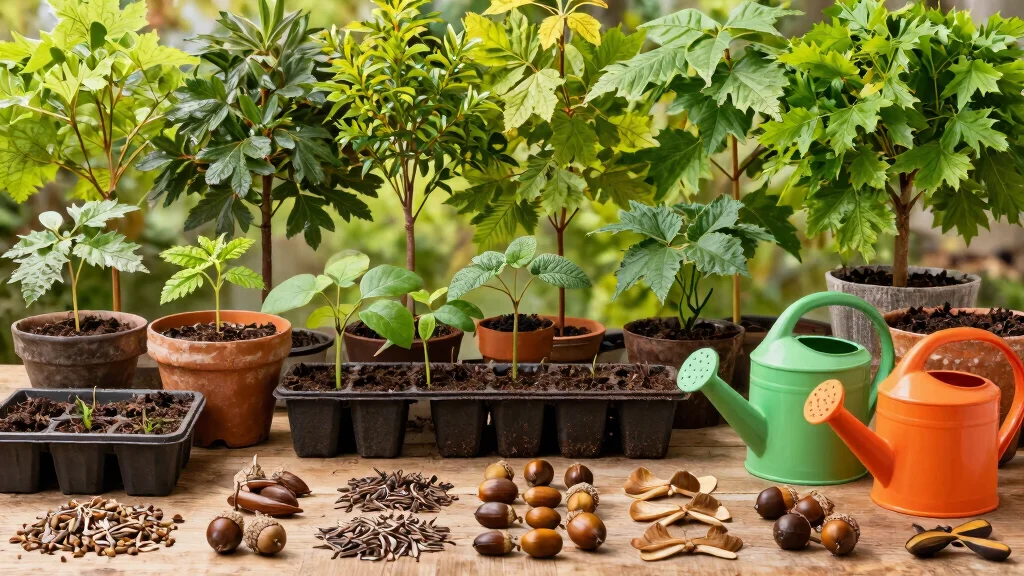
Growing trees from seeds can be one of the most rewarding experiences in gardening. The excitement of nurturing a tiny seed into a towering tree is unmatched. In this post, I wanted to share some practical tips because I believe everyone should have the chance to cultivate their own beautiful and majestic trees. If you’ve been dreaming of a unique home landscape filled with rare and exotic trees, you’re in the right place!
This guide is perfect for gardening enthusiasts, whether you are a novice or have some experience. If you care about transforming your space with greenery, you will find this post incredibly useful. I’ve gathered eight essential tips that are straightforward, actionable, and tailored to help you from choosing the right tree seeds to caring for your seedlings in their first year. Get ready to dig deep and learn how to grow trees from seeds like a pro!
Key Takeaways
– Choose the Right Seeds: Look for rare and exotic tree seeds to create a distinctive home environment. Research different types to find ones that suit your climate and space.
– Understand the Germination Process: Learning how seeds germinate is crucial. Each type of seed has unique needs, so familiarize yourself with specific requirements for successful growth.
– Best Tree Seeds for Beginners: Start with easier seeds to grow, such as oak or maple. These options provide a solid foundation and encourage confidence as you begin your gardening journey.
– Prepare Your Soil: Quality soil is vital for tree growth. Ensure it is well-draining, nutrient-rich, and suitable for the specific types of tree seeds you are planting.
– Caring for Tree Seedlings: In their first year, seedlings require special attention. Focus on consistent watering and protection from harsh weather to help them thrive.
1. Choose the Right Seeds: Rare and Exotic Options
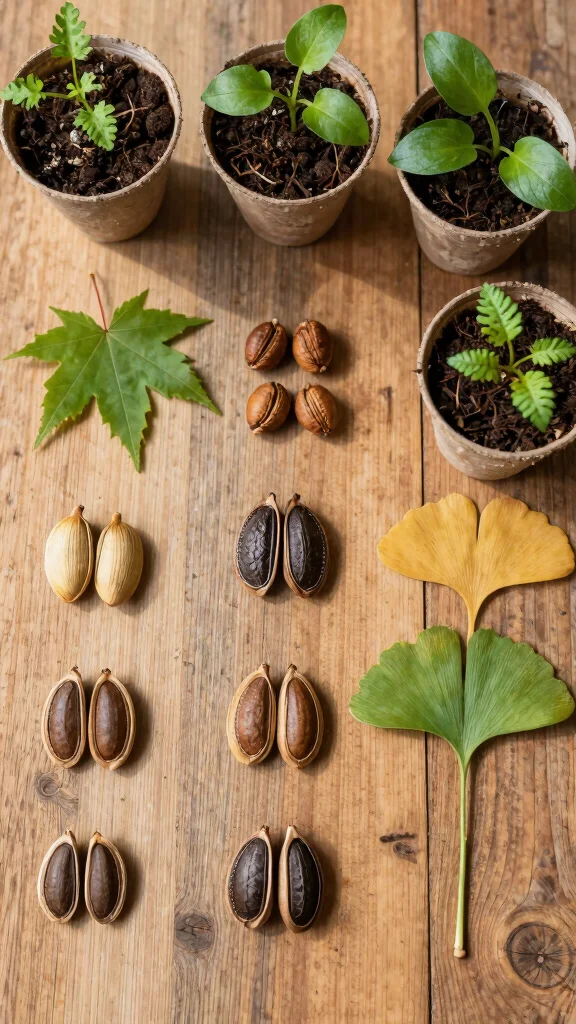
Selecting the right seeds is the first step to cultivating stunning trees that enhance your landscape. Opt for rare and exotic tree seeds to create a unique garden that catches the eye. Trees like the beautiful Japanese Maple, with its brilliant colors, and the captivating Silk Tree, adorned with fluffy pink blooms, can add character to any space. Investigate native species as they usually perform better in your local climate, increasing your chances of success.
When you pick seeds, think about your local climate, soil conditions, and available space. Exotic varieties may have specific needs, so ensure you’re ready to provide the right care. Also, check local regulations for any permits needed for planting certain rare species!
Consider these standout options:
– Ginkgo Biloba: Unique fan-shaped leaves
– Paulownia: Fast-growing and fragrant
– Royal Poinciana: Vibrant red-orange flowers
Unique trees not only enrich your garden but also draw admiration from friends and neighbors.
Choosing rare and exotic tree seeds isn’t just about novelty; it boosts garden character. Start with species that suit your climate, like Japanese Maple, and always check native options for better survival. With the right seeds, your landscape becomes a living story.
Choose the Right Seeds: Rare and Exotic Options
Editor’s Choice

30pcs Red Japanese Maple Tree Seeds (Acer Palmatum Atropurpureum) – Vibr…


KVITER 30 Mimosa Silk Tree Seeds (Albizia Julibrissin) – Pink Blooms, …
2. Understand the Germination Process
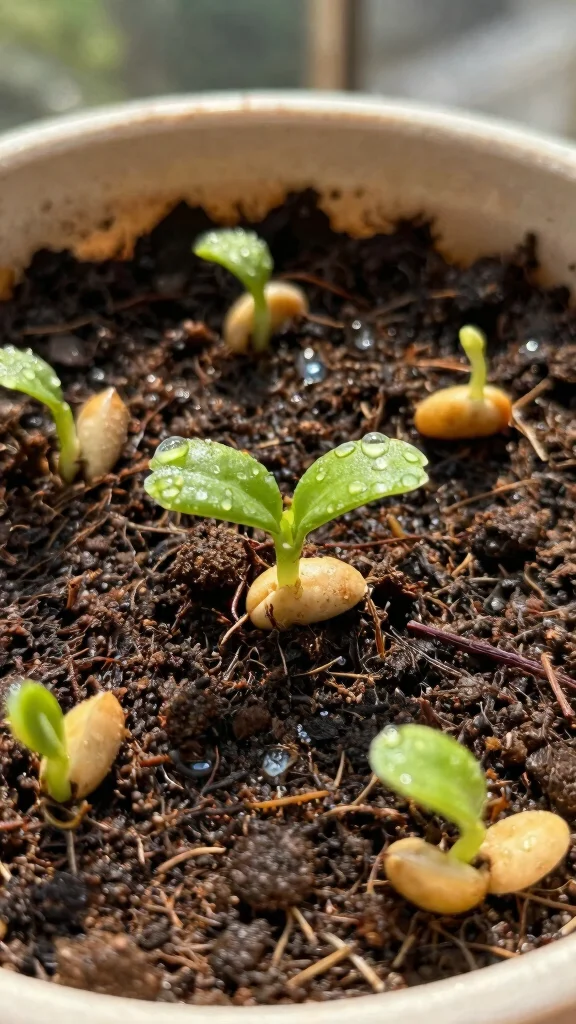
Germination is where the magic begins, marking the moment your seeds sprout into life. This process varies with each species, but many require a period of stratification or soaking to mimic natural conditions and prepare for growth. Always check the specific requirements for your chosen seeds!
Follow these essential steps to promote successful germination:
1. Soak the Seeds: Immerse seeds in water for 24 hours to initiate germination.
2. Stratification: Cold-stratify seeds in your fridge for three weeks to six months, depending on the type.
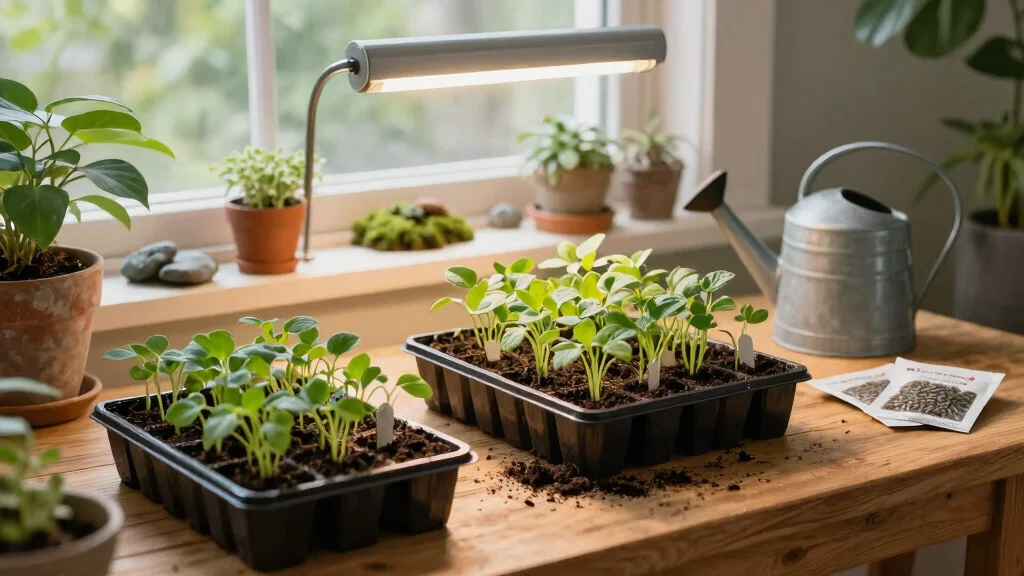
3. Planting: Once ready, place seeds in well-draining soil at the correct depth.
Patience is crucial during this stage; the reward will be a thriving seedling nurtured from the beginning.
Understand the Germination Process
Editor’s Choice

XLUX Long Probe Deep Use Soil Moisture Meter, Water Monitor Indicator Se…

VIVOSUN Durable Waterproof Seedling Heat Mat 10″ x 20.75″ UL & MET-Certi…

Qoolife Seed Starter Tray with Plant Light, 2 Pack Grow Lights for Seed …
3. Best Tree Seeds for Beginners
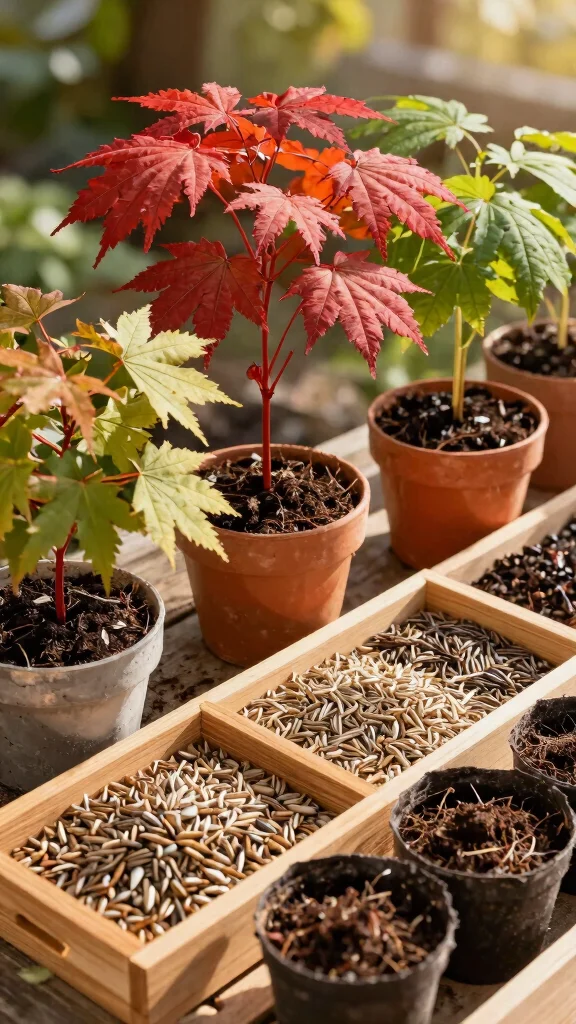
If you’re just starting your tree-planting journey, choosing easier-to-grow seeds can lead to success right from the start. Consider the best tree seeds for beginners:
– Red Maple: Fast-growing and adaptable.
– Black Locust: Hardy with beautiful flowers.
– Honey Locust: Offers shade and drought tolerance.
These varieties are forgiving and require less specific care, making them perfect for novice gardeners. As you gain confidence, feel free to explore more exotic species!
Prepare your planting area by clearing weeds, improving soil quality, and ensuring enough sunlight. With beginner-friendly seeds, you’ll enjoy the joy of nurturing trees without feeling overwhelmed.
📹 Related Video: How to Grow an Apple Tree from SEED to FRUIT in 3 YEARS! 🍎
How To Choose The Right Tree Seeds
Choosing the right tree seeds is essential for starting your journey in growing beautiful and majestic trees. With so many options available, it can feel overwhelming. Here are some key points to help you make the best choice for your garden.
1. Consider Your Climate
Understanding your local climate is crucial. Different tree species thrive in various weather conditions. Check what USDA hardiness zone you live in and select seeds that are suitable for your environment. For instance, some trees love sunny spots, while others prefer partial shade. Always choose seeds that match your climate for higher chances of success.
2. Identify Your Space
Your available space plays a significant role in your selection. Are you planting in a small yard, or do you have a vast area? Some trees grow tall and wide, which may not fit in a restricted space. Choose smaller, slower-growing species for compact areas to avoid overcrowding. Consider how much room you want your trees to have as they mature.
3. Research Tree Benefits
Different trees offer various benefits. Some provide shade, while others bear fruit or flowers. Research the types of tree seeds that fulfill your needs. For example, if you want a tree that attracts birds or butterflies, opt for native species. This way, you create a vibrant ecosystem even in your backyard.
4. Investigate Seed Quality
Not all seeds are created equal. Look for reputable sources that offer high-quality seeds. Check for certifications, or buy from local nurseries where you can ask about the seeds’ origin. Healthy, viable seeds are essential for successful germination and growth. You can also check online reviews to gather insights about the seed quality from other gardeners.
5. Choose Based on Growth Rate
Some trees grow faster than others. If you want quick results, look for fast-growing species like poplars or willows. On the other hand, slower-growing trees like oaks or pines take time but often live longer. Think about how quickly you want to see the fruits of your labor and select accordingly.
6. Think About Maintenance
Every tree requires care, but some need more attention than others. If you’re a beginner, consider selecting tree seeds that are easier to grow and maintain. Species like red maple or black cherry are great options for new gardeners. They are generally hardy and can adapt to various conditions, making them suitable for those just starting out.
Pro Tip: Always start with a few different types of seeds to see which ones thrive best in your environment. This way, you can learn and adjust your choices for future plantings! 🌱
Best Tree Seeds for Beginners
Editor’s Choice

50+ Red Maple Seeds for Planting Outdoors – Heirloom Maple Tree Seeds (A…
4. Prepare Your Soil: The Foundation for Growth
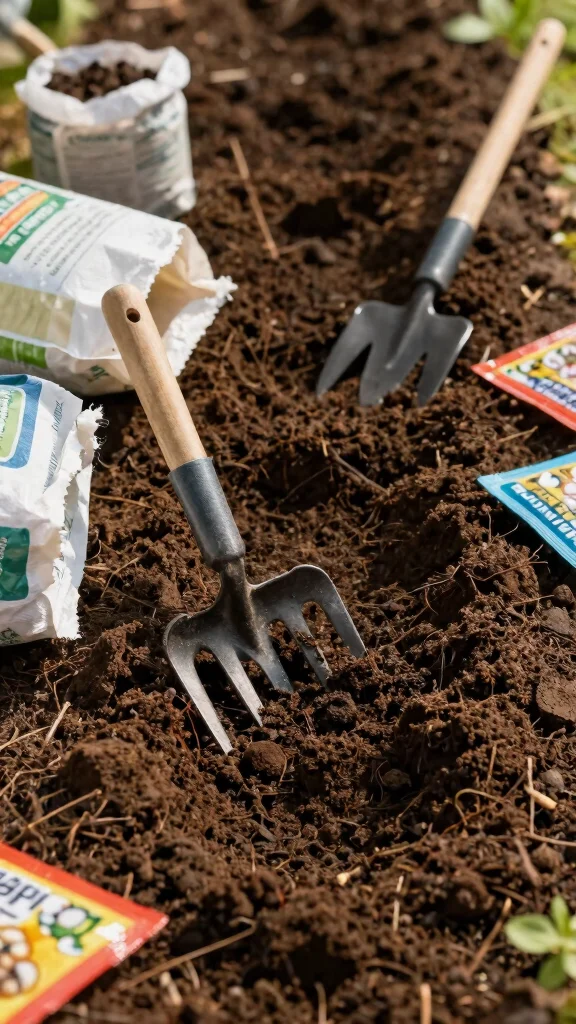
Healthy soil is vital for growing strong trees. Invest time in enriching your planting medium before sowing seeds. Begin by testing your soil’s pH and nutrient levels, as most trees thrive in slightly acidic to neutral conditions.
To prepare your soil effectively:
1. Amend with Organic Matter: Mix in compost or well-rotted manure to boost nutrients.
2. Ensure Drainage: Good drainage prevents root rot; add perlite or sand if needed.
3. Aerate the Soil: Use a garden fork to loosen the soil for better root growth.
Taking the time to prepare your soil will reward you with healthy seedlings that grow into beautiful trees.
You might also like

Prepare Your Soil: The Foundation for Growth
Editor’s Choice
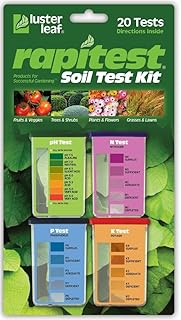
Rapitest Soil Test Kit for Gardens, Vegetables, Flowers and Lawns. USA d…

Michigan Peat Compost and Manure Blend, Garden Magic Mix with Odor-Free …

Back to the Roots 100% Organic Perlite | Made in the USA | Premium Nutri…
5. Watering Practices: Keeping Your Seedlings Hydrated
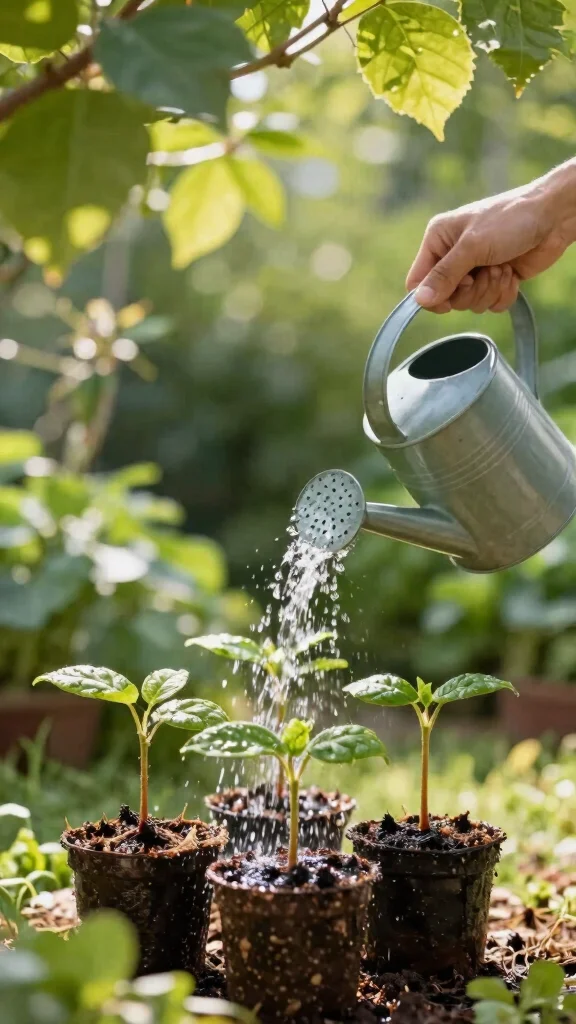
Proper watering is crucial for your young trees. New seedlings need consistent moisture, but be careful not to overwater, which can lead to rot. A good rule is to water when the top inch of soil feels dry.
Here are some effective watering tips:
– Use a Gentle Watering Can: This prevents displacing seeds or seedlings.
– Water at the Base: Focus on the soil instead of wetting leaves to avoid fungal issues.
– Mulch: A layer of mulch helps retain moisture and keep soil temperature stable.
By monitoring your seedlings daily, you’ll get a sense of their water needs. As trees develop deeper roots, their watering frequency will decrease.
Watering Practices: Keeping Your Seedlings Hydr…
Editor’s Choice
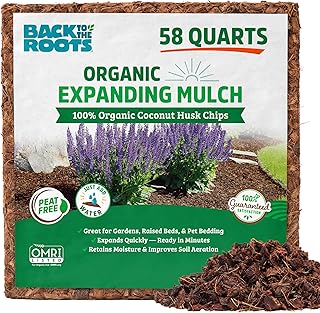
Back to the Roots 100% Organic Mulch, 58 Quart, Expanding Coconut Husk B…
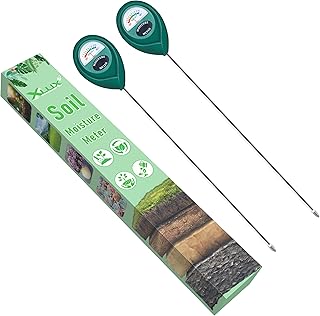
XLUX Long Probe Deep Use Soil Moisture Meter Sensor, Water Monitor Indic…

Fasmov 1-Gallon Plastic Watering Can with Comfortable Handle, Garden Wat…
6. Caring for Tree Seedlings: The First Year
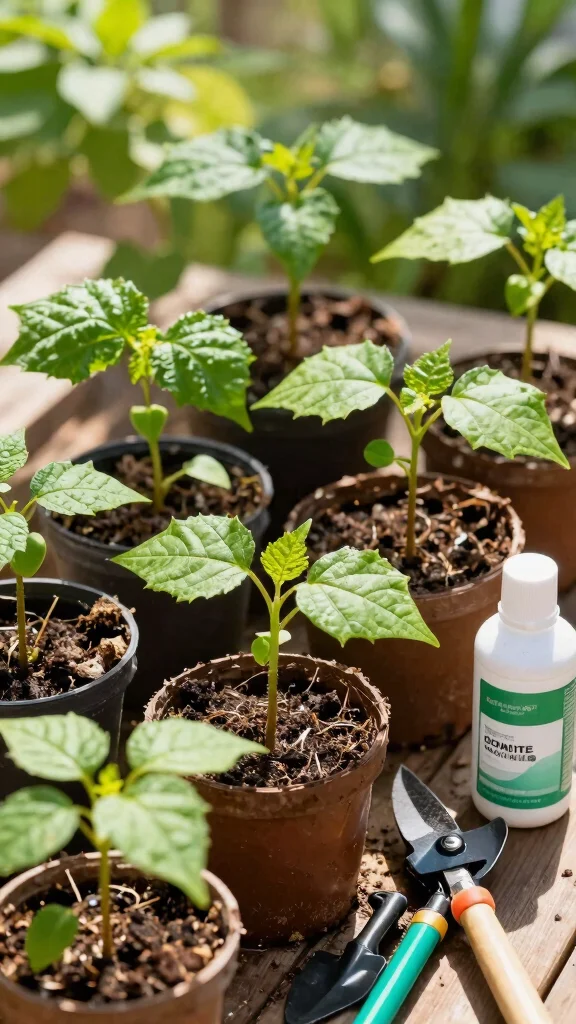
The first year is crucial for your tree seedlings, requiring special care to ensure they thrive. Start by ensuring they receive sufficient sunlight; most seedlings need at least six hours of sunlight daily.
Consider these care strategies:
– Protect from Pests: Use organic pesticides to fend off insects.
– Fertilize Lightly: Apply diluted liquid fertilizer monthly for nutrients, but avoid over-fertilizing.
– Prune Wisely: Remove unhealthy leaves to encourage growth.
As seedlings grow, support them physically if they become top-heavy. Staking young trees will help them withstand winds and other elements.
With attentive care, your seedlings will flourish into strong trees in no time!
Fun fact: tree seeds and seedlings really respond to at least six hours of sunlight every day. In the first year, steady light, light fertilizer, and smart pruning help roots settle in—and pests stay at bay.
Caring for Tree Seedlings: The First Year
Editor’s Choice

Miracle-Gro Quick Start Planting and Transplant Starting Solution – Liqu…
GranuCide Cedar Granules | Cedar Chips for Home & Garden | Repels Ants, …

Fiskars Bypass Pruning Shears, 5/8″ Cut Capacity Gardening Scissors, Sel…
7. Transplanting: Moving Your Trees to Their Permanent Home
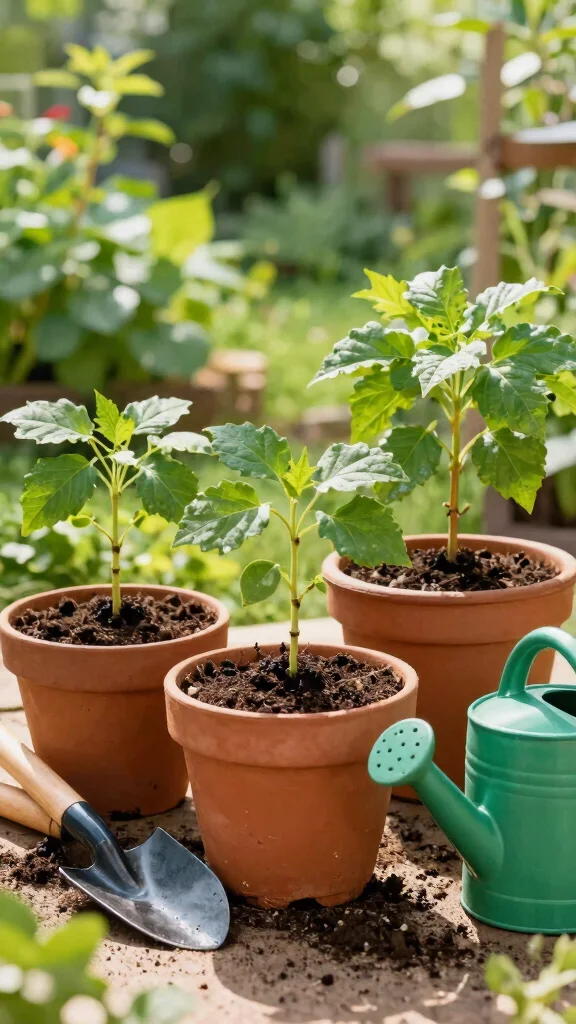
Once your seedlings have matured, it’s time to transplant them into their final spots. The ideal time to do this is early spring or fall when temperatures are mild.
Follow these steps for a successful transplant:
1. Select the Right Location: Ensure proper sunlight and space for the tree’s mature size.
2. Dig a Generous Hole: The hole should be at least twice the width of the root ball.
3. Water Before Transplanting: Give your seedlings a good soak a day before moving them.
After transplanting, monitor for signs of stress, like wilting leaves. Providing shade immediately after transplanting can help reduce shock.
Successful transplanting will lead your trees to grow into magnificent specimens!
Fun fact: Transplanting seedlings grown from tree seeds in early spring or fall can boost root establishment by up to 30%. Choose a sunny, spacious spot, dig a hole twice the root ball’s width, and water generously before transplant for a smoother move.
You Might Also Like
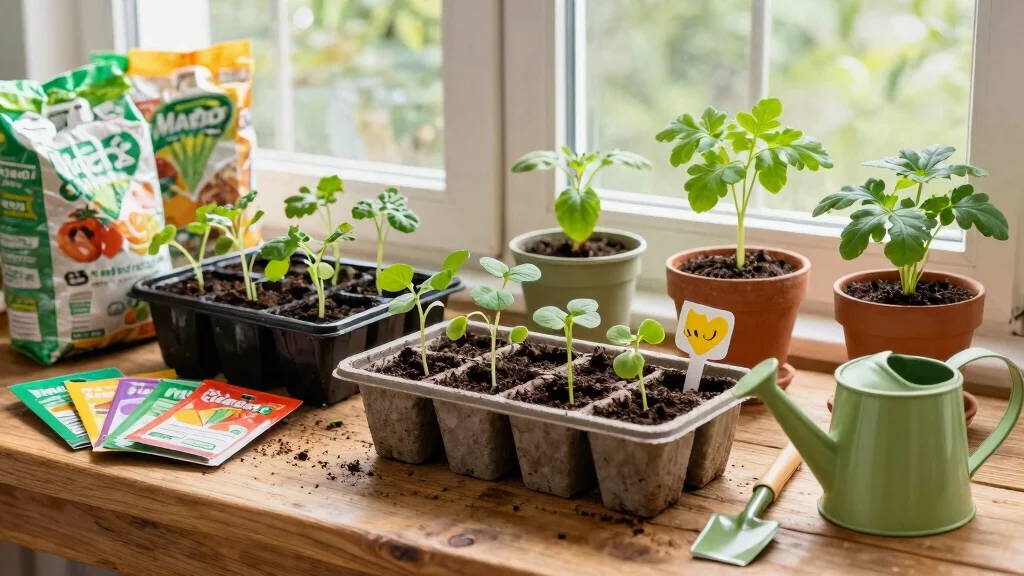
Transplanting: Moving Your Trees to Their Perma…
Editor’s Choice

VNIMTI Spade Shovel,Transplanting Spade,Drain Spade,Spade Shovels for …
XLUX Long Probe Deep Use Soil Moisture Meter, Water Monitor Indicator Se…
8. Patience is Key: Enjoy the Journey
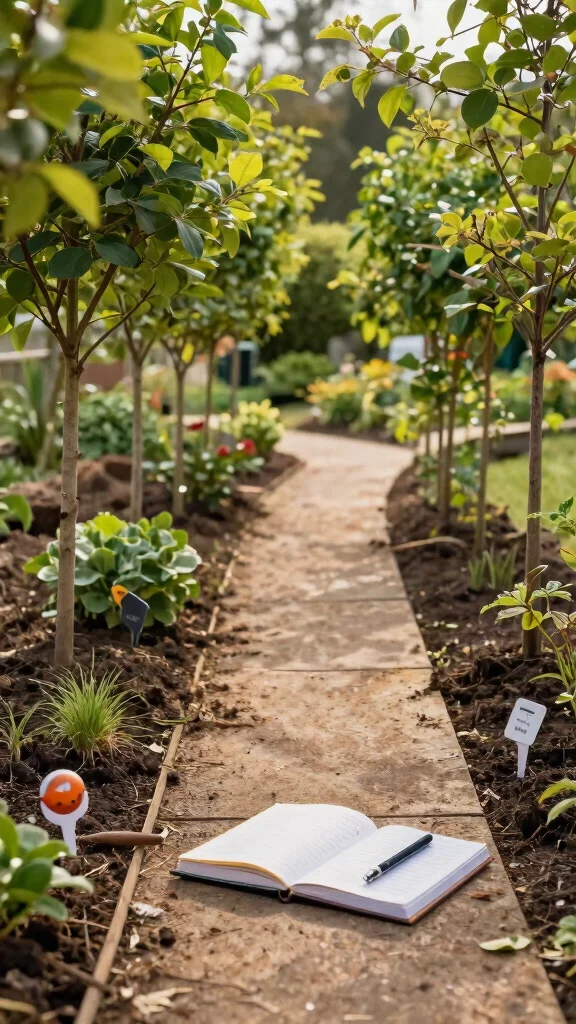
Growing trees from seeds requires patience and dedication. It may take years for your trees to reach their full beauty, but every moment spent nurturing them is worthwhile. Celebrate each small milestone, from the first sprout to noticeable growth!
Document your progress with photos or a gardening journal to make the journey enjoyable. Join gardening communities where you can share experiences, seek advice, and connect with other tree lovers. Surrounding yourself with fellow enthusiasts can inspire new ideas and techniques.
Ultimately, the beauty and majesty of the trees you cultivate will create lasting memories and joy for years to come.
Patience is Key: Enjoy the Journey
Editor’s Choice

Plant Journal Log Book: Track Your Plant Babies’ Requirements & Progre…

VITEVER 100pcs Plant Labels, T-Type Plastic Tags with Marker Pen, Waterp…

Burpee SuperSeed Seed Starting Tray | 36 Cell Reusable Seed Starter Tray…
Conclusion
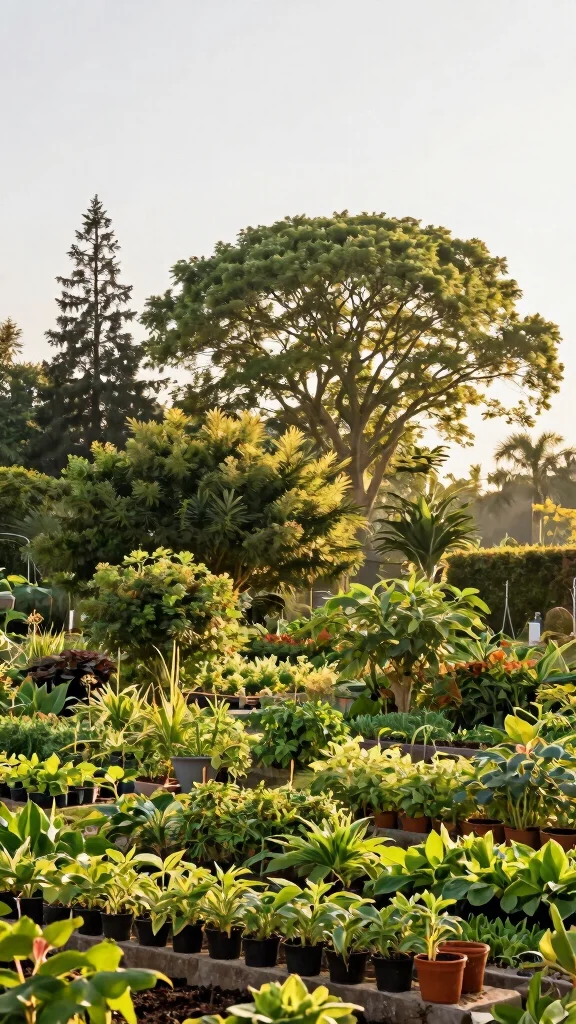
Growing trees from seeds is not only a fulfilling experience but also a wonderful way to enhance your home landscape with unique species. With the right knowledge and care, you can nurture rare and exotic trees that will flourish and provide beauty for years to come. Keep these tips in mind as you embark on your planting journey, and welcome the green wonders to your garden!
Note: We aim to provide accurate product links, but some may occasionally expire or become unavailable. If this happens, please search directly on Amazon for the product or a suitable alternative.
This post contains Amazon affiliate links, meaning we may earn a small commission if you purchase through our links, at no extra cost to you.
Frequently Asked Questions
What are the best tree seeds for beginners to start a majestic home landscape?
For beginners, pick seeds that are forgiving and easy to start, from reputable sources. Look for seeds labeled easy to germinate or beginner-friendly and focus on tree seeds with simple stratification and short germination times. Read the seed packet for exact needs, soak times, and germination temperatures, then sow in a shallow tray with a light, well-draining mix. Keep soil evenly moist, provide bottom heat if needed, and give bright, indirect light. Label batches, monitor daily, and thin or transplant when true leaves appear. As you gain confidence, you can explore more rare and exotic types of tree seeds with careful planning and staggered seasons.
How can I grow trees from seeds at home, step by step?
Start with viable seeds and check whether stratification is required. If so, do cold stratification in the fridge for the recommended duration. Soak seeds as directed, then sow at the correct depth in seed-starting mix. Cover to retain humidity, keep in a warm spot, and provide bright light as soon as germination begins. Once seedlings emerge, remove the cover gradually to harden. Water regularly, avoid overwatering, and feed lightly after a couple of weeks. When roots fill the containers, transplant into larger pots, then move outdoors after the last frost. With patience, you’ll watch your tree seeds grow into young trees ready for your landscape.
What tree planting tips should I follow when sowing rare and exotic seeds?
First, research each species’ needs—light, temperature, moisture, and whether stratification or scarification is required. Source high-quality seeds from reputable suppliers to ensure viability. Start seeds in well-draining pots or seed trays, keep soil evenly moist, and provide consistent warmth if needed. Label each variety and track germination windows. When seedlings are strong, transplant to larger containers or prepared beds, gradually acclimating to outdoor conditions through hardening off. Follow up with regular care, including sun, moisture, and occasional feeding. This is how you apply practical tree planting tips and make the most of your types of tree seeds.
How do I care for tree seedlings after germination to ensure strong growth?
After germination, give seedlings bright light (ideally after the first true leaves appear), steady moisture (check daily and water when the top inch is dry), and good air circulation to prevent damping-off. Thin crowded seedlings so each plant has space to develop roots. Use a clean, well-draining potting mix and repot when roots fill the container. Fertilize lightly with a balanced fertilizer once growth resumes. Watch for pests like aphids or fungus gnats and treat promptly. Gradually harden off before transplanting outdoors, and choose a planting site with appropriate sun, soil, and space for future size.
What types of tree seeds should I consider for creating a majestic landscape in small spaces?
For small spaces, choose compact or dwarf forms and seeds that tolerate container life or shallow-rooted beds. Focus on types of tree seeds that grow slowly or stay smaller, and pair them with ornamental features such as blossoms, striking bark, or colorful foliage. Plan your layout with accurate mature size in mind, leaving room for growth while maximizing vertical interest. Consider your climate, soil conditions, and sun exposure, and stagger sowing or succession plantings to maintain a lush, layered look year after year. This approach helps you craft a majestic landscape without crowding your space.
Related Topics
tree seeds
growing trees
beginner friendly
exotic trees
tree planting tips
caring for seedlings
landscape design
seed germination
easy gardening
unique home landscapes
rare tree species
outdoor gardening