
Creating a thriving garden starts with healthy seedlings, and choosing the right seed starting soil is key. If you’ve ever struggled with weak or leggy plants, you know how vital it is to get your soil mix just right from the beginning. This post is here to guide you through the essentials of selecting the best soil for your heirloom vegetables. With the right knowledge, you can support robust seedling growth and ensure your garden flourishes.
This blog is perfect for gardeners who are passionate about organic practices and want to grow their own heirloom vegetables. If you care about nurturing every seed and want to set yourself up for success, you’ve come to the right place. In this article, I’m sharing eight practical tips that will help you understand what makes seed starting soil effective and how to pick the best mix for your seedlings. You’ll get actionable advice that’s easy to follow, ensuring you start your gardening journey on the right foot.
Whether you’re a seasoned gardener or just starting out, understanding seed starting soil will empower you to create a vibrant planting environment. From checking pH levels to mixing your own soil, these insights will help you cultivate healthy, robust seedlings ready to grow into thriving plants. Let’s dig in!
Key Takeaways
– Look for Organic Ingredients: Choose soil that is free from chemicals; organic ingredients promote healthy plant growth and soil health.
– Prioritize Drainage: Good drainage prevents root rot. Make sure your chosen mix allows excess water to escape while retaining moisture.
– Check the pH Level: A pH level between 6.0 and 7.0 is generally ideal for most plants. Testing your soil ensures that seedlings can absorb nutrients effectively.
– Incorporate Nutrients: Choose a mix that includes compost or other organic matter for essential nutrients. Healthy soil leads to healthy plants.
– Monitor Moisture Levels: Keeping your soil consistently moist but not soggy is crucial for seed germination. Regularly check the moisture to encourage robust seedling growth.
1. Look for Organic Ingredients
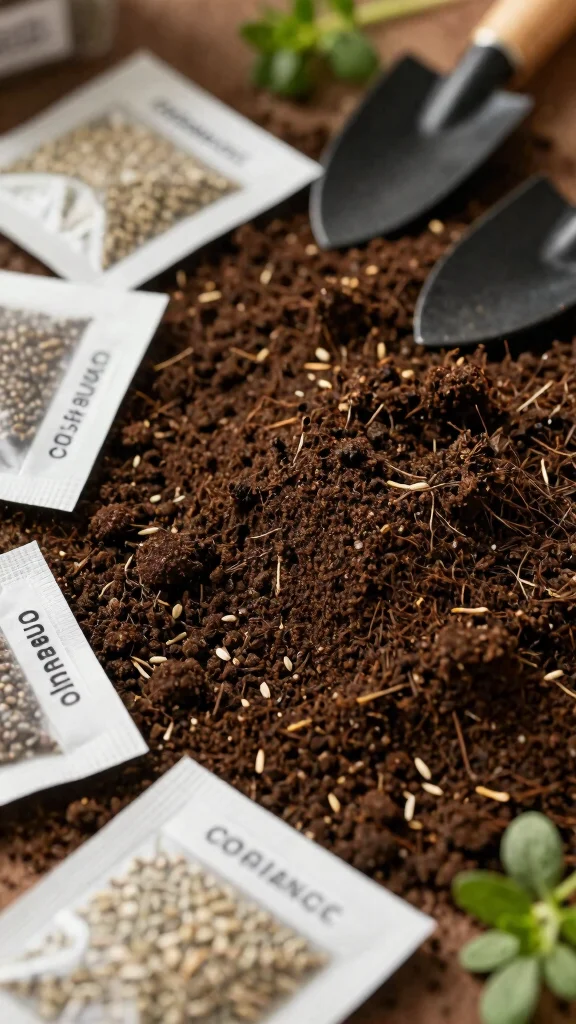
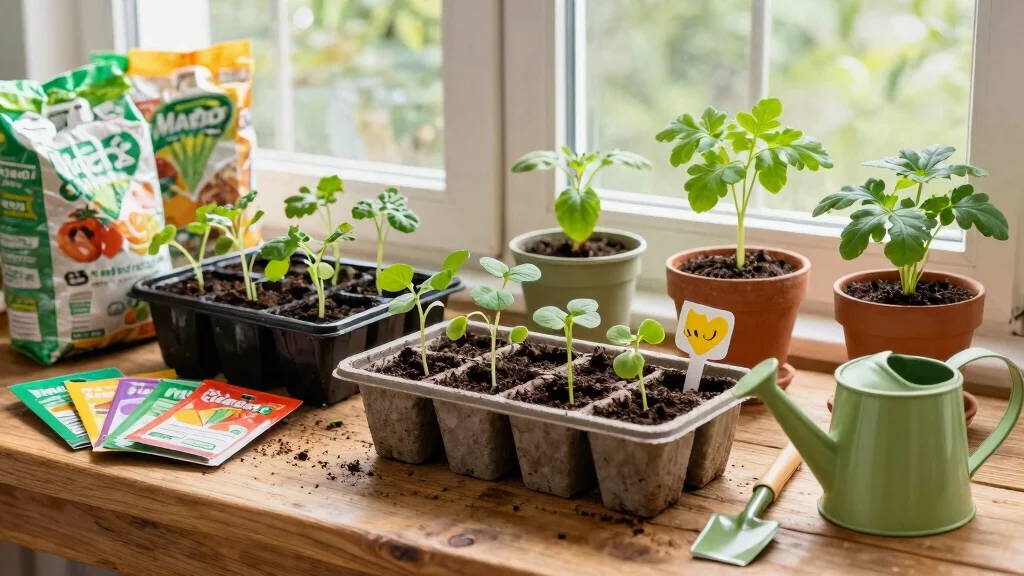
Are you ready to give your seedlings the best start possible? Choosing organic ingredients for your seed starting soil is a fantastic way to do just that. Organic mixes nurture your plants without the risk of chemicals, ensuring a healthier growth environment.
Look for blends featuring peat moss, coconut coir, compost, and perlite. Each ingredient brings something special: peat moss retains moisture, coconut coir provides excellent aeration, compost enriches with nutrients, and perlite enhances drainage.
Tip: Always check the labels to avoid synthetic additives. By using organic soil, you not only promote healthier plants but also support a sustainable garden!
Look for Organic Ingredients
Editor’s Choice

AeroSoil Perlite Premium Horticultural Grade Soil Additive Drainage and …


Legigo Pack of 10 Organic Coco Coir Bricks- 100% Natural Compressed Coco…

Espoma Organic Seed Starter Premium Potting Soil Mix – All Natural & Org…
2. Prioritize Drainage

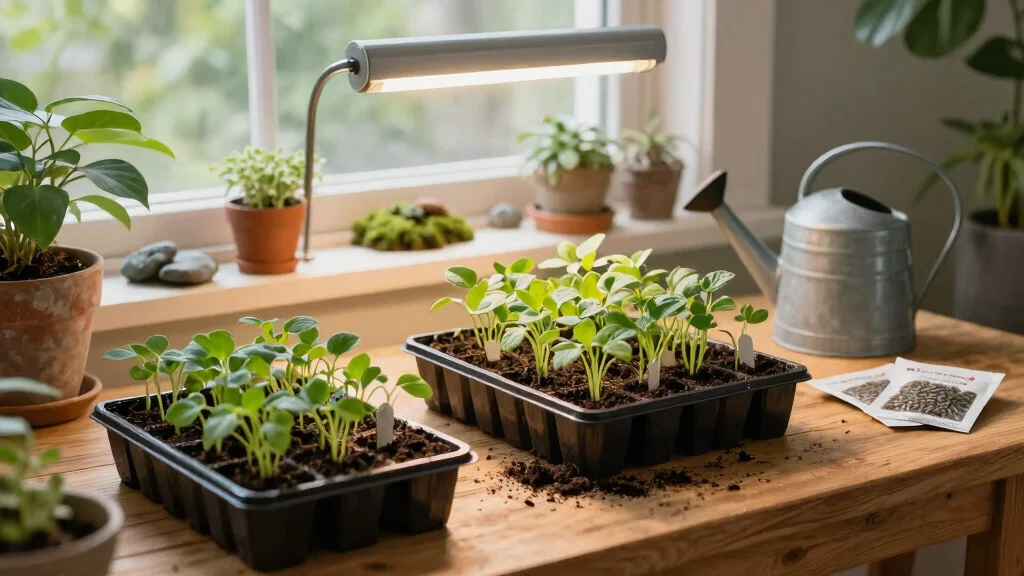
Do you want your seedlings to thrive? Good drainage in your seed starting soil is essential for their health. When seedlings are trapped in soggy soil, they risk developing root rot, hindering their growth.
Opt for mixes that are light and airy, allowing excess water to escape. Ingredients like perlite or vermiculite work wonders for improving drainage.
Tip: If you’re crafting your own mix, use a ratio of two parts peat or coir, one part compost, and one part perlite or vermiculite. Achieving proper drainage not only supports strong root development but also fosters an ideal environment for nutrient absorption.
Prioritize Drainage
Editor’s Choice

Back to the Roots 100% Organic Vermiculite | Made in the USA | Premium N…
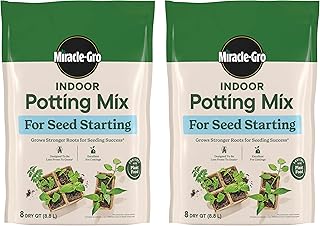
Miracle-Gro Indoor Potting Mix for Seed Starting, For Starting Vegetable…

Back to the Roots 100% Organic Perlite | Made in the USA | Premium Nutri…
3. Check the pH Level

Are you aware of how pH affects seed germination? Most seeds flourish in a slightly acidic to neutral pH level, ideally between 6.0 to 7.0.
Testing the pH of your seed starting soil is a smart move to ensure your seedlings receive the nutrients they need. Many local garden stores offer affordable pH testing kits. If your soil leans too acidic, adding lime can help raise the pH, while mixing in sulfur can lower it.
Tip: Regularly check the pH of your mixes to maintain an optimal environment for germination. Correct pH levels are crucial for robust root development and nutrient uptake.
Check the pH Level
Editor’s Choice

Earth Science Fast Acting Sulfur Granules – 5lb – Reduces Soil pH an…

SONKIR Soil pH Meter, MS02 3-in-1 Soil Moisture/Light/pH Tester Gardenin…

True Organic Garden Lime – Raises Soil pH to Reduce Acidity – Ideal …
4. Incorporate Nutrients
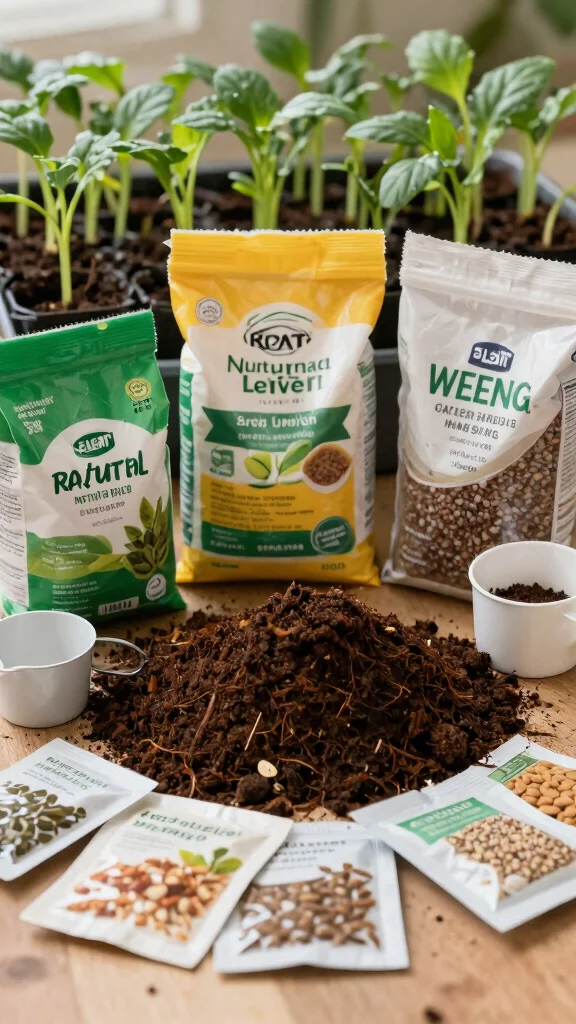
Are you aiming for healthy, vibrant seedlings? Your seed starting soil should be packed with nutrients to encourage growth. Adding organic compost or worm castings can significantly boost the nutrient content.
These ingredients not only provide essential vitamins and minerals, but they also enhance microbial activity in the soil, helping your seedlings thrive. Mixing in a balanced organic fertilizer with your soil can kick-start their journey.
Tip: Avoid over-fertilizing, as excess nutrients can harm young plants. Start with a balanced mix and introduce nutrients gradually as your seedlings grow.
Fun fact: Mixing in organic compost or worm castings can boost nutrient content by up to 25% and double microbial activity in seed starting soil. That lively biology helps roots establish faster, so your seedlings emerge strong and ready to grow.
Incorporate Nutrients
Editor’s Choice

Nature’s Way Soil® Seed Starting Fertilizer & Transplant Shock Root Boos…
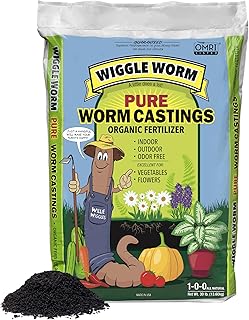
Wiggle Worm 100% Pure Organic Mineral-Dense Worm Castings Fertilizer, 30…

R&M Organics Premium Organic Compost 10 lb Bag for Vegetables, Flowers, …


Nature’s Way Soil Living Compost with Worm Castings & Biochar – 10 lb Or…
📹 Related Video: We Tested 8 Seed Starting Mixes, Here’s What We Learned
You might also like
5. Choose the Right Texture
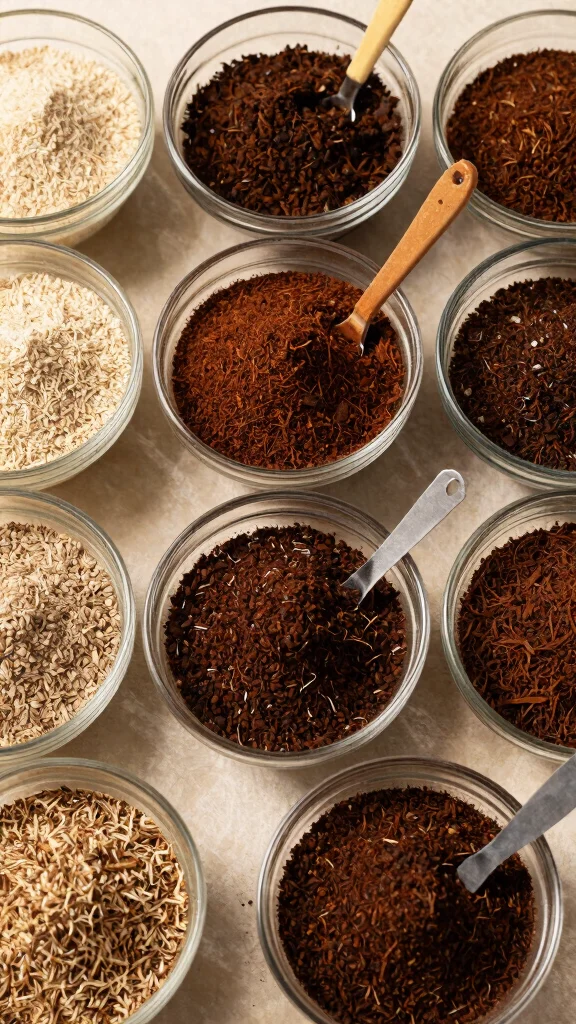
Are you aware that soil texture plays a vital role in seed germination? A mix that is too dense can restrict airflow, while one that is too light may not retain sufficient moisture.
Aim for a texture that strikes a balance—fluffy yet firm. This allows for excellent aeration while still holding moisture. Make sure to include both fine particles and larger aggregates for the best results.
Tip: If you’re mixing your own soil, consider sifting the ingredients to achieve uniformity. A well-textured soil promotes healthy root development, leading to stronger seedlings ready for transplant.
Fun fact: 70% of seed germination improves when seed starting soil has both fine particles and larger aggregates. This balance boosts airflow and moisture for heirloom seedlings everywhere.
Choose the Right Texture
Editor’s Choice
Espoma Organic Seed Starter Premium Potting Soil Mix – All Natural & Org…

2PCS Soil Sifter for Gardening with Handle,Stainless Steel Rock Compost …
6. Try DIY Soil Mixes
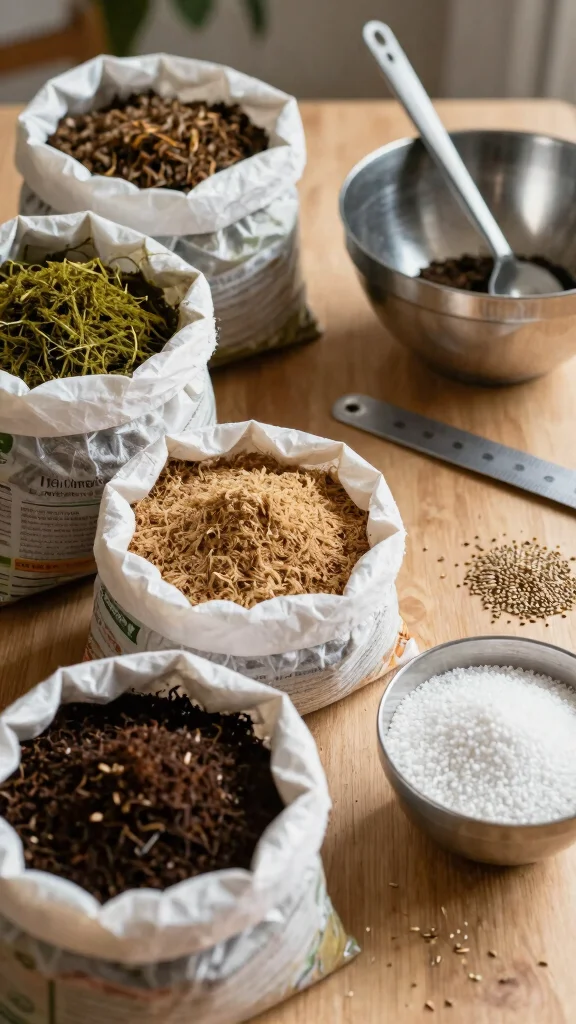
Are you looking for a cost-effective way to nurture your seedlings? Creating your own seed starting soil mix can be both budget-friendly and satisfying. The true magic of DIY mixes is the ability to customize ingredients to suit your needs.
For instance, combining equal parts of peat moss, compost, and perlite creates a fantastic base. Feel free to add other organic materials to enhance nutrient levels based on your gardening goals.
Tip: Experiment with various ratios until you discover what works best for your plants. Mixing your own soil also guarantees all components are organic, promoting healthier heirloom vegetables.
DIY seed starting soil can save you money and boost results. Mixing equal parts peat moss, compost, and perlite forms a balanced base that supports quick germination and sturdy seedlings. Experimenting with organic additions helps tailor the mix to your heirloom vegetables.
How To Choose the Right Seed Starting Soil
Choosing the right seed starting soil is vital for healthy seedlings. A good mix can set the stage for strong plant growth. Here are some factors to consider when selecting your seed starting soil.
1. Look for Organic Ingredients
When choosing seed starting soil, always check for organic ingredients. Organic soils contain no synthetic chemicals, ensuring a healthier environment for your seeds. Look for labels indicating that the mix is made from natural materials like peat moss, coconut coir, or composted bark. These components can support seedling growth without harmful additives.
2. Prioritize Drainage
Good drainage is crucial for young plants. A mix that retains some moisture but allows excess water to drain is ideal. Soil that retains too much water can lead to root rot. Check for mixes with added perlite or vermiculite, as these materials enhance drainage and aeration, promoting healthy root systems.
3. Check the pH Level
The pH level of your seed starting soil affects nutrient availability. Most plants thrive in a pH range of 6.0 to 7.0. You can buy a pH testing kit to check the soil’s acidity. If the pH is too high or low, consider adjusting it with amendments like lime (to raise pH) or sulfur (to lower pH). This simple step can make a big difference in seedling success.
4. Incorporate Nutrients
Healthy seedlings need nutrients to grow strong. When choosing soil, look for mixes that contain fertilizers or organic amendments. Ingredients like worm castings or bone meal can provide essential nutrients. Some mixes might have slow-release fertilizers that support plants over time. Just be careful not to use a mix that’s too rich, as it can overwhelm young roots.
5. Choose the Right Texture
The texture of your seed starting soil influences how it retains moisture and airflow. A lightweight, fluffy texture is best, allowing roots to penetrate easily. Avoid heavy, compact soils that can suffocate seedlings. You can test the texture by squeezing a handful of soil; it should crumble easily, not clump together.
6. Try DIY Soil Mixes
If you can’t find the right mix, consider making your own! A simple recipe includes equal parts of peat moss, compost, and perlite. This combination provides good drainage, nutrients, and a suitable pH for most seedlings. Custom mixes can save money and ensure your soil meets your specific gardening needs.
Pro Tip: Always moisten your seed starting soil before planting seeds. This helps to prevent dry pockets and ensures uniform moisture for seed germination. Just dampen the soil until it feels like a wrung-out sponge.
With these tips, you can choose the best seed starting soil for your heirloom vegetables. Healthy seedlings begin with the right mix, setting you on the path to a productive garden.
Try DIY Soil Mixes
Editor’s Choice
R&M Organics Premium Organic Compost 10 lb Bag for Vegetables, Flowers, …

WILLBOND 10qt Perlite & Vermiculite Mix (1: 1 Ratio), Natural 3-6mm Perl…

Miracle-Gro Sphagnum Peat Moss – Enriched with Plant Food, Add to Pottin…
7. Prevent Fungal Problems

Are fungal diseases a concern for your seedlings? One common issue is the risk of fungal growth in seed starting soil. To keep your seedlings healthy, ensure good airflow and avoid over-watering.
Using a soil mix that incorporates ingredients like cinnamon or diatomaceous earth can effectively deter fungal growth. Additionally, steer clear of using garden soil, as it may introduce pests and diseases to your seedlings.
Tip: Sterilize any reused containers and tools to prevent contamination between planting sessions. Taking these precautions will help you maintain healthy seedlings and minimize fungal issues in your garden.
You Might Also Like
Prevent Fungal Problems
Editor’s Choice
Espoma Organic Seed Starter Premium Potting Soil Mix – All Natural & Org…

Garden Safe Brand Crawling Insect Killer Containing Diatomaceous Earth, …

Cinnamon Oil for Pest Control, Natural Essential Oil Spray for Insects &…
8. Monitor Moisture Levels

Are you keeping a close eye on moisture levels in your seed starting soil? The right moisture is crucial for successful seed germination. Too much water can drown your seeds, while too little can lead to dryness.
It’s vital to keep the soil consistently moist but not overly soggy. A spray bottle is perfect for gentle watering, or you can use a moisture meter to track levels.
Tip: Covering your seed trays with a humidity dome can help maintain moisture while seeds germinate. Proper moisture management is key to ensuring a successful start for your heirloom vegetables, leading to strong, thriving seedlings.
Monitor Moisture Levels
Editor’s Choice

XLUX Long Probe Deep Use Soil Moisture Meter, Water Monitor Indicator Se…

7 Inch Propagation Dome – 5 Pack Humidity Vented Domes – Plant Growing…

Spray Bottle for Plants 2 Pack, 16oz – Ultra Fine Mist, Plant Mister Emp…
Conclusion

Choosing the right seed starting soil mix is crucial for healthy seedlings and a thriving garden.
By considering factors like organic ingredients, drainage, and nutrient content, you can set your garden up for success.
Embrace the joy of gardening and watch your heirloom vegetables flourish with these seed starting soil tips!
Note: We aim to provide accurate product links, but some may occasionally expire or become unavailable. If this happens, please search directly on Amazon for the product or a suitable alternative.
This post contains Amazon affiliate links, meaning we may earn a small commission if you purchase through our links, at no extra cost to you.
Frequently Asked Questions
What is the best seed starting soil for healthy heirloom vegetable seedlings?
The best seed starting soil is light, sterile, and well-drained, with just enough moisture-holding capacity for germination. In organic gardening, choose a seed starting mix based on coconut coir or peat moss blended with perlite or vermiculite for aeration and drainage.
Avoid heavy garden soil or fresh manure that can burn young roots. Look for a mix labeled for seed starting and, if possible, one certified for organic use. If you make your own, aim for a light, inert base and only a small amount of soil nutrients to prevent overfeeding your delicate seedlings.
After germination, practice gentle seedling care such as bottom watering and providing bright, filtered light for strong, healthy heirloom plants.
How do I choose the right seed starting soil for organic gardening and heirloom varieties?
Start with a goal: a light, sterile medium that drains well but holds enough moisture for germination. Check labels for a seed starting mix that is organic gardening approved and free from synthetic fertilizers. A good approach is to test a small amount by dampening with water and performing a quick seed germination technique like placing a few seeds on the surface to see how it holds moisture without getting soggy.
Consider future seedling care needs: you’ll want a mix that can be used for transplanting without shocking roots, and that provides just enough nutrients to avoid leggy growth until you’re ready to feed. Finally, pick a brand that suits soil nutrients balance for heirloom vegetables.
What ingredients should I look for in a seed starting mix, and what should I avoid?
Look for a light, inert base like coconut coir or peat moss with drainage enhancers such as perlite or vermiculite. A touch of compost or worm castings can be added in very small amounts for micronutrients, but avoid rich, aged manure that can burn seeds. Avoid garden soil, heavy loams, or fresh mulch in seed starting mixes, as they can compact and harbor pests.
Choose a mix labeled for seed germination techniques and organic gardening, and ensure it’s formulated to stay light and airy through the first true leaves. If you’re mixing your own, aim for roughly 60–70% inert base and 30–40% light organic matter, with minimal available soil nutrients until transplantation.
How can I care for seedlings started in seed starting soil to ensure good seed germination and healthy growth?
Keep seeds consistently moist from the moment you plant them using bottom watering or a gentle spray to avoid displacing seeds. Provide bright, indirect light or a grow light to prevent etiolation, and maintain temperatures around 65–75°F for most heirloom seeds. After the first true leaves appear, begin feeding with a very dilute organic fertilizer or seaweed tea to support soil nutrients without burning roots, and gradually acclimate plants to outdoor conditions (hardening off). Regular seedling care includes thinning crowded seedlings, keeping containers clean, and monitoring for pests so you’ll have strong, transplant-ready plants.
Should I reuse seed starting soil year after year, or start fresh with organic seed starting soil?
While you can sterilize old seed starting soil by solarizing or baking, most gardeners opt for starting fresh each season to prevent soil-borne diseases and nutrient imbalances. If you reuse soil, sterilize first and refresh with a small amount of fresh potting mix or organic compost, but be mindful of harboring pathogens. For reliable results with seed starting soil and healthy seedling care, starting with a fresh, organic mix ensures consistent drainage and moisture control and keeps heirloom varieties thriving.
Related Topics
seed starting soil
organic gardening
heirloom vegetables
potting mix
soil nutrients
seedling care
seed germination
beginner tips
sustainable gardening
easy gardening
gardening techniques
plant care