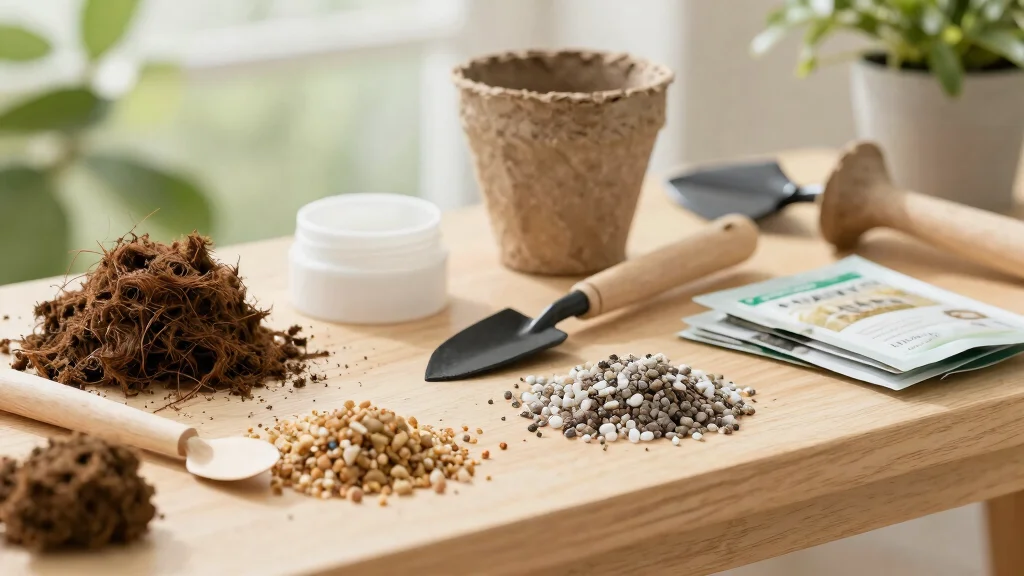
Every gardener knows that the right start can make all the difference. As you prepare to nurture your seedlings, you might find yourself searching for the best seed starting mix to give them that vital boost. Whether you’re a seasoned pro or a curious newbie, this post is just what you need. I created it because I want to share some of the best organic seed starting mix ideas that not only encourage healthy growth but also enhance your gardening experience.
If you love gardening and want to provide your plants with the best possible start, you’re in the right place. This guide is designed for anyone who cherishes the process of growing from seed to sprout. You’ll discover various seed starting mix recipes that are easy to make at home, using organic ingredients that are safe for both your plants and the environment.
By the end of this post, you’ll have nine unique seed starting mix ideas at your fingertips. Each recipe is crafted to support seedling care and promote effective seed germination. Whether you prefer a classic peat-based mix or a more innovative herbal blend, you’ll find the perfect solution to kickstart your gardening journey.
Key Takeaways
– Discover nine organic seed starting mix recipes that cater to various gardening needs and plant types.
– Learn how to create a classic peat-based mix, ensuring your seedlings get the nutrients they need right from the start.
– Explore alternative mixes like coconut coir and vermiculite blends that promote aeration and moisture retention for healthier seedlings.
– Gain practical tips for DIY seed starting mixes, including the benefits of adding ingredients like worm castings for extra nourishment.
– Understand how to tailor your seed starting mix for specific plants, including those that thrive in shaded conditions.
1. Classic Peat-Based Mix

If you’re searching for a dependable seed starting mix, the classic peat-based option is a favorite that never disappoints. Its light and fluffy texture helps seedlings thrive by retaining moisture while providing excellent drainage. This makes it perfect for nurturing delicate plants during their early growth stages.
For the ideal blend, combine:
– 50% peat moss
– 20% compost
– 20% perlite
– 10% vermiculite
To ensure the best results, mix the ingredients thoroughly to achieve an even consistency. Soak the mix before planting to enhance moisture retention. Keep a close eye on your seedlings and adjust watering as needed to keep them healthy. Adding a sprinkle of organic fertilizer can give your seedlings an extra boost of nutrients during their crucial early days.
Classic Peat-Based Mix
Editor’s Choice



Back to the Roots 100% Organic Vermiculite | Made in the USA | Premium N…

Back to the Roots 100% Organic Perlite | Made in the USA | Premium Nutri…
2. Coconut Coir Delight

Coconut coir is gaining traction as a sustainable alternative to peat moss, and for good reason! This eco-friendly material, derived from coconut husks, creates a moist, breathable environment for seedlings, fostering healthy growth.
Try this effective mix for your seedlings:
– 70% coconut coir
– 20% compost
– 10% vermiculite
Coconut coir excels at retaining water while promoting excellent drainage, making it ideal for a wide variety of seedlings. Soaking the coir before mixing is essential, as it expands to create a fluffy texture. This mix not only ensures your seedlings receive the nutrients they need but also offers a more sustainable choice compared to traditional peat-based mixes, reducing your environmental footprint.
Coconut Coir Delight
Editor’s Choice
Back to the Roots 100% Organic Vermiculite | Made in the USA | Premium N…

Legigo Pack of 10 Organic Coco Coir Bricks- 100% Natural Compressed Coco…
Miracle-Gro Indoor Potting Mix for Seed Starting, For Starting Vegetable…
3. Nutrient-Rich Compost Mix

For those who want to give their seedlings a nutritional edge, a compost-based mix is an outstanding option. This rich blend teems with microbial life, ensuring robust growth for your young plants.
Consider this simple recipe:
– 50% compost
– 30% peat moss or coir
– 20% perlite or sand
Mature compost provides a wealth of nutrients without the risk of burning tender roots. The combination of peat moss or coconut coir helps retain moisture, while perlite enhances drainage. Use well-aged compost that is dark and crumbly, and watch your seedlings thrive in this nutrient-rich environment.
Nutrient-Rich Compost Mix
Editor’s Choice
Back to the Roots 100% Organic Perlite | Made in the USA | Premium Nutri…

Brut Cow Compost – Nutrient-Rich Composted Cow Manure Organic Soil Ame…

Back to The Roots Organic Coir, 51 Quart Expanding Soil, Great for Seeds…
4. Vermiculite and Perlite Blend

If you need a mix that boosts aeration and drainage, the vermiculite and perlite blend is a fantastic choice for starting seeds. This combination is especially beneficial for seeds that thrive in well-aerated conditions.
Try this straightforward recipe:
– 40% vermiculite
– 40% perlite
– 20% organic potting soil or compost
The air pockets created by vermiculite and perlite reduce the risk of root rot, ensuring healthy seedlings. Keep the mix moist but not soggy, and make sure your containers have adequate drainage. This blend gives your plants the best chance to develop strong roots for future growth.
Fun fact: a 40% vermiculite, 40% perlite, and 20% organic soil seed starting mix creates instant air pockets that boost aeration. This drainage-friendly blend helps seedlings avoid root rot and get a strong start in your home garden. Try it for seeds that crave well-aerated conditions.
Key Trade-offs & Our Top Pick
1. Classic Peat-Based Mix
– Pros:
– Widely available and affordable 💰
– Provides good moisture retention 💧
– Lightweight and easy to handle 🔄
– Cons:
– Not environmentally friendly due to peat extraction 🌍
– Can become compacted over time, affecting root growth 🌱
– Lacks nutrients unless supplemented 🥄
– Best for: Beginners looking for a reliable and inexpensive option for general seed starting.
2. Coconut Coir Delight
– Pros:
– Sustainable alternative to peat 🌿
– Excellent moisture retention and aeration 🌬️
– Naturally resistant to mold and pests 🚫
– Cons:
– Less nutrient-dense compared to other options 🥗
– Initial cost may be higher than peat mixes 💵
– Can require additional fertilizers for optimal growth ⚠️
– Best for: Gardeners who prioritize sustainability and are looking for a natural product.
3. Nutrient-Rich Compost Mix
– Pros:
– Packed with nutrients, great for seedlings 🌱
– Improves soil structure and health 🌍
– Can be homemade, saving costs 🍂
– Cons:
– Quality can vary greatly depending on source 🧐
– May contain weed seeds if not properly processed 🌾
– Heavier than other mixes, making it harder to manage 🚧
– Best for: Experienced gardeners who want to provide their seedlings with organic nutrition.
4. Vermiculite and Perlite Blend
– Pros:
– Excellent drainage and aeration 🕳️
– Helps prevent compaction for healthy root growth 🌼
– Lightweight and easy to mix with other ingredients ⚖️
– Cons:
– Poor nutrient content on its own 🍽️
– Can be pricier compared to peat-based mixes 💲
– Not very effective at retaining moisture without added components 🚰
– Best for: Those who want to create a custom mix tailored to specific plants or growing conditions.
Expert Recommendation:
Best Overall: Coconut Coir Delight
Coconut coir is our top pick for most gardeners. It balances sustainability, moisture retention, and aeration, providing a great environment for seedling growth. Although it may start at a slightly higher price point, its durability and effectiveness make it a smart long-term investment. You’ll appreciate its resistance to mold and pests, making seedling care even easier. 🌟
Why We Picked This:
Different gardeners have unique needs. If you’re seeking affordability and ease, the classic peat-based mix is hard to beat. For those focused on organic practices, the nutrient-rich compost mix is an excellent choice, albeit with some precautions. If you’re experimenting with custom mixes, the vermiculite and perlite blend offers flexibility. Each option has its pros and cons; choose what aligns best with your gardening goals! 🌈
Vermiculite and Perlite Blend
Editor’s Choice
Miracle-Gro Indoor Potting Mix for Seed Starting, For Starting Vegetable…
Back to the Roots 100% Organic Perlite | Made in the USA | Premium Nutri…

PVP Industries 4 Cubic Feet of Medium Vermiculite – Professional Grade S…
5. DIY Soil Block Mix

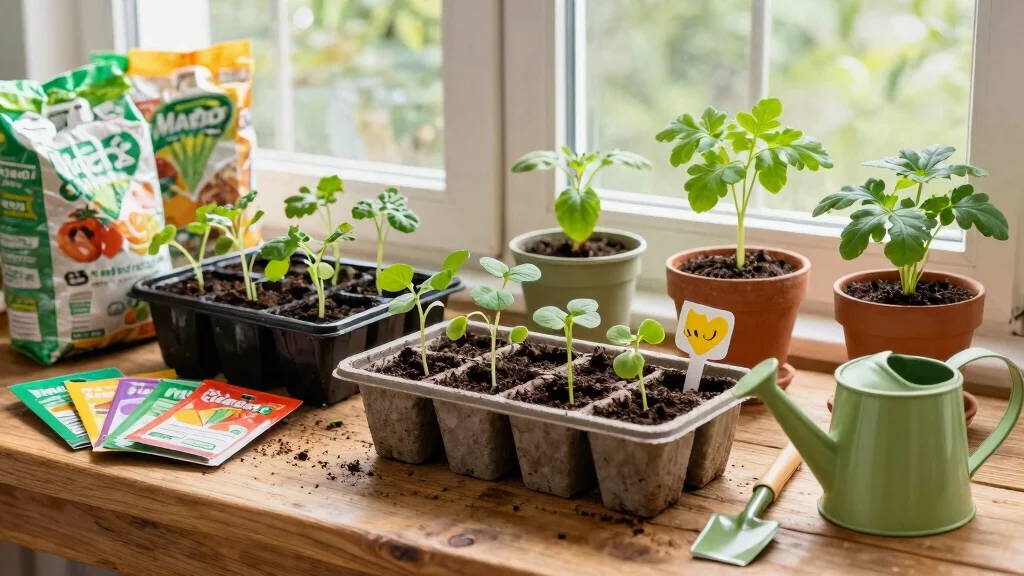
For the crafty gardener, creating soil blocks is an innovative and effective way to start seeds. This method eliminates plastic pots and encourages healthier root systems by allowing roots to air-prune naturally.
To make your soil block mix, use:
– 1 part compost
– 1 part peat moss or coir
– 1 part perlite
– Water to achieve proper texture
Mix until the texture holds together when squeezed yet crumbles easily. Using a soil block maker, compress the mix into blocks for direct planting. This eco-friendly method prevents transplant shock and creates a nutrient-rich environment for thriving seedlings.
📹 Related Video: The Soil Block Recipe You’ve Got to Try
You might also like

DIY Soil Block Mix
Editor’s Choice

Back to the Roots 100% Organic Perlite | Made in the USA | Premium Nutri…
MAQIHAN Natural Coconut Husk Fiber – Organic Coconut Husk Silk for Plant…

Michigan Peat Compost and Manure Blend, Garden Magic Mix with Odor-Free …
6. Seed Starting Mix with Worm Castings

Boost your seed starting mix with nutrient-rich worm castings! This addition enhances soil structure and promotes robust growth in your young plants.
Create a mix with:
– 40% seed starting mix
– 30% peat moss or coir
– 30% worm castings
Worm castings are packed with essential nutrients and beneficial microorganisms, making them ideal for seedlings. Ensure the mix is well combined and moist before sowing seeds. This organic approach not only supports healthy seedlings but also aligns with sustainable gardening practices, resulting in a greener planet.
Seed Starting Mix with Worm Castings
Editor’s Choice
Miracle-Gro Indoor Potting Mix for Seed Starting, For Starting Vegetable…

ZeeDix 2 Pcs Coco Coir Brick for Plants- 100% Organic Coconut Coir for G…

Brut Organic Worm Castings for Plants 5 LB – Natural Nutrients, Fertil…
7. All-Natural Herbal Seed Starting Mix

Creating a specialized herbal seed starting mix is an excellent way to enhance germination rates for your favorite herbs. This blend caters specifically to aromatic and culinary varieties.
Combine the following ingredients:
– 50% organic potting soil
– 30% compost
– 20% sand or perlite
This mix provides the essential nutrients that herbs need while ensuring proper drainage. Keep it lightweight for starting small seeds like basil and cilantro. Maintaining the right moisture is key, as many herbs are sensitive to excess water. Soon enough, you’ll see delightful seedlings sprouting, eager to be planted in your garden or containers.
All-Natural Herbal Seed Starting Mix
Editor’s Choice
Back to the Roots 100% Organic Perlite | Made in the USA | Premium Nutri…

Burpee, 9 Quarts | Premium Organic Potting Natural Soil Mix Food Ideal f…
Michigan Peat Compost and Manure Blend, Garden Magic Mix with Odor-Free …
8. Seed Starting Mix for Shade-Loving Plants

When it comes to growing shade-loving plants, a tailored seed starting mix is essential for their success. These plants thrive in cooler, moist conditions, making the right mix crucial.
Try this blend:
– 60% peat moss or coir
– 30% compost
– 10% vermiculite or perlite
This combination retains moisture well, which is vital for seedlings that prefer shaded environments. The additional compost enriches nutrition, while vermiculite or perlite boosts aeration. Keep the mixture slightly moist to prevent drying out, ensuring your delicate plants like ferns and hostas flourish in their chosen spots.
Fun fact: Shade-loving seedlings thrive when their seed starting mix holds moisture without staying soggy. Aim for a formula like 60% peat moss or coir, 30% compost, and 10% vermiculite or perlite. Keep the mix cool and consistently moist for steady growth.
You Might Also Like
Seed Starting Mix for Shade-Loving Plants
Editor’s Choice
Back to the Roots 100% Organic Vermiculite | Made in the USA | Premium N…

Miracle-Gro Sphagnum Peat Moss – Enriched with Plant Food, Add to Pottin…
Miracle-Gro Indoor Potting Mix for Seed Starting, For Starting Vegetable…
9. Eco-Friendly Seed Starting Mix

Creating an eco-friendly seed starting mix is a fantastic way to practice sustainable gardening. By using organic and renewable materials, you can significantly impact the environment.
Combine:
– 50% mushroom compost
– 30% coir
– 20% perlite
Mushroom compost is often overlooked but is an excellent source of nutrients and beneficial microorganisms. Coir aids in moisture retention, while perlite improves drainage. By choosing these materials, you’re reducing waste and positively contributing to the planet. Keep the mix moist to ensure your seedlings receive the care they need without harmful chemicals.
Fun fact: using an eco-friendly seed starting mix (50% mushroom compost, 30% coir, 20% perlite) boosts seedling health while cutting waste. Pro tip: mix ahead in small batches and keep it slightly damp for easy, sustainable planting.
Eco-Friendly Seed Starting Mix
Editor’s Choice
Back to the Roots 100% Organic Perlite | Made in the USA | Premium Nutri…

Espoma Organic Mushroom Compost Blend. Combines Rich Mushroom Compost wi…
Legigo Pack of 10 Organic Coco Coir Bricks- 100% Natural Compressed Coco…
Conclusion

Starting seeds is a wonderful way to engage with gardening and nurture life from the very beginning. With these nine seed starting mix ideas, you’re equipped to provide your seedlings with the best foundations possible.
Whether you choose a classic mix or something more innovative, remember that the right ingredients can make all the difference in helping your plants thrive. Happy planting! We can’t wait to see the vibrant garden you will cultivate!
Note: We aim to provide accurate product links, but some may occasionally expire or become unavailable. If this happens, please search directly on Amazon for the product or a suitable alternative.
This post contains Amazon affiliate links, meaning we may earn a small commission if you purchase through our links, at no extra cost to you.
Frequently Asked Questions
What exactly is a seed starting mix and why is it essential for seed germination?
A seed starting mix is a lightweight, sterile growing medium designed to cradle tiny seeds and promote reliable germination. It typically blends components like coconut coir or peat moss with drainage-focused materials such as perlite or vermiculite, plus a touch of organic matter. Using a seed starting mix helps ensure proper drainage and even moisture, reduces damping-off risk, and creates ideal conditions for seed germination tips. To use it, pre-moisten the mix, fill seed trays or cells about 3/4 full, sow seeds at the recommended depth, cover lightly, and keep the medium consistently damp and warm until sprouts appear. As soon as seedlings emerge, provide bright light and gentle airflow to prevent mold and ensure strong starts.
How can I DIY seed starting mix using organic ingredients at home?
Try this quick DIY blend: 2 parts coconut coir or peat moss, 1 part compost or worm castings (organic), 1 part perlite or vermiculite. This keeps the seed starting mix light, well-draining, and capable of holding enough moisture for young roots. Moisten the blend before use, fill trays about 3/4 full, sow seeds at the recommended depth, and keep in a warm, bright spot. For an extra organic boost, you can mix in a small amount of finely screened worm castings after germination starts, but avoid over-fertilizing during the initial seedling stage.
What is the best potting soil for seedlings, and how is it different from seed starting mix?
The best potting soil for seedlings is typically heavier, richer, and retains moisture longer, which can lead to damping-off in tiny sprouts. A true seed starting mix is lighter, drains well, and is often sterilized to reduce pathogens. If you only have potting soil on hand, lighten it with an equal part of perlite or coarse sand and use it mainly after the initial germination stage. For the freshest start, begin with a dedicated organic seed starting mix and transplant when the seedlings have their first true leaves, following solid seedling care guidelines and seed germination tips.
What seedling care steps should I follow after germination to ensure healthy growth?
After germination, keep seedlings in bright light, steady warmth, and even moisture. Water from the bottom when possible to prevent crown rot, and ensure good air circulation to reduce mold risk. As soon as the first true leaves appear, remove any humidity dome gradually and begin hardening off before outdoor planting. Feed sparingly with a diluted organic fertilizer only if your mix lacks nutrients, and adjust light intensity to prevent legginess. With consistent seedling care, your starts will be sturdy and ready for transplant.
What are some common seed germination tips when using organic seed starting mix?
To maximize germination with an organic seed starting mix, pre-moisten the mix and sow seeds at the recommended depth. Use bottom heat if you can, and keep the environment consistently humid but not soggy. Avoid overwatering and watch for signs of damping-off. For larger seeds, a brief pre-soak (s 8–12 hours) can improve germination rates. Label everything clearly, maintain a stable temperature around 65–75°F, and gradually expose sprouts to more light as soon as they emerge. These seed germination tips help you get stronger seedlings from your organic seed starting mix.
Related Topics
seed starting mix
organic gardening
DIY seed starting
seedling care
best potting soil
seed germination tips
beginner gardening
homemade potting mix
easy gardening
eco-friendly practices
sustainable gardening
indoor gardening