
Gardening can be a thrilling adventure, especially when it comes to planting seeds. This time of year always reminds me of the excitement of watching tiny sprouts push through the soil and transform into lush plants. If you’re an urban gardener, focused on container gardening, understanding when to plant your seeds can feel overwhelming. That’s why I’ve put together this guide—it’s all about the essential tips you need to master your seed planting calendar.
Whether you’re a new gardener or someone looking to enhance your skills, this post is for you. You care about growing your own vegetables or flowers, and you want to do it right. With the right knowledge, you can avoid common pitfalls and enjoy a bountiful garden. I’ve gathered eight practical tips that will help you nail down exactly when to plant every seed, making your gardening journey smoother and more successful.
By following these tips, you’ll gain confidence in your planting decisions. You’ll learn how to create an effective planting schedule, understand your local climate, and utilize resources like seed germination charts. Plus, mastering the nuances of seed depth and spacing will ensure you maximize your yield. Let’s dig in and discover how to take your gardening game to the next level!
Key Takeaways
– Knowing your last frost date is crucial for timing your seed planting and avoiding frost damage to young plants.
– Creating a detailed planting schedule helps you stay organized and ensures you plant seeds at the optimal time for growth.
– Seasonal planting considerations can help you choose the right seeds for the right time, leading to healthier plants and better yields.
– Using a seed germination chart gives you specific information on the best conditions for each type of seed, enhancing your success rate.
– Keeping records of your planting can help you refine your techniques over time and make necessary adjustments based on past experiences.
1. Know Your Last Frost Date

Understanding your last frost date is crucial for successful planting. This date tells you when it’s safe to sow seeds outdoors without risking frost damage. Knowing this helps you choose the right time to plant, ensuring your plants have the best chance to thrive.
To find your last frost date, research your local climate and mark it on your calendar. This knowledge will help you plan your gardening activities efficiently, allowing you to plant at the optimal time for your area.
Here are some helpful tips:
– Research Your Hardiness Zone: Check USDA zones to see what grows best near you.
– Adjust for Unique Microclimates: Your garden may be warmer or cooler than surrounding areas.
– Use Frost Dates for Indoor Starts: Calculate when to begin seedlings indoors based on this date.
This essential information sets the stage for thriving gardens. Planting at the right time boosts your chances for a successful harvest.
📹 Related Video: What to Plant Before the Last Frost Date
Know Your Last Frost Date
Editor’s Choice

Gardening Log Book and Planner: Monthly Garden Planting Journal and Orga…


Burpee SuperSeed Seed Starting Tray | 36 Cell Reusable Seed Starter Tray…

AlpineReach Plant Covers Frost & Sun Protection 10 x 30 ft – Thick 1.2 o…
2. Create a Planting Schedule

Crafting a planting schedule is your next step after determining frost dates. This schedule acts as your personal guide, detailing when to sow seeds indoors and outdoors. Staying organized enhances your gardening experience and improves your harvest.
Consider making a list of seeds you want to grow and check their specific planting instructions. Group seeds by germination times to streamline your process and include transplant dates if you start seeds indoors.
Key steps to develop your schedule:
– List All Your Seeds: Identify and group them based on planting needs.
– Organize by Germination Time: Ensure timely planting by grouping them by sprouting times.
– Note Transplant Dates: Mark when to move indoor seedlings outside.
A comprehensive schedule not only keeps you on track but also maximizes your garden’s potential for a bountiful yield.
Create a Planting Schedule
Editor’s Choice
Gardening Log Book and Planner: Monthly Garden Planting Journal and Orga…


Burpee SuperSeed Starting Tray | 16 XL Cell | Reusable & Dishwasher Safe…
3. Consider Seasonal Planting
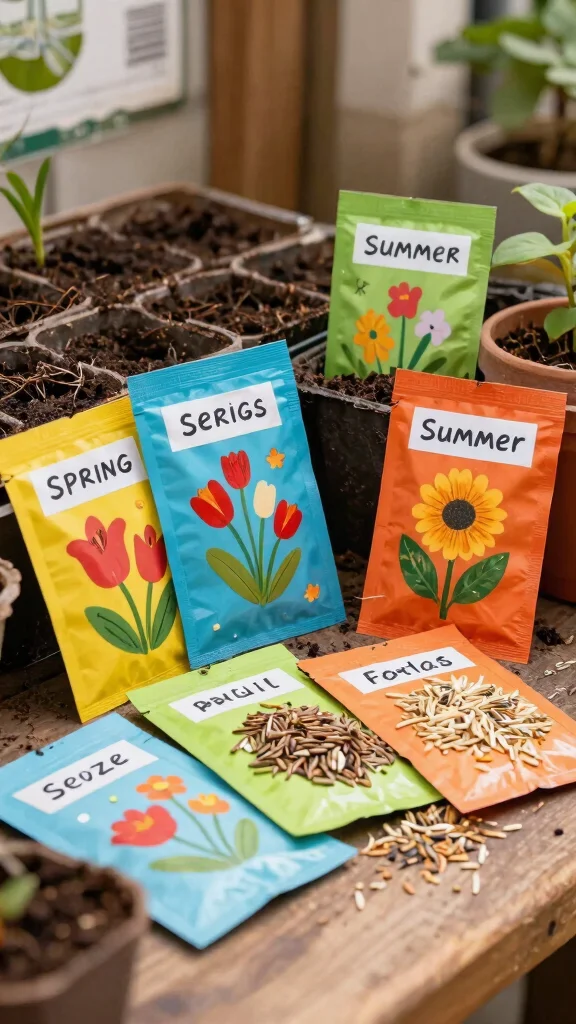
Seasonal planting is vital for healthy gardens. Different seeds flourish in various seasons, making it essential to align your planting calendar with seasonal changes. This strategy can lead to a more productive and vibrant garden.
Focus on what to plant in each season. For example, spring is perfect for fast-growing crops like radishes, while summer is ideal for heat-loving vegetables such as tomatoes. Don’t overlook fall planting, as cooler crops like kale thrive in the autumn chill.
Here’s how to embrace seasonal planting:
– Plant Spring Seeds: Start with quick-growing options like lettuce and radishes.
– Grow Summer Seeds: Add warm-season crops like peppers and eggplants.
– Consider Fall Seeds: Sow cool-weather favorites like spinach and carrots.
By planting seasonally, you ensure healthier plants and a flourishing garden all year round.
❝ Fun fact: Aligning your seed planting calendar with seasons can boost garden productivity by up to 30%. Spring radishes, summer tomatoes, and fall kale thrive when you plan ahead with seasonal planting, making your urban container garden consistently vibrant.
Consider Seasonal Planting
Editor’s Choice

Sustee Aquameter, Set of 5, Plant Soil Moisture Sensor (Green, Small)
Gardening Log Book and Planner: Monthly Garden Planting Journal and Orga…

Halatool 4 Pack Seed Starter Tray with 50 PCS Peat Pellets, 48 Cells Bla…
4. Use a Seed Germination Chart

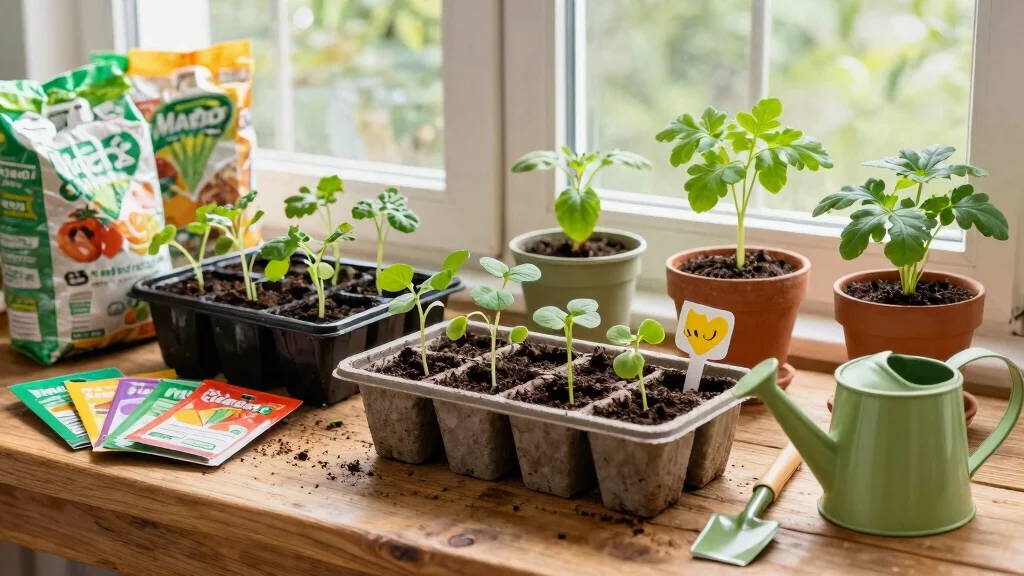
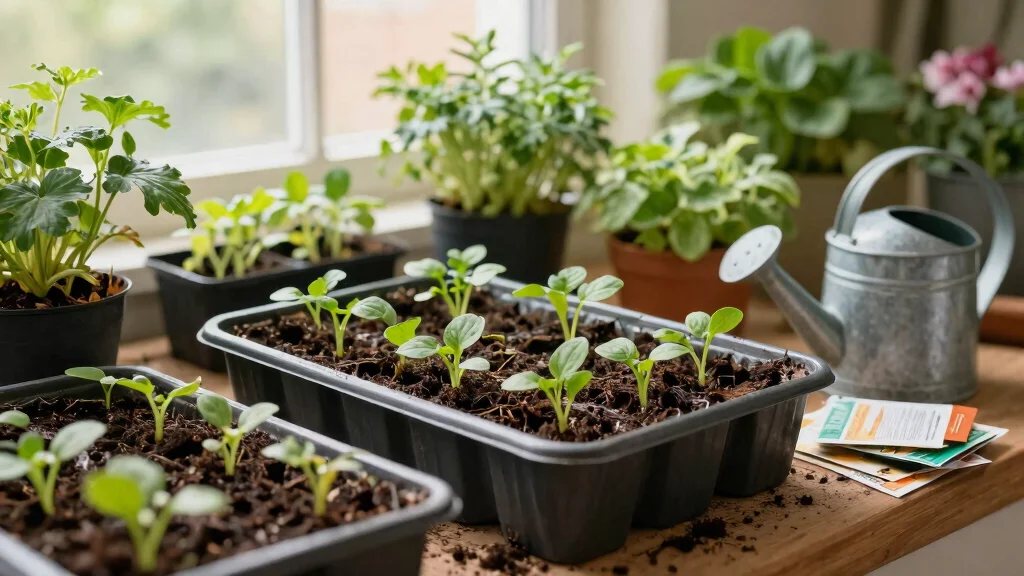
A seed germination chart simplifies your planting process. This tool reveals how long it takes for seeds to sprout, allowing you to time your planting perfectly. Knowing when to expect your plants helps you manage your garden more effectively.
When using a germination chart, remember that different varieties of the same crop can have varying sprouting times. Keep track of your planting dates and conditions, as these factors greatly impact your plants’ success.
Important tips for using a germination chart:
– Check Varieties: Different vegetable types can sprout at different rates.
– Keep Notes: Record your planting dates and compare them against the chart.
– Monitor Growing Conditions: Adjust for temperature and moisture for best results.
Using a germination chart helps you refine your gardening techniques for better results season after season.
Fun fact: A seed germination chart is part of your seed planting calendar and can cut guessing time by about 50-70% by showing exact sprout timelines. Different varieties sprout at different times, so track dates and conditions for better success.
You might also like
Use a Seed Germination Chart
Editor’s Choice

Garden Planting Log Book: Track Seeds, Beds, Dates, Growth and Harvest N…

Vegetable Companion Planting Guide Poster Garden Planting TypesE Canvas …
5. Understand Seed Depth and Spacing

Proper seed depth and spacing are critical for healthy growth. Planting seeds too deeply or too close can hinder germination and lead to overcrowding. Understanding these factors can significantly improve your gardening outcomes.
Always refer to your seed packet for specific depth and spacing recommendations. Tools like a dibber can help create uniform planting holes, and thinning seedlings after they sprout ensures they have enough space to grow.
Key considerations for planting:
– Follow Seed Packet Guidelines: Reference recommended depth and spacing for each variety.
– Use Precision Tools: A dibber helps create accurate holes for planting.
– Thin Seedlings: Remove excess plants to reduce nutrient competition.
Paying attention to these details enhances your urban gardening experience, leading to healthier plants and better yields.
How To Choose the Right Seeds for Your Urban Container Garden
Tools You’ll Need:
– Seed packets
– Gardening journal or notebook
– Measuring tape
– Soil test kit (optional)
– Seed germination chart
Step 1: Identify Your Space
Start by assessing your container gardening area. Measure the available space to determine how many containers you can fit and how big they can be. This will help you choose seeds that thrive within your limitations. Ensure your containers can hold enough soil to support the plants you want to grow. ✔ Measure the width, height, and depth of your containers.
Step 2: Understand Your Climate
Know your climate zone and the last frost date in your area. This information will help you select seeds that will grow well in your local conditions. Check local gardening resources or websites that provide planting calendars based on your region. ✔ Keep track of seasonal changes that impact planting times.
Step 3: Choose the Right Seeds
Select seeds based on your preferences and the amount of sunlight your containers will receive. For example, if you have a sunny spot, consider vegetables like tomatoes or peppers. If you have partial shade, leafy greens like spinach or lettuce are great options. Look for varieties that are suited for container gardening, as these are usually more compact. ✔ Research easy-to-grow options for beginners.
Step 4: Plan Your Planting Schedule
Develop a planting schedule using a seed planting calendar. This helps you know when to sow seeds indoors and when to transplant them outdoors. Start seeds indoors based on your last frost date, then transfer them to containers when the weather is warmer. This will maximize your growing season. ✔ Review the recommended planting dates on each seed packet.
Step 5: Keep Records
Maintain a gardening journal to track your planting dates and the growth of your plants. Write down what worked and what didn’t. This will help you make informed decisions for future planting. Include notes on watering, sunlight exposure, and any pest issues. ✔ Review your notes at the end of the season to improve your gardening strategies.
Pro Tip:
Start with a few easy-to-grow seeds if you’re new to urban container gardening. Herbs like basil, cilantro, and parsley are a great choice. They grow quickly and add flavor to your meals, making them both practical and rewarding. Plus, herbs can thrive in smaller containers, making them perfect for limited spaces! 🚀
Understand Seed Depth and Spacing
Editor’s Choice

Sukiise Hand Dibber, Seed Dibber, Bulb Planter Tool, Seed Planter Tool, …

Seed Spacers Planting Tool, Garden Seed Planter Ruler with 2 Wooden Stak…

VIVOSUN 6.5 Inch Gardening Scissors Hand Pruner Pruning Shear with Strai…
6. Keep Records of Your Planting

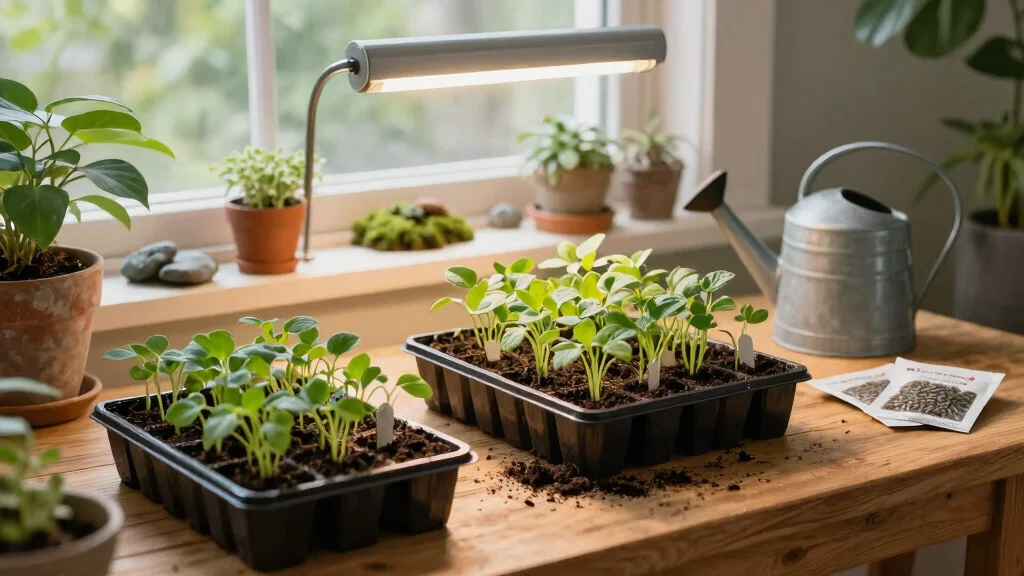
Maintaining records of your planting activities is a valuable practice for any gardener. Tracking what you plant and when allows you to improve your skills with each season. This organized approach leads to better gardening outcomes over time.
Create a gardening journal or use an app to log planting dates, seed varieties, and germination outcomes. Reflecting on your successes and failures can guide future planting decisions and enhance your gardening strategy.
Important aspects to track:
– Start a Gardening Journal: Use a notebook or app for your records.
– Document Results: Note what worked and what didn’t for future reference.
– Monitor Weather Patterns: Track how weather affects your plants over time.
This systematic approach builds your confidence and expertise as an urban gardener.
Fun fact: gardeners who keep a seed planting calendar see germination improve by up to 20% and harvests steadier—numbers that add up across a busy urban container garden. Log planting dates, seed varieties, and outcomes, then reflect to sharpen your strategy for next season.
You Might Also Like
Keep Records of Your Planting
Editor’s Choice

RAINPOINT Smart Digital Wireless Plant Moisture Meter Houseplants Indoor…

7. Adjust Your Calendar as Needed

Flexibility is a vital skill in gardening. Weather and other factors can change your plans, so being ready to adjust is crucial for ongoing success. Embracing adaptability can enhance your gardening experience.
Stay informed by checking weather forecasts regularly and adjust your planting schedule as necessary. If seeds fail to sprout, don’t hesitate to replant, and make notes on any changes you implement for future reference.
Ways to stay adaptable:
– Monitor Weather Forecasts: Adjust your schedule based on expected conditions.
– Be Prepared to Replant: If seeds don’t germinate, plant new ones promptly.
– Document Necessary Changes: Keep a record of adjustments to refine your calendar.
Being adaptable will enrich your gardening journey, turning challenges into learning opportunities.
Adjust Your Calendar as Needed
Editor’s Choice
Halatool 4 Pack Seed Starter Tray with 50 PCS Peat Pellets, 48 Cells Bla…

Newentor Weather Station Wireless Indoor Outdoor Thermometer, Color Disp…
Gardening Log Book and Planner: Monthly Garden Planting Journal and Orga…
Conclusion

Navigating a seed planting calendar can transform your urban gardening experience, making it easier to grow the plants you love.
By understanding the timing behind planting, from frost dates to germination rates, you’ll set yourself up for a successful gardening season. Remember, gardening is as much about planning as it is about nurturing those little seeds into flourishing plants. Happy gardening!
Note: We aim to provide accurate product links, but some may occasionally expire or become unavailable. If this happens, please search directly on Amazon for the product or a suitable alternative.
This post contains Amazon affiliate links, meaning we may earn a small commission if you purchase through our links, at no extra cost to you.
Frequently Asked Questions
What exactly is a seed planting calendar and how can it help urban container gardening?
A seed planting calendar is a practical plan that maps sowing dates to your local climate so seeds sprout when conditions are right. For urban container gardening, it helps you maximize small spaces by timing crops to beat frost, heat waves, and overcrowding.
How to use it: check your last frost date, pick crops that grow well in containers, note days to emergence and days to harvest from seed packets, decide whether to start indoors or direct-sow, and build a simple calendar that lists seed type, sow date, and container size. Using a planting schedule this way becomes the backbone of a reliable vegetable planting guide and keeps you on track through seasonal gardening.
How can I tailor a planting schedule for veggie seeds in small containers?
Start by choosing compact or dwarf varieties that fit your container. Plan which seeds can share a container, and set up a planting schedule that staggers sow dates for a continuous harvest. Use a simple grid: container name, seed type, sow date, days to germination, and days to harvest. For each container, decide if you direct-sow or begin indoors using seed germination methods such as starter trays and humidity domes, then transplant when roots show. Finally, stick with a regular watering and feeding plan so you hit your seed planting calendar without overplanting.
Which seed germination methods work best for container gardens, and how do I choose between soil, starter trays, or other setups?
Container gardens thrive with the right seed germination methods. Direct sow small seeds like lettuce or radish into a well-draining potting mix, or start larger seeds indoors in starter trays and transplant after true leaves appear. Use a lightweight seed starting mix, humidity domes or plastic covers to improve germination rates, and harden off seedlings before moving them outdoors. Remember to label every tray and track dates in your vegetable planting guide so you know exactly when each crop moves to its final container.
How do seasons affect when to plant seeds in an urban setting, and what adjustments should I make?
Seasons drive when you plant in urban containers. In spring, plan for hardy, quick-germinating crops and use our calendar to avoid late frosts. In hot summer, pick heat-tolerant varieties and use shade or container placement to beat the heat. In fall, you can squeeze in cool-season greens by starting indoors and transplanting as temperatures cool. Use microclimates on balconies or rooftops to extend your seasonal gardening window, and adjust your seed planting calendar based on local frost dates and sun exposure.
What are practical steps to follow the seed planting calendar to ensure a harvest from urban containers?
Practical steps to follow the seed planting calendar: 1) know your local last frost date and average first and last frosts for your area; 2) choose container-friendly vegetables and create a vegetable planting guide with sowing windows; 3) plot sow dates for each seed on a simple calendar or app; 4) start indoors when needed using seed germination methods that fit your space; 5) set up a regular watering, fertilizing, and harvest schedule; 6) practice succession planting for continuous harvest and keep notes for next season. This is how you turn a calendar into a reliable seed planting calendar that delivers results in urban containers.