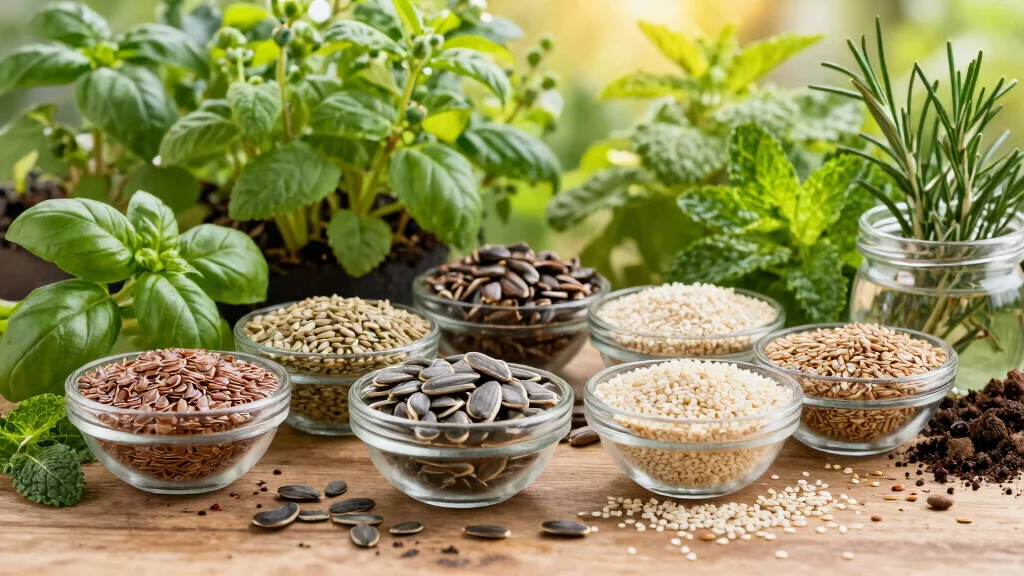
Have you ever felt like your body is out of sync? As seasons change, many of us crave balance, especially when it comes to our hormones. That’s where the concept of seed cycling comes into play. This natural approach uses the power of seeds to support hormone balance throughout the month. I created this post because I wanted to share how you can harness the benefits of simple, nutrient-rich seeds to help regulate your hormones and improve overall health.
If you’re someone who cares about your well-being, particularly in relation to your hormones or fertility, this post is especially for you. Whether you’re navigating menstrual cycles, managing hormonal changes, or just interested in holistic health, the tips here will resonate with your journey. I’ve compiled 10 seed cycle ideas that are not just informative but also practical. Each idea highlights the unique benefits of different seeds, empowering you to incorporate them into your daily routine for better health.
With this guide, you’ll discover how to use hormone balancing foods effectively. You’ll learn which seeds to use at various times in your cycle, how they contribute to natural hormone support, and tasty ways to include them in your meals. Get ready to explore these ideas and take a step toward a healthier you!
Key Takeaways
– Understanding Seed Cycling: Learn how different seeds can help balance hormones throughout your menstrual cycle by aligning with your body’s natural rhythms.
– Key Seeds to Use: Discover the top seeds like flaxseeds, pumpkin seeds, and sesame seeds that provide essential nutrients vital for hormone regulation and overall health.
– Nutritional Benefits: Each seed contains unique properties, such as omega-3 fatty acids in flaxseeds or magnesium in pumpkin seeds, that support various bodily functions.
– Practical Incorporation: Get practical tips on how to easily add these seeds into your daily diet through smoothies, salads, and snacks to maximize their benefits.
– Holistic Health Insights: Understand the broader implications of hormone balance on overall health, including aspects like mood, energy levels, and fertility nutrition.
1. Flaxseeds: The Cycle’s Best Friend
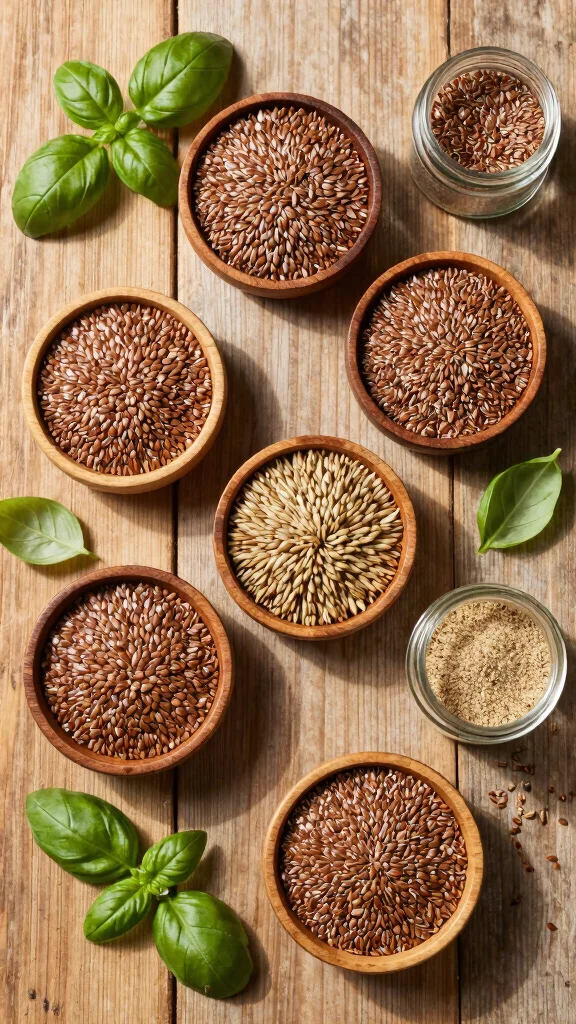
Are you looking for a simple yet powerful addition to your diet? Flaxseeds are nature’s little gems that can work wonders for your hormone balance. Packed with omega-3 fatty acids, they help regulate estrogen levels during the follicular phase, making them a must-have in your pantry. Plus, they promote glowing skin and reduce inflammation, making you feel great inside and out.
Ingredients:
– 1 tablespoon ground flaxseeds
– 1 cup smoothie of choice or oatmeal
– Honey or maple syrup (optional)
– A pinch of cinnamon (optional)
Instructions:
1. Add ground flaxseeds to your smoothie or oatmeal.
2. Blend or stir well until combined.
3. Sweeten with honey or syrup if using.
4. Top with a sprinkle of cinnamon for extra flavor.
FAQs:
– Can I use whole flaxseeds? It’s best to use ground flaxseeds for better nutrient absorption.
– Can I make it gluten-free? Yes, just ensure your oatmeal is certified gluten-free.
Flaxseeds: The Cycle’s Best Friend
Editor’s Choice

Spectrum Essentials Organic Ground Flaxseed, Gluten Free, 24 Oz


Ninja Fit Compact Personal Blender | For Smoothies, Shakes & Frozen Drin…
DIM Supplement 200 mg | Estrogen Balance for Women & Men | Hormonal Acne…
2. Pumpkin Seeds: Nutrient Powerhouse!
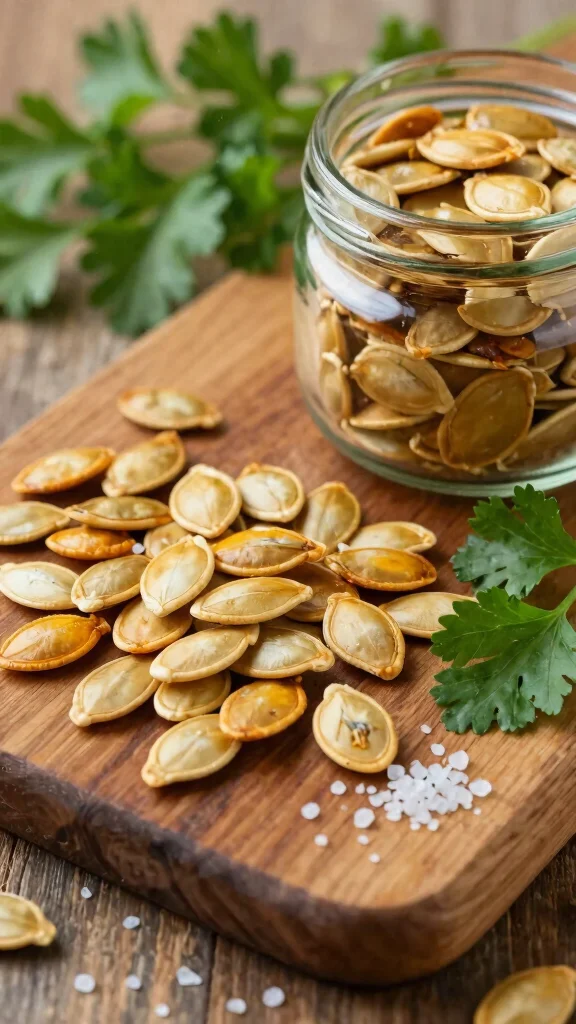
Craving a crunchy snack that also supports your health? Pumpkin seeds, or pepitas, are rich in magnesium and zinc, making them a fantastic ally during the luteal phase. They help boost progesterone levels, stave off cravings, and stabilize your mood. A handful of these seeds can turn any dish into a powerhouse of nutrition!
Ingredients:
– 1/4 cup raw or roasted pumpkin seeds
– 1 cup mixed greens or yogurt
– Dried fruits or chocolate chips (optional)
Instructions:
1. Toss pumpkin seeds into your salad for a crunchy topping.
2. Mix them into yogurt with dried fruits for a quick snack.
3. Enjoy roasted seeds as a snack on their own.
FAQs:
– Can I use salted pumpkin seeds? Yes, just be mindful of added sodium.
– Can I make this vegan? Yes, all suggested uses are naturally vegan-friendly.
Pumpkin Seeds: Nutrient Powerhouse!
Editor’s Choice

Hormone Balance for Women Tea with Spearmint, Red Raspberry Leaf, Chamom…

Micro Ingredients Pumpkin Seed Oil with Saw Palmetto,300 Softgels | Cold…

Organic Pumpkin Seed Oil – DHT Blocker for Women Hair Growth – DHT Block…
3. Sesame Seeds: Tiny But Mighty
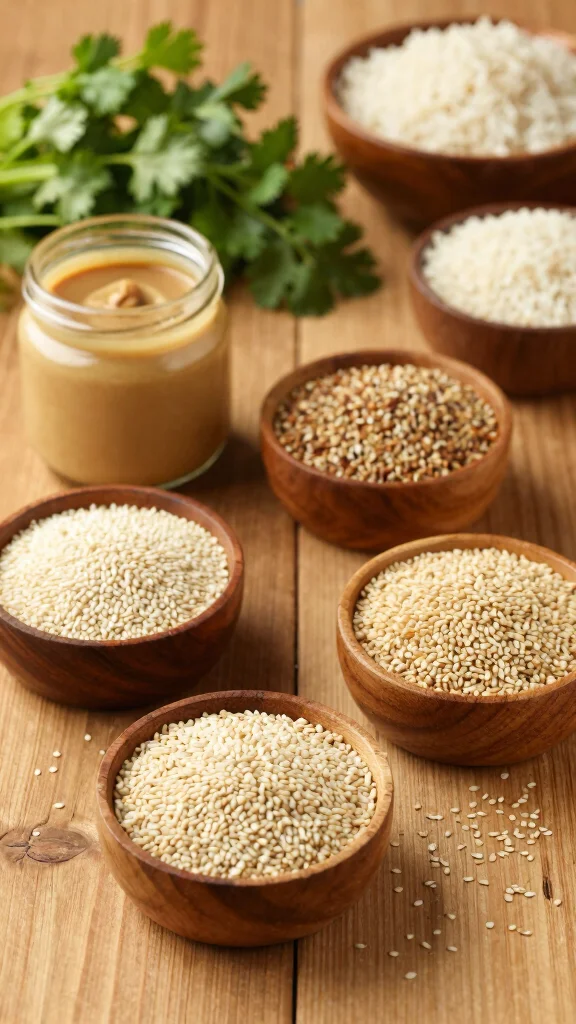
Have you ever considered the health benefits hidden in tiny sesame seeds? These little seeds are packed with calcium and can significantly aid your hormone health during the follicular phase. Their nutty flavor enhances countless dishes, making them a versatile addition to your meals!
Ingredients:
– 1 tablespoon sesame seeds
– 1 cup tahini or yogurt
– Fresh veggies or bread for dipping
Instructions:
1. Blend sesame seeds into tahini for a creamy dip.
2. Sprinkle on rice or stir-fries for added flavor.
3. Mix into energy bars for a nutritious snack.
FAQs:
– Can I use sesame seed oil instead? Yes, but the nutritional benefits differ.
– Can I make it nut-free? Yes, tahini is a great nut-free alternative!
Sesame Seeds: Tiny But Mighty
Editor’s Choice
365 by Whole Foods Market, Organic Tahini, 16 Ounce

DIM Supplement 200 mg | Estrogen Balance for Women & Men | Hormonal Acne…
Seed DS-01 Daily Synbiotic – Prebiotic and Probiotic for Women & Men – D…
4. Sunflower Seeds: Sunshine in Every Bite
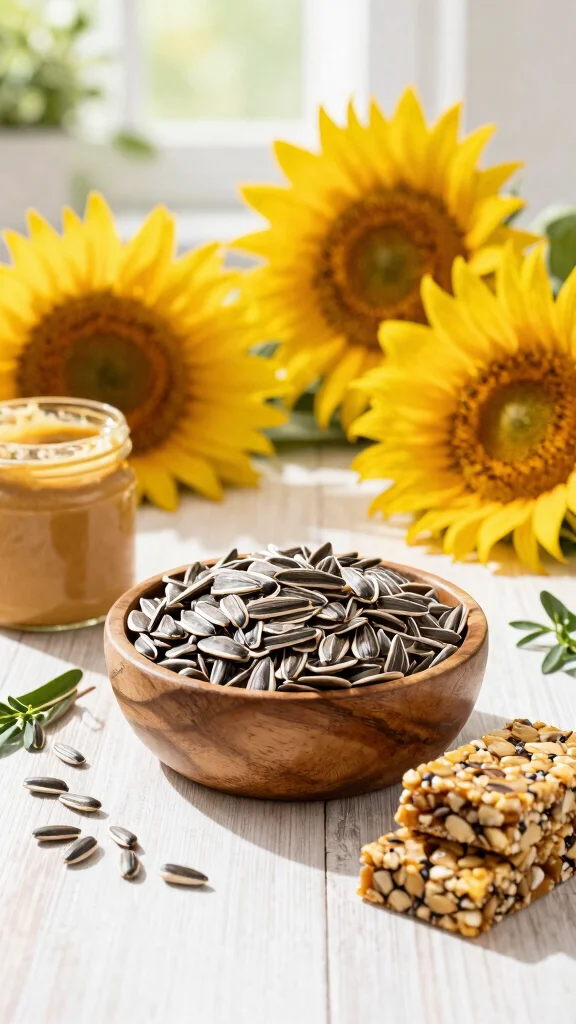
Feeling down? Sunflower seeds are a delightful snack that can lift your spirits! Bursting with vitamin E and magnesium, they are perfect for alleviating PMS symptoms during the luteal phase. Their satisfying crunch adds texture to any meal, making them a delightful addition to your day.
Ingredients:
– 1/4 cup sunflower seeds
– 1 cup yogurt or salad
– Dried fruits or honey (optional)
Instructions:
1. Mix sunflower seeds into your favorite granola.
2. Combine with dried fruits for a healthy trail mix.
3. Blend into sunflower seed butter for a spread.
FAQs:
– Can I eat them raw? Yes, raw sunflower seeds are nutritious too!
– Can I make it nut-free? Yes, sunflower seed butter is a nut-free alternative.
How To Choose the Right Seeds for Your Seed Cycle
Selecting the right seeds for your seed cycle is crucial for achieving hormone balance and supporting overall health. Different seeds contain unique nutrients that can aid in hormone regulation and enhance fertility nutrition. Here’s how to choose the best seeds for your needs:
1. Nutritional Value:
Look for seeds that offer high nutritional content. Flaxseeds, for example, are rich in omega-3 fatty acids, while pumpkin seeds are packed with zinc. Check the nutritional labels and select seeds that provide beneficial fatty acids, proteins, and vitamins essential for hormone balance.
2. Quality and Freshness:
Always opt for fresh, high-quality seeds. Check the expiration date and packaging for any signs of damage. Stale seeds not only lose their nutritional value but may also not sprout well if you choose to grow them. Fresh seeds can be purchased from reputable sellers or health food stores.
3. Organic vs. Non-Organic:
Consider whether you want to choose organic seeds. Organic seeds are grown without synthetic pesticides or fertilizers, making them a cleaner choice. This is especially important if you plan to consume the seeds directly or use them in recipes. Look for labels that indicate they are certified organic.
4. Seed Type Based on Cycle Phase:
Understand which seeds are best for each phase of your cycle. For the follicular phase, flaxseeds and pumpkin seeds are ideal. In the luteal phase, sesame and sunflower seeds shine. Knowing which seeds to use when can maximize their health benefits.
5. Dietary Restrictions:
If you have any allergies or dietary restrictions, choose seeds accordingly. Some may be allergic to sesame or nuts, so ensure you select seeds that fit your dietary needs. Reading labels can help you avoid allergens and ensure you’re making safe choices.
6. Availability and Budget:
Finally, consider the availability and price of the seeds you’re interested in. Some seeds may be harder to find or more expensive than others. Look for options that fit your budget while still providing the health benefits you seek. Buying in bulk can sometimes save you money.
Pro Tip:
Experiment with different seeds in your meals to see which flavors and textures you enjoy the most. Mixing seeds into smoothies, salads, or baked goods can make it easy to incorporate them into your diet. Keep track of how you feel after including specific seeds to determine your favorites!
Sunflower Seeds: Sunshine in Every Bite
Editor’s Choice

Cool Stay Healthy Get Wealthy men and women fun motivational Comfort Col…
DIM Supplement 200 mg | Estrogen Balance for Women & Men | Hormonal Acne…

Thai Curry Cashews | Women’s Bean Project Nonprofit Snacks | Non-GMO, Ve…
5. Chia Seeds: The Gelatinous Powerhouse
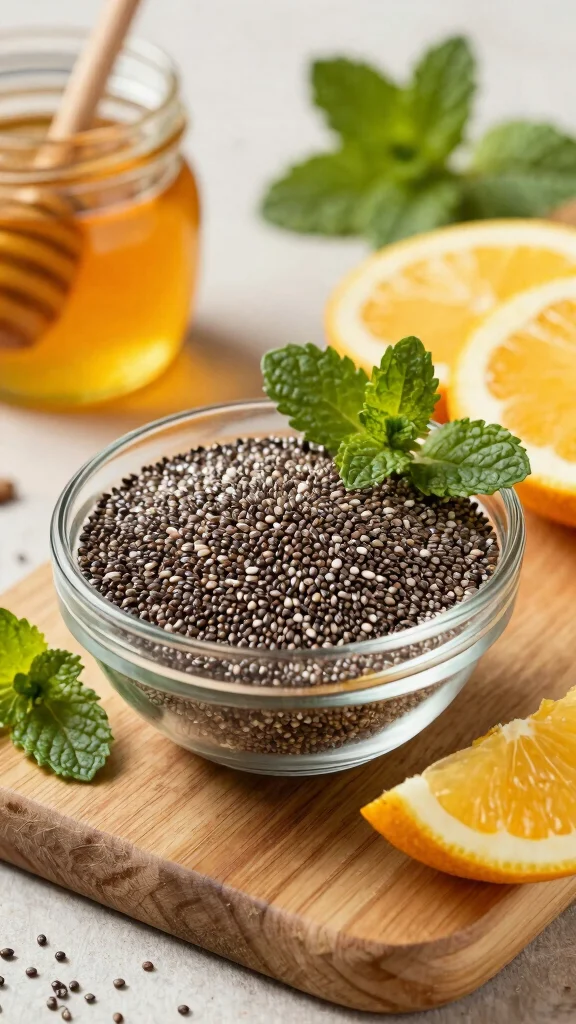
Looking for a superfood that keeps you feeling full? Chia seeds are your answer! These tiny seeds are high in fiber and omega-3s, absorbing water to form a gel-like texture that supports digestion. They are beneficial for both phases of your cycle, making them a versatile ingredient in your kitchen.
Ingredients:
– 1/4 cup chia seeds
– 1 cup almond milk or yogurt
– Sweetener of choice (optional)
Instructions:
1. Combine chia seeds with almond milk and sweetener in a bowl.
2. Stir well and refrigerate overnight to thicken.
3. Serve topped with fruits or nuts for added flavor.
FAQs:
– Can I use water instead of milk? Yes, but the flavor will be less rich.
– Can I make it without sweetener? Absolutely, it’s tasty on its own!
Just 1/4 cup chia seeds with 1 cup liquid makes a gel that fills you up and supports digestion. It’s a handy trick for nourishing your seed cycle.
📹 Related Video: 5 Critical Mistakes You’re Making When Soaking Chia Seeds
You might also like
Chia Seeds: The Gelatinous Powerhouse
Editor’s Choice
Chia Seed Oil Extract Capsules – Plant Based Omega 3 6 9 Supplement and …
KOS Vegan Protein Powder, Chocolate Peanut Butter – Low Carb Pea Protein…
6. Red Clover: A Floral Approach
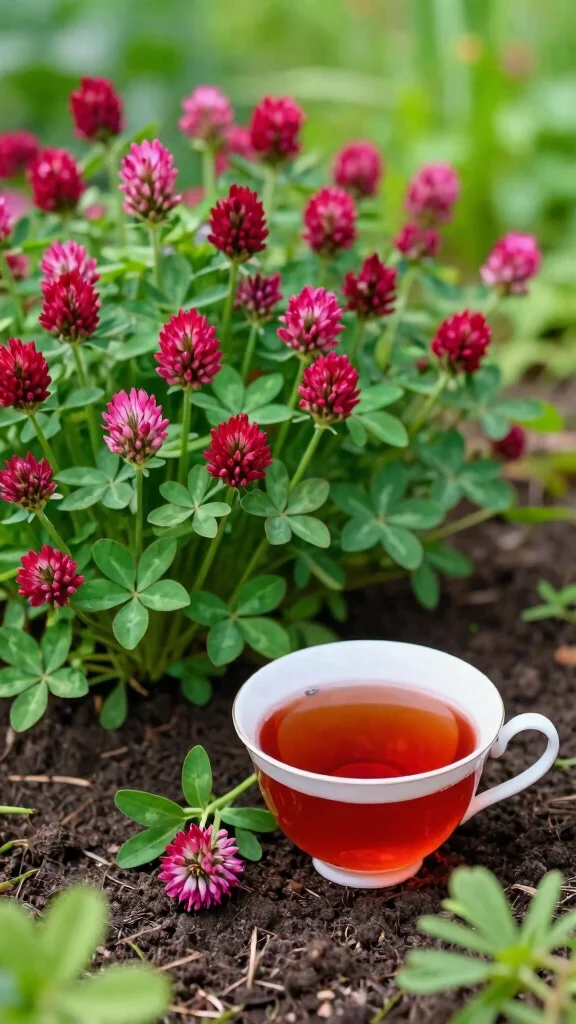
Are you seeking a natural way to balance hormones? Red clover is your floral ally! Rich in isoflavones, it can help ease menopausal symptoms and supports hormone balance during the luteal phase. Whether you brew it as tea or add it to salads, red clover brings a delightful touch to your meals.
Ingredients:
– 1 tablespoon dried red clover flowers
– 1 cup boiling water
– Honey or lemon (optional)
Instructions:
1. Steep dried red clover flowers in boiling water for 10 minutes.
2. Strain and sweeten with honey or lemon if desired.
3. Enjoy warm or chilled as a refreshing drink.
FAQs:
– Can I use fresh red clover? Yes, fresh flowers can be used too!
– Can I take it while pregnant? Always consult a healthcare provider before use.
7. Nettle: The Nutrient-Rich Green
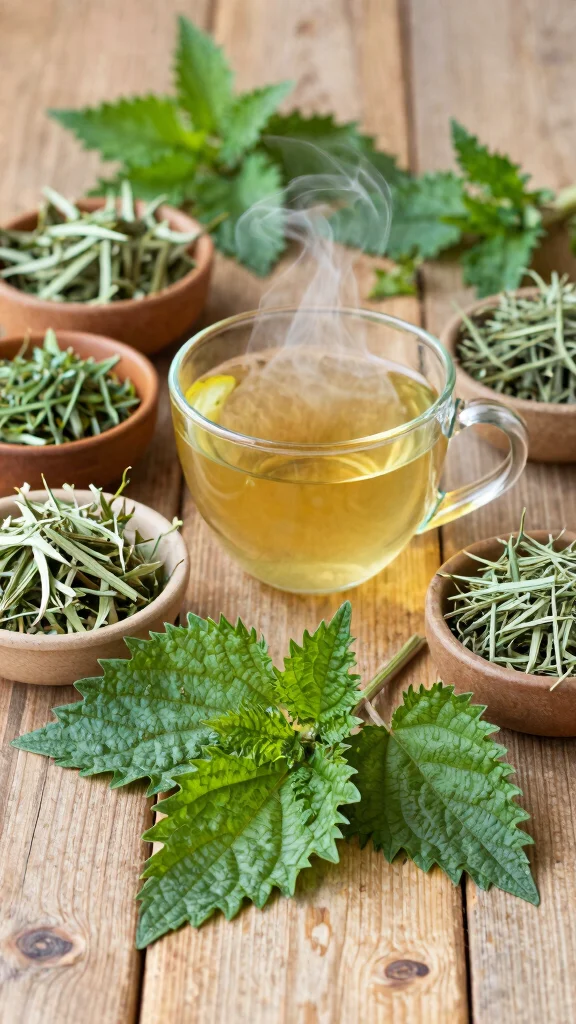
Do you want to boost your nutrient intake naturally? Nettle is a fantastic herb often overlooked. It’s packed with vitamins A and C, iron, and magnesium, making it a great addition for hormone health. You can easily incorporate nettle through teas or soups for a nutritious lift.
Ingredients:
– 1 cup dried nettle leaves
– 4 cups water for tea
– Fresh vegetables or broth for soups
Instructions:
1. Steep dried nettle leaves in hot water for 5-10 minutes to make tea.
2. Add fresh nettle leaves to soups during the last 5 minutes of cooking.
3. Enjoy blended in smoothies for added nutrients.
FAQs:
– Can I use gloves when handling fresh nettle? Yes, gloves are recommended to avoid the sting.
– Can I dry my own nettle? Absolutely, just ensure they’re properly dried for storage.
Nettle: The Nutrient-Rich Green
Editor’s Choice

root + spring For Women Classic Chinese Herbal Soup Mix – Boost Bone Bro…

Frontier Co-op Organic Cut and Sifted Stinging Nettle Leaf 0.99oz

Cute Tea Infuser Girl – Reusable Loose Leaf Tea Steeper for Mug or Cup, …
8. Ashwagandha: The Adaptogenic Wonder
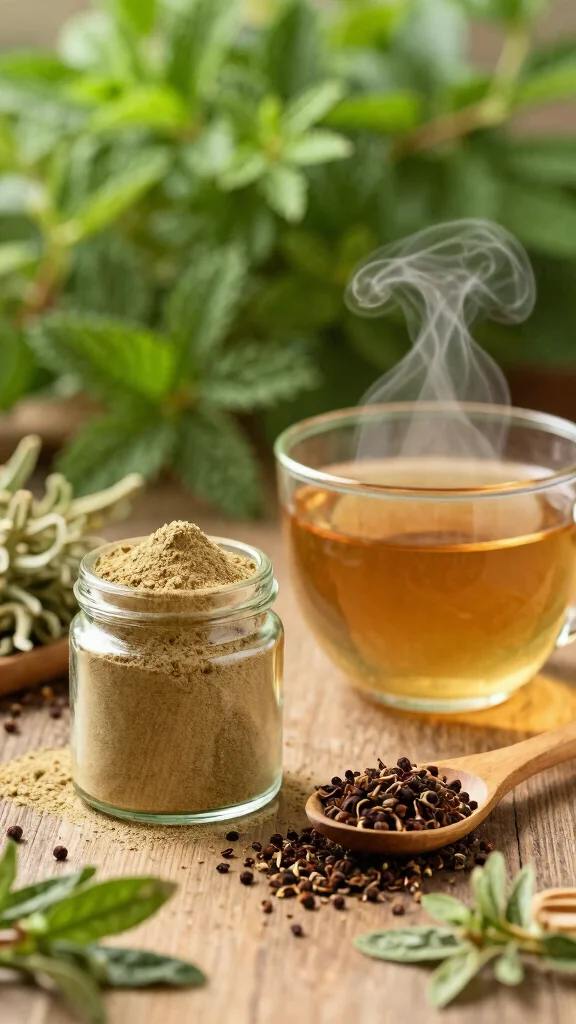
Feeling overwhelmed? Ashwagandha is a powerful adaptogen that helps your body manage stress and balance hormones. It’s especially beneficial when stress levels are high, making it a great addition to your daily routine. You can find it in various forms, such as powders or teas, making it easy to incorporate.
Ingredients:
– 1 teaspoon ashwagandha powder
– 1 cup milk or milk alternative
– Sweetener of choice (optional)
Instructions:
1. Mix ashwagandha powder into warm milk for a calming drink.
2. Blend into smoothies for an earthy flavor.
3. Add to soups while cooking for an extra nutrient boost.
FAQs:
– Can I take ashwagandha daily? Yes, but consult with a healthcare provider for personalized advice.
– Can I use it in baked goods? Yes, it can be added to recipes for muffins or pancakes.
Feeling overwhelmed? Ashwagandha helps your body manage stress and balance hormones, making seed cycle ideas feel doable. Add a cup of tea daily and watch stress melt away while your garden hormones stay in check.
You Might Also Like

Ashwagandha: The Adaptogenic Wonder
Editor’s Choice

THORNE – Ashwagandha – Highly Concentrated Shoden – Calming Stress Suppo…
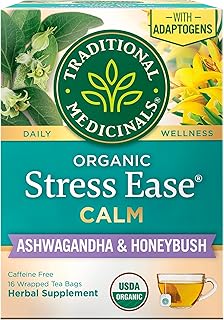
Traditional Medicinals Organic, Stress Ease Calm with Adaptogens, Ashwag…
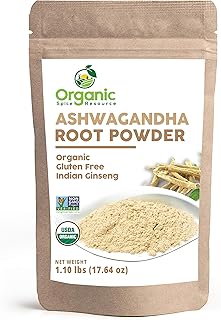
Organic Ashwagandha Root Powder – 1.10 lbs (17.64 oz) | Resealable Kraft…
9. Maca Root: Energy Lift
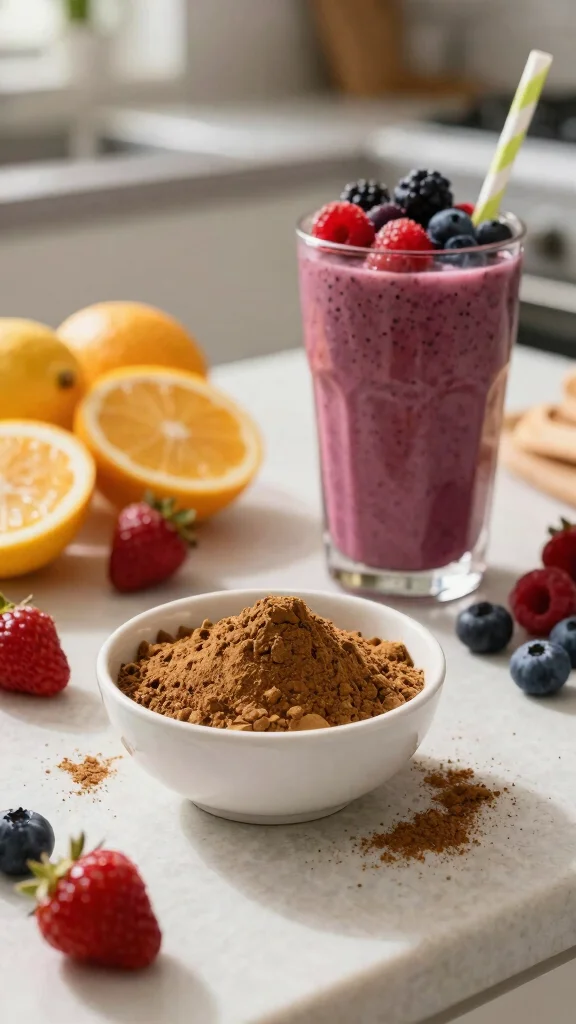
Looking for a natural way to boost your energy? Maca root is an ancient superfood celebrated for its ability to enhance energy and balance hormones. It’s beneficial during both the follicular and luteal phases, and you can easily add it to your daily meals for a smooth energy lift without jitters.
Ingredients:
– 1 teaspoon maca powder
– 1 cup smoothie or pancake batter
– Sweetener of choice (optional)
Instructions:
1. Stir maca powder into smoothies for a nutritious boost.
2. Mix into pancake or muffin batter before cooking.
3. Add to coffee or tea for an energy-boosting drink.
FAQs:
– Can I use too much maca? Start small and increase gradually to find your ideal dosage.
– Can I make it caffeine-free? Yes, by using it in herbal teas or smoothies.
Fun fact: Maca powder can help steady energy during your seed cycle by balancing hormones—no jitters, just a smooth lift. Add a teaspoon to your smoothie or batter and sip through the day with calm focus.
Maca Root: Energy Lift
Editor’s Choice

Hamilton Beach Power Elite Wave Action Blender For Smoothies, 40 Oz Glas…

Himiyer Women’s Energy Supplement, 60 Veggie Capsules, with Ashwagandha,…
Hormone Balance for Women Tea with Spearmint, Red Raspberry Leaf, Chamom…
10. Incorporating Variety in Your Seed Cycle
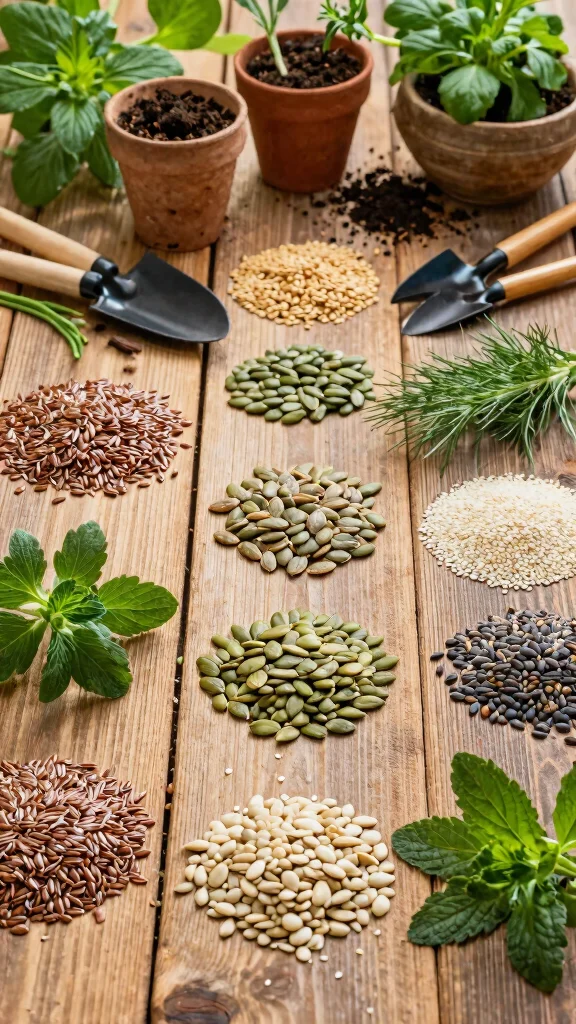
Are you ready to spice things up in your diet? The beauty of seed cycling lies in its variety! By rotating different seeds and herbs throughout your cycle, you not only nourish your body but also keep your meals exciting and flavorful. Mixing diverse ingredients can create a beautiful balance for your hormones and make mealtime a delight.
Ingredients:
– A selection of seeds (flax, pumpkin, sesame, sunflower)
– Various herbs (red clover, nettle, ashwagandha)
– Fresh fruits and vegetables for added nutrients
Instructions:
1. Create a seed cycling calendar to plan your meals.
2. Experiment with new recipes incorporating different seeds and herbs each week.
3. Grow your own herbs in your garden for fresh options.
FAQs:
– Can I mix seeds together? Yes, combining seeds can enhance flavors and benefits.
– Can I use pre-packaged seed mixes? Yes, just ensure they are fresh and contain the right seeds.
Incorporating Variety in Your Seed Cycle
Editor’s Choice

Ayurvedic Hormone Balance for Women | Cortisol Reducer | Mood, Energy, S…

Funk It Wellness Seed Cycling Kit | Organic Seed Cycling for Women | Mon…
Conclusion: Grow Your Hormone Balance!
The journey of seed cycling can be a delightful and rewarding experience! By embracing these hormone-balancing seeds and herbs, you’re not just nurturing your body but establishing a deeper connection with nature. Remember, everyone’s body is unique, so feel free to experiment with different combinations and find what works best for you. Nurture your garden, cultivate your health, and enjoy the seeds of wellness you grow!
Thanks for joining in on this botanical adventure, and happy planting!
Note: We aim to provide accurate product links, but some may occasionally expire or become unavailable. If this happens, please search directly on Amazon for the product or a suitable alternative.
This post contains Amazon affiliate links, meaning we may earn a small commission if you purchase through our links, at no extra cost to you.
Frequently Asked Questions
What is a seed cycle and how can it support hormone balance?
Seed cycling is a simple practice that uses specific seeds to support hormone balance by aligning your intake with your menstrual cycle. In the first half of your cycle (the follicular phase), you typically eat ground flaxseed and pumpkin seeds daily; in the second half (the luteal phase), switch to ground sesame and sunflower seeds. About 1–2 tablespoons of each seed per day works for many people. Add them to smoothies, yogurt, oatmeal, or salads, and grind them to improve absorption. Keep seeds stored in a cool, dry place or in the fridge for freshness. Seed cycling is a natural, practical approach that complements other health foods and supports fertility nutrition and overall seed cycle benefits.
Which seeds are best for seed cycling and what roles do they play in fertility nutrition and hormone balance?
For seed cycling, the most common pairing is: Follicular phase (days 1–14): ground flaxseed and pumpkin seeds to support estrogen balance. Luteal phase (days 15–28): ground sesame and sunflower seeds to support progesterone balance. Aim for about 1–2 tablespoons of each seed daily, ground to improve nutrient absorption. Add them to smoothies, yogurt, oats, or baked goods. Use raw, unsalted seeds and keep them refrigerated to prevent rancidity. This simple approach is a practical part of seed cycling benefits and supports fertility nutrition and hormone balance.
How can I fit seed cycling into a busy lifestyle?
Start with a weekly batch prep: grind a batch of seeds and portion 1–2 tablespoons of each into small containers. Add them to one smoothie, yogurt, or bowl each day during the appropriate phase. Keep a simple cycle calendar to remind you which seeds to use and when. You can also sprinkle ground seeds on salads, oats, or soups for easy health foods boosts. Pair seed cycling with other natural hormone support practices like balanced meals and regular hydration for best results.
What are practical benefits of seed cycling beyond hormone balance?
Beyond hormone balance, seed cycling can support steady energy, better digestion from fiber, and a broader range of nutrients through health foods. The fiber supports gut health, omega-3s from flax and other seeds support skin and mood, and overall it’s an easy way to boost fertility nutrition and daily intake of seeds. It’s simple, affordable, and adaptable to most diets, making it a practical addition to any garden-to-table plan.
Are there any cautions or who should avoid seed cycling?
Seed cycling is generally safe for many people, but there are considerations: if you have seed allergies, autoimmune thyroid conditions, or are pregnant or prescribed anticoagulants or hormonal medications, talk to a healthcare provider before starting. Because flax and other seeds contain phytoestrogens, it’s wise to use moderate amounts and monitor how you feel. It’s not a replacement for medical advice or fertility treatment, but it can be a supportive part of a broader fertility nutrition and hormone balance plan.
Related Topics
seed cycle
hormone balance
herbal gardening
fertility nutrition
natural hormone support
health foods
wellness gardening
easy gardening
nutrition tips
plant-based health
seasonal foods
holistic health