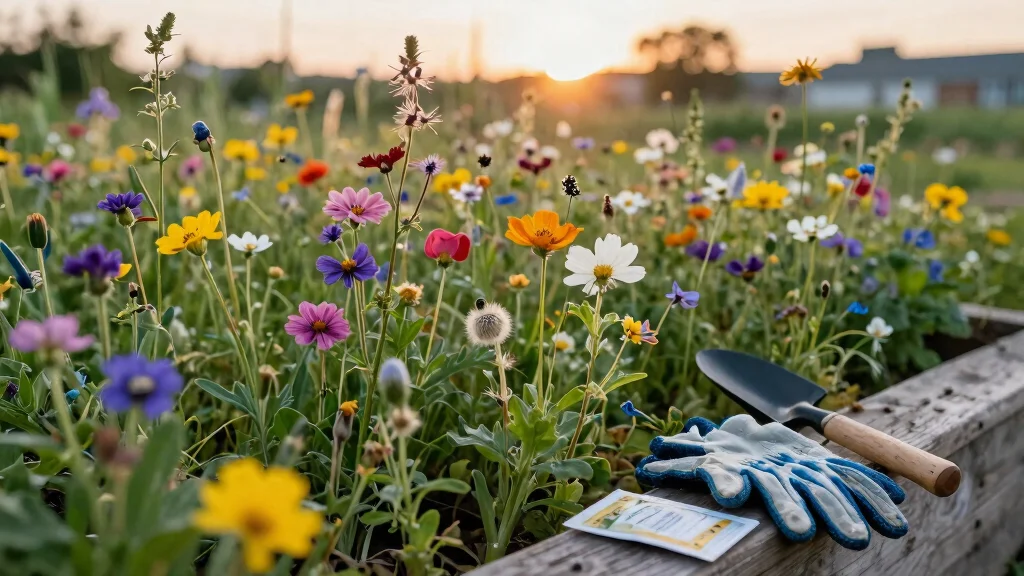
Creating a wildflower meadow has become a passion for many urban gardeners. The joy of watching flowers bloom with minimal effort is truly a rewarding experience. This post is here to help you transform your space into a stunning wildflower garden that thrives on its own. If you’ve been dreaming of a colorful, low-maintenance garden, you’re in the right place.
This guide is perfect for anyone who loves gardening and is eager to embrace the beauty of native plants. Whether you’re a seasoned green thumb or just starting out, you’ll find practical tips that make the process easy and enjoyable. Imagine stepping into your garden and being greeted by a wave of colors and scents, all while knowing you’re supporting local wildlife and contributing to the environment.
In this post, you’ll discover eight essential tips for planting wildflower seeds that will help you create a breathtaking meadow. These tips will not only enhance your garden aesthetics but also promote biodiversity and sustainability. Get ready to dig in and bring your wildflower dreams to life!
Key Takeaways
– Choose the Right Wildflower Seeds: Select native species that thrive in your area for better growth and support local ecosystems.
– Prepare Your Soil: Healthy soil is key. Clear away weeds and debris to create a welcoming environment for your seeds.
– Timing is Everything: Plant your seeds at the right time of year for optimal germination and growth.
– Sowing Techniques for Success: Use proper sowing methods to ensure even seed distribution and maximize your meadow’s potential.
– Control Weeds Naturally: Implement eco-friendly weed control strategies to keep your wildflower garden healthy without harsh chemicals.
1. Choose the Right Wildflower Seeds

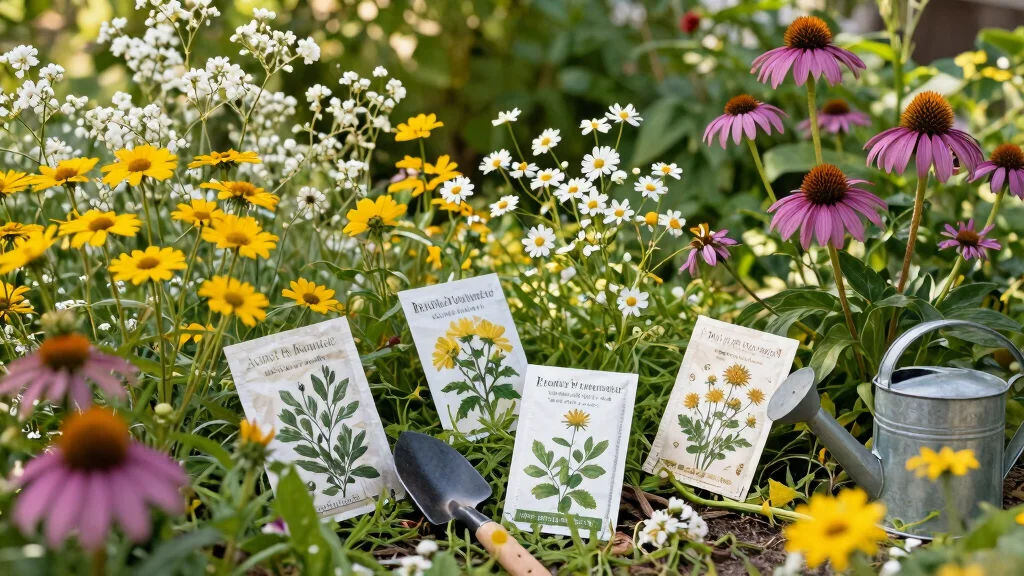
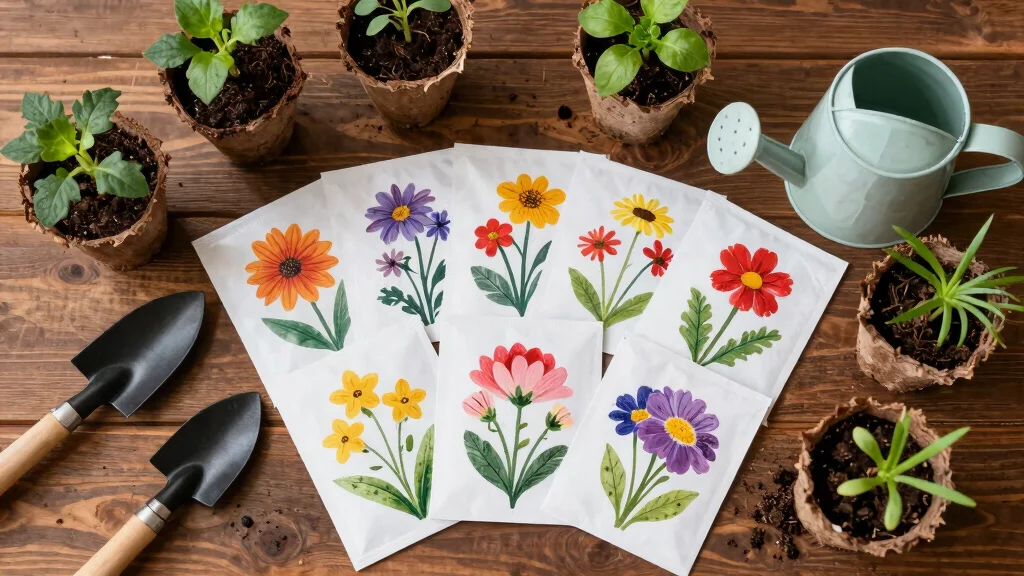
Finding the perfect wildflower seeds is the essential first step toward your dream meadow. By selecting native plants that thrive in your local climate and soil, you not only ensure a stunning display but also support local wildlife. Native wildflowers are low-maintenance and help create a vibrant ecosystem right in your backyard. Look into local nurseries or seed suppliers to discover a mix that works for your area, including a range of colors and species for visual interest.
Explore options that suit urban environments, such as:
– Black-eyed Susans
– Coneflowers
– Wild lupines
– Milkweed
– Asters
By opting for organic seeds, you foster a healthier environment for pollinators and other creatures. Consider the blooming times of each flower to ensure your meadow bursts with color throughout the seasons.
📹 Related Video: How to choose the right wildflower seeds for your garden
Choose the Right Wildflower Seeds
Editor’s Choice

Wildflower Seeds Bulk Mix – 10,000+ Perennial & Annual Seeds – Texas, Ca…


Burpee SuperSeed Seed Starting Tray | 36 Cell Reusable Seed Starter Tray…
2. Prepare Your Soil
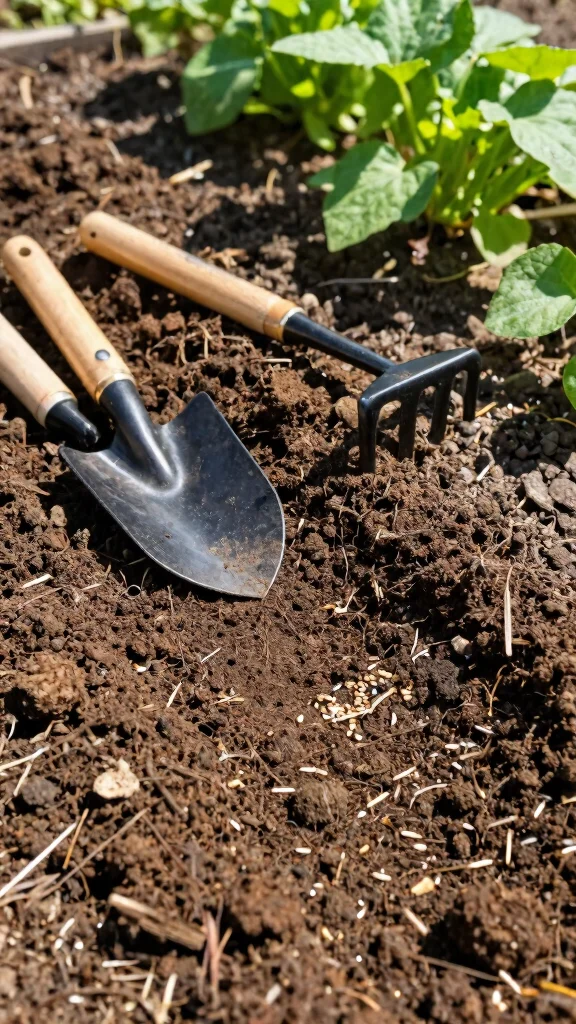
Getting your soil ready is vital for healthy wildflower growth and seed germination. Start by clearing away any weeds, grass, or debris to give your seeds the best chance to thrive. Loosen the soil using a garden fork or tiller to enhance drainage, which many wildflower varieties prefer. Aim for a soil pH of 6.0 to 7.0, as this is where most wildflowers do well.
Once the soil is aerated, enrich it with compost or organic materials to provide necessary nutrients. Remember that wildflowers flourish in low to moderate nutrient levels, so avoid over-fertilizing; excess nutrients can lead to lush foliage rather than blooms. Lightly rake the surface to create a fine seedbed for easy sowing.
Finally, water the area gently to settle the soil before planting, ensuring your seeds are well-positioned to take root.
Fun fact: For sowing seeds, a simple soil test reveals pH and nutrients you actually need. Mix in organic compost to boost nutrients and improve structure, giving roots room to grow and better drainage for robust seedlings.
Prepare Your Soil
Editor’s Choice

MZK 12-Inch 10.5 Amp Corded Electric Tiller/Cultivator for Gardening, 8-…

YAMRON 4-in-1 Soil Moisture Meter, Digital Plant Temperature/Soil Moistu…

R&M Organics Premium Organic Compost 10 lb Bag for Vegetables, Flowers, …
3. Timing is Everything
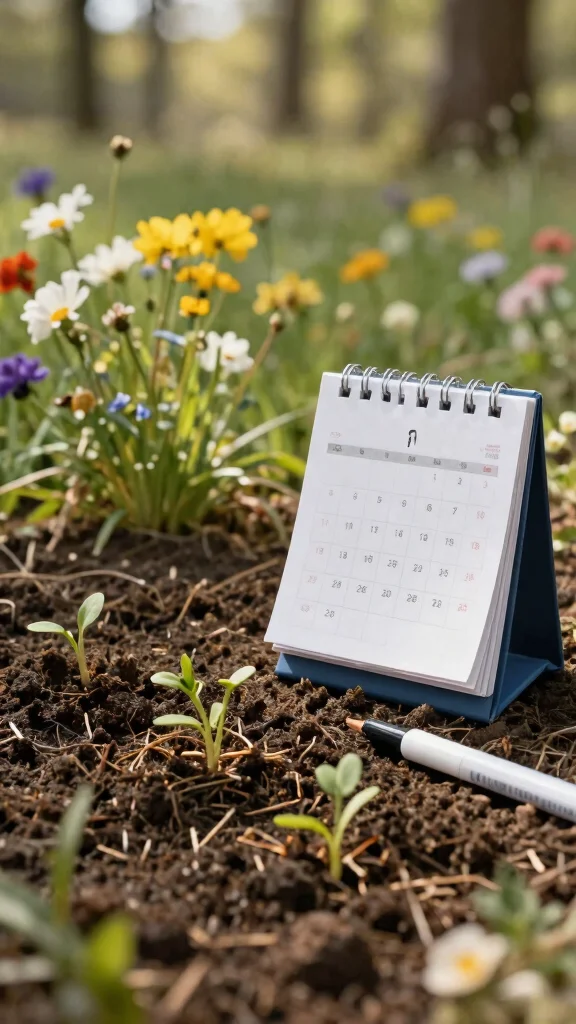
Choosing the right time to plant is essential for your wildflowers to thrive. Each species has specific planting times based on your climate zone, so do your research. Generally, planting in late fall or early spring works best for most wildflowers. Fall planting allows natural stratification during colder months, improving germination rates. If planting in spring, make sure all frost risks have passed.
To help keep track, consider creating a planting calendar:
– Fall planting: Late September to early November
– Spring planting: March to May (after the last frost)
Once you know your planting window, follow the seed depth and spacing instructions on your packets for the best growth. By planting at the right time, you set the stage for a flourishing wildflower garden.
Fun fact: Planting wildflower seeds in late fall or early spring can boost germination by up to 40% due to natural stratification from frost. After you pick your climate zone, build a simple planting calendar to track frost risk and optimal sowing dates.
Timing is Everything
Editor’s Choice
The 2026 Old Farmer’s Almanac Gardening Wall Calendar

Taylor Soil Testing Thermometer, Gardening Tool for Plant Care, Gardenin…
![200,000+ Wildflower Seeds [4oz] 16 Variety Perennial Mix - Heirloom Seed...](https://m.media-amazon.com/images/I/81tsPu8J2NL._AC_UL320_.jpg)
200,000+ Wildflower Seeds [4oz] 16 Variety Perennial Mix – Heirloom Seed…
4. Sowing Techniques for Success
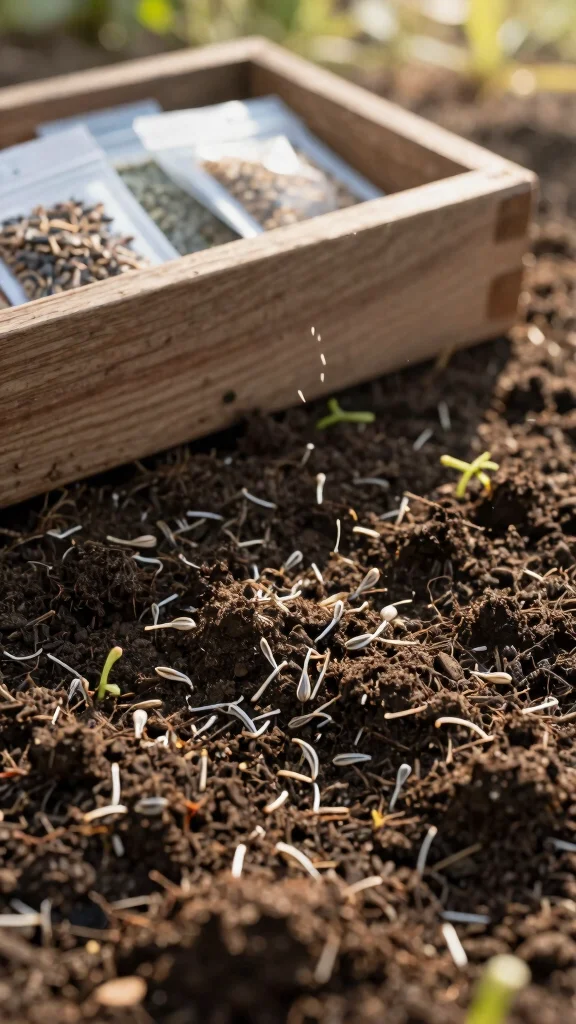
The method you choose to sow your wildflower seeds can greatly influence their success. Broadcasting, where seeds are scattered evenly over the soil, is popular for creating a natural meadow. Alternatively, you can sow in rows for a more structured appearance. When broadcasting, aim for an even distribution to ensure every seed has a chance to thrive.
Here are some effective sowing tips:
– Mix seeds with sand for even distribution.
– Avoid dense sowing; less is often more with wildflowers.
– Lightly rake the soil post-sowing to cover seeds, as many need light to germinate.
– Water gently after sowing to settle seeds into the soil without washing them away.
Following these techniques helps create a thriving wildflower environment with minimal competition.
You might also like
Sowing Techniques for Success
Editor’s Choice

63” Bow Rake ,17 Tines Metal Head Rakes with Stainless Steel Handle��…

Scotts Turf Builder EdgeGuard Mini Broadcast Spreader – Spreader for Law…
Wildflower Seeds Bulk Mix – 10,000+ Perennial & Annual Seeds – Texas, Ca…
5. Water Wisely
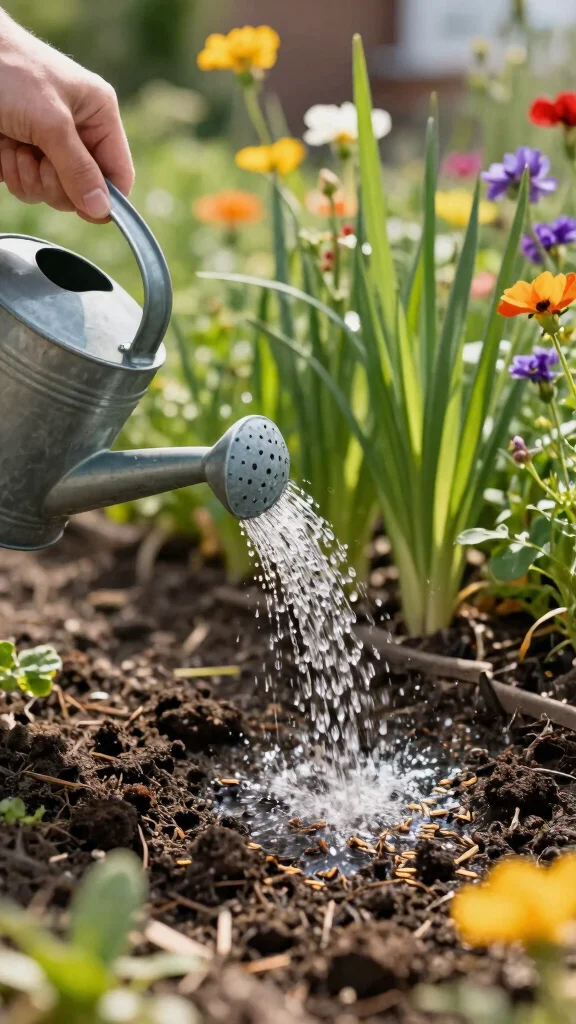
Watering correctly is crucial for ensuring your seeds germinate and your plants establish strong roots. Initially, keep the soil consistently moist in the weeks following planting, as wildflower seeds need water to sprout. However, avoid overwatering to prevent issues like rot and fungus. Watering in the early morning is optimal, allowing plants to absorb moisture before the heat of the day.
Once established, many wildflowers, especially native varieties, will thrive on less water. For those needing more moisture, consider setting up a simple irrigation system or using soaker hoses to maintain even hydration.
Monitor soil moisture levels by sticking your finger into the ground; if it feels dry an inch down, it’s time to water. Finding the right balance will lead to a vibrant and low-maintenance meadow.
Water Wisely
Editor’s Choice

YAMRON 4-in-1 Soil Moisture Meter, Digital Plant Temperature/Soil Moistu…
Watering Can for Seedlings, Small Watering Can for House Plant Garden Fl…

Rain Bird LNDDRIPKIT Drip Irrigation Landscape/Garden Watering Kit with …
6. Control Weeds Naturally
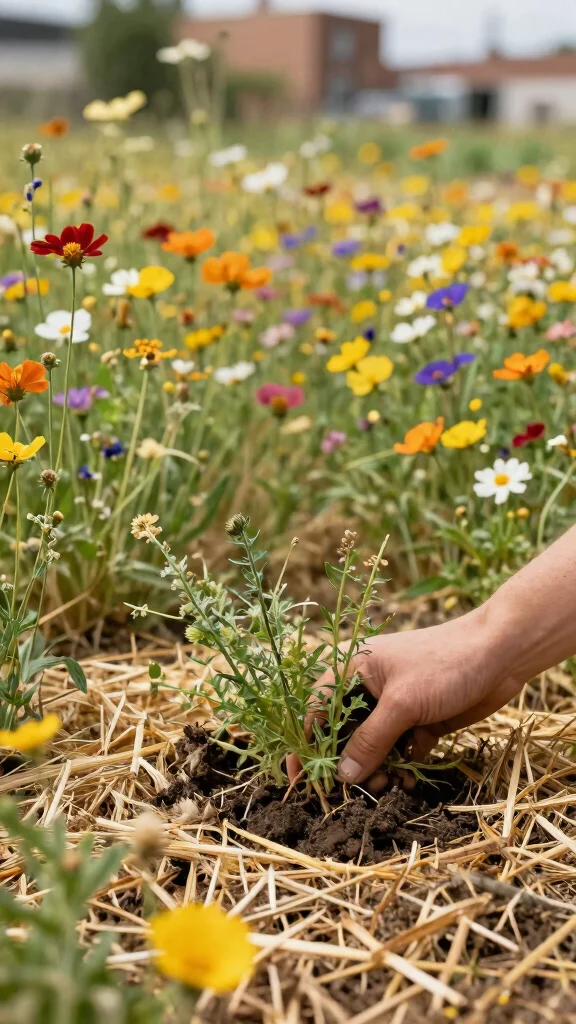
Weeds can threaten your garden, but you can manage them without harsh chemicals. When your wildflowers are young, consider mulching with organic materials like straw or wood chips to suppress weeds while retaining soil moisture. Hand-pulling is also effective and can be a weekly task to nip unwanted plants in the bud before they spread.
Another strategy is to plant your wildflowers densely, reducing space for weeds to take root. This not only enhances the visual appeal but also supports a healthy ecosystem.
By employing these natural weed control methods, you can enjoy a thriving wildflower meadow while promoting local biodiversity.
How To Choose The Right Wildflower Seeds
Choosing the right wildflower seeds is key to creating a stunning and low-maintenance meadow. With so many options available, it can feel overwhelming. Here’s a handy guide to help you sift through the choices and select the best seeds for your garden.
1. Consider Your Climate
Before selecting wildflower seeds, think about your local climate. Some wildflowers thrive in dry areas, while others need more moisture. Check your USDA Plant Hardiness Zone to understand what grows best in your region. Choosing seeds suited to your climate increases your chances of success and minimizes maintenance.
2. Choose Native Plants
Native wildflowers are adapted to your local environment, making them easier to grow. They require less water and support local wildlife, including pollinators like bees and butterflies. Look for seed mixes that include native species to ensure your meadow is both beautiful and beneficial.
3. Determine Sunlight Levels
Different wildflowers have varying sunlight needs. Some prefer full sun, while others thrive in partial shade. Assess the sunlight in your garden area throughout the day. This will guide you in selecting seeds that will flourish in your specific lighting conditions.
4. Soil Type Matters
The type of soil in your garden plays a significant role in plant health. Test your soil for pH and nutrients before selecting seeds. Some wildflowers grow best in sandy soils, while others prefer loamy or clay soils. Picking seeds that match your soil composition will lead to healthier plants.
5. Desired Aesthetic
Think about the look you want to achieve with your wildflower meadow. Do you prefer a burst of colorful blooms or a more subdued palette? The mix of flowers can influence the overall garden aesthetics. Research and select varieties that bloom at different times to ensure continuous color throughout the growing season.
6. Seed Mix vs. Individual Seeds
You can either choose a pre-packaged seed mix or buy individual packets. Seed mixes often include a variety of species, making it easy to plant a diverse meadow. Individual seeds allow for more control over what you plant. Consider your preferences and choose accordingly.
Pro Tip:
Start with a small area when planting wildflower seeds. This lets you experiment with different species and see what works best in your garden. As you gain confidence, you can expand your meadow gradually.
Control Weeds Naturally
Editor’s Choice

Fiskars Ergo Weeder Tool for Weeding, Heavy Duty Gardening Hand Tool wit…

HealthiStraw GardenStraw, 3 cu ft (20 lbs) All-Natural Mulch for Gardens…
7. Embrace the Natural Cycle

Wildflower meadows flourish when you let them follow their natural cycles. Leaving spent flowers encourages seed production for the next generation, making your gardening efforts more sustainable and less labor-intensive. Allowing plants to go to seed supports a colorful display each year and enhances garden resilience.
Resist the urge to prune everything right after blooming; letting plants dry naturally provides shelter for insects and birds throughout the fall. Certain native plants, such as milkweed, are particularly valuable for pollinators during their seed phase.
By embracing these cycles, you not only support local wildlife but also create a self-sustaining ecosystem that aligns beautifully with low-maintenance gardening.
You Might Also Like

Embrace the Natural Cycle
Editor’s Choice
Wildflower Seeds Bulk Mix – 10,000+ Perennial & Annual Seeds – Texas, Ca…
8. Celebrate Your Success

Once your wildflower meadow blooms, it’s time to celebrate your accomplishments! Invite friends and family for a picnic or stroll through your colorful garden. Take a moment to appreciate the pollinators visiting your flowers and enjoy the lively ecosystem you’ve nurtured.
Consider maintaining a gardening journal to document your experiences and the various species that flourish in your meadow. This practice is rewarding and offers insights for your future gardening projects.
As the seasons shift, you will witness the evolving beauty of your wildflowers, turning each planting season into a thrilling new adventure. Plus, it highlights the joys of sustainable urban gardening, inspiring others to cultivate their own stunning, low-maintenance meadows.
Fun fact: planting wildflower seeds in a city plot can boost pollinator visits by up to 40% in just a few weeks. That vibrant meadow becomes a shareable celebration you’ll want to host at every picnic.
Celebrate Your Success
Editor’s Choice
Wildflower Seeds Bulk Mix – 10,000+ Perennial & Annual Seeds – Texas, Ca…

Gardening Log Book and Planner: Monthly Garden Planting Journal and Orga…

Fox Farm Big Bloom Liquid Plant Food – Organic Bloom Fertilizer for Flow…
Conclusion
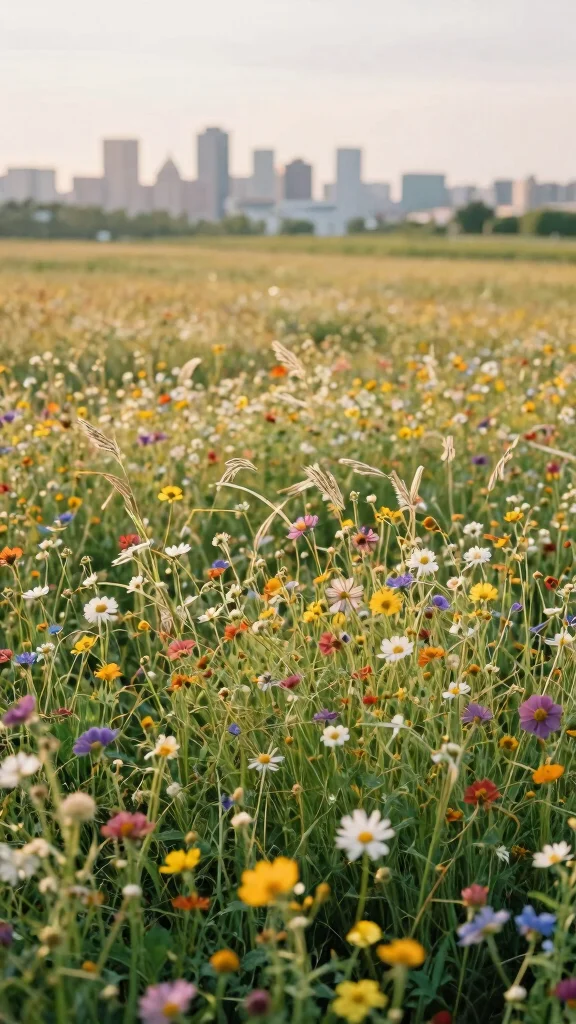
Planting wildflower seeds opens up a world of beauty and sustainability right in your backyard. With the right seeds, soil preparation, and care, you can create a stunning wildflower meadow that not only enhances your garden’s aesthetics but also supports local wildlife. By following these tips, you can cultivate a low-maintenance oasis that evolves with the seasons. So why not take the plunge and start your wildflower journey today? Your garden deserves it!
Note: We aim to provide accurate product links, but some may occasionally expire or become unavailable. If this happens, please search directly on Amazon for the product or a suitable alternative.
This post contains Amazon affiliate links, meaning we may earn a small commission if you purchase through our links, at no extra cost to you.
Frequently Asked Questions
When is the best time for planting wildflower seeds to create a stunning, low-maintenance meadow in an urban garden?
Best timing for planting wildflower seeds depends on climate. In most regions, fall sowing just before the first hard frost is ideal because many seeds will undergo natural stratification and germinate in spring with strong roots. In milder areas, early spring is a good alternative after the last frost. Before you sow, prep the soil: remove existing weeds, loosen the bed, and rake to a fine tilth. Choose a diverse mix of native wildflowers to support pollinators and garden aesthetics, then sow evenly and press lightly. Water gently until germination, then reduce watering to encourage deeper rooting. For compact urban soils, a thin layer of compost can improve texture, and avoid heavy amendments that encourage lush foliage rather than flowers.
What are essential seed germination tips for planting wildflower seeds in a small garden or container?
Here are essential seed germination tips for planting wildflower seeds in a small garden or container: surface sow or barely cover tiny seeds; keep soil consistently moist (not soggy) until germination; use a fine spray to avoid washing seeds away; for species that need it, consider light stratification or a short soak before sowing; start in a shallow tray or deep container with drainage, then transplant or thin once true leaves appear; place in full sun; after germination, thin crowded seedlings to prevent competition; mulch lightly to retain moisture but avoid smothering seedlings; avoid high-nitrogen fertilizers that promote leafy growth over flowering. These steps help ensure strong germination and a vibrant wildflower meadow over time.
Which native plants perform best for a sustainable wildflower meadow in urban spaces aiming for low maintenance?
For a native meadow with great garden aesthetics and minimal upkeep, try plants that tolerate urban conditions: Echinacea purpurea (purple coneflower), Rudbeckia spp. (black-eyed Susans), Aster novae-angliae (New England aster), Achillea millefolium (yarrow), and Gaillardia (blanket flower). Add native grasses such as Schizachyrium scoparium (little bluestem) for texture and drought resistance. Pair these with other locally native species to suit your sun, soil, and climate, ensuring a resilient, pollinator-friendly wildflower meadow.
How can I maintain a wildflower meadow for garden aesthetics with minimal upkeep?
Focus on structure and timing to keep maintenance low while preserving beauty. Mow or cut back the meadow once a year after flowering, ideally in late winter or early spring, to reset growth and reduce thatch. Leave some seed heads for winter interest and natural reseeding. Deadhead selectively to extend bloom for key varieties, but let others self-seed to maintain a dynamic, natural look. Water deeply during establishment, then rely on rainfall; avoid frequent fertilizing and stay with a low nutrient mix to prioritize blooms over lush foliage. Manage weeds by hand and use a light mulch to suppress opportunists. With these simple routines, low maintenance gardening meets strong garden aesthetics.
What common mistakes should I avoid when planting wildflower seeds in a compact urban space?
Avoid these common missteps: skipping soil prep and sowing on compact or weed-laden ground; sowing seeds too deeply; choosing varieties that require more sun, moisture, or space than your site can provide; overcrowding seeds, which reduces germination and growth; neglecting drainage in pots or raised beds; using high nitrogen fertilizers that push foliage growth over flowering; ignoring local native species or sourcing seeds from non-native mixes. Instead, prepare a well-draining bed, select natives suited to your microclimate, provide appropriate light, water establishment properly, and give space for self-seeding to fill in over time.
Related Topics
planting wildflower seeds
wildflower meadow
low maintenance gardening
native plants
seed germination tips
sustainable gardening
urban gardening
beginner friendly
garden aesthetics
seasonal planting
pollinator friendly
easy gardening tips