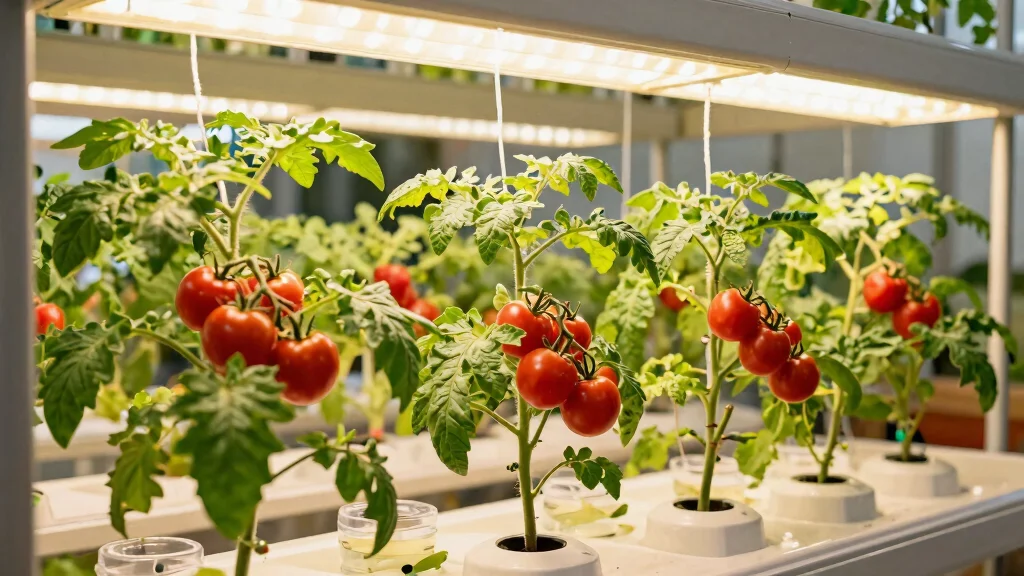
Growing your own food is a rewarding experience, and nothing beats the taste of homegrown tomatoes. This time of year always reminds me of juicy slices fresh from the garden. If you’re someone who loves gardening but feels limited by space, particularly in urban settings, this one’s for you. With the rise of hydroponic systems, you can successfully cultivate delicious tomato varieties indoors or on your balcony without traditional garden beds.
I put this post together because I know many of you are eager to dive into hydroponic tomatoes at home. Whether you’re a seasoned gardener or just starting your indoor gardening journey, I’ve compiled 10 creative ideas that are practical, fun, and perfect for small spaces. You’ll discover effective methods to grow vibrant tomatoes while enjoying the ease of container gardening and sustainable practices.
Get ready for a productive and rewarding harvest as you explore vertical hydroponic towers, DIY systems, and even smart solutions tailored for busy lifestyles. Each idea brings you closer to enjoying the sweet, sun-kissed flavors of your own homegrown tomatoes, even in the tiniest of spaces.
Key Takeaways
– Hydroponic tomatoes are ideal for small spaces, allowing you to grow delicious varieties indoors or outdoors without traditional soil.
– Vertical gardening, like hydroponic towers, maximizes space and provides a stunning visual element to your home or garden.
– DIY hydroponic systems can be cost-effective and tailored to your specific needs, making it easier to start your indoor gardening journey.
– Selecting the right tomato varieties is crucial for flavor; explore different options to find the ones that best suit your taste preferences.
– Sustainable practices in hydroponics not only benefit the environment but also enhance the quality of your harvest, giving you peace of mind while you grow.
1. Vertical Hydroponic Towers

Are you looking to maximize your gardening space? Vertical hydroponic towers are the perfect solution! These stylish systems allow you to cultivate a variety of tomatoes in a compact area, reaching upwards towards the ceiling. Each tier can host different types of tomatoes, from sweet cherry to hearty beefsteak, giving you a delightful assortment to enjoy throughout the season.
Not only do these towers enhance your living space, but they also ensure better light exposure and air circulation for each plant. This helps them grow healthier and more robust.
Rotate your plants regularly to ensure even light distribution.
Choose dwarf or compact tomato varieties for the best results in vertical settings.
With a little creativity, your indoor area can transform into a thriving tomato tower garden!
Vertical Hydroponic Towers
Editor’s Choice

VEVOR Hydroponic Tower, 50 Pods 10 Tiers Hydroponics Growing System Kit …


GooingTop LED Grow Light,6000K Full Spectrum Clip Plant Growing Lamp wit…

Liquid Plant Food for use in AeroGarden, IDOO and Hydroponic Growing Sys…
2. Hydroponic Raft Systems

Ready to elevate your indoor gardening game? Hydroponic raft systems are an exciting way to grow tomatoes! In this innovative setup, tomatoes float on a raft above nutrient-rich water, allowing their roots to thrive below. This method is particularly effective for larger tomato varieties, providing them with the support they need while ensuring optimal nutrient access.
This system is not only easy to maintain but also promises generous yields, making it a gardener’s dream.
Use lightweight materials for your raft to make adjustments hassle-free.
Regularly check water levels and nutrient concentrations to keep your plants happy.
Watching your tomatoes gently float on the water is sure to bring joy and satisfaction!
Fun fact: Hydroponic raft systems can boost yields by up to 40% for larger tomato varieties. Hydroponic tomatoes at home float on a nutrient-rich bed, giving roots constant access to nutrients and making maintenance easy in small spaces.
Hydroponic Raft Systems
Editor’s Choice
Liquid Plant Food for use in AeroGarden, IDOO and Hydroponic Growing Sys…

Aokrean Plant Grow Light, 48 LEDs Full Spectrum Grow Lights for Indoor P…

Ahopegarden Indoor Garden Hydroponics Growing System: 10 Pods Plant Germ…
3. Nutrient Film Technique (NFT)

Curious about a super-efficient way to grow tomatoes? The Nutrient Film Technique (NFT) might be just what you need! This method involves a thin film of nutrient-rich water flowing over plant roots, giving them constant access to essential nutrients. It’s particularly suitable for smaller varieties like cherry tomatoes, enhancing growth and flavor.
NFT systems conserve water compared to traditional growing methods, aligning perfectly with sustainable gardening practices.
Ensure your pump is functioning correctly to maintain nutrient flow.
Use reflective materials to maximize light absorption in your setup.
Your tomatoes will flourish in this innovative environment, making your indoor garden both fruitful and visually appealing!
Fun fact: NFT uses a continuous, ultra-thin nutrient film that saves up to 50% water compared to traditional methods. For hydroponic tomatoes at home, cherry varieties thrive, delivering steady growth, better flavor, and faster harvests in compact spaces.
Nutrient Film Technique (NFT)
Editor’s Choice
NEEWER Basics Hydroponics Growing System Kit with LED Plant Light/3 Grow…

NFT Hydroponic Growing System Kit – Full-Spectrum Grow Lights & Timer …

True Organic Liquid Tomato & Vegetable Food – Organic Fertilizer for S…
4. DIY Hydroponic Systems

Excited to dive into hydroponics? Creating your own DIY hydroponic system for tomatoes is a fun and rewarding project! You can keep it simple with a basic plastic container or go for a more complex PVC system. The choice is yours, and the possibilities are endless!
Starting with easy-to-grow tomato varieties boosts your confidence as you learn.
Use a clear container to monitor root health and growth visually.
Designing your own system not only deepens your understanding of hydroponics but also allows you to customize it to match your personal style. Plus, nothing beats the pride of growing your own tomatoes from scratch!
DIY Hydroponic Systems
Editor’s Choice
120pcs Plant Grow Stickers, Green Hydroponic Garden Labels PVC Round Gro…
Ahopegarden Indoor Garden Hydroponics Growing System: 10 Pods Plant Germ…

12 Pack 3 inch Net Cups Pots with 12 feet Hydroponics Self Watering Wick…
5. Smart Hydroponic Systems
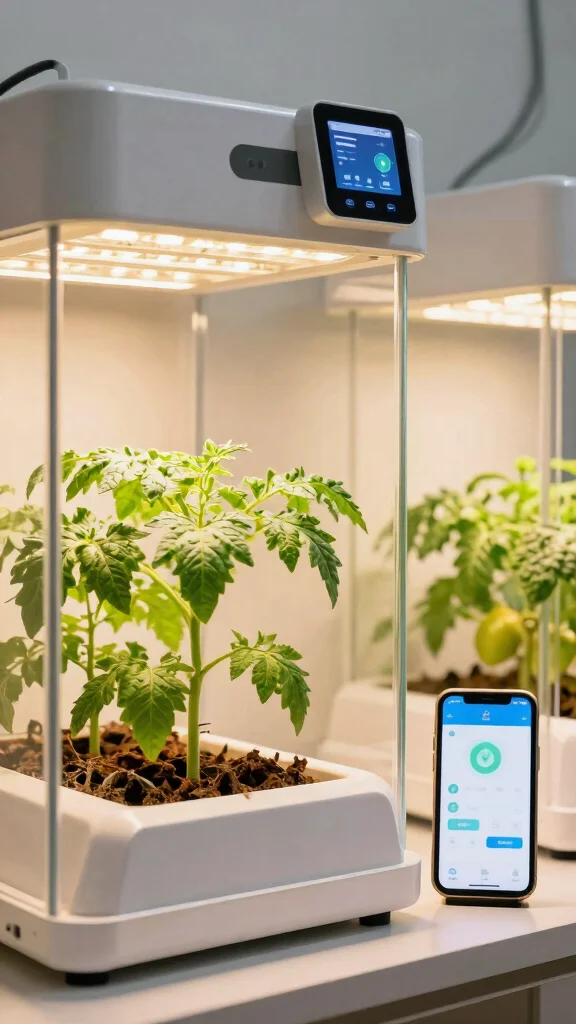
Want to make gardening easier? Smart hydroponic systems are the way to go! These high-tech solutions come with sensors and apps that monitor plant health, nutrient levels, and light exposure. Imagine enjoying fresh tomatoes while your system manages the hard work for you!
These systems provide convenience with automated watering schedules and notifications for nutrient adjustments.
Choose a smart system that suits your space best.
Regularly check and calibrate sensors to ensure optimal growth.
With smart hydroponics, you can enjoy a bountiful harvest with minimal effort, making gardening accessible for everyone!
Fun fact: Smart hydroponic systems can reduce water use by up to 90% compared to soil gardening. This makes hydroponic tomatoes at home easier, smarter, and more efficient.
📹 Related Video: Dutch Bucket Hydroponics – How It Works & How to Make Your Own Buckets
You might also like

Smart Hydroponic Systems
Editor’s Choice

LETPOT LPH-SE Hydroponics Growing System, 12 Pods Smart Herb Garden Kit …
GooingTop LED Grow Light,6000K Full Spectrum Clip Plant Growing Lamp wit…
LETPOT LPH-SE Hydroponics Growing System, 12 Pods Smart Herb Garden Kit …
6. Container Gardening for Tomatoes

Looking for a straightforward way to grow tomatoes? Container gardening is a fantastic choice for hydroponic tomatoes! This method allows you to cultivate tomatoes in pots or unique containers filled with hydroponic media. Just ensure your containers have proper drainage and are large enough to support plant growth.
Consider using fabric pots, buckets, or even repurposed storage containers for a creative touch.
Fill your containers with a quality hydroponic growing medium, such as coconut coir or clay pellets.
Ensure your plants get enough sunlight, rotating them if necessary to prevent shading.
As your tomatoes thrive in their containers, they will not only look stunning but also yield a generous harvest!
Container Gardening for Tomatoes
Editor’s Choice

Back to The Roots Organic Coir, 51 Quart Expanding Soil, Great for Seeds…

Automatic Drip Irrigation System for Garden with USB & Timer, 50FT Plant…

Belit Nursery Growing Bags, 100 Pcs Fabric Seedling Pots Non-Woven Pouch…
7. Companion Planting with Tomatoes

Want to enhance your tomato garden’s growth? Incorporating companion plants can make a big difference! Certain plants naturally support each other, helping to deter pests and boost health. Consider adding basil or marigolds to your tomato setup; they look great and can enhance flavor and growth.
Basil helps repel pests, while marigolds attract beneficial insects.
Select companion plants that share similar water and light needs for the best outcomes.
Get creative with your layout to blend aesthetics with practical benefits in your indoor garden.
By combining tomatoes with companion plants, you’ll maximize your space and create a flourishing growing environment.
How To Choose the Right Hydroponic System for Tomatoes
Choosing the right hydroponic system for growing tomatoes at home can be the key to your success. With a variety of options available, it’s essential to consider several factors. This guide will help you select the best hydroponic setup for your indoor gardening needs.
1. System Type
There are several types of hydroponic systems, each with its benefits. For tomatoes, you might consider Nutrient Film Technique (NFT), Deep Water Culture (DWC), or even drip systems. NFT is great for space-saving, while DWC allows for larger root systems. Choose based on your space and experience level.
2. Space Requirements
Before purchasing a hydroponic system, measure your available space. Vertical systems save floor area and are perfect for small spaces. If you have more room, a larger tray system might work better. Ensure the system fits comfortably in your area without overcrowding.
3. Light Access
Tomatoes thrive with plenty of light. Consider systems that allow you to position grow lights effectively. LED grow lights are energy-efficient and can be adjusted in height as your tomatoes grow. Make sure your setup allows for at least 12-16 hours of light per day for optimal growth.
4. Nutrient Management
Different hydroponic systems may require various nutrient solutions. Look for a system that comes with nutrient management guidance. You want a balanced nutrient mix specifically for tomatoes to ensure they receive essential minerals and vitamins for growth and fruiting.
5. Budget
Determine how much you’re willing to spend. Hydroponic systems can range from DIY setups to high-tech automated systems. A simple DWC or drip system can be very affordable, while more advanced systems with smart technology will cost more. Factor in long-term costs, like nutrients and maintenance.
6. Ease of Use and Maintenance
Some systems require more maintenance than others. If you’re a beginner, look for systems that are easy to set up and maintain. Automated systems can take some labor out of the equation, but they can also be more complex. Decide your comfort level with maintenance before choosing.
Pro Tip:
Consider starting with a simple hydroponic system to learn the basics. Once you’re comfortable, you can upgrade or expand your setup. Document your progress and adjust as needed!
Choosing the right hydroponic system for tomatoes not only sets you up for a successful harvest but also makes your gardening experience enjoyable. Take your time to evaluate each aspect before making your decision, and you’ll reap the rewards of your efforts!
Companion Planting with Tomatoes
Editor’s Choice

HOME GROWN Petite French Marigold Seeds 329+ Flower Seeds for Planting O…
8. Variety Selection for Flavor

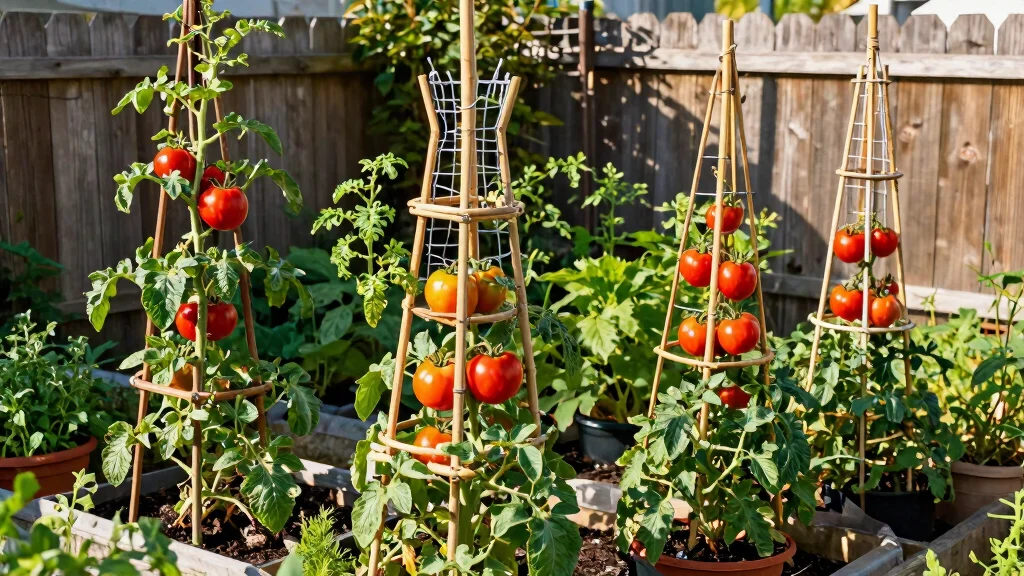
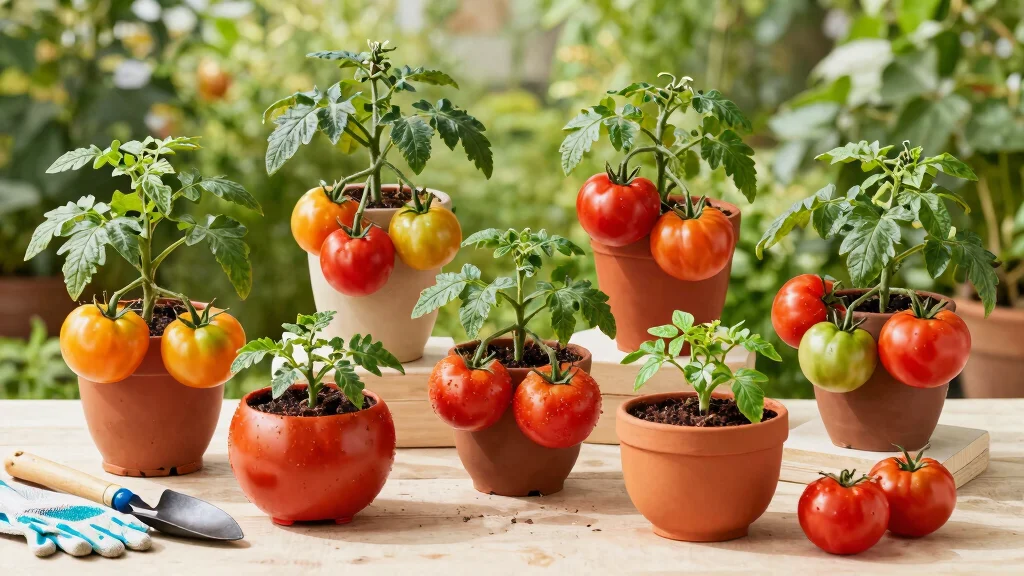
Do you want to diversify your tomato harvest? Choosing the right varieties is key! Different types of tomatoes offer unique flavors and uses, from sweet cherry tomatoes ideal for snacking to robust beefsteaks perfect for sandwiches. Research which varieties perform best in hydroponic systems for optimal results.
Look for indeterminate varieties that continuously produce throughout the season, and consider heirlooms for their unique tastes and colors.
Experiment with a mix of varieties to find your favorites.
Keep notes on how each type performs in your setup.
Selecting the right tomatoes will not only enhance your harvest but also elevate your culinary experiences significantly!
You Might Also Like
Variety Selection for Flavor
Editor’s Choice

Tiny Tim Tomato Seeds – Dwarf Cherry Tomatoes for Planting Indoors or Pa…

FoxFarm Grow Big Hydroponic Plant Food – 3-2-6 Liquid Plant Fertilizer f…

Grow Lights for Indoor Plants, Upgrade 84 LEDs Clip Plant Lights, Full S…
9. Seasonal Indoor Gardening

Want to enjoy fresh tomatoes year-round? Understanding seasonal growth patterns is essential for your indoor hydroponic garden! Indoor gardening allows you to manipulate light and temperature, creating perfect growing conditions despite outdoor weather. Knowing when to plant can lead to a successful harvest all year long.
Use grow lights to mimic seasonal changes and promote healthy plant growth.
Research the best planting times for your chosen tomato varieties.
With careful planning, you can savor delicious tomatoes even during the coldest months, bringing a taste of summer to your winter meals!
Seasonal Indoor Gardening
Editor’s Choice

TempPro TP49 Digital Hygrometer Indoor Thermometer Humidity Meter Room T…
GooingTop LED Grow Light,6000K Full Spectrum Clip Plant Growing Lamp wit…
Liquid Plant Food for use in AeroGarden, IDOO and Hydroponic Growing Sys…
10. Sustainable Practices in Hydroponics

Are you passionate about eco-friendly gardening? Sustainable practices are fundamental in hydroponics, and growing tomatoes at home is no exception! Focus on using organic nutrients, recycling water, and minimizing waste to create an environmentally friendly indoor garden. By adopting these practices, you reduce your carbon footprint while enjoying fresh produce.
Opt for biodegradable growing media and containers.
Set up a system to recapture excess water and nutrients.
By being mindful of your gardening habits, you can cultivate delicious tomatoes while contributing to a greener planet. Join the community of eco-conscious gardeners and enjoy your fruitful hydroponic harvest!
Sustainable Practices in Hydroponics
Editor’s Choice
FoxFarm Grow Big Hydroponic Plant Food – 3-2-6 Liquid Plant Fertilizer f…

Hydroponics Nutrients for Aerogarden(800ml in Total), Plant Food A & B H…
Plant Grow Bags 5.5″x6.3″200pcs Biodegradable Planting Bags Seed Starter…
Conclusion

With so many creative and productive ways to grow hydroponic tomatoes at home, the possibilities are endless. From choosing the right systems and varieties to implementing sustainable practices, each idea offers unique benefits to your indoor garden. Embrace the adventure of indoor gardening, and watch as you cultivate delicious, fresh tomatoes right in your living space. Share your experiences and discoveries, and inspire others to join in this rewarding journey toward home-grown goodness!
Note: We aim to provide accurate product links, but some may occasionally expire or become unavailable. If this happens, please search directly on Amazon for the product or a suitable alternative.
This post contains Amazon affiliate links, meaning we may earn a small commission if you purchase through our links, at no extra cost to you.
Frequently Asked Questions
What are the best tomato varieties for hydroponic tomatoes at home?
Choosing varieties that perform well in confined spaces and under grow lights is the first step. For hydroponic tomatoes at home, look for compact or dwarf cultivars and determinate types that finish quickly and are easy to train in a vertical setup. Great options include Patio, Tiny Tim, Red Robin, and compact cherries like Sungold or Sweet 100. If you want larger fruit, you can run an indeterminate variety up a sturdy trellis, but be prepared for a larger plant and more support. Prefer disease-resistant hybrids when possible to keep maintenance low. Also check that the variety performs well under indoor lighting and hydroponic feeding schedules.
How can I maximize production in a small vertical space with indoor gardening and hydroponic systems?
To maximize production in a small vertical space with indoor gardening and hydroponic systems, start with a solid vertical setup like a tower, wall rack, or stacked buckets. Train the tomato plants to the trellis and keep layers tidy so airflow is good. Provide steady light with LEDs, aiming for a long enough day length (many growers run 12-16 hours of light). Keep your pH around 5.5-6.5 and the nutrient EC roughly 1.5-2.5 for hydroponic tomatoes at home. Use a timer for your pumps and lights to maintain consistency, and ensure fresh air with a small fan. Prune side shoots (suckers) to focus energy on fruiting, and gently shake the plants during bloom to help pollination in an indoor setting. With these steps, you can maximize yield in a compact footprint.
What components do I need for a compact hydroponic system to grow tomatoes at home?
This compact setup needs a few essentials: a reservoir, a grow tray or channel, net pots, and a growing medium suitable for hydroponics (like coco coir, perlite, or rock wool). A pump and tubing with an air pump and air stone help keep roots oxygenated. A nutrient solution tailored for tomatoes, plus a reliable timer for pumps and lights, is key. Include a vertical support like a trellis or stakes for vertical space. If you’re short on space, consider NFT or DWC kits designed for small spaces, or a Kratky-style setup for passive hydroponics. Don’t forget a pH and EC meter to maintain stable pH and nutrient levels for hydroponic tomatoes at home.
How do I choose tomato varieties and systems for container gardening and sustainable gardening indoors?
Choose space-friendly tomato varieties and an efficient system for indoor use. For container gardening, pick compact or determinate cultivars that stay manageable in pots or planters, and pair them with a vertical hydroponic tower if possible. For sustainable gardening, opt for recirculating hydroponics or other water-saving setups that reuse nutrient solution, and use energy-efficient LED lighting with timers to cut energy use. Look for tomato varieties that perform well under indoor light, and match them to a vertical or modular system to maximize your harvest in small spaces.
What maintenance tasks keep hydroponic tomatoes thriving at home?
Maintenance is your harvest’s best friend. Daily checks on hydroponic systems for leaks and heat, plus a quick look at plant health. Weekly, test and adjust pH (aim for 5.5-6.5) and keep the nutrient EC around 1.5-2.5 for hydroponic tomatoes at home. Top up or refresh nutrients as needed, and prune crowded or yellowing leaves to improve air flow. Tie and train vines to your vertical support to maximize fruiting sites. Clean the reservoir and lines every couple of months and sanitize equipment between cycles. Harvest ripe fruit promptly to encourage continued production.
Related Topics
hydroponic tomatoes
indoor gardening
vertical gardening
small space gardening
sustainable gardening
container gardening
easy hydroponics
tomato varieties
beginner friendly
urban gardening
DIY hydroponics
productive harvest