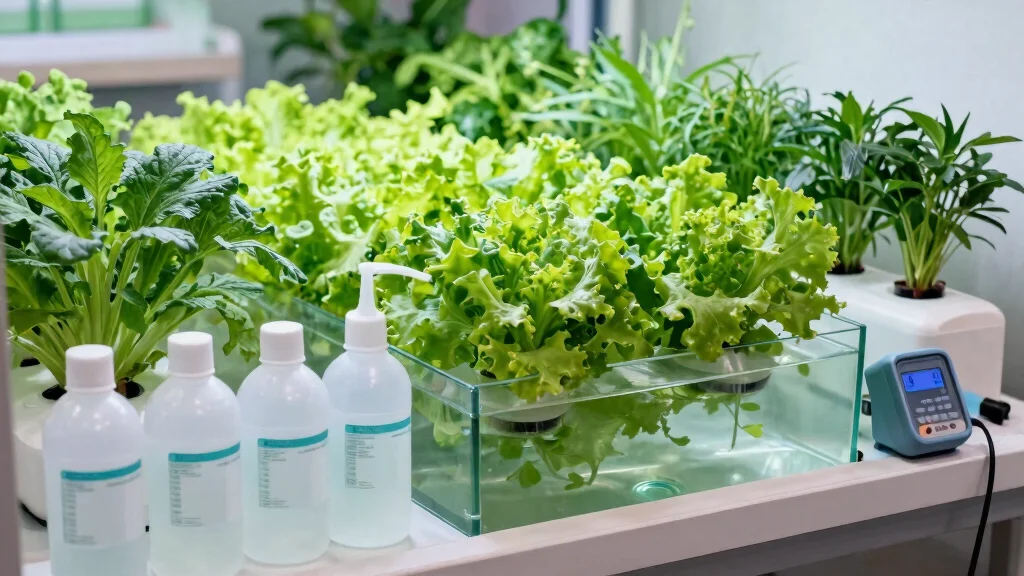
As you step into the world of hydroponic gardening, you may feel a mix of excitement and confusion. With no soil to rely on, feeding your plants can seem daunting. This post is here to simplify that process. I created this guide to help beginners navigate the often overwhelming choices of hydroponic nutrients. By understanding what your plants need, you can grow healthier, more vibrant crops in your small indoor spaces.
If you’re someone who wants to grow plants without soil, this guide is tailored for you. Whether you’re a newbie or just looking to refine your skills, you’ll find valuable insights. This includes essential tips on macronutrients and micronutrients, custom nutrient solutions, and the best hydroponic fertilizers for your setup. Each section is packed with practical advice to ensure you feed your plants the right way for optimal growth.
What can you expect to gain from this? You’ll leave with a solid foundation in hydroponic nutrients, so you can confidently create a thriving indoor garden. With actionable insights and troubleshooting tips, you’ll be equipped to tackle any nutrient-related challenges that come your way. Get ready to dive in and transform your indoor gardening journey!
Key Takeaways
– Understand the difference between macronutrients and micronutrients, and why they are crucial for plant health.
– Learn how to create custom nutrient solutions tailored to your specific plants and growing conditions.
– Discover the best hydroponic fertilizers for beginners that are easy to use and effective.
– Gain insights into how pH levels affect nutrient uptake, helping you achieve optimal growth.
– Get practical tips on observing plant growth and troubleshooting common nutrient deficiencies.
1. Understanding Macronutrients: The Building Blocks
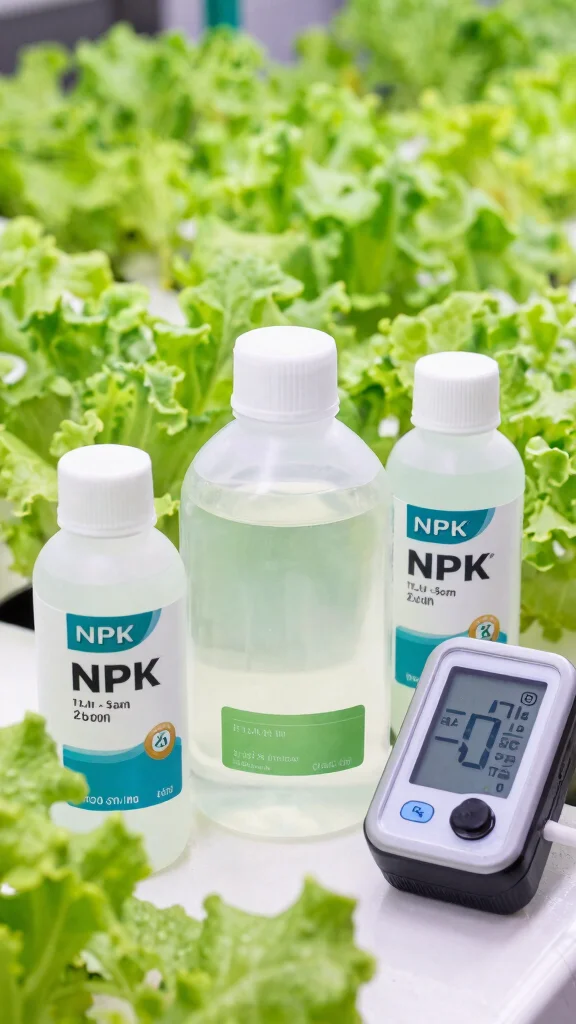
To cultivate thriving plants, grasping the role of macronutrients is essential. Focus on the trio of Nitrogen, Phosphorus, and Potassium (NPK), which are fundamental for plant health. Each nutrient contributes uniquely: nitrogen fuels luscious leaf growth, phosphorus promotes robust roots and vibrant flowers, while potassium bolsters overall vitality and disease resistance.
Maintaining the correct NPK balance in your hydroponic setup is critical. Regularly monitor your nutrient solution’s NPK levels to align with your plants’ evolving needs. For newcomers, starting with a balanced, universal hydroponic fertilizer containing these macronutrients is a smart move.
Key tips for success:
– Use an NPK ratio of 3-1-2 for leafy greens.
– Modify nutrient levels as plants progress from vegetative to blooming phases.
– Regularly assess plant health for early signs of deficiencies.
Understanding Macronutrients: The Building Blocks
Editor’s Choice

Liquid Plant Food for use in AeroGarden, IDOO and Hydroponic Growing Sys…


VIVOSUN Digital pH Meter, 0.01pH High Accuracy Pen Type pH Tester for Hy…

Advanced 16-4-8 Balanced NPK – Lawn Food Quality Liquid Fertilizer – Spr…
2. The Importance of Micronutrients
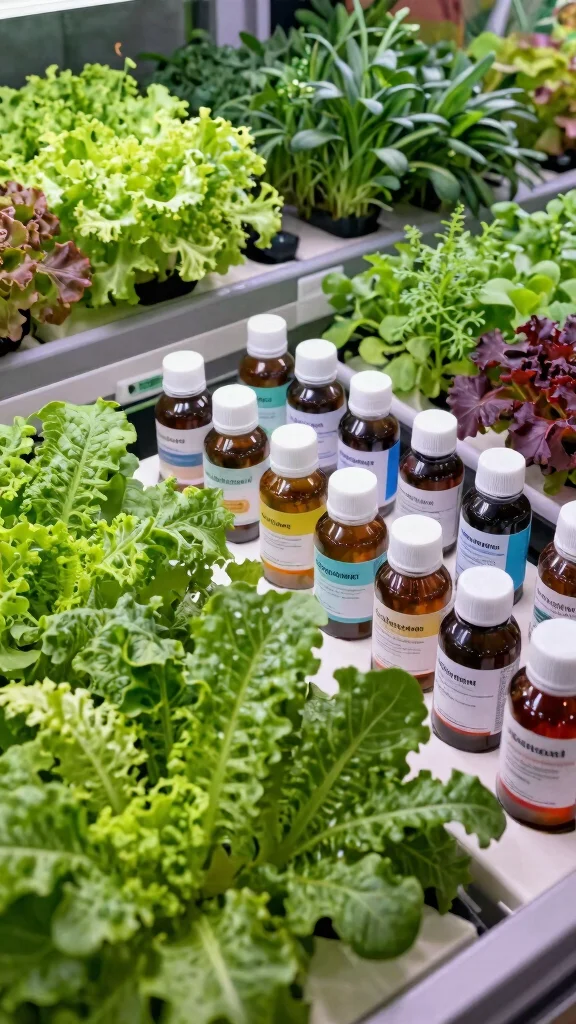
While macronutrients grab the spotlight, micronutrients like iron, magnesium, and calcium are equally vital for robust plant growth. These trace elements are needed in smaller amounts but are crucial for processes like enzyme activity and chlorophyll synthesis. For instance, iron is key for chlorophyll formation, while calcium strengthens cell walls.
Most commercial hydroponic nutrient mixes include essential micronutrients. However, always check the label. If you notice signs of deficiencies, such as yellowing leaves or slowed growth, think about adding micronutrient-rich boosters to your regimen.
Keep these points in mind:
– Use a nutrient solution that combines macronutrients and micronutrients.
– Watch for symptoms; yellowing between leaf veins may signal magnesium deficiency.
– Test and adjust nutrient solutions regularly based on your plants’ requirements.
📹 Related Video: Make your own micronutrient solution for hydroponics, lasts a lifetime!
The Importance of Micronutrients
Editor’s Choice

Grow More 3-0-1 Organic Iron Chelate Concentrate (10%) for Greener Plant…
Liquid Plant Food for use in AeroGarden, IDOO and Hydroponic Growing Sys…

3. Crafting Custom Nutrient Solutions
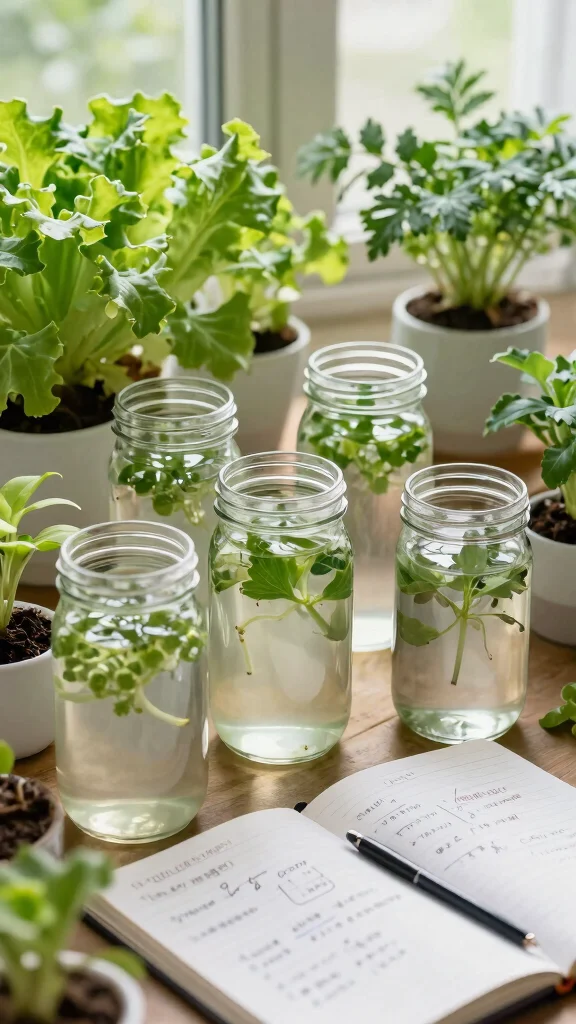
As you gain confidence in hydroponic gardening, creating custom nutrient solutions tailored to your plants’ specific needs can be rewarding. By adjusting the ratios of macro and micronutrients, you can better cater to different crops and growth stages. Start with a base nutrient solution and enhance it with various supplements.
Here’s how to get started:
– Select a high-quality base nutrient solution made for hydroponics.
– Research the nutritional requirements of your chosen plants.
– Begin with suggested amounts but feel free to tweak them based on plant reactions.
For effective custom solutions:
– Keep a record of your mixtures and their effects on plant growth.
– Monitor pH levels closely, as nutrient absorption can be influenced by pH shifts.
– Experiment gradually; avoid drastic changes to your nutrient mix at once.
Crafting Custom Nutrient Solutions
Editor’s Choice
Liquid Plant Food for use in AeroGarden, IDOO and Hydroponic Growing Sys…
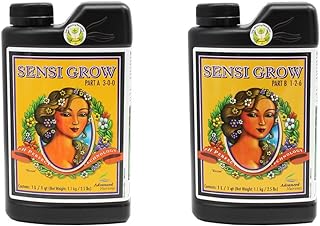
6201-14AB pH Perfect Sensi Grow Part A+B, 1 Liter, Brown/A

Liquid Nutrients Base A & B Bundle, Grow Big Hydroponic Fertilizer, Supp…
4. Best Hydroponic Fertilizers for Beginners
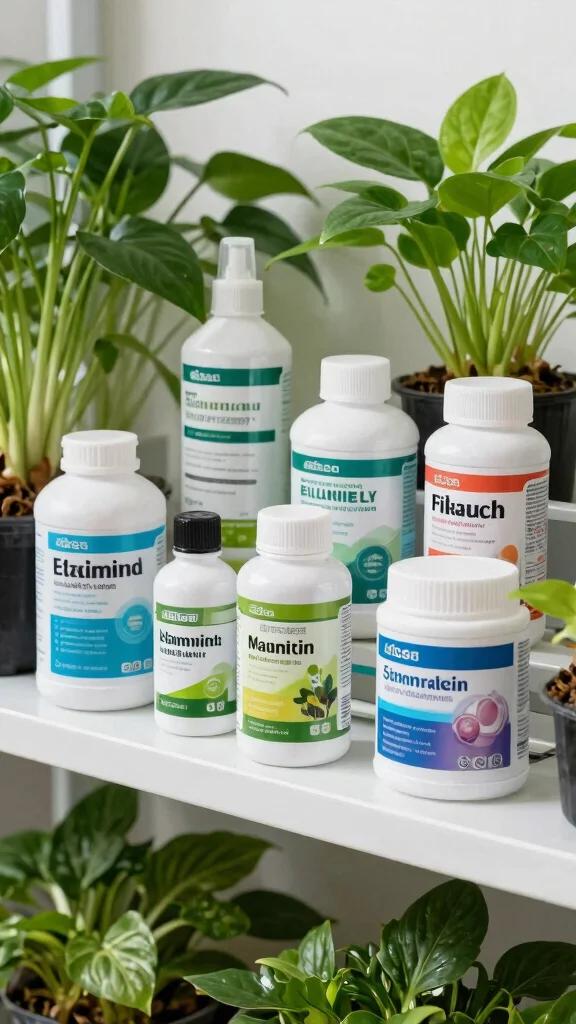
Choosing the right fertilizers can be daunting for new hydroponic gardeners. Opting for user-friendly, well-rated products is crucial. Seek out fertilizers specifically crafted for hydroponics, designed to dissolve effortlessly in water and deliver balanced nutrients.
Consider these top hydroponic fertilizers:
– General Hydroponics Flora Series: A three-part system allowing precise nutrient control at various growth stages.
– Advanced Nutrients pH Perfect: This fertilizer automatically adjusts pH, simplifying maintenance for beginners.
– FoxFarm Grow Big: A versatile fertilizer ideal for leafy greens and vegetables.
Always follow product instructions carefully, and start with a diluted mix to gauge your plants’ reactions.
For hydroponic nutrients guide beginners, a quick fact: 9 out of 10 see healthier greens in two weeks when using fertilizers designed for hydroponics that dissolve instantly. Choose user-friendly blends that deliver balanced nutrients for steady growth.
Best Hydroponic Fertilizers for Beginners
Editor’s Choice

Lotus Nutrients Starter Kit – Bloom, Grow & Boost Powder Plant Fertilize…

Advanced Nutrients Grow Micro Bloom pH Perfect Bundle Set Combo Base Nut…

Soil Liquid Trio Pack – Big Bloom, Grow Big, Tiger Bloom Fertilizers Sup…
5. The Role of pH in Nutrient Uptake
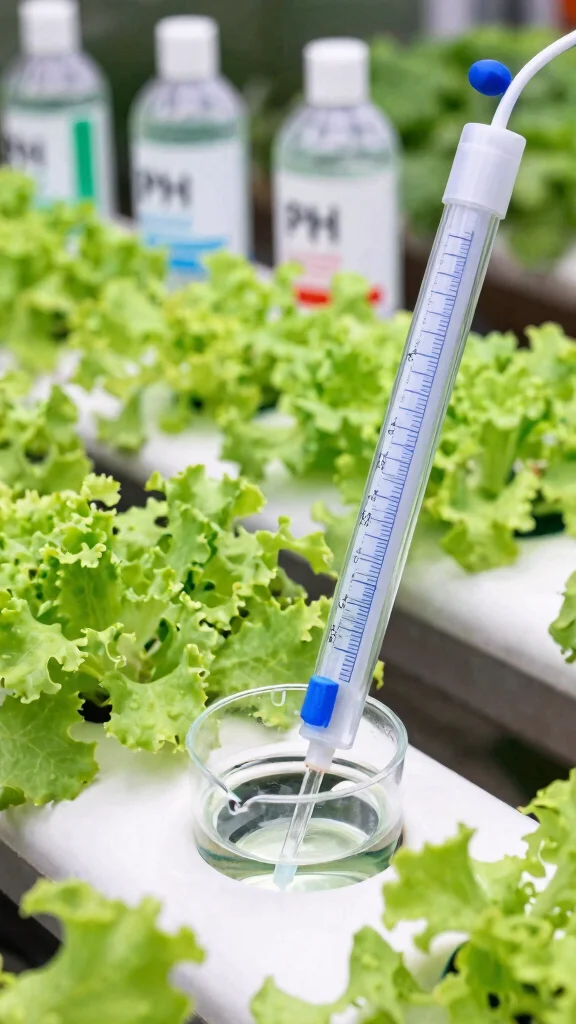
Mastering pH levels is crucial for effective nutrient uptake in your hydroponic system. The pH scale ranges from 0 to 14, with 7 being neutral. Most hydroponic plants thrive within a pH range of 5.5 to 6.5. Deviating from this range can render nutrients inaccessible, leading to deficiencies or toxicities.
To effectively manage pH levels:
– Regularly test your nutrient solution with a reliable pH meter.
– If pH strays from the ideal range, use pH up or pH down solutions for adjustments.
– Keep a log of your pH readings alongside your nutrient mix to monitor changes over time.
While monitoring pH might seem challenging initially, it quickly becomes a routine aspect of your hydroponic gardening journey.
You might also like

How To Choose the Right Hydroponic Nutrients
When starting your hydroponic journey, selecting the right nutrients is crucial for your plants’ growth. Nutrients provide the essential elements your plants need to thrive. Here’s a simple guide to help you choose the best hydroponic nutrients for your setup.
1. Understand Your Plants’ Needs
Different plants have varying nutrient requirements. Some may need more nitrogen, while others thrive on phosphorus and potassium. Research the specific needs of the plants you want to grow. This knowledge will guide your nutrient selection effectively.
2. Decide Between Liquid and Dry Nutrients
You can choose between liquid and dry nutrients. Liquid nutrients are easier to mix and adjust, making them ideal for beginners. Dry nutrients, however, have a longer shelf life and can be more economical. Consider your gardening style and space when making this choice.
3. Check for Complete Nutrient Sets
Look for nutrient solutions that offer complete sets, including macronutrients and micronutrients. Your plants need macronutrients like nitrogen, phosphorous, and potassium for growth, alongside micronutrients like iron and magnesium for overall health. Make sure your chosen product covers all these bases.
4. Consider pH Balance
The pH level greatly affects how well plants can absorb nutrients. Aim for a nutrient solution with a balanced pH level between 5.5 and 6.5. Some nutrients come with pH buffers, making it easier to maintain the right levels. Check your nutrient’s specifications to ensure compatibility with your hydroponic system.
5. Review User Feedback
Before settling on a nutrient product, read reviews and testimonials from other hydroponic gardeners. Look for feedback specific to the plants you want to grow. This can give you insight into effectiveness and any potential issues you may encounter.
6. Assess Your Budget
Finally, consider your budget. Nutrient options range from affordable brands to high-end products. While it’s tempting to go for cheaper options, ensure that quality isn’t compromised. Investing a little more in good nutrients can lead to better plant health and yields.
Pro Tip: Start with a general hydroponic fertilizer designed for beginners. These often come with clear instructions and balanced nutrient ratios, making them perfect for those just starting out. As you gain experience, you can experiment with more specialized nutrients tailored to specific plants.
Choosing the right hydroponic nutrients doesn’t have to be overwhelming. By understanding your plants’ needs, evaluating your options, and considering feedback, you can select the best nutrients to foster a thriving hydroponic garden. Happy growing!
The Role of pH in Nutrient Uptake
Editor’s Choice
Liquid Plant Food for use in AeroGarden, IDOO and Hydroponic Growing Sys…
VIVOSUN Digital pH Meter, 0.01pH High Accuracy Pen Type pH Tester for Hy…

General Hydroponics pH Down Liquid Premium Buffering For pH Stability, 1…
6. Essential Supplements for Hydroponic Success
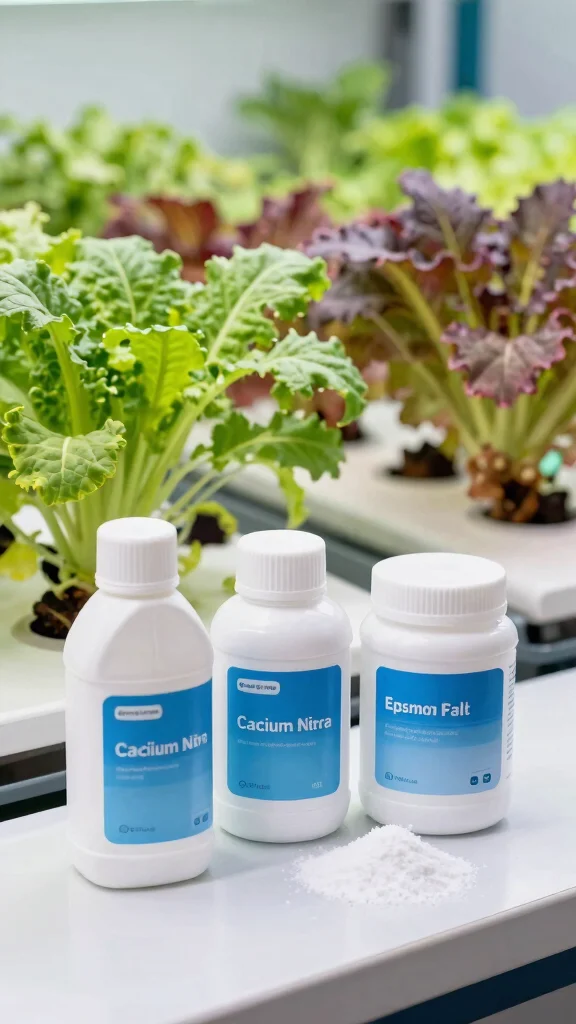
Adding supplements to your hydroponic routine can enhance plant growth and flavor. Common options include calcium nitrate, Epsom salt (magnesium sulfate), and seaweed extract. These additions can help correct specific nutrient deficiencies and boost overall plant health.
For example:
– Calcium nitrate encourages strong root systems and helps prevent blossom end rot in tomatoes.
– Epsom salt raises magnesium levels, essential for chlorophyll production.
– Seaweed extract aids in micronutrient absorption and helps plants cope with stress.
Introduce supplements gradually and observe your plants’ responses. Thoughtful supplementation can significantly improve your plants’ health and yield.
Fun fact: calcium nitrate can boost root growth and help prevent blossom-end rot in tomatoes, often showing noticeable gains within 2 weeks. This aligns with our hydroponic nutrients guide beginners—pair it with magnesium-rich Epsom salt and seaweed extract for stronger plants in compact hydroponic setups.
Essential Supplements for Hydroponic Success
Editor’s Choice

Amazon Basics Epsom Salt Soak, Unscented, Magnesium Sulfate USP, Muscle …

Liquid Kelp Seaweed Fertilizer Concentrate – Blue Planet Nutrients Ascop…

Calcium Nitrate 15.5-0-0 Fertilizer Bulk Pricing (5 POUNDS)
7. Troubleshooting Nutrient Deficiencies
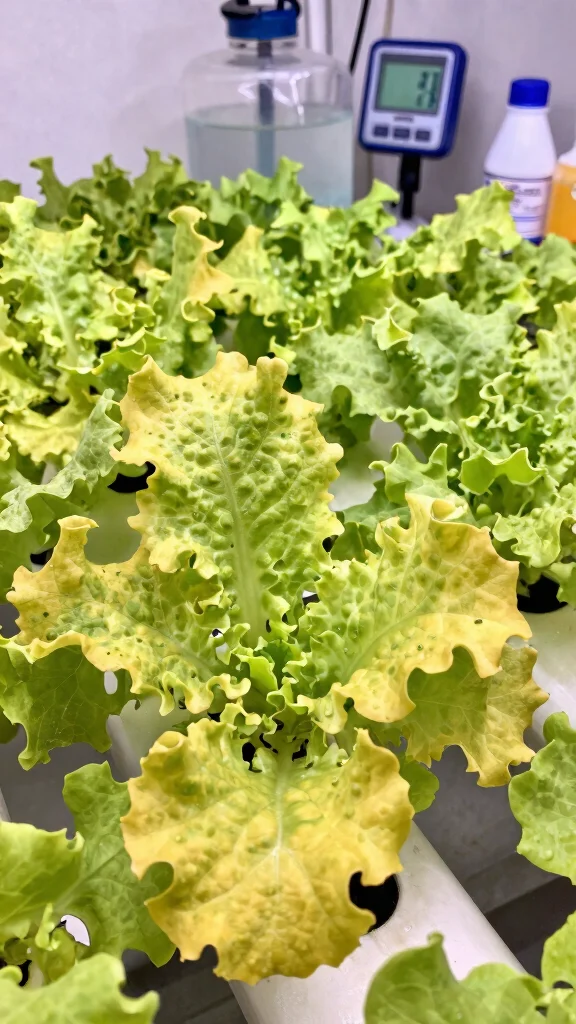
Encountering challenges, especially nutrient deficiencies, is a normal part of gardening. Identifying symptoms early can prevent bigger issues from developing. Watch for these common deficiencies:
– Nitrogen Deficiency: Older leaves turn yellow and fall off.
– Phosphorus Deficiency: Growth stalls, with dark green or purplish undersides on leaves.
– Potassium Deficiency: Leaf edges turn brown and curl.
Once you spot symptoms, adjust your nutrient solution to address the deficiency. Regularly inspecting your plants and understanding their needs will enhance your effectiveness as a hydroponic gardener!
Fun fact: In hydroponics, most nutrient issues show up within 2–3 weeks—spotting nitrogen, phosphorus, or potassium clues early can save a crop. This hydroponic nutrients guide beginners makes it easy to adjust solutions before damage spreads.
Troubleshooting Nutrient Deficiencies
Editor’s Choice

Hydroponics pH Up Down Solution pH Control Kit,pH Adjuster for Hydroponi…
Liquid Plant Food for use in AeroGarden, IDOO and Hydroponic Growing Sys…

General Hydroponics Flora Series: FloraMicro, FloraBloom, FloraGro – 3-P…
8. Timing Your Feedings
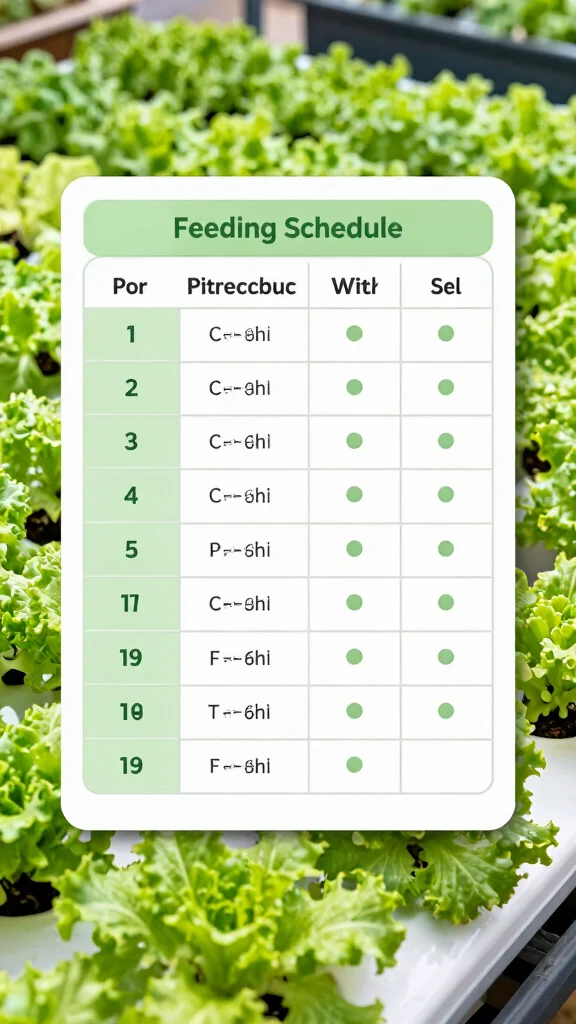
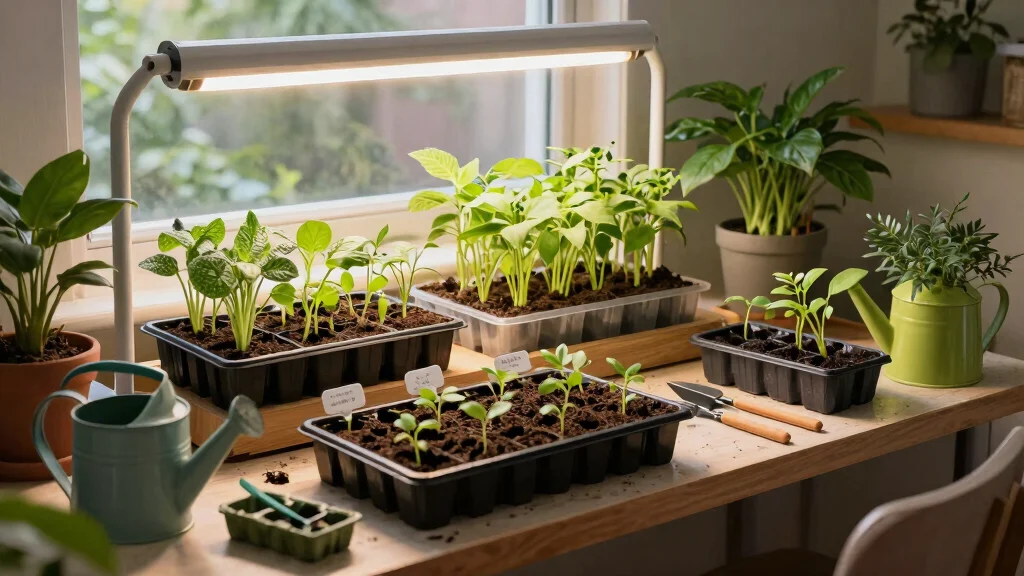
Feeding your plants at the right time is just as crucial as choosing the right nutrients. Timing can greatly influence growth and yield. In the initial stages, young plants benefit from light feedings to help establish strong roots and foliage. As they grow, you can gradually increase nutrient concentration.
A good guideline is to feed your plants every 1-2 weeks, adjusting based on the growth stage and plant type. Monitor your plants’ responses to different feeding schedules and adapt as necessary.
Utilize a feeding chart suited to your specific plants. This will simplify the hydroponic process and ensure your plants receive the nutrients they need at the right time.
You Might Also Like
Timing Your Feedings
Editor’s Choice

Puppy Feeding Schedule Log Book: Track Meals, Portions, Feeding Times & …
Liquid Plant Food for use in AeroGarden, IDOO and Hydroponic Growing Sys…
9. Observing Plant Growth
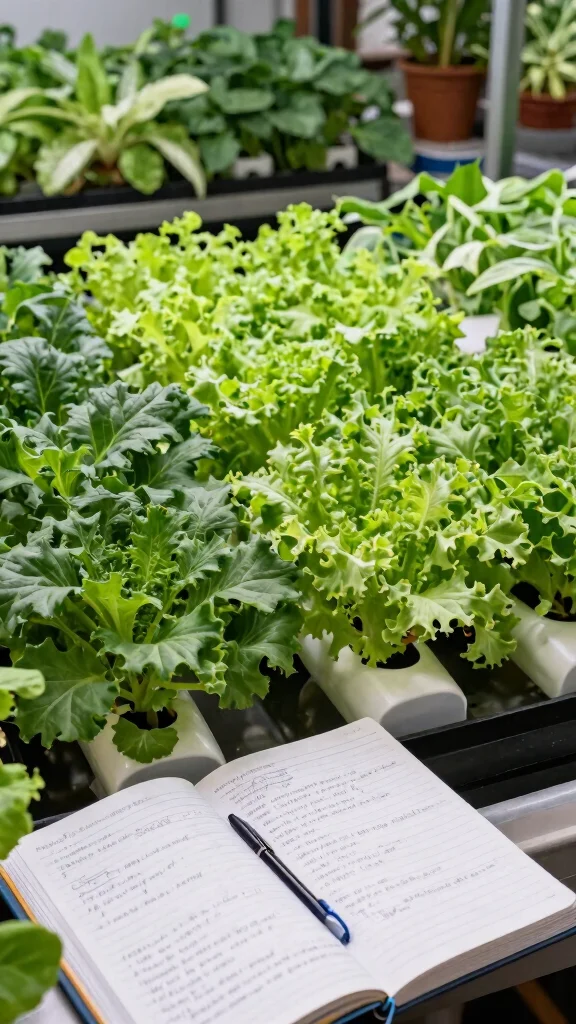
Observing your plants’ reactions to nutrient solutions is crucial in hydroponic gardening. Regular monitoring helps you discover what works best for your setup. Take notes on growth patterns, leaf color, and overall health to identify changes that may require adjustments in your nutrient approach.
Documenting your successes and failures will not only enhance your skills but also serve as a handy reference for future grow cycles. Don’t hesitate to experiment with different nutrient mixes or feeding schedules; this will help you find the ideal formula for flourishing plants.
Building a close relationship with your plants will ultimately lead to a thriving hydroponic garden!
Observing Plant Growth
Editor’s Choice

pH Meter for Hydroponics PPM EC Meter for Plant Nutrients Simultaneous M…

Hydroponics Grow Journal: Professional Hydroponic Plant Grower Logbook f…
Liquid Plant Food for use in AeroGarden, IDOO and Hydroponic Growing Sys…
10. Sustainability in Hydroponic Gardening
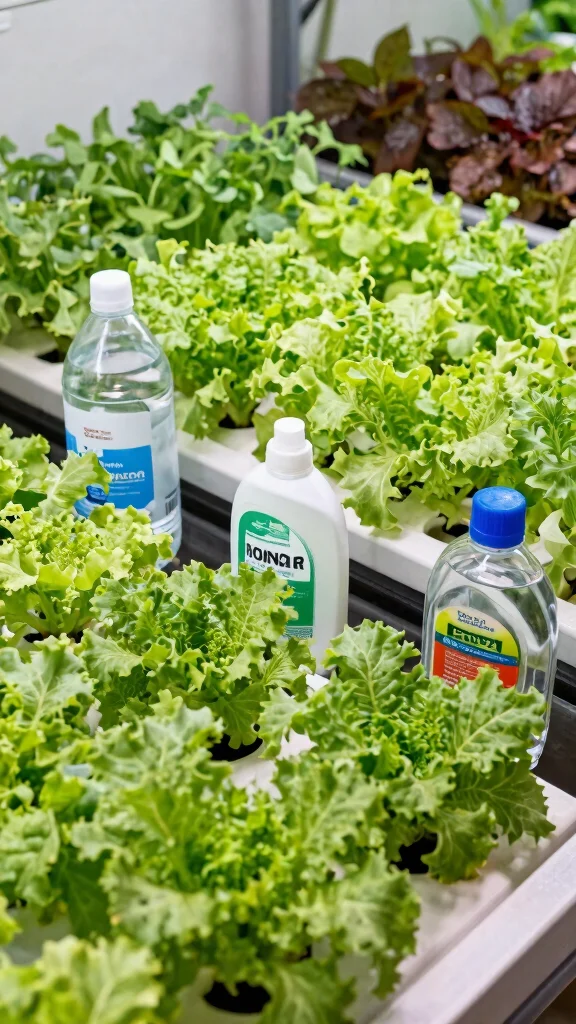
Hydroponic gardening goes beyond growing healthy plants; it also emphasizes sustainability. By using less water and eliminating pesticides, hydroponics offers an eco-friendly way to cultivate. You can further enhance sustainability by recycling water and nutrients, creating a closed-loop system that minimizes waste.
Consider adopting organic practices, such as utilizing organic hydroponic fertilizers and natural pest control methods, to boost sustainability in your garden. By doing so, you contribute to a healthier planet while enjoying fresh produce from your indoor garden.
Start small with your sustainable efforts and gradually expand them as you become more comfortable with hydroponic gardening.
Sustainability in Hydroponic Gardening
Editor’s Choice

Hydroponics Grower Kit DIY Self Watering Indoor Hydroponics Tools Hydrop…

Microbe Life Hydroponics FGX Fungus Gnat Killer, Natural BTi Pest Contro…

FoxFarm Grow Big Hydroponic Plant Food – 3-2-6 Liquid Plant Fertilizer f…
Conclusion
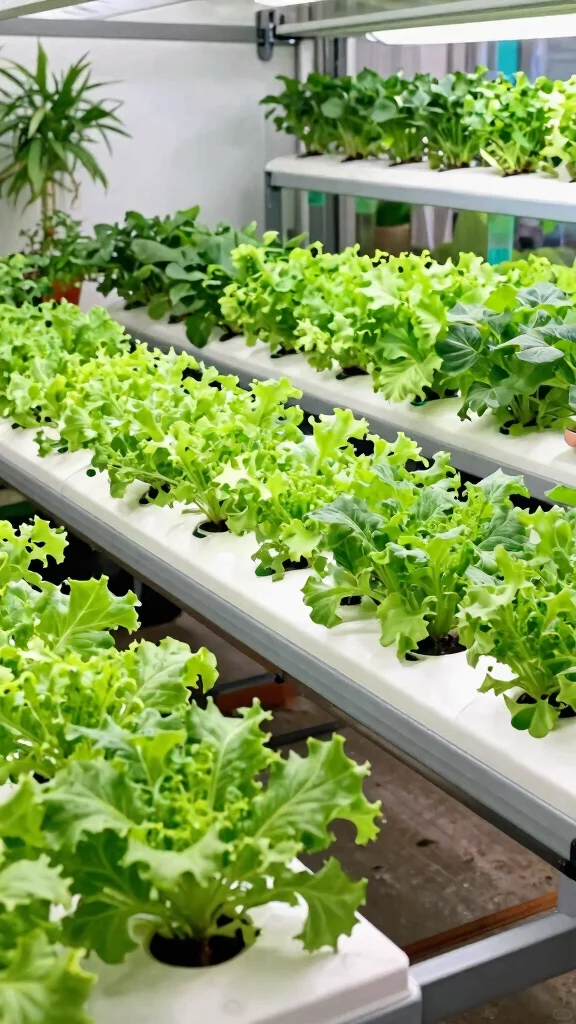
Embarking on your hydroponic gardening journey is an exciting adventure filled with learning opportunities. By understanding the essential nutrients and best practices shared in this guide, you’re well on your way to creating a thriving indoor garden in small spaces. Remember, patience is key, and every step you take brings you closer to beautiful, bountiful plants. So get ready to nurture your green thumb and enjoy the fruits of your labor!
Note: We aim to provide accurate product links, but some may occasionally expire or become unavailable. If this happens, please search directly on Amazon for the product or a suitable alternative.
This post contains Amazon affiliate links, meaning we may earn a small commission if you purchase through our links, at no extra cost to you.
Frequently Asked Questions
What nutrients are essential in this hydroponic nutrients guide beginners, and how can I spot deficiencies early?
Hydroponics relies on a complete blend of macro and micro nutrients. The essentials are the major nutrients (N, P, K, Ca, Mg, S) plus a full set of micronutrients (Fe, Mn, Zn, Cu, B, Mo, Ni). In this hydroponic nutrients guide beginners, choose a complete nutrient solution labeled for hydroponics and designed for both growth stages. Start at the recommended dose and monitor EC and pH (aim for a pH around 5.5–6.5). Common deficiency signs include pale new growth (nitrogen), slow growth or dark leaves (phosphorus), leaf tip burn or salt buildup (excess), and interveinal yellowing (iron/manganese). If problems appear, flush with clean water, re-balance pH, and re-dose at a diluted rate. For small spaces, a ready-to-use nutrient solution for hydroponics keeps feeding simple and consistent, which is a key part of hydroponic gardening tips.
How do I choose the right hydroponic nutrient solution for a small-space indoor garden?
Start by choosing between an all-in-one hydroponic fertilizer and separate macro/micro blends. For small spaces, a ready-to-use nutrient solutions for hydroponics designed for indoor crops is easiest. Check the label for the NPK ratio, required micronutrients, and whether it covers both vegetative and flowering stages. Test the tap water and adjust for chlorine and alkalinity if needed. Use a reliable EC and pH meter and target a pH of about 5.5–6.5. In a compact hydroponic system setup, simplicity helps you avoid mistakes while you learn hydroponic gardening tips.
How often should I feed my plants and how should I adjust nutrients as they grow from seedling to harvest?
Feed frequency and strength depend on crop and stage. Start with a light dose and longer intervals for seedlings, then increase as the plant grows. A practical starting point is: seedlings 0.5–1.0 EC at every other watering, leafy greens 1.0–1.6 EC every 4–7 days, and fruiting crops 1.6–2.2 EC every 4–7 days. Always check pH before feeding (target 5.5–6.5) and watch for signs of over or under feeding. Adjust gradually and keep notes; this is exactly the kind of practical schedule you’ll find in a hydroponic nutrients guide beginners.
Can I grow plants without soil using hydroponics, and what basic hydroponic system setup should I start with in a tiny space?
Yes, hydroponics lets you grow plants without soil. For small, easy starts, try a simple Deep Water Culture (DWC) or Kratky setup. Use a small container or bucket, a net pot, an air pump with an airstone, and a ready-to-use nutrient solution for hydroponics. Keep the reservoir well oxygenated, maintain pH around 5.5–6.5, and target light and temperature appropriate for your crop. Start with compact crops like lettuce, basil, or microgreens and scale up to tomatoes or peppers as you gain confidence. This is a solid introduction to hydroponic system setup in tight spaces.
What are the most common nutrient mistakes beginners make in hydroponics and how can I avoid them in a small setup?
Common mistakes include over or under feeding, neglecting micronutrients, letting pH swing, using tap water with high chlorine, not calibrating meters, and neglecting reservoir changes. To avoid these, start with a complete nutrient solution for hydroponics, check pH and EC daily, and flush or replace the solution every 1–2 weeks. Use dechlorinated water, follow crop-specific guidance for timing the best hydroponic fertilizers, and keep your equipment clean. With consistent monitoring and a simple routine, you’ll reduce errors and keep plants thriving in your small indoor garden.
Related Topics
hydroponic gardening
beginner guide
nutrient solutions
indoor gardening
small space gardening
hydroponic setup
best fertilizers
soil-free growing
easy hydroponics
plant nutrition
hydroponic tips
beginner friendly