
Hydroponic gardening has exploded in popularity, especially for those of us with limited space. Whether you live in a cozy apartment or a small house, growing your own plants without soil is an exciting way to bring life indoors. This post is crafted for urban gardeners like you who are eager to explore the best options for hydroponic growing mediums. If you’ve ever wondered how to set up your system for success, you’re in the right place.
Choosing the right hydroponic growing medium can make or break your indoor garden. With so many options available, it can feel overwhelming. But don’t worry! In this comprehensive guide, I’m sharing insights on nine distinct mediums to help you pick the one that fits your specific needs. From the classic rockwool to eco-friendly coconut coir, you’ll discover the pros and cons of each type. By the end, you’ll have the knowledge to choose the best growing medium for hydroponics, ensuring your plants thrive.
Ready to dive in? Let’s break down the different types of hydroponic mediums, so you can take your indoor hydroponic gardening to the next level!
Key Takeaways
– Understand the nine types of hydroponic growing mediums available and their unique benefits.
– Learn how to match the right medium with your specific hydroponic system for optimal growth.
– Discover the environmental impact of various mediums, especially the eco-friendly options.
– Get practical hydroponic gardening tips to maximize your plant health and yield.
– Take away a clearer picture of how to customize your medium using combinations for greater success.
1. Rockwool: The Classic Choice

If you’re diving into hydroponics, rockwool is a top contender for your growing medium. This classic choice, made from volcanic rock, excels in moisture retention and provides excellent aeration for plant roots. Its unique structure makes it perfect for seed starting and nurturing a variety of plants, ensuring they thrive in a controlled environment.
To get the most out of rockwool, remember to pre-soak the cubes in a pH-balanced solution. This will set the stage for healthy growth and minimize the risk of root rot. Additionally, using a pH meter will help you maintain optimal nutrient levels throughout the growing process.
Key tips for using rockwool:
– Pre-soak cubes to prepare for planting.
– Monitor moisture levels to prevent root rot.
– Utilize a pH meter for nutrient accuracy.
With proper care, rockwool can lead to vigorous plant growth, making it a reliable choice for any hydroponic gardener.
❝ Rockwool is the classic hero for small hydro setups. It holds moisture while keeping roots breathing. In this hydroponic growing medium guide, a quick pre-soak in a pH-balanced solution gets seedlings off to a fast, healthy start.
Rockwool: The Classic Choice
Editor’s Choice

VIVOSUN Digital pH Meter, 0.01pH High Accuracy Pen Type pH Tester for Hy…


Halatool 1 Inch Rockwool Cubes for Hydroponic Growing, Rock Wool Plantin…

Liquid Plant Food for use in AeroGarden, IDOO and Hydroponic Growing Sys…
2. Coconut Coir: The Eco-Friendly Option

Coconut coir is your go-to if you’re looking for a sustainable hydroponic medium. Sourced from coconut husks, this biodegradable option retains moisture while providing excellent drainage. Its natural composition is rich in potassium, making it suitable for diverse hydroponic systems.
To use coconut coir effectively, always rinse it thoroughly to eliminate excess salts that could harm your seedlings. Mixing it with perlite can enhance aeration, promoting healthy root growth. Keep an eye on moisture levels to avoid mold and ensure your plants thrive.
Tips for using coconut coir:
– Rinse to remove any salt content.
– Combine with perlite for better drainage.
– Regularly check moisture levels to prevent mold.
Choosing coconut coir not only supports your plants but also aligns with eco-friendly practices in hydroponic gardening.
Coconut Coir: The Eco-Friendly Option
Editor’s Choice

Back to The Roots Organic Coir, 51 Quart Expanding Soil, Great for Seeds…

Back to the Roots 100% Organic Perlite | Made in the USA | Premium Nutri…
3. Clay Pellets: The Versatile Medium

Clay pellets, also known as hydroton, are a fantastic choice for hydroponic gardening due to their lightweight and pH-neutral properties. These small, round pellets offer exceptional aeration and drainage, which are crucial for healthy root development.
One of the best features of clay pellets is their reusability; they can be cleaned and used repeatedly. They work well in various hydroponic systems, whether you’re using deep water culture or drip setups. Their natural minerals can also enhance your plants’ nutrient profile.
Helpful tips for using clay pellets:
– Rinse thoroughly to remove dust.
– Layer at the bottom for optimal drainage.
– Mix with other mediums for tailored growth.
Clay pellets provide a durable and adaptable medium, ensuring your plants get the support they need to flourish.
Clay Pellets: The Versatile Medium
Editor’s Choice

Halatool 2 LB Expanded Clay Pebbles for Plants 4mm-16mm Clay Balls 100% …

Hydroton Original Clay Pebbles – 10 Liter | Lightweight Expanded Clay Ag…
4. Perlite: The Aeration Expert

Perlite is your best friend when it comes to enhancing aeration in hydroponic setups. This volcanic glass expands when heated to create lightweight, porous particles that allow for optimal airflow.
By incorporating perlite into your medium, you can promote strong root systems that have access to both air and moisture. However, it’s important to note that perlite alone might not retain enough moisture, so combining it with coconut coir or peat moss often yields the best results.
Essential tips for using perlite:
– Mix with other mediums for moisture balance.
– Keep the mixture slightly moist for structure.
– Handle with care to avoid inhaling dust.
When utilized correctly, perlite significantly improves aeration, giving your plants the breathing room they need to thrive.
📹 Related Video: TEST: Is Aeration Necessary for Hydroponics?
Perlite: The Aeration Expert
Editor’s Choice
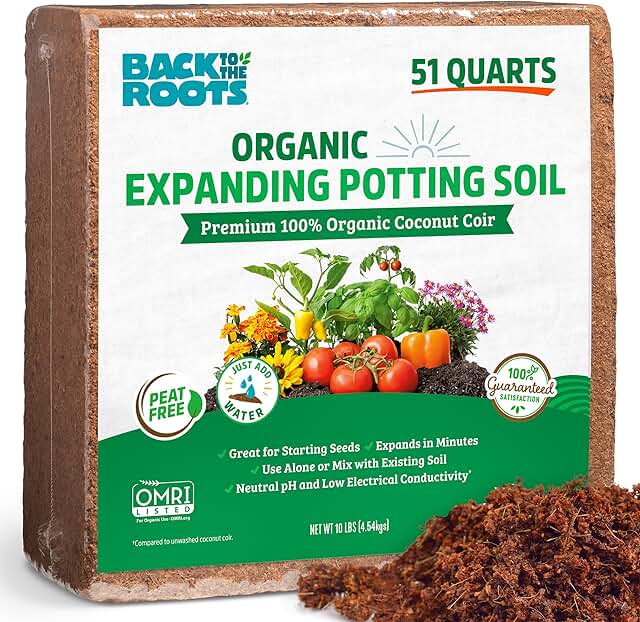
Back to The Roots Organic Coir, 51 Quart Expanding Soil, Great for Seeds…

Miracle-Gro Sphagnum Peat Moss – Enriched with Plant Food, Add to Pottin…

PVP Industries Organic Coarse Perlite for Planting and Garden Soil, 120 …
5. Vermiculite: The Moisture Retainer

Vermiculite is a lightweight mineral that excels in moisture retention, making it an excellent choice for seedlings and young plants needing consistent hydration. Its absorbent nature not only retains water but also improves aeration, creating a balanced environment for plant growth.
Like perlite, vermiculite is often most effective when mixed with other mediums. This combination helps to maintain an ideal moisture balance while allowing roots to breathe.
Tips for using vermiculite:
– Combine with other substrates for best results.
– Regularly monitor moisture levels, especially in heat.
– Choose particle size wisely to avoid compaction.
If you want a medium that keeps your plants hydrated and healthy, vermiculite is certainly worth considering for your hydroponic setup.
You might also like
Key Trade-offs & Our Top Pick
When choosing a hydroponic growing medium, it’s essential to consider the pros and cons of each option. Here’s a breakdown of three popular choices that many urban gardeners rely on.
1. Rockwool
– Pros:
– Excellent water retention and aeration.
– pH neutral, making it easy to use with various nutrients.
– Lightweight and easy to handle during planting.
– Cons:
– Not biodegradable, leading to environmental concerns.
– Can be irritating to the skin and lungs if handled improperly.
– Not suitable for outdoor use due to its moisture retention.
– Best for: Beginners looking for a straightforward medium with consistent results in indoor hydroponic gardening.
2. Coconut Coir
– Pros:
– Eco-friendly and sustainably sourced.
– Great moisture retention while allowing for good aeration.
– Naturally resistant to pests and diseases.
– Cons:
– Can have a high salt content, requiring thorough rinsing before use.
– Breaks down faster than some other mediums, potentially needing replacement sooner.
– May compact over time, reducing aeration.
– Best for: Gardeners who prioritize sustainability and want a medium that supports healthy root growth.
3. Clay Pellets
– Pros:
– Reusable and lightweight, making them easy to work with.
– Provide excellent drainage and aeration for plants.
– Naturally pH neutral and won’t affect nutrient levels.
– Cons:
– Poor moisture retention on their own, often requiring a combination with other mediums.
– Can be somewhat expensive compared to other options.
– Heavy when wet, which can be cumbersome in larger systems.
– Best for: Those who want a versatile medium that can be mixed with others to create the ideal growing environment.
Expert Recommendation:
Best Overall: Coconut Coir
Coconut coir emerges as our top pick due to its balance of sustainability, excellent moisture retention, and a friendly ecosystem for roots. It’s versatile enough to accommodate various plants while supporting eco-conscious gardening. The initial rinsing might take some time, but the long-term benefits in growth and health outweigh this minor inconvenience.
Why We Picked This:
Different gardeners may have varying needs. If you prefer something easier to use, rockwool might be your go-to. On the other hand, if you’re looking for a medium that offers reusability, clay pellets could fit the bill. It’s all about finding the right match for your hydroponic growing system. Each medium has its strengths and weaknesses, so choose one that aligns with your gardening style and goals.
Vermiculite: The Moisture Retainer
Editor’s Choice

Back to the Roots 100% Organic Vermiculite | Made in the USA | Premium N…
PVP Industries Organic Coarse Perlite for Planting and Garden Soil, 120 …
6. Peat Moss: The Traditional Medium

Peat moss has long been a staple in gardening, known for its impressive moisture retention and ability to slightly acidify the growing environment. While it provides excellent conditions for many plants, sustainability concerns arise from its harvesting methods.
To use peat moss effectively, it’s smart to mix it with other mediums to enhance drainage and aeration. This balance prevents root suffocation and promotes healthy growth.
Key tips for using peat moss:
– Mix with perlite or vermiculite for better drainage.
– Keep it well-moistened before planting to avoid dry spots.
– Consider environmental impacts when using this medium.
Peat moss can create a rich growing environment, but using it responsibly ensures a sustainable approach to hydroponics.
Peat Moss: The Traditional Medium
Editor’s Choice

Legigo Pack of 10 Organic Coco Coir Bricks- 100% Natural Compressed Coco…
Back to the Roots 100% Organic Perlite | Made in the USA | Premium Nutri…

Espoma Organic Peat Moss; All-Natural Horticultural Grade Sphagnum Peat …
7. Hydrogel: The Water-Saving Choice

Hydrogels are an innovative approach to hydroponics, specifically designed to absorb and hold water. These synthetic polymers can retain many times their weight in water, releasing it gradually to plant roots as needed.
By mixing hydrogels with other growing mediums, you can create a balanced environment while reducing the frequency of watering. This is especially helpful for busy gardeners or those new to the hobby.
Tips for using hydrogels:
– Mix well with your chosen medium for moisture retention.
– Monitor watering needs closely, especially initially.
– Select the right hydrogel type for your plants.
Hydrogels offer a modern solution for conserving water and simplifying maintenance in hydroponic gardening.
Hydrogels can hold hundreds of times their weight in water. In a hydroponic growing medium guide, this means you can cut watering frequency and keep roots hydrated—perfect for busy urban gardens.
Hydrogel: The Water-Saving Choice
Editor’s Choice

Miracle-Gro Water Storing Crystals – Soil Moisture Retention Crystals fo…
8. Straw Bales: The Organic Alternative

Straw bales may seem unconventional, but they provide an excellent organic option for hydroponic gardening. Straw is biodegradable and retains moisture while promoting airflow, making it ideal for larger plants like tomatoes and cucumbers.
Using straw bales contributes to sustainable gardening practices, as they decompose and enrich the soil over time. Just ensure the straw is free from pesticides to keep your plants safe.
Helpful tips for using straw bales:
– Pre-soak bales to kickstart decomposition.
– Monitor moisture to maintain hydration.
– Combine with other mediums for balance.
Straw bales can enhance traditional gardening methods, adding a natural touch to your hydroponic garden.
Fun fact: The hydroponic growing medium guide notes that straw bales can retain moisture for about 5–7 days between waterings, depending on climate. They also promote airflow, helping roots stay healthy in compact urban spaces. With pre-soak and pesticide-free straw, you can grow big plants using a simple hydroponic setup.
You Might Also Like
Straw Bales: The Organic Alternative
Editor’s Choice

XLUX Long Probe Deep Use Soil Moisture Meter, Water Monitor Indicator Se…

HealthiStraw GardenStraw, 3 cu ft (20 lbs) All-Natural Mulch for Gardens…
9. Combination Mediums: Customizing Your Garden

For hydroponic gardeners, creating a blend of different mediums can yield the best growing conditions. By mixing materials like coconut coir, perlite, and vermiculite, you can tailor your environment to meet your plants’ specific needs.
This approach helps balance moisture retention, aeration, and nutrient availability, leading to optimal growth. Experimenting with various combinations allows you to discover what works best for your plants over time.
Tips for creating combination mediums:
– Test different ratios to find the ideal mix.
– Keep records of your blends and plant performance.
– Be aware of each component’s characteristics for compatibility.
Crafting your unique medium can enhance your hydroponic gardening experience, making it as successful as possible.
Combination Mediums: Customizing Your Garden
Editor’s Choice
Legigo Pack of 10 Organic Coco Coir Bricks- 100% Natural Compressed Coco…

Back to the Roots 100% Organic Perlite | Made in the USA | Premium Nutri…
Back to the Roots 100% Organic Vermiculite | Made in the USA | Premium N…
Conclusion

Choosing the right hydroponic growing medium is essential for thriving plants and a successful gardening experience. From classic rockwool to innovative hydrogels, each medium offers unique benefits tailored to different plant needs.
By understanding the characteristics and advantages of each option, you can create a customized indoor hydroponic garden that flourishes in small spaces. Experimentation is key, so don’t hesitate to mix and match mediums for the best results. Happy gardening!
Note: We aim to provide accurate product links, but some may occasionally expire or become unavailable. If this happens, please search directly on Amazon for the product or a suitable alternative.
This post contains Amazon affiliate links, meaning we may earn a small commission if you purchase through our links, at no extra cost to you.
Frequently Asked Questions
Question: What is the best growing medium for hydroponics in a small urban setup?
Answer: For a small urban setup, the best hydroponic growing medium depends on your system and budget. As outlined in this hydroponic growing medium guide, LECA (expanded clay pellets) is a top pick because it’s inert, reusable, and provides solid drainage for most hydroponic growing systems.
If you’re on a tighter budget or want a natural option, coco coir is affordable and retains moisture well. For seed starting or some systems, you can use rockwool plugs or a perlite-vermiculite mix. Choose the option that matches your space, plants, and maintenance preferences.
Question: How should I choose a hydroponic growing medium for my specific system (DWC, NFT, ebb-and-flow)?
Answer: Start with your system type—DWC, NFT, or ebb-and-flow—and rate media by water retention, drainage, and root aeration. For DWC, LECA or simple rockwool plugs are common because they keep roots well-oxygenated while staying stable.
For NFT, choose media with excellent drainage like a perlite-based mix to prevent root clogging.
For ebb-and-flow, you might prefer a balanced mix such as coco coir or rockwool that won’t compact. The key is to ensure the medium supports consistent moisture without starving roots of oxygen.
Question: Can I reuse hydroponic growing media, and how do I clean and sterilize them for reuse?
Answer: Reuseability depends on the media. Inert media like LECA is highly reusable after thorough cleaning. Rinse, soak to remove salts, then sanitize with a mild hydrogen peroxide solution or a dilute bleach bath, and rinse again before reuse.
Organic or fibrous media like coco coir or rockwool are harder to sterilize and may deteriorate after multiple cycles, so many growers replace them rather than sterilize. Always inspect roots and signs of decay and avoid cross-contamination by separating used media by plant type.
Question: What media are best for indoor hydroponic gardening of leafy greens and herbs, and why?
Answer: For indoor hydroponic gardening with leafy greens and herbs, look for media that balance moisture retention with good aeration and easy handling. A common choice is coco coir for its water-holding capacity and natural cation exchange, paired with nutrient-rich feeds.
LECA is excellent if you want low-maintenance, reusable media that keeps roots well-aerated in compact spaces. For starter plugs or seedling growth, rockwool can be convenient. In this hydroponic growing medium guide, you’ll see how each option affects root health, harvest speed, and space efficiency in urban, indoor setups.
Question: What are the common mistakes to avoid when picking a hydroponic growing medium for a small-space setup?
Answer: Common mistakes include picking media based on price alone, ignoring how the medium affects drainage and root oxygen, and not matching the medium to your specific system (DWC, NFT, or ebb-and-flow). Avoid media that compact or are too heavy if space is tight, and skip non-reusable options if you want long-term cost savings. Don’t neglect sanitation—pre-rinse media before use, and monitor pH and EC to catch issues early. With careful selection, your compact system can thrive in an indoor hydroponic gardening space.
Related Topics
hydroponic gardening
urban gardening
growing medium guide
indoor gardening
small space gardening
hydroponic systems
beginner tips
best growing mediums
types of hydroponics
easy hydroponics
sustainable gardening