
Growing sunflowers from seed has me daydreaming about those tall, golden blooms swaying in the summer breeze. There’s something magical about watching a tiny seed transform into a striking flower that can brighten up any space. If you’re an urban gardener looking to add a touch of nature to your small yard or balcony, this post is just for you.
You’ll discover seven tips that will make your sunflower-growing journey not only successful but also enjoyable. From selecting the right seeds to ensuring optimal growing conditions, I’ve gathered practical advice that even beginners can easily implement. By the end of this guide, you’ll be equipped with the knowledge to cultivate stunning sunflowers that turn heads and bring joy to your urban oasis.
Let’s dive into the world of sunflowers and get you ready for a season filled with bright, cheerful blooms!
Key Takeaways
– Understand the importance of selecting the right seeds for your space to ensure optimal growth and bloom size.
– Prepare the best soil for sunflowers with the right nutrients to support tall, healthy plants.
– Timing is key; learn the ideal planting times to maximize your sunflower’s growth potential.
– Watering wisely can make a big difference; knowing when and how much to water your plants will help them thrive.
– Monitor sunflower growing conditions, including sunlight and temperature, to create a flourishing environment for your sunflowers.
1. Choose the Right Seeds for Your Space

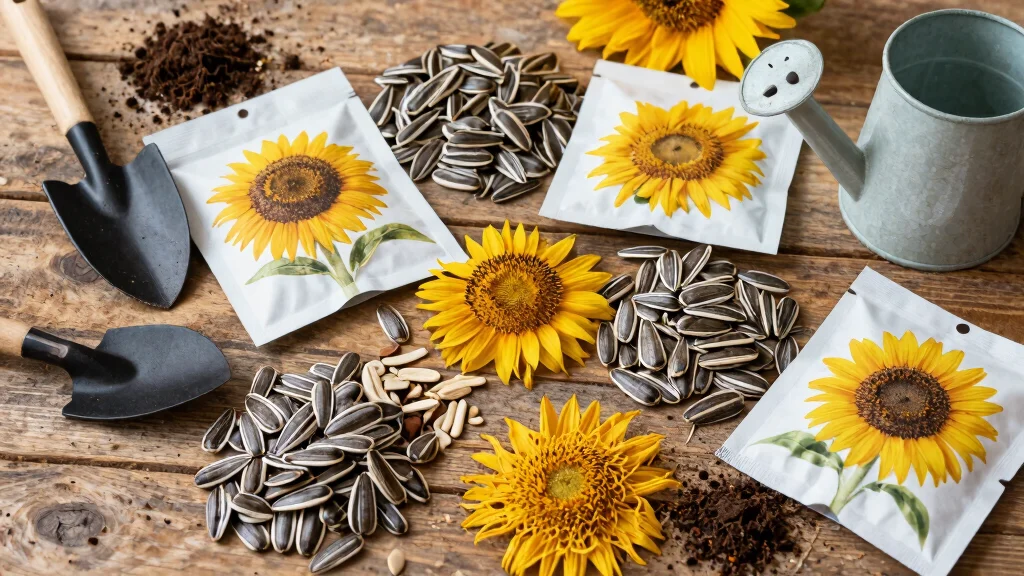
Finding the perfect sunflower seeds is the first step toward a vibrant garden. Different varieties cater to different spaces, making it essential to choose wisely. For small areas, consider compact types like ‘Sunspot’ or ‘Teddy Bear’, which reach only 1-3 feet tall. These charming sunflowers are ideal for pots and smaller gardens, and selecting seeds suited for your climate ensures they flourish beautifully.
Start by exploring local gardening shops or online retailers to find the best options. Look for seeds that are organic and untreated to promote a healthier ecosystem. Don’t hesitate to mix colors and sizes for a stunning visual impact in your garden.
Key considerations for selecting seeds:
– Research urban-friendly varieties that fit your space.
– Match seeds to your local climate for better growth.
– Choose organic seeds to encourage biodiversity.
– Experiment with different colors and heights for variety.
Choosing the right seeds sets the foundation for your sunflower success. You’ll enjoy a colorful display that brightens your space throughout the season.
Fun fact: Compact sunflowers like Sunspot reach only 1-3 feet tall, making them perfect for pots. In small spaces, choosing seeds tailored for your climate can boost blooms and success in growing sunflowers from seed by up to 40%.
Choose the Right Seeds for Your Space
Editor’s Choice

Seed Needs Dwarf Sunspot Sunflower Seeds for Planting Short Yellow Sunfl…

2. Prepare the Best Soil for Sunflowers

Great sunflowers start with great soil! The right soil mix ensures your sunflowers thrive and reach their full potential. Aim for well-draining soil with a pH of 6.0 to 7.5, combining potting soil, compost, and sand for the best results. Compost enriches the soil and boosts drainage, vital for sunflower roots as they grow.
If you’re planting in pots, choose a quality potting mix that provides essential nutrients. Regularly check your soil’s moisture to find the right balance—sunflowers love water but don’t thrive in soggy conditions. Consider adding mulch on top to keep moisture locked in.
Steps for preparing your soil:
– Mix slow-release fertilizer for lasting nutrients.
– Add perlite or coarse sand to improve drainage.
– Monitor moisture levels to avoid overwatering.
– Layer mulch to conserve moisture and prevent weeds.
Preparing the right soil elevates your sunflowers’ growth. You’ll see strong, healthy plants that burst with color as they bloom.
Fun fact: For growing sunflowers from seed, the best soil is well-draining and mildly acidic to neutral (pH 6.0–7.5). Mix potting soil, compost, and sand to boost drainage and feed roots. Keep soil moisture steady in pots for tall, stunning blooms.
📹 Related Video: Building Healthy Garden Soil Improvement with Mini Blooming Sunflowers Gardening 101
Prepare the Best Soil for Sunflowers
Editor’s Choice

Pure Original Ingredients Potting & Garden Sand (2 lb) Add to Planters &…

Burpee, 9 Quarts | Premium Organic Potting Natural Soil Mix Food Ideal f…

Michigan Peat Compost and Manure Blend, Garden Magic Mix with Odor-Free …
3. Timing is Everything

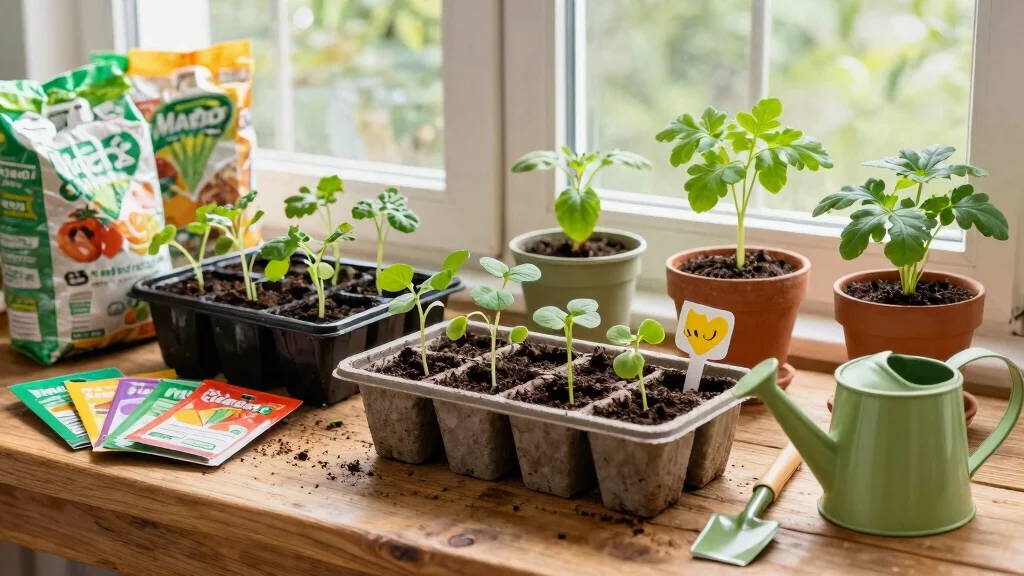
Getting your planting timing right is crucial for beautiful sunflowers. Wait until after the last frost in your area to sow seeds, as they thrive in warmth. In urban settings, consider starting seeds indoors for a head start before moving them outside. This strategy maximizes their growth potential! Keep an eye on soil temperature; ideal conditions are between 70 and 85 degrees Fahrenheit.
For continuous blooms, plant seeds every two weeks. If starting indoors, use seedling trays for easier transplantation. Stay informed about the weather to protect young plants from unexpected frosts. Don’t forget to mark your planting dates for easy tracking!
Tips for perfect timing:
– Plant seeds after the last frost for best results.
– Use seedling trays for indoor starts and smooth transitions.
– Monitor weather forecasts for frost warnings.
– Set calendar reminders for planting schedules.
Getting the timing right leads to flourishing sunflowers all season long. You’ll enjoy a gradual display of blooms, enhancing your garden’s beauty.
Timing is Everything
Editor’s Choice

4-in-1 Soil Moisture Meter Digital PH Meter/Soil Moisture/Plant Temperat…

Burpee SuperSeed Seed Starting Tray | 36 Cell Reusable Seed Starter Tray…

GooingTop LED Grow Light,6000K Full Spectrum Clip Plant Growing Lamp wit…
4. Watering Wisely

Watering sunflowers effectively is key to their health and growth. These plants thrive with consistent moisture but are prone to root rot if overwatered. A simple rule is to water deeply once a week, allowing the soil to dry out a bit between sessions. Using a watering can with a spout directs water to the base and keeps leaves dry, reducing disease risks.
During hot summer months, adjust your routine to compensate for quicker drying, especially in pots. Morning or late afternoon watering minimizes evaporation and maximizes absorption. Consider adding mulch around the base to help retain moisture and suppress weeds.
Watering tips to remember:
– Water in the early morning or late afternoon.
– Set up drip irrigation for multiple pots.
– Watch for droopy leaves as signs of thirst.
– Apply mulch to retain soil moisture.
Effective watering ensures your sunflowers stay hydrated and healthy. You’ll witness stunning growth and vibrant blooms as a result.
You might also like
Watering Wisely
Editor’s Choice

XLUX Long Probe Deep Use Soil Moisture Meter, Water Monitor Indicator Se…

PMU 2 Gallon Watering Can – Garden Watering Can for Indoor & Outdoor Pla…

Gardening Log Book and Planner: Monthly Garden Planting Journal and Orga…
5. Monitor Sunflower Growing Conditions

While sunflowers are low-maintenance, monitoring their growing conditions is essential for stunning blooms. They love full sun, so place them where they can soak up at least six to eight hours of direct sunlight each day. Protect them from strong winds, which can damage tall stems, especially in elevated urban areas. Regular pest checks are crucial; look for aphids or caterpillars that could harm your plants.
Use a gentle spray of water to deter pests without chemicals. Staking or using trellises for taller varieties offers added support and stability. Keep a record of growing conditions to improve your approach each season.
Steps for monitoring conditions:
– Ensure they receive adequate sunlight each day.
– Use stakes for support in windy areas.
– Rotate planting locations to maintain soil health.
– Document conditions to refine your gardening strategy.
Monitoring conditions leads to healthier sunflowers and a more vibrant garden. You’ll enjoy a display of beautiful blooms that brighten your outdoor space.
“Growing sunflowers from seed? Nurture them with full sun—six to eight hours daily—and steady staking in windy spots. Regular pest checks and a gentle water spray beat chemicals, helping tall, stunning blooms thrive in tight urban spaces.”
Monitor Sunflower Growing Conditions
Editor’s Choice

Kate’s Home & Garden Peppermint Oil Spray for Bugs, Ants, Insects, Spide…

Plant Stakes 17inch &11inch SupKing Adjustable Length Plant Support Stak…
6. Caring for Tall Sunflowers

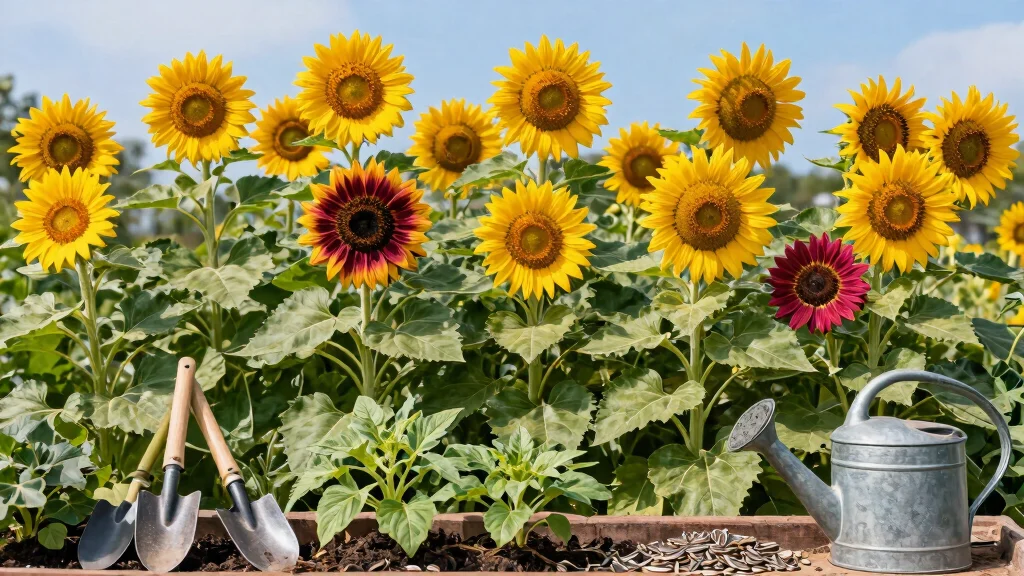
Tall sunflowers can be spectacular, but they require special care. As they grow, providing support for their stems becomes vital, especially in windy areas. Use bamboo stakes or sturdy wire to keep them upright. Regularly check for yellowing leaves, which indicate potential nutrient issues or pest problems. Deadheading spent flowers encourages more blooms and attracts pollinators.
Monitor for growth irregularities, too, as they can signal a need for adjustments in your care routine. Using organic fertilizers helps maintain soil health, while trimming dead foliage improves air circulation around your plants. Make sure to space plants adequately to promote healthy growth.
Key care tips for tall sunflowers:
– Support stems with bamboo stakes or wire.
– Trim dead flowers for air circulation.
– Maintain proper spacing to encourage growth.
– Check for pests regularly during blooming.
Caring for tall sunflowers ensures they reach their potential. You’ll enjoy a breathtaking display that enhances your garden’s beauty.
You Might Also Like
How To Choose The Right Seeds for Growing Sunflowers From Seed
When you’re ready to grow sunflowers from seed, picking the right seeds is crucial for your success. Here are some tips to guide you:
1. Variety Matters
Sunflowers come in several varieties. Choose between tall giants or shorter ones, depending on your space. For urban gardening, dwarf varieties like “Sunspot” are perfect for smaller areas. Consider your desired height and flower size when selecting.
2. Look for Heirloom Seeds
Heirloom seeds are often more flavorful and robust. They adapt well to their environment, which can lead to better growth. Plus, you can save seeds for next year! This way, you’ll have a continuous supply of sunflowers in your garden.
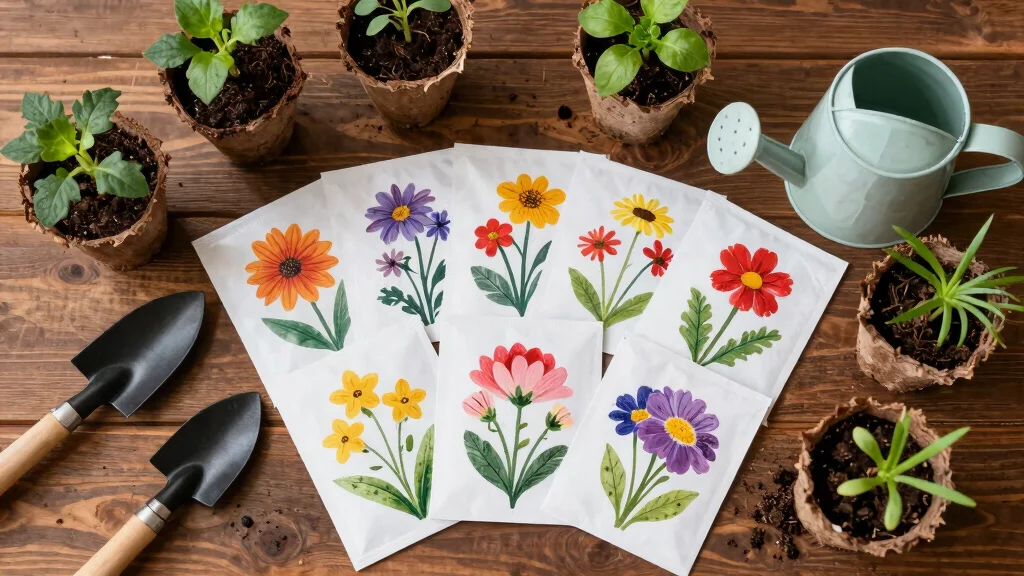
3. Check the Seed Packet
Before purchasing, read the seed packet carefully. Look for details on germination rates and growth times. High germination rates mean more successful plants. You might also want to check if the seeds are organic, ensuring no harmful chemicals are used.
4. Consider Your Climate
Sunflowers thrive in warm weather and full sunlight. Check if the seeds you choose are suitable for your local climate. Some varieties perform better in cooler areas, while others need heat. Pick ones that match the conditions of your urban garden.
5. Size and Space Requirements
Think about how much space you have for your sunflowers. If you’re in a tight spot, go for space-efficient types. Tall sunflowers need room to grow, while smaller varieties fit nicely in pots or narrow garden beds. Make sure your choice aligns with your available space.
6. Read Reviews and Recommendations
Look online for reviews or ask fellow gardeners about their experiences with certain sunflower seeds. Recommendations can help you find the best options. You can also check local gardening clubs or community gardens for insight into what works best in your area.
Pro Tip: Choose a mix of sunflower varieties for a stunning display. This adds visual interest and extends your flowering season. Planting different types ensures blooms at various heights and colors, making your garden more vibrant. 🌻
Caring for Tall Sunflowers
Editor’s Choice

Plant Stakes,4FT Longer Sturdy Natural Bamboo Garden Stakes,GAGINANG 25P…

Burpee Natural Purpose Granular 4-Lb Organic Food for Growing Strong Pla…
7. Harvesting Seeds for Next Season

Once your sunflowers bloom fully, it’s time to think about harvesting seeds for next year. Wait until the backs of the flower heads turn brown and dry before cutting them off. Store them in a cool, dry place to allow them to dry further before placing them in airtight containers. Save a variety of seeds for diverse colors and sizes in your garden next season, which is a cost-effective way to continue your gardening journey!
Label your containers to keep track of different varieties, and store seeds in a temperature-controlled space to prolong their viability. Sharing extra seeds with friends or community gardens can foster connections and community spirit.
Steps to harvest seeds:
– Cut flower heads when they turn brown and dry.
– Store seeds in a cool, dry area for drying.
– Label containers for easy identification.
– Share seeds with others to spread the joy of gardening.
Harvesting seeds allows you to nurture your passion for gardening. You’ll prepare for a bountiful display of sunflowers next season, celebrating your efforts and growth.
Harvesting Seeds for Next Season
Editor’s Choice

KINGLAKE 100 Pcs 6 x10cm Plastic Plant T-Type Tags Nursery Garden Labels

140 Slots Seed Storage Organizer Box with 20 Envelopes, Large Capacity S…

6 PCS Mini Seed Spreader, Sowing Seed Dispenser with 5 Speeds, Sowing He…
Conclusion

Growing sunflowers from seed can be a simple and rewarding experience, even in small urban spaces. By following these tips, you’ll be well on your way to enjoying tall, stunning blooms that brighten your environment and attract delightful pollinators. Remember, each step in the process brings you closer to creating your own sunny oasis. So grab those seeds, roll up your sleeves, and start your sunflower journey this season!
Note: We aim to provide accurate product links, but some may occasionally expire or become unavailable. If this happens, please search directly on Amazon for the product or a suitable alternative.
This post contains Amazon affiliate links, meaning we may earn a small commission if you purchase through our links, at no extra cost to you.
Frequently Asked Questions
What are the best steps to grow sunflowers from seed in a small urban space and still achieve tall, stunning blooms?
Growing sunflowers from seed in a small urban space is totally doable. Start by selecting a tall or mid-height variety that fits your container, and focus on sunflower growing conditions that promote strong, straight stems. In urban spaces, plant into deep pots or raised beds to give roots room, and use a light, well-drained soil enriched with compost, the best soil for sunflowers. Plant the seeds about 1-2 inches deep and space them 6-12 inches apart in pots; thin later to one strong seedling per pot. Water consistently to keep the soil evenly moist but not waterlogged, and as plants grow, stake them early with bamboo or garden stakes to prevent wind damage. Feed with a balanced fertilizer early in growth, but avoid heavy nitrogen to keep stems sturdy. With a little care, you can enjoy tall, stunning blooms even in a small space.
What is the ideal soil and growing conditions for sunflowers started from seed in urban environments?
Ideal soil and growing conditions for urban sunflowers started from seed include full sun (6-8 hours per day), well-drained soil with plenty of organic matter, and a pH around 6.0 to 7.5. Use a loamy soil enriched with compost, which helps provide the nutrients sunflowers need and aligns with the best soil for sunflowers. In urban spaces, avoid heavy clay that stays soggy; raised beds or large containers can improve drainage and soil quality and support the sunflower growing conditions needed for tall blooms. Keep the soil evenly moist as seeds germinate and seedlings establish, then gradually reduce watering as plants mature.
How should I plant sunflower seeds and care for tall sunflowers to prevent flopping, especially in windy city spaces?
To prevent flopping, space plants properly and give them sturdy support. Plant seeds 6-12 inches apart (or thin to one per pot) to give stems room to strengthen. Water at the base to keep foliage dry and reduce fungal issues. Stake early with a bamboo stake or stake system to support tall stems in wind; consider using a light trellis for extra stability. Use a balanced fertilizer early to encourage steady growth but avoid overfeeding to prevent top-heavy growth. This approach covers caring for tall sunflowers and demonstrates solid sunflower growing conditions.
Can I grow sunflowers from seed in containers, and what size pots and supports do they need to stay tall?
Yes you can grow sunflowers from seed in containers and still achieve tall, strong stems. Choose a pot at least 12-18 inches in diameter and 12-18 inches deep to give roots space. Fill with a well-drained, nutrient-rich soil mix aligned with the best soil for sunflowers. Place in full sun and water regularly to keep soil evenly moist. For tall varieties, stake early with a sturdy support like a bamboo stake or a tomato cage, and rotate the pot occasionally to encourage even growth. With the right container setup, you’ll still get dramatic height and vibrant blooms—the essence of sunflower growing conditions in compact spaces and sunflower care tips for containers.
What common issues should I watch for when growing sunflowers from seed, and how can I solve them quickly to keep blooms tall and vibrant?
Common issues when growing sunflowers from seed include birds grabbing seeds, aphids, and powdery mildew on crowded leaves. Protect seeds with light netting and remove any early infested leaves. Keep air circulation good and space plants properly to prevent mildew; water at the base to avoid wet leaves. Ensure soil drains well to prevent root rot; if growth looks leggy or stems bend in wind, provide early staking and adjust sun exposure. For ongoing help with sunflower care tips and caring for tall sunflowers, monitor regularly and address problems promptly.
Related Topics
urban gardening
sunflower care tips
planting sunflower seeds
best soil for sunflowers
tall sunflower varieties
sunflower growing conditions
easy gardening
small space gardening
seasonal flowers
beginner friendly
growing sunflowers from seed
sunflower garden design