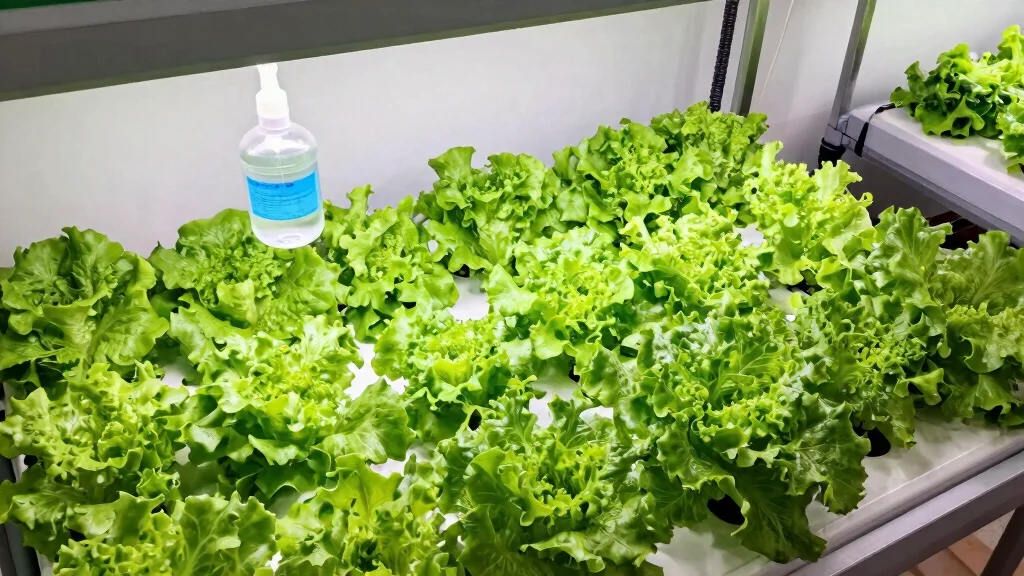
Growing your own food can be a rewarding experience, and if you’re looking to dive into the world of hydroponic gardening, you’re in for a treat! Hydroponically growing lettuce has become a popular choice for both beginners and seasoned gardeners. Why? Because it allows you to enjoy fresh, crisp greens all year round, even if you’re short on space. Whether you have a tiny apartment or just a small balcony, you can grow lettuce with the right tips.
If you’re someone who loves gardening but struggles with outdoor conditions or lacks space, this post is perfect for you. You’ll discover practical tips for cultivating delicious lettuce without soil, giving you the freedom to harvest in days rather than weeks. I’ve gathered eight essential tips that are simple, effective, and designed to help you achieve a fast and abundant leafy harvest. From choosing the right lettuce varieties to maintaining optimal light conditions, these strategies ensure your indoor lettuce farming will thrive.
Get ready to dive into the nitty-gritty of growing lettuce hydroponically! You’ll learn how to set up your hydroponic system, monitor water quality, and keep pests at bay. By the end of this guide, you’ll be equipped with all the knowledge necessary to enjoy lush, home-grown lettuce right from your own space.
Key Takeaways
– Choose the Right Lettuce Varieties: Opt for fast-growing types like Butterhead or Romaine for quicker yields in hydroponic systems. These varieties thrive indoors and are perfect for small spaces.
– Optimize Your Hydroponic System Setup: Ensure you select the right system—like Nutrient Film Technique (NFT) or Deep Water Culture (DWC)—to suit your available space and resources.
– Maintain the Right Nutrient Solution: Regularly check and adjust your nutrient solution to meet the specific needs of your lettuce. This ensures robust growth and vibrant leaves.
– Monitor Water Quality Regularly: Keep an eye on pH and nutrient levels in your water. Clean water is crucial for healthy plant development and can prevent diseases.
– Control Light Conditions: Provide adequate light using LED grow lights or natural sunlight. Adjust the duration and intensity to mimic optimal growing conditions for lettuce.
1. Choose the Right Lettuce Varieties

Are you ready to dive into hydroponic gardening? Selecting the right lettuce varieties can make all the difference in your leafy bounty. Some types, like Butterhead, Romaine, and Leaf lettuce, thrive in hydroponic systems, giving you quick and plentiful harvests.
Butterhead has tender, flavorful leaves that make salads irresistible. Romaine provides that satisfying crunch, perfect for classic Caesar salads. Leaf lettuce offers a vibrant splash of color, brightening up any dish. Try experimenting with these varieties to discover which ones flourish best in your setup!
Choose the Right Lettuce Varieties
Editor’s Choice

Ahopegarden Indoor Garden Hydroponics Growing System: 10 Pods Plant Germ…


GooingTop LED Grow Light,6000K Full Spectrum Clip Plant Growing Lamp wit…

Liquid Plant Food for use in AeroGarden, IDOO and Hydroponic Growing Sys…
2. Optimize Your Hydroponic System Setup
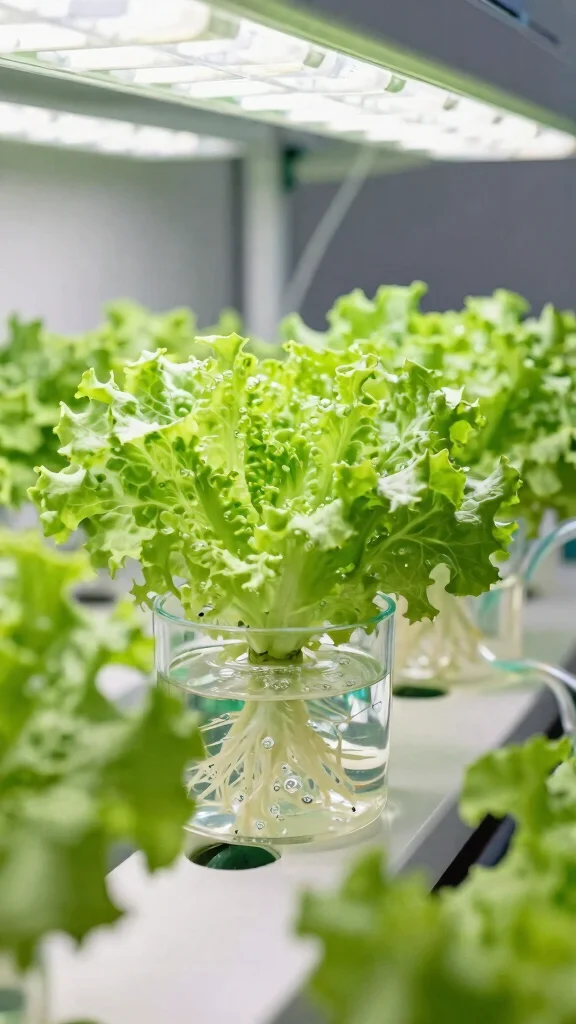
Ready to boost your lettuce growth? The right hydroponic system setup can significantly enhance your results. Start by choosing between popular methods like Deep Water Culture (DWC) and Nutrient Film Technique (NFT). DWC keeps the roots submerged in oxygen-rich nutrient solution, encouraging fast growth, while NFT provides a thin film of nutrients and prevents waterlogging.
Make sure your system has proper lighting since lettuce loves bright conditions. Aim for 12-16 hours of light daily and keep temperatures between 60-70°F (15-21°C). Regularly check for leaks and blockages to maintain a smooth operation. A well-optimized setup leads to healthier plants and a more abundant harvest.
Fun fact: When growing lettuce hydroponically, DWC systems can grow leaves up to 50% faster with oxygen-rich roots. Pair that with 12-16 hours of bright light, and you’ll enjoy abundant, leafy harvests in record time.
How To Choose the Right Lettuce Varieties for Hydroponics
When it comes to growing lettuce hydroponically, the choice of lettuce variety is crucial. Selecting the right type can influence your yield, growth speed, and even taste. Here are some key points to consider when choosing lettuce varieties for your hydroponic garden.
1. Growth Rate
Some lettuce varieties grow faster than others. For example, Butterhead and Looseleaf types tend to mature quicker, often within 30 days. If you’re looking for fast and abundant leafy harvests, opt for these varieties. They allow you to enjoy the fruits of your labor sooner, making them perfect for novice hydroponic gardeners.
2. Space Requirements
Consider how much space you have available for your hydroponic setup. Some lettuce types, like Romaine, need more room to grow, while others, like Mini Butterhead, can thrive in tighter spaces. Make sure to choose varieties that fit comfortably in your hydroponic system without overcrowding.
3. Flavor Profile
Different lettuce varieties offer unique flavor profiles. For instance, Butterhead has a rich, buttery taste, while Crisphead types have a crunchier texture. This is important if you want your hydroponic lettuce to stand out in salads or sandwiches. Consider what will best suit your palate and culinary uses.
4. Disease Resistance
Some lettuce varieties are more resilient to pests and diseases than others. Choosing a disease-resistant variety can save you time and effort in maintaining your crops. Look for varieties that have been bred specifically for resistance to common hydroponic pests like aphids or downy mildew.
5. Temperature Tolerance
Lettuce is a cool-season crop, but some varieties better tolerate temperature fluctuations. If your hydroponic system is indoors, you might want to consider heat-resistant varieties like Butterhead or Romaine. This ensures your plants continue to thrive even if temperatures rise unexpectedly.
6. Harvesting Method
Think about how you plan to harvest your lettuce. Some varieties, like Leaf lettuce, can be cut repeatedly, allowing for multiple harvests. Others, like Head lettuce, grow as a single head and require full removal. Your harvesting method should fit your lifestyle and how often you want to gather your crops.
Pro Tip: Research local hydroponic gardening groups or online forums to see what varieties others have had success with in your region. This can give you valuable insights into the best choices for your specific conditions.
Choosing the right lettuce varieties for your hydroponic setup can significantly impact your success. By considering factors like growth rate, space requirements, flavor, disease resistance, temperature tolerance, and harvesting methods, you can create a thriving indoor lettuce farm that provides fresh greens year-round. Happy growing!
Optimize Your Hydroponic System Setup
Editor’s Choice
Liquid Plant Food for use in AeroGarden, IDOO and Hydroponic Growing Sys…

Ahopegarden Indoor Garden Hydroponics Growing System: 12 Pods Plant Germ…

VEVOR Hydroponic Growing System with Grow Light, 30 Pods Vertical 6 Tier…
3. Maintain the Right Nutrient Solution
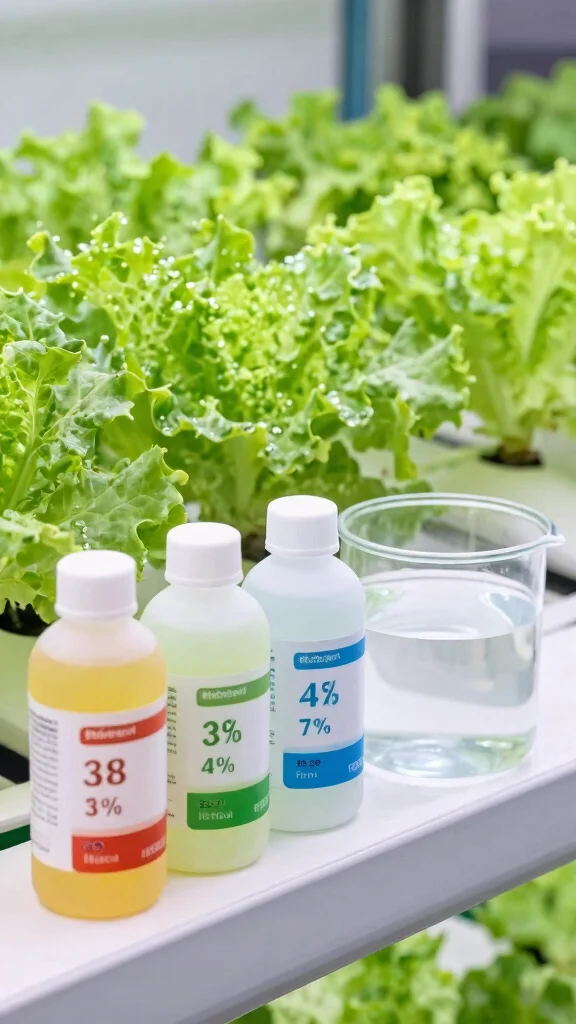
Nurturing your lettuce starts with a balanced nutrient solution. A mix rich in nitrogen, phosphorus, and potassium is essential for vibrant growth. You can purchase specialized hydroponic solutions or create your own using water-soluble fertilizers.
For optimal growth, keep the nutrient concentration between 1,500 to 2,000 µS/cm. Regularly check the pH level, ideally between 5.5 and 6.5, to enhance nutrient absorption. Adjust the nutrient mix based on your lettuce’s growth stage; seedlings have different needs than mature plants. This careful attention will yield lush, flavorful leaves ready for your table.
Maintain the Right Nutrient Solution
Editor’s Choice
Liquid Plant Food for use in AeroGarden, IDOO and Hydroponic Growing Sys…


Miracle-Gro Water Soluble All Purpose Plant Food – Fertilizer For All In…
4. Monitor Water Quality Regularly
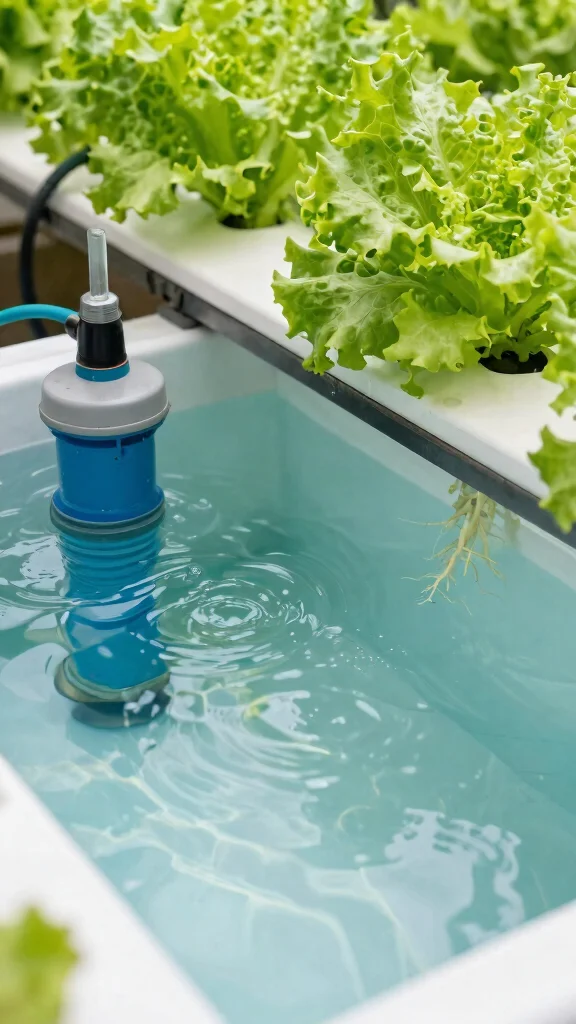
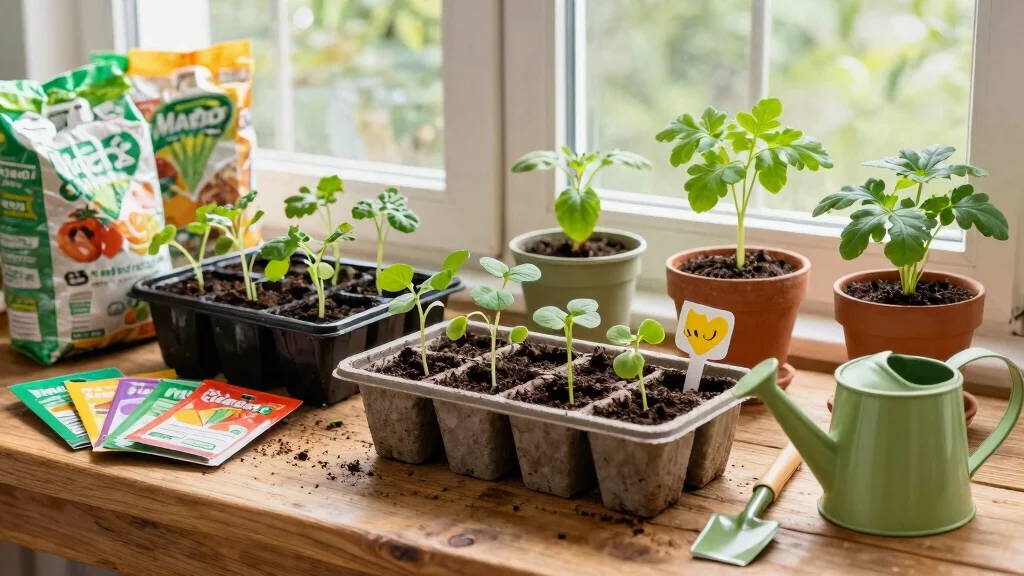
Water quality is key to a thriving hydroponic lettuce garden. Using clean, purified water prevents harmful contaminants from stunting growth. Tap water often contains chlorine, which can be detrimental, so opt for distilled or reverse osmosis water instead.
Keep an eye on the water temperature; lettuce prefers it cool, around 65°F (18°C). Ensure proper aeration to keep the water well-oxygenated for robust root development. If your system lacks aeration, consider adding air stones or pumps. By maintaining high water quality, you create an ideal environment for healthy, flourishing lettuce.
📹 Related Video: RO/DI Water vs Tap Water Hydroponics | Lettuce | EP1
You might also like

Monitor Water Quality Regularly
Editor’s Choice

25 Pack Pump Filter Compatible with AG Garden Filter Sponge Replacement …

BOSCH SP0F000045 Style Line 2″ Mechanical Water/Oil Temperature Gauge (W…

VIVOSUN Air Stone 2PCS 4 x 2 Inch Large Air Stone for Aquarium, Fish Tan…
5. Control Light Conditions
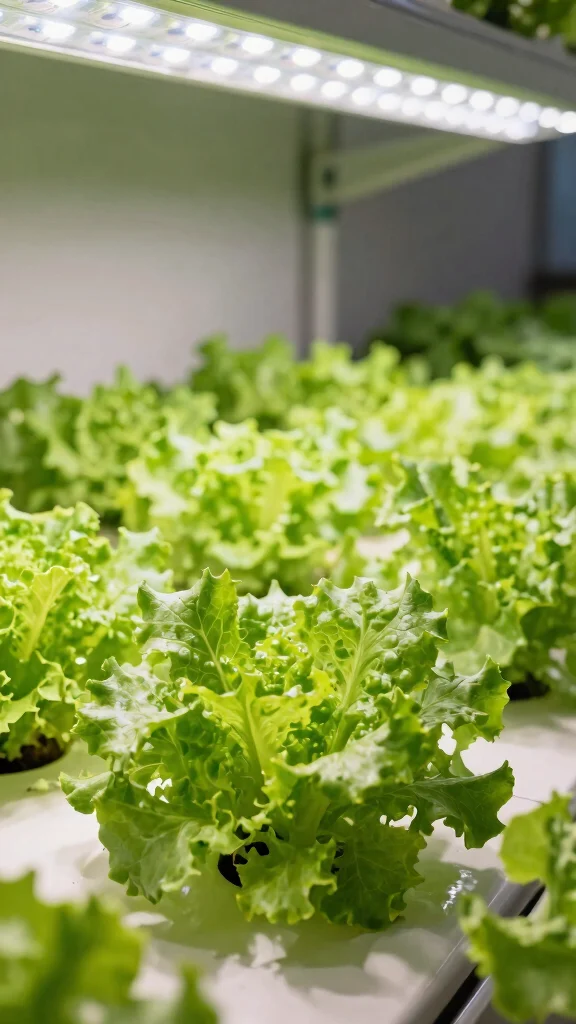
Lighting is crucial for the success of your hydroponic lettuce. Providing adequate light can lead to faster growth and healthier plants. Full-spectrum grow lights that mimic sunlight work best, especially energy-efficient LED lights that won’t overheat your crops.
Position your lights at the right distance to avoid burning while ensuring enough brightness. Aim for 12 to 16 hours of light each day to encourage strong growth and vibrant colors. If your plants lean towards the light, gently rotate them for even growth. By carefully controlling your light conditions, your lettuce will thrive.
Control Light Conditions
Editor’s Choice

Light Meter Digital Illuminance Meter Handheld Ambient Temperature Measu…

BN-LINK 24 Hour Plug-in Mechanical Timer Grounded for Aquarium, Grow Lig…
GooingTop LED Grow Light,6000K Full Spectrum Clip Plant Growing Lamp wit…
6. Keep an Eye on Pests and Diseases

Managing pests and diseases is vital for a successful hydroponic lettuce crop. Regularly check your plants for pests like aphids or whiteflies to catch issues early. If you spot any, natural deterrents like insecticidal soap or neem oil can help.
Good air circulation is also important to prevent fungal diseases. Ensure your setup allows for proper spacing between plants to promote airflow. If any plant shows signs of distress, isolate it to protect the others. By staying vigilant, you can keep your hydroponic lettuce healthy and flourishing.
Fun fact: Aphids can reproduce asexually, doubling their numbers in just 5 days. In growing lettuce hydroponically, that rapid pace means regular checks and quick natural deterrents save your crop.
You Might Also Like
Keep an Eye on Pests and Diseases
Editor’s Choice

VIVOSUN AeroWave A6 Grow Tent Clip Fan, 6″ Auto Oscillating Fan, Secure …

Garden Safe Brand Insecticidal Soap Insect Killer, 32 Fluid Ounces, For …

Pest Rodent Repellent, 24 Pack Peppermint Oil Repellent for Mouse Rats S…
7. Harvest at the Right Time

Harvesting your lettuce at the right time is crucial for peak flavor and texture. Generally, you can expect to harvest lettuce about 30 to 45 days after planting, depending on the variety and growing conditions. Look for crisp, vibrant leaves—avoid overly mature ones, which can taste bitter.
A great tip is to harvest in the morning when your plants are most hydrated and flavorful. Use clean scissors to cut the leaves gently, allowing the plant to continue growing. If you’re growing cut-and-come-again varieties, enjoy multiple harvests from the same plant. Mastering your harvest timing ensures fresh, delicious flavors with every bite.
Did you know lettuce tastes crisper in the morning before the day’s heat? In growing lettuce hydroponically, harvest 30–45 days after planting and snip leaves with clean scissors, so the plant keeps producing its best, vibrant greens.
Harvest at the Right Time
Editor’s Choice

Fiskars Bypass Pruning Shears, 5/8″ Cut Capacity Gardening Scissors, Sel…
Conclusion
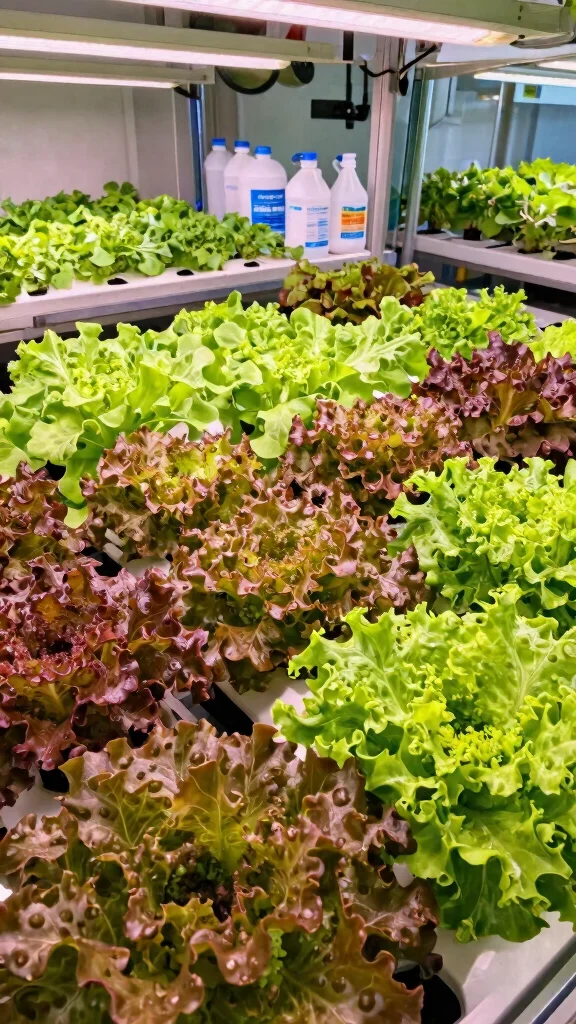
Growing lettuce hydroponically can transform your home into a mini-garden filled with fresh, leafy greens.
With the right techniques and a bit of patience, you can enjoy fast and abundant harvests year-round. Embrace the journey of hydroponic farming, and remember to experiment with different varieties and setups to find what works best for you.
Get started on your hydroponic adventure today – your taste buds will thank you!
Note: We aim to provide accurate product links, but some may occasionally expire or become unavailable. If this happens, please search directly on Amazon for the product or a suitable alternative.
This post contains Amazon affiliate links, meaning we may earn a small commission if you purchase through our links, at no extra cost to you.
Frequently Asked Questions
Which lettuce varieties are best for hydroponics in small spaces?
For small spaces, choose compact, fast-maturing lettuce varieties and baby greens. Look for loose-leaf and mini-head types rather than full-size heads. Examples include Little Gem, Buttercrunch, Red Sails, and Lollo varieties—these stay compact and bulk up quickly in a hydroponic setup. If you see ‘baby leaf’ or ‘mini head’ labels, that’s a good sign for indoor lettuce farming. Use lettuce varieties for hydroponics that are bred for dense growth and fast turnover.
How can I set up a simple hydroponic system for growing lettuce indoors?
To set up a simple hydroponic system for lettuce indoors: pick a setup (NFT, drip, or a compact vertical system) that fits your space. Start with a clean reservoir, a few net pots, a small pump, and an air stone for root oxygen. Use a grow medium like rockwool or coco coir in a net pot. Maintain a nutrient solution at pH 5.5–6.5 and EC 1.2–1.8 for lettuce. Provide bright grow lights for 14–18 hours per day. Keep the room around 65–75°F (18–24°C). Refresh the solution every 1–2 weeks and replace as needed; monitor for biofilm or algae. With a simple setup, you can start harvesting in as little as 3–4 weeks from transplant.
What nutrient solution and feeding schedule work best for growing lettuce hydroponically?
For nutrient solution and feeding schedule: use a complete hydroponic fertilizer formulated for leafy greens. Keep pH 5.5–6.5 and EC 1.2–1.8. Feed at half-strength for seedlings and move to full-strength as plants establish. Top off the reservoir with water and nutrients regularly and replace entirely every 1–2 weeks to prevent salt buildup. Monitor leaf color—pale yellow suggests nitrogen deficiency; burnt leaf tips suggest too high EC. Adjust accordingly.
What practical tips help maximize fast and abundant harvests when growing lettuce hydroponically?
To maximize fast and abundant harvests: choose fast-growing, cut-and-come-again varieties and harvest baby leaves for quicker turnover; provide ample light—14–18 hours a day with bright, full-spectrum LEDs; keep daytime temperatures 65–75°F (18–24°C) and slightly cooler at night; space plants properly and harvest outer leaves first to encourage new growth; maintain clean systems and proper root oxygenation; rotate varieties to reduce disease pressure.
What common mistakes should I avoid when growing lettuce hydroponically and how do I troubleshoot issues?
Common mistakes to avoid: pH drift outside 5.5–6.5, insufficient light, inconsistent nutrient supply, over- or under-watering, crowded roots, algae or disease in the reservoir, dirty tools, and neglecting sanitation. Troubleshooting steps: test and adjust pH, check EC and nutrient levels, ensure the pump and air stone are working, increase light if growth stalls, inspect roots for rot and remove damaged roots, clean the reservoir between changes, and practice good sanitation.
Related Topics
growing lettuce hydroponically
hydroponic gardening tips
indoor lettuce farming
nutrient solution for lettuce
hydroponic system setup
small space gardening
easy hydroponics
fast lettuce growth
hydroponic lettuce varieties
beginner friendly gardening
leafy greens
sustainable gardening