
Growing grass from seed can be a rewarding experience that transforms your yard into a lush green sanctuary. As the seasons change, many of us find ourselves longing for that perfect lawn to enjoy barbecues, family games, or a peaceful retreat. This post was created to help you achieve that dream without breaking the bank. If you’re looking to cultivate a beautiful lawn on a budget, you’re in the right place.
Whether you’re a first-time homeowner or a seasoned gardener, understanding the nuances of grass seed selection, soil preparation, and watering techniques is essential. You might worry about the cost or time involved in achieving that pristine lawn. Don’t fret! I’ve compiled a list of nine essential tips that are not only effective but also budget-friendly. These insights will empower you to create a vibrant lawn that you can be proud of for years to come.
In this article, you’ll discover practical lawn care tips that cover everything from choosing the right type of seed for your climate to mastering watering techniques. You’ll learn how to prepare your soil properly and maintain your lawn sustainably. By the end, you’ll have all the knowledge you need to grow grass from seed and nurture a healthy, beautiful lawn that fits your budget.
Key Takeaways
– Choose the Right Seed: Pick grass seed that thrives in your local climate to ensure successful germination and growth.
– Prepare Your Soil: Proper soil preparation is crucial. Clear debris, aerate, and enrich the soil to create a healthy environment for your grass.
– Master Seeding Techniques: Learn the best methods for evenly distributing seeds to avoid patchy growth and ensure a lush lawn.
– Water Wisely: Implement efficient watering techniques to support seed germination while conserving water and maintaining a budget.
– Patience Pays Off: Understand that growing grass takes time. Be patient and consistent in your care, and soon you’ll enjoy a flourishing lawn.
1. Choose the Right Seed for Your Climate

Finding the perfect grass seed is vital for a vibrant lawn. Different grass types thrive under specific climate conditions, making your choice crucial for success. For instance, if you live in the north, Kentucky Bluegrass is an excellent match, while Bermuda works wonders in southern areas. Knowing your local climate will set you up for a lush, green lawn you can be proud of.
To make the best choice, consider these tips:
– Research Local Conditions: Understand your region’s climate to pick a suitable grass type.
– Sun vs. Shade: Determine how much sunlight your lawn receives; some grasses prefer shade.
– Traffic Tolerance: Choose a durable variety if your lawn sees a lot of foot traffic.
This foundational step ensures your grass flourishes in its environment.
Fun fact: Matching climate boosts growing grass from seed by up to 70%.
In cool regions, Kentucky Bluegrass shines; in warm areas, Bermuda thrives.
Start by researching your local conditions to grow a lush, sustainable lawn.
Choose the Right Seed for Your Climate
Editor’s Choice



Scotts Turf Builder Grass Seed Kentucky Bluegrass Mix – Grass Seed Plus …
2. Prepare Your Soil Like a Pro
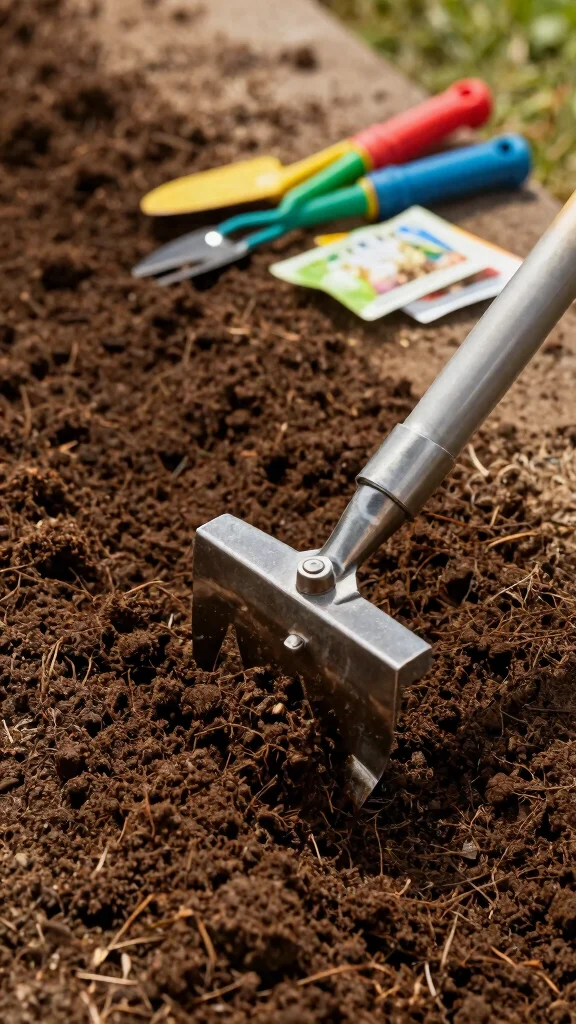
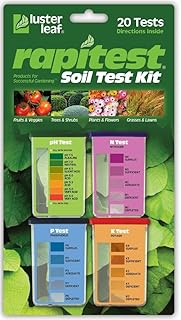
Soil health is critical for a flourishing lawn. Before you plant your seeds, invest time in nurturing the soil! Start by testing the pH level; ideally, it should be between 6.0 and 7.0 for optimal grass growth.
Here’s how to prepare your soil effectively:
– Clear the Area: Eliminate old grass and weeds for a fresh start.
– Loosen the Soil: Aerate using a rake or shovel to enhance drainage.
– Add Nutrients: Mix in organic compost or fertilizers to enrich the soil.
Well-prepared soil promotes faster germination and healthier grass growth.
Fun fact: For growing grass from seed, the sweet spot is soil pH between 6.0 and 7.0. Before you plant, test your soil, then clear, loosen, and feed it—your future lawn will thank you.
Prepare Your Soil Like a Pro
Editor’s Choice

Jardineer Hand Tiller for Gardening, Manual Twist Tiller Cultivator, Hea…

Rapitest Soil Test Kit for Gardens, Vegetables, Flowers and Lawns. USA d…

R&M Organics Premium Organic Compost 10 lb Bag for Vegetables, Flowers, …
3. Master the Art of Seeding
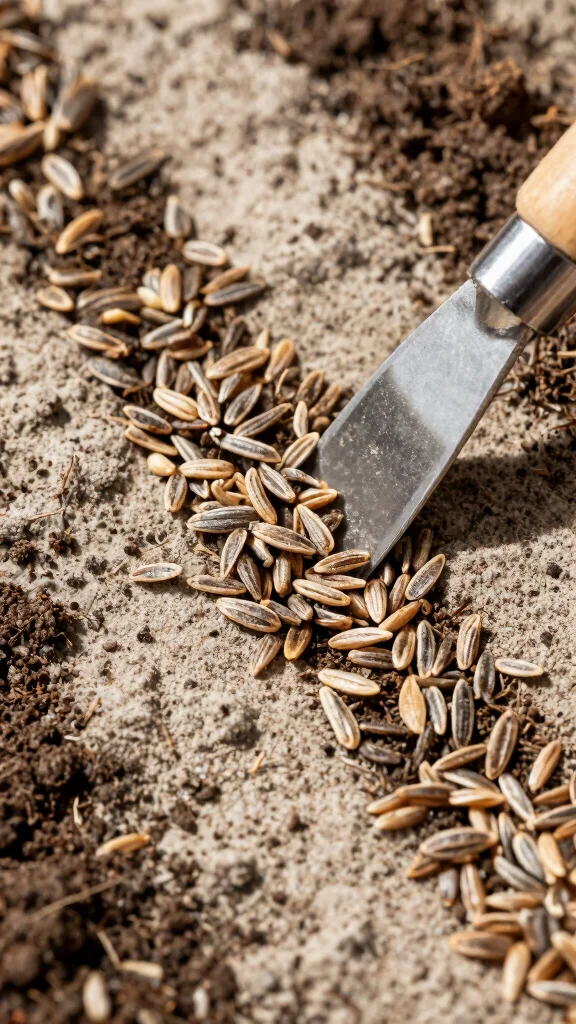
Seeding your lawn requires more than just scattering seeds; it’s all about technique! Proper seeding can significantly affect grass growth. Aim to spread seeds evenly to prevent bare spots or overcrowding.
Consider these effective seeding methods:
– Use a Spreader: For larger areas, a seed spreader ensures uniform seed distribution.
– Double Up: For small patches, use a ‘crisscross’ method for even coverage.
– Cover Lightly: Rake the soil lightly after seeding to retain moisture.
These strategies help every seed sprout into healthy grass.
Fun fact: when growing grass from seed, using a spreader for large areas boosts uniform coverage by up to 30%. Crisscross patches for small spots, then rake lightly to lock in moisture and prevent bare spots.
Master the Art of Seeding
Editor’s Choice

Scotts Turf Builder Grass Seed Sun and Shade Mix – Grass Seed Plus Lawn …

VEVOR Landscape Rake, 36″ Head Aluminum Lake Weed Rake with 75″ Long Han…

Scotts Turf Builder EdgeGuard Mini Broadcast Spreader – Spreader for Law…
4. Water Wisely for Germination
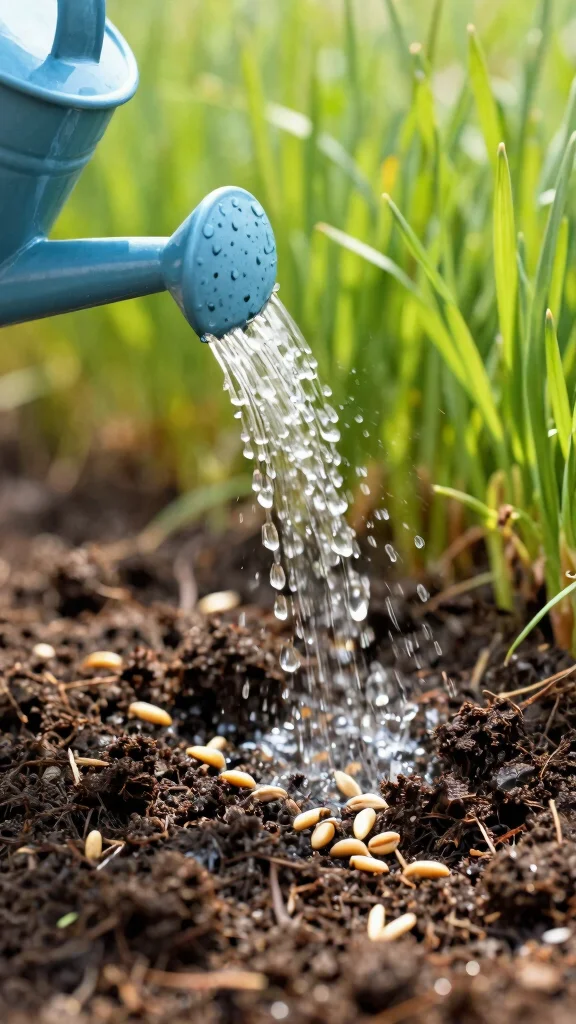
Watering is crucial during the germination phase. Too little moisture can hinder seed growth, while excess water may cause rot. Finding the right balance is essential for success!
Here are some effective watering techniques:
– Initial Soak: Right after planting, soak the area deeply to kickstart germination.
– Frequent Light Watering: In the early weeks, water lightly every day or two to keep the soil moist.
– Avoid Overwatering: As grass matures, reduce the frequency while increasing the amount of water.
This method helps establish strong roots, setting your grass up for long-term health.
Water Wisely for Germination
Editor’s Choice

Chapin 47998 Watering Can, 2 Gallon, Indoor and Outdoor Plants, Lawn, Ga…

Non-Expanding Garden Hose 100 ft, Kink Free Flexible Water Hose with 10-…

XLUX Long Probe Deep Use Soil Moisture Meter, Water Monitor Indicator Se…
5. Keep Weeds at Bay

Weeds can be a nuisance, especially when your grass is trying to establish itself. Keeping them in check is vital for a healthy lawn. Here are some effective ways to manage weeds:
– Mulching: Add a thin layer of mulch to suppress weeds and retain moisture.
– Hand-Pulling: For small patches, hand-pulling is a simple and affordable solution.
– Organic Herbicides: If weeds become a real problem, use organic options that won’t harm your grass.
Taking these proactive steps will give your grass the resources it needs to thrive.
You might also like


How To Choose The Right Seed for Growing Grass From Seed
1. Understand Your Climate
Choosing the right grass seed starts with knowing your local climate. Some grass types thrive in warm areas, while others prefer cooler conditions. Research your hardiness zone to find out which grasses will flourish in your environment. This helps ensure your investment in seeds leads to a lush lawn.
2. Consider Sunlight Exposure
Grass seeds vary in their tolerance to sunlight. Some types, like fescue, do well in shade, while others, like Bermuda grass, need full sun. Observe the sunlight patterns in your yard throughout the day. This will help you pick a seed that matches the light conditions and promotes healthy growth.
3. Assess Soil Conditions
Healthy soil is vital for growing grass from seed. Test your soil’s pH and nutrient levels. If your soil is too acidic or lacks nutrients, you may need to amend it before planting. Look for grass seed that matches your soil type—some grasses prefer sandy soils, while others prefer clay or loamy soil.
4. Decide on Grass Type
Different grass types have distinct characteristics. Cool-season grasses, like Kentucky bluegrass, are perfect for northern climates. Warm-season grasses, such as zoysia or Bermuda, thrive in southern regions. Think about your lawn’s purpose, whether for play, aesthetics, or drought resistance, and choose accordingly.
5. Check Seed Quality
Not all seeds are created equal. Look for seeds with a high germination rate, which indicates the number of seeds expected to sprout. The label should display purity percentages and germination rates. A quality seed bag will be labeled with the “Blue Tag” from your local agricultural department, indicating it meets strict standards.
6. Evaluate Your Budget
Grass seed prices can vary widely based on quality and type. Set a budget before shopping. Sometimes, spending a little more on high-quality seeds pays off in the long run with a healthier, more resilient lawn. Look for bargains, but ensure you’re not sacrificing seed quality for cost.
Pro Tip: Mix different grass types for a resilient lawn! A blend can withstand varying weather conditions better, ensuring that your lawn looks good year-round. This is especially beneficial for areas with fluctuating temperatures or varying sunlight.
Choosing the right seed for growing grass from seed is key to achieving a beautiful lawn on any budget. By understanding your climate, assessing soil conditions, and considering sunlight exposure, you can select a grass type that meets your needs. Remember to check seed quality and balance your budget to maximize your lawn care efforts. Happy planting!
Keep Weeds at Bay
Editor’s Choice

NICOFPHY Weed Puller Tool with Long Handle – 60″ Manual Weeder Remover T…

Natural Elements Weed Killer | Pet Safe, Safe Around Children | Natural …

Back to the Roots 100% Organic Mulch, 58 Quart, Expanding Coconut Husk B…
6. Mow at the Right Time

Mowing is an important aspect of lawn care once your grass is established. Timing your mow is key to maintaining health! Mowing too early stresses young grass, while letting it grow too long can lead to issues.
Here’s how to approach mowing:
– Wait Until it’s Established: Allow grass to reach about 3-4 inches before the first mow.
– Mow High: Set your mower to leave about 2-3 inches of grass for deeper roots.
– Regular Maintenance: Mow regularly, trimming just the top third of grass blades.
This practice not only keeps your lawn looking good but also promotes resilience.
📹 Related Video: When To MOW, WATER, FERTILIZE New Lawns // FIRST MOW on Tall Fescue
Mow at the Right Time
Editor’s Choice

AMERISUN 21-Inch Self-Propelled Gas Lawn Mower for Large Yard, 170cc 4-S…

Manual Edger Lawn Tool and Aerator Set, 2-in-1 Heavy Duty Half Moon Edge…

HD Switch – OEM Upgrade – w/Rigid Arm and Extended Base for Ease of Use …
7. Fertilize When Needed
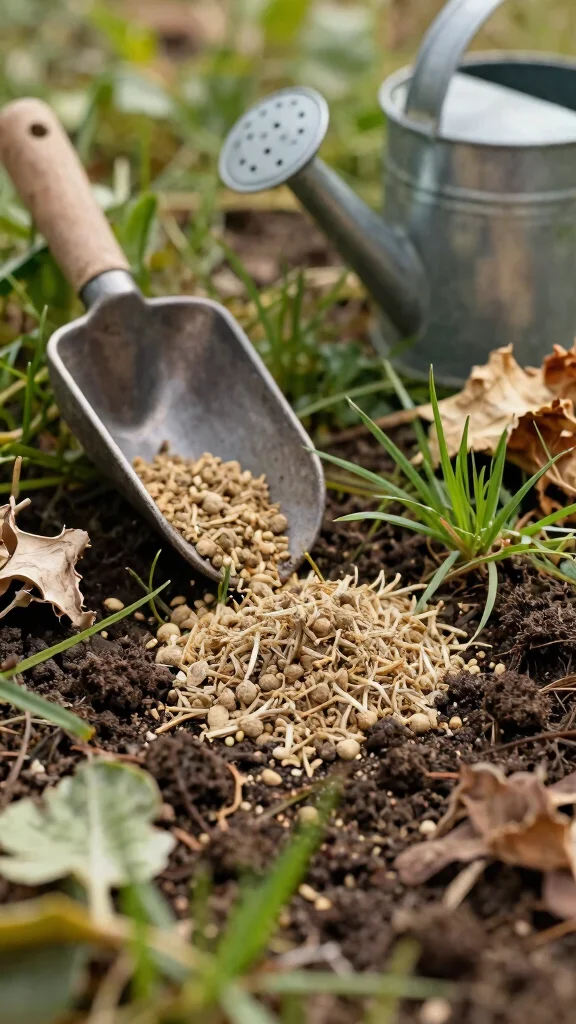
Regular fertilization is essential for a vibrant lawn. Grass, like all plants, needs nutrients to thrive, and the right fertilizers can significantly enhance growth. Here are some key fertilization tips:
– Choose Organic Options: Organic fertilizers are budget-friendly and support healthy growth.
– Timing is Key: Fertilize during the growing season, typically in early spring and late summer.
– Follow the Instructions: Stick to recommended application rates to avoid harming your lawn.
With proper care, your grass will flourish, creating a beautiful landscape for you to enjoy.
Fertilize When Needed
Editor’s Choice

Scotts Natural Lawn Food, Lawn Fertilizer, For All Grass Types, Apply An…
Rapitest Soil Test Kit for Gardens, Vegetables, Flowers and Lawns. USA d…
Scotts Turf Builder EdgeGuard Mini Broadcast Spreader – Spreader for Law…
8. Be Mindful of Weather Conditions

Weather significantly impacts your grass health, so it’s important to stay aware of conditions. Rain, heat, or cold can all affect your new lawn. Here’s how to adapt your care routine:
– Monitor Rainfall: If it rains heavily, cut back on your watering schedule.
– Protect from Heat: During hot spells, provide shade for your seedlings.
– Prepare for Frost: Avoid late planting in fall to give seeds time to establish.
By remaining aware of the weather, you can better care for your lawn, promoting a thriving yard.
You Might Also Like
Be Mindful of Weather Conditions
Editor’s Choice

Ambient Weather WS-2902 WiFi Smart Weather Station

50% Shade Cloth, 6.5x10FT Sun Shade Cover Net Mesh Tarp with Grommets fo…
9. Embrace Patience for Growth
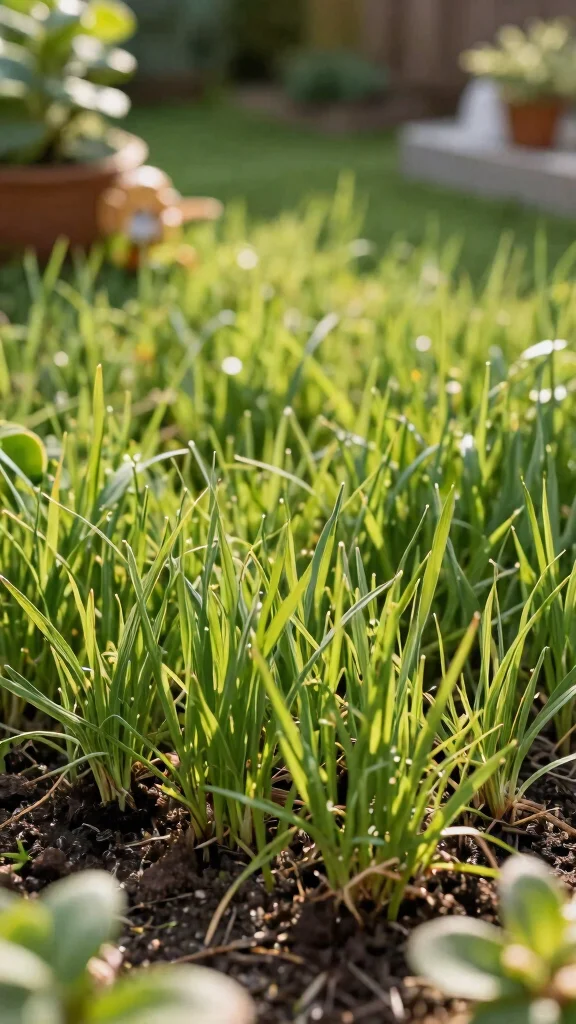
Growing grass from seed requires patience and dedication. It may take weeks to see the first green shoots, but don’t lose hope! This waiting period is crucial for development.
Keep these tips in mind for nurturing growth:
– Observe Progress: Regularly check for signs of growth, like new shoots.
– Celebrate Small Wins: Acknowledge each inch of growth as progress toward your dream lawn!
– Stay Consistent: Follow your watering and care schedule, even when results are slow.
Patience is essential in gardening, and soon you’ll enjoy a beautiful green paradise.
Embrace Patience for Growth
Editor’s Choice

Chapin 1002 Handheld Pump Sprayer, 48oz, Multi‑Purpose, Lawn & Garden,…

Scotts Turf Builder Starter Food for New Grass, 15 lb. – Lawn Fertilizer…

4-in-1 Soil Moisture Meter Digital PH Meter/Soil Moisture/Plant Temperat…
Conclusion

With these nine tips in your gardening toolkit, you’re well on your way to cultivating a beautiful lawn that fits your budget. Each step, from seed selection to consistent care, contributes to a thriving outdoor space that you can be proud of.
So roll up your sleeves, put these tips into practice, and watch your lawn transform into a verdant paradise!
Note: We aim to provide accurate product links, but some may occasionally expire or become unavailable. If this happens, please search directly on Amazon for the product or a suitable alternative.
This post contains Amazon affiliate links, meaning we may earn a small commission if you purchase through our links, at no extra cost to you.
Frequently Asked Questions
What is the best time of year to start growing grass from seed for a healthy lawn on any budget?
Timing matters. In many climates, the prime windows for growing grass from seed are spring and early fall when temperatures are mild and rainfall is reliable. Start with soil preparation: test your soil pH (most grasses thrive around 6.0–7.0), loosen the top 2–3 cm, and amend with compost or lime as needed. Choose a suitable seed selection that’s appropriate for your region, sun exposure, and budget. Sow evenly, lightly cover the seed, and keep the surface consistently moist with small, frequent waterings until germination. Use budget-friendly methods like a simple irrigation schedule or a rain barrel to stay economical in budget-friendly gardening. After sprouts appear, keep soil moist but avoid overwatering to encourage deep roots and a dense stand.
How do I choose the right seed for my lawn and budget?
Start by identifying whether you have cool-season or warm-season conditions and your sun/shade pattern. Look for blends designed for durability, disease resistance, and rapid establishment, with high germination rates as part of seed selection. Check seed labels for purity and germination, and choose varieties that fit your climate to keep costs in check as part of budget-friendly gardening. For growing grass from seed, aim for a balance between seed quality and coverage; buy the amount you need, and consider testing a small area first to refine your approach before committing to a full lawn.
What soil preparation steps are essential before sowing grass seed?
Essential soil preparation starts with a quick soil test to determine pH and nutrient needs. Most lawns perform best at a pH of about 6.0–7.0. Clear debris and gently loosen the topsoil, and improve drainage if needed. Aerate if the soil is compacted, then work in organic matter like compost to boost soil structure. Level the area and remove thick thatch so the seed can contact soil for strong germination. This soil preparation sets up growing grass from seed for success and supports budget-friendly gardening by using affordable amendments and DIY aeration.
What watering techniques help establish a new lawn from seed without wasting water?
Watering for seed establishment is all about depth and consistency. In the first 2–3 weeks, keep the top 1–2 cm of soil moist with light, frequent waterings (several times a day if needed in dry climates). Once sprouts appear, shift to deeper, less frequent watering to encourage deep roots. Use a soaker hose or sprinklers that deliver even coverage to avoid dry spots or pooling. Water early in the morning to minimize evaporation and disease. After establishment, transition to a rainfall-mimicking schedule and adjust for weather, focusing on watering techniques that support budget-friendly gardening without waste.
What are practical tips to maintain a beautiful lawn after germination without breaking the budget?
Mowing is one of the simplest ways to keep your lawn looking great after germination. Set your mower higher (about 2.5–3.5 inches) to shade weed seeds and promote a dense stand for growing grass from seed. Feed lightly with a slow-release fertilizer during peak growth periods, and mulch or leave clippings to return nutrients. Fill in thin spots with overseeding as needed, and aerate annually if your soil is compacted. These lawn care tips are practical for budget-friendly gardening and sustainable maintenance, helping you enjoy a beautiful lawn without overspending.
Related Topics
growing grass from seed
lawn care tips
budget-friendly gardening
seed selection
soil preparation
watering techniques
sustainable practices
beginner friendly
easy lawn care
green gardening
seasonal planting
healthy lawns