
Creating a productive indoor garden can sometimes feel like a daunting task, especially if you’re working with limited space. That’s why I put together this post—because I know how satisfying it is to grow your own plants, herbs, or vegetables right from the comfort of your home. With the right guidance, setting up a grow tent can transform any small area into a thriving oasis of greenery. Whether you’re a seasoned gardener or just getting started, these eight grow tent setup ideas will help you maximize your indoor gardening experience.
If you’re passionate about indoor gardening and want to learn how to create a space that’s both functional and productive, you’ve come to the right place. This guide is perfect for anyone looking to optimize their grow tent setup—especially those with small spaces. You’ll find practical tips that cater to your specific needs, making it easier to grow your favorite plants, even in the tiniest corners of your home.
In this post, you’ll discover innovative ideas that range from compact corner setups to smart temperature control systems. Each idea is designed to enhance your growing environment and help you yield the best results possible. You’ll walk away with actionable insights, efficient strategies, and an abundance of inspiration to kickstart your indoor gardening journey.
Key Takeaways
– Explore the Compact Corner Setup with Vertical Shelving to maximize space while maintaining easy access to your plants.
– Learn about Hydroponic Garden Systems for Beginners, which allow for soil-less growing and often result in faster plant growth.
– Discover Smart Temperature Control Systems to help maintain the ideal conditions for your plants, regardless of external weather changes.
– Implement Integrated Pest Management Techniques to protect your plants while minimizing chemical use, ensuring a healthier growing space.
– Understand the importance of Seasonal Growing Rotation to keep your garden productive and aligned with the best growing conditions throughout the year.
1. Compact Corner Setup with Vertical Shelving
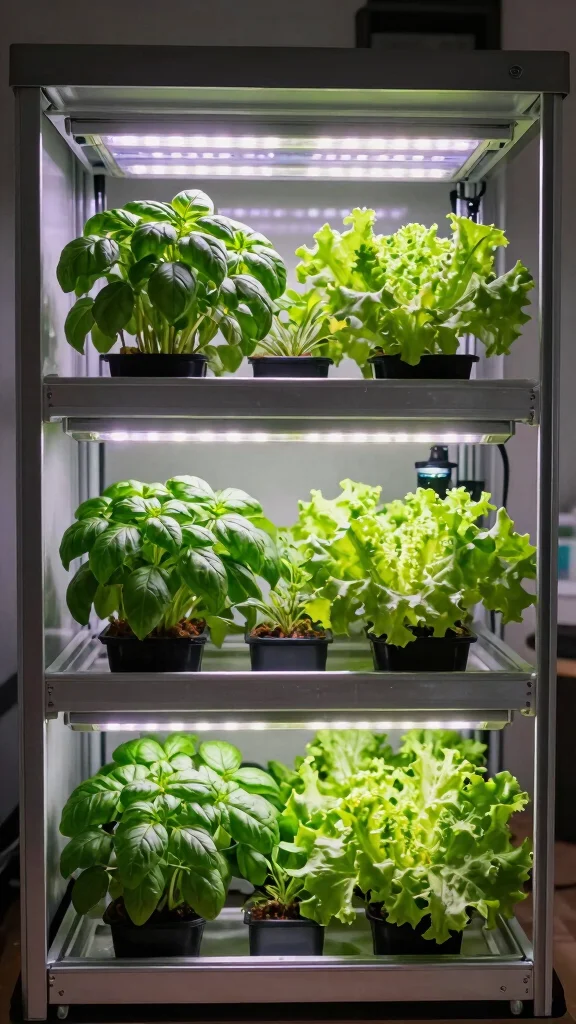
Are you struggling with limited space in your indoor garden? A compact corner setup with vertical shelving can be your best friend. This innovative arrangement allows you to stack trays of herbs and small vegetables like basil, spinach, and lettuce, making the most of every inch without crowding your space. With adjustable shelves, you can easily cater to your plants’ needs and keep your garden organized and accessible.
To get started, opt for a grow tent that’s about 2 feet wide, perfect for snug corners. Ensure that each shelf is equipped with grow lights to promote healthy growth. This setup not only makes it easy to care for your plants but also enhances the visibility of your vibrant greens.
Key steps to create your setup:
– Select lightweight containers for easy handling.
– Install LED grow lights on each shelf for optimal light distribution.
– Add a simple watering system to simplify maintenance.
This setup effectively utilizes vertical space and simplifies plant care. You’ll enjoy a flourishing garden in even the coziest of corners.
Fun fact: A compact 2-foot-wide grow tent with vertical shelving can double your usable grow space. Stack herb trays like basil and spinach, and you’ll fit more in a corner—perfect for a grow tent setup indoor.
📹 Related Video: Maximize Grow Tent Space: Easy DIY Vertical Rack with EMT
Compact Corner Setup with Vertical Shelving
Editor’s Choice

Bamworld Plant Stand with Grow Light Plant Shelf for Mutiple Pots Large …


VIVOSUN S224 2×2 Grow Tent, 24″x24″x48″ High Reflective Mylar with Obser…

GooingTop LED Grow Light,6000K Full Spectrum Clip Plant Growing Lamp wit…
2. Hydroponic Garden System

Ready to elevate your indoor gardening experience? A hydroponic garden system is a fantastic choice for maximizing plant growth and yield. By using nutrient-rich water instead of soil, you can cultivate a variety of plants like strawberries, cherry tomatoes, and peppers in a space-efficient manner.
Start with a beginner-friendly deep water culture (DWC) system. All you need is a grow tent, a water reservoir, and net pots filled with a growing medium like clay pebbles. This method not only saves space but also promotes faster growth, making it a popular choice among indoor gardeners.
Essential tips for your hydroponic garden:
– Regularly check pH and nutrient levels to ensure optimal conditions.
– Use air pumps to keep the water oxygenated, which is vital for healthy roots.
– Experiment with different plants to discover what thrives best in your setup.
Hydroponics can significantly reduce water usage, making it an eco-friendly option for your indoor garden. You’ll be amazed at the growth potential in your own home!
Fun fact: In a compact grow tent, a beginner-friendly hydroponic system can boost plant growth by 30–40% with 90% less water than soil. Start with a deep water culture (DWC) setup for your indoor grow tent using a reservoir, net pots, and clay pebbles.
How To Choose The Right Grow Tent Setup Indoor
Choosing the right grow tent setup for your indoor gardening can be a game-changer. A well-planned configuration helps you maximize space, control the environment, and boost your plants’ productivity. Here are essential factors to consider when selecting your indoor grow tent setup.
1. Size
The size of your grow tent is crucial. Measure the space where you intend to set it up. Consider the height, width, and depth to ensure your plants have enough room to grow. Generally, the taller your tent, the more vertical space you have for plants to flourish. If you’re tight on space, look for compact or vertical options that utilize every inch effectively.
2. Material
The material of the grow tent affects its durability and insulation. Look for tents made of thick, reflective mylar or similar materials. These materials not only hold up against wear and tear but also maximize light efficiency inside the tent. Avoid flimsy materials that can tear easily or fail to keep heat in during colder months.
3. Ventilation
Proper ventilation is essential for a successful indoor grow. Choose a tent that comes with multiple ventilation ports. This allows you to configure fans and air filters easily. Good airflow helps prevent mold and keeps your plants healthy. Check if the tent also has adjustable vent openings for varying climates.
4. Lighting Options
Consider your grow tent lighting options. Some setups come with built-in light hangers or reflectors. You need adequate lighting based on the plants you want to grow. If you’re new to indoor gardening, LED grow lights are energy-efficient and effective. Research what works best for your chosen plants to ensure they thrive.
5. Hydroponic Systems
If you’re leaning towards hydroponics, make sure your setup can accommodate the system you choose. Many indoor grow tents can be fitted with hydroponic systems. Look for tents with enough space for reservoirs and pumps. If you’re a beginner, consider simple hydroponic setups that are easy to manage and maintain.
6. Budget
Finally, set a budget. Grow tents are available across a range of price points. While it can be tempting to go for the cheapest option, investing in a quality tent can save you money in the long run. Look for features that matter most to you and ensure they fit within your budget. Don’t forget to factor in additional costs for lights, fans, and accessories.
Pro Tip: Before making a purchase, read reviews and watch setup videos online. This can provide insights into real user experiences and help you make an informed decision about your grow tent setup indoor. Happy gardening!
Hydroponic Garden System
Editor’s Choice
GooingTop LED Grow Light,6000K Full Spectrum Clip Plant Growing Lamp wit…

Spider Farmer DWC Hydroponics Grow System with 7-Gallon Deep Water Cultu…

12 Pack 3 inch Net Cups Pots with 12 feet Hydroponics Self Watering Wick…
3. Smart Temperature Control System

Keeping your indoor garden at the right temperature is key to plant health. A smart temperature control system can take the guesswork out of maintaining an optimal environment. This setup typically includes a thermostat, sensors, and exhaust fans that work together to ensure stable conditions for your plants.
Adding an adjustable heating mat can also boost seed germination and early growth for herbs and seedlings. This ensures your plants start off strong and healthy, ready to flourish in your grow tent.
Best plants for a controlled environment:
– Grow herbs like basil and mint, which thrive in stable temperatures.
– Enjoy vegetables like leafy greens and mini bell peppers, which do well indoors.
Tips for effective temperature control:
– Keep the temperature between 70°F to 80°F for ideal growth.
– Use a hygrometer to monitor humidity, aiming for 50-70% relative humidity.
With a smart system in place, your plants will thrive, leading to a productive indoor garden year-round.
Did you know a smart temperature control setup can stabilize indoor grow tent temps within ±1°C, reducing plant stress and boosting yields by up to 15%? Pair with sensors and exhaust fans for consistent conditions.
Smart Temperature Control System
Editor’s Choice

Govee Digital Hygrometer Indoor Thermometer Room H5075, Bluetooth Temper…
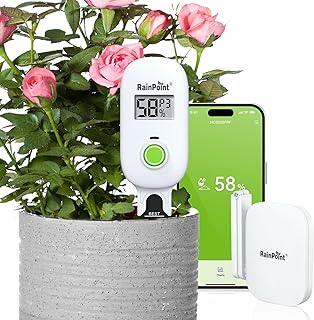
RAINPOINT Smart Digital Wireless Plant Moisture Meter Houseplants Indoor…
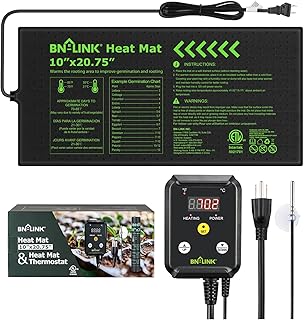
BN-LINK Seedling Heat Mat with Thermostat Controller Combo Set, 10″ x 20…
4. Multi-Layer Grow Tent

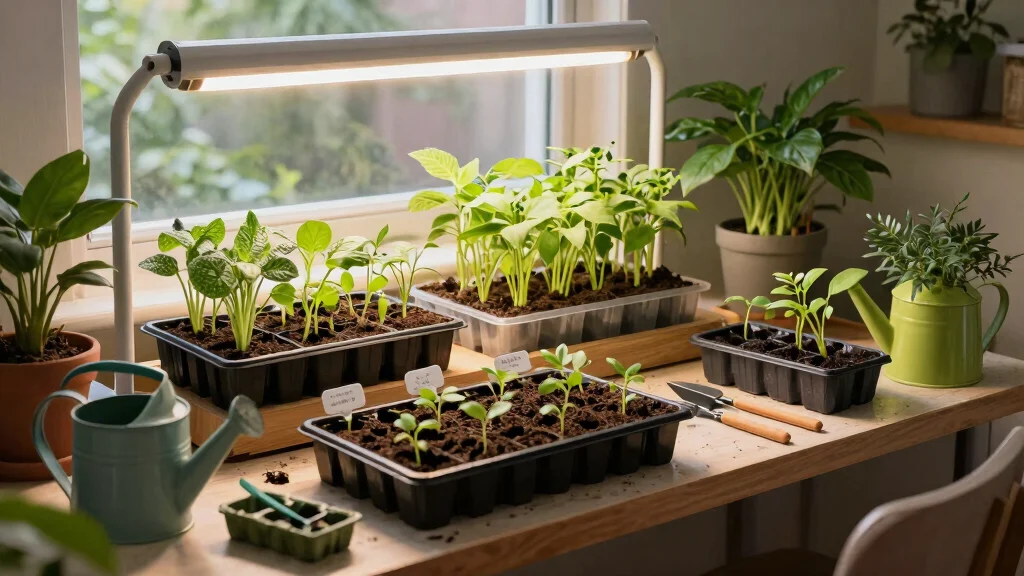
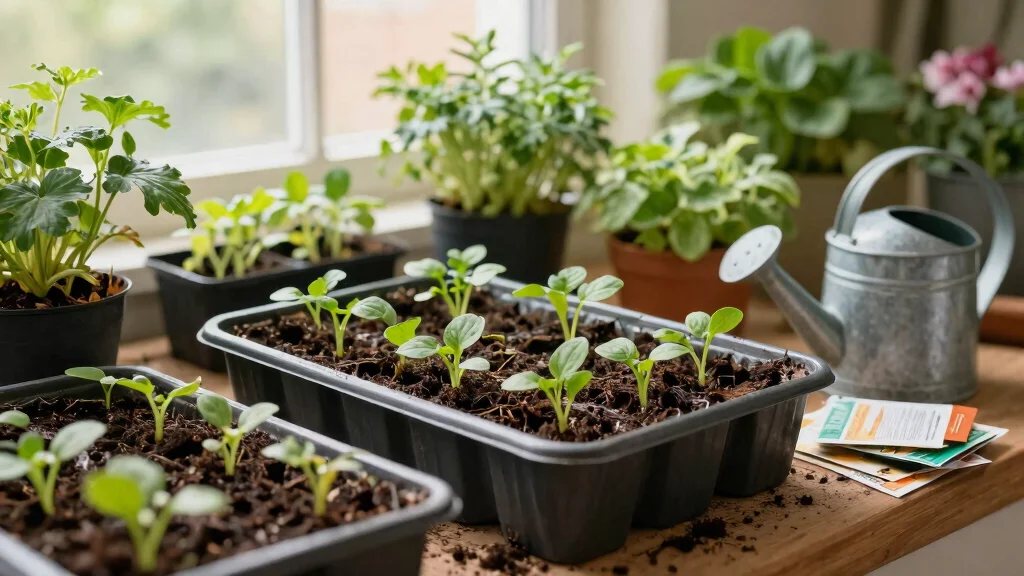
Want to maximize your indoor gardening space? A multi-layer grow tent allows you to stack various plants, making it easy to manage a diverse garden while conserving space. This method is perfect for plants with different light and space needs, such as herbs, flowers, and dwarf vegetables.
Each layer can be equipped with tailored lighting, such as full-spectrum LED lights that provide essential wavelengths for healthy growth. This ensures every plant gets the light it needs to thrive.
Tips for setting up your multi-layer tent:
– Use adjustable grow lights to meet the changing needs of your plants.
– Choose lightweight materials for shelves and pots to maintain stability.
Benefits of this setup:
– Maximizes both vertical and horizontal gardening space.
– Facilitates easy access for maintenance and harvesting tasks.
– Offers flexibility to rearrange plants as needed.
With a multi-layer grow tent, you’ll enjoy a vibrant and productive indoor garden.
You might also like
Multi-Layer Grow Tent
Editor’s Choice
GooingTop LED Grow Light,6000K Full Spectrum Clip Plant Growing Lamp wit…

Mushroom Grow Tent with Mushroom-Optimized Grow Lights & Timer, 60″ x 27…

4 PCS Grow Tent Corner Shelf,16 mm Grow Tent Accessories,White Grow Tent…
5. DIY Grow Tent from Simple Materials
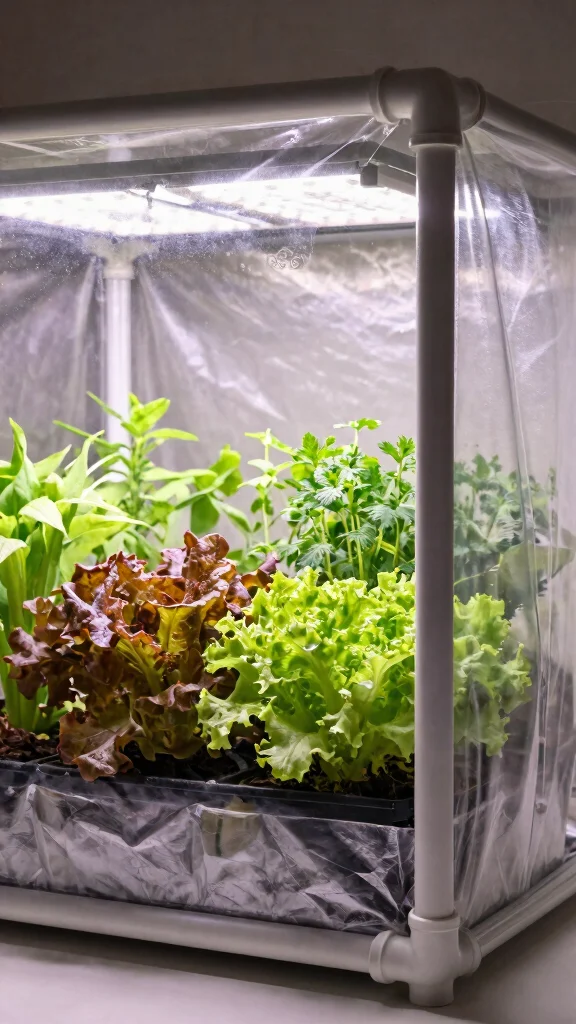
Creating an effective grow tent doesn’t have to be expensive. Many gardening enthusiasts turn to DIY solutions using materials like PVC piping, reflective Mylar sheets, and sturdy tarps. This approach allows for customization based on your unique space and budget requirements.
To set up, frame a small structure using PVC pipes and cover it with reflective Mylar to boost light efficiency. A basic setup can include a few LED grow lights inside to support your indoor plants.
Best plants for a DIY grow tent:
– Start with easy-to-grow options like lettuce and herbs.
– Consider succulents for a colorful, low-maintenance addition.
Key tips for your DIY grow tent:
– Ensure proper ventilation to prevent overheating.
– Add fans to improve airflow throughout the tent.
– Use a timer for grow lights to simulate natural day/night cycles.
With a DIY grow tent, you can create a thriving indoor garden without overspending.
DIY Grow Tent from Simple Materials
Editor’s Choice

16ft Flexible Pipe PVC Tubing – Bendable Pipe Stem for Artificial Flower…

TEXALAN(R) Reflective Mylar Film for Indoor and Outdoor Gardening Grow R…
GooingTop LED Grow Light,6000K Full Spectrum Clip Plant Growing Lamp wit…
6. Container Gardening within the Tent
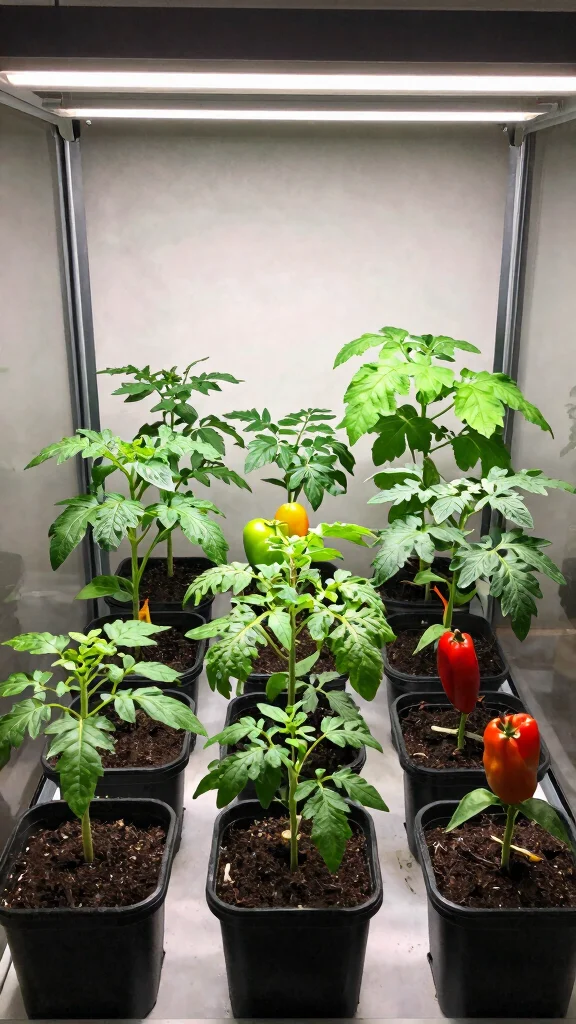
Container gardening is a flexible and practical method for your indoor grow tent. By using pots or containers, you can easily rearrange plants based on their light needs, growth stages, or simply for aesthetic reasons. This is especially useful for larger plants like tomatoes and peppers that require individual attention.
Choose pots that fit well within your tent’s dimensions, ensuring enough space for air circulation and light penetration. Opt for high-quality potting mix and consider fabric pots, which promote better drainage and aeration.
Indoor gardening tips:
– Regularly monitor soil moisture to prevent overwatering or underwatering.
– Rotate plants periodically for even growth and to avoid stretching toward the light.
Benefits of container gardening:
– Offers flexibility in plant arrangements.
– Provides easier access for watering and harvesting.
– Suitable for a variety of plant sizes and types.
With container gardening, you’ll enjoy a well-organized and flourishing indoor garden.
Container Gardening within the Tent
Editor’s Choice

Doter Organic Vegetable Soil Mix 1qt, Indoor Plants Potting Mix for All …

LBW Desk Grow Light, Full Spectrum Plant Light for Indoor Plants, Grow L…

VIVOSUN 5-Pack 5 Gallon Grow Bags Heavy Duty 300G Thickened Nonwoven Pla…
7. Integrated Pest Management Techniques
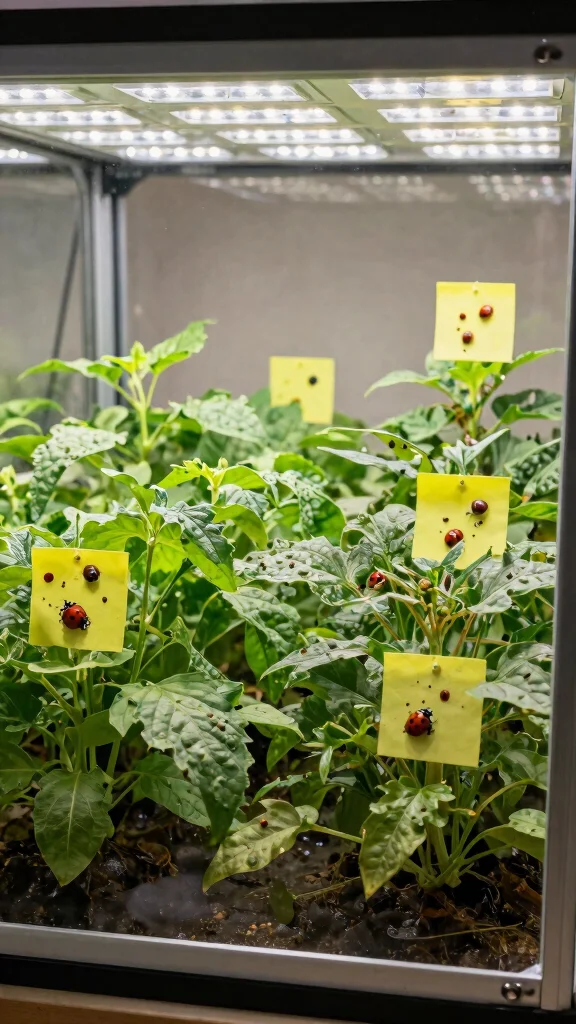
A healthy indoor garden relies on keeping pests under control. Integrated Pest Management (IPM) techniques can be seamlessly integrated into your grow tent setup. This comprehensive approach includes preventive measures, monitoring, and control strategies to minimize pest issues.
Start with good sanitation practices in your grow tent by routinely removing dead leaves and debris. Introducing beneficial insects like ladybugs or using organic sprays can help keep common pests at bay.
Indoor gardening tips for pest management:
– Regularly check plants for signs of pests or diseases.
– Use sticky traps to track insect populations without using chemicals.
Benefits of IPM techniques:
– Reduces reliance on harmful pesticides.
– Promotes a healthier environment for your plants.
– Supports the overall ecosystem within your indoor garden.
By adopting IPM techniques, you can cultivate a thriving indoor garden free from pest problems.
You Might Also Like

Integrated Pest Management Techniques
Editor’s Choice

Bonide Captain Jack’s Neem Oil, 32 oz Ready-to-Use Spray, Multi-Purpose …

Trapper Max Glue Traps 12 Glue Boards Trap Mouse Bugs Insects Bed Bugs S…

Natures Good Guys 1500 Live Ladybugs – Good Bugs- Ladybugs – Guaranteed …
8. Seasonal Growing Rotation

Implementing a seasonal growing rotation can keep your grow tent productive all year long. By planning which plants to grow in each season, you can maximize yield while keeping your indoor garden diverse and interesting. Start with fast-growing plants like lettuce and radishes in spring, then switch to warm-loving crops like squash and tomatoes during summer.
In fall, consider growing root vegetables such as carrots and beets, and in winter, try hardy greens like kale and spinach that can withstand cooler temperatures.
Indoor gardening tips for seasonal rotation:
– Maintain a gardening notebook to track growth and transitions.
– Use crop rotation techniques to enhance soil health and reduce pest buildup.
Benefits of a seasonal rotation:
– Keeps your growing environment dynamic and engaging.
– Maximizes yield by utilizing seasonal conditions.
– Encourages experimentation with different plants and growing styles.
By adopting a seasonal rotation, you’ll create a vibrant and productive indoor garden.
Seasonal Growing Rotation
Editor’s Choice

XLUX Long Probe Deep Use Soil Moisture Meter, Water Monitor Indicator Se…

Spider Farmer SF300 LED Grow Lights Sunlike Full Spectrum Plant Growing …

Ahopegarden Indoor Garden Hydroponics Growing System: 10 Pods Plant Germ…
Conclusion

Embarking on your indoor gardening journey with a well-thought-out grow tent setup can turn your living space into a thriving green oasis. From compact solutions to DIY creations, the possibilities are endless for cultivating beautiful, healthy plants indoors.
By implementing the techniques outlined above, you can optimize your indoor gardening experience for both productivity and enjoyment. Experiment with various setups, learn from your plants, and most importantly, enjoy the process of growing!
Note: We aim to provide accurate product links, but some may occasionally expire or become unavailable. If this happens, please search directly on Amazon for the product or a suitable alternative.
This post contains Amazon affiliate links, meaning we may earn a small commission if you purchase through our links, at no extra cost to you.
Frequently Asked Questions
What Are the Essential Components for a Grow Tent Setup Indoor in a Small Space?
Setting up a grow tent setup indoor in a small space starts with choosing a compact tent that fits your area, such as a 2×2 ft or 2×4 ft model. Pair it with a suitable grow tent lighting options like energy-efficient LEDs that run cool and provide full spectrum. Add an inline exhaust fan with a carbon filter for odor control and a fresh air intake to keep air moving. For consistent climate, use a thermometer/hygrometer and a simple temperature control for grow tents plan—heater or fan as needed. Decide on soil or a beginner-friendly hydroponic systems for beginners and set up a timer irrigation or drip system if you go hydro. Finally, maximize space with vertical shelving or a trellis so you can grow more in a small footprint and keep your indoor gardening tips handy.
How Do I Choose the Right Grow Tent Lighting Options for Indoor Gardening Tips?
Lighting is a cornerstone of grow tent setup indoor success. For small spaces, grow tent lighting options that stay cool and deliver full spectrum are ideal—LEDs are usually the best fit. Look for fixtures with adjustable height, high PPFD for robust growth, and a spectrum that supports both vegetative and flowering stages. Use a timer to mimic natural day length (commonly 14-18 hours for vegetative growth) and rotate plants to avoid hot spots and shadows. Keep heat in check by pairing lights with proper ventilation and wall reflectivity to maximize efficiency.
Are Hydroponic Systems for Beginners Suitable in a Grow Tent Setup Indoors?
Absolutely. Start with a simple beginner-friendly hydroponic systems for beginners like a small Deep Water Culture bucket or a drip system. The tent environment makes it easy to manage root zone, nutrient levels, and reservoir temperature. Keep pH steady (around 5.5-6.5) and monitor the reservoir daily at first. Use a gentle air pump to oxygenate the water, and start with fast-growing leafy greens or herbs to build confidence before tackling fruiting plants. This setup is scalable as you learn.
How Can I Improve Temperature Control for Grow Tents?
Temperature control for grow tents is all about consistent heat exchange and airflow. Use a thermostat or digital controller, an inline exhaust fan to pull hot air out, and a passive intake or vent to bring in fresh air. Target a comfortable range—roughly 65-80°F (18-27°C) depending on plant stage. Add a small heater in winter or a portable AC unit in hot months, and keep ducts short and straight to reduce heat loss. Pair with a circulating fan to prevent hotspots and maintain even temps across the canopy.
Which Plants Are Best for Indoor Grow Tents?
Many plants thrive in a tent, especially with vertical space. Start with best plants for indoor grow tents like compact herbs (basil, mint, cilantro), leafy greens (romaine lettuce, spinach), and small fruiting varieties like cherry tomatoes and compact peppers. Strawberries and microgreens are also great for quick harvests in a small footprint. Choose varieties labeled for indoor growth, ensure adequate light, and stagger crops to keep a steady supply.
Related Topics
grow tent setup indoor
indoor gardening tips
hydroponic systems
vertical gardening
small space gardening
grow tent lighting
temperature control
best indoor plants
beginner friendly
controlled environment
easy gardening solutions
productive growing space