
Creating a lush garden carpet doesn’t have to be a chore. If you’ve ever found yourself overwhelmed by endless upkeep, then this post is for you. With the right choice of ground cover seeds, you can establish a beautiful, low-maintenance garden that thrives with minimal effort. This time of year has me dreaming of greenery that not only beautifies my outdoor space but also supports the environment. That’s why I gathered some fantastic ideas for ground covers that are easy to grow and care for, so you can enjoy a vibrant garden without the heavy lifting.
If you’re someone who loves spending time outdoors but wants to reduce the time you spend weeding and watering, you’ll find valuable insights here. From gardeners at every skill level to eco-conscious individuals seeking sustainable options, everyone can benefit from these selections. I’ve pulled together ten ground cover seeds that are not just attractive but also contribute to a healthy ecosystem. These options are perfect for creating a garden carpet that looks stunning year-round, while also being drought-tolerant and beneficial to local wildlife.
You’ll come away with a solid understanding of various easy-to-grow ground covers that fit your gardening goals. Whether you’re looking for something that blooms beautifully, offers a lush green appearance, or can withstand dry spells, this list has you covered. So, grab your gardening gloves and let’s dive into these exciting ground cover seeds that can transform your space into a thriving eco-friendly haven!
Key Takeaways
– Discover a selection of ground cover seeds that require minimal maintenance, making your gardening experience easier and more enjoyable.
– Learn about the benefits of using drought-tolerant ground cover plants that conserve water and thrive in various conditions.
– Explore options for easy-to-grow ground covers that provide a lush appearance while being friendly to the environment.
– Understand how these best ground cover plants can help suppress weeds, reduce soil erosion, and support local wildlife.
– Get inspired by creative garden carpet ideas that enhance your outdoor space while promoting sustainability and biodiversity.
1. Creeping Thyme (Thymus serpyllum)

If you’re looking to add charm to your garden, creeping thyme is a fantastic choice. This delightful herb not only produces tiny purple flowers but also forms a lush green carpet that enhances any outdoor space. Its aromatic scent fills the air, making it a joy to walk on, and it thrives in sunny areas with minimal watering.
To get the most out of this plant, consider planting it in well-draining soil and between stepping stones for a lovely cottage garden vibe. This low-maintenance option is not just pretty; it also attracts pollinators, boosting your garden’s ecosystem.
Key benefits of creeping thyme:
– Create a fragrant pathway with every step
– Enjoy an edible herb for your kitchen
– Use it to fill gaps in your garden design
– Attract bees and butterflies for better pollination
With creeping thyme, you get a lush ground cover that requires little care while adding beauty and fragrance to your garden.
Creeping Thyme (Thymus serpyllum)
Editor’s Choice

Burpee, 9 Quarts | Premium Organic Potting Natural Soil Mix Food Ideal f…


20000+Creeping Thyme Seeds for Planting Outdoor-Heirloom Thymus Serpyllu…

Spoontiques – Garden Décor – Scatter Kindness Stepping Stone – Decorati…
2. Ajuga (Ajuga reptans)

Looking for a stunning ground cover? Ajuga might be exactly what you need. This hardy perennial showcases beautiful blue and purple flower spikes, creating a vibrant carpet that can flourish in partial shade or full sun. Its rich foliage ranges from deep green to bronze, providing year-round visual interest while choking out weeds.
To make the most of ajuga, plant it in areas where grass struggles to grow. Its fast-spreading nature helps fill bare spots quickly, making it a great choice for low-maintenance gardens.
Here’s what ajuga offers:
– Add a splash of color with beautiful flower spikes
– Fill in tricky shady spots effortlessly
– Control weeds with its dense growth
– Enhance your garden’s aesthetic year-round
With ajuga, you’ll enjoy a lush, easy-care ground cover that looks stunning in spring and summer.
Ajuga (Ajuga reptans)
Editor’s Choice

Mosser Lee ML1112 Black Sand Soil Cover, 5 lb.

LAVEVE 4FT x 100FT Weed Barrier Landscape Fabric, 3.2oz Premium Heavy Du…
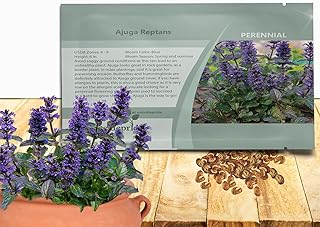
Outsidepride Ajuga Seeds – 200 Pcs. Perennial, Versatile & Low Mainten…
3. Sedum (Sedum spp.)

Sedum, also known as stonecrop, is a unique succulent that adds texture and color to your landscape. This drought-tolerant plant thrives in poor, sandy soils, making it perfect for rock gardens or dry patches in your yard. You can find varieties that feature everything from vibrant green leaves to striking red and yellow hues.
To achieve the best results, plant sedum in well-draining soil and mix different species for a colorful display throughout the seasons. Its flowers attract butterflies, bringing even more life to your garden.
Discover what sedum can do for you:
– Create a vibrant carpet with minimal water needs
– Enjoy butterflies visiting your blooms
– Use different species for seasonal variety
– Enhance your garden’s eco-friendliness
Overall, sedum is a fantastic low-maintenance ground cover that brightens up any garden layout.
Sedum (Sedum spp.)
Editor’s Choice

Sedum rupestre,Sedum reflexum,Jenny’s stonecrop 500 Seeds,evergreen pere…

Back to the Roots 100% Organic Succulent & Cacti Mix (6 Quart) | Made in…
4. Vinca Minor (Periwinkle)

Vinca minor, or periwinkle, is a favorite for shady areas, providing a lush ground cover. Its glossy green leaves and charming blue or violet flowers create a beautiful landscape. This hardy plant adapts well to various soil types and light conditions, making it a versatile addition to your garden.
To keep vinca minor thriving, prune it regularly to control its spread and maintain its shape. It’s perfect for covering large areas quickly and can help prevent soil erosion.
Explore the benefits of vinca minor:
– Cover bare spots quickly with fast growth
– Enjoy attractive flowers in the spring
– Control soil erosion effectively
– Thrive in low-light conditions effortlessly
Vinca minor is a reliable choice for anyone seeking a stunning, low-maintenance ground cover that flourishes in shady spots.
📹 Related Video: Vinca Minor – Periwinkle
Vinca Minor (Periwinkle)
Editor’s Choice

1000+Perennial Vinca Periwinkle Flower Seed for Planting-Non-GMO Heirloo…

Nelson Plant Food For All Flowering Vines Bougainvillea Trumpet Wisteria…

Fiskars Shear Ease Grass Shears – 5″ Stainless Steel Blades – 360-Degree…
5. Clover (Trifolium repens)
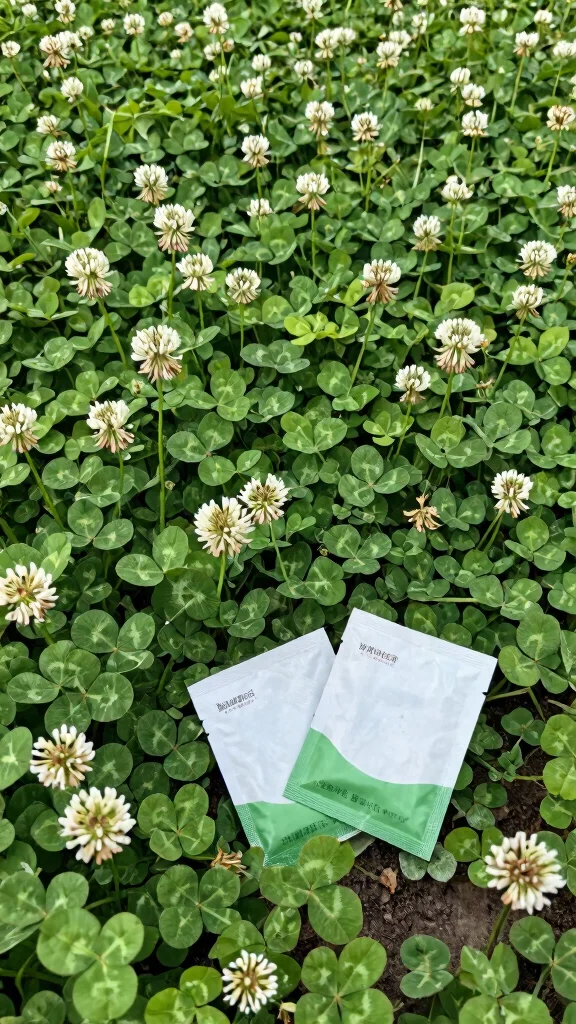
Clover may be seen as a weed, but it makes a wonderful ground cover that benefits both your garden and the environment. White clover offers lovely blooms and lush green leaves, creating a soft carpet while improving soil quality through nitrogen fixation.
To make the best use of clover, consider mixing it with other ground covers for added diversity and visual appeal. It thrives with minimal water and attracts beneficial pollinators, making your garden even more vibrant.
Key features of clover:
– Create a low-maintenance lawn alternative
– Reduce your mowing and watering needs
– Improve soil quality naturally
– Attract helpful pollinators to your garden
In essence, clover is a sustainable choice for eco-conscious gardeners looking to enhance their landscape with minimal effort.
You might also like


Clover (Trifolium repens)
Editor’s Choice

Wildflower Seeds Bulk Mix – 10,000+ Perennial & Annual Seeds – Texas, Ca…

Tri-Clover by Eretz – Three Part Blend of Clovers Providing Beauty, Cove…

Farmer’s Secret Soil Revitalizer (32oz) – Organic (OMRI Listed) Dirt H…
6. Hens and Chicks (Sempervivum spp.)

Hens and chicks offer a unique ground cover with their rosettes of succulent leaves. These hardy plants are drought-tolerant and thrive in poor soils, making them ideal for rock gardens or dry areas. In summer, they produce delightful flower stalks that add height and interest to your landscape.
To propagate hens and chicks, simply separate their offsets, and ensure they have good drainage to prevent rot. Their low-growing nature is perfect for filling gaps between stones or along pathways.
Benefits of hens and chicks include:
– Provide unique textures for your garden
– Thrive in challenging, dry conditions
– Easily propagate for more plants
– Fill gaps beautifully in garden designs
Overall, hens and chicks present a practical and attractive option for creating a low-maintenance ground cover.
Fun fact: Among the best ground cover seeds for dry, low-water gardens, hens and chicks can spread 6–8 inches per season as offsets root and fill gaps between stones. They thrive in poor soils and heat, delivering a lush, low-maintenance carpet.
Hens and Chicks (Sempervivum spp.)
Editor’s Choice

Garden Shovel Garden Hand Trowel, Heavy Duty Hand Shovel with Ergonomic …

Hen’s and Chick’s Succulent Seeds for Planting (100 Seeds)
Miracle-Gro Houseplant Potting Mix – Fertilized Indoor Plant Soil for Co…
7. Native Grasses (Various species)

Using native grasses as ground cover is an eco-friendly choice that enhances local ecosystems. These grasses are well-suited to your climate and soil, requiring less water while supporting diverse wildlife. Their graceful appearance adds texture to your garden and provides habitats for beneficial insects and small animals.
To maximize their impact, choose species that thrive in your area and consider mixing different types for a visually appealing display. Native grasses are resilient and can withstand seasonal changes with ease.
Key advantages of native grasses:
– Support local wildlife and biodiversity
– Reduce soil erosion effectively
– Require minimal maintenance and watering
– Enhance your garden’s natural beauty
Incorporating native grasses not only beautifies your space but also promotes sustainability in gardening.
Native Grasses (Various species)
Editor’s Choice

Earthwise EcoSeed Grass Seed – No Mow, Low Maintenance Lawn Seed Mix, …
8. Chamomile (Chamaemelum nobile)

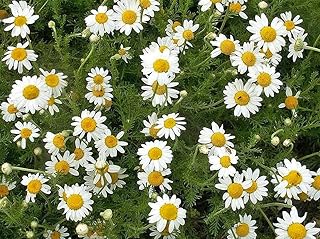
Chamomile is a fragrant herb that doubles as a lovely ground cover. With delicate white flowers and aromatic foliage, it creates a soft, inviting carpet that’s lovely to walk on. This perennial thrives in full sun and well-drained soil, making it an excellent choice for Mediterranean-style gardens.
To keep chamomile lush, water it regularly and deadhead the flowers to encourage new growth. It’s known for attracting beneficial insects while repelling pests, adding utility to its beauty.
Discover the charm of chamomile:
– Enjoy a fragrant carpet underfoot
– Harvest for delightful herbal tea
– Attract beneficial insects to your garden
– Enhance the beauty of your outdoor space
In summary, chamomile is a beautiful and functional ground cover that enriches your garden’s aesthetics and biodiversity.
Chamomile is a standout option among ground cover seeds, spreading to form a fragrant carpet that reaches up to 1–2 feet per year in full sun. Plant it to create a soft, walkable surface that also attracts beneficial insects and helps repel pests.
You Might Also Like

Ongoing Maintenance & Care Guide
Maintenance Schedule:
Daily/Weekly Tasks:
– Watering: Ensure your ground cover seeds get enough moisture, especially in dry spells. Aim for deep watering 2-3 times weekly, depending on rainfall. 🌧️⏱ (Time estimate: 10 minutes per session)
– Weed Checking: Regularly inspect your garden for weeds that might compete with your ground covers. Pull them out by hand or use a hoe. ✔ (Time estimate: 5-10 minutes, depending on the size of your garden)
– Trimming: If your ground cover plants are getting too sprawling, trim them back to keep them tidy and encourage denser growth. ✂️ (Time estimate: 15-20 minutes)
Monthly/Seasonal Tasks:
– Fertilization: Use a slow-release organic fertilizer to nourish your ground covers. This promotes growth and overall health. 🌱 (Time estimate: 30 minutes to apply)
– Pest Inspection: Look for signs of pests such as discolored leaves or webbing. Treat accordingly with organic pest control methods if needed. 🐞 (Time estimate: 20 minutes)
– Mulching: Apply a fresh layer of mulch to suppress weeds and retain moisture. This is especially helpful in hotter months. 🌾 (Time estimate: 1 hour)
– Seasonal Pruning: In the fall or spring, cut back any overgrown areas to promote new growth and maintain a neat appearance. 🪴 (Time estimate: 30-45 minutes)
– Soil Testing: Every year, check the soil pH and nutrient levels, adjusting as necessary to keep your ground covers thriving. 🧪 (Time estimate: 1 hour)
Maintenance Summary Table:
| Task | Frequency | Difficulty | Time Needed |
|——————————|—————-|————|————–|
| Watering | 2-3 times/week | Easy | 10 min/session |
| Weed Checking | Weekly | Easy | 5-10 min |
| Trimming | As needed | Easy | 15-20 min |
| Fertilization | Monthly | Moderate | 30 min |
| Pest Inspection | Monthly | Moderate | 20 min |
| Mulching | Monthly | Moderate | 1 hour |
| Seasonal Pruning | Seasonal | Moderate | 30-45 min |
| Soil Testing | Annually | Moderate | 1 hour |
Common Issues to Watch For:
⚠️ Yellowing Leaves: This can indicate overwatering or a nutrient deficiency. Check the soil moisture and consider fertilizing if needed.
⚠️ Wilting or Browning: Signs of underwatering or excessive heat. Ensure your ground covers are getting adequate water, especially during dry spells.
⚠️ Pest Damage: Look for holes in the leaves or sticky residue. Inspect closely and take action with natural pest control methods if necessary.
⚠️ Slow Growth: This could suggest poor soil conditions. Test your soil and amend it with organic compost or fertilizers as needed.
⚠️ Invasive Weeds: If you see a sudden surge of weeds, they may be competing for nutrients. Regularly check and remove them to keep your ground cover healthy.
Care Tips:
💡 Choose the Right Plants: Select ground cover seeds that are suited to your climate and soil conditions. Drought-tolerant varieties like creeping thyme or sedum can thrive with less water. 🌍
💡 Mulch Wisely: A layer of organic mulch will not only suppress weeds but also help retain moisture in the soil. This is especially important in the warmer months. 🌿
💡 Rotate Plants: To keep your garden thriving, consider rotating your ground covers every few years. This helps prevent soil depletion and disease buildup. 🔄
💡 Observe Changes: Pay attention to any changes in your plants. Early detection of issues leads to better outcomes. Regular observation is key! 👀
💡 Stay Consistent: Stick to your maintenance schedule. Consistency in care keeps your garden looking lush and healthy while minimizing the need for major interventions. 🗓️
Chamomile (Chamaemelum nobile)
Editor’s Choice
2000 Roman Chamomile Chamaemelum Nobile Herb Flower Seeds, Premium Non-G…

Chapin 47998 Watering Can, 2 Gallon, Indoor and Outdoor Plants, Lawn, Ga…
9. Sweet Woodruff (Galium odoratum)

Sweet woodruff is a fragrant perennial that thrives in shady spots, making it an ideal choice for challenging areas. With its whorled leaves and star-like white flowers, it adds visual appeal while providing a sweet scent. This plant prefers moist, rich soil but can adapt to various conditions, forming a dense mat to suppress weeds.
To care for sweet woodruff, keep it well-watered during dry spells and consider using mulch to maintain moisture. It can also be harvested for herbal sachets, adding a unique touch to your garden.
Benefits of sweet woodruff include:
– Create a lush carpet in shady areas
– Suppress weeds effectively
– Produce lovely flowers in spring
– Use for crafting herbal sachets
Overall, sweet woodruff is an attractive option for creating a lush ground cover that enhances the beauty of shaded gardens.
Fun fact: Sweet woodruff forms a dense mat in as little as one growing season. It thrives in shade, suppressing weeds with its fragrant, star-like blooms—perfect for eco-friendly ground cover seeds that stay lush with regular watering and mulch.
Sweet Woodruff (Galium odoratum)
Editor’s Choice

Miracle-Gro Water Storing Crystals – Soil Moisture Retention Crystals fo…

Chapin 47998 Watering Can, 2 Gallon, Indoor and Outdoor Plants, Lawn, Ga…
10. Blue Star Creeper (Isotoma fluviatilis)

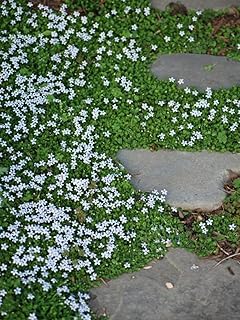
Blue star creeper is a charming ground cover that brightens any garden with its vibrant blue flowers. This low-growing plant produces lush green foliage, creating a soft carpet that’s both eye-catching and easy to care for. It thrives in full sun to partial shade, making it a versatile choice for filling in gaps between pavers or as a lawn alternative.
To help it establish, ensure regular watering in dry conditions, and a light pruning after blooming can promote denser growth. This plant is also excellent for attracting bees and butterflies, enhancing biodiversity in your garden.
Explore the benefits of blue star creeper:
– Add vibrant blooms to your garden
– Provide a soft, lush carpet underfoot
– Attract pollinators for better garden health
– Require minimal upkeep once established
Overall, blue star creeper is a fantastic choice for gardeners seeking an easy-to-grow ground cover with stunning blooms.
Blue Star Creeper (Isotoma fluviatilis)
Editor’s Choice

Fiskars Bypass Pruning Shears, 5/8″ Cut Capacity Gardening Scissors, Sel…
Perennial Farm Marketplace Isotoma fluviatilis (Blue Star Creeper) Groun…
Mosser Lee ML1112 Black Sand Soil Cover, 5 lb.
Conclusion

Embracing a lush ground cover not only enhances the beauty of your garden but also contributes to a sustainable ecosystem. With these eco-friendly ground cover seeds, you’ll enjoy minimal maintenance while nurturing a habitat for beneficial wildlife.
From creeping thyme to blue star creeper, each of these plants offers unique benefits that can transform your outdoor space into a verdant retreat. So, why not choose one or a few to create your own beautiful garden carpet?
Note: We aim to provide accurate product links, but some may occasionally expire or become unavailable. If this happens, please search directly on Amazon for the product or a suitable alternative.
This post contains Amazon affiliate links, meaning we may earn a small commission if you purchase through our links, at no extra cost to you.
Frequently Asked Questions
Question: What are the best ground cover seeds for a lush, low-maintenance garden carpet?
For a lush, low-maintenance garden carpet, choose easy-to-grow ground cover seeds that form dense mats. Try options like creeping thyme seeds, sweet alyssum seeds, and carpet phlox seeds. These ground cover seeds establish quickly, tolerate sun, and support pollinators. In dry areas look for drought-tolerant ground cover plants listed on seed packets or by suppliers. Sow on well-draining soil, press lightly, and keep consistently moist until germination; then let nature do the rest for your garden carpet ideas.
Tip: check seed packets for germination temps and zone hardiness, and consider combining several easy-to-grow ground covers for year-round color and texture.
Question: How do I choose drought-tolerant ground cover seeds for sustainable gardening?
Choosing drought-tolerant ground cover seeds starts with your climate and sun. Look for seeds labeled drought-tolerant or xeric, and prefer native or well-adapted species to support sustainable gardening.
Assess your sun exposure, soil drainage, and rainfall patterns to select seeds that will germinate reliably in your area. Space seeds according to label guidance, and plant a mix of textures to reduce water needs. Apply a layer of organic mulch to conserve moisture and feed soil after establishment.
This approach helps you enjoy vibrant garden carpet ideas with less irrigation and more resilience.
Question: Are ground cover seeds easy to grow for beginners in eco-friendly gardening?
Yes, they are often forgiving, inexpensive, and fit a low maintenance gardening plan.
Start with a few easy-to-grow ground covers like creeping thyme, sweet alyssum, and carpet phlox; sow on prepared soil, keep moist until germination, then let them spread. Use a simple layout to create your garden carpet ideas. Do not forget to read the seed packet for timing, zone, and light needs, and water deeply but infrequently once established.
Question: How can I design a garden carpet with ground cover seeds without high maintenance?
Designing a garden carpet with ground cover seeds is about color, texture, and practicality. Plan a palette that blends bloom times so the carpet stays lively year-round, and choose a mix of easy-to-grow ground covers that suit sun or shade.
Create blocks or drifts for texture, and plant according to spacing on the seed packet. Mulch lightly and add organic compost to improve soil structure. With thoughtful planning you can achieve a vibrant garden carpet ideas that stays lush with minimal care.
Question: What maintenance steps should I follow after sowing ground cover seeds to keep them healthy?
After sowing ground cover seeds, simple maintenance helps them establish quickly and stay healthy.
Keep the seedbed evenly moist until germination, then water deeply but infrequently as plants establish roots. Remove weeds early to reduce competition and avoid overwatering. If growth becomes too dense, light mowing or trimming can help keep the carpet even without harming the ecosystem. Consider a light mulch layer and avoid chemical fertilizers; instead feed with compost to support the ground cover seeds and promote sustainable gardening.
Related Topics
ground cover seeds
low maintenance gardening
best ground cover plants
eco-friendly gardening
drought-tolerant plants
easy-to-grow ground covers
garden carpet ideas
sustainable gardening
beginner friendly
landscaping solutions
seasonal gardening
plant care tips