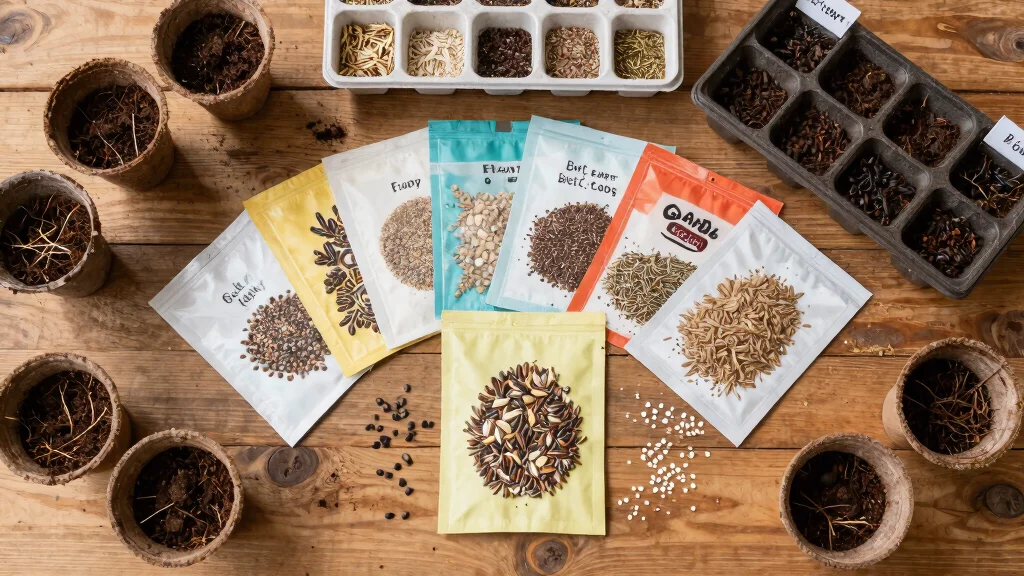
If you’re dreaming of a lush garden filled with exotic fruit trees, you’re not alone. The desire to grow unique and delicious fruit in your own backyard is becoming more popular. Whether you’re a novice gardener or an experienced green thumb, the idea of cultivating fruit from seeds sounds exciting. With the right knowledge and a little patience, you can create your personal oasis of flavor.
This post is for anyone interested in urban edible gardening, particularly those with limited space. If you love the idea of growing rare fruit varieties in your small garden, balcony, or patio, you’ll find plenty of inspiration here. I compiled 9 fruit seed ideas that are not only fun to grow but also yield scrumptious and exotic fruits. Get ready to discover the possibilities of growing your own delicious fruits right at home!
You’ll walk away with practical tips on seed starting techniques and organic gardening methods that make cultivating these fruit trees accessible. From dragon fruit to cherimoya, each variety on this list offers a unique flavor profile that can elevate your culinary experiences. Plus, I’ll share home gardening tips to help you succeed in your fruit-growing journey, ensuring you get the most from your efforts.
Key Takeaways
– Growing fruit trees from seeds allows you to explore various fruit tree varieties right in your backyard or small space.
– Each of the nine fruits mentioned—like dragon fruit and fig trees—offers unique tastes and benefits.
– Understanding seed starting techniques is crucial for germination and healthy growth.
– Organic gardening methods can help you cultivate these exotic fruit plants without harmful chemicals.
– Practical home gardening tips ensure that even beginners can successfully grow their own fruit trees.
1. Dragon Fruit
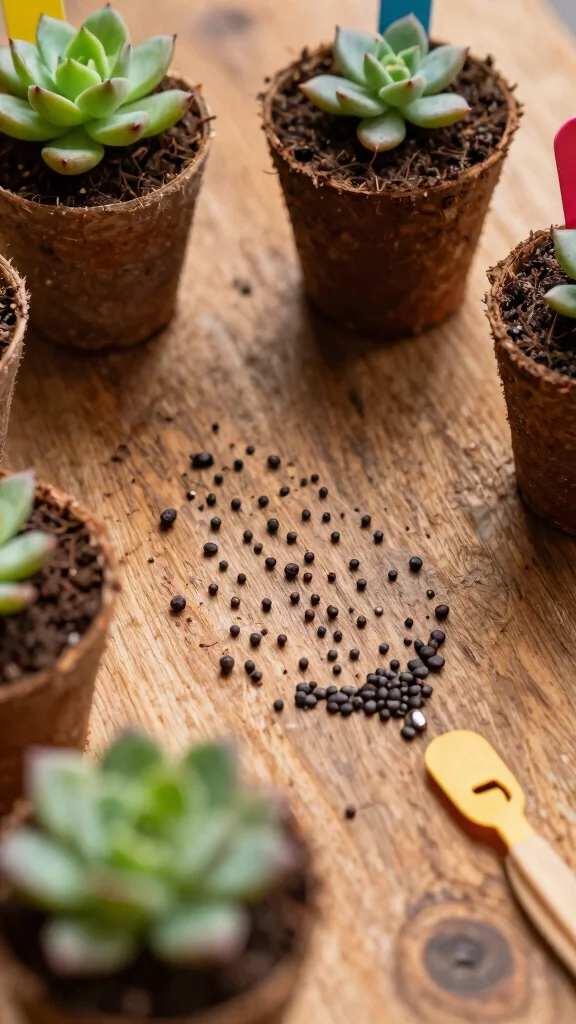
Ever dreamt of growing your own exotic fruit? Dragon fruit, with its vibrant pink exterior and green scales, is not just a feast for the eyes but also a sweet delight. This tropical gem is easy to cultivate from seeds; simply plant them in well-draining soil and keep them cozy and moist for optimal growth. They adapt beautifully to containers, making them perfect for your balcony or patio!
Ingredients:
– Dragon fruit seeds
– Well-draining soil
– Organic fertilizer (optional)
– Water
Instructions:
1. Start by soaking the seeds for a few hours.
2. Fill a pot with well-draining soil and plant the seeds about an inch apart.
3. Water lightly but regularly to keep the soil moist.
4. Place the pot in a warm, sunny spot and watch for sprouts in a few weeks.
5. Once they grow, fertilize every few weeks for healthy development.
FAQs:
– Can I grow dragon fruit indoors? Yes, as long as they receive enough sunlight!
– Can I use regular garden soil? It’s best to use a mix designed for cacti or succulents.
Dragon Fruit
Editor’s Choice

Halatool 2 LB Expanded Clay Pebbles for Plants 4mm-16mm Clay Balls 100% …


Dragon Fruit Seeds, Mixed Color, 300 Pcs, Fast Germination, Climbing Per…

Dr. Earth Natural Wonder Fruit Tree Fertilizer 4 lb
2. Fig Trees
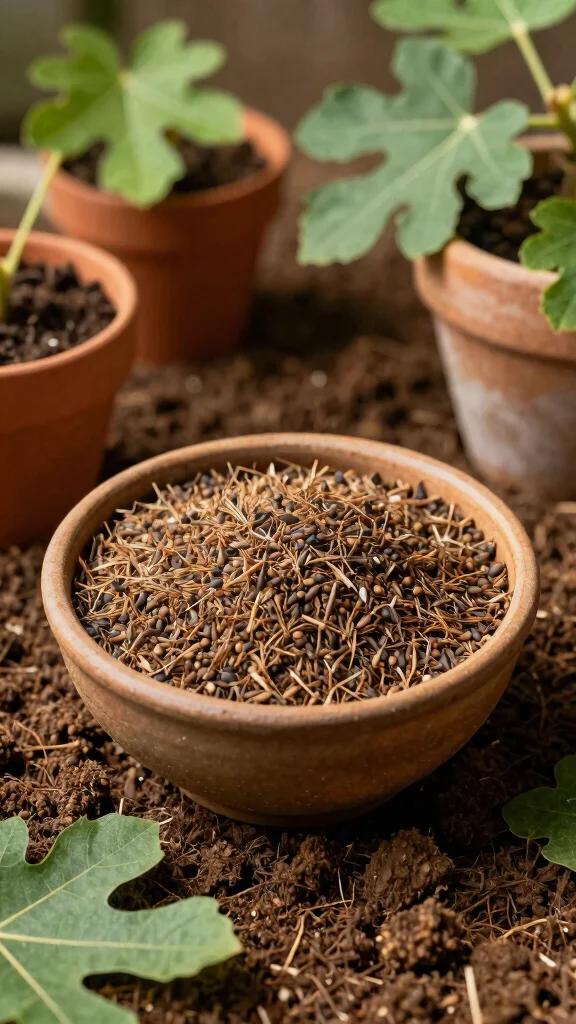
Imagine the joy of plucking fresh figs right from your garden! Fig trees are not only perfect for small spaces, but they also offer a sweet, luscious treat. Starting from seeds is simple; just soak them overnight and plant in well-drained soil for the best results. These trees thrive in sunny spots, making them a delightful addition to any urban garden.
Ingredients:
– Fresh fig seeds
– Well-drained soil
– Water
Instructions:
1. Soak the fig seeds in water overnight.
2. Prepare a pot with well-drained soil.
3. Plant the seeds about half an inch deep.
4. Water lightly and keep the soil moist.
5. Place in a sunny area and wait for germination in a few weeks.
FAQs:
– Can I grow figs in a pot? Yes, they adapt well to container gardening!
– Can I grow them in a cold climate? Figs prefer warm weather but can be grown in pots for easy relocation.
Fig Trees
Editor’s Choice

Fiddle Leaf Fig Soil by Perfect Plants 8QTS, Premium Professional Blend …

50+ Seed King Figs Sweet Fresh Fruit Seeds for Planting Outdoor-Non-GMO …

Watering Can Indoor, Small Watering Cans for House Plants, Succulents an…
3. Citrus Trees
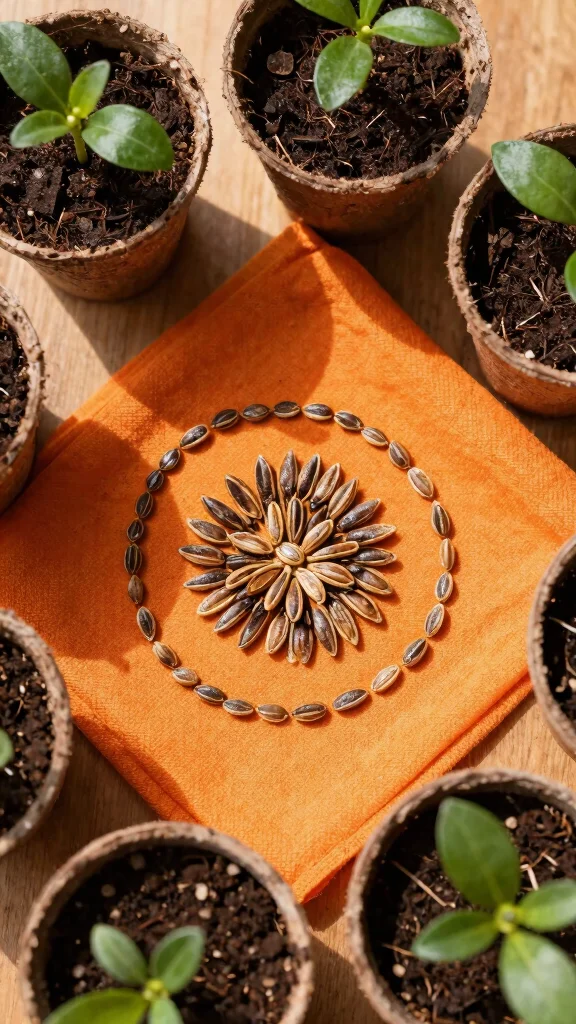
Looking for a burst of flavor in your home? Citrus trees are the perfect solution! Varieties like lemons, limes, and oranges thrive indoors, adding a zesty touch to your kitchen. Start by pressing the seeds into nutrient-rich soil, ensuring they have proper drainage for healthy growth. They’ll brighten up your space while offering fresh fruit right at your fingertips!
Ingredients:
– Citrus seeds (lemon, lime, or orange)
– Nutrient-rich potting soil
– Water
Instructions:
1. Clean the seeds and soak them for a few hours.
2. Fill a pot with nutrient-rich soil.
3. Plant the seeds about an inch deep and water lightly.
4. Place in a sunny spot, preferably by a south-facing window.
5. Keep the soil moist but not soggy until they sprout.
FAQs:
– Can I grow citrus trees outdoors? Yes, they thrive best in warm climates!
– Can I grow them from supermarket fruits? Yes, just make sure the seeds are fresh and viable.
Citrus Trees
Editor’s Choice

15+ Blood Orange Tree Seeds for Planting-Grow Citrus Fruit Indoors Outdo…

6 Pack 6 inch Plant Saucer Tray, 4 6 8 10 12 15 17 19 inch Plant Saucers…

Miracle-Gro Organic Outdoor Potting Mix – Plant Soil for Outdoor Contain…
4. Pawpaw
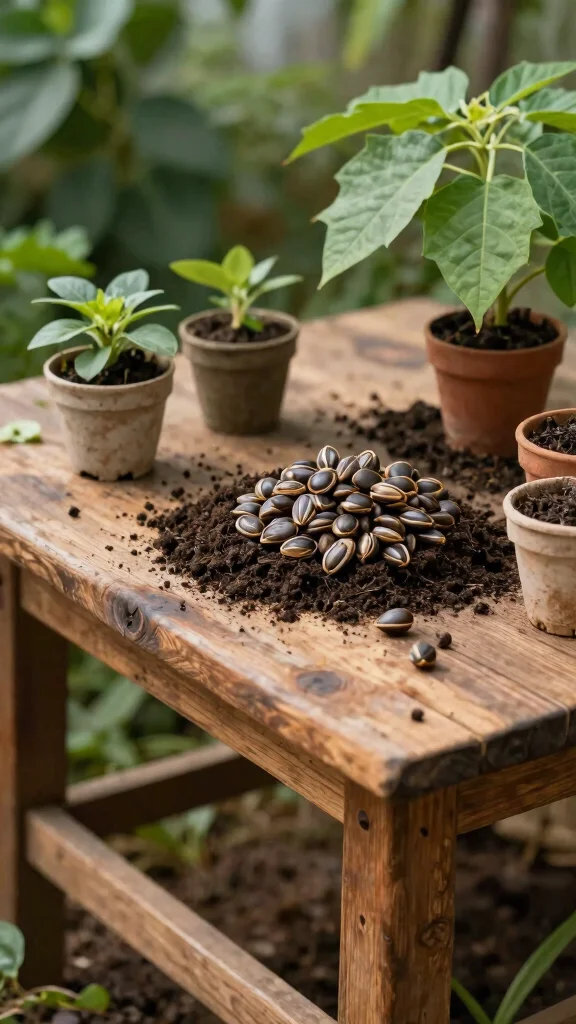
Have you ever tasted a pawpaw? This little-known fruit is a delight with its creamy, custard-like texture and sweet flavor, reminiscent of banana and mango. Growing pawpaws from seeds requires a bit more patience, but it’s well worth it. Start by soaking the seeds for a few hours before planting them into rich, organic soil, and watch your garden flourish!
Ingredients:
– Pawpaw seeds
– Rich, organic soil
– Water
Instructions:
1. Soak the seeds in water for about 2-3 hours.
2. Prepare a pot with organic soil and plant the seeds about an inch deep.
3. Water them well and place in a partially shaded area.
4. Keep the soil moist; they enjoy consistent moisture.
5. Be patient, as they will take a few years to bear fruit!
FAQs:
– Can I grow pawpaws in a pot? Yes, they can adapt to container growth!
– Do I need more than one tree to produce fruit? Yes, pawpaws benefit from cross-pollination.
Patience pays with pawpaw seeds—soak them for a few hours, plant in rich soil, and keep nurturing. In small spaces, you’ll turn tiny seeds into creamy, custard-like fruit trees you can harvest in time. Fruit seeds grown at home bring tropical flavor closer.
📹 Related Video: 4 Secrets For Growing PAWPAW TREES [Pawpaw Tree Growing Guide]
Pawpaw
Editor’s Choice

Burpee, 9 Quarts | Premium Organic Potting Natural Soil Mix Food Ideal f…

TomorrowSeeds – Paw Paw Tree Seeds – 15+ Count – for 2026 Planting Asimi…
Watering Can Indoor, Small Watering Cans for House Plants, Succulents an…
5. Pomegranate
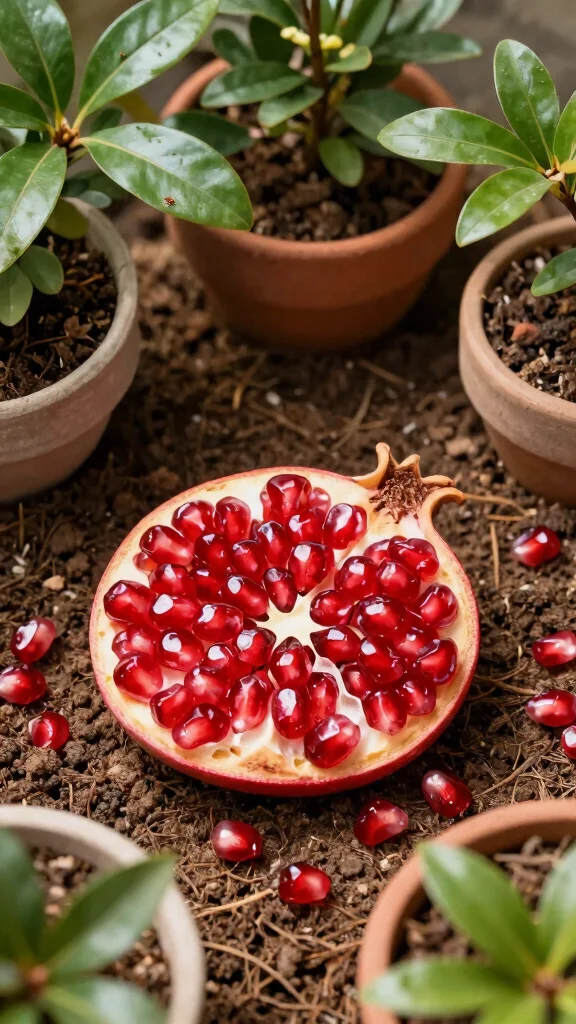
Craving a juicy and nutritious snack? Pomegranate trees are not only stunning but also yield delicious, antioxidant-rich fruit. Starting them from seeds is easy; simply harvest seeds from fresh pomegranates and plant them in well-draining soil. They thrive in sunny spots and are surprisingly drought-resistant, making them perfect for busy gardeners.
Ingredients:
– Fresh pomegranate seeds
– Well-draining soil
– Water
Instructions:
1. Extract seeds from a ripe pomegranate and rinse them.
2. Plant seeds about half an inch deep in well-draining soil.
3. Water them lightly and keep the soil moist until germination.
4. Place in a sunny spot and watch them grow!
5. Fertilize once they establish to promote fruiting.
FAQs:
– Can I grow pomegranates in a pot? Yes, they do well in containers!
– How long until they bear fruit? It typically takes 3-4 years from seed to fruit.
You might also like

Pomegranate
Editor’s Choice


Gardenera Premium Pomegranate Potting Soil Mix – Ideal Nutrient Blend fo…

Chapin 47998 Watering Can, 2 Gallon, Indoor and Outdoor Plants, Lawn, Ga…
6. Starfruit
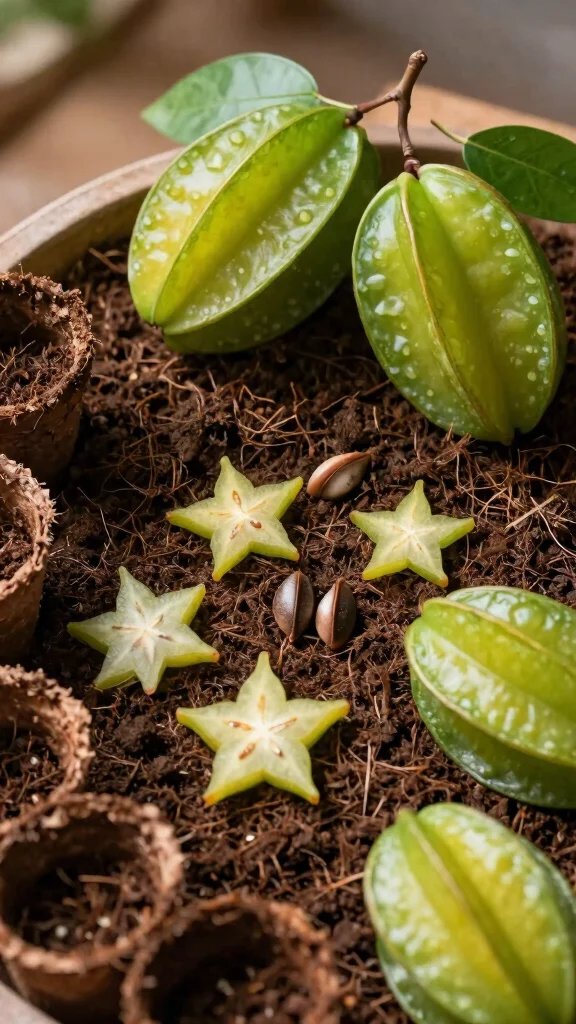
Looking to add a tropical vibe to your garden? Starfruit, or carambola, is not only visually stunning but also refreshingly sweet. Start by soaking the seeds overnight before planting them in rich, nutrient-laden soil. These trees flourish in bright sunlight, so ensure they have a sunny spot at home.
Ingredients:
– Starfruit seeds
– Nutrient-rich soil
– Water
Instructions:
1. Soak the seeds for a few hours to encourage germination.
2. Fill a pot with nutrient-rich soil and plant the seeds about an inch deep.
3. Water gently and place in a sunny location.
4. Keep the soil moist but not soggy, and be patient as they grow!
FAQs:
– Can I grow starfruit indoors? Yes, they can thrive indoors with enough sunlight!
– When will I see fruit? It usually takes a few years for the tree to bear fruit.
Did you know starfruit seeds can germinate in as little as 7–14 days after soaking? With only a sunny spot and nutrient-rich soil, a compact carambola tree can flourish in small urban spaces.
Starfruit
Editor’s Choice

Starfruit Carumbola Seeds, 8 Count, Green, Well-Draining Soil, Full Sun …
Burpee, 9 Quarts | Premium Organic Potting Natural Soil Mix Food Ideal f…
7. Mulberry Trees
Looking for a unique berry to grow in your garden? Mulberry trees are sweet, juicy, and often overlooked! Starting from fresh seeds is straightforward; simply press them into well-drained soil. They thrive in sunny spots and can quickly produce delicious berries for snacking or making jams.
Ingredients:
– Fresh mulberry seeds
– Well-drained soil
– Water
Instructions:
1. Gather fresh seeds and press them into well-drained soil.
2. Water lightly and keep the soil consistently moist until they root.
3. Place in a sunny location for optimal growth.
4. In a few years, enjoy the sweet berries straight from your garden!
FAQs:
– Can I grow mulberries in pots? Yes, they can adapt to container gardening!
– How long until they bear fruit? They typically produce fruit within a few years.
Did you know a single mulberry tree can produce hundreds of berries in a season? Start from fresh fruit seeds and press them into sunny, well-drained soil to watch your edible landscape flourish.
Mulberry Trees
Editor’s Choice
20Pcs Mulberry Seeds for Planting-Non-GMO Heirloom Fruit Seeds Garden Ou…
Chapin 47998 Watering Can, 2 Gallon, Indoor and Outdoor Plants, Lawn, Ga…
DUSPRO Recycle Citrus Tree Potting Soil Mix for Potted Lemon Tree, Speci…
8. Olive Trees
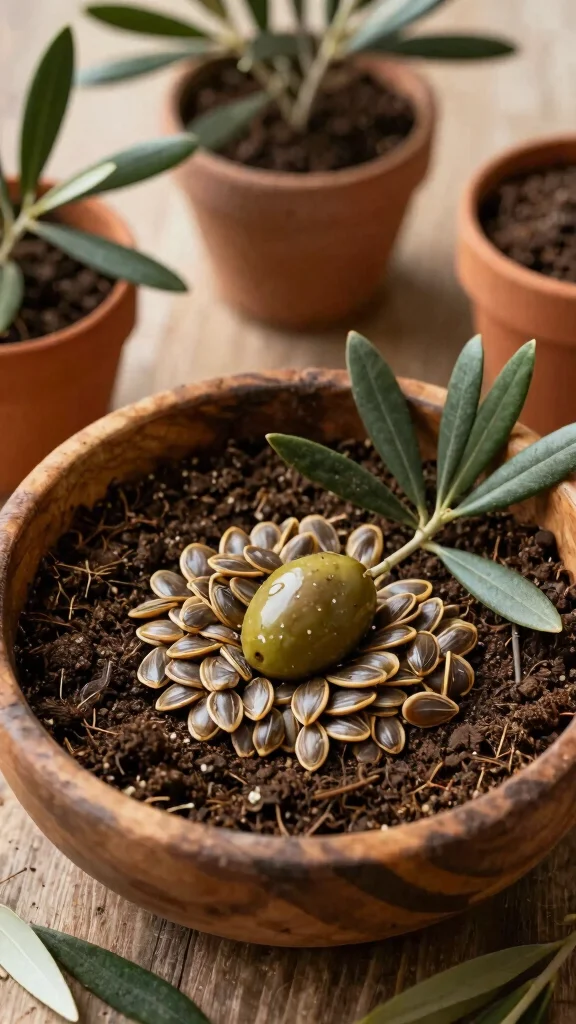
Ever dreamt of living in a Mediterranean paradise? Olive trees bring that dream to life! Starting them from seeds is a rewarding adventure; just plant in well-draining soil and find a sunny spot to thrive. They require minimal water once established, making them perfect for busy gardeners.
Ingredients:
– Olive seeds
– Well-draining soil
– Water
Instructions:
1. Plant the seeds in well-draining soil, about an inch deep.
2. Water gently and place in a warm, sunny area.
3. Once established, water less frequently.
4. Prune regularly to enhance growth and fruit production.
5. In a few years, enjoy your own olives for salads or tapenade!
FAQs:
– Can I grow olives indoors? Yes, they can thrive indoors with enough sunlight!
– How long until I can harvest olives? It usually takes a few years for fruit production.
You Might Also Like

How To Choose the Right Fruit Seeds for Your Home Garden
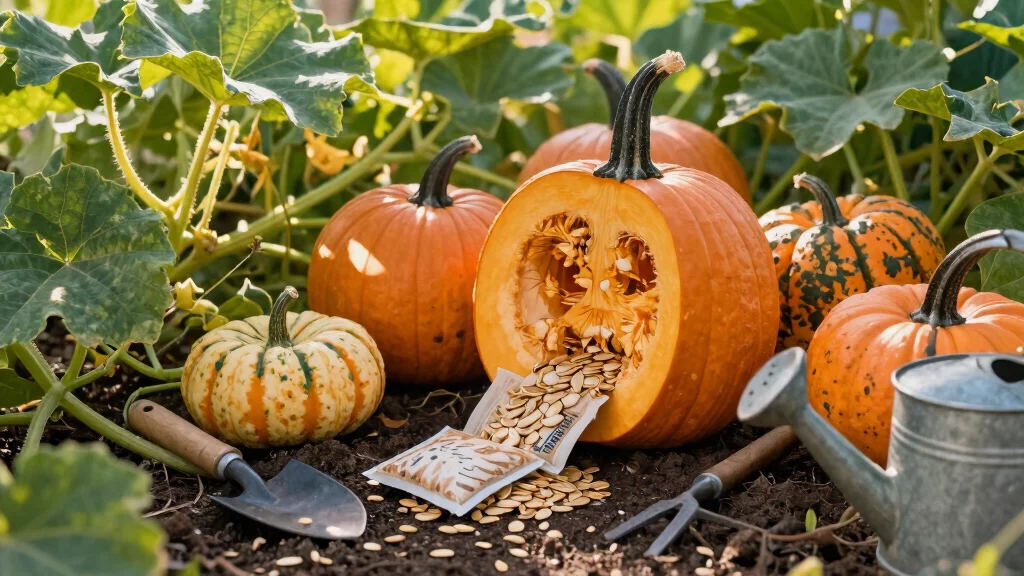
Choosing the right fruit seeds can make a huge difference in your home gardening adventure. With so many options available, it’s important to consider several factors before making a purchase. Here’s a guide to help you select the best fruit seeds for growing delicious and exotic fruit trees at home.
1. Consider Your Space
Before you pick any fruit seeds, evaluate your available space. Urban gardens often have limited square footage, so consider how much room you have for planting. Choose compact fruit tree varieties that can thrive in pots or small garden beds. Vertical gardening methods can also help maximize your space while still allowing you to grow fruit trees like figs or citrus.
2. Understand the Climate
Different fruit tree varieties thrive in different climates. Research the hardiness zone of your area to determine what fruit seeds will grow best. For example, dragon fruit loves the heat, while pawpaw trees prefer a cooler climate. Selecting seeds that are suited to your local weather will increase your chances of success and yield.
3. Seed Quality Matters
Always choose high-quality seeds from reputable sources. Look for organic gardening methods when possible, as these seeds are often grown without harmful pesticides or chemicals. Check for certifications or reviews about the seed company. Healthy seeds will have a better germination rate and result in stronger plants.
4. Know Your Growing Season
Different fruit seeds have distinct growing seasons. Some seeds may require starting indoors, while others can be sown directly in the garden. Research the best times for planting your chosen seeds to align with seasonal changes. For instance, citrus trees might need starting indoors in early spring, while mulberry trees can be sown directly as soon as the frost has passed.
5. Decide on Organic vs. Conventional
When selecting fruit seeds, you’ll encounter both organic and conventional options. Organic seeds are typically grown without synthetic fertilizers or pesticides, making them a healthier choice for you and the environment. If you’re focused on organic gardening methods, opt for seeds that are certified organic. This choice can also enhance the flavor of your fruits.
6. Experiment with Exotic Species
Don’t be afraid to try growing exotic fruit plants. Options like cherimoya or starfruit can add a unique touch to your garden. However, make sure to research their specific care needs. These exotic varieties may require extra attention, but the reward of growing unusual fruits can be well worth the effort.
Pro Tip:
When starting your seeds, keep a gardening journal. Track your planting dates, germination rates, and growth observations. This will help you refine your seed choices and techniques for future gardening seasons!
Taking the time to choose the right fruit seeds can lead to a fruitful garden experience. Consider your space, climate, and the quality of seeds before making a decision. With a little planning and care, you’ll be on your way to enjoying delicious and exotic fruits right from your home garden!
Olive Trees
Editor’s Choice

Olive Tree Seeds (10 Seeds) Common Olive, Edible Olive, Olea europaea, O…

Miracle-Gro Moisture Control Potting Mix – Plant Soil For Container Plan…
9. Cherimoya
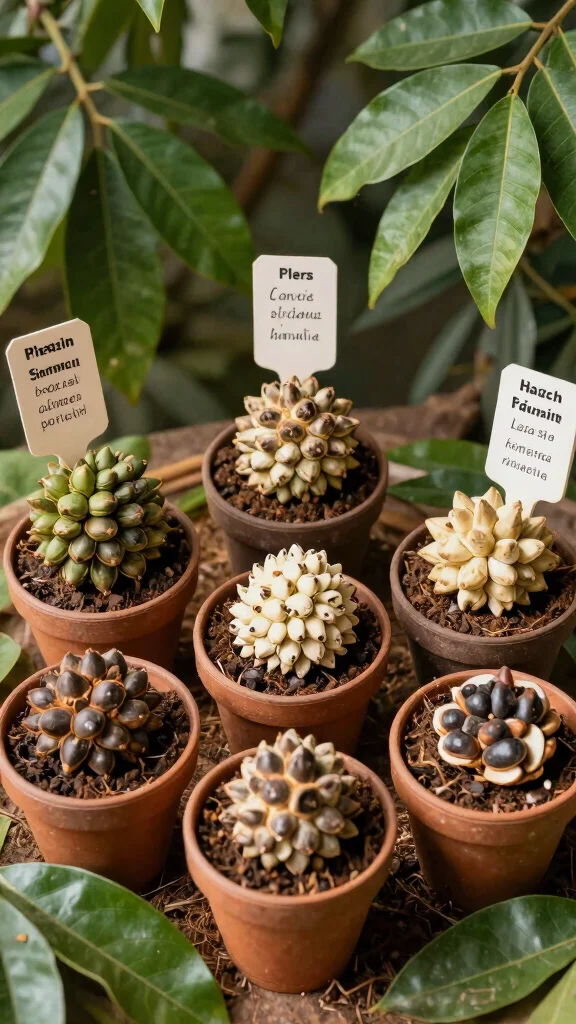
Have you ever tasted cherimoya, often called the ‘Ice Cream Fruit’? Its sweet, creamy flesh is a treat! Growing it from seeds is an enjoyable project. Start by cleaning the seeds and soaking them before planting in a rich, organic medium. Cherimoyas thrive in warmth, so provide them with a cozy environment.
Ingredients:
– Cherimoya seeds
– Rich organic soil
– Water
Instructions:
1. Clean and soak the seeds for a few hours.
2. Prepare a pot with rich organic soil and plant the seeds about an inch deep.
3. Water lightly and keep the soil moist but not soggy.
4. Place in a warm area for optimal growth.
5. In a few years, you’ll be enjoying this unique fruit!
FAQs:
– Can I grow cherimoya in a pot? Yes, they adapt well to container gardening!
– How long does it take to bear fruit? It usually takes a few years from seed to fruit.
Cherimoya
Editor’s Choice
Burpee, 9 Quarts | Premium Organic Potting Natural Soil Mix Food Ideal f…

5 Seeds of Annona Cherimola – Cherimoya. Sweet, Juicy, White Fleshed Exo…

VIVOSUN Durable Waterproof Seedling Heat Mat 10″ x 20.75″ UL & MET-Certi…
Conclusion
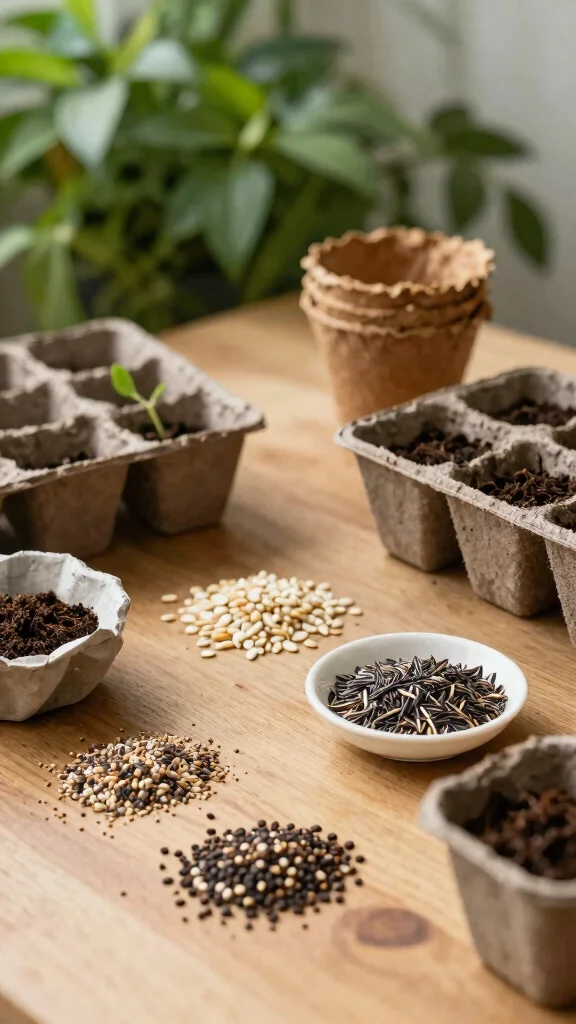
With just a few seeds, you can cultivate a diverse array of tasty fruits right in your urban garden. Each fruit tree brings its unique flavors and benefits while adding beauty to your space. Don’t shy away from trying out these exotic varieties – they can thrive in small spaces and provide delicious rewards!
Start your gardening journey today and experience the joy of home-grown fruit!
Note: We aim to provide accurate product links, but some may occasionally expire or become unavailable. If this happens, please search directly on Amazon for the product or a suitable alternative.
This post contains Amazon affiliate links, meaning we may earn a small commission if you purchase through our links, at no extra cost to you.
Frequently Asked Questions
What are the best first steps to grow delicious and exotic fruit trees from fruit seeds at home?
Start with high-quality fruit seeds from reputable suppliers or your own organic fruits.
Rinse and dry if you saved seeds, then soak them for 6–24 hours if the species suggests it to kick-start germination. Plant in a light, well-draining seed starting mix in clean containers. Keep the soil evenly moist and warm (ideally 70–85°F / 21–29°C). Use a humidity dome or clear lid to maintain humidity in the early days.
Provide bright, indirect light and gradually increase sun exposure as seedlings grow. Transplant to individual pots once they have true leaves, then move outdoors after the last frost if you’re growing in containers. For organic gardening methods, feed with dilute compost tea and mulch to keep roots cool. Remember that many exotic fruit trees take several years to bear fruit, so patience and consistency are key.
Which fruit tree varieties are most suitable for small spaces and can be grown from seeds in an urban home garden?
Look for fruit tree varieties that stay compact or are trained for containers. Choose dwarf or self-rooted types and use tall, narrow planters to maximize space. Examples of seeds that can work in small spaces include fig trees and pomegranate trees in pots, or citrus seedlings on dwarf rootstocks for balconies. If you crave something truly exotic, try growing a dragon fruit (pitaya) from seeds on a vertical trellis. Pair these choices with regular home gardening tips and prune to keep size manageable. With thoughtful placement and organic methods, you can enjoy fresh fruit without a yard.
How long does it take for fruit seeds to bear fruit, and what home gardening tips maximize success?
From seed to fruit is a long game and varies by species. Most fruit seeds germinate within 1–6 weeks when kept warm and well-lit, but many exotic fruit trees will take several years—often 3–7 years or more—to bear fruit.
To maximize success: give bright light, stable warmth, and even moisture; feed with organic fertilizers and mulch; transplant to larger containers as roots fill the pot; and keep a simple seed-to-tree log to track germination dates and growth. Patience and consistent care are key for exotic fruit plants grown from seeds in small spaces.
What seed starting techniques work best for exotic fruit plants in small spaces?
Effective seed starting techniques for exotic fruit plants in tight spaces include: 1) pre-soaking or scarification where needed to speed germination, 2) using a lightweight, well-draining seed starting mix enriched with compost, 3) planting shallow seeds in clean containers with drainage, 4) providing bottom heat with a seed mat or warm surface, 5) maintaining high humidity with a dome and ensuring good air circulation, 6) gradually acclimating seedlings to brighter light, and 7) moving to larger pots as roots develop. After germination, continue with organic gardening methods and monitor for pests. These techniques let you grow exotic fruit plants even in urban spaces.
What common mistakes should beginners avoid when growing fruit seeds at home?
Avoid these beginner pitfalls: 1) planting seeds in low light or cold spots, 2) overwatering or underwatering—keep moisture steady but not soggy, 3) skipping sanitation—start with clean pots and fresh soil to prevent disease, 4) assuming store-bought seeds will fruit the same or that hybrids will behave like parent varieties, 5) not hardening off new seedlings before outdoor exposure, 6) neglecting pruning and container management, and 7) using synthetic fertilizers too early—stick to organic gardening methods until plants are established. Steering clear of these issues will save time and encourage healthy, productive fruit trees in your home garden.
Related Topics
fruit seeds
exotic fruit plants
home gardening tips
urban gardening
rare fruit trees
organic gardening
seed starting techniques
small space gardening
beginner friendly
easy gardening
fruit tree varieties
container gardening