
Creating a home garden is a fulfilling way to bring nature indoors, but not everyone has the luxury of outdoor space. If you’re looking to cultivate your green thumb without an expansive backyard, then DIY hydroponic gardening is the perfect solution for you. This post came about because I know how many people are craving fresh herbs, vegetables, and fruits, and hydroponics allows you to grow them right in your home, all while being budget-friendly.
If you’re someone who loves gardening but feels limited by space or cost, you’re not alone. Many urban dwellers share similar challenges. This post is for anyone eager to start their own indoor hydroponic garden without breaking the bank. Whether you’re a seasoned gardener or just starting, you’ll find practical ideas that suit your skill level and budget.
You’ll discover eight creative DIY hydroponic garden indoor ideas that are not only easy to build but also sustainable and efficient. From simple systems made from everyday materials to more elaborate setups, each project is designed with cost-effectiveness in mind. By the end of this article, you’ll have an array of options to choose from, empowering you to grow your own food, no matter how small your space may be.
Key Takeaways
– Diverse Options: Explore eight unique DIY hydroponic ideas that fit different skill levels and budgets, ensuring there’s something for everyone.
– Sustainable Solutions: Learn how indoor hydroponic gardening promotes sustainable practices, allowing you to grow food without soil and minimize waste.
– Cost-Effective Materials: Uncover how to use common household items, like PVC pipes and mason jars, to create your hydroponic systems, making it easier to stick to your budget.
– Practical Tips: Gain valuable hydroponic gardening tips that will help you maintain your indoor garden, including lighting, nutrients, and water management.
– Enhanced Lifestyle: Enjoy the mental and physical benefits of gardening, including fresh produce at your fingertips, reducing grocery bills, and improving your living environment.
1. Simple PVC Pipe Hydroponics

If you’re eager to dive into hydroponics without spending a fortune, consider using PVC pipes. This method is not only cost-effective but also perfect for growing leafy greens and herbs indoors. By cutting PVC pipes and drilling holes for net pots, you can create a system that delivers nutrient-rich water straight to your plants.
Start by choosing a suitable location with good light. Ensure you have a reliable pump to circulate the water efficiently. This setup is simple, allowing you to focus on nurturing your plants rather than complicated maintenance.
Key benefits of PVC pipe hydroponics:
– Affordable: Easily sourced from local hardware stores.
– Space-Saving: Vertical design fits in tight spaces.
– Low Maintenance: Simple pump system keeps upkeep minimal.
With PVC pipe hydroponics, you can enjoy fresh herbs and greens while maximizing your indoor gardening space.
Starting a diy hydroponic garden indoor setup is affordable and rewarding. PVC pipes turn inexpensive materials into leafy greens you can harvest in weeks. It’s simple, scalable, and perfect for small spaces.
Simple PVC Pipe Hydroponics
Editor’s Choice

Bates- PVC Pipe Cutter, Cuts up to 1-1/4″, Ratcheting PVC Pipe Cutter To…


VIVOSUN 800GPH Submersible Pump(3000L/H, 24W), Ultra Quiet Water Fountai…

2 inch Net Cups Pots 30 Pack with 30 feet Self Watering Wick & 30 Plant …
2. Mason Jar Hydroponic Plants
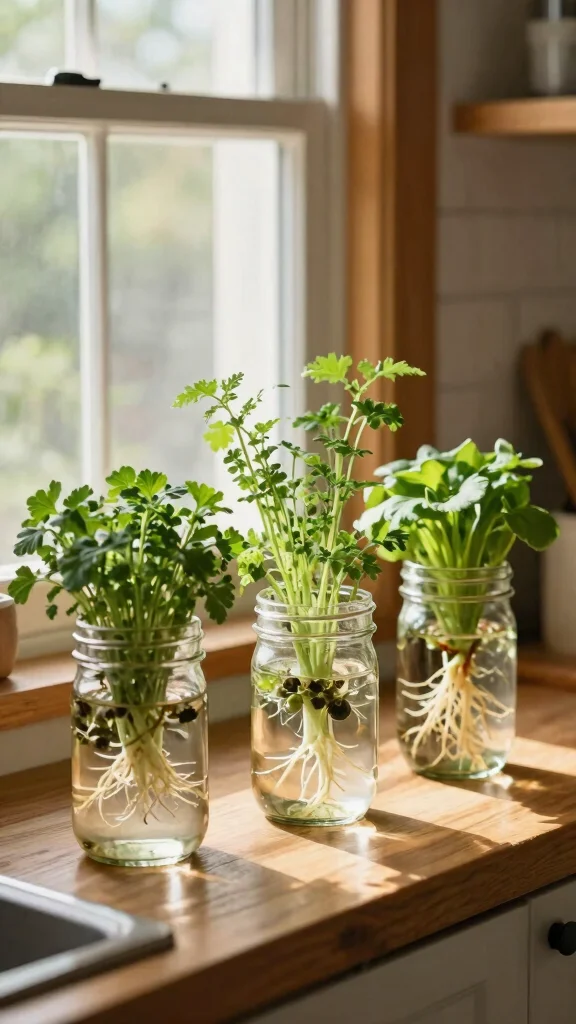
Mason jars are not just for preserving; they can also be delightful hydroponic planters! This charming approach makes indoor gardening fun, especially in small spaces. Just fill your jars with water and nutrient solutions, then add cuttings of your favorite herbs like basil or mint. The clear glass lets you watch the roots grow, making it visually rewarding.
Place the jars in sunny spots to promote growth and change the water weekly to keep it fresh. This easy method not only cultivates herbs but also adds a rustic touch to your home decor.
Benefits of using mason jars:
– Visually Appealing: Glass adds a decorative element to any space.
– Cost-Effective: Most people already have jars at home.
– Educational: Great for kids learning about plant growth.
Mason jar hydroponics lets you enjoy fresh herbs while enhancing your living space with style.
Mason Jar Hydroponic Plants
Editor’s Choice

GooingTop LED Grow Light,6000K Full Spectrum Clip Plant Growing Lamp wit…

Liquid Plant Food for use in AeroGarden, IDOO and Hydroponic Growing Sys…

Wide Mouth Mason Jars 16 oz 6 Pack with Airtight Lids | Glass Canning Ja…
3. Vertical Hydroponic Tower

If you’re short on space but want to grow a variety of plants, a vertical hydroponic tower is a fantastic solution! This setup allows you to cultivate multiple plants in a compact area, making it ideal for apartments or small balconies. You can easily construct your tower with stackable planters or even repurpose old wooden pallets.
Ensure proper water flow to nourish all the plants and place it near a light source for optimal growth. This method not only saves space but also enhances your gardening experience.
Advantages of vertical towers:
– Maximize Space: Utilize vertical areas efficiently.
– Higher Yield: Grow more plants in less ground area.
– Easy Harvesting: Access plants at eye level.
A vertical hydroponic tower provides both a stunning focal point and a bountiful harvest of fresh produce.
Vertical Hydroponic Tower
Editor’s Choice

Aokrean Plant Grow Light, 48 LEDs Full Spectrum Grow Lights for Indoor P…
Liquid Plant Food for use in AeroGarden, IDOO and Hydroponic Growing Sys…
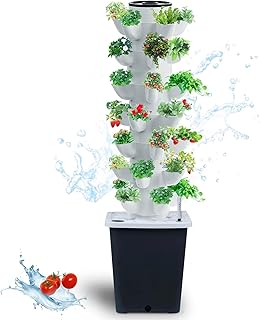
Hydroponics Tower Indoor Growing System Vertical Garden Planter Indoor S…
4. Floating Raft Hydroponics

Floating raft hydroponics offers a unique and engaging way to grow plants in water! This system is perfect for larger plants like lettuce and kale. By using foam boards to support seedlings in net pots, you can let them float in a nutrient-rich solution below.
This method is efficient, providing plants with ample nutrients and oxygen while being low-maintenance. It’s also a fantastic educational project, demonstrating principles of buoyancy and plant growth.
To get started:
– Choose a bright spot: Ensure the raft gets plenty of indirect sunlight.
– Monitor nutrients: Regularly check the nutrient solution to keep it balanced.
Floating raft hydroponics is not only effective but also a fun experiment that can spark curiosity in all ages!
You might also like

Floating Raft Hydroponics
Editor’s Choice
Liquid Plant Food for use in AeroGarden, IDOO and Hydroponic Growing Sys…

200 Pack Hydroponic Sponge Planting Tool Square Seedling Sponges Greenho…
2 inch Net Cups Pots 30 Pack with 30 feet Self Watering Wick & 30 Plant …
5. Bottle Hydroponic Garden

Transforming plastic bottles into hydroponic gardens is an eco-friendly and imaginative way to grow plants! This budget-friendly project uses recyclable materials, making it great for anyone looking to garden sustainably. Simply cut bottles in half, fill them with water and nutrients, and place your plants in the top half.
This method allows for customization based on your space and can be easily moved for sunlight. It’s an excellent way to reduce waste while enjoying fresh herbs.
Benefits of bottle hydroponics:
– Recycle with Purpose: Turn waste into a productive garden.
– Adaptable Design: Change sizes according to your space.
– Lightweight: Easily relocate for the best sunlight.
Creating a bottle hydroponic garden lets you grow fresh plants while being stylish and environmentally conscious!
Turn plastic bottles into a diy hydroponic garden indoor, eco-friendly, budget-smart, and totally doable. Cut, fill, and position for sun; movable setups mean fresh herbs wherever your space allows.
📹 Related Video: How to grow vegetable in plastic bottles for beginners | Growing vegetable with seeds
Bottle Hydroponic Garden
Editor’s Choice
Liquid Plant Food for use in AeroGarden, IDOO and Hydroponic Growing Sys…
GooingTop LED Grow Light,6000K Full Spectrum Clip Plant Growing Lamp wit…

3Pcs 1000ml(33oz) Plastic Safety Lab Wash Bottle, Plastic Squeeze Bottle…
6. Hydroponic Wick System

The hydroponic wick system is an easy and budget-friendly way to start growing plants indoors. This simple method uses wicks to draw nutrients from a reservoir, making it perfect for beginners. You can set this system up with basic containers, wicks, and a nutrient solution.
This low-tech approach is fantastic for small herbs and vegetables, allowing for steady nutrient supply without pumps. It’s straightforward to assemble and ideal for DIY enthusiasts.
To ensure success:
– Check wick length: Make sure it reaches the nutrient solution.
– Choose the right containers: Ensure they drain well to avoid over-saturation.
The hydroponic wick system is a smart way to explore hydroponics and enjoy delicious results!
Fun fact: the hydroponic wick system can power a small herb garden with no pumps. For your diy hydroponic garden indoor, you can set it up in under 30 minutes using simple containers and wicks. It’s affordable, practical, and perfect for beginners.
Hydroponic Wick System
Editor’s Choice

12 Pack 3 inch Net Cups Pots with 12 feet Hydroponics Self Watering Wick…

50ft 1/4 inch Plants Self Watering Capillary Wick Rope Cord DIY Vacation…
Liquid Plant Food for use in AeroGarden, IDOO and Hydroponic Growing Sys…
7. Hydroponic Herb Garden Kit

If you love fresh herbs but want to skip the hassle, a hydroponic herb garden kit is a perfect choice. These kits come with everything you need—containers, nutrient solutions, and seeds—making it an easy option for beginners. They are available in various sizes, fitting perfectly in any indoor space.
By using a kit, you save time on sourcing materials and enjoy a user-friendly setup. Many kits also offer a variety of herbs for diverse culinary uses.
For best results:
– Follow instructions closely: This ensures plant health and growth.
– Position for light: Keep it in a bright area for optimal growth.
A hydroponic herb garden kit is a great way to start your indoor gardening journey effortlessly!
You Might Also Like
Cost Breakdown & Budget Planning
Creating a DIY hydroponic garden indoors can be a rewarding and budget-friendly project. To help you plan wisely, let’s break down the costs involved. Here you’ll find a comprehensive guide to understand what you might spend on materials, tools, and optional extras.
Cost Breakdown by Category:
– Materials/Products: Expect to spend between $30 to $150 depending on your garden size and complexity. Simple systems like mason jar setups can be very cheap, while more advanced systems like vertical towers may cost more.
– Tools/Equipment: Basic tools can range from $10 to $50. If you don’t have things like drills or scissors, consider borrowing or buying used to save money.
– Labor/Professional installation: If you need help, hiring a professional can cost between $50 to $100 per hour. For most DIY projects, you can easily handle it yourself, saving this expense.
– Optional extras: Additional features like grow lights, pH testing kits, or seedling trays might add another $20 to $100 depending on your choices.
Budget Tier Breakdown:
Basic Economy Tier $
– What’s included: This tier includes the essential materials needed for a simple hydroponic setup, such as mason jars, net pots, and basic nutrient solutions.
– Good for: Ideal for beginners looking to experiment with hydroponics without a big commitment.
– Limitations: You might miss out on advanced features like automated systems or grow lights, limiting your plant choices.
Mid-Range Tier $$
– What’s included: This option combines essential features with a balanced selection of materials, including a small vertical garden or a simple floating raft system.
– Good for: Great for hobbyists who want a reliable setup that can yield a decent amount of produce.
– Best value for: Most people who want enough functionality without breaking the bank. You can grow a variety of herbs and small vegetables.
Premium Tier $$$
– What’s included: At this level, you get all the bells and whistles—advanced hydroponic systems, high-quality lights, and multiple growing mediums.
– Good for: Serious gardeners who want to maximize yield and efficiency. Perfect for growing larger herbs or even small fruiting plants.
– Worth it if: You are committed to indoor gardening and want a long-term solution that efficiently produces food year-round.
Money-Saving Tips:
– Shop smart: Look for sales at gardening stores or online marketplaces. Bulk buying can also reduce costs.
– Use recycled materials: Items like old containers, pipes, or even unused furniture can serve as base materials for your DIY hydroponic system.
– DIY tools: Instead of purchasing expensive equipment, consider making your own tools like timers or simple lighting systems using inexpensive parts.
– Start small: Begin with a basic setup and expand as you gain confidence and experience. This approach helps you avoid overspending upfront.
Where to Splurge:
– Lighting: If you plan to grow year-round, investing in high-quality grow lights can enhance plant growth significantly. They provide the right spectrum for photosynthesis, which is crucial for your plants’ development.
– Nutrients: Quality nutrient solutions can make a big difference in plant health. Good nutrients ensure your plants have everything they need to thrive, which can lead to better yields.
By following this budget planning guide, you can create a DIY hydroponic garden indoors without overspending. Make choices based on your needs, and enjoy the process of growing your plants! 🌱
Hydroponic Herb Garden Kit
Editor’s Choice
Aokrean Plant Grow Light, 48 LEDs Full Spectrum Grow Lights for Indoor P…
Liquid Plant Food for use in AeroGarden, IDOO and Hydroponic Growing Sys…

Ahopegarden Indoor Garden Hydroponics Growing System: 10 Pods Plant Germ…
8. DIY Hydroponic Greenhouse

For a comprehensive indoor gardening experience, building a DIY hydroponic greenhouse is an exciting project. This setup allows you to create a controlled environment where plants can flourish, regardless of outdoor conditions. With just a small space, plastic sheeting, and shelves, you can establish a mini greenhouse filled with hydroponic systems.
This controlled environment maintains optimal temperature and humidity, extending your growing season and boosting plant growth rates. It’s a rewarding endeavor that enhances your gardening capabilities.
Tips for setup:
– Use clear plastic sheeting: Maximize sunlight for your plants.
– Ensure ventilation: Prevent overheating for healthy plants.
Building a DIY hydroponic greenhouse can elevate your indoor gardening to new heights, allowing for year-round growth!
DIY Hydroponic Greenhouse
Editor’s Choice
GooingTop LED Grow Light,6000K Full Spectrum Clip Plant Growing Lamp wit…

10 Pieces Plastic Drop Sheets for Painting, Waterproof and Dust-Proof Cl…
Liquid Plant Food for use in AeroGarden, IDOO and Hydroponic Growing Sys…
Conclusion

Creating a DIY hydroponic garden indoors is not just about growing plants—it’s about embracing sustainability and ingenuity. These eight ideas offer exciting and budget-friendly ways to dive into indoor gardening, transforming your living space into a lush sanctuary. From simple PVC systems to charming mason jars, there’s something for everyone to enjoy!
So gather your materials, unleash your creativity, and start your hydroponic gardening journey today. Who knows, you may just find your new favorite hobby!
Note: We aim to provide accurate product links, but some may occasionally expire or become unavailable. If this happens, please search directly on Amazon for the product or a suitable alternative.
This post contains Amazon affiliate links, meaning we may earn a small commission if you purchase through our links, at no extra cost to you.
Frequently Asked Questions
What is the simplest diy hydroponic garden indoor setup for small spaces?
For a beginner-friendly, space-saving start, choose a compact container, a lightweight grow medium (like coco coir or perlite), an air pump with an air stone, a small reservoir, and a timer for lights. A Kratky-style passive system or a tiny drip/ebb-and-flow using a reused tote can work well in limited space. Set it on a sturdy shelf near natural light or under a budget LED grow light. With a diy hydroponic garden indoor mindset and some basic hydroponic gardening tips, you can harvest quickly and scale up later.
Tip: start with leafy greens like lettuce to learn the basics, then expand to herbs and compact veg.
How can I build budget-friendly hydroponics indoors without fancy gear?
Start with repurposed containers (a cleaned tote or storage bin), a cheap air pump kit, a small reservoir, and a simple nutrient solution. Use a low-cost LED strip or shop lights and a timer to control day length. Build a basic drip or wick system from tubing and a bottle cap emitter, or try a Kratky setup in a tote. Keep your costs down by buying pre-mixed nutrients and reusing containers. Regularly check pH and EC, aim for pH 5.5–6.5 and modest EC levels. This approach is a practical way to dive into budget-friendly hydroponics and test new indoor gardening systems without breaking the bank.
What crops grow best in a DIY indoor hydroponic garden?
Leafy greens and herbs rule in small spaces: lettuce, spinach, arugula, kale, basil, mint, cilantro, and parsley perform well in most DIY setups. For fruiting crops, try compact strawberries or cherry tomatoes if you have a little extra space and light. Microgreens are quick and rewarding as a starter crop. Focus on crops with short growth cycles and light nutrient needs to maximize output in your indoor gardening systems and sustainable gardening solutions goals. If you want to turn this into a DIY garden projects idea, you can customize a vertical stack to multiply growing area.
What maintenance tips prevent common issues in DIY hydroponic systems?
Keep a consistent light schedule and monitor your nutrient reservoir weekly. Test and adjust pH to 5.5–6.5 and manage EC per crop. Clean the reservoir and tubing every month to avoid algae growth and clogs. Inspect roots for signs of rot or nutrient deficiency, and ensure proper aeration. Keep a simple log of changes and harvest cycles. These steps are practical and align with your DIY garden projects and hydroponic gardening tips to stay productive.
How can I make my indoor hydroponic garden more sustainable and space-saving?
Maximize vertical space with shelves and wall-mounted planters, and choose energy-efficient LED lighting. Reuse containers and recirculate water to reduce waste. Use a compact, modular layout that can scale up or down as your space changes. Keep a catchment tray to reuse run-off and recycle plant trimmings. Emphasize sustainable gardening solutions by selecting durable hardware and minimizing waste; this is a great way to turn a DIY garden projects into greener habits.
Related Topics
diy hydroponic garden
indoor gardening systems
budget-friendly hydroponics
small space gardening
sustainable gardening
easy hydroponics
beginner friendly
hydroponic gardening tips
vertical gardening
homemade systems
container gardening
urban gardening