
There’s something special about watching plants grow. It’s like magic, but it’s science! If you’ve ever daydreamed about cultivating your own little urban oasis, then you’re in the right place. I created this post because I know a lot of you are eager to learn how to make your own hydroponic garden thrive, especially using deep water culture systems. With so many options available, why not explore some creative ideas that can fast-track your gardening journey?
If you’re a city dweller looking to infuse a bit of green into your life, this guide is for you. You care about sustainability, fresh produce, and the joy of growing your own food, but maybe you’re not sure where to begin. The good news? I’ve compiled 9 deep water culture system ideas that are easy to set up, efficient, and provide plenty of yield. Whether you’re a seasoned gardener or just starting out, these ideas will help you navigate the world of hydroponic gardening with confidence.
In this post, you’ll discover unique DWC techniques, nurturing tips, and practical applications to ensure your plants thrive. Get ready to dive into a world of nutrient solutions and growth techniques that will transform your indoor gardening experience into something extraordinary.
Key Takeaways
– DWC Systems: Understand how deep water culture systems work to keep your plants oxygenated and thriving in a nutrient solution.
– System Variations: Explore different types of DWC systems like the Simple Bucket DWC and the Vertical DWC Tower to find the best fit for your space.
– Home Hydroponics: Discover how these systems can be tailored for indoor gardening, making it easy to grow fresh produce even in urban settings.
– Automation Options: Learn about automated DWC systems that simplify plant care, allowing you to enjoy gardening without the constant upkeep.
– DIY Ideas: Get inspired by DIY DWC systems that let you create your own gardening setup while saving money and personalizing your approach.
1. The Simple Bucket DWC System

Imagine growing fresh herbs and vegetables right in your home with minimal fuss. The simple bucket DWC system lets you do just that, using a 5-gallon bucket to create a thriving environment. With a net pot filled with your favorite growing media, the roots dangle into a nutrient-rich solution, promoting quick growth and easy harvesting.
Finding the materials is a breeze; local gardening shops and online stores have everything you need. By adding an air pump with airstones, you ensure that your plants receive the oxygen and nutrients essential for flourishing.
Key benefits:
– Easy to set up with affordable materials
– Perfect for small spaces and beginners
– Simple monitoring of plant growth
You can cultivate a variety of plants, from lettuce to tomatoes, and as you learn, you can tweak nutrient solutions to enhance growth. With consistent care, you’ll enjoy fresh produce in no time!
Did you know the simple bucket deep water culture system can boost growth speed by up to 2x? With a 5-gallon bucket, net pots, and an air pump, roots soak in oxygen-rich nutrients for faster harvests and easy, mess-free gardening.
The Simple Bucket DWC System
Editor’s Choice

VIVOSUN Commercial Air Pump 634GPH, 25W, 40L/min 6 Outlet for Aquarium a…


United Solutions 5-Gallon Heavy-Duty Buckets with Snap-On Lids, 6-Pack �…

General Hydroponics Flora Series: FloraMicro, FloraBloom, FloraGro – 3-P…
2. The Multi-Plant DWC System

If you’re ready to expand your indoor garden, the multi-plant DWC system is the way to go. This setup allows you to accommodate several plants simultaneously, typically using a large reservoir like a plastic tote. Each plant sits in its own net pot, ensuring they all have access to the nutrient solution they need to thrive.
This system is perfect for growing a variety of herbs, leafy greens, and even fruiting plants like strawberries. Just be sure to maintain consistent water levels and consider the unique light needs of each plant type.
Tips for success:
– Keep water levels stable for nutrient balance
– Adjust lighting for different plant needs
By nurturing a diverse garden, you can enjoy continuous harvesting and transform your space into a lush paradise!
The Multi-Plant DWC System
Editor’s Choice

Ahopegarden Indoor Garden Hydroponics Growing System: 10 Pods Plant Germ…


AQUANEAT Aquarium Air Pump for 20-210 Gallon Tank, Fish Air Bubbler, Hyd…
3. The Vertical DWC Tower

When space is tight, the vertical DWC tower system can be a game changer. This innovative design allows you to maximize vertical space by using PVC pipes or similar materials to grow plants in a vertical arrangement. Each pipe holds multiple net pots, with roots submerged in nutrient solution below, creating a stunning green wall.
Not only does this save space, but it also enhances aeration and light exposure for all your plants. Ensure your tower is securely placed and monitor water levels for optimal growth.
Advantages of vertical growth:
– Efficient use of space in urban gardens
– Eye-catching garden display
– Improves aeration for better growth
With the right attention, your vertical DWC tower will flourish with herbs or vibrant flowers, becoming a focal point in your home!
The Vertical DWC Tower
Editor’s Choice

PVC Pipe Ø 25 mm, Thickness 1.7 mm, Rigid Plastic, for AOONEG Hydroponi…

2 inch Net Cups Pots 30 Pack with 30 feet Self Watering Wick & 30 Plant …

Liquid Plant Food for use in AeroGarden, IDOO and Hydroponic Growing Sys…
4. The Floating Raft DWC System

The floating raft DWC system is a fantastic choice for both hobbyists and commercial growers. In this method, a lightweight raft made from styrofoam floats on the nutrient solution, supporting net pots filled with plants. This setup keeps plants oxygenated and makes plant cloning a breeze; just cut a section from the raft to propagate new plants.
Make sure all plants receive adequate light and regularly check the nutrient solution levels to keep everything thriving.
Key considerations:
– Ensure proper light exposure for all plants
– Monitor nutrient levels frequently
This system is especially effective for leafy greens like lettuce, providing a great way to grow fresh salads at home!
📹 Related Video: How to Build a Floating Raft Hydroponic System
The Floating Raft DWC System
Editor’s Choice

12 Pack 3 inch Net Cups Pots with 12 feet Hydroponics Self Watering Wick…

GooingTop LED Grow Light,6000K Full Spectrum Clip Plant Growing Lamp wit…
Liquid Plant Food for use in AeroGarden, IDOO and Hydroponic Growing Sys…
5. The Hybrid DWC System

For those seeking a versatile gardening method, the hybrid DWC system combines deep water culture with aeroponic techniques. This setup allows roots to be misted while submerged in nutrient-rich water, enhancing oxygenation and nutrient absorption. It’s particularly effective for fast-growing plants like basil and cucumbers.
A hybrid system can be more complex, but the enhanced growth rates and flexibility make it a rewarding choice. Experimenting with different techniques can lead to exciting results.
Benefits include:
– Faster growth due to improved oxygen access
– Suitable for various plant types
– Opportunities for ongoing experimentation with techniques
Embrace this innovative approach, and watch your garden thrive!
You might also like

The Hybrid DWC System
Editor’s Choice

VEVOR DWC Hydroponic System, 5 Gallon 8 Buckets, Deep Water Culture Grow…
General Hydroponics Flora Series: FloraMicro, FloraBloom, FloraGro – 3-P…
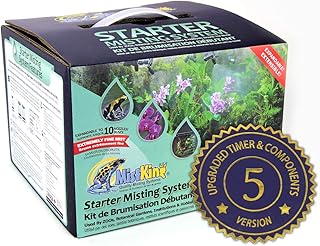
MistKing – Starter Misting System, 5th Gen | Used by Zoos, Botanical G…
6. The Automated DWC System

Take your hydroponic gardening to new heights with an automated DWC system. This setup uses sensors and timers to keep nutrient levels, water temperature, and pH balanced, allowing busy gardeners to maintain a healthy garden effortlessly. With automation, you can focus on enjoying the gardening experience rather than constant monitoring.
You can even connect smartphone apps for real-time updates on your garden’s status, making it easy to manage.
Advantages of automation:
– Minimize maintenance time and effort
– Consistent conditions boost plant growth
– Great for growing multiple plant types
With automation, your indoor garden can thrive while you manage your busy life!
Did you know an automated DWC system can cut daily checks from 20 minutes to just 2 minutes? With sensors and timers, nutrients, water temperature, and pH stay balanced, so you manage a thriving, hands-off garden from your phone.
How To Choose the Right Deep Water Culture System
When diving into hydroponic gardening, selecting the correct deep water culture (DWC) system is essential for fast and productive growth. Here are some key factors to help you make the right choice:
1. Size
Consider how much space you have available. DWC systems can range from small setups for a few plants to large systems that accommodate many. If you’re gardening indoors, a compact system may be ideal. For outdoor or larger setups, look for systems that fit well within your growing area while allowing for growth. Measure your available space to ensure a snug fit.
2. Material
The material of your DWC system impacts its durability and insulation. Common materials include plastic, which is lightweight and affordable, and PVC, known for its sturdiness. If you’re concerned about heat retention, look for insulated options. Check the quality to ensure it’s reliable and will last through multiple growing cycles.
3. Features
Evaluate the features that come with the DWC system. Some systems include air pumps and aeration stones, essential for providing oxygen to the roots. Others may have built-in reservoirs for nutrient solutions. Decide which features are necessary for your gardening style. Systems with adjustable water levels can also be beneficial as plants mature.
4. Budget
Determine how much you’re willing to spend. DWC systems can range from budget-friendly DIY kits to high-end commercial models. While it might be tempting to choose the cheapest option, consider the long-term costs, including replacement parts or additional components needed for optimal growth.
5. Ease of Setup
Look for systems that are easy to set up and maintain. Some kits come with comprehensive instructions and user-friendly designs. If you’re a beginner, a system with clear assembly steps and minimal complex components can make a significant difference. Reading reviews can also provide insights into how easy it is to get started.
6. Plant Growth Potential
Different DWC systems support various plant types and growth stages. Make sure the system you choose can accommodate the plants you want to grow, whether it’s leafy greens, herbs, or fruiting plants. Research how each system performs with different plant types to ensure you maximize your yield.
Pro Tip: Consider starting with a simpler system if you’re new to hydroponic gardening. Once you gain more experience, you can move on to more complex setups that offer larger yields!
With these criteria in mind, you can select the perfect deep water culture system that fits your urban gardening needs. Happy gardening!
The Automated DWC System
Editor’s Choice

Smart WiFi Soil Moisture Meter for Plants, 2-in-1 Sensor with App Alerts…

pH EC Continuous Monitor for Hydroponic, 6 in 1 WiFi EC PPM CF pH Meter,…

The Atwater HydroPod – DWC (4 SITE w/ 6″ Baskets) A/C Powered Dual Air S…
7. The DIY DWC System

For those who love hands-on projects, a DIY DWC system offers a rewarding experience that can save money. Using common materials like plastic storage bins, tubing, and an air pump, you can create a personalized hydroponic system. This method encourages creativity and experimentation as you can design your setup to suit your space and plant preferences.
Building your own system also deepens your understanding of hydroponics, enhancing your gardening skills along the way.
Considerations for DIY setups:
– Research designs to find what works for you
– Choose food-safe plastics to protect your plants
A DIY hydroponic system makes gardening a fun and interactive experience, bringing you closer to your indoor oasis!
The DIY DWC System
Editor’s Choice
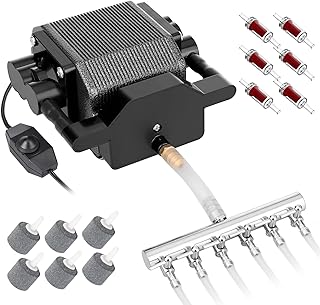
AquaMiracle 6/8/16W Quiet Fish Tank Air Pump 200/317/475GPH High Pressur…
Bin Warehouse DFAE2MBW0431 Storage System for 12-Totes
8. The Nutrient Film Technique (NFT) Integration

Integrating the Nutrient Film Technique (NFT) with your DWC system can lead to impressive growth. NFT allows a thin film of nutrient solution to flow over the roots, ensuring constant nourishment while providing ample oxygen exposure. This hybrid approach promotes rapid plant growth and overall health, making it ideal for leafy greens and herbs.
While setting up this combination can be complex, the benefits are significant. Your garden will thrive with vibrant plants and fresh produce.
Key benefits:
– Improved nutrient uptake with constant flow
– Better air exposure for healthy roots
– Versatile for various plant types
Embrace this innovative setup, and watch your garden flourish!
You Might Also Like

The Nutrient Film Technique (NFT) Integration
Editor’s Choice
Liquid Plant Food for use in AeroGarden, IDOO and Hydroponic Growing Sys…

AQUANEAT Aquarium Air Pump 300GPH, for up to 200 Gallon Fish Tank, Power…

6 in. Wide Lip Bucket Basket – Round Plant Container with Mesh Bottom – …
9. The Seasonal DWC Garden

Consider creating a seasonal DWC garden that allows you to grow different plants throughout the year. By rotating crops based on the season, you can make the most of your indoor gardening space. Start with lettuce in spring, transition to summer tomatoes, and finish with winter herbs to keep your system productive year-round.
Planning ahead ensures that you’re always cultivating something fresh and delicious.
Tips for successful seasonal gardening:
– Research seasonal plant preferences for optimal growth
– Keep a gardening journal to track progress
Adopting a seasonal approach keeps your indoor garden dynamic and engaging, making hydroponic gardening a rewarding experience!
Fun fact: A seasonal DWC garden can yield fresh lettuce in spring, tomatoes in summer, and winter herbs all year in a compact urban setup. With careful crop rotation, you can boost year-round productivity by 25-35% using a single deep water culture system.
The Seasonal DWC Garden
Editor’s Choice
Liquid Plant Food for use in AeroGarden, IDOO and Hydroponic Growing Sys…
GooingTop LED Grow Light,6000K Full Spectrum Clip Plant Growing Lamp wit…
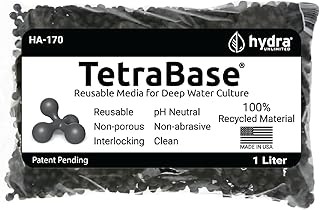
TetraBase Hydroponic Grow Media 1 Liter Bag | Reusable, pH Neutral, Non-…
Conclusion

From simple DIY setups to sophisticated automated systems, there’s a DWC solution for everyone looking to embark on their hydroponic gardening journey. Each of these nine ideas provides unique advantages and opportunities for growth, allowing you to cultivate fresh produce right from your home.
Don’t hesitate to experiment and tailor these systems to your personal gardening style. The world of indoor gardening is a vibrant adventure waiting for you to explore!
Note: We aim to provide accurate product links, but some may occasionally expire or become unavailable. If this happens, please search directly on Amazon for the product or a suitable alternative.
This post contains Amazon affiliate links, meaning we may earn a small commission if you purchase through our links, at no extra cost to you.
Frequently Asked Questions
What exactly is a deep water culture system and why is it popular for urban hydroponic gardening?
A deep water culture system (DWC) keeps plant roots submerged in a highly oxygenated nutrient solution instead of soil. It’s popular for urban hydroponic gardening because it’s simple to build, affordable, and can deliver fast growth in compact spaces.
To get started: pick a sturdy reservoir, install an air pump with an airstone to oxygenate the nutrient solution, place your plant in a net pot with growing medium, and cover the lid. Fill the reservoir, set the pH to about 5.8–6.2, and keep an eye on EC and water temperature to protect root health. With regular checks, a basic DWC setup becomes a reliable, space‑efficient indoor gardening system.
What are practical DWC techniques to optimize root health and avoid common issues like root rot?
Root health in DWC comes down to oxygen, temperature, and cleanliness. Here are practical techniques you can implement today: use a robust air pump and multiple air stones; keep the nutrient solution cool (18–22°C) and out of direct light to slow algae and pathogen growth; maintain a steady pH in the 5.8–6.2 range and monitor EC so roots don’t drown in too rich a solution; change the solution regularly (every 1–2 weeks) and sanitize equipment between batches; keep the reservoir lid closed or shielded to limit algae and spills. With these DWC techniques, you’ll support healthy plant growth and reduce root problems.
How do you choose a container and setup for a beginner’s deep water culture system?
For beginners, start with a compact, opaque reservoir (2–5 gallons per plant) to fit urban spaces and prevent algae. Look for a lid with net‑pot cutouts or a compatible lid kit so you can slide in growing cups. Use a reliable air pump sized for your volume and attach it to oxygenate the nutrient solution. Pick a growing medium that drains well and won’t rot. Keep the setup in a room with stable temperature and away from direct sun to avoid algae; if you need to expand later, many DWC systems are modular.
What nutrients and nutrient solution schedule work best for DWC for fast growth?
For fast growth with DWC, start with a complete hydroponic nutrient solution formulated for leafy greens and high‑growth crops. Start with the manufacturer’s recommended dosing for your plant size, then monitor EC and adjust as the season changes. Keep the pH in the 5.8–6.2 range to optimize nutrient uptake. For best results, aim for a moderate EC around 1.2–2.0 (adjust higher for fruiting crops) and change the nutrient solution every 1–2 weeks to prevent salt buildup. Above all, ensure strong oxygenation so plants can use nutrients efficiently in a deep water culture system.
Can I use a deep water culture system for leafy greens or fruiting plants, and what are the best crops to start with?
Absolutely. Leafy greens like lettuce, spinach, and kale, plus herbs such as basil and cilantro, are excellent first crops for DWC because they grow fast and are forgiving. For fruiting plants like cherry tomatoes or peppers, you can use DWC too, but they’ll need a larger reservoir, stronger airflow, and supportive trellising. Start with leafy greens to learn the routine, then scale up for fruiting crops. In indoor gardening, these crops offer reliable yields with the right lighting and consistent nutrient solution.
Related Topics
deep water culture
hydroponic gardening
indoor gardening
urban gardening
nutrient solution
DWC techniques
fast plant growth
beginner friendly
easy hydroponics
sustainable gardening
home hydroponics
productive growing