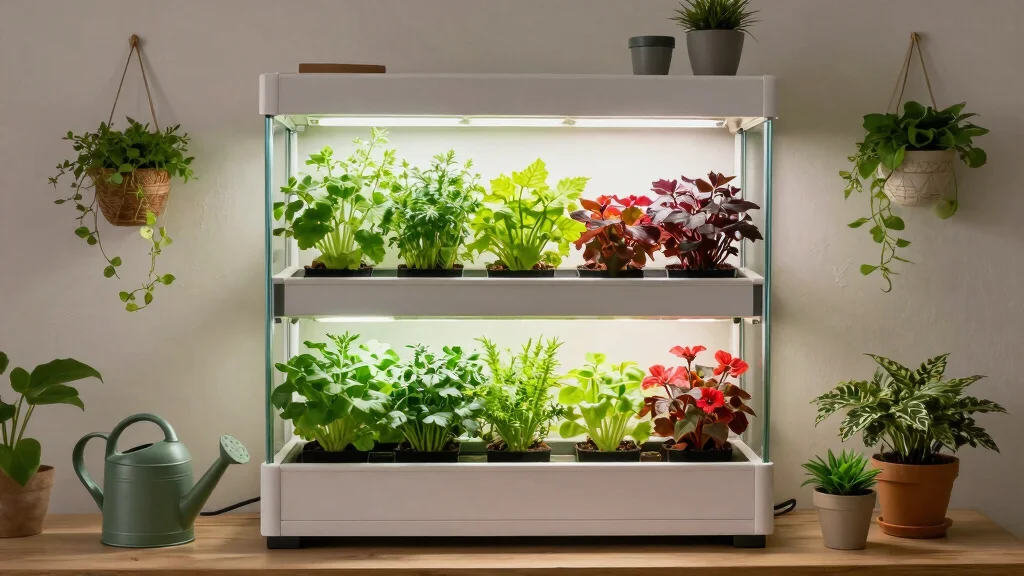
Creating a vertical hydroponic wall garden can feel like a dream come true, especially if you live in a small space. I put this post together because I know how challenging it can be to find room for plants when every inch counts. If you’re someone who loves to grow your own food or simply enjoys the beauty of greenery around you, this guide is just what you need.
So why not take advantage of your walls? This blog will inspire you with ten fantastic DIY ideas that make vertical hydroponic gardening a reality. You’ll discover how to make the most of your space while enjoying the satisfaction of growing your own herbs, vegetables, and flowers in a creative way. Whether you’re looking for a rustic pallet garden or a sleek, modern tower system, these projects are perfect for anyone enthusiastic about green living—especially if you have limited room to work with.
By the end of this post, you’ll have all the tips and tricks to build your own vertical hydroponic wall garden. Get ready to transform your living area into a lush sanctuary, packed with flavor and life!
Key Takeaways
– Maximize your space: Vertical hydroponic gardens use wall space, allowing you to grow more in less area.
– Diverse DIY projects: Explore a variety of projects, from simple wall-mounted planters to intricate tower gardens, catering to all skill levels.
– Sustainable practices: Hydroponics encourages efficient water use and can reduce your carbon footprint by growing food at home.
– Easy maintenance: Hydroponic systems typically require less upkeep than traditional gardens, making them ideal for busy lifestyles.
– Fresh produce at your fingertips: Enjoy the benefits of fresh herbs and vegetables right from your wall, adding flavor to your meals and improving your diet.
1. Wall-Mounted Vertical Planters with PVC Pipes

Are you looking for a clever way to maximize your wall space while growing fresh herbs? PVC pipes make for a fantastic and budget-friendly solution for creating a vertical hydroponic garden. By capping the ends of the pipes, you can effortlessly cultivate plants like basil, cilantro, and mint right in your home. Their ease of installation and modern look can elevate your indoor garden game while keeping everything tidy and organized.
Ingredients:
– PVC pipes (cut to desired lengths)
– Pipe caps
– Nutrient-rich water solution
– Drill for holes
– Plants (herbs or small leafy greens)
Instructions:
1. Cut PVC pipes to your desired lengths and cap one end.
2. Drill small holes in each pipe for drainage.
3. Mount the pipes on a wall securely.
4. Fill the pipes with a nutrient-rich water solution.
5. Plant your herbs, ensuring each has enough space to grow.
FAQs:
– Can I use different pipe sizes? Yes, varied sizes can create an interesting design.
– Can I grow flowers in PVC pipes? You can, but herbs and leafy greens work best.
Wall-Mounted Vertical Planters with PVC Pipes
Editor’s Choice

Liquid Plant Food for use in AeroGarden, IDOO and Hydroponic Growing Sys…


VIVOSUN Hydroponic Grow Kit, 1 Layer 36 Plant Sites 4 Food-Grade PVC-U P…

GooingTop LED Grow Light,6000K Full Spectrum Clip Plant Growing Lamp wit…
2. Pallet Garden for a Rustic Feel

Dreaming of a rustic garden vibe? A wooden pallet garden is a charming way to bring nature into your home or patio. By repurposing a pallet, you can create a vertical space brimming with life. Fill it with soil and a variety of plants, like flowers on top and leafy greens below, for an eye-catching display.
Ingredients:
– Wooden pallet
– Potting soil
– A selection of plants (flowers, herbs, strawberries)
– Landscape fabric (for drainage)
Instructions:
1. Lay the pallet flat and secure it if necessary.
2. Line the back with landscape fabric to retain soil.
3. Fill the top section with soil and plant flowers.
4. Fill the lower sections with herbs or greens.
5. Hang on a wall or lean against a fence.
FAQs:
– Can I use a painted pallet? Yes, just ensure the paint is non-toxic.
– Can I make it mobile? Consider adding wheels for easy movement.
Fun fact: repurposing a wooden pallet can unlock 5–7 square feet of vertical growing space for herbs, flowers, and greens. This DIY pallet setup is a simple, budget-friendly way to kick off your vertical hydroponic wall garden diy, with light soil and smart drainage.
Pallet Garden for a Rustic Feel
Editor’s Choice

FEED GARDEN 4FT x 100FT Landscape Fabric Weed Barrier Fabric, Heavy Duty…

2 Column Vertical Raised Garden Beds, 6 Planter Boxes Standing Garden Be…

Burpee, 9 Quarts | Premium Organic Potting Natural Soil Mix Food Ideal f…
3. Vertical Hydroponic Tower Garden

Do you want to grow a variety of plants in a small footprint? A vertical tower garden is an innovative solution that lets you cultivate everything from tomatoes to strawberries in a compact design. These systems use stacked containers to ensure that water and nutrients reach every plant efficiently.
Ingredients:
– Vertical tower garden system
– Growing medium (hydroponic media or soil)
– Seeds or seedlings (tomatoes, peppers, strawberries)
– LED grow lights (for indoor setups)
Instructions:
1. Assemble your vertical tower garden according to the instructions.
2. Fill each container with the appropriate growing medium.
3. Plant your chosen seeds or seedlings in each layer.
4. Set up your LED grow lights if indoors to ensure proper growth.
5. Monitor water levels and nutrient solutions regularly.
FAQs:
– Can I use this outdoors? Yes, it’s great for outdoor use as well.
– Can I grow larger plants? Stick to smaller varieties for best results.
Vertical Hydroponic Tower Garden
Editor’s Choice

Halatool 10LB Leca Clay Pebbles for Plants 4mm-16mm Clay Balls Hydroton …

VEVOR Hydroponic Tower, 50 Pods 10 Tiers Hydroponics Growing System Kit …
GooingTop LED Grow Light,6000K Full Spectrum Clip Plant Growing Lamp wit…
4. Pocket Planters for a Compact Solution

Struggling with limited space for your garden? Pocket planters are a fun and creative way to grow plants in tight spots. These fabric planters come with multiple pockets, perfect for herbs, succulents, or flowers, and add a splash of color to any wall.
Ingredients:
– Fabric pocket planters
– Potting soil
– Selection of plants (herbs, succulents, small flowers)
– Watering can
Instructions:
1. Hang the fabric pocket planter on your desired wall.
2. Fill each pocket with potting soil.
3. Plant your chosen herbs or small flowers in each pocket.
4. Water each pocket evenly, ensuring no pockets are too dry.
5. Monitor moisture levels regularly.
FAQs:
– Can I make my own pocket planters? Yes, you can sew or craft them from recycled materials.
– Can I hang it outside? Yes, just ensure it’s secured well against the wind.
Pocket Planters for a Compact Solution
Editor’s Choice

Fasmov 1-Gallon Plastic Watering Can with Comfortable Handle, Garden Wat…
Burpee, 9 Quarts | Premium Organic Potting Natural Soil Mix Food Ideal f…

Ogrmar 36 Pockets Vertical Wall Garden Planter Plant Grow Bag for Flower…
5. Recycled Bottle Hydroponics

Want to turn trash into treasure? A recycled bottle hydroponic garden is a creative and eco-friendly way to grow plants. By cutting plastic bottles and using them as planters, you can create a unique vertical garden that’s both stylish and sustainable.
Ingredients:
– Plastic bottles (cut in half)
– Growing medium (soil or hydroponic media)
– Plants (small herbs, strawberries)
– Hanging materials (rope or hooks)
Instructions:
1. Cut the bottles in half and drill holes for drainage.
2. Fill the bottom half with growing medium.
3. Plant your herbs or small plants in the medium.
4. Hang the bottles securely on a wall or fence.
5. Water regularly, ensuring proper drainage.
FAQs:
– Can I paint the bottles? Yes, non-toxic paint can add a fun touch.
– Can I use larger bottles? Yes, larger bottles can accommodate bigger plants.
Fun fact: a single recycled bottle can kickstart a vertical hydroponic wall garden diy, turning trash into treasure. With simple cuts, lightweight planters, and hanging rope, you can grow fresh herbs in even the smallest spaces.
You might also like


Recycled Bottle Hydroponics
Editor’s Choice

Seed Needs Herb Seeds Variety Pack Culinary Herb Collection (12 Individu…

FoxFarm Cultivation Nation 70:30 Growing Media, 2cu ft – Mix of Coconut …

Eyrosa 8″ Hanging Plant Hooks (6 Pack), Rust-Proof Metal Wall Brackets f…
6. Wall-Mounted Vertical Grow Bags
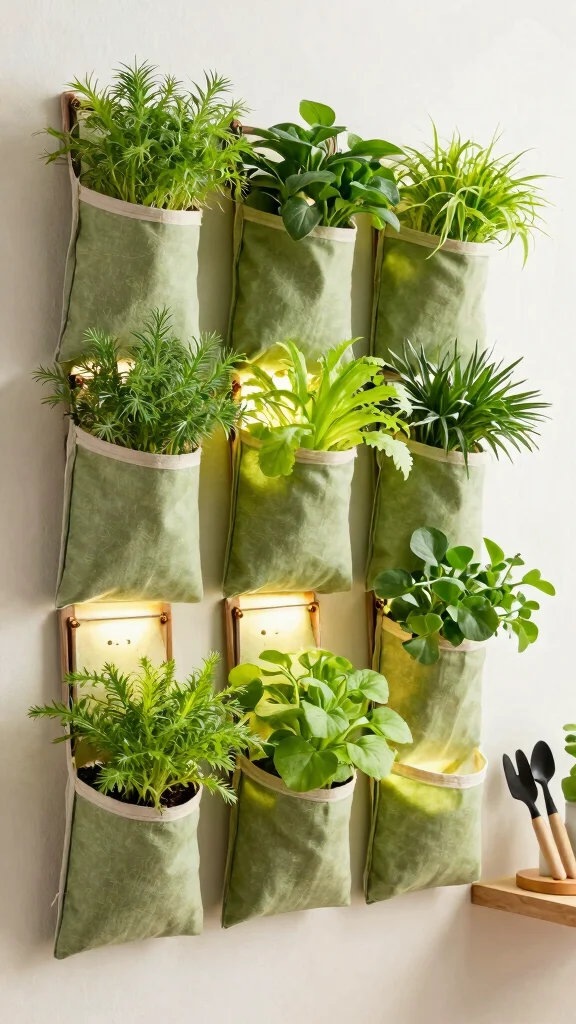
Do you want to maximize your vertical space while keeping your plants healthy? Wall-mounted vertical grow bags are an excellent option. Made of breathable fabric, these bags ensure good drainage while offering ample room for your plants to thrive.
Ingredients:
– Vertical grow bags
– Potting soil
– Plants (herbs, leafy greens, strawberries)
– Hanging hardware
Instructions:
1. Hang the vertical grow bags on a wall.
2. Fill each bag with quality potting soil.
3. Plant your favorite herbs or vegetables in each pocket.
4. Water thoroughly, ensuring good drainage.
5. Check for pests and adjust nutrients as needed.
FAQs:
– Can I move the bags? Yes, they are lightweight and easy to reposition.
– Do they require special care? Regular watering and sunlight are essential.
📹 Related Video: Vertical Plant Pocket Wall Garden
How To Choose The Right Vertical Hydroponic Wall Garden System
Choosing the right vertical hydroponic wall garden system can make all the difference in your gardening experience. With so many options available, you want to ensure that you select one that fits your space, needs, and growing goals. Here are some key points to consider:
1. Size
Consider the space you have available for your wall garden. Measure the area where you plan to install the system—this will help you determine how tall and wide your garden can be. If you’re working with a small indoor space, compact systems like pocket planters or wall-mounted grow bags may be ideal. For larger areas, you might opt for a vertical tower or pallet garden.
2. Material
The materials used in the vertical hydroponic system affect its durability and ease of maintenance. Look for systems made from high-quality, weather-resistant materials like PVC or metal for outdoor use. Indoor systems can be made from lighter materials like fabric or plastic. Each material has its pros and cons, so consider where your garden will thrive best.
3. Hydroponic Method
Different hydroponic methods are suited for different plants and grower preferences. Systems like nutrient film technique (NFT) or deep water culture (DWC) are popular for larger plants, while smaller systems can benefit from wick or drip methods. Research the methods that will work best for the plants you want to grow, and choose accordingly.
4. Watering and Nutrient Delivery
Look into how the system manages water and nutrients. Some systems are automated, requiring less hands-on care, while others might need regular monitoring. If you’re new to hydroponics, consider a simpler system that allows for easy nutrient mixing and water level checks. This will help you become familiar with the hydroponic process without overwhelming you.
5. Budget
Determine how much you’re willing to spend on your vertical hydroponic wall garden. Prices range widely based on size, materials, and complexity. While it might be tempting to go for the cheapest option, investing a bit more in quality can save you time and headaches later on. Plan for additional costs like seeds, nutrients, and lighting, especially if you’re growing indoors.
6. Aesthetic Appeal
Finally, consider how the garden will fit into your home or outdoor space. Many vertical hydroponic systems come in various designs that can enhance your decor. Whether you want a modern look with sleek metal or a rustic feel with a wooden pallet, choose a style that complements your environment. A beautiful garden can also inspire you to tend to it more regularly!
Pro Tip: Before making your final decision, check for customer reviews and testimonials. They can provide valuable insights on the performance and durability of the system, helping you make a more informed choice. Look for a system that comes with a good warranty, ensuring peace of mind as you start your gardening journey!
Wall-Mounted Vertical Grow Bags
Editor’s Choice

JJGoo Potato Grow Bags, 4 Pack 10 Gallon with Flap and Handles Planter P…

Molly’s Aroid Mix – Premium Soilless Potting Mix for Houseplants – Fast …

saffruff Heavy Duty Plant Hooks for Wall: 6-Inch 2 Pack Plant Hangers Ou…
7. Hanging Planter Baskets for a Boho Touch

Looking to add a bohemian vibe to your space? Hanging planter baskets are a stylish way to showcase trailing plants or flowers. Suspend them from the ceiling or a wall, and enjoy the lively atmosphere they create.
Ingredients:
– Hanging baskets (macramé or wire)
– Potting soil
– Plants (trailing herbs, decorative flowers)
– Hooks or ceiling mounts
Instructions:
1. Choose your hanging baskets and secure them in place.
2. Fill each basket with potting soil.
3. Plant your trailing herbs or flowers, ensuring they have room to grow.
4. Water as needed, keeping in mind the hanging position.
5. Regularly check for growth and adjust watering.
FAQs:
– Can I use these baskets outside? Yes, they can brighten up any outdoor space.
– Can I create my own hanging design? Absolutely, get creative with materials and colors!
Hanging Planter Baskets for a Boho Touch
Editor’s Choice

Mkono Macrame Plant Hanger Indoor Hanging Planter Basket with Wood Beads…

Metal Plant Hangers Indoor and Outdoor: Easter Gifts for Mom Women Her W…
saffruff Heavy Duty Plant Hooks for Wall: 6-Inch 2 Pack Plant Hangers Ou…
8. Vertical Copper Pipe Planter

Want to bring a touch of elegance to your garden? A vertical copper pipe planter not only adds sophistication but also provides a sturdy structure for growing herbs and small vegetables. Over time, the copper develops a lovely patina that enhances its charm.
Ingredients:
– Copper pipes
– Drill for holes
– Plants (herbs, small vegetables)
– Mounting hardware
Instructions:
1. Cut copper pipes to desired lengths and drill planting holes.
2. Mount the pipes securely on a wall.
3. Fill the pipes with a suitable growing medium.
4. Plant your herbs and small vegetables in the holes.
5. Regularly check for drainage and clean the pipes.
FAQs:
– Is copper safe for plants? Yes, it is safe and can enhance growth.
– Can I use other materials? Yes, but copper offers a unique aesthetic.
You Might Also Like

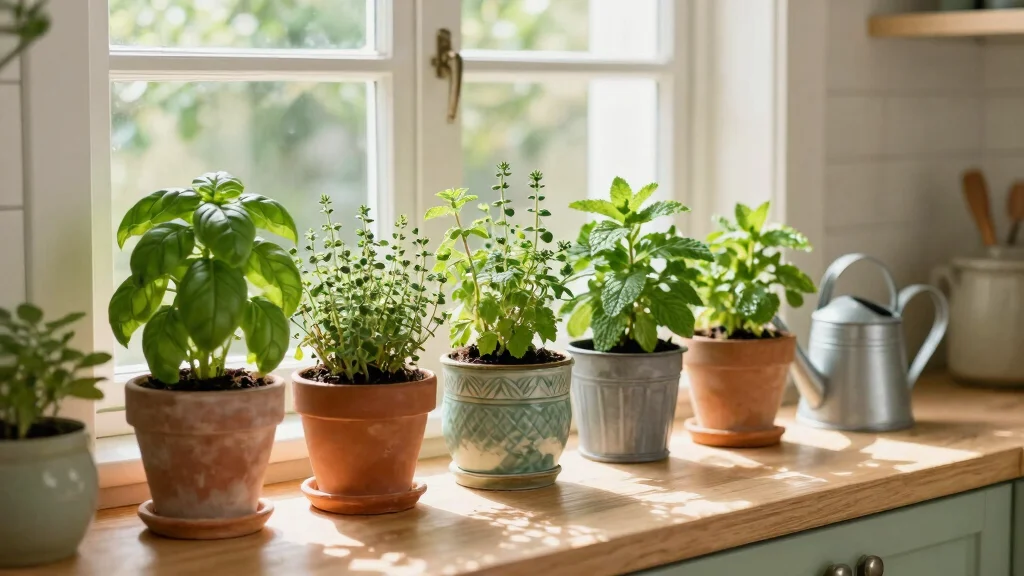
Vertical Copper Pipe Planter
Editor’s Choice

Copper Pipe Cleaner, 1/2″, 3/4″, 1″ Copper Pipe Cleaning Brush for Drill…

Set of 2 Copper Hammered Planter Pots with Raised Feet,12″ & 9″ Rust…

6 Inch Wall Mount Plant Holder with Saucer Trays, 6 Pack Heavy Duty Meta…
9. Vertical Fabric Pocket Wall Garden

Looking for a fun way to add greenery to your space? A vertical fabric pocket wall garden offers an engaging way to grow a variety of plants. These colorful pockets can brighten up any wall while providing easy access to herbs, flowers, or small vegetables.
Ingredients:
– Fabric wall pockets
– Potting soil
– Selection of plants (herbs, trailing flowers, small vegetables)
– Watering can
Instructions:
1. Hang the fabric pocket garden on your wall.
2. Fill each pocket with potting soil.
3. Plant your chosen herbs or flowers in each pocket.
4. Water regularly, keeping fabric moisture in check.
5. Rotate plants occasionally for even growth.
FAQs:
– Can I customize the fabric design? Yes, use any fabric you like for a personal touch.
– Can I hang it outside? Yes, ensure it’s secured against the elements.
Fun fact: a vertical fabric pocket wall garden can boost usable harvest by up to 2-3x per square foot in any vertical hydroponic wall garden diy setup. In a small space, you’ll grow herbs, flowers, and veggies fast—no extra floor space needed.
Vertical Fabric Pocket Wall Garden
Editor’s Choice

Ogrmar 18 Pockets Vertical Wall Garden Planter Plant Grow Bag for Flower…
Molly’s Aroid Mix – Premium Soilless Potting Mix for Houseplants – Fast …
Small Watering Can for Indoor Plants, Mini Indoor Watering Can with Long…
10. Modular Hydroponic Systems for Custom Growth
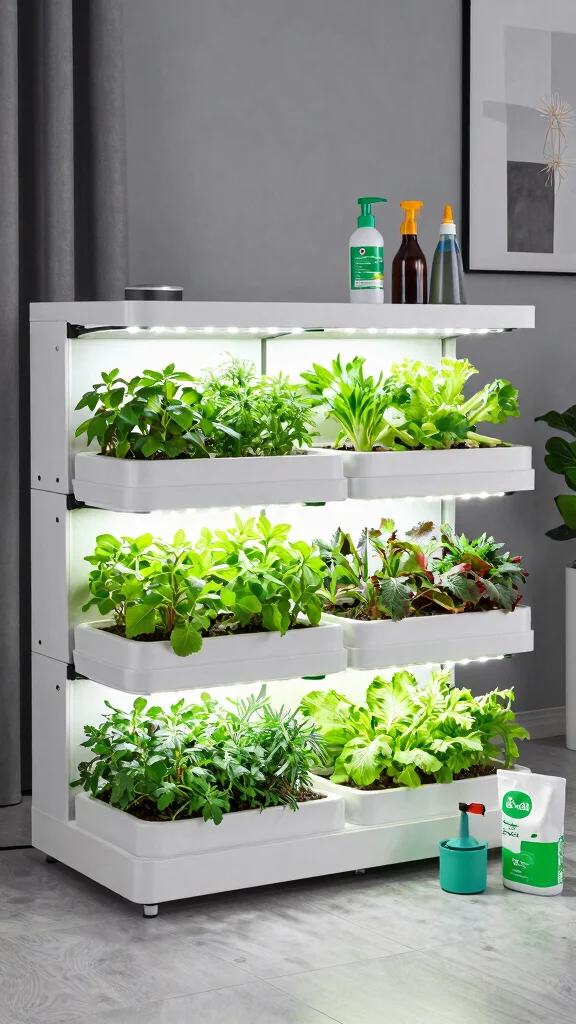
Are you ready to take your gardening to the next level? Modular hydroponic systems offer unparalleled customization for your indoor garden. You can rearrange and expand sections based on your needs, making it perfect for serious gardeners.
Ingredients:
– Modular hydroponic system
– Growing medium (hydroponic media or soil)
– Variety of plants (herbs, vegetables, ornamental plants)
– Nutrient solution
Instructions:
1. Set up your modular hydroponic system according to instructions.
2. Fill each section with the appropriate growing medium.
3. Plant your herbs or vegetables as desired.
4. Regularly check and adjust nutrient levels.
5. Enjoy the beauty and efficiency of your customized system.
FAQs:
– Can I add more sections later? Yes, that’s the beauty of modular systems.
– Are these systems hard to maintain? With built-in irrigation, they are generally easy to care for.
Modular Hydroponic Systems for Custom Growth
Editor’s Choice
Liquid Plant Food for use in AeroGarden, IDOO and Hydroponic Growing Sys…
Halatool 10LB Leca Clay Pebbles for Plants 4mm-16mm Clay Balls Hydroton …

Carpathen Hydroponic Tower Growing System – Indoor Vertical Gardening Sy…
Conclusion
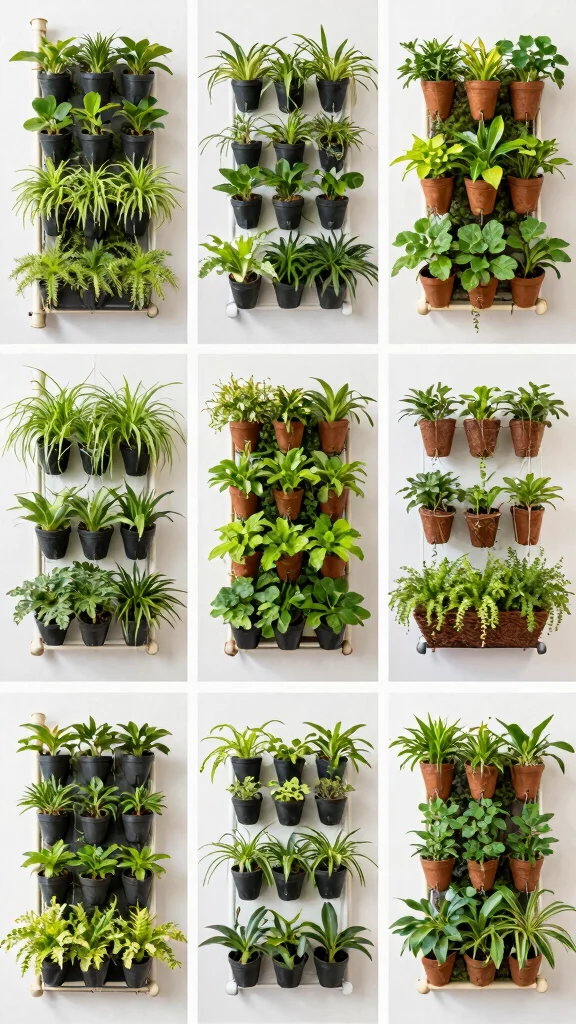
Vertical hydroponic wall gardens provide an innovative way to maximize your growing space, perfect for urban settings or small apartments. With these ten DIY ideas, you can transform any wall into a vibrant living canvas filled with herbs and flowers, making your indoor environment more beautiful and sustainable. Whether you’re a beginner or an experienced gardener, there’s a project here for everyone to enjoy. Which project will you try first? Let’s get growing!
Note: We aim to provide accurate product links, but some may occasionally expire or become unavailable. If this happens, please search directly on Amazon for the product or a suitable alternative.
This post contains Amazon affiliate links, meaning we may earn a small commission if you purchase through our links, at no extra cost to you.
Frequently Asked Questions
What exactly is a vertical hydroponic wall garden, and is it a good fit for small urban spaces?
A vertical hydroponic wall garden is a space-saving growing setup that stacks plants up a wall using hydroponics instead of soil. It’s ideal for apartments, balconies, and kitchen walls where floor space is precious.
With a vertical hydroponic wall garden diy approach, you can tailor the system to your space by choosing lightweight panels, hanging pockets, or repurposed shelves. Start by picking a wall with decent light, install a simple circulating or gravity-fed nutrient system, and mount planters or net pots that suit your plants. For beginners, try leafy greens (lettuce, spinach, arugula), compact herbs (basil, parsley), and small fruiting plants once your lighting supports them.
What are some beginner-friendly DIY ideas to maximize space with a vertical hydroponic wall garden?
Here are a few beginner-friendly DIY ideas to kick off your vertical hydroponic wall garden diy journey:
1) Fabric pocket panels mounted on a lightweight frame for quick setup
2) Repurposed shoe organizer or hanging pocket system for instant planters
3) PVC pipe towers with net pots and a small pump for a compact vertical column
4) Modular wall panels with built-in channels for drip lines and easy expansion
Tip: start small, then scale up as you gain experience and lighting.
Which plants thrive best in indoor vertical hydroponics setups?
Leafy greens and herbs are champions of indoor vertical hydroponics. Try lettuce, spinach, arugula, kale (baby), and other fast-growing greens, along with basil, cilantro, mint, and parsley. If you have strong enough light, you can experiment with compact cherry tomatoes or peppers. The key is choosing compact varieties and placing high-demand plants where light is strongest to keep your indoor hydroponics thriving.
What maintenance tasks keep a vertical hydroponic wall garden healthy?
Keep a regular routine to prevent problems: check the nutrient solution and keep the pH around 5.5–6.5, monitor reservoir levels daily, and run your timer consistently. Do a monthly reservoir clean, inspect pumps and tubing for leaks, prune dead leaves, and watch for algae or pests. Schedule quick checks weekly to ensure even growth and avoid clogs in your vertical gardening systems.
What common problems might I face in a DIY vertical hydroponic setup and how can I troubleshoot them?
Common issues include uneven growth, yellowing leaves, algae, and slow progress. If growth is uneven, rotate plants or adjust lighting so all sections receive adequate light. Yellowing leaves often signal nutrient deficiency or pH drift—recheck your solution and correct the pH. Algae suggests too much light and stagnant water; clean the reservoir and ensure proper drainage. If the system slows or clogs, inspect pumps and tubing, flush lines, and verify connections. With a little routine testing, most problems are quick fixes in space-saving gardening ideas.
Related Topics
vertical hydroponic gardening
DIY wall garden
space-saving gardening
indoor hydroponics
urban gardening
small space solutions
easy gardening projects
hydroponic tips
sustainable gardening
container gardening
beginner friendly
creative gardening ideas