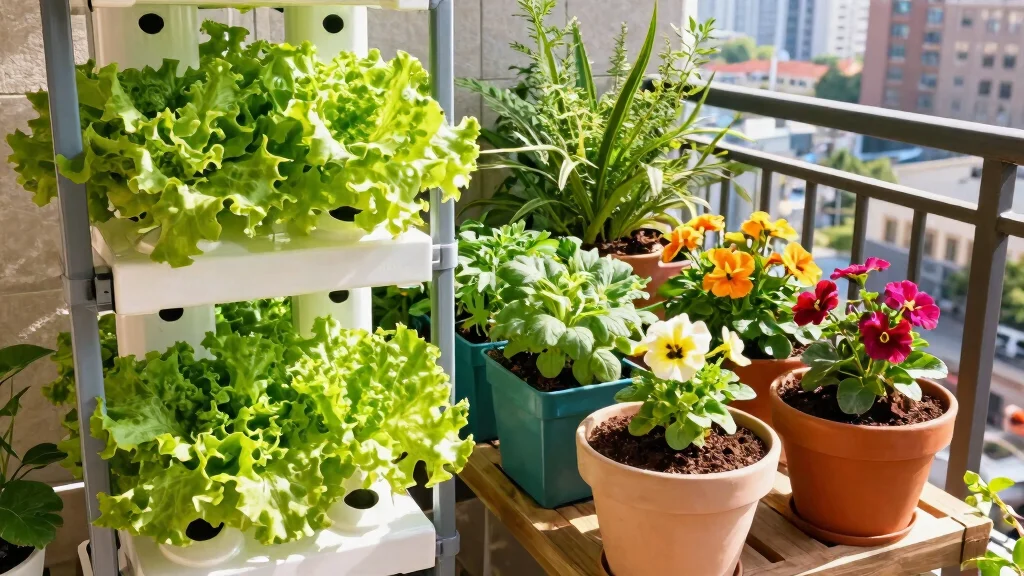
Gardening has become a popular way to connect with nature, especially for those of us living in urban spaces. If you’ve ever found yourself wondering whether to go with hydroponic systems or stick to traditional soil gardening, you’re not alone. This post is here to break down the nitty-gritty of hydroponic vs soil growing so you can make the best choice for your green thumb. Whether you’re looking to start a small herb garden on your balcony or dive deep into indoor gardening techniques, understanding the pros and cons of each method is crucial.
If you love plants but struggle with limited space or want to adopt sustainable gardening practices, this guide is perfect for you. It’s designed for urban gardeners, beginners, and anyone curious about the differences between these two popular growing methods. I’ve packed this post with nine essential insights, from growth speed to cost considerations, so you can feel confident in your choice.
By the end of this article, you’ll have a clear understanding of what each method offers. You’ll walk away equipped with practical advice to optimize your gardening experience, whether you go soilless or soil-bound. Let’s dig in!
Key Takeaways
– Growth Speed and Yield: Hydroponic systems often provide faster plant growth and higher yields compared to traditional soil gardening, making them great for quick harvests.
– Space Efficiency: Hydroponics allows for vertical gardening, utilizing smaller spaces effectively, which is ideal for urban environments.
– Water Usage: Hydroponic systems typically use less water than soil gardening, making them a more sustainable option for those looking to conserve resources.
– Nutrient Control: In hydroponics, you can precisely control nutrient levels, leading to healthier plants, while soil gardening relies on the nutrient content of the soil, which can vary.
– Cost Considerations: Initial setup costs for hydroponic systems may be higher, but they can lead to savings in water and soil over time, making it important to weigh these factors before deciding.
1. Growth Speed and Yield

If you’re eager to see your plants flourish quickly, you might want to consider hydroponic systems. These setups allow plants to absorb nutrients more efficiently without soil, enabling rapid growth and impressive yields. In fact, hydroponics can produce plants two to three times faster than traditional gardening methods, giving you faster results and more harvests in less time.
On the other hand, soil gardening encourages a slower growth rate. This method may take longer for plants to reach maturity, but it allows for deeper root systems, resulting in healthier and more resilient plants.
Here’s a quick comparison:
– Hydroponic: Achieve faster growth and higher yields.
– Soil: Develop stronger root systems with more flavor.
So, if you’re looking for quick results, hydroponics may be your best option. But if you prefer a more natural approach with deeper flavors, soil gardening is a worthy choice.
Hydroponic systems can push harvests 2 to 3 times faster than soil gardening, a key insight in hydroponic vs soil growing. That means more harvests in the same week and less waiting. If space is tight, a compact setup can turn your balcony into a year-round harvest.
Growth Speed and Yield
Editor’s Choice

GooingTop LED Grow Light,6000K Full Spectrum Clip Plant Growing Lamp wit…


Liquid Plant Food for use in AeroGarden, IDOO and Hydroponic Growing Sys…

Ahopegarden 52PCS Hydroponics Pods Kit: Compatible with Aerogarden, Incl…
2. Space Efficiency

Living in a compact space? Hydroponic systems excel in maximizing your gardening area. You can stack layers of plants vertically, making them perfect for small balconies or tight kitchen corners. This method allows you to cultivate a lush garden without needing a large footprint.
On the contrary, soil gardening generally requires more ground space, as you’ll need pots or raised beds that take up more room. Although you can grow smaller plants in soil, it doesn’t match the vertical efficiency of hydroponics.
Consider these factors:
– Hydroponics: Utilize vertical systems to save space.
– Soil Gardening: Needs more horizontal space in pots.
If you’re limited on space, hydroponics could be your ideal solution, letting your plants grow upwards instead of outwards.
Fun fact: hydroponic vs soil growing can double your harvest in the same footprint. With vertical stacking, a small balcony or kitchen corner hosts several layers of plants, not just a few pots. Hydroponic systems maximize space, while soil needs more ground area.
Space Efficiency
Editor’s Choice
Ahopegarden 52PCS Hydroponics Pods Kit: Compatible with Aerogarden, Incl…

2 Pack LED Grow Light Panel 200W Lamp for Indoor Plants, Full Spectrum w…

TOREVSIOR 5-Tier Vertical Raised Garden Bed, Vertical Garden Planter wit…
3. Water Usage
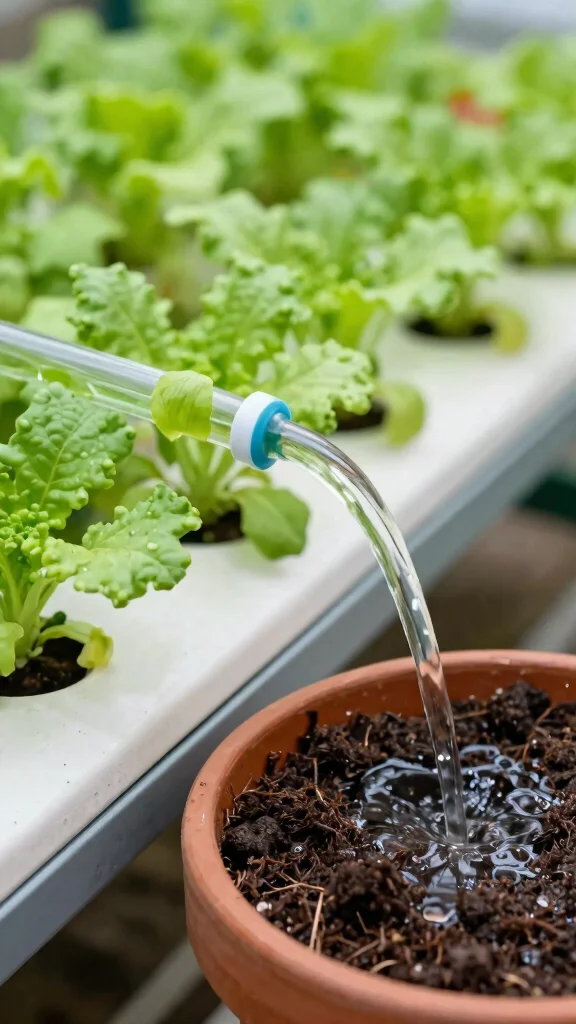
Water conservation is crucial for any gardener, especially in urban areas. Hydroponics uses significantly less water than traditional soil gardening, often recycling water through a closed-loop system. This not only minimizes waste but also ensures efficient nutrient delivery to your plants.
In contrast, soil gardening may waste water through evaporation and runoff. You may find yourself watering more often, especially during hot spells, which can lead to higher water bills.
Key points to ponder:
– Hydroponics: Utilize less water with an efficient recycling system.
– Soil: Higher water consumption, often leading to waste.
If you live in a region prone to drought or want to adopt sustainable practices, hydroponics could be the more responsible choice.
Key Trade-offs & Our Top Pick
When deciding between hydroponic vs soil growing, it’s vital to weigh the benefits and drawbacks of each method. Here’s a balanced comparison to help you choose the best gardening method for your needs.
1. Hydroponic Systems
– Pros:
– Plants often grow faster due to direct access to nutrients. ✔
– Uses less water compared to traditional soil gardening. 💧
– Minimal pest issues due to a controlled environment. 🌱
– Cons:
– Higher initial investment for setup costs. 💰
– Requires technical knowledge to manage nutrient solutions effectively. 📚
– Can be sensitive to power outages, affecting the system’s operation. ⚡
– Best for: Urban gardeners with limited space looking for efficient growth solutions.
2. Soil Gardening
– Pros:
– Lower startup costs, making it accessible for beginners. 🌍
– Natural biology in soil can enhance plant health and flavor. 🍅
– Easier to manage for those who enjoy hands-on gardening. 🌱
– Cons:
– Takes longer for plants to mature and yield produce. ⏱
– Greater risk of pest and disease issues. 🐛
– Requires more water and maintenance than hydroponics. 💦
– Best for: Gardeners in suburban areas who enjoy traditional gardening methods and have more space.
3. Aeroponics
– Pros:
– Uses 90% less water than soil gardening. 🚀
– No soil means fewer pests and diseases. ✅
– Allows for fast plant growth due to high oxygen exposure. 🌬️
– Cons:
– Requires a significant learning curve and investment in equipment. 💸
– Plants can be more vulnerable to environmental changes. 🌡️
– Less common, making support and resources harder to find. 📞
– Best for: Advanced gardeners looking for the highest efficiency and space-saving options.
4. Container Gardening (Soil-Based)
– Pros:
– Flexible and space-efficient for urban settings. 🏙️
– Easy to control soil quality and nutrients. 🌿
– Ideal for those who want to grow a variety of plants. 🍏
– Cons:
– Can be labor-intensive in terms of watering and care. ⏰
– Limited root space can restrict plant growth. 📏
– Higher risk of drying out compared to ground gardening. 🏜️
– Best for: Urban dwellers wanting a low-cost, flexible option to grow flowers or vegetables.
Expert Recommendation:
Best Overall: Hydroponic Systems
Hydroponic systems stand out as the top choice for most people. They offer faster growth rates and require less water, making them ideal for small spaces. The controlled environment reduces pest issues, giving you healthier plants. While the initial investment might be higher, the long-term benefits and versatility make it a fantastic option for urban gardeners.
Why We Picked This:
We chose hydroponic systems for their efficiency and productivity. However, if you’re looking for a more hands-on approach or enjoy the tactile experience of soil gardening, traditional soil methods might be preferable. Each method has unique advantages, so consider what fits your lifestyle best.
Water Usage
Editor’s Choice

Spider Farmer DWC Hydroponics Grow System with 7-Gallon Deep Water Cultu…

CWKJ Fountain Pump, 400GPH Submersible , Durable 25W Outdoor Water Pump …
Liquid Plant Food for use in AeroGarden, IDOO and Hydroponic Growing Sys…
4. Nutrient Control
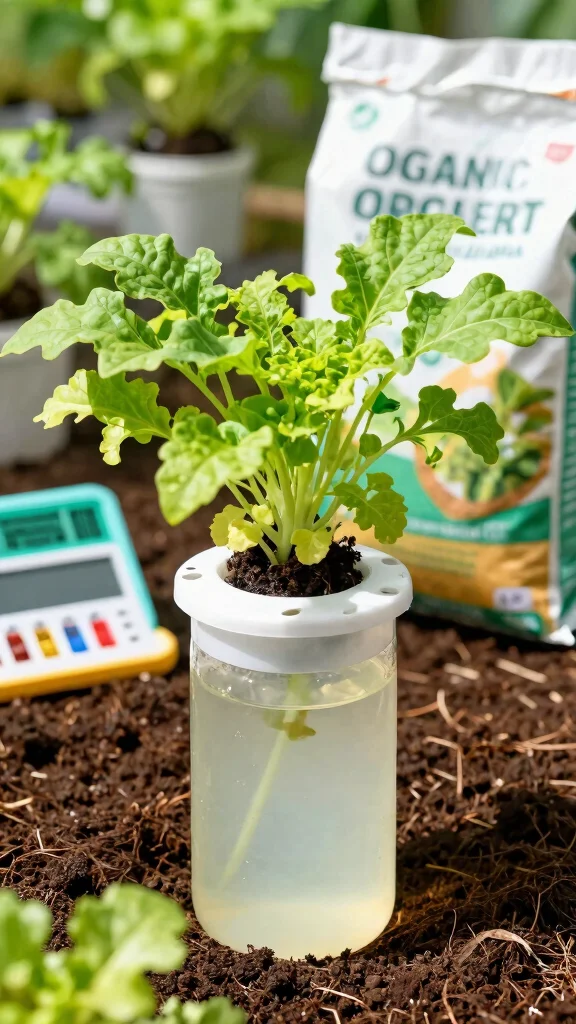
One major benefit of hydroponic systems is the precise control over nutrients. You can mix solutions tailored to your plants’ specific needs, avoiding the deficiencies or excesses often found in soil. This leads to healthier, faster-growing plants.
Conversely, soil gardening depends on the soil’s quality and composition, which can vary widely. While some gardeners add fertilizers, it can be inconsistent and lead to fluctuating nutrient levels.
Consider the benefits:
– Hydroponics: Customize nutrient management for each growth stage.
– Soil: Natural nutrient cycles can vary based on soil quality.
If you’re aiming for optimal plant growth, hydroponics offers incredible control over how nutrients are delivered.
Nutrient Control
Editor’s Choice

Ahopegarden Indoor Garden Hydroponics Growing System: 10 Pods Plant Germ…

VIVOSUN Digital pH and TDS Meter Kits, 0.01pH High Accuracy Pen Type pH …
Liquid Plant Food for use in AeroGarden, IDOO and Hydroponic Growing Sys…
5. Pest Control

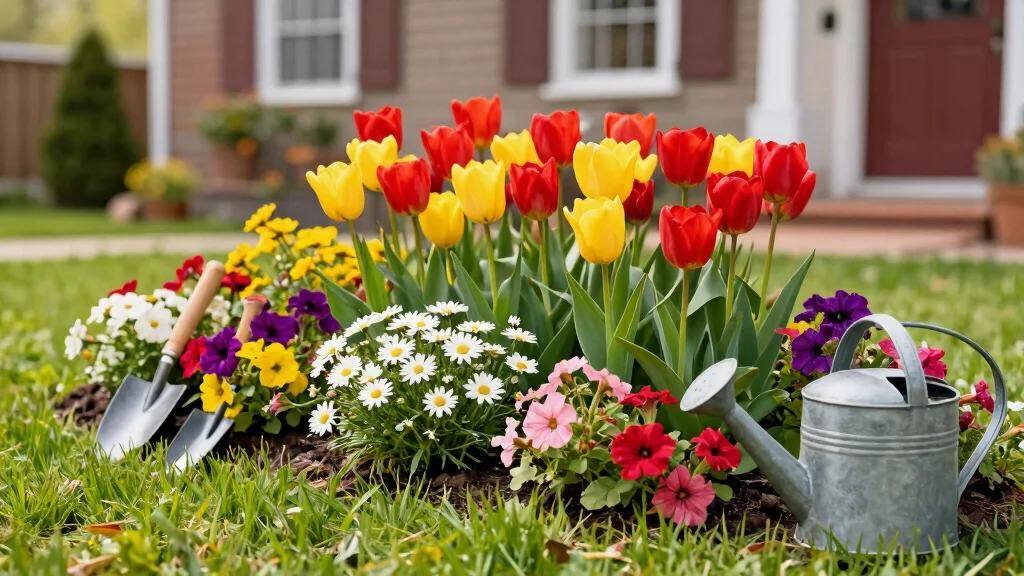
Managing pests is a common concern for gardeners. Hydroponics provides a cleaner environment, as the absence of soil reduces the risk of soil-borne pests. Many hydroponic systems rely on minimal pesticides and utilize integrated pest management strategies.
On the other hand, soil gardening can introduce pests through the soil or plants, leading to potential infestations. While these pests can often be managed with care and organic practices, it does require ongoing attention.
Here’s what you need to know:
– Hydroponics: Cleaner environment with fewer pests.
– Soil: Higher risk of pests, needs constant monitoring.
If simplifying pest control is your goal, hydroponics provides an easier way to maintain a healthy growing space.
📹 Related Video: How to get rid of Fungus Gnats and Aphids in your Hydroponic System
You might also like

Pest Control
Editor’s Choice

Bonide Captain Jack’s Neem Oil, 32 oz Ready-to-Use Spray, Multi-Purpose …
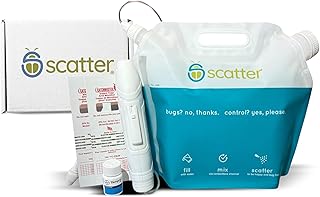
Scatter DIY Pest Control Kit – Home Barrier Pest Control | Pro Grade Ins…
Bonide Captain Jack’s Neem Oil, 32 oz Ready-to-Use Spray, Multi-Purpose …
6. Learning Curve
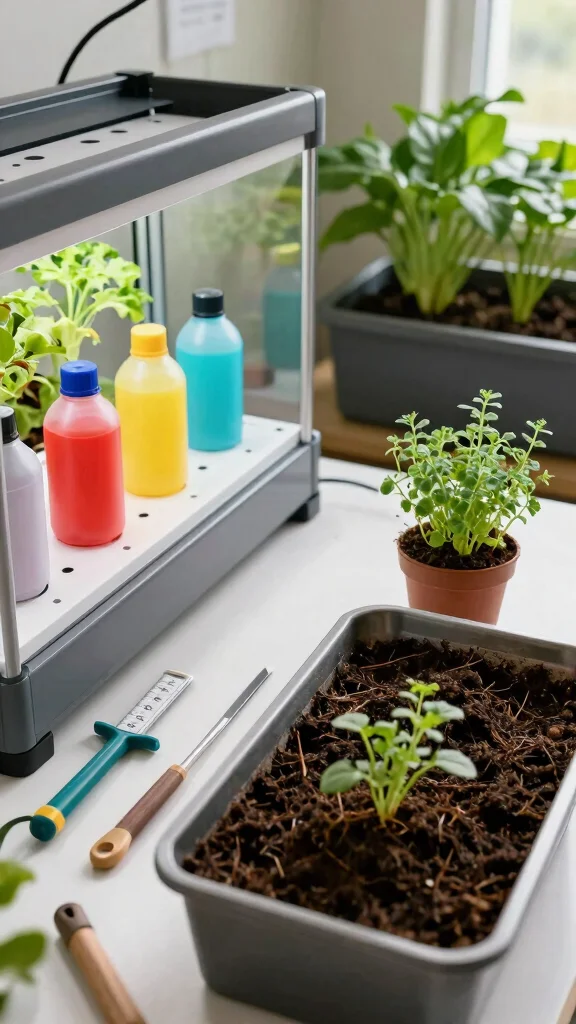
Transitioning to hydroponics can come with a steep learning curve. While the rewards can be significant, mastering nutrient balance, pH levels, and system maintenance can feel overwhelming at first. This method often involves a bit of trial and error.
In contrast, soil gardening is generally more intuitive. You can plant seeds directly in the soil, water them, and watch them grow—it’s straightforward and aligns with traditional gardening practices.
Consider these aspects:
– Hydroponics: Requires more knowledge but offers higher yields.
– Soil: Simpler to start and more forgiving for beginners.
If you’re excited to learn and experiment, hydroponics can be a thrilling adventure for your urban garden!
Learning Curve
Editor’s Choice

pH Meter for Hydroponics PPM EC Meter for Plant Nutrients Simultaneous M…
Liquid Plant Food for use in AeroGarden, IDOO and Hydroponic Growing Sys…
Ahopegarden Indoor Garden Hydroponics Growing System: 10 Pods Plant Germ…
7. Cost Considerations

When comparing hydroponics to soil gardening, cost is a key factor. Hydroponics typically requires an initial investment in systems like pumps, lights, and nutrient solutions, which might seem high at first. However, it can save money over time with reduced water and fertilizer expenses.
Soil gardening usually has lower startup costs; you just need pots and soil. Nevertheless, ongoing costs can accumulate, especially if you frequently buy fertilizers or replacement soil.
Here’s what to think about:
– Hydroponics: Higher initial costs, but long-term savings.
– Soil: Lower startup costs, but potential ongoing expenses.
For budget-conscious gardeners, assessing what fits your situation will help you create a thriving garden without overspending!
Cost Considerations
Editor’s Choice
Liquid Plant Food for use in AeroGarden, IDOO and Hydroponic Growing Sys…

Hydroponics Grower Kit DIY Self Watering Indoor Hydroponics Tools Hydrop…

Aokrean Plant Grow Light, 48 LEDs Full Spectrum Grow Lights for Indoor P…
8. Sustainability Practices

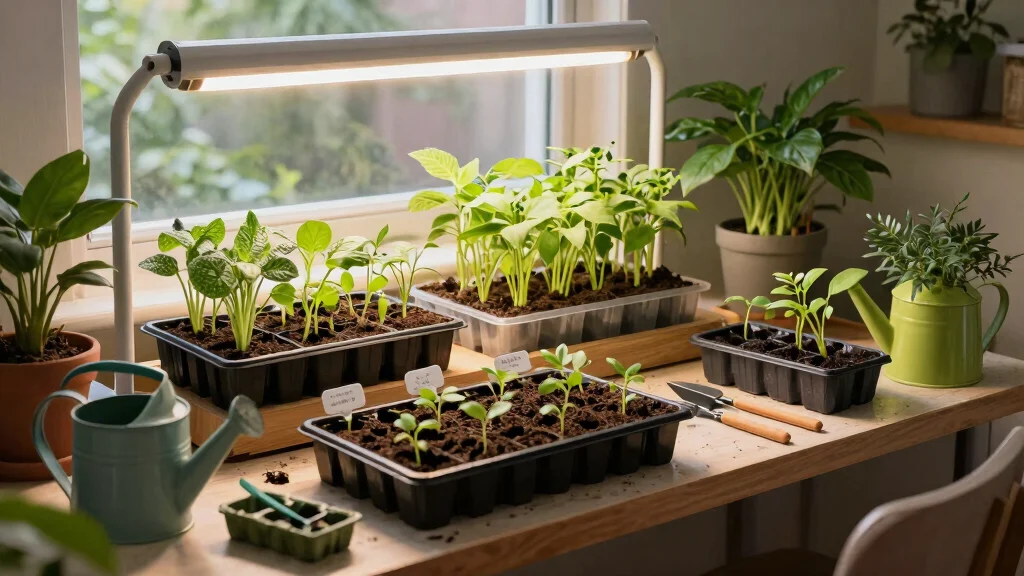
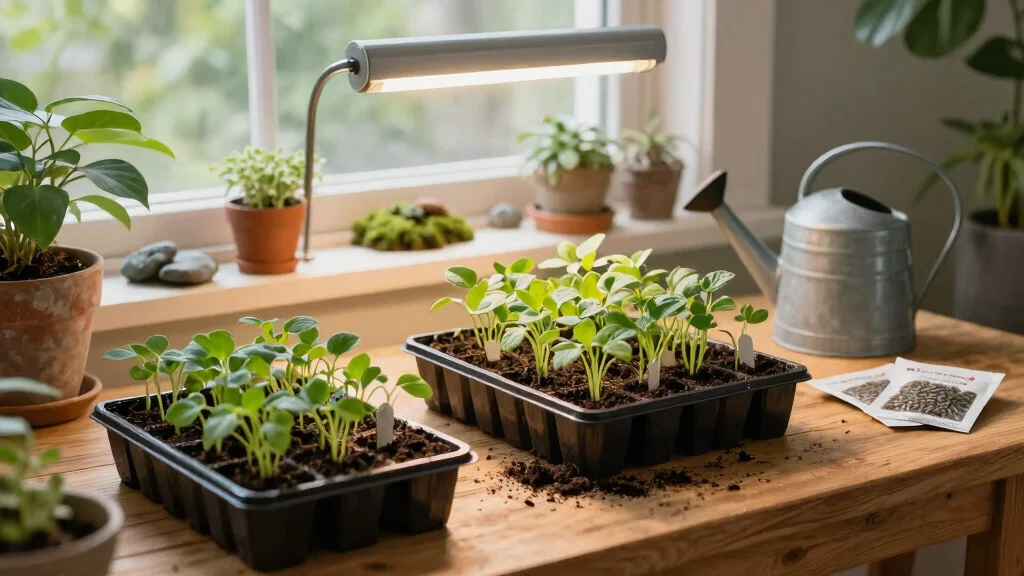
Sustainable gardening practices are more important than ever. Hydroponics offers a significant edge by using less water and allowing for year-round growing, which reduces food miles when you cultivate your own produce. This efficient system contributes to a smaller carbon footprint.
Soil gardening also has sustainable practices, especially when utilizing organic soil, composting, and native plants. However, it often requires more water and land, which can be a concern in urban areas.
Think about these points:
– Hydroponics: Minimizes water usage, supports year-round growth.
– Soil: Encourages biodiversity and organic practices but can be less efficient.
If sustainability is a priority for you, hydroponics may be the best path forward in your urban gardening journey.
Hydroponics typically uses up to 90% less water than soil gardening, and you can grow year-round in small spaces. For urban homes, this means fewer food miles, greener balconies, and a bigger impact with hydroponic vs soil growing choices.
You Might Also Like
Sustainability Practices
Editor’s Choice
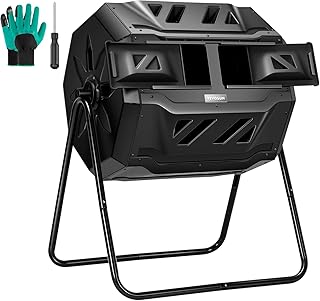
VIVOSUN Outdoor Tumbling Composter Dual Rotating Batch Compost Bin, 43 G…
Ahopegarden Indoor Garden Hydroponics Growing System: 10 Pods Plant Germ…

Miracle-Gro Organic Outdoor Potting Mix – Plant Soil for Outdoor Contain…
9. Final Thoughts on Hydroponic vs Soil Growing

Deciding between hydroponics and soil gardening ultimately hinges on your lifestyle, goals, and available space. Hydroponics provides speed, efficiency, and control over your plants’ environment, while soil gardening appeals to those who cherish the natural process and feel of traditional gardening.
Reflect on your personal preferences, learning style, and what you want to cultivate. Whether you dive into hydroponics or stick with soil, both methods can yield beautiful, abundant gardens—even in the smallest urban settings.
Whatever route you choose, nurturing your plants will always be the most fulfilling aspect of gardening!
Final Thoughts on Hydroponic vs Soil Growing
Editor’s Choice

VIVOSUN T5 Grow Lights for Indoor Plants, 5000K Full Spectrum 24W(4 X 6W…
Ahopegarden Indoor Garden Hydroponics Growing System: 10 Pods Plant Germ…

Rapitest Soil Test Kit for Gardens, Vegetables, Flowers and Lawns. USA d…
Conclusion

Deciding between hydroponic and soil gardening can feel overwhelming at first, but knowing their unique features can lead you to the perfect choice for your urban gardening adventure. Each method has its strengths and challenges, but both can help you cultivate a thriving plant paradise in limited spaces.
Regardless of your decision, the joy of growing your own plants can be incredibly fulfilling. What’s important is finding the method that fits your lifestyle and brings you the most joy!
Note: We aim to provide accurate product links, but some may occasionally expire or become unavailable. If this happens, please search directly on Amazon for the product or a suitable alternative.
This post contains Amazon affiliate links, meaning we may earn a small commission if you purchase through our links, at no extra cost to you.
Frequently Asked Questions
Question: What are the practical differences between hydroponic vs soil growing for small urban spaces, and how do I decide which is right for me?
Choosing between hydroponic vs soil growing in a tight urban space comes down to your priorities: space, budget, time, and how hands-on you want to be.
Hydroponic systems can maximize a tiny footprint and speed up plant growth, but they require an upfront investment and ongoing nutrient/pH monitoring. Soil gardening benefits offer a simpler setup, lower entry cost, and a more forgiving learning curve.
To decide, ask yourself: Do I want rapid, year-round harvests with vertical growing, or a low-maintenance, traditional approach that uses existing soil and containers? Your answer will point you toward hydroponic systems or soil-based options and align with sustainable gardening practices.
Question: How do hydroponic systems maximize yield in compact apartments compared to soil gardening benefits?
Hydroponic systems optimize yield by delivering precise nutrients directly to roots, increasing oxygenation, and enabling efficient water reuse in compact setups. This leads to a strong plant growth comparison where leafy greens and herbs can mature faster in less space.
Compared to soil gardening benefits, you’ll typically see quicker cycles and denser harvests, though you’ll pay more upfront and monitor EC/pH regularly. Tips: choose a small vertical or countertop hydroponic unit, ensure adequate indoor gardening techniques like lighting and airflow, and keep a simple nutrient schedule to maintain steady output.
Question: What crops are best suited for indoor hydroponics in small spaces and which ones are better in soil grown?
Indoor hydroponics shines with compact, fast-growing crops like lettuce, spinach, other leafy greens, and culinary herbs (basil, cilantro, mint) as well as microgreens. These crops maximize space and respond well to precise nutrient control in hydroponic systems.
In contrast, larger fruiting plants or deep root crops (like some tomatoes, peppers, carrots) can still do well in soil with appropriate containers and support. So for tiny apartments, start with leafy greens in hydroponics, and reserve larger crops for soil-based setups or larger spaces—always aiming for a balance that suits your lifestyle and goals in indoor gardening techniques.
Question: What are the ongoing maintenance and cost considerations for hydroponic vs soil setups in urban environments?
Maintenance and costs swing differently between the two. Hydroponics require ongoing nutrient solutions, regular pH/EC checks, and periodic system cleaning, plus electricity for pumps and lights. These factors impact long-term costs but can yield higher efficiency in sustainable gardening practices.
Soil setups boast cheaper start-up and fewer ongoing supplies, though you’ll spend on soil, amendments, and potentially more water. Pest management is often reduced in hydroponics due to the absence of soil, but nutrient management can be more precise. Plan a monthly maintenance routine to keep indoor gardening techniques humming and adjust to your budget and space.
Question: Can you combine hydroponic and soil methods to optimize space and sustainability in indoor gardening techniques?
Absolutely. Hybrid approaches let you mix the strengths of both methods in urban environments. For example, use soil-filled pots for larger or more hardy crops and stack a compact hydroponic tier for fast-growing greens nearby. This taps into indoor gardening techniques that maximize space while limiting waste, a cornerstone of sustainable gardening practices.
Other options include drip-to-soil systems, or utilizing smart watering for soil beds adjacent to a small nutrient reservoir. A balanced setup can deliver steady harvests, simpler maintenance, and flexible space management.
Related Topics
hydroponic systems
soil gardening benefits
plant growth comparison
indoor gardening
urban gardening
sustainable practices
small space gardening
beginner friendly
easy gardening methods
hydroponics vs soil
gardening techniques
container gardening