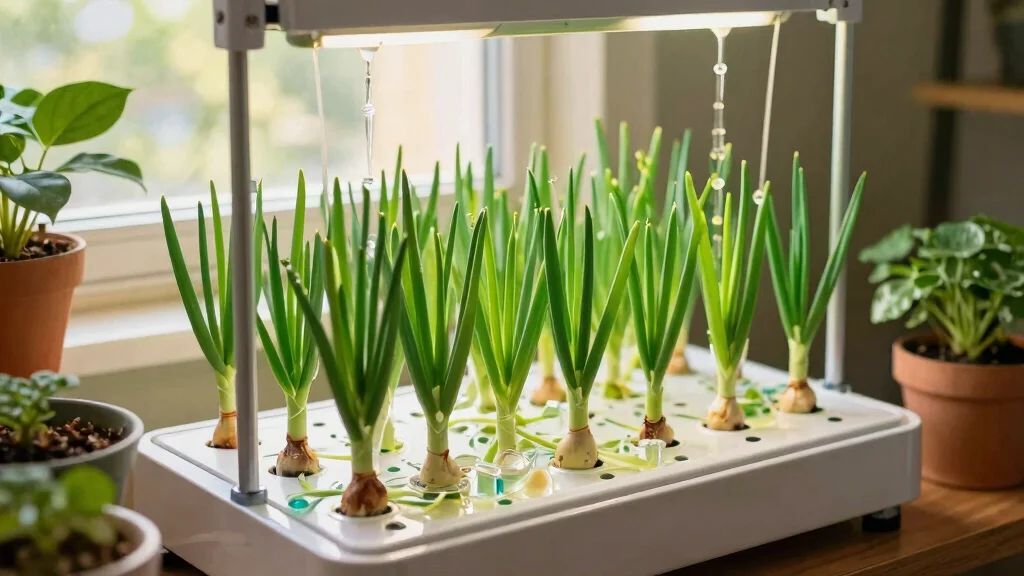
Growing your own food can be incredibly rewarding, especially when it comes to herbs like hydroponic green onions. I’ve been on a mission to cultivate fresh flavors right in my kitchen. The idea of snipping off a green onion from my own little indoor garden, adding it to a dish, and enjoying that burst of flavor is truly satisfying. If you’re someone who loves the thrill of indoor gardening and wants to elevate your culinary creations, you’re in the right place.
In this post, I’m sharing 9 hydroponic green onion tips that will help you grow fast and flavorful plants inside your home. Whether you’re a seasoned gardener or just starting out, these practical tips will make your journey easier and more enjoyable. You’ll learn how to set up your system, care for your plants, and even how to use those fresh green onions in your favorite recipes.
Get ready to transform your indoor space into a vibrant garden. These tips are straightforward, helpful, and designed for anyone who wants to enjoy the benefits of homegrown green onions. By the end of this post, you’ll be equipped with the knowledge to create a lush hydroponic setup that produces beautiful, tasty green onions all year round.
Key Takeaways
– Selecting the right hydroponic system is crucial for optimal growth and yield.
– Using quality seeds or seedlings ensures a strong start for your green onions.
– Proper lighting is essential; aim for 12-16 hours of light daily for best results.
– Maintaining temperature and humidity levels can significantly impact growth rates.
– Regular pruning promotes healthy plants and enhances flavor as they mature.
1. Choose the Right Hydroponic System
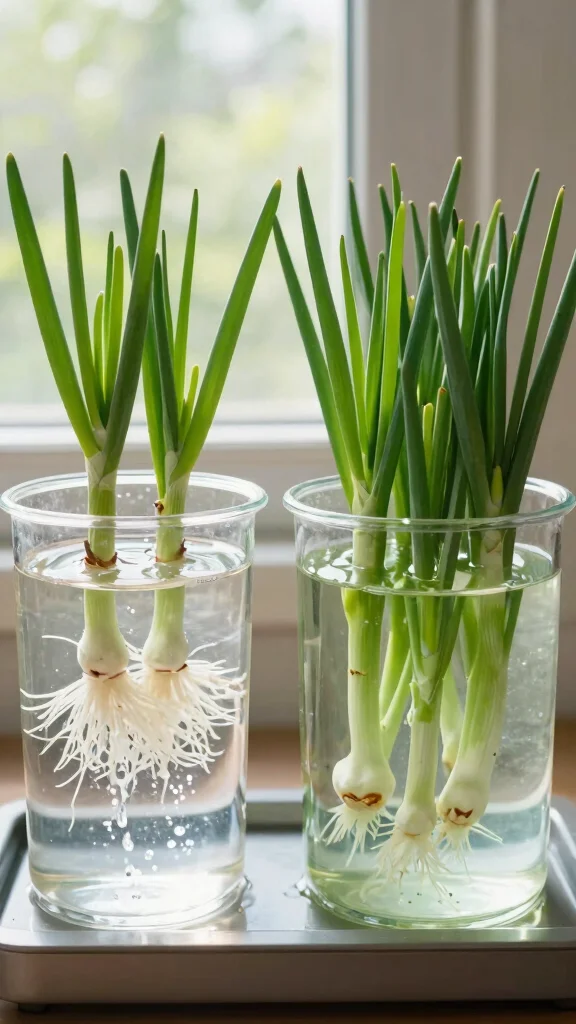
Are you ready to dive into hydroponics? Choosing the right system is your first step. Two popular options for growing green onions are the Nutrient Film Technique (NFT) and Deep Water Culture (DWC). Both methods effectively nourish your plants, but they cater to different needs. NFT is great for larger setups, while DWC is beginner-friendly and requires less maintenance. Think about your available space and how hands-on you want to be with your plants. – NFT: Best for quicker growth and larger spaces.
– DWC: Perfect for small areas and minimal effort.
– Budget: Always consider your financial limits before making a choice. Selecting the right system can set you up for success in your indoor gardening journey!
How To Choose The Right Hydroponic System for Green Onions
When diving into hydroponic gardening, selecting the right system is crucial for growing healthy and flavorful green onions. Here are some key factors to consider:
1. System Type
Different hydroponic systems work better for specific plants. For green onions, you might consider systems like Nutrient Film Technique (NFT) or Deep Water Culture (DWC). NFT uses a thin film of nutrient solution to feed the roots, while DWC has roots submerged in nutrient-rich water. Both methods can support fast growth and high yields for green onions.
2. Size and Space
Evaluate the space you have available for your hydroponic setup. If you have limited space, a vertical or compact system might be ideal. Make sure you measure the area to ensure your chosen system fits. Many hydroponic systems offer modular designs that can expand as your gardening ambitions grow.
3. Ease of Use
Consider how user-friendly the system is. Some systems require more maintenance and technical knowledge than others. Choose a system that aligns with your comfort level. Beginners often prefer simpler setups that don’t require extensive monitoring or constant adjustments.
4. Cost and Budget
Hydroponic systems vary widely in price. Set a budget before you shop around. While it might be tempting to go for the cheapest option, investing a bit more can pay off in terms of durability and yield. Look for systems that offer good value and warranties to safeguard your investment.
5. Availability of Nutrients and Accessories
Make sure the system you choose is compatible with nutrient solutions and accessories readily available in your area. Some systems come with starter kits that include everything you need, while others may require additional purchases. Check reviews on nutrient efficiency and results to ensure you choose wisely.
Pro Tip: Start with a beginner-friendly hydroponic kit that includes easy-to-follow instructions and all necessary components. This can help you avoid frustration as you learn the ropes of hydroponic gardening while growing delicious green onions. 🚀
Choose the Right Hydroponic System
Editor’s Choice

pH Meter for Hydroponics PPM EC Meter for Plant Nutrients Simultaneous M…


Liquid Plant Food for use in AeroGarden, IDOO and Hydroponic Growing Sys…

Ahopegarden Indoor Garden Hydroponics Growing System: 10 Pods Plant Germ…
2. Use Quality Seeds or Seedlings
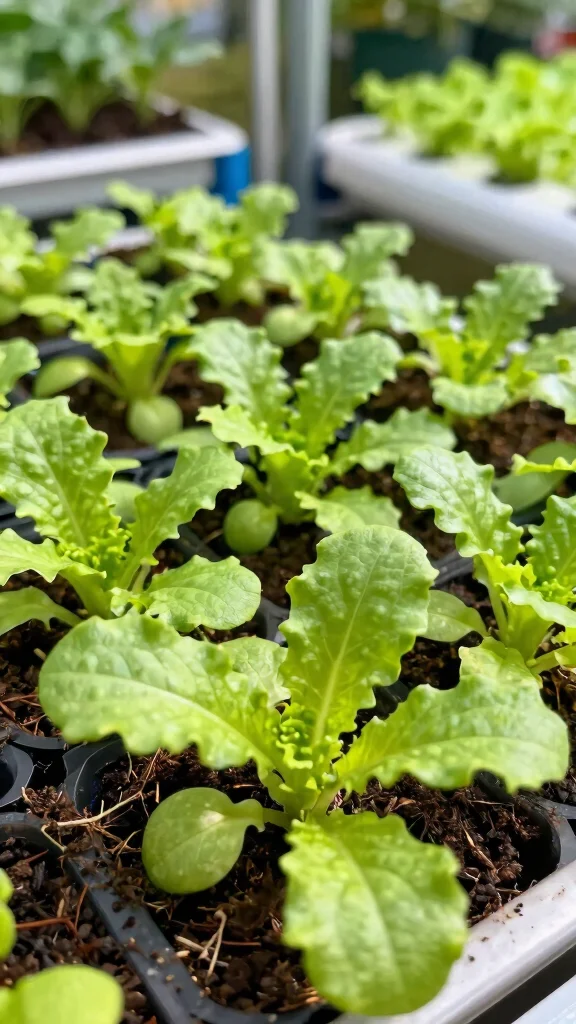
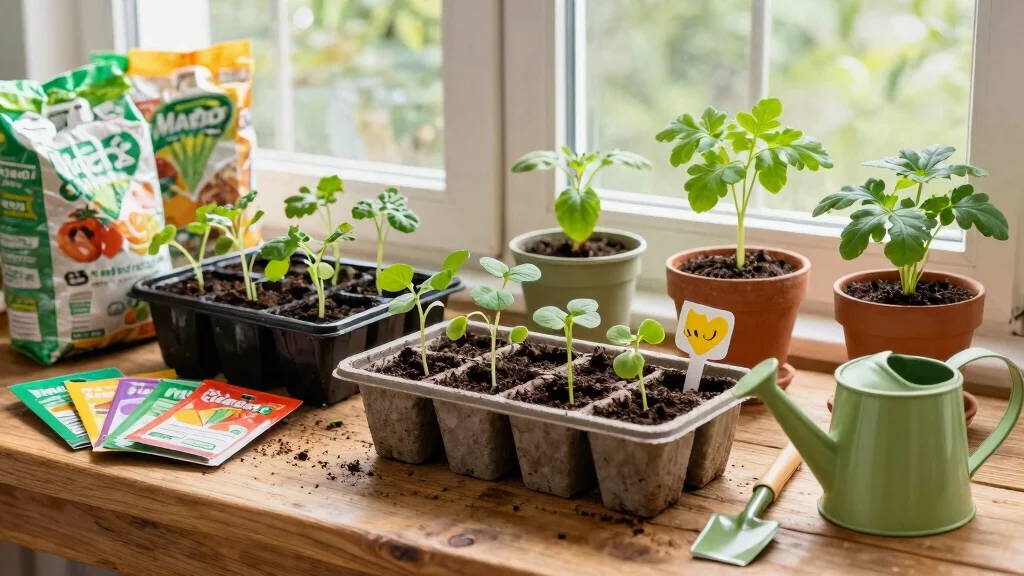
Kickstart your green onion garden with top-notch seeds or seedlings! While seeds can be a fun challenge, seedlings often get you quicker results. Look for organic seeds tailored for hydroponic growth, which you can find at local stores or online. Healthy seedlings should have bright green tops and sturdy roots. Remember, a strong start leads to a better harvest! If you choose seeds, start them in a small tray to ensure they sprout well before moving them into your hydroponic setup. – Organic Seeds: Usually more resilient and robust.
– Seedlings: They offer faster growth and instant results.
– Quality Check: Look for vibrant color and firmness to ensure health.
Use Quality Seeds or Seedlings
Editor’s Choice

10×20 Inch Black Plastic 10 Pack Plant Propagation Tray – Growing Tray…

Organic Onion Seeds (Bunching Evergreen) – Approx 200 Seeds – USDA Organ…
3. Ensure Proper Lighting
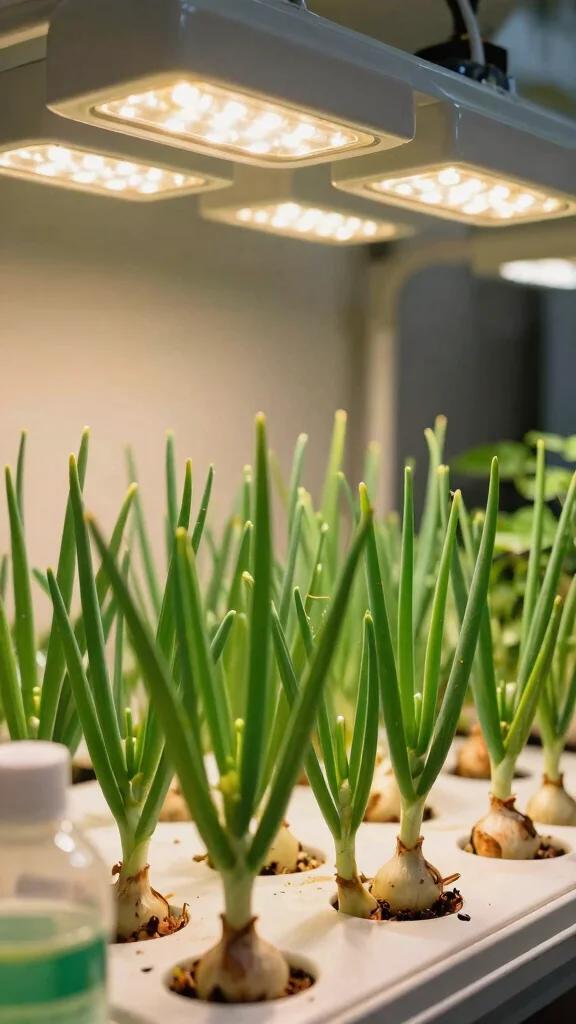
Lighting is essential for thriving hydroponic green onions. These plants flourish under bright light, making grow lights a necessity if natural sunlight is lacking. LED grow lights are a fantastic choice due to their energy efficiency and ability to provide the specific spectrum plants need. Position your lights about 6-12 inches above the plants for optimal growth, and don’t forget to rotate them weekly for even exposure! Aim for around 12-16 hours of light each day for the best results. – Light Type: LED is highly recommended for indoor gardening.
– Distance: Keep lights at a safe height to avoid burning plants.
– Duration: Consistent light is crucial for healthy growth.
Ensure Proper Lighting
Editor’s Choice

Barrina T5 Grow Lights for Indoor Plants, 5000K Full Spectrum, 1FT LED G…

BN-LINK BND-60/U47 Indoor Mini 24-Hour Mechanical Outlet Timer, 3-Prong,…
4. Maintain Optimal Temperature and Humidity
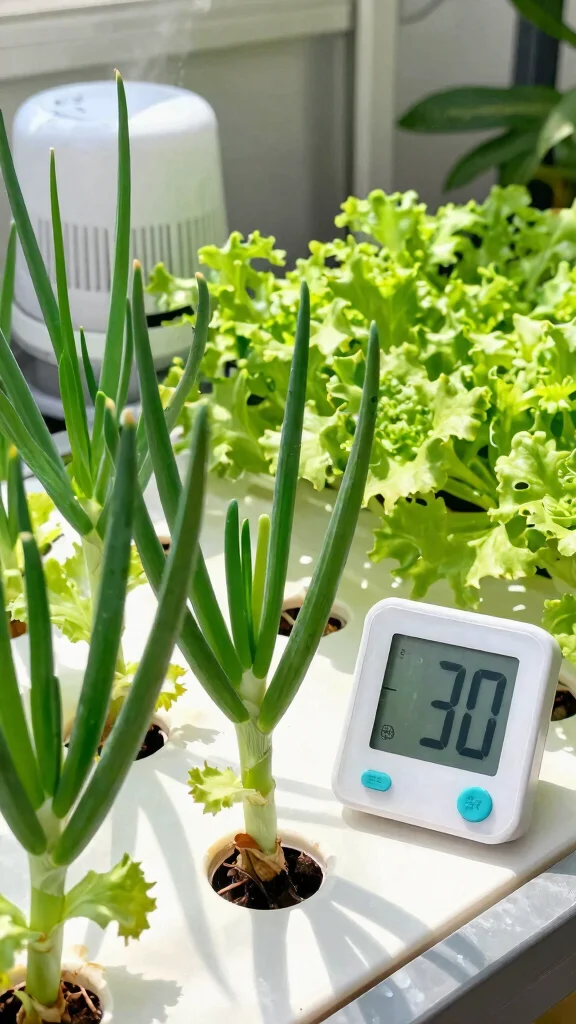
Get the temperature and humidity just right for your hydroponic green onions. Ideally, maintain temperatures between 60°F to 75°F (15°C to 24°C) for optimal growth. Humidity should hover around 50-70%, and a hygrometer can help you keep track. If your space is too dry, using a small humidifier can improve conditions. Good ventilation is also key to preventing mold and ensuring a balanced atmosphere. – Temperature: Keep it between 60°F to 75°F for best results.
– Humidity: Use a hygrometer for accurate readings.
– Ventilation: Essential for fresh air and mold prevention.
📹 Related Video: Grow green onions in Aerogarden from seeds and cuttings | hydroponics | 4 in 1 experiment
Maintain Optimal Temperature and Humidity
Editor’s Choice

Portable Mini Humidifier, Colorful, Cool Mist, USB Powered. Perfect for …

TempPro TP50 Digital Hygrometer Indoor Thermometer Room Thermometer and …

JEDEW 2 Pack Hygrometer Thermometer Digital Humidity Meter Indoor/Outdoo…
5. Use the Right Nutrient Solution
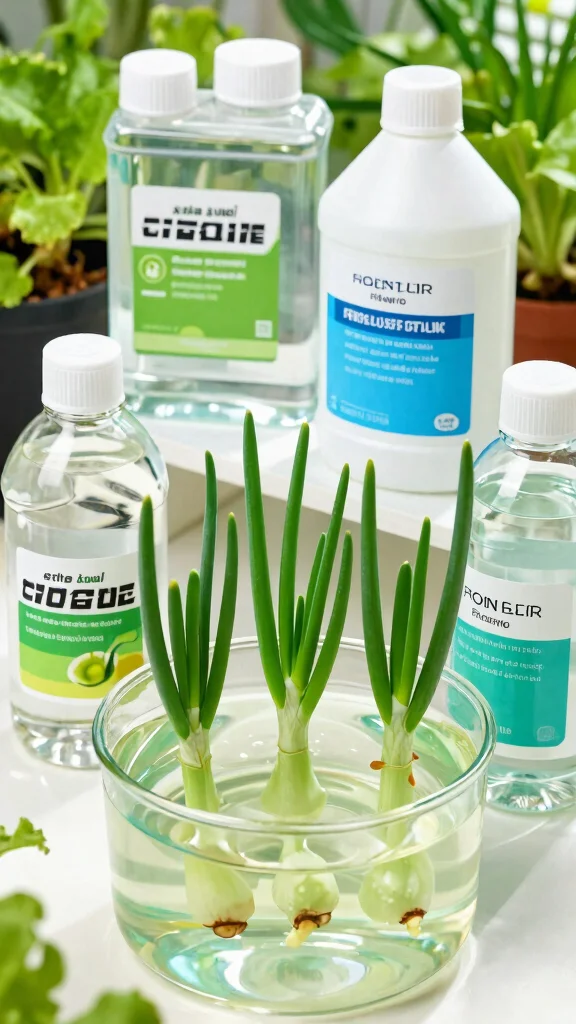
The nutrient solution is vital for thriving hydroponic green onions. Use a balanced, water-soluble fertilizer specifically designed for hydroponics, ensuring it contains essential nutrients like nitrogen, phosphorus, and potassium. Start with a lower concentration and increase it gradually as your plants grow. If your green onions start turning yellow, it could indicate a nutrient deficiency. Keep an eye on the pH level too, aiming for around 5.5 to 6.5 for optimal absorption. – Balanced Fertilizer: Invest in quality nutrients for hydroponics.
– Concentration: Begin low and adjust as needed.
– pH Level: Maintain within the recommended range for best results.
Fun fact: In hydroponic green onion setups, a balanced nutrient solution at pH 5.5–6.5 unlocks better nitrogen uptake. Start at a lower strength and gradually increase to avoid yellowing.
You might also like

Use the Right Nutrient Solution
Editor’s Choice
pH Meter for Hydroponics PPM EC Meter for Plant Nutrients Simultaneous M…
Liquid Plant Food for use in AeroGarden, IDOO and Hydroponic Growing Sys…
6. Watering Wisely
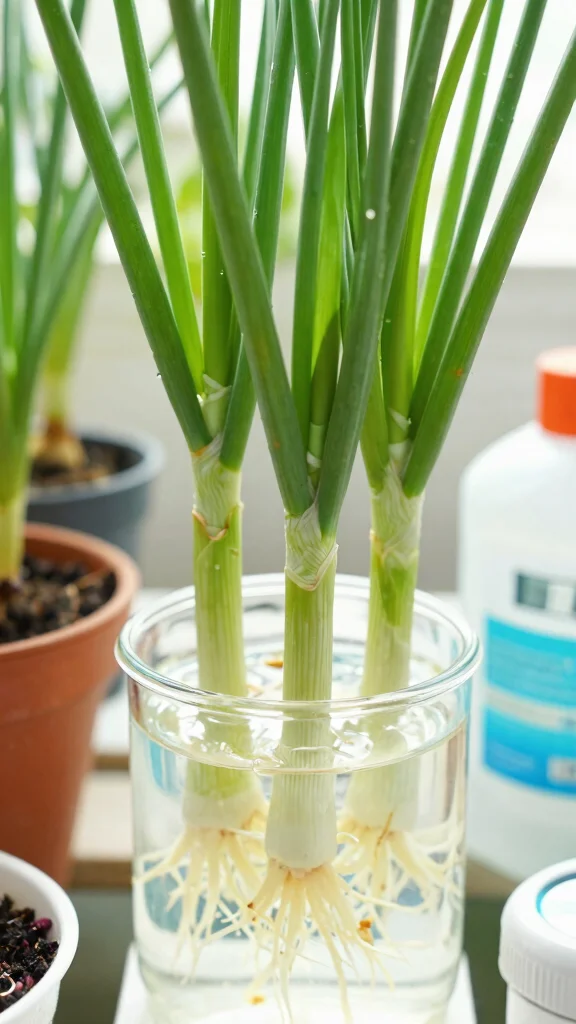
Managing your water levels wisely is crucial in hydroponics. Ensure your green onions are always submerged in the nutrient solution but avoid over-saturation. Regularly check water levels and top off the solution when it drops below the required amount. If you notice wilting or yellowing, that could mean your plants are too dry or in stagnant water. Using a timer for your pump can help you maintain consistent moisture without overdoing it. – Water Levels: Keep them optimal for healthy growth.
– Signs to Watch: Be aware of wilting and discoloration.
– Automate: Timers can simplify watering management.
Watering Wisely
Editor’s Choice

CQRobot Contact Water/Liquid Level Sensor Compatible with Raspberry Pi/A…
Liquid Plant Food for use in AeroGarden, IDOO and Hydroponic Growing Sys…

BN-LINK Short Period Repeat Cycle Intermittent Timer, Interval Timer – D…
7. Prune Regularly for Best Results
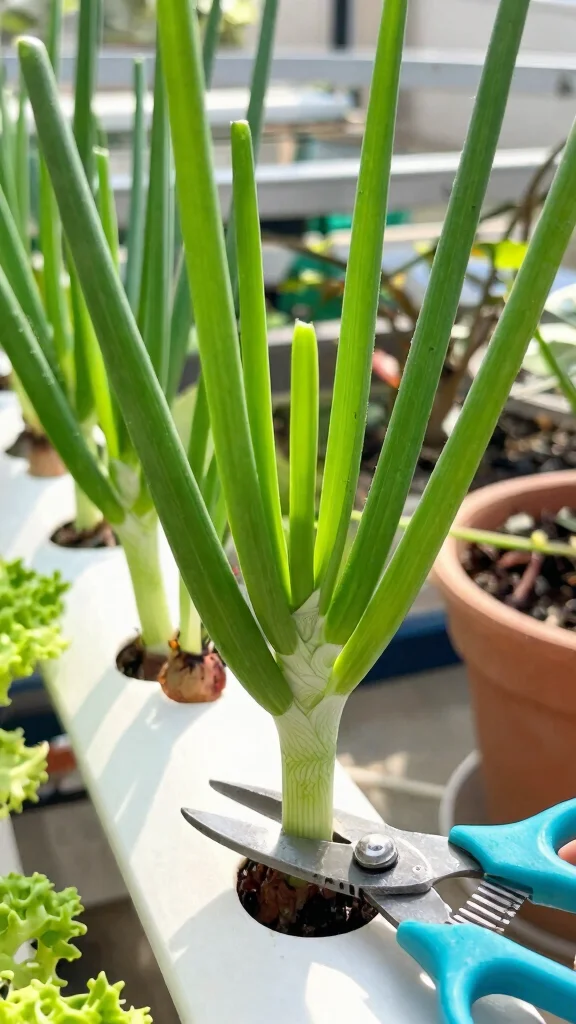
Don’t skip the pruning! Regular trimming encourages bushier growth and helps prevent disease among your hydroponic green onions. Snip off any yellowing or wilting leaves and trim the tips of the onions for a lush green appearance. This practice keeps your plants healthy and flavorful, enhancing your culinary creations. Always use clean scissors to prevent introducing bacteria. – Pruning Benefits: Boost growth and prevent diseases.
– When to Prune: Regularly check for any yellowing or wilting.
– Sanitation: Keep your tools clean for plant health.
Prune Regularly for Best Results
Editor’s Choice

VIVOSUN 6.5 Inch Gardening Scissors Hand Pruner Pruning Shear with Strai…
8. Harvesting Tips for Flavor
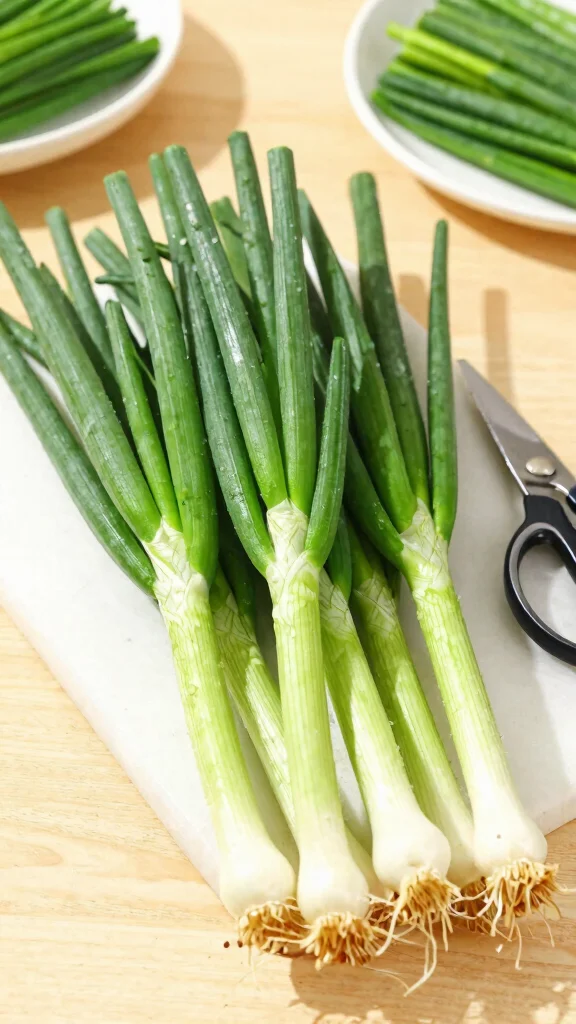
Timing is key when it comes to harvesting your hydroponic green onions! Wait until the green tops reach about 6-8 inches tall before cutting. Use clean scissors to snip off the tops, leaving about an inch of the bulb for regrowth. This method gives you fresh onions for your dishes while allowing the plants to continue flourishing. The flavor is at its peak when harvested at the right time! Use those harvested tops in various recipes to add zest to your meals. – Harvest Height: Cut when tops are 6-8 inches long.
– Regrowth: Leave an inch to encourage new growth.
– Culinary Use: Fresh green onions can enhance the flavor of many dishes.
❝ For the best flavor, harvest hydroponic green onion when the tops reach 6-8 inches tall. Snip with clean scissors, leaving about an inch of the bulb to regrow—your kitchen will stay stocked and your herbs will keep flourishing. ❞
You Might Also Like
Harvesting Tips for Flavor
Editor’s Choice
Ahopegarden Indoor Garden Hydroponics Growing System: 10 Pods Plant Germ…

VIVOSUN Liquid Nutrients Base A & B Bundle, Grow Big Hydroponic Fertiliz…

Fiskars 6″ Pruning Scissors for Flower Stems, Herbs, Buds, and Small Pla…
9. Experiment with Recipes
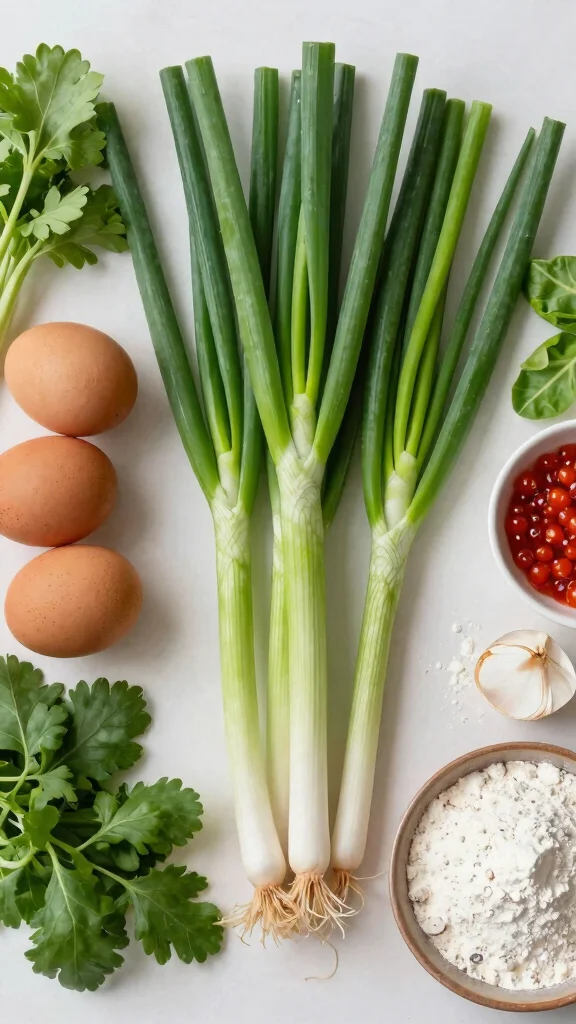
Hydroponic green onions are a versatile addition to your kitchen! Once harvested, let your culinary creativity shine. Toss them fresh into salads, stir-fries, or as garnishes for soups. You can also pickle them or blend them into dips for an extra kick. Try making simple green onion pancakes or topping your scrambled eggs with them! Don’t hesitate to explore different cuisines—green onions fit beautifully in Asian, Mediterranean, and even Mexican dishes. Keep a journal of your favorite recipes and tweaks for your next harvest! – Fresh Use: Great in salads or as toppings.
– Versatile Ingredients: Perfect for various cuisines.
– Documentation: Track your favorite recipes for future reference.
Fun fact: A harvest of hydroponic green onion can flavor dozens of meals in minutes, delivering crisp bite and bright aroma. Keep a journal of tweaks—stir-fries, salads, or garnishes—because a little green onion goes a long way in flavor.
Experiment with Recipes
Editor’s Choice

ZICOTO Aesthetic Blank Recipe Book with Waterproof Cover – The Perfect R…
Ahopegarden Indoor Garden Hydroponics Growing System: 10 Pods Plant Germ…
Conclusion
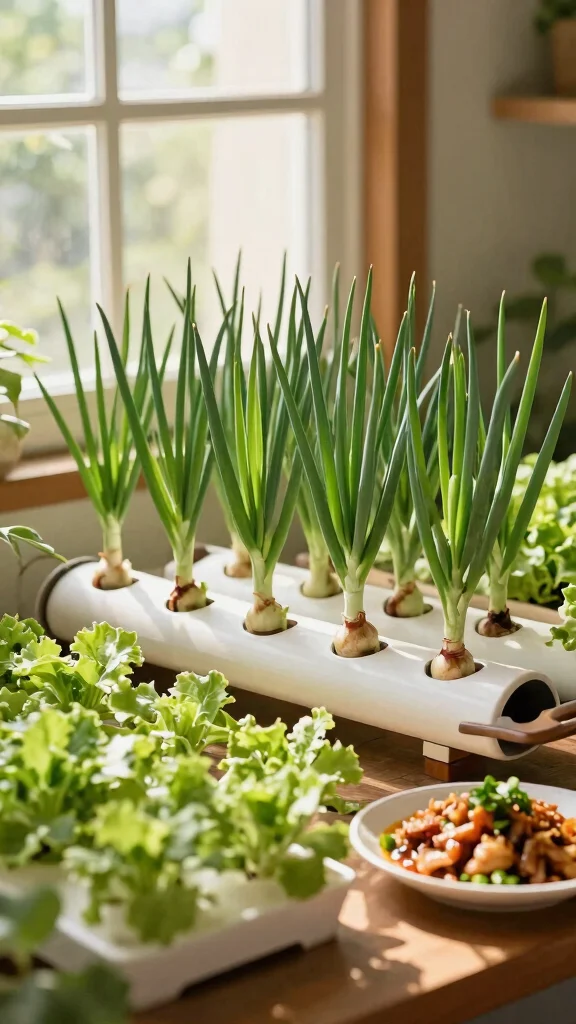
Growing hydroponic green onions brings joy and flavor right to your home kitchen.
With these tips, you can ensure a fast-growing and bountiful harvest, adding a delightful touch to your culinary creations. Embrace the indoor gardening journey and watch your green onions flourish!
Now it’s your turn to dive into this green adventure—happy gardening!
Note: We aim to provide accurate product links, but some may occasionally expire or become unavailable. If this happens, please search directly on Amazon for the product or a suitable alternative.
This post contains Amazon affiliate links, meaning we may earn a small commission if you purchase through our links, at no extra cost to you.
Frequently Asked Questions
What is the best setup for growing hydroponic green onions indoors?
For the best hydroponic green onion indoors, start with a simple, reliable setup like a Deep Water Culture (DWC) system or an NFT-style channel. Use a clean reservoir, a net pot, and a small air pump with a diffuser to keep roots well-oxygenated. Place the setup under a bright hydroponic gardening LED or grow light that delivers about 14–16 hours of light per day. Keep temperatures around 65–75°F (18–24°C) and the pH in the 6.0–6.5 range. Feed a complete leafy-green nutrient solution, starting at half-strength and increasing as growth takes off. Check water levels and top up as needed, and clean the system every couple of weeks to prevent algae or salt buildup. With consistent care, you’ll enjoy steady home gardening tips and tasty hydroponic green onion harvests at home.
How quickly can hydroponic green onions grow indoors, and how can I speed up growth?
Growth is fast with proper light and nutrients. Expect fresh green tops in about 2–3 weeks from cuttings, and fuller harvests in 4–6 weeks. To speed up: provide ample light (14–16 hours/day) with a spectrum that favors greens, keep daytime temperatures steady around 65–75°F, and use a complete leafy-green nutrient at half-strength to start, then move to full strength as growth begins. Ensure roots stay well-aerated and avoid letting the reservoir stagnate. Harvest the outer greens regularly to encourage new growth and you’ll see quicker, tastier results in your indoor garden.
What nutrients and pH should I use for hydroponic green onions?
Use a complete hydroponic nutrient solution formulated for leafy greens. Aim for a pH of 6.0–6.5 to keep nutrients available to the plant. Keep the nutrient concentration in the range of about 1.5–2.0 mS/cm (EC) for steady green growth; start at half-strength and increase as needed. Focus on a nitrogen-rich blend to promote lush green tops, and include calcium and magnesium to prevent tip burn and deficiencies. Change the solution every 1–2 weeks or per your product’s instructions to avoid buildup and ensure strong flavors.
How can I use indoor hydroponic green onions in recipes and store them for freshness?
Your home-grown hydroponic gardening harvest lights up many green onion recipes. Snip and rinse the tender greens and white bulbs, then add them fresh to salads, soups, stir-fries, or as a bright garnish. For storage, trim the roots, stand the bunch in a glass with a little water in the fridge, or wrap the greens in a damp towel inside a bag for several days. You can also chop and freeze the tops for later use. This way, you’ve got fast-flavor boosters ready for your cooking experiments and home gardening tips habit.
What common problems occur in indoor hydroponic green onion setups and how can I fix them?
Common issues include yellowing leaves from nutrient deficiencies or pH drift, pale tips from calcium deficiency, slow growth from insufficient light, root rot from stagnant water, and pests like fungus gnats. Fixes: test and adjust pH to 6.0–6.5, feed with a nitrogen-rich green solution, and boost light duration or intensity. Ensure excellent root aeration and immediately drain and refresh the solution if you see rotting roots. Manage humidity and cleanliness to deter pests, and consider sticky traps if small insects appear. With proactive care, your indoor hydroponic green onions stay crisp, flavorful, and ready for cooking.
Related Topics
hydroponic green onion
indoor gardening
fast-growing vegetables
home gardening tips
culinary herbs
green onion recipes
easy hydroponics
beginner friendly
sustainable gardening
indoor herb garden
quick harvest
herb gardening tips