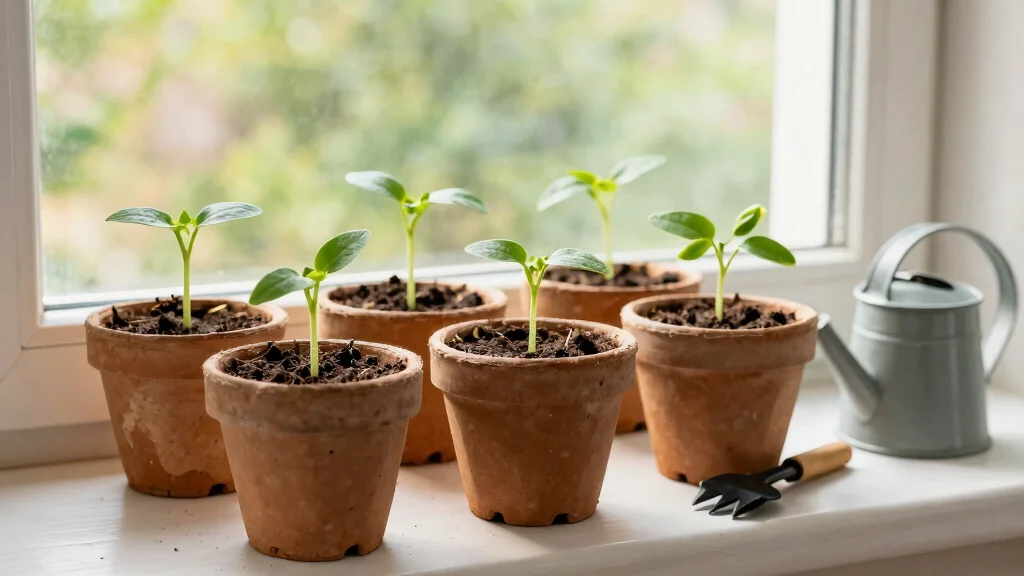
Growing your own lemon tree from seed is an adventure that can bring a splash of sunshine into your home. If you’ve ever dreamt of plucking fresh lemons straight from your own indoor garden, you’re in the right place. This guide is crafted for urban gardeners and anyone interested in bringing a little bit of citrus joy into their living space. Whether you’re a seasoned gardener or just starting out, you’ll find that nurturing a lemon tree can be both rewarding and therapeutic.
In this post, you’ll discover nine essential strategies to help you successfully grow a beautiful citrus tree from seed. Each step is designed to simplify the process and demystify the world of lemon cultivation. From choosing the right seeds to managing pests, you’ll gain practical tips that transform your efforts into fruitful results. By the end, you’ll be equipped not only to grow a healthy lemon tree but also to enjoy the delightful lemons it produces.
Let’s get ready to dig in and explore how you can cultivate a thriving lemon tree from seed in your own home. Get ready for a journey filled with growth, learning, and the joy of home gardening!
Key Takeaways
– Choosing the Right Seeds: Select seeds from fresh, organic lemons to ensure better germination and health.
– Preparing for Germination: Soak your seeds and remove any pulp to enhance germination success rates.
– Creating a Suitable Environment: Provide warmth and humidity to your seeds by using a plastic bag or a mini greenhouse setup.
– Watering Techniques: Be mindful of watering; young seedlings need a balance—too much moisture can lead to rot.
– Pest and Disease Management: Keep an eye out for common pests and diseases, and use organic solutions for treatment to ensure your lemon tree stays healthy.
1. Choose the Right Seeds
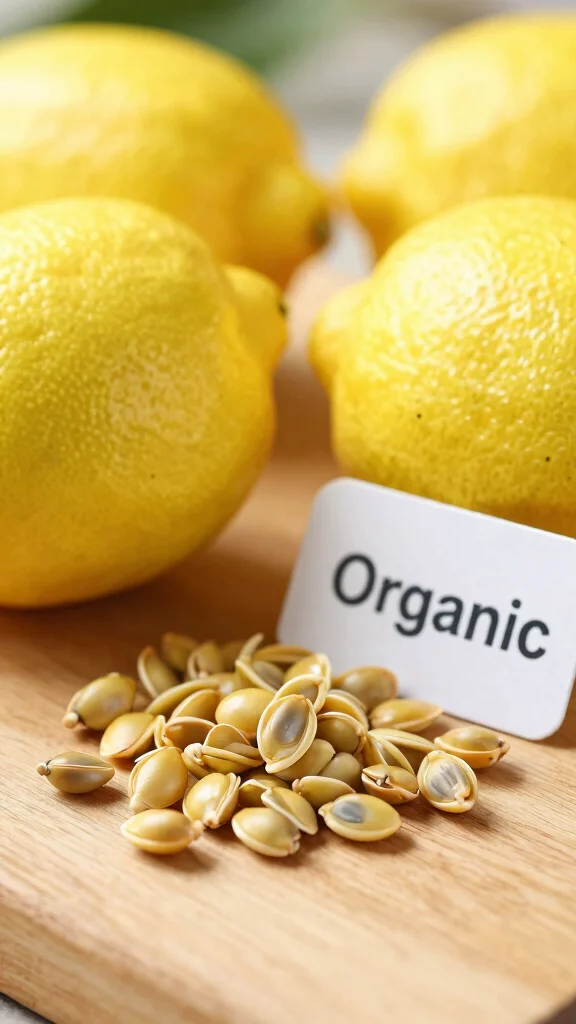
Picking the right seeds is the first step towards a thriving lemon tree. You want seeds that are fresh, organic, and plump, as these will give you the best chance for success. The seeds should come from healthy, juicy lemons to ensure strong growth and good fruit yield. Consider getting your seeds from a trusted nursery or a specialized online supplier for the best quality.
To maximize your results, focus on well-known lemon varieties, such as Eureka or Lisbon, which are favored by home gardeners. Choosing the right seeds is crucial to your gardening journey.
Key points for selecting your lemon seeds:
– Freshness: Choose seeds from ripe, organic lemons.
– Variety: Opt for reputable lemon types that flourish indoors.
– Source: Buy from trusted nurseries or online suppliers.
Starting with quality seeds lays the foundation for a healthy lemon tree, ready to flourish in your home garden.
Fun fact: lemon tree from seed success can rise by up to 30% when you start with organic, non-GMO seeds from trusted sources like Eureka or Lisbon. Sourcing from reputable garden centers ensures better germination and a healthier yield over years.
Choose the Right Seeds
Editor’s Choice

30 Lemon Seeds for Planting Non-GMO Heirloom and Organic High Survival R…


MIIIM 10 PCS Air Layering Propagation Kit with Zip Ties, Reusable Half T…
2. Prepare Your Seeds for Germination
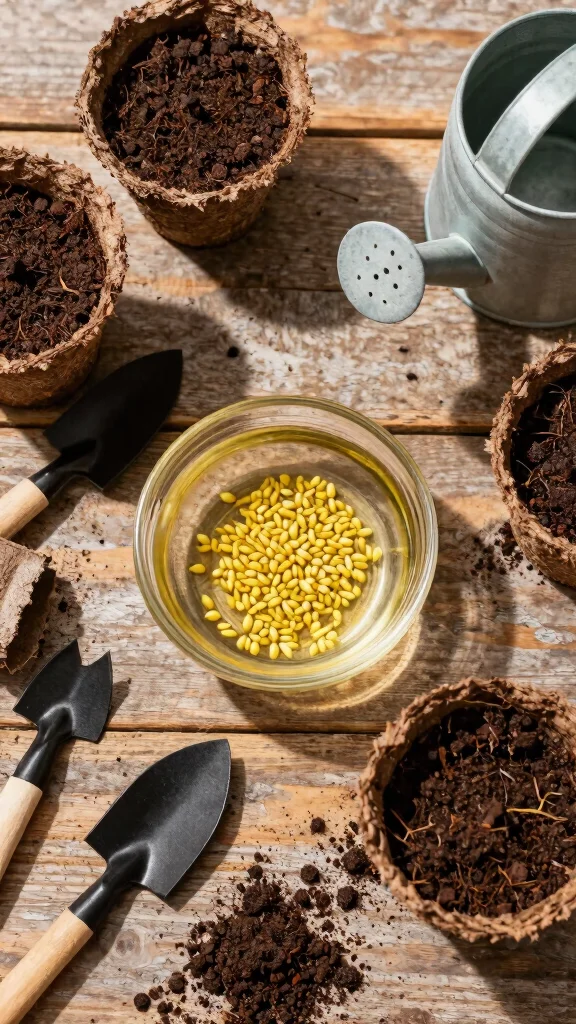
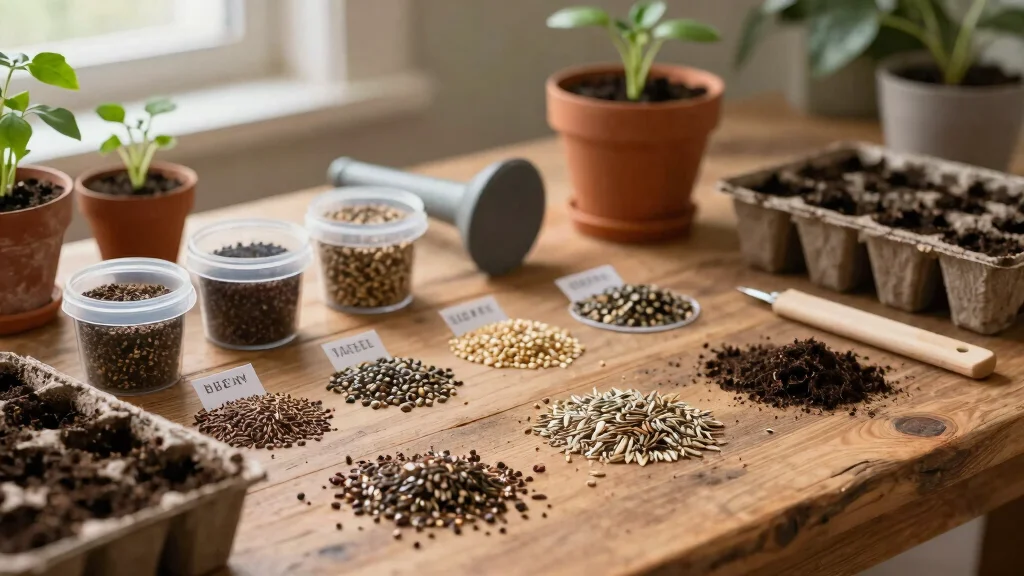
Germinating your seeds is an exciting phase that requires some care. Begin by cleaning the seeds thoroughly to remove any leftover pulp, as this can hinder germination. Soaking the seeds in water for about 24 hours softens the seed coat, helping them sprout faster. Some gardeners even recommend gently nicking the seed coat to boost germination rates.
Once you’ve soaked the seeds, plant them about half an inch deep in pots filled with a well-draining potting mix. This type of soil retains moisture while allowing excess water to escape, which is vital for seed health.
Here are essential steps for preparing your seeds:
– Soaking: Immerse seeds in water for 24 hours before planting.
– Cleaning: Rinse seeds to eliminate all pulp residues.
– Planting Depth: Ensure seeds are planted halfway into the soil.
By following these preparation steps, your seeds will have the best chance to sprout into vibrant seedlings ready for growth.
Prepare Your Seeds for Germination
Editor’s Choice

Back to the Roots 100% Organic Indoor Potting Mix (6 Quart), Promotes He…

VIVOSUN Durable Waterproof Seedling Heat Mat 10″ x 20.75″ UL & MET-Certi…
3. Create a Warm, Humid Environment
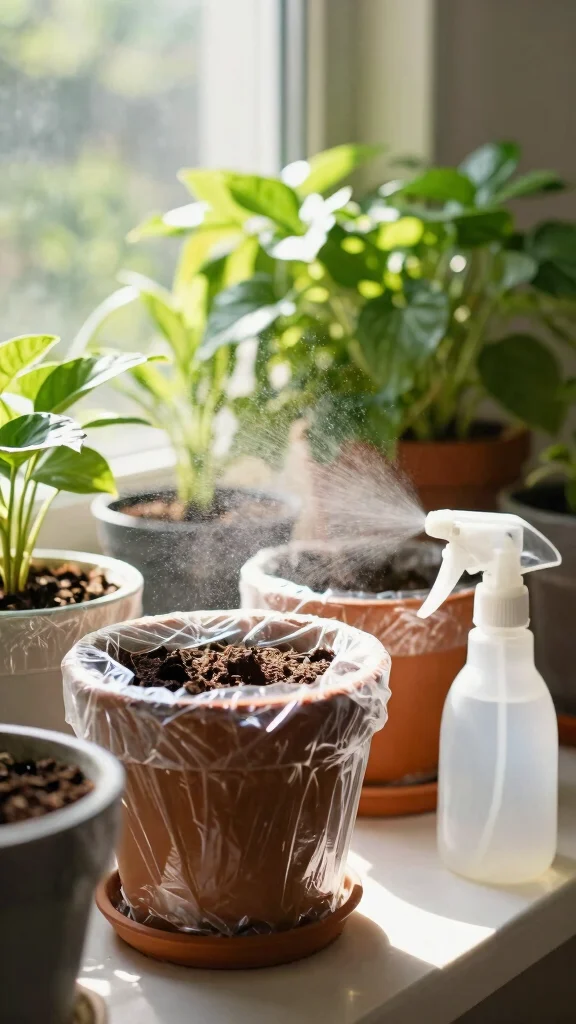
To thrive, lemon seeds need a warm and humid environment that mimics their natural habitat. Place your pots in a sunny spot where temperatures range from 70°F to 85°F. If natural sunlight isn’t available, consider using grow lights to provide the necessary warmth and light.
Maintaining humidity is also important; you can cover your pots with plastic wrap or use a humidity dome to create a mini-greenhouse effect. Regularly check the soil moisture to ensure it stays damp but not soggy. Misting can be a great way to add moisture without overwatering.
Tips for creating the right environment:
– Temperature: Keep pots warm, ideally between 70°F and 85°F.
– Humidity: Use plastic wrap or a humidity dome for moisture retention.
– Light: Use grow lights if natural sunlight is limited.
Taking these steps will encourage your seeds to sprout healthily, setting the stage for vibrant growth.
Create a Warm, Humid Environment
Editor’s Choice

Spray Bottle for Plants 2 Pack, 16oz – Ultra Fine Mist, Plant Mister Emp…

GooingTop LED Grow Light,6000K Full Spectrum Clip Plant Growing Lamp wit…
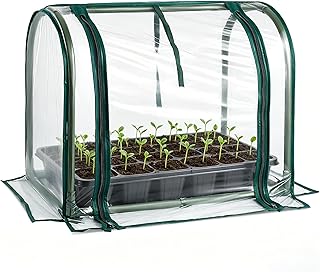
Mini Indoor Greenhouse Tabletop Garden Nursery Plant Cover Tent Humidity…
4. Watering Techniques for Young Seedlings
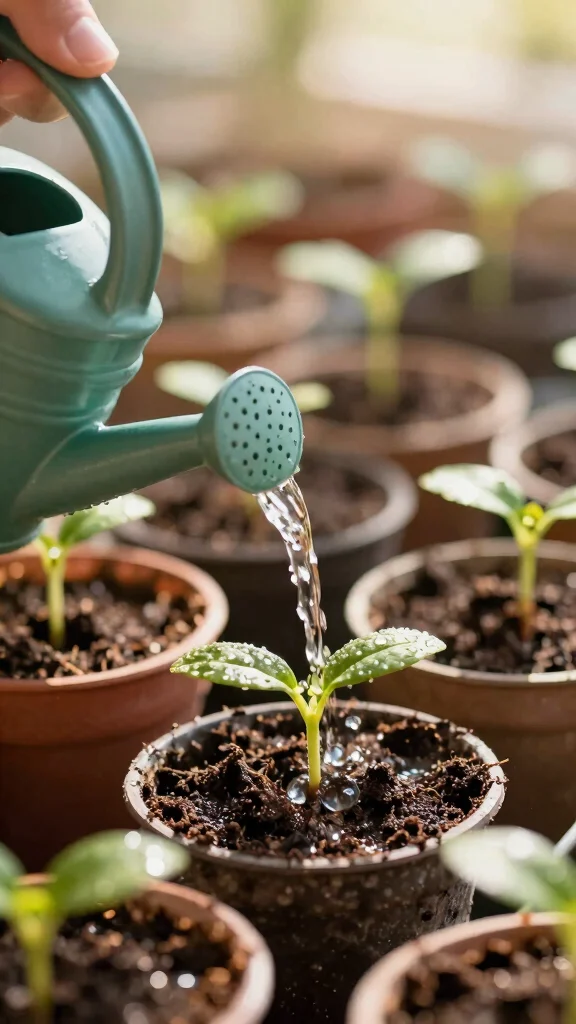
Proper watering is a critical part of nurturing your lemon tree from seed. Young seedlings need consistent moisture, but be careful not to overwater, as this can lead to root rot. Check the soil moisture by sticking your finger about an inch deep; if it feels dry, it’s time to water.
When watering, use a gentle stream to moisten the soil without disrupting the seedlings. A watering can with a narrow spout can help you control the flow more precisely.
Here are effective watering tips:
– Consistency: Keep the soil moist by checking it regularly.
– Technique: Use a gentle stream to avoid disturbing the soil.
– Tools: A watering can with a narrow spout ensures precision.
Mastering these watering techniques will help your seedlings develop strong roots, supporting their healthy growth.
Watering Techniques for Young Seedlings
Editor’s Choice

XLUX Long Probe Deep Use Soil Moisture Meter, Water Monitor Indicator Se…

Nursery Pots 100 PCS 4 Inch Plant Pots with 100 Labels, Planting Pot for…

Watering Can for Seedlings, Small Watering Can for House Plant Garden Fl…
5. Fertilizing Your Seedlings
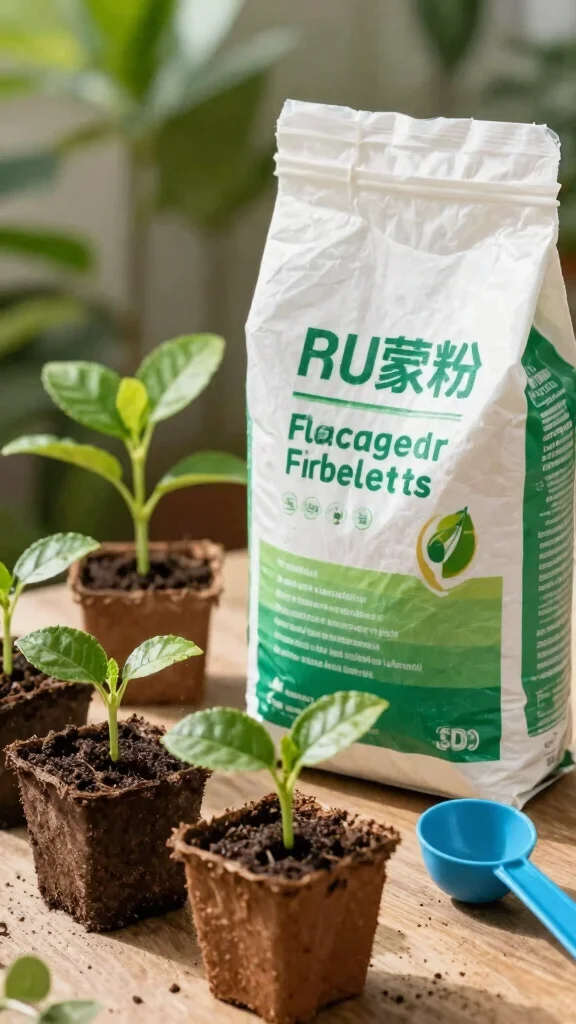
Fertilizing is key to ensuring your lemon tree seedlings get the nutrients they need for robust growth. After your seedlings develop a few leaves, introduce them to a balanced, water-soluble fertilizer. Look for a fertilizer with equal parts nitrogen, phosphorus, and potassium, like a 10-10-10 formula. Dilute it to half strength to avoid overwhelming your young plants.
Fertilize every few weeks during the growing season while watching for signs of nutrient deficiency, such as yellowing leaves.
Guidelines for effective fertilization:
– Timing: Start fertilizing after the first few leaves appear.
– Type: Use a balanced, water-soluble fertilizer diluted to half strength.
– Frequency: Apply every 4-6 weeks during the growing season.
Following these tips will help your seedlings mature into strong, healthy plants ready for transplanting.
You might also like
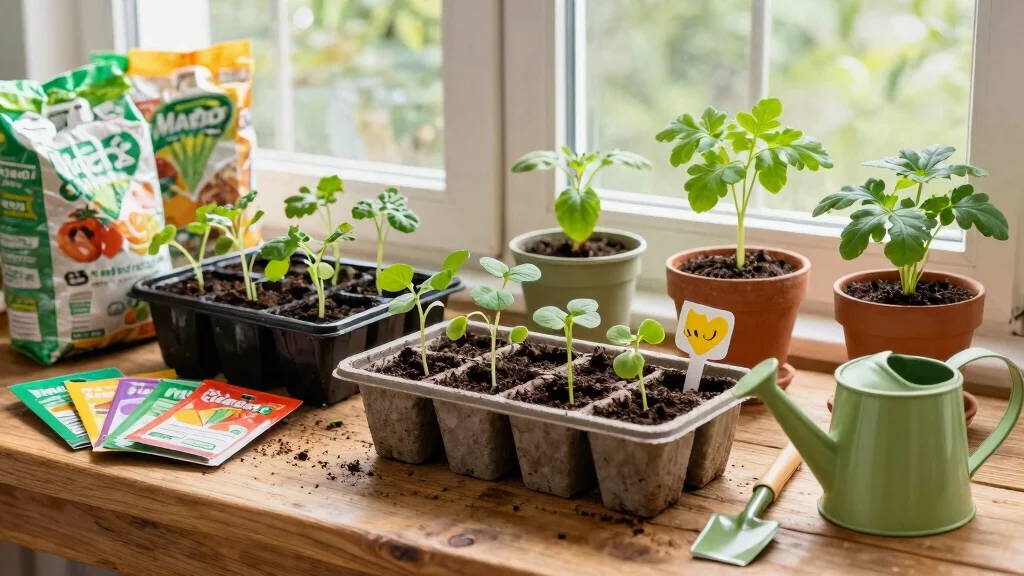
Fertilizing Your Seedlings
Editor’s Choice

Gardenwise 20-20-20 Water-Soluble Fertilizer – Powder for Liquid Plant…
6. Transplanting Your Seedlings
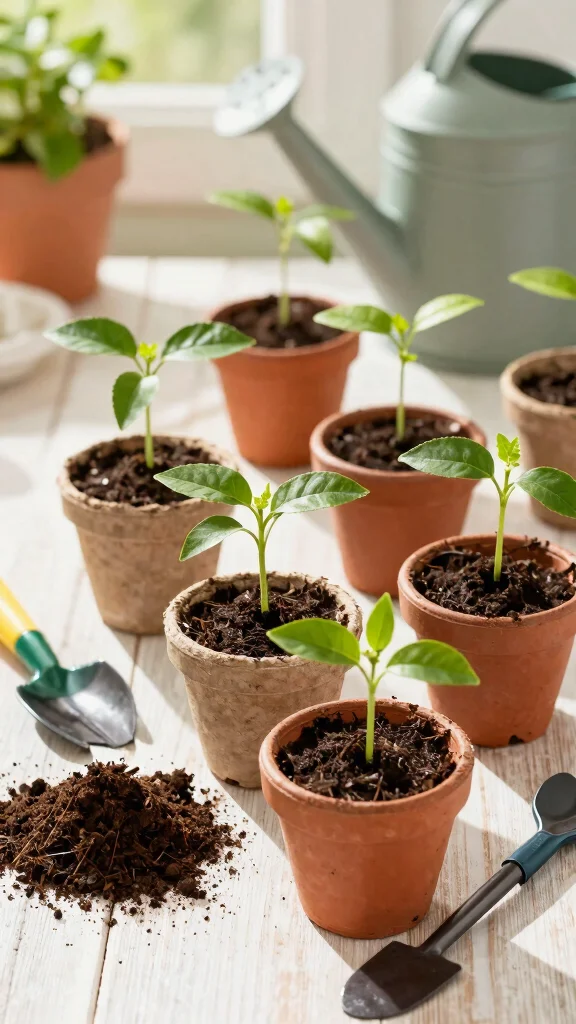
Once your seedlings are sturdy, about 6 inches tall with several leaves, it’s time to transplant them into larger pots. Choose pots that are at least 10 inches in diameter for ample root space. Use a high-quality potting mix that drains well to prevent water buildup.
Carefully remove the seedlings from their original pots without damaging the delicate roots. Gently loosen any bound roots and plant them at the same depth they were growing in their original pots. Water them well after transplanting to help them adapt to their new environment.
Transplanting tips:
– Pot Size: Select pots at least 10 inches in diameter for better root growth.
– Soil: Use a high-quality, well-draining potting mix.
– Handling: Be gentle with the roots to reduce transplant shock.
Transplanting is a significant step toward your lemon tree’s growth and future fruit production.
Fun fact: Lemon tree seedlings transplant best when potted in at least 10-inch containers; the extra root space helps them settle in faster. A well-draining mix prevents root rot.
📹 Related Video: How to Transplant Lemon Seedling Properly
How To Choose The Right Seeds for Your Lemon Tree
When starting your journey of growing a lemon tree from seed, the first step is to select the right seeds. The quality of the seeds you choose can make a big difference in your success. Here are some key factors to consider:
1. Source of Seeds
Choose seeds that are organic and non-GMO. Look for seeds from reputable suppliers or local nurseries. This ensures you get healthy seeds that are more likely to germinate. You can also use seeds from fresh lemons you buy at the grocery store. Just make sure they come from a ripe fruit.
2. Seed Type
Different lemon varieties have different characteristics. Popular types include Eureka, Lisbon, and Ponderosa. Each has unique flavors and growth habits. Research which type suits your taste preference and climate. For urban gardening, compact varieties might be best.
3. Seed Viability
Check the seeds for viability. You can do this by performing a simple germination test. Place a few seeds on a damp paper towel, fold it, and keep it in a warm spot. After a week, check for sprouting. Seeds that sprout easily are more promising.
4. Size and Shape
Select seeds that are plump and healthy-looking. Avoid any that are shriveled or discolored, as these might not germinate well. Larger seeds often have more energy reserves, which can increase their chances of sprouting successfully.
5. Age of Seeds
Fresh seeds typically germinate better than older ones. If you buy seeds, check the packaging for a harvest date. Seeds lose viability over time, so try to choose the newest seeds available. If you’re using seeds from fruit, use them as soon as possible.
6. Environment Considerations
Consider your local environment and climate when choosing seeds. Some lemon varieties thrive better in warmer climates, while others may tolerate cooler temperatures. Research your local weather patterns to ensure you select seeds that will flourish in your area.
Pro Tip: When growing lemon trees indoors, opt for dwarf varieties. They are easier to manage in smaller spaces and can still produce delicious fruit.
Choosing the right seeds is the first step in your exciting journey of growing a lemon tree from seed. By following these guidelines, you set a solid foundation for a thriving citrus tree in your home garden. Happy planting!
Transplanting Your Seedlings
Editor’s Choice

Garden Tools Set, 8 Piece Gardening Tools Set with Non Slip Ergonomic Ha…

Burpee, 9 Quarts | Premium Organic Potting Natural Soil Mix Food Ideal f…

OJYUDD 60 Pack 1 Gallon Flexible Plant Nursery Pots,Thickened Soft Plast…
7. Managing Pests and Diseases
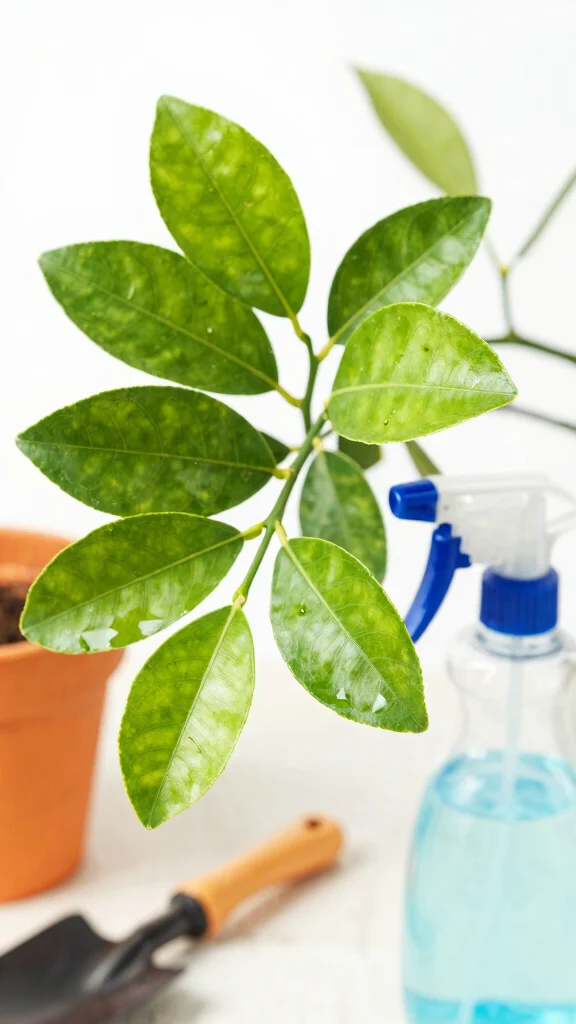
As your lemon tree matures, keeping an eye on pests and diseases is essential. Common pests like aphids, spider mites, and whiteflies can threaten your plants. Regularly inspect the leaves and stems for signs of these pests. If you find any, spray your plants with a mild insecticidal soap or a mixture of water and dish soap to deter them without harming your plants.
Maintaining good airflow around your plants and avoiding overcrowding helps prevent fungal diseases.
Effective pest management tips:
– Inspection: Regularly check for pests, especially on leaf undersides.
– Prevention: Space your plants well to enhance air circulation.
– Treatment: Use insecticidal soap or homemade remedies for pest control.
Being proactive about pest management will keep your lemon trees healthy and thriving as they grow.
Managing Pests and Diseases
Editor’s Choice

Trifecta Crop Control Super Concentrate All-in-One Natural Pesticide, Fu…

Chapin 20004 Pump Sprayer, 1-Gallon SureSpray Translucent Tank with an E…

Garden Safe Brand Insecticidal Soap Insect Killer, 32 Fluid Ounces, For …
8. Pruning for Health and Shape
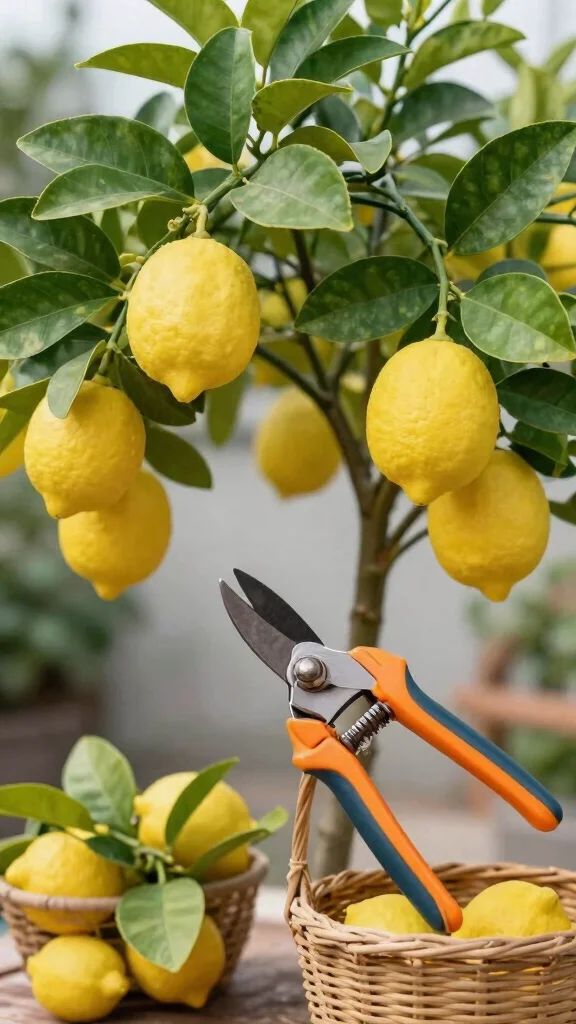
Pruning is vital for maintaining your lemon tree’s health and shape. Once the tree reaches about a year old, it’s time to prune away dead or unhealthy branches and promote a fuller growth pattern. Focus on cutting back weak branches and thinning dense areas, which enhances airflow and light penetration—both critical for fruit development.
Pruning tips to remember:
– Timing: Prune in early spring as new growth begins.
– Technique: Use sharp, clean pruning shears for clean cuts.
– Focus: Remove unhealthy or crossing branches and thin out dense foliage.
Regular pruning will help your lemon tree grow a robust structure, resulting in better fruit production and an eye-catching addition to your garden.
You Might Also Like
Pruning for Health and Shape
Editor’s Choice

Fiskars Bypass Pruning Shears, 5/8″ Cut Capacity Gardening Scissors, Sel…
9. Enjoying Your Homegrown Lemons
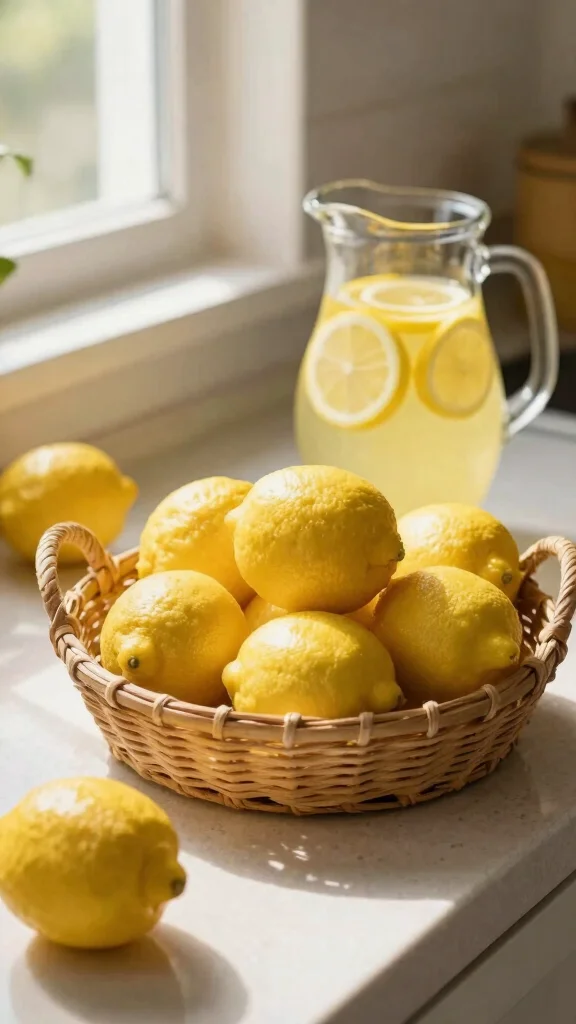
After all your hard work, it’s time to savor the fruits of your labor! Homegrown lemons are a delightful addition to meals and drinks. When your lemons turn a vibrant yellow, they are ready for harvest. Gently twist them off the branch and enjoy the satisfaction of using your fresh produce.
Fresh lemons can be utilized in many creative ways, from making refreshing lemonade to enhancing your favorite dishes.
Creative uses for your homegrown lemons:
– Beverages: Make refreshing lemonade or add slices to iced tea.
– Cooking: Incorporate juice and zest into marinades or dressings.
– Decor: Use a bowl of lemons as a bright centerpiece in your kitchen.
Revel in the delightful flavors of your homegrown lemons and share the bounty, celebrating the joy of your own urban garden!
Patience pays off: when your homegrown lemons turn vibrant yellow, twist them off and savor the harvest from your lemon tree from seed. Fresh lemons brighten drinks and meals—be creative with lemonade, dressings, and zesty toppings.
Enjoying Your Homegrown Lemons
Editor’s Choice

Breville 800CPXL Citrus Press Pro Juicer Machine, Brushed Stainless Steel

Vinci Hands Free Electric Citrus Juicer, 1-Button Juicer Machine, Orange…

Chef’n FreshForce Lemon Squeezer Citrus Juicer, Manual Hand Press with D…


Ceramic Fruit Bowl for Kitchen Counter,Decorative Pedestal Bowl for Tabl…
Conclusion
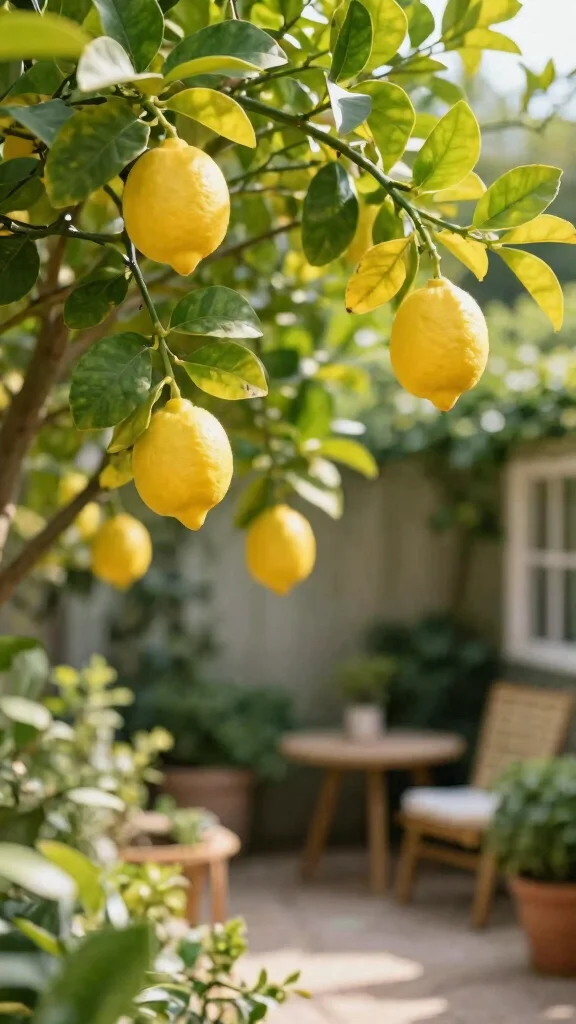
Growing a lemon tree from seed is a rewarding journey filled with learning and joy.
With the right strategies, you can cultivate a beautiful citrus tree that not only enhances your urban garden but also provides tangy lemons for your kitchen. Share your progress and experiences with fellow gardeners, and relish the satisfaction of nurturing a living piece of nature in your home. Happy gardening!
Note: We aim to provide accurate product links, but some may occasionally expire or become unavailable. If this happens, please search directly on Amazon for the product or a suitable alternative.
This post contains Amazon affiliate links, meaning we may earn a small commission if you purchase through our links, at no extra cost to you.
Frequently Asked Questions
How do I start a lemon tree from seed and keep it healthy indoors?
Starting a lemon tree from seed is a fun home gardening technique. Here’s a simple plan: First, choose seeds from a ripe lemon and remove all pulp.
Clean and dry seeds, then soak them 4-6 hours to kick off germination.
Use a small pot with a well-draining potting mix; plant seeds about 1/2 inch deep.
Keep soil warm and evenly moist; aim for 70-75°F. A clear lid or plastic wrap helps maintain humidity, but ventilate every day.
Once you see a seedling with 2-3 true leaves, transplant to a slightly larger pot with fresh citrus-friendly soil.
Provide bright light 6-8 hours daily from a sunny window or indoor gardening grow lights.
Fertilize lightly with a balanced citrus fertilizer during the growing season.
Water and prune to shape as it grows; repot yearly.
A note that lemon tree from seed can take many years to bear fruit, and the fruit quality may vary; many gardeners opt for grafted varieties for faster fruiting and reliable quality in home gardening techniques.
What are the best seed germination tips for lemon seeds to sprout reliably?
Think of seed germination tips as your blueprint for reliable sprouts. Start with fresh seeds from a ripe lemon.
Soak 4-6 hours to soften seed coats.
Use warm temps of 70-85°F; if your place runs cooler, use bottom heat with a seed mat.
Plant in clean, sterile seed-starting mix about 1/2 inch deep.
Keep the soil consistently moist but not soggy; you can cover with a clear lid to hold humidity and vent daily.
Germination usually takes 1-4 weeks.
Once you see sprouts, move to bright light with 12-16 hours of light daily.
Gradually acclimate to your indoor environment.
Avoid overwatering and ensure good air circulation to prevent damping-off.
After 2-3 true leaves, transplant to a slightly larger pot.
These are essential seed germination tips for lemon trees and fall under citrus tree care.
How long does it take for a lemon tree from seed to grow and bear fruit, and what care is essential?
Growing a lemon tree from seed is a long game. It can take 5-15 years before the tree bears fruit, and some seeds may never fruit.
To set up success: provide bright light (6-8 hours or more), keep soil evenly moist but not soggy, and use a well-draining citrus-friendly mix.
Feed with a balanced citrus fertilizer during the growing season.
Transplant to a larger pot as it grows and prune to maintain shape.
Monitor for pests and maintain warm temperatures and good air flow.
In short, be patient and consistent; fruiting is not guaranteed from seed, but you can enjoy vigorous foliage and future fruit if you commit to regular home gardening techniques.
Can I grow a lemon tree from seed in an apartment with limited sunlight, and what indoor gardening tricks help?
Yes, you can, with a few smart adjustments.
Place the pot near a south- or west-facing window to maximize available sun.
If sunlight is limited, supplement with indoor gardening grow lights for 12-16 hours daily.
Use a compact container and rotate the plant for even growth.
Boost light with reflective surfaces and reduce heat stress by keeping temperatures around 65-75°F.
Maintain humidity with a tray of water and pebbles or a humidifier.
Continue regular watering, pruning, and a citrus-friendly feeding schedule.
Remember that lemon tree from seed may grow slowly indoors, but you can still enjoy a thriving plant in a home gardening setup.
What pests and problems should I watch for with lemon trees grown from seed, and how can I fix them quickly?
Common indoor citrus pests include aphids, spider mites, and scale. Look for yellowing leaves, stippling, honeydew, or webbing.
Quick fixes: rinse leaves with a gentle spray of water, apply insecticidal soap or neem oil for heavier infestations, and quarantine any new plant material.
For roots and soil, watch for signs of overwatering and root rot; ensure a well-draining mix and a pot with drainage.
Improve air circulation and humidity to reduce mite pressure.
Regularly inspect your lemon tree from seed as part of citrus tree care and adjust watering, light, and feeding as needed to keep it healthy in a home gardening techniques context.
Related Topics
lemon tree from seed
citrus tree care
growing lemon trees
seed germination tips
indoor gardening
urban gardening
home gardening techniques
easy fruit trees
beginner gardening
container gardening
sustainable gardening
year-round gardening