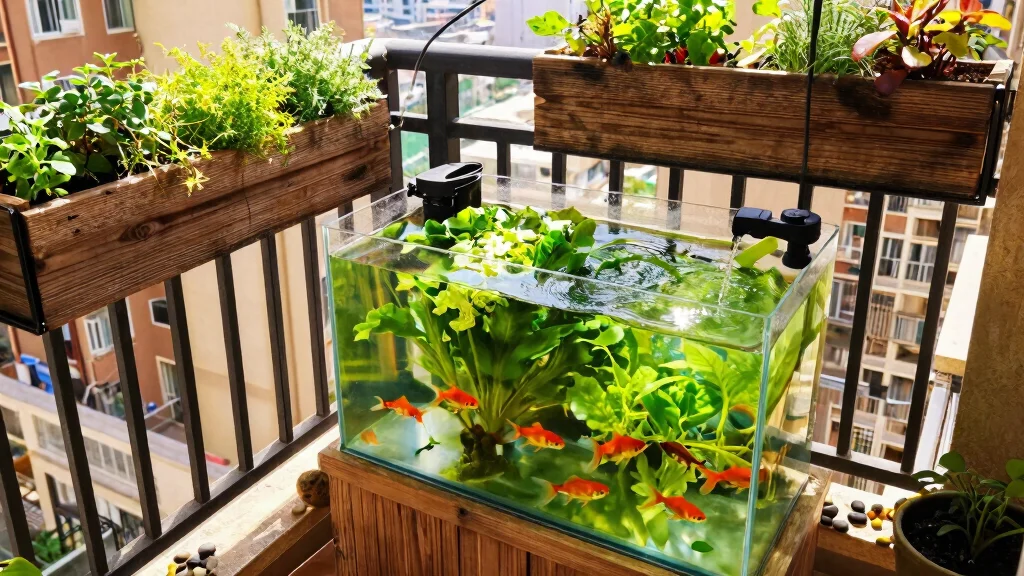
Creating an aquaponics DIY setup can feel like a daunting task, but it’s also incredibly exciting. If you’ve been itching to combine the worlds of fish and plants, you’re in the right place. I wanted to share these ideas to help you discover how easy and rewarding it can be to create a thriving ecosystem right in your home. Whether you’re a seasoned gardener or just starting out, aquaponics offers a unique way to grow fresh food while promoting sustainability.
If you’re living in an urban environment with limited space, this post is especially for you. You might be looking for ways to maximize your small area, or maybe you want to start a fun project with your family. Whatever the reason, my aim is to provide you with 7 innovative aquaponics DIY setup ideas that will suit any small space. You’ll learn how to cultivate both fish and plants harmoniously, creating a mini-ecosystem that can flourish beautifully.
Get ready to dive into the world of aquaponics gardening! From compact desktop systems to outdoor setups, these ideas are practical, visually appealing, and perfect for your urban lifestyle. By the end of this post, you’ll be equipped with the knowledge to implement your very own aquaponics system, bringing fresh produce and fish right to your doorstep. Let’s get started!
Key Takeaways
– You can create an aquaponics DIY setup in various small spaces, making it perfect for urban living.
– The 7 ideas presented include both indoor and outdoor options, catering to different preferences and setups.
– Each design idea emphasizes sustainability, allowing you to grow fish and plants while minimizing waste.
– You’ll find practical tips for fish and plant care, ensuring a balanced and thriving ecosystem.
– These setups not only provide fresh food but also create beautiful installations that can enhance your living space.
1. The Compact Desktop Aquaponics System
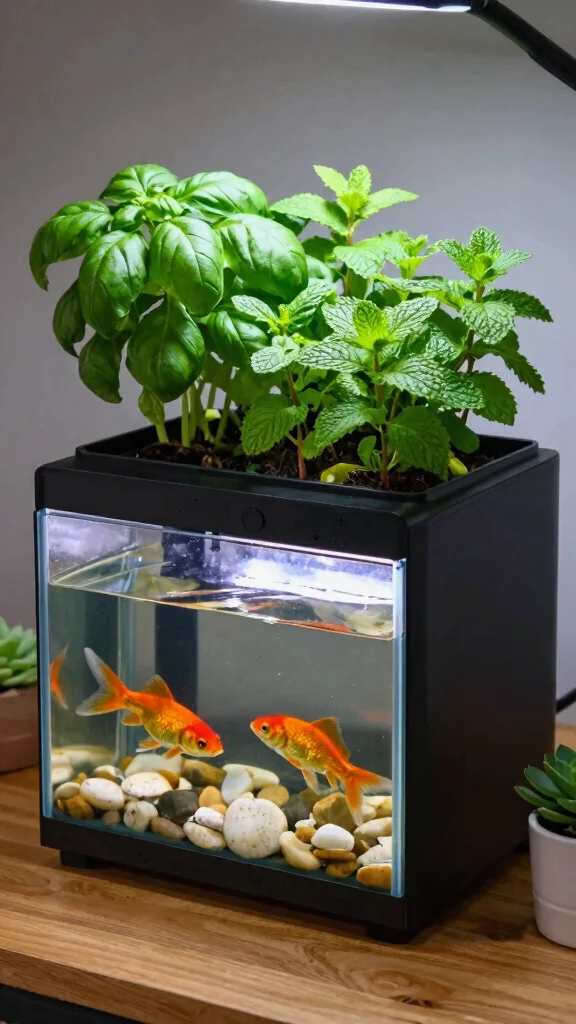
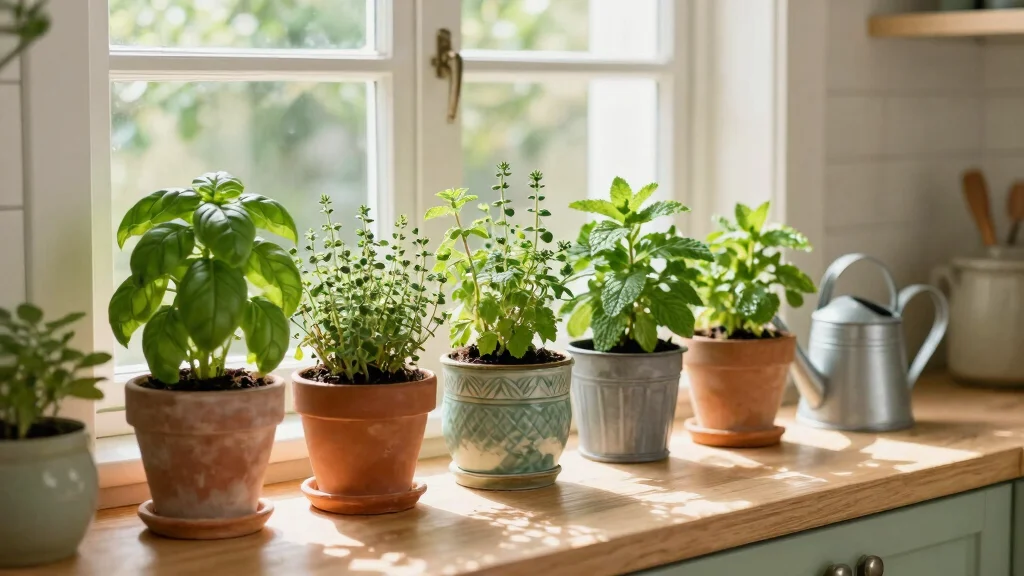
If you’re looking to maximize your limited space, a compact desktop aquaponics system is just what you need. This setup allows you to cultivate fresh herbs right on your desk while keeping fish as delightful companions. Imagine a small glass tank housing vibrant fish like guppies, paired with a grow bed above filled with aromatic herbs like basil or mint. It’s a charming way to bring nature indoors and enhance your workspace.
Start by selecting fish that are easy to care for, ensuring they harmonize with your chosen plants. If natural light is scarce, consider adding an LED grow light to keep your herbs thriving. Regularly monitoring water quality is essential to maintain the health of both fish and plants.
Key steps to create your desktop oasis:
– Select compatible fish for easy maintenance
– Incorporate an LED grow light for low-light areas
– Monitor water quality to ensure health for all
This delightful setup not only provides fresh herbs year-round but also adds a beautiful touch to your workspace, sparking joy and creativity.
The Compact Desktop Aquaponics System
Editor’s Choice

Back to the Roots Indoor Aquaponic Garden – 3 Gallon Self Watering, Mess…


LEOTER Grow Light for Indoor Plants – Upgraded Version 80 LED Lamps with…

4oz Special All Stages Endlers Livebearers Fish Food, All New Complete N…
2. Vertical Aquaponics Garden
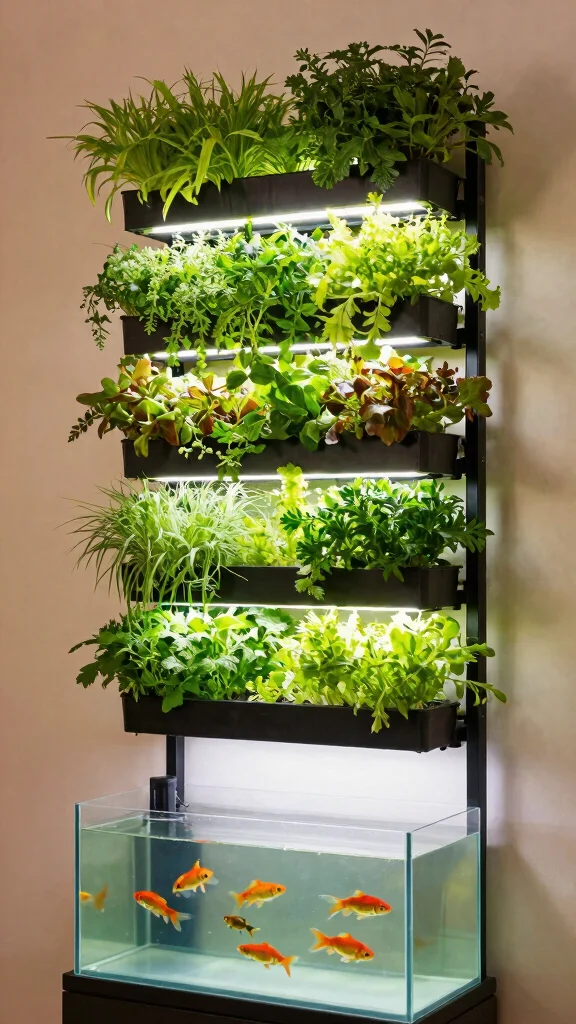
Elevate your living space with a vertical aquaponics garden that transforms your wall into a lush green retreat. This setup is especially ideal for city dwellers who crave a touch of nature. A sturdy vertical frame can support several grow beds overflowing with diverse plants, while a fish tank below creates a stunning visual contrast.
Focus on using durable materials like PVC for the frame to ensure longevity. Choose a vibrant mix of herbs, leafy greens, and trailing plants to maximize beauty and productivity. Incorporating a drip system will ensure each plant receives the nutrients it needs from the fish waste.
Essential design tips include:
– Use sturdy PVC for durability and stability
– Mix herbs and trailing plants for visual interest
– Add a drip system for nutrient delivery
This vertical garden not only conserves space but also serves as a captivating living art piece, bringing life and color into your home while boosting your mood.
Vertical Aquaponics Garden
Editor’s Choice

GooingTop LED Grow Light,6000K Full Spectrum Clip Plant Growing Lamp wit…

Hydroponic Garden Aquaponic Fish Tank Plants Growing System Self-Cleanin…

6Pcs 1/2 Inch PVC Pipe 17″ Long Sch40 Industrial Pipes for Home DIY, Gre…
3. Balcony Aquaponics Oasis
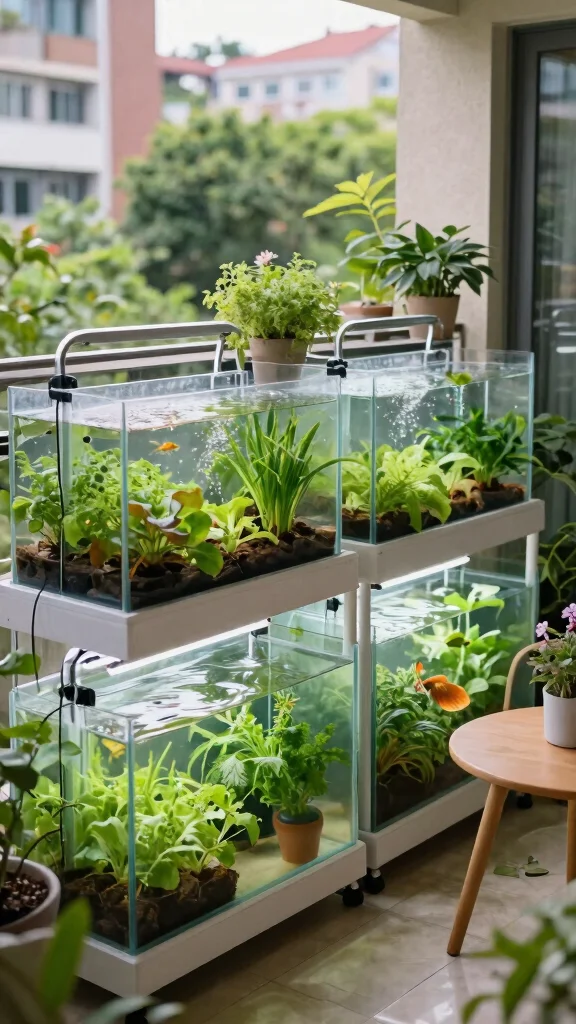
Turn your balcony into a serene aquaponics oasis that makes the most of your outdoor space. Imagine a tiered system where fish tanks sit beside grow beds, all flowing together beautifully. This arrangement offers ample greenery while adding a tranquil water feature to your outdoor area.
When planning, choose fish species that thrive in warmer temperatures, especially if your balcony basks in sunlight. Implement drainage systems to prevent water logging and ensure optimal flow. Mixing flowers with edible plants creates a visually stunning and functional garden.
Key considerations for your balcony setup:
– Select fish that enjoy warm climates
– Use drainage systems to prevent excess water
– Combine flowers and edibles for beauty and utility
This aquaponics setup allows you to enjoy fresh produce while sipping coffee outdoors, creating a vibrant aesthetic that invites nature into your urban life.
Balcony Aquaponics Oasis
Editor’s Choice
Back to the Roots Indoor Aquaponic Garden – 3 Gallon Self Watering, Mess…

VIVOSUN Small Grow Tent for Aerogarden, Hydroponics Growing System, 20��…
4. DIY Aquaponics Aquarium
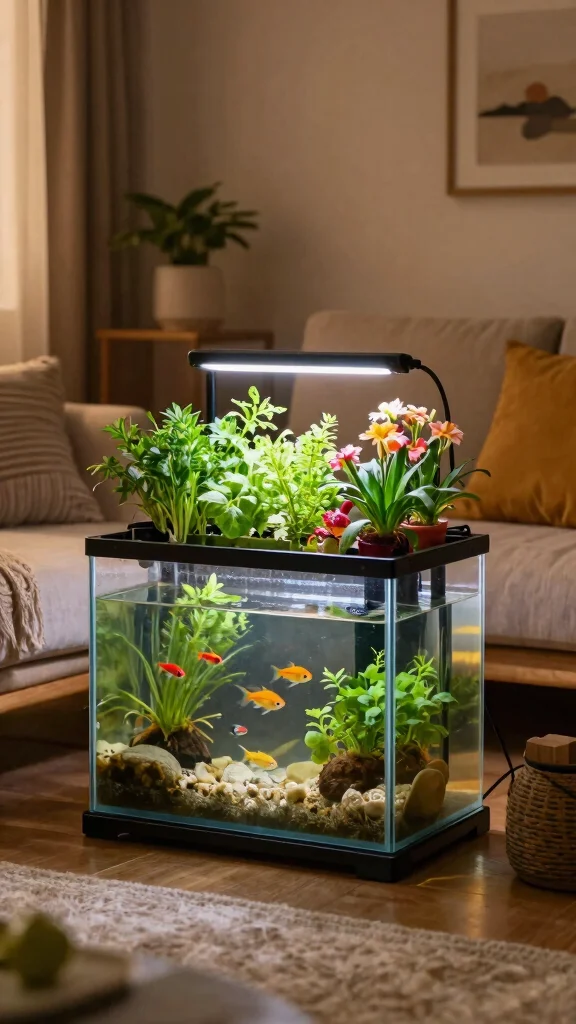
Transform a standard aquarium into an innovative aquaponics system with a touch of creativity. By integrating a small tank with a grow bed mounted above, you can create a self-sustaining ecosystem in your living room. This setup works wonderfully with easy-to-maintain fish like bettas or neon tetras, allowing for a range of plants from culinary herbs to decorative flowers.
Make sure the grow bed is securely mounted to prevent any mishaps. Keeping the tank covered helps maintain temperature and reduce evaporation. Regular water testing is crucial to ensure both plants and fish thrive harmoniously.
Useful tips for your aquaponics aquarium:
– Securely mount the grow bed for safety
– Cover the tank to maintain temperature
– Test water regularly for optimal health
This charming approach not only beautifies your space but also immerses you in the fascinating world of aquaponics.
Fun fact: In a compact aquaponics diy setup, a 20-gallon tank paired with a small above-bed can cycle nutrients in under 48 hours, growing herbs and greens right in your living room. Keep the grow bed securely mounted and the tank covered to maintain temperature.
📹 Related Video: My DIY Aquaponics Aquarium Project
You might also like

DIY Aquaponics Aquarium
Editor’s Choice

VIVOSUN 800GPH Submersible Pump(3000L/H, 24W), Ultra Quiet Water Fountai…

50-Pack 3-Inch Net Cups with 20 Plant Labels – Perfect for Aquaponics, M…
5. Under-Sink Aquaponics System
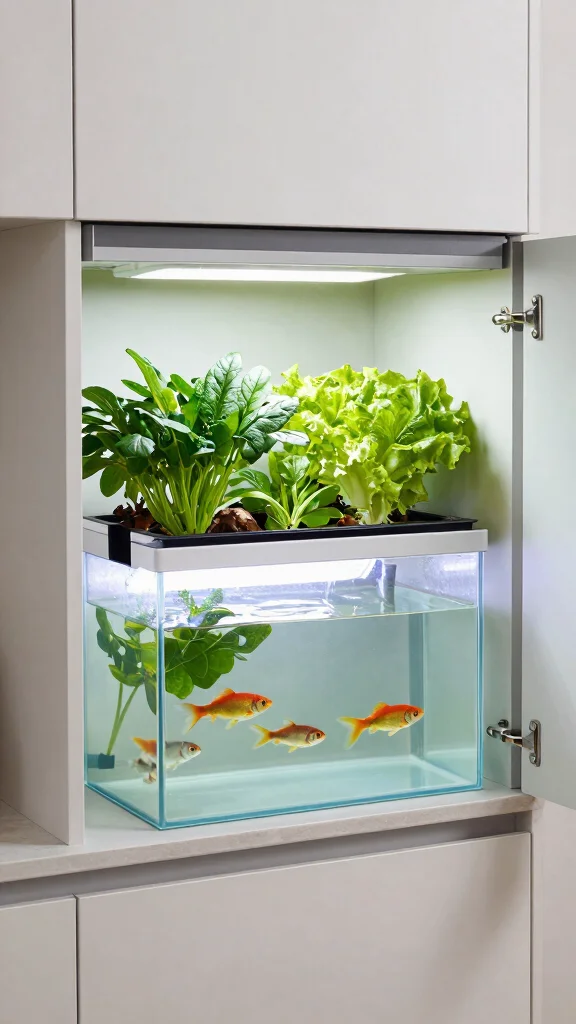
Maximize your kitchen efficiency with an under-sink aquaponics system that cleverly utilizes often-wasted space. This innovative design allows for a steady supply of fresh herbs while keeping everything tucked away neatly. Position a fish tank under the sink and route water to grow beds above, creating a compact and sustainable system right in your kitchen.
Opt for plants that thrive in low-light conditions, such as lettuce or spinach, to ensure success. Ensure easy access for maintenance and monitoring water levels. A pump timer can automate watering and feeding, making it even more convenient.
Smart design ideas include:
– Select low-light plants for easy growth
– Ensure easy access for maintenance
– Consider a pump timer for automation
With this ingenious setup, fresh greens are always within reach, enhancing your cooking experience while saving space.
Fun fact: an under-sink aquaponics diy setup can turn wasted kitchen space into a fresh herb haven, with lettuce thriving in low light. With a tiny fish tank below and greens above, you’ll harvest daily without clutter.
How To Choose The Right Aquaponics DIY Setup
Choosing the right aquaponics DIY setup can feel overwhelming, especially with so many options available. Here are some key factors to consider that will help you find the perfect system for your needs:
1. Size
Before you start, think about the space you have available. Measure the area where you plan to set up your aquaponics system. A compact system works well for small spaces, like apartments or balconies, while larger setups are better for spacious yards. Make sure to leave enough room for maintenance and plant growth.
2. Material
The materials used in your DIY setup can affect durability and maintenance. Plastic is lightweight and resistant to corrosion, while metal options may offer sturdiness. Choose eco-friendly materials if sustainable gardening techniques are a priority for you. It’s essential to look for non-toxic materials, especially if you’re growing food.
3. Fish Selection
Different fish species have unique care requirements and growth rates. Popular choices include tilapia and goldfish due to their hardiness. Research the fish that will thrive in your setup, considering factors like temperature and water quality. Ensure that your setup can accommodate their needs for health and growth.
4. Plant Types
Consider what plants you want to grow. Leafy greens like lettuce and herbs are easier for beginners, while fruiting plants require more time and care. The plant types you choose will affect the overall design of your aquaponics system. Make sure your setup accommodates the root systems and light requirements of the plants.
5. Maintenance Requirements
Different systems require varying levels of care. Some setups need regular water testing and feedings, while others are more self-sustaining. Evaluate how much time you’re willing to invest in fish and plant care. Look for systems that align with your lifestyle and time availability.
6. Budget
Set a budget before diving into your aquaponics DIY setup. Remember to include costs for fish, plants, materials, and any tools you’ll need. While it might be tempting to save money, investing in quality materials can lead to better results in the long run. Compare different systems to find the best fit for your financial plan.
Pro Tip: Start small! If you’re new to aquaponics gardening, consider beginning with a compact desktop or balcony system. This allows you to learn the ropes without feeling overwhelmed. Once you’re comfortable, you can expand your setup to incorporate more fish and plants.
Taking the time to choose the right aquaponics DIY setup will pay off in healthy fish and vibrant plants. By focusing on size, material, fish selection, plant types, maintenance, and budget, you’ll create a beautiful, sustainable aquaponics system that thrives in your unique space.
Under-Sink Aquaponics System
Editor’s Choice
Back to the Roots Indoor Aquaponic Garden – 3 Gallon Self Watering, Mess…

Toolazy Ebb and Flow Fitting Kit – 7-Piece Fill and Drain Bulkhead Fitti…

Aokrean Plant Grow Light, 48 LEDs Full Spectrum Grow Lights for Indoor P…
6. Mini Aquaponics Garden for Kids
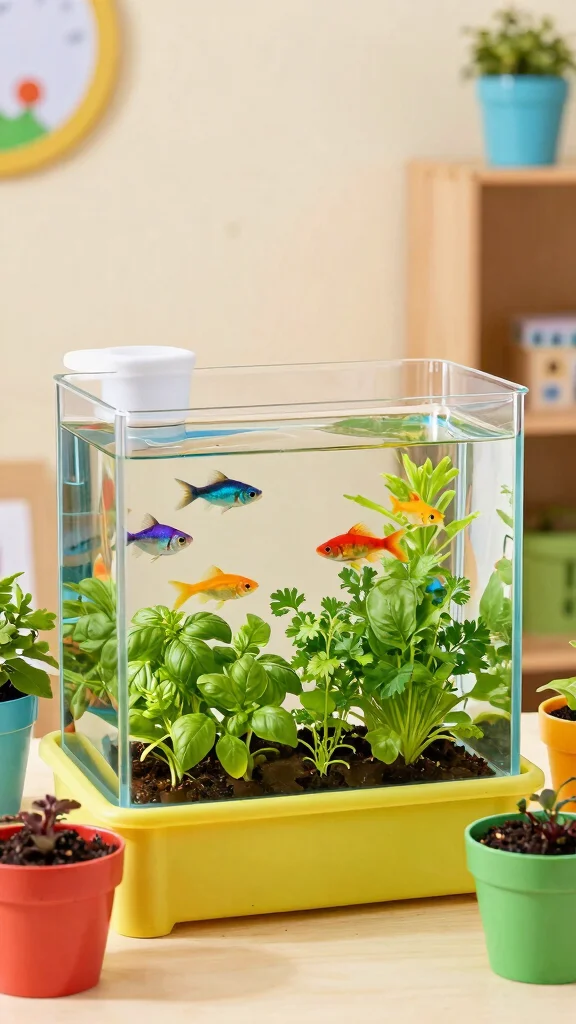
Spark your children’s curiosity about nature with a mini aquaponics garden that’s fun and educational. This interactive project engages kids with both plants and fish, teaching them about ecosystems in a hands-on way. Using a small tank, a few easy-to-care-for fish, and simple herbs or veggies, you can create a delightful learning experience that’s visually appealing.
Involve kids in the setup process; choosing fish and plants together can be an exciting adventure! Brightly colored pots for the plants will add visual interest. Incorporate educational activities like water testing or growth tracking to enhance learning.
Fun tips for your mini garden:
– Let kids help choose fish and plants
– Use colorful pots to engage their imagination
– Include activities like water testing for learning
This setup not only teaches kids about sustainability but also fosters responsibility as they care for their plants and fish, creating cherished memories along the way.
Fun fact: a compact 5-gallon aquaponics kit can grow herbs while housing 1-2 kid-friendly fish, turning science into daily observation. Kids learn by doing—watching waste become feed, roots drink, and leaves rise, all under your supervision.
You Might Also Like

Mini Aquaponics Garden for Kids
Editor’s Choice

Tigvio 126 Piece Hydroponic Pods Kit: Grow Anything with 30 Grow Sponges…

AQUANEAT Fish Tank, 1 Gallon Betta Fish Tank, Small Aquarium Kit with LE…

Sereniseed Certified Organic Herb Seeds (10-Pack) – Non GMO, Heirloom …
7. Outdoor Aquaponics Greenhouse
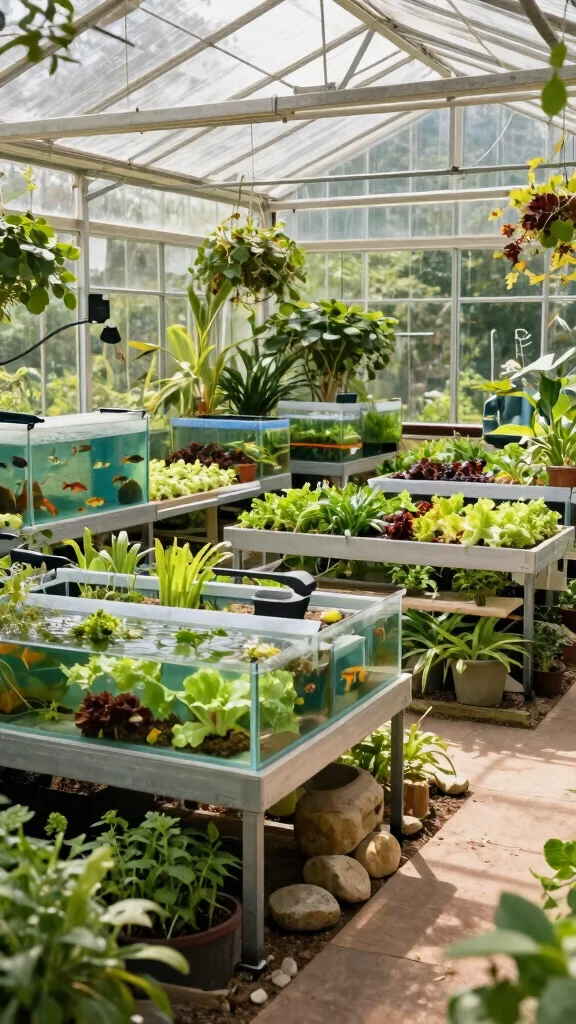
For passionate urban gardeners, an outdoor aquaponics greenhouse is a dream come true. This larger setup allows for a vast variety of plants and fish, creating a sustainable ecosystem that can yield food throughout the year. The greenhouse shields your setup from harsh weather while maximizing sunlight for optimal plant growth.
Invest in high-quality materials to ensure durability for long-term use. Consider integrating solar power for pumps to enhance your system’s sustainability. Design the layout for easy access to both fish and plants, making maintenance a breeze.
Building insights for your greenhouse:
– Use durable materials for longevity
– Integrate solar power for eco-friendliness
– Design for easy access to all components
With this immersive environment, you can reap the rewards of your hard work while contributing to a healthier planet. The sight of a greenhouse brimming with lush greenery transforms your backyard into a vibrant sanctuary.
Outdoor Aquaponics Greenhouse
Editor’s Choice

Hydroponics Growing System Kit 36 Plant Sites Food-Grade PVC-U Pipes Hyd…

Solar Water Pump, 48V 500W DC Submersible Deep Well Pump, 3 inch Stainle…

GE LED Grow Light for Indoor Plants, Integrated LED Light Fixture for Se…
Conclusion
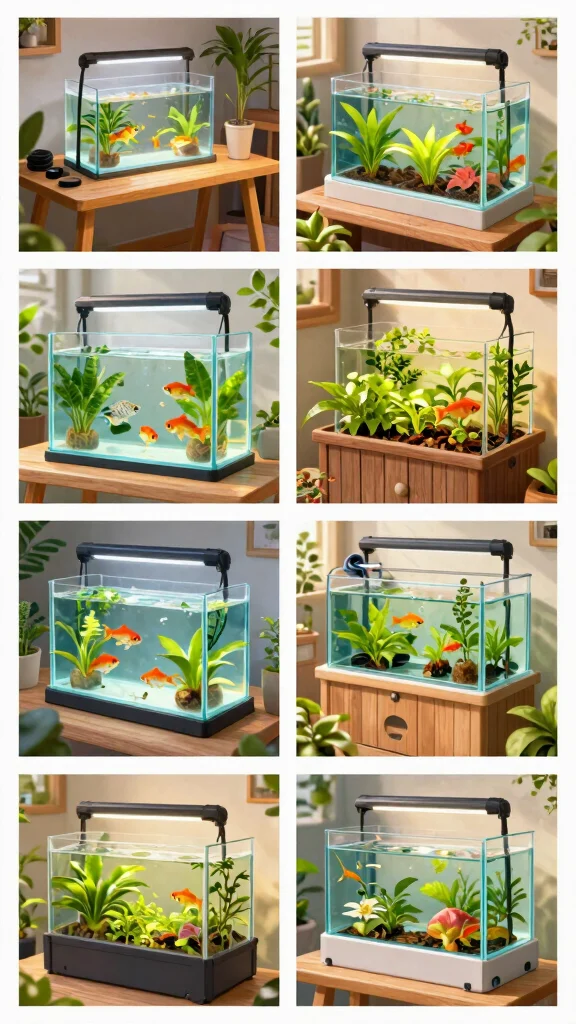
Embarking on your aquaponics journey is an exciting way to blend gardening with sustainable practices.
From mini setups on your desk to stunning outdoor greenhouses, each design offers unique benefits and beauty. Let your creativity flow as you integrate plants and fish into your urban lifestyle, while enjoying the fresh produce they provide. No matter the size, every aquaponics system can bring you closer to nature and sustainable living.
Note: We aim to provide accurate product links, but some may occasionally expire or become unavailable. If this happens, please search directly on Amazon for the product or a suitable alternative.
This post contains Amazon affiliate links, meaning we may earn a small commission if you purchase through our links, at no extra cost to you.
Frequently Asked Questions
What exactly is an aquaponics diy setup and is it suitable for small urban spaces?
An aquaponics diy setup is a closed-loop system that blends fish farming with hydroponic plant growing. In this setup, fish waste feeds beneficial bacteria that turn it into plant-ready nutrients, while the plants filter the water for the fish. For small urban spaces, start with a compact design like a vertical rack, a window box, or a tub-on-a-stand and scale up as you gain experience. Practical first steps include selecting a container that fits your space, choosing beginner-friendly fish, picking a few fast-growing greens, and adding a simple filtration and aeration routine. With thoughtful planning, this aquaponics diy setup can be stylish, space-saving, and productive in apartments or tiny homes.
What are some simple aquaponics design ideas I can try in a tiny apartment?
Think vertical, compact, and modular. Great aquaponics design ideas for small spaces include a wall-mounted rack with a compact media-bed, a countertop NFT setup, or a window-box system that doubles as decor. Start by mapping your light, water flow, and weight limits, then pick a container that fits your space. Build a simple cycling plan before adding fish, and keep a starter plant list like lettuce, kale, herbs, and cherry tomatoes. This makes DIY aquaponics system approachable and keeps your project aligned with sustainable gardening techniques.
How do I handle fish and plant care in a DIY aquaponics setup?
First, choose beginner-friendly fish like small tilapia in warm climates or goldfish in cooler spaces, and ensure your water is suitable for them. Monitor key parameters: pH around 6.8–7.2, ammonia and nitrite near 0, and nitrate kept at a safe, moderate level. Feed fish small amounts 1–2 times daily and remove uneaten food to maintain water quality. For plants, start with fast-growers like lettuce, basil, and spinach, and ensure roots receive oxygen through the system’s biofilter. Regular checks and a simple weekly routine keep fish and plant care manageable and your system productive.
What are common mistakes to avoid when building a DIY aquaponics system?
Common mistakes include overstocking fish and skipping the cycling process, which creates toxic water. Under-aerating the system is another frequent issue—add a reliable air pump and air stones. Using non-food-grade plastics or leaky components can contaminate water, so stick to food-grade containers and sealed fittings. Not cycling the system fully (4–6 weeks) before adding fish leads to imbalanced nutrients. Neglecting regular water testing and maintenance, poor temperature control, and insufficient lighting for plants can stall growth. To avoid these, start small, cycle first, install solid filtration and aeration, pick compatible fish and crops, and monitor water chemistry weekly.
How can I make my aquaponics setup more sustainable and space-efficient?
Aim for a compact, energy-smart design: reuse rainwater to top up the system, choose energy-efficient pumps, and consider solar power for pumps and lights. Maximize space with vertical or modular layouts, crop rotations, and shelves that double as growing areas. Harvest fish waste with composting or solids separation to close the loop, and select fast-growing crops to maximize yield per square foot. Pair these tactics with sustainable gardening techniques like integrated pest management and minimal chemical inputs. A thoughtful plan keeps your urban aquaponics setup productive and environmentally friendly.
Related Topics
aquaponics diy setup
urban aquaponics
sustainable gardening
small space gardening
DIY aquaponics system
fish and plant care
aquaponics design ideas
beginner friendly
easy aquaponics
container gardening
self-sustaining systems
vertical gardening