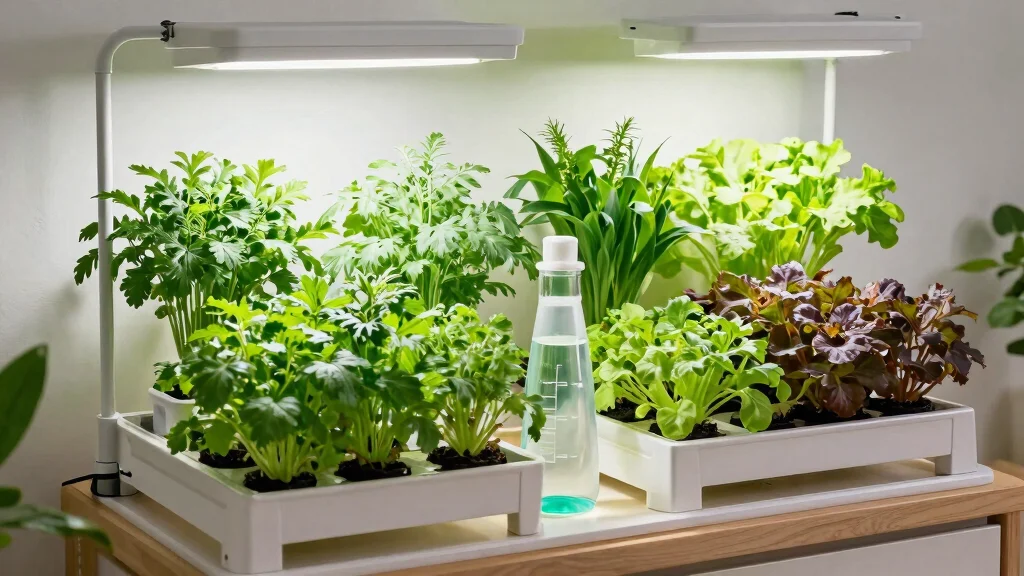
Creating a hydroponic garden from scratch has become a popular way to embrace indoor gardening. If you’ve been wondering how to grow herbs, vegetables, or even fruits in a limited space, you’re in the right place. This post is designed to inspire you with nine unique DIY hydroponic systems that you can easily build at home. Whether you’re a seasoned gardener or just starting, these ideas will help you cultivate your green thumb indoors, regardless of how small your space may be.
If you’re passionate about gardening but lack a traditional garden, you’re not alone. Many people are turning to hydroponic gardening techniques to enjoy the pleasures of growing their own food without needing a backyard. This guide is perfect for apartment dwellers, urban farmers, or anyone interested in sustainable living. You’ll learn not only how to construct each system but also tips for maintaining your setup and maximizing your harvest.
By the end of this post, you’ll have a comprehensive understanding of nine amazing hydroponic setups. Each idea is affordable and fun, with the potential to transform your home into a lively garden oasis. Get ready to explore these creative solutions and bring the joys of gardening indoors!
Key Takeaways
– Discover nine DIY hydroponic systems that fit any small space and budget, making it easy to grow your own herbs and vegetables at home.
– Learn about the benefits of hydroponic gardening techniques, including faster growth rates and higher yield compared to traditional gardening.
– Get practical tips for setting up and maintaining your hydroponic garden, ensuring you can enjoy fresh produce year-round.
– Explore ideas specifically for growing herbs hydroponically, allowing you to enhance your cooking with fresh flavors right from your kitchen.
– Find inspiration in creative setups like vertical towers and mason jar gardens, perfect for maximizing limited space in urban environments.
1. Vertical Hydroponic Tower
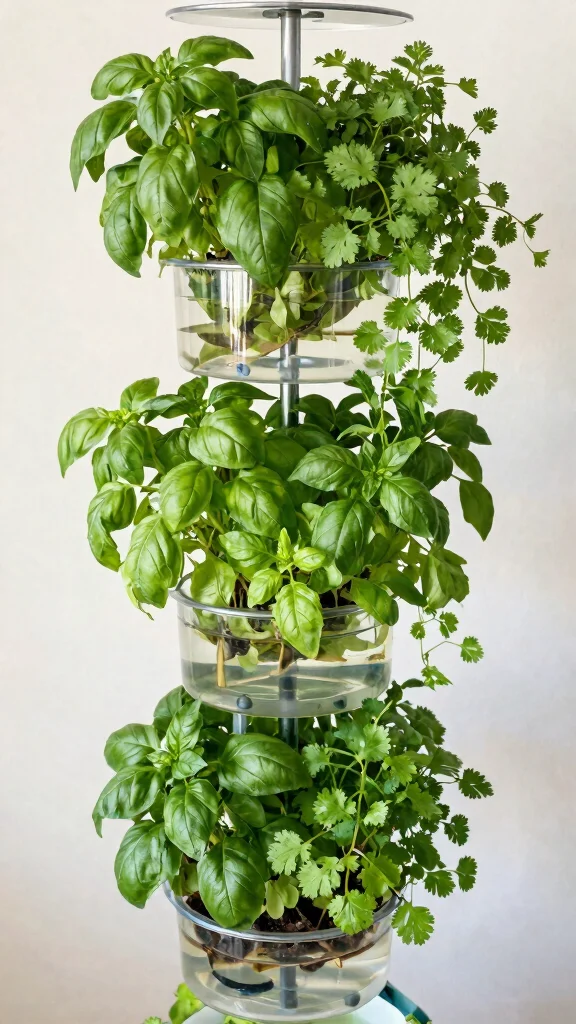
Are you looking to grow more plants in limited space? A vertical hydroponic tower is your perfect solution! These innovative systems allow you to cultivate multiple plants in a sleek, upright structure, making them ideal for small apartments or cozy balconies. You can create your own with PVC pipes or choose from various ready-made kits available on the market.
Consider filling your tower with vibrant herbs like basil, cilantro, and parsley, which flourish in these setups. Not only do they create an attractive display, but they also ensure that each plant receives the right amount of light and airflow. Plus, vertical towers conserve water, utilizing recycled nutrient solutions effectively.
Key Considerations:
– Ensure your plants get enough light, using grow lights if needed.
– Monitor water levels and nutrient solutions for optimal growth.
– Plant quick-growing herbs for faster harvests!
Building a vertical hydroponic tower enhances your space with greenery while providing fresh herbs at your fingertips.
Fun fact: a vertical hydroponic tower can fit in a small balcony and grow up to 3x more herbs per square foot than soil. With PVC builds, you’re basically creating a hydroponic garden from scratch in minutes.
Vertical Hydroponic Tower
Editor’s Choice

Hydroponics Growing System Kit 36 Plant Sites Food-Grade PVC-U Pipes Hyd…


VEVOR Hydroponic Tower, 50 Pods 10 Tiers Hydroponics Growing System Kit …

Liquid Plant Food for use in AeroGarden, IDOO and Hydroponic Growing Sys…
2. Floating Raft Hydroponics
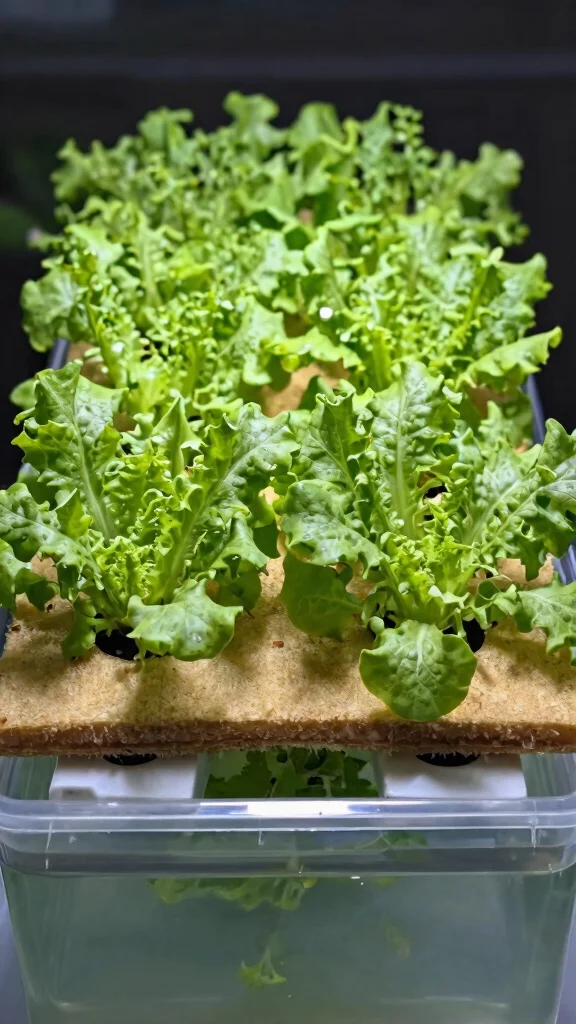
Want to grow lush leafy greens effortlessly? Floating raft systems are an excellent choice for cultivating herbs and greens! This method allows plants to rest on a floating platform in a nutrient-rich water solution. You can easily create one using foam board and net pots. Just cut holes in the foam, insert the net pots, and let your plants float happily!
This technique is perfect for growing crisp lettuce, spinach, or fragrant herbs like mint and dill. Without soil, your plants thrive in a moisture-rich environment, free from soil-borne diseases. Plus, watching your plants float gracefully adds a unique aesthetic to your gardening experience.
Tips for Success:
– Keep the water level stable and aerate to avoid stagnation.
– Use a clear container for light penetration and to prevent algae.
– Change the nutrient solution regularly to keep plants healthy.
Implementing a floating raft hydroponic system offers a fresh approach to gardening while reaping the benefits of hydroponics!
Floating raft hydroponics makes a hydroponic garden from scratch feel effortless: just place net pots on foam boards and let greens float in nutrient-rich water. Pro tip: start with crisp lettuce or spinach—fast-growing, water-loving, and easy to monitor daily!
📹 Related Video: How to Build a Floating Raft Hydroponic System
Floating Raft Hydroponics
Editor’s Choice

200 Pack Hydroponic Sponge Planting Tool Square Seedling Sponges Greenho…
Liquid Plant Food for use in AeroGarden, IDOO and Hydroponic Growing Sys…

2 inch Net Cups Pots 30 Pack with 30 feet Self Watering Wick & 30 Plant …
3. DIY Kratky Method
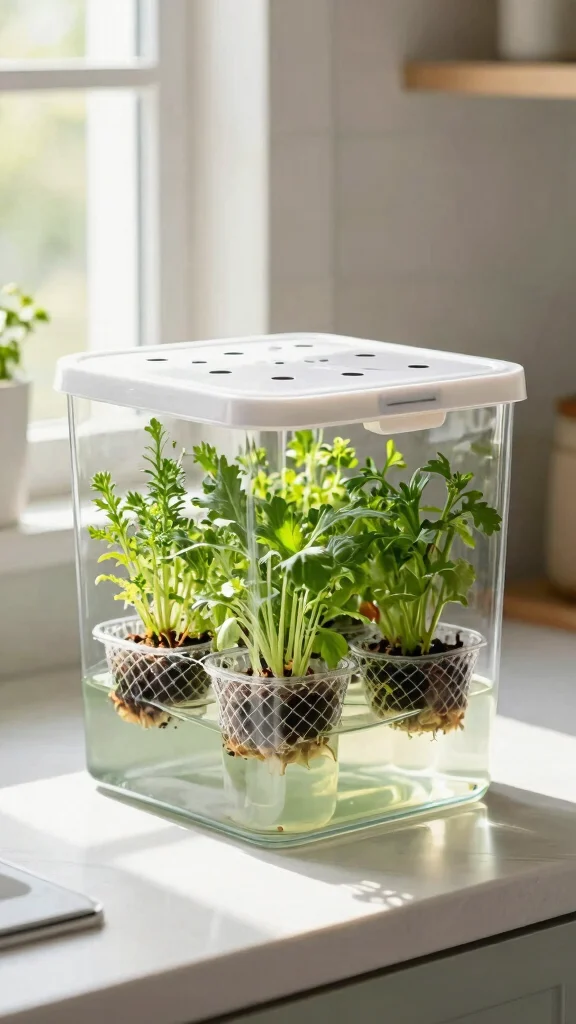
Looking for a simple way to dive into hydroponics? The Kratky method is perfect for beginners! This low-tech system doesn’t require pumps or electricity; instead, it lets plant roots grow down into a nutrient solution while the tops stay exposed to air.
To begin, fill a container with nutrient-rich water and cover it with a lid featuring holes for your plants. This method works wonders for growing lettuce and herbs, allowing them to thrive quickly and efficiently.
Benefits:
– Low maintenance with minimal oversight needed.
– A fun way to engage kids in gardening and science!
– Ideal for small spaces like your kitchen or windowsills.
Starting with the Kratky method invites you to enjoy fresh greens while learning about hydroponics without the hassle.
DIY Kratky Method
Editor’s Choice
Liquid Plant Food for use in AeroGarden, IDOO and Hydroponic Growing Sys…

12 Pack 3 inch Net Cups Pots with 12 feet Hydroponics Self Watering Wick…

Baderke 35 Pack Plastic Plant Propagation Station Desktop Terrariums Pla…
4. Mason Jar Hydroponics
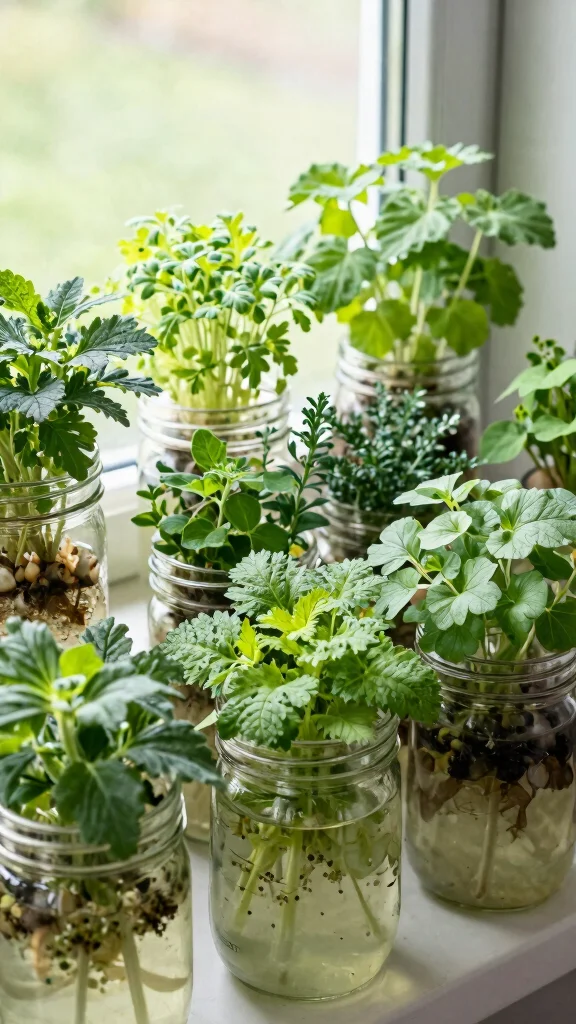
Transform everyday mason jars into delightful mini-gardens! This charming setup is perfect for growing herbs and small plants, bringing a rustic flair to your home. To create this system, fill a jar with a nutrient solution and place your herb cuttings or seedlings inside.
Not only does it serve a functional purpose, but these jars also make beautiful centerpieces for your dining table or shelves. Great for herbs like basil, mint, and chives, it’s an easy way to enjoy fresh flavors in your meals!
Steps to Create Your Mason Jar Garden:
1. Select your jar and add the nutrient solution.
2. Insert a net pot or place the herb cutting directly in.
3. Ensure it gets enough light from a sunny window or grow lights.
With mason jar hydroponics, enjoy the beauty of greenery while having fresh herbs within reach.
Mason Jar Hydroponics
Editor’s Choice
Liquid Plant Food for use in AeroGarden, IDOO and Hydroponic Growing Sys…

Ball Wide Mouth Pint 16-Ounce Glass Mason Jar with Lids and Bands, 12-Count
5. Hydroponic Window Farm
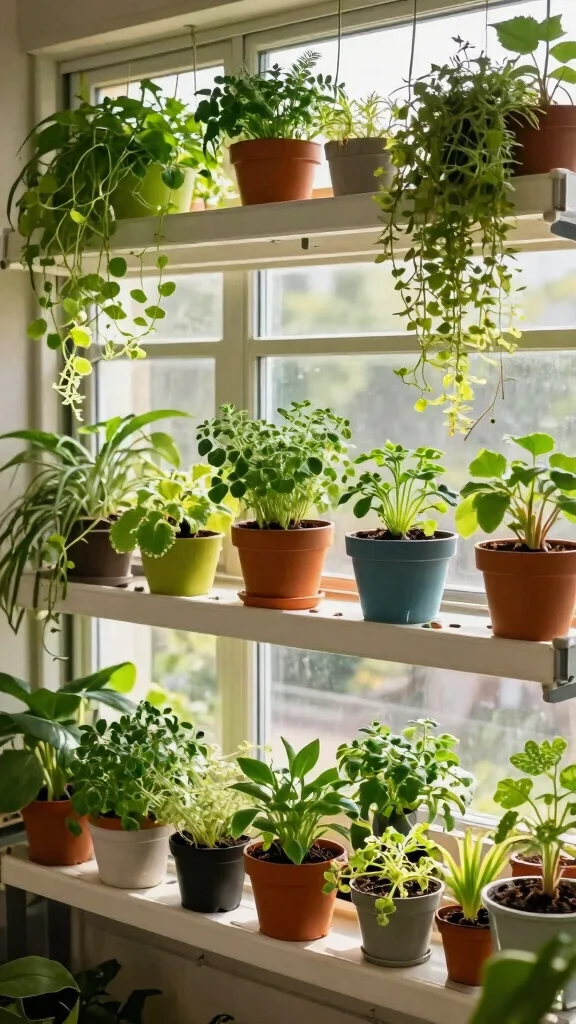
Turn your window into a thriving hydroponic farm! A window farm setup allows you to utilize vertical growing systems against your window, letting your plants soak up sunlight. Using bottles, shelves, or vertical planters, you can create a stunning display of greenery right in your living space.
This is an excellent way to grow herbs and even small vegetables. You can easily customize your setup to accommodate everything from cascading herbs to sturdy tomato plants!
Design Tips:
– Use colorful plant pots for added visual appeal.
– Include drip trays to capture excess water.
– Design your setup for easy harvesting.
A hydroponic window farm not only serves as a garden but also as a vibrant focal point that brightens any room while providing fresh produce!
You might also like

Hydroponic Window Farm
Editor’s Choice
Liquid Plant Food for use in AeroGarden, IDOO and Hydroponic Growing Sys…

Ahopegarden Indoor Garden Hydroponics Growing System: 10 Pods Plant Germ…

GooingTop LED Grow Light,6000K Full Spectrum Clip Plant Growing Lamp wit…
6. NFT Hydroponic System
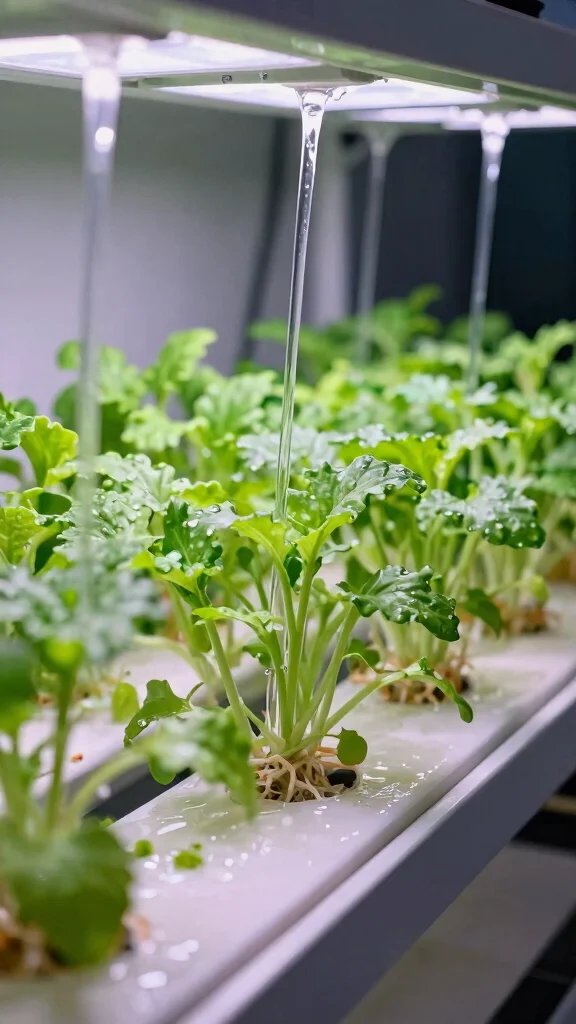
The Nutrient Film Technique (NFT) is an efficient hydroponic method that allows a continuous flow of nutrient solution over plant roots. This system is ideal for those wanting to elevate their hydroponic gardening experience! While it may require more setup effort, the results are rewarding.
In an NFT system, plants grow in channels with a thin film of nutrient solution flowing over their roots. It’s perfect for quick-growing crops like lettuce and herbs. You can build a DIY NFT system using PVC pipes or purchase a ready-made kit.
Considerations:
– Regularly check the nutrient solution and make adjustments.
– Ensure consistent pump and water flow.
– Use a timer for automated nutrient flow.
The NFT hydroponic system is a fantastic way to achieve high yields in compact spaces while exploring advanced hydroponic techniques.
NFT Hydroponic System
Editor’s Choice

VIVOSUN Hydroponic Grow Kit, 1 Layer 36 Plant Sites 4 Food-Grade PVC-U P…

VEVOR Hydroponic Growing System with Grow Light, 30 Pods Vertical 6 Tier…
Liquid Plant Food for use in AeroGarden, IDOO and Hydroponic Growing Sys…
7. Hydroponic Herb Garden
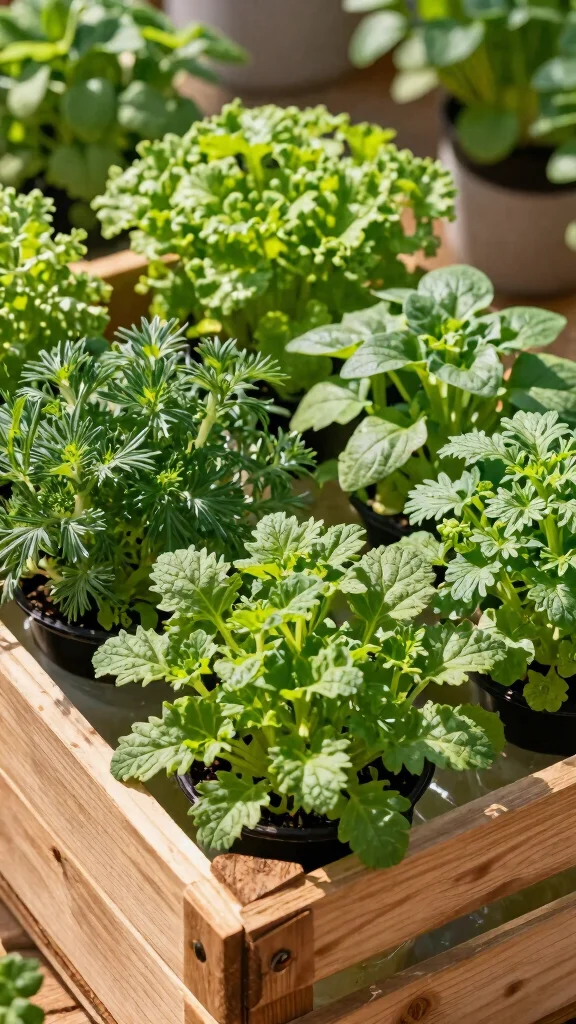
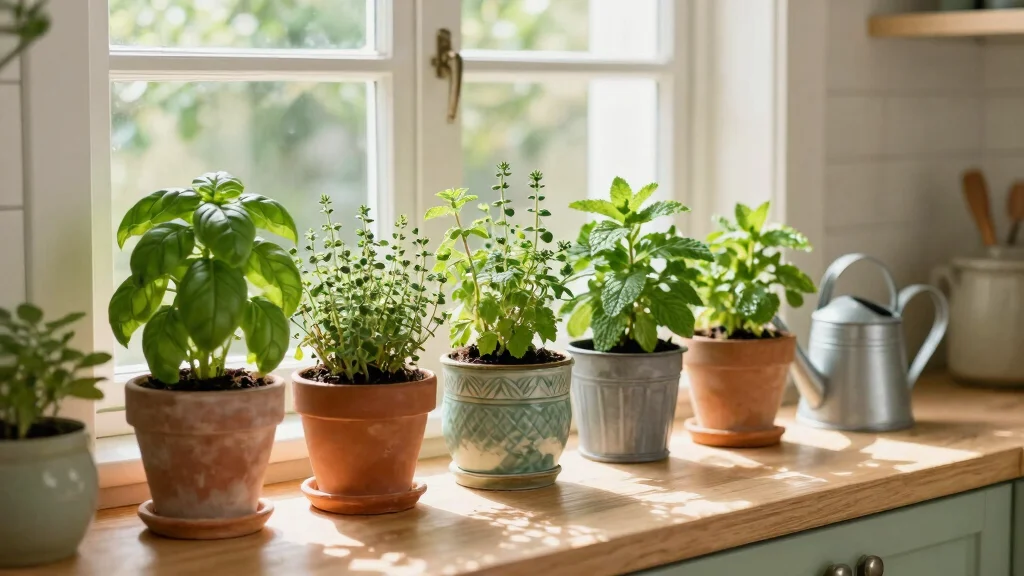
Establish your own hydroponic herb garden, perfect for cooking enthusiasts! Herbs such as basil, thyme, oregano, and cilantro thrive in hydroponic environments, offering endless culinary possibilities.
You can create a simple herb garden using small containers or even repurposed items like wood crates or old bowls. Just fill them with nutrient solution and arrange your herbs for easy access.
Benefits of an Herb Garden:
– Fresh herbs always on hand for seasoning dishes!
– Adds greenery to your kitchen, improving air quality.
– Easy maintenance and a fun gardening project.
Starting a hydroponic herb garden combines the joy of gardening with the satisfaction of enhancing your home-cooked meals.
Hydroponic Herb Garden
Editor’s Choice
GooingTop LED Grow Light,6000K Full Spectrum Clip Plant Growing Lamp wit…
Liquid Plant Food for use in AeroGarden, IDOO and Hydroponic Growing Sys…
Ahopegarden Indoor Garden Hydroponics Growing System: 10 Pods Plant Germ…
8. Hydroponic Strawberry Garden
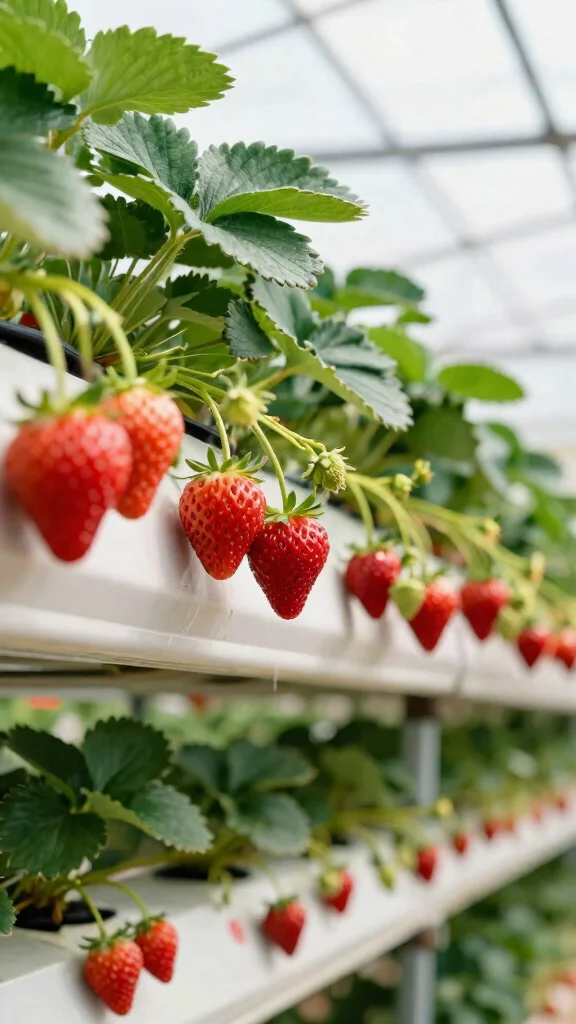
Did you know you can grow strawberries hydroponically? A hydroponic strawberry garden lets you enjoy fresh berries right at home! These delightful plants thrive without soil, making them perfect for limited spaces.
To get started, use a vertical system or a simple container setup. Ensure they receive adequate light and maintain optimal humidity levels. Strawberries thrive in nutrient-rich solutions for the best fruit.
Tips for Successful Strawberry Growth:
– Choose ever-bearing varieties for extended harvesting.
– Regularly prune runners to enhance fruit production.
– Support plants with nets or stakes as they grow.
Creating a hydroponic strawberry garden adds a sweet and enjoyable twist to indoor gardening while watching them bloom and produce delicious fruit!
Fun fact: A hydroponic garden from scratch can yield fresh strawberries year-round in just a compact setup. With vertical racks and proper lighting, you’ll harvest berries in roughly 60-90 days, even in small spaces.
You Might Also Like
Hydroponic Strawberry Garden
Editor’s Choice
VEVOR Hydroponic Tower, 50 Pods 10 Tiers Hydroponics Growing System Kit …
Liquid Plant Food for use in AeroGarden, IDOO and Hydroponic Growing Sys…

Aokrean Plant Grow Light, 48 LEDs Full Spectrum Grow Lights for Indoor P…
9. Mini Hydroponic Setup for Kids
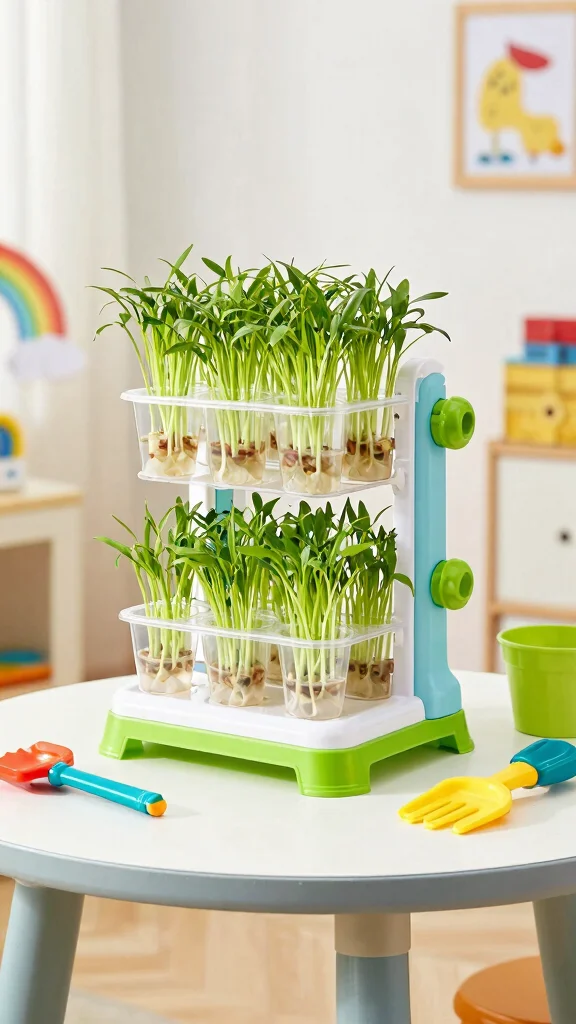
Spark your child’s interest in gardening with a mini hydroponic setup! This engaging project is not only fun but also educational, fostering curiosity about plants and sustainability.
Using simple materials like plastic cups, net pots, and nutrient solutions, kids can create their own small hydroponic garden. Start with easy-to-grow plants like sprouts or small herbs to keep their excitement alive.
Benefits of a Mini Hydroponic Garden:
– Teaches responsibility and care for living plants.
– Offers a fun, hands-on learning experience.
– Encourages healthy eating habits through gardening.
Getting kids involved in hydroponics combines enjoyment with education, helping them develop a love for nature and sustainable practices.
Difficulty Rating & Requirements
Overall Difficulty Rating: Medium
Building a hydroponic garden from scratch is a rewarding yet challenging task. It demands some DIY skills and a basic understanding of hydroponic gardening techniques. This project is suitable for hobbyists who enjoy hands-on activities and have a keen interest in indoor gardening. If you’re eager to learn and experiment, you’ll find this project fulfilling!
Time Estimate:
⏱ Estimated time: 3-5 days
– Planning and Research: 1 day to gather materials and design your setup.
– Building the System: 1-2 days depending on the complexity of your hydroponic system.
– Planting and Initial Setup: 1 day to plant your chosen herbs or vegetables and set up your growing medium.
– Maintenance: Daily checks as needed, with regular monthly upkeep.
Skill Requirements:
– Required skills: Basic carpentry, plumbing, and gardening knowledge. Familiarity with indoor gardening ideas can be beneficial.
– Beginner-friendly: Yes! While some skills are needed, many can be learned during the project. You’ll gain hands-on experience as you build your hydroponic garden.
– Skills that can be learned: Building and maintaining a hydroponic system, understanding nutrient solutions, and monitoring plant health.
– Skills that require experience: Advanced plumbing or electrical work if integrating complex systems.
Tools & Materials Needed:
🧰 Essential items checklist:
– Plastic containers or PVC pipes: Required for water and nutrient delivery.
– Pump and tubing: Required for circulating nutrient solution.
– Grow lights: Required for indoor light needs if natural sunlight is inadequate.
– Net pots or grow trays: Required for holding plants securely.
– Hydroponic growing medium (like clay pellets or Rockwool): Required for providing stability.
– Nutrient solution: Required for plant growth.
– Timer for pump: Optional but helpful for timing nutrient delivery.
– pH testing kit: Optional but useful for maintaining optimal nutrient levels.
Step-by-Step Overview:
1. Planning the Design (1 day): Determine what type of hydroponic system you want to build. Consider your space, the plants you wish to grow, and how much time you can commit to maintenance. Make a sketch to visualize your setup.
2. Gathering Materials (1 day): Collect all necessary tools and materials. Visit local gardening stores or online shops to find the best options for your project.
3. Building the System (1-2 days): Begin assembling your hydroponic setup according to your plan. Ensure all connections are secure, and make adjustments as needed for proper water flow.
4. Planting (1 day): Once your system is ready, fill net pots with your chosen growing medium. Plant seeds or seedlings and place them securely in your system.
5. Monitoring and Maintenance (ongoing): Regularly check on water levels, nutrient balance, and light exposure. Adjust conditions as needed to optimize plant growth.
Cost Comparison: Professional vs DIY:
Hiring a professional to set up a hydroponic garden can range from $500 to $2,000 depending on the complexity and size. On the other hand, a DIY hydroponic system can cost between $100 to $300, making it a cost-effective solution for those willing to invest time and effort. If you prefer a custom setup or lack confidence in your skills, hiring a professional may be worthwhile. But for those excited about learning and experimenting, going the DIY route can be incredibly satisfying!
Mini Hydroponic Setup for Kids
Editor’s Choice

Plant Growing Science Kit for Kids – 19 Botany Experiments with Hydropon…
Liquid Plant Food for use in AeroGarden, IDOO and Hydroponic Growing Sys…
12 Pack 3 inch Net Cups Pots with 12 feet Hydroponics Self Watering Wick…
Conclusion
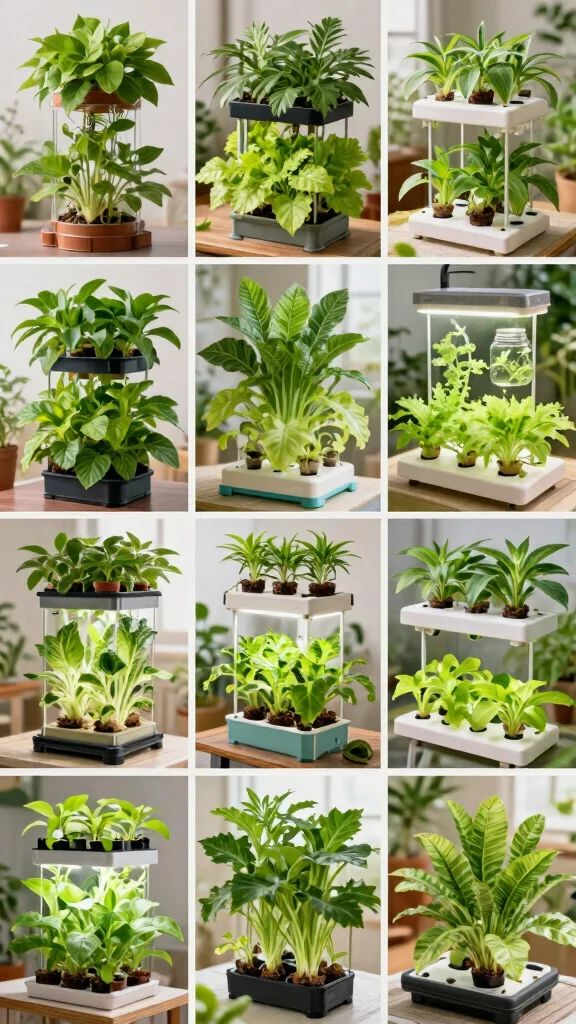
Starting your hydroponic garden from scratch opens up a world of possibilities right in your home! Each of these nine ideas caters to small spaces and provides a unique way to enjoy fresh, homegrown produce. Whether you opt for a vertical tower, a floating raft, or a mini setup for kids, the journey of indoor gardening can be immensely rewarding. So gather your materials, get creative, and dive into the exciting world of hydroponic gardening!
Note: We aim to provide accurate product links, but some may occasionally expire or become unavailable. If this happens, please search directly on Amazon for the product or a suitable alternative.
This post contains Amazon affiliate links, meaning we may earn a small commission if you purchase through our links, at no extra cost to you.
Frequently Asked Questions
What is a hydroponic garden from scratch, and can I set one up in a small space?
A hydroponic garden from scratch means building a soilless growing system from the ground up, tailored to your space and plants. For small spaces, start with compact DIY hydroponic systems like a shallow NFT tray, a simple Deep Water Culture (DWC) bucket, or a vertical stack setup.
Key components include a reservoir, a pump or air pump, tubing, net pots, growing medium, lights, and a timer. Plan your layout, choose a system type, gather parts, assemble and test your setup, mix a suitable nutrient solution, adjust the pH, and start with easy herbs or leafy greens.
This approach aligns with indoor gardening ideas and lets you grow growing herbs hydroponically right at home.
What are the most practical hydroponic gardening techniques for beginners building DIY hydroponic systems?
Start simple and build confidence first. Focus on essential techniques like choosing between a recirculating system or drain-to-waste, maintaining the nutrient solution with correct pH (roughly 5.5–6.5) and electrical conductivity, ensuring good root aeration with an air pump, and keeping lights on a steady schedule.
Keep temps around 65–75°F (18–24°C) for leafy greens, monitor for algae and pests, and maintain clean reservoirs with weekly nutrient checks. With these hydroponic gardening techniques, your DIY hydroponic systems will stay productive even in compact spaces.
Can you share a simple DIY hydroponic system setup for growing herbs hydroponically in a small kitchen?
Absolutely. A beginner-friendly setup is a small Deep Water Culture (DWC) system using a couple of pails or a single grow bucket with a lid. Drill holes for net pots, place rockwool or coco as a growing medium, drop in herbs like basil, cilantro, or mint, and connect an air stone to an aquarium pump in a reservoir of nutrient solution. Use a compact LED grow light on a timer to give 12–16 hours of light. Check pH and nutrient levels weekly, and you’ll have fresh herbs hydroponically on your kitchen counter.
Tip: Start with a few easy herbs that you actually use, and adjust light and nutrients as you grow.
What hydroponic setup tips maximize space and energy efficiency for indoor gardening ideas?
Think vertical and modular. Use vertical shelving or wall-mounted channels to grow more in a smaller footprint, and run a single reservoir with multiple channels to share a pump. Choose energy-efficient LED grow lights and a simple timer system to automate day-night cycles. Keep the space bright with reflective walls, manage water temperature, and use compact, plug-and-play components to keep your hydroponic setup tips practical for everyday living.
What are common mistakes when starting a hydroponic garden from scratch and how can I troubleshoot if things go wrong?
Common mistakes include neglecting pH and nutrient balance, overfeeding or underfeeding, poor oxygenation, dirty reservoirs, and insufficient lighting. Troubleshoot by testing and adjusting pH (aim for about 5.5–6.5) and EC, flushing and restarting if deficiencies or algae appear, checking roots for rot, and verifying that pumps, air stones, and lights are functioning. Keep an eye on temperature and humidity, inspect for pests, and simplify with a routine so you stay on top of your hydroponic garden from scratch project.
Related Topics
hydroponic garden
DIY hydroponics
indoor gardening
small space gardening
herb gardening
easy hydroponic systems
beginner hydroponics
sustainable gardening
hydroponic setup
growing herbs
hydroponic techniques
self-sufficient gardening