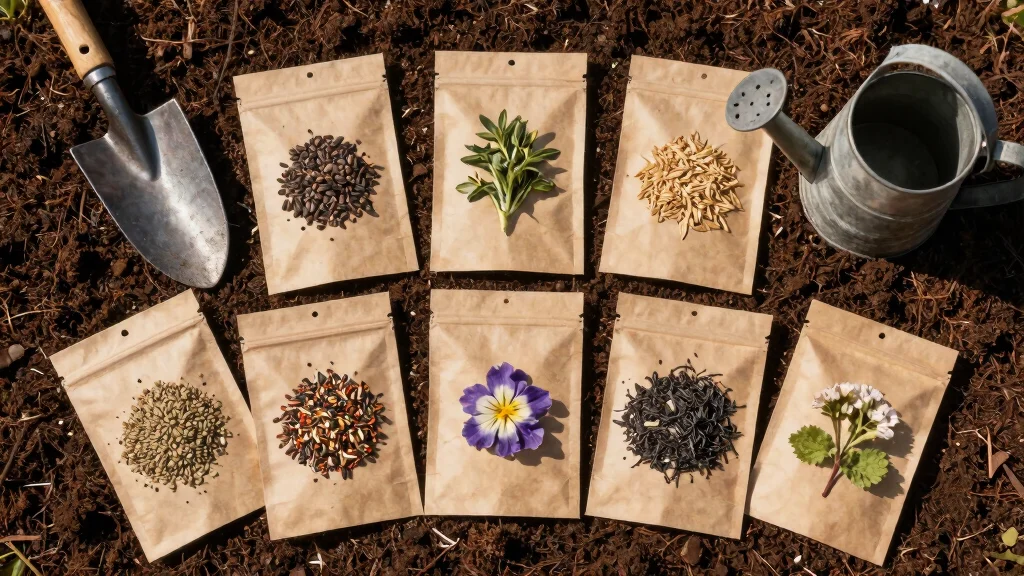
Spring is in the air, and the allure of planting seeds has me dreaming of vibrant colors and fresh produce. There’s something magical about seeing tiny seeds transform into flourishing plants. With so many tips and tricks out there, it’s easy to feel overwhelmed. That’s why I’ve created this post—to help you navigate the wonderful world of seed planting and to turn your urban space into a beautiful and productive garden.
If you’re someone who loves gardening, especially in an urban setting, you’ll find this guide invaluable. Whether you’re a beginner or looking to refine your skills, these tips are tailored for you. They focus on organic seed planting, ensuring that your garden is not just beautiful but also healthy and sustainable. You’ll find practical advice that will make your gardening experience enjoyable and rewarding.
In this post, you’ll discover eight essential seed planting tips that will set you up for seasonal success. From choosing the right seeds to mastering watering techniques, each tip is designed to help you cultivate a thriving garden. Get ready to dig in and prepare for a bountiful season ahead!
Key Takeaways
– Choose the Right Seeds: Selecting seeds that match your space and climate is crucial for a successful garden. Consider local varieties that thrive in your region.
– Soil Preparation Matters: Healthy soil is the foundation of a productive garden. Invest time in testing and enriching your soil to provide essential nutrients for your plants.
– Timing is Everything: Plant your seeds at the right time for each season. Understanding frost dates and seasonal changes will enhance your gardening success.
– Watering Wisely: Develop a consistent watering routine that keeps your soil moist without over-saturating. This helps prevent root rot and encourages healthy growth.
– Monitor and Be Patient: Gardening takes time. Regularly check your plants for growth and health, and remain patient as nature takes its course. Enjoy the journey of watching your garden flourish!
1. Choose the Right Seeds for Your Space

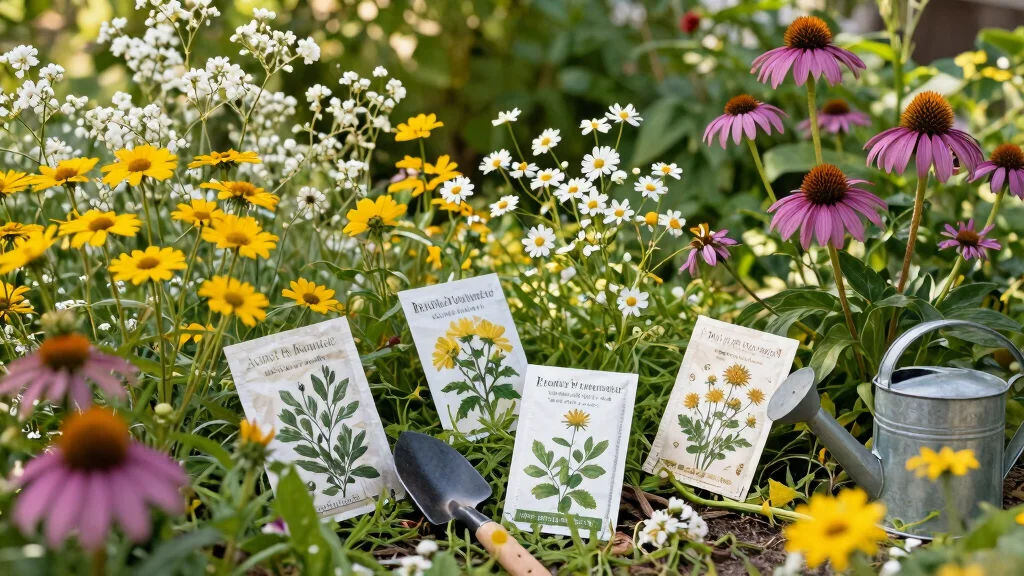
Finding the perfect seeds for your garden can make all the difference in your gardening journey. With a variety of seeds available, knowing which ones suit your space is key to a thriving garden. Consider factors like sunlight, garden size, and your local climate for the best results.
Pick seeds that align with your environment. If you’re limited on space, think about growing compact plants like cherry tomatoes or herbs. Native flower seeds are also a great choice, as they typically require less care and thrive in local conditions.
Here are some tips for selecting seeds:
– Research local climate and sunlight availability.
– Choose a mix of flowers and vegetables for diversity.
– Opt for heirloom seeds to encourage biodiversity.
Taking the time to choose the right seeds lays the groundwork for a successful gardening experience.
Choose the Right Seeds for Your Space
Editor’s Choice

Wildflower Seeds Bulk Mix – 10,000+ Perennial & Annual Seeds – Texas, Ca…


120 Cells Seed Starter Tray, 12 Pack Germination Peat Pots with 100 Labe…

Patio Snack Mix Mini Sweet Pepper Seeds for Planting | Compact Lunchbox-…
2. Soil Preparation is Key
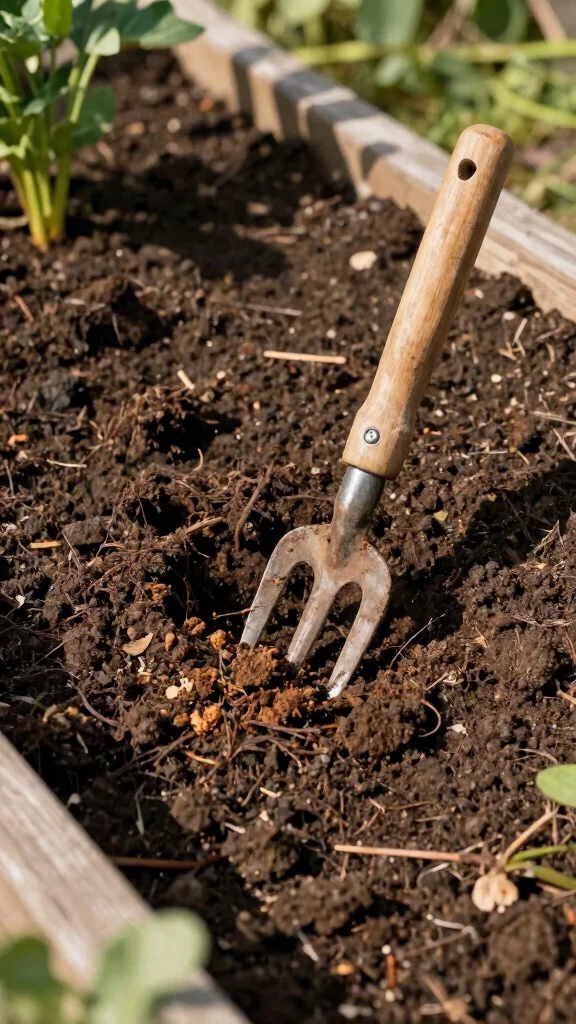
The foundation of your garden starts with healthy soil. Preparing your soil properly is essential for nurturing seeds and ensuring a productive garden. A well-prepared soil boosts plant growth and enhances overall garden health.
Start by testing your soil to understand its pH and nutrient levels. A soil test kit can guide you on necessary amendments. Adding organic matter like compost will improve soil structure and moisture retention, essential for thriving plants.
Key steps to prepare your soil:
– Loosen compacted soil with a garden fork.
– Mix in compost or well-rotted manure for enrichment.
– Improve drainage by adding sand or perlite if needed.
By creating a nutrient-rich environment, your seeds will flourish, leading to a lively and productive garden.
❝ Fun fact: In seed planting, healthy soil can boost germination by up to 30%—and compost is your secret weapon. Test your soil, then feed it with organic matter, and watch your seedlings take off. ❞
Soil Preparation is Key
Editor’s Choice

Sun Joe Corded Electric Garden Tiller & Cultivator with Steel Tines, 16″…

Rapitest Soil Test Kit for Gardens, Vegetables, Flowers and Lawns. USA d…

Back to the Roots 25.7qt (1 Cubic ft) Organic Premium Compost
3. Timing Your Planting
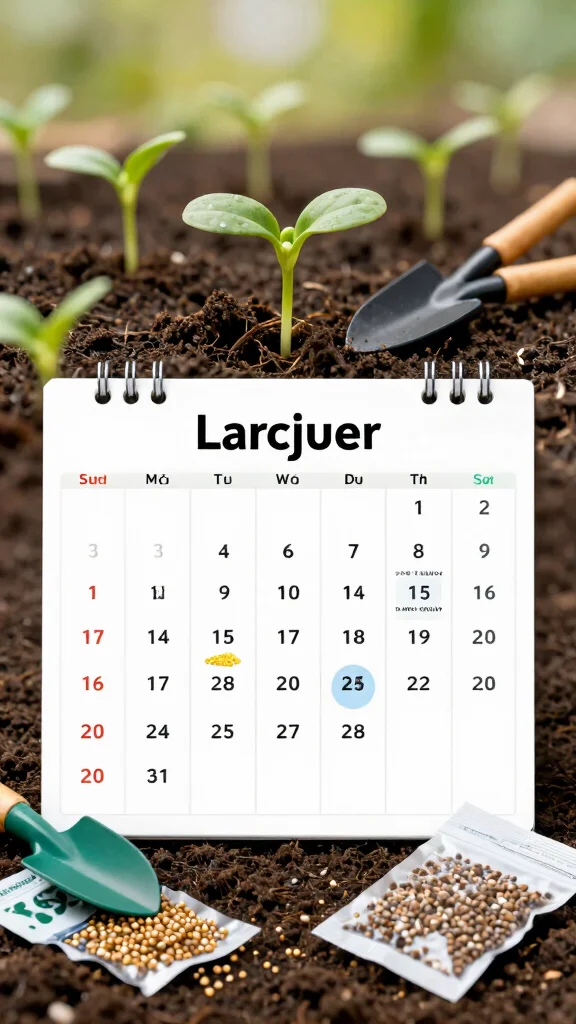
Timing is everything when it comes to planting seeds. Understanding the right moment to plant can significantly impact your garden’s outcome. Each seed variety has its optimal planting time influenced by seasonal changes and local weather.
Be aware of local frost dates to avoid damage to young plants. Using a planting calendar or gardening app can help you stay organized with optimal planting times and conditions.
Keep these factors in mind:
– Track planting dates for different seed types.
– Observe seasonal climate trends that affect growth.
– Use companion planting strategies for better results.
By planning your planting schedule wisely, you can enhance your garden’s productivity and enjoy a rich harvest throughout the seasons.
Fun fact: If you plant seeds 1–2 weeks after the last frost, you can boost germination and root establishment by about 20–30%. A simple planting calendar and local frost dates keep you on track and minimize wasted crops.
Timing Your Planting
Editor’s Choice


Eco-Friendly Plantable Love Seed Calendar 2026, Perfect Modern Greening …
4. Mastering Planting Techniques
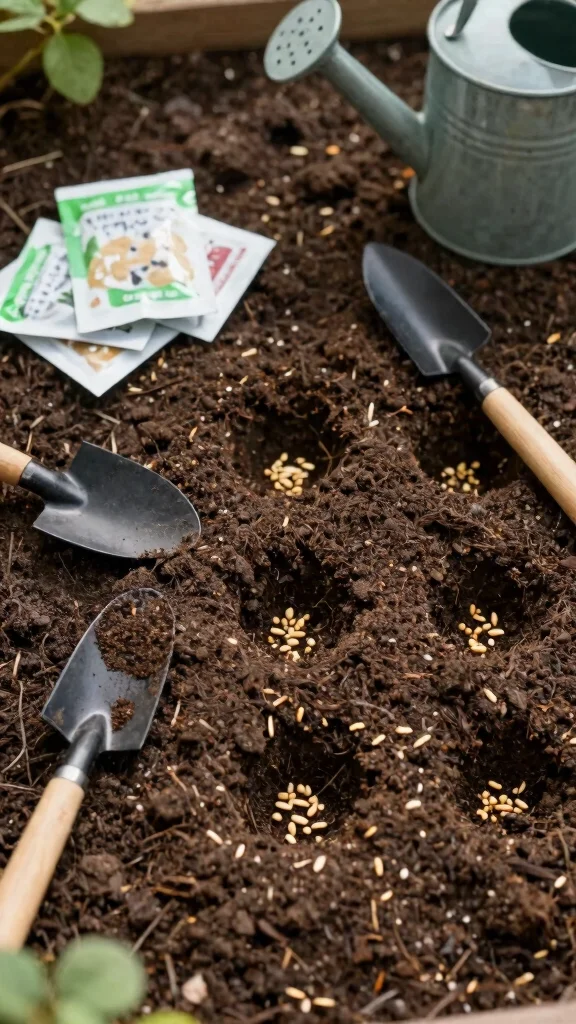
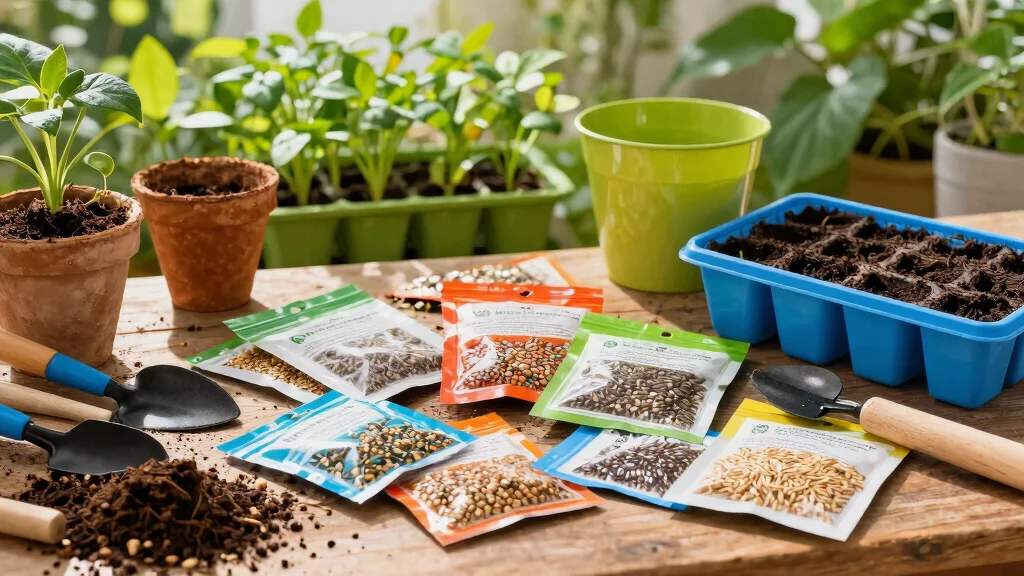
Effective planting techniques can enhance your success in the garden. Mastering a few key methods can lead to healthier plants and a better yield. Understanding how to plant seeds properly makes a significant difference in their growth.
Follow these simple steps when planting seeds:
1. Check the seed packet for specific planting depth and spacing.
2. Use your finger or a stick to create holes or trenches.
3. Space seeds adequately to prevent competition.
4. Cover lightly with soil and water gently.
Consider trying direct sowing for larger seeds or starting delicate varieties indoors to give them a boost.
Experiment with different planting methods to discover what works best for your garden setup.
You might also like

Mastering Planting Techniques
Editor’s Choice

XLUX Long Probe Deep Use Soil Moisture Meter, Water Monitor Indicator Se…

Fiskars Trowel, Heavy Duty Gardening Hand Tool with Hang Hole, For Diggi…

10×20 Inch Black Plastic 10 Pack Plant Propagation Tray – Growing Tray…
5. Watering Wisely

Watering is crucial for seed germination and overall plant health. While seeds need moisture to sprout, excess water can lead to problems like rot. Finding the right balance is essential for thriving plants.
Here are some strategies for effective watering:
– Use a gentle watering can or spray nozzle to avoid soil disruption.
– Keep soil consistently moist but not soggy—aim for around 1 inch of moisture.
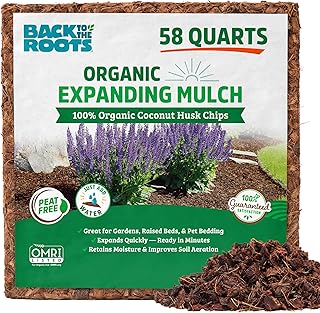
– Add a layer of mulch after seeds germinate to retain moisture.
Consider collecting rainwater to create a sustainable watering system. This not only conserves water but also provides chemical-free hydration.
By watering wisely, you’ll support strong root development and encourage a bountiful harvest.
📹 Related Video: 5 Watering Mistakes You’re Probably Making
Watering Wisely
Editor’s Choice
XLUX Long Probe Deep Use Soil Moisture Meter, Water Monitor Indicator Se…

WhaleLife Small Indoor Watering Can for House Plants – Stylish Green Pla…
Back to the Roots 100% Organic Mulch, 58 Quart, Expanding Coconut Husk B…
6. Embrace Companion Planting

Companion planting is a timeless gardening strategy that offers many advantages, including pest control and improved plant health. Certain plant combinations can thrive together, enhancing growth and deterring pests naturally.
For example, growing marigolds with vegetables can help repel insects, while basil can boost tomato flavor. This technique not only maximizes your garden space but also creates a balanced ecosystem.
Benefits of companion planting include:
– Enhanced soil fertility with nitrogen-fixing plants.
– Reduced reliance on chemical pesticides.
– Increased pollination and productivity.
Research effective companion plant combinations that suit your garden for a more harmonious and productive space.
Embrace Companion Planting
Editor’s Choice

Companion Planting for Beginners: Pair Your Plants for a Bountiful, Chem…

BioAdvanced Organics Brand Tomato, Vegetable & Fruit Plant Bug Spray, Re…
7. Monitor Growth and Be Patient

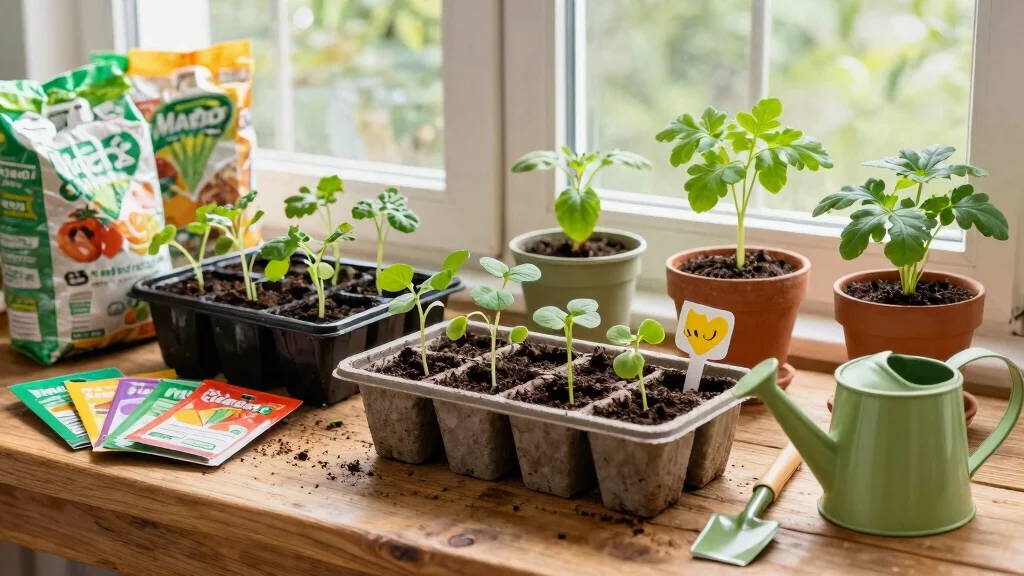
After planting, the waiting begins. Monitoring your plants is vital for identifying potential issues early. Keep an eye on growth patterns and watch for signs of pests or diseases.
Regularly check soil moisture and ensure your plants receive enough sunlight. Patience is key, as many plants take time to develop and bloom. Don’t be discouraged by slow progress; nurturing your garden will lead to beautiful results.
With dedication and care, you’ll soon enjoy vibrant blooms and a fruitful harvest.
You Might Also Like
Monitor Growth and Be Patient
Editor’s Choice

GooingTop LED Grow Light,6000K Full Spectrum Clip Plant Growing Lamp wit…

Mighty Mint Gallon (128 oz) Insect and Pest Repellent Peppermint Oil – N…
XLUX Long Probe Deep Use Soil Moisture Meter, Water Monitor Indicator Se…
8. Harvest and Enjoy Your Garden

Finally, it’s time to reap the rewards of your hard work! Harvesting your garden is a joyful experience, celebrating the fruits of your labor. Knowing when to pick vegetables and flowers is essential for the best taste and longevity.
For vegetables, look for the right size and color before harvesting. Fresh-picked produce not only tastes incredible but is also nutrient-rich. For flowers, cutting them at the right time will help them last longer in a vase.
Don’t forget to save seeds from your favorite plants for next season! This practice helps with cost savings and allows you to grow new varieties.
Take a moment to appreciate your harvest; it’s not just an end, but a stepping stone to future gardening adventures!
Harvesting your garden is when seed planting pays off in real flavor. Pick vegetables at the right size and color, and you’ll taste freshness that store-bought produce can’t match. Save seeds for next season and keep the cycle growing.
How To Choose The Right Seeds for Your Urban Garden
When starting your urban garden, selecting the right seeds is crucial. The success of your garden largely depends on the seeds you choose. Here are some tips to guide you in making the best selection for a beautiful and productive garden.
1. Assess Your Space
Evaluate the space available for your garden. Consider factors like sunlight, shade, and square footage. If you have limited space, opt for vertical gardening or container gardening. Choose seeds that thrive in the specific conditions of your environment. For example, if your garden only receives a few hours of sunlight, look for shade-tolerant plants.
2. Consider Your Climate
Understanding your local climate is vital. Some seeds grow better in warmer temperatures, while others prefer cooler conditions. Check your USDA Plant Hardiness Zone. This will help you select seeds that will flourish in your area. For instance, tomatoes thrive in warm weather, while peas prefer cooler months.
3. Choose Between Heirloom or Hybrid Seeds
Heirloom seeds are open-pollinated and have been passed down through generations. They often provide rich flavors and unique varieties. Hybrid seeds are bred for specific traits, such as disease resistance or higher yields. Depending on your goals, you may prefer one over the other. Heirlooms are great for flavor, whereas hybrids may be better for disease resistance.
4. Think About Your Gardening Goals
What do you want to achieve with your garden? If you aim for a beautiful flower garden, select a mix of annual and perennial flower seeds. For vegetable gardening, choose varieties that you and your family enjoy eating. Also, think about how much time you want to invest. Some plants require more maintenance than others. Fast-growing varieties may suit busy schedules better.
5. Check Seed Quality
Always buy seeds from a trusted source. Look for seeds that are fresh, properly labeled, and have a high germination rate. Expired or damaged seeds may not produce well. You can often find this information on the seed packet or the seller’s website. Choosing high-quality seeds will improve your chances of a successful garden.
6. Embrace Diversity
Planting a variety of seeds can help create a more resilient garden. Different plants can attract beneficial insects and help with pest control. Consider including a mix of vegetables, herbs, and flowers. A diverse garden can also enhance the aesthetics and provide food throughout the seasons. Plus, it makes gardening more interesting!
Pro Tip: Start with a small selection of seeds and gradually expand as you gain confidence. This way, you can learn what works best in your space and conditions without feeling overwhelmed. Happy planting!
Harvest and Enjoy Your Garden
Editor’s Choice

Leize Flower Scissors, Premium Thickened Stainless Steel Floral Shears, …

Wicker Picnic Storage Basket with Handle, PP Woven Empty Picnic Baskets,…
Conclusion
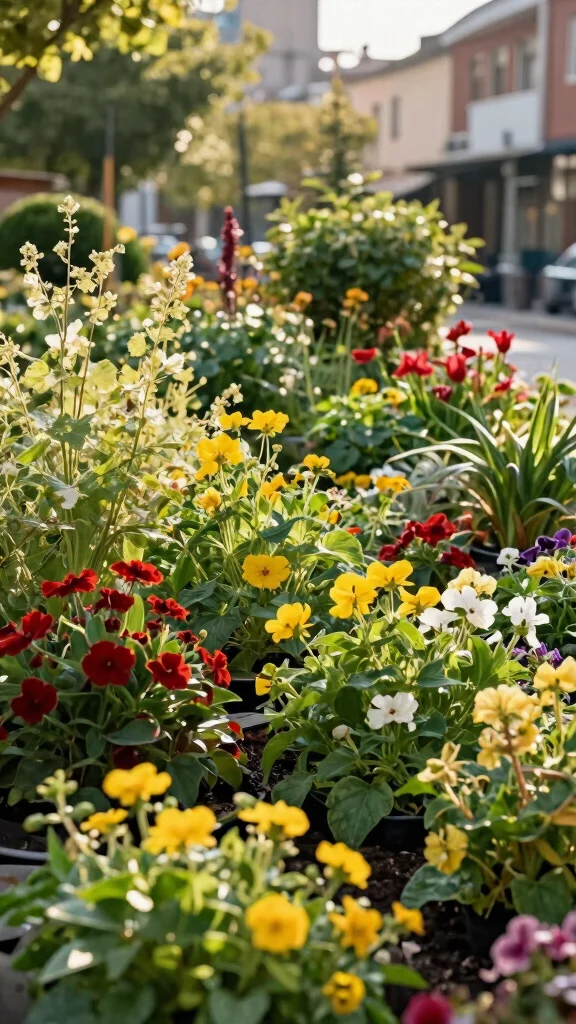
Creating a beautiful and productive garden is a journey filled with discovery, patience, and joy. By following these seed planting tips, you’ll be well on your way to cultivating an organic oasis that thrives in every season.
Engage with your plants, experiment with new techniques, and savor the fruits of your labor. Every seed you plant is a step towards a greener, more sustainable urban environment!
Note: We aim to provide accurate product links, but some may occasionally expire or become unavailable. If this happens, please search directly on Amazon for the product or a suitable alternative.
This post contains Amazon affiliate links, meaning we may earn a small commission if you purchase through our links, at no extra cost to you.
Frequently Asked Questions
What is seed planting and why is it essential for urban organic gardens?
Seed planting is the process of starting plants from seeds, a foundational step for any garden. In urban organic gardens, it’s essential because it maximizes space, saves money, and lets you tailor varieties to your climate. Start with high-germination seeds, decide between direct sowing or starting indoors, and use a clean, organic seed starting mix. Prepare the soil surface with soil preparation basics, sow at the recommended depth, and keep the soil evenly moist until germination. Label everything so you know what’s coming up and when to transplant or thin. With steady care, you’ll enjoy a steady supply of fresh vegetable gardening harvests and vibrant flower seeds throughout the season.
What are the best planting techniques for a small urban garden?
For compact spaces, use smart planting techniques like container gardening, raised beds, and vertical trellises to maximize sun and airflow. Choose compact or dwarf varieties and practice succession planting to spread harvests. Direct-sow quick growers in window boxes and start longer-season crops indoors to transplant later. Keep soil loose with generous organic matter, mulch to conserve moisture, and water consistently. These techniques make even a balcony or courtyard incredibly productive.
What steps should I take for soil preparation before seed planting in vegetables and flowers?
Start with a soil test if possible, then build a rich base with compost and organic amendments. Improve drainage and texture with aged mulch and soil preparation amendments like worm castings or well-rotted compost. Remove weeds, level the bed, and ensure a mild slope for drainage. Depending on your test results, adjust pH and add mineral amendments sparingly. A well-prepared bed reduces seedling stress and boosts germination and early growth for both vegetable gardening and flower seeds.
What seasonal gardening tips should I follow for seed planting in urban environments?
Plan a seasonal calendar that aligns with your last frost date and local climate. Start cool-season seeds indoors or in a protected bed before the last frost, then transplant outdoors as weather permits. For warm-season crops, wait for soil to warm up, use shade cloth on scorching days, and consider season extension methods like cold frames. Water early in the day, mulch to regulate moisture, and rotate crops each season to maintain soil health. With these seasonal gardening tips, you’ll keep a steady rhythm of planting, growing, and harvesting all year.
How can I optimize germination and growth for both flower seeds and vegetable seeds in an organic urban garden?
Start with the right seed lot: choose varieties suited to your climate and space. Pay attention to germination temps and seed depth, then harden off transplants gradually before outdoor planting. Thin seedlings to ensure strong roots and air circulation, and use organic soil amendments to feed young plants. For flowers, group pollinator-friendly blooms to boost yields and aesthetics. With careful timing, proper moisture, and seed planting discipline, you’ll cultivate a thriving, organic urban garden that blooms and bears fruit season after season.
Related Topics
seed planting
organic gardening
urban gardening
vegetable seeds
flower gardening
soil preparation
planting techniques
seasonal gardening
beginner friendly
easy gardening tips
urban farm
sustainable gardening