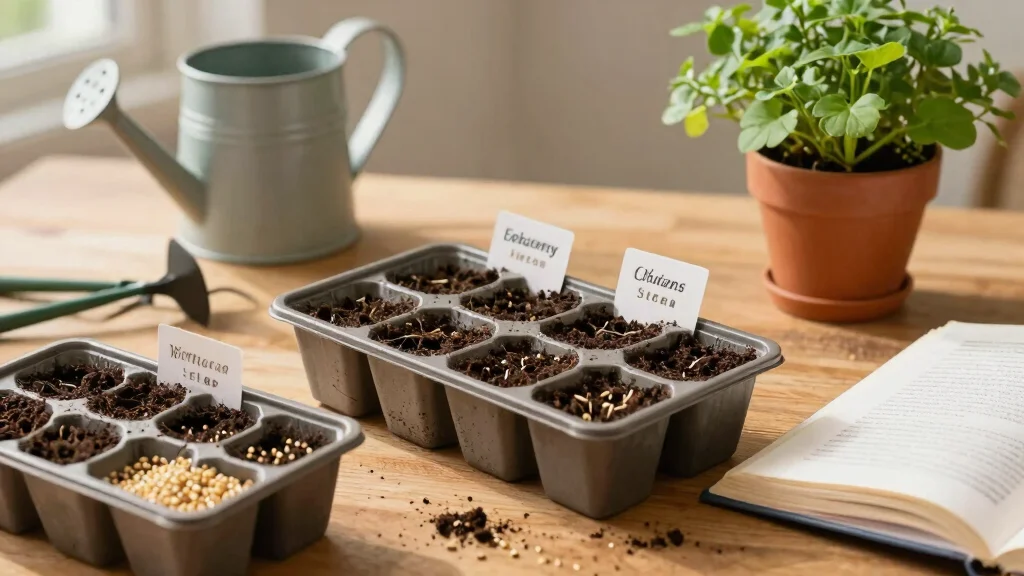
Spring is here, and you know what that means—it’s time to start thinking about your garden! I’ve been dreaming of fresh vegetables and colorful flowers, which got me searching for the best ways to plan my indoor seed starting. If you’re like me and love urban gardening, you understand the excitement and challenges that come with growing plants at home. This post is crafted just for you, fellow green thumbs who want to make the most out of your growing season.
In this guide, you’ll discover nine creative ideas for creating a personalized seed starting calendar. These tips are perfect for anyone looking to maximize their indoor gardening efforts—whether you’re a seasoned gardener or just starting out. From using germination charts to tracking your gardening schedule, you’ll walk away with actionable strategies to turn your home into a vibrant garden oasis. Get ready to cultivate your green space with confidence!
Key Takeaways
– Monthly Seed Starting Calendar: Organize your planting activities month by month for a structured approach to gardening. This helps you plan when to start seeds indoors or outdoors, ensuring proper timing for each plant variety.
– Germination Chart: Use a germination chart to understand how long each type of seed takes to sprout. This simple tool helps you predict when to plant seeds indoors based on their unique germination times.
– Planting Timeline: Establish a clear planting timeline so you know exactly when to start seeds for your favorite vegetables. This keeps your garden on track and helps avoid overcrowding in your indoor space.
– Seed Germination Tips: Learn practical seed germination tips that enhance your success rates. This includes advice on soil type, moisture levels, and light requirements to ensure healthy sprouting.
– Gardening Schedule Tracker: Implement a gardening schedule tracker to monitor your progress throughout the season. This can help you stay organized and motivated while also allowing for adjustments as needed.
1. Create a Monthly Seed Starting Calendar

Planning your seed starting journey can significantly enhance your gardening experience. By creating a monthly seed starting calendar, you’ll have a clear view of when to plant each seed type, making it easier to manage your garden. This approach also helps you pinpoint optimal germination windows, ensuring your plants thrive from the start.
Try using a whiteboard or a simple printable calendar to mark critical dates such as indoor sowing and outdoor transplanting. Don’t forget to note germination times and care instructions for each seed variety to streamline your process.
Key elements to include in your calendar:
– Research your local climate zone for accurate planting dates
– Use colors to categorize different plant types
– Adjust based on previous season’s results for better outcomes
With this structured overview, you can provide your plants with timely care and watch them flourish throughout the growing season.
Create a Monthly Seed Starting Calendar
Editor’s Choice

Gardening Log Book and Planner: Monthly Garden Planting Journal and Orga…


MaxGear Monthly Calendar Dry Erase Board for Wall, 16″x12″ Small Hanging…

Halatool 4 Pack Seed Starter Tray with 50 PCS Peat Pellets, 48 Cells Bla…
2. Use a Germination Chart
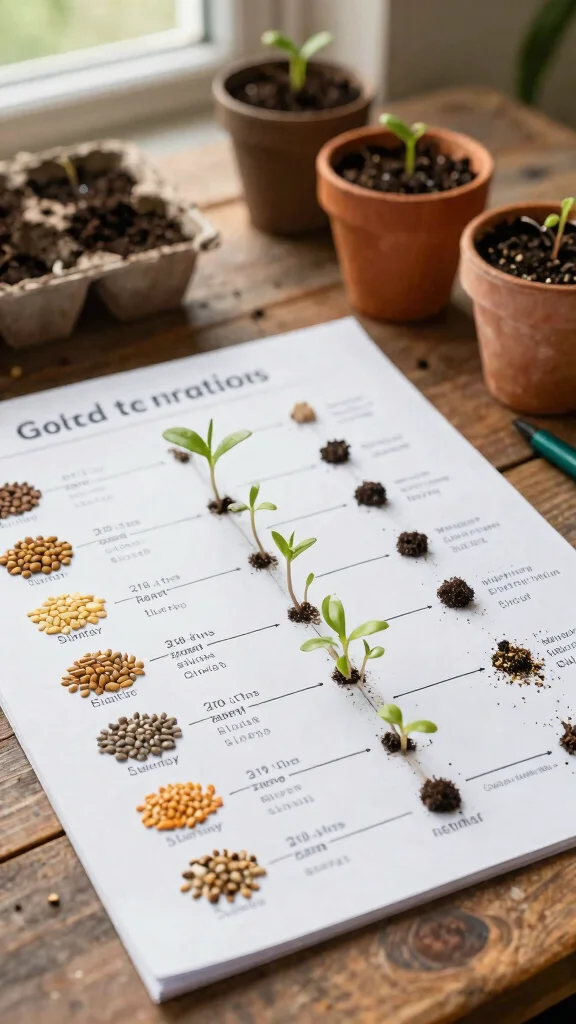
A germination chart is a must-have for anyone looking to successfully grow seeds indoors. This valuable tool helps you understand how long each seed type needs to sprout, allowing for better planning of your gardening activities. Recognizing the specific germination periods can also help you cultivate patience as you await those first green shoots.
Create a detailed chart that outlines the germination times for each vegetable and herb you intend to grow. This will guide your planting schedule and keep you organized.
Essential items to include in your chart:
– Popular vegetables like tomatoes, peppers, and their sprouting times
– Notes on ideal growing conditions such as temperature and moisture
– Areas to record when seeds are sown and when they sprout
This chart will not only keep you informed but also make waiting for germination a more manageable experience.
📹 Related Video: Seed Starting Chart for EVERY Zone!
Use a Germination Chart
Editor’s Choice


1020 Trays with Grow Light and 6.3″ Humidity Dome – 4 Pack Heavy Duty Se…

VIVOSUN Durable Waterproof Seedling Heat Mat 10″ x 20.75″ UL & MET-Certi…
3. Implement a Planting Timeline
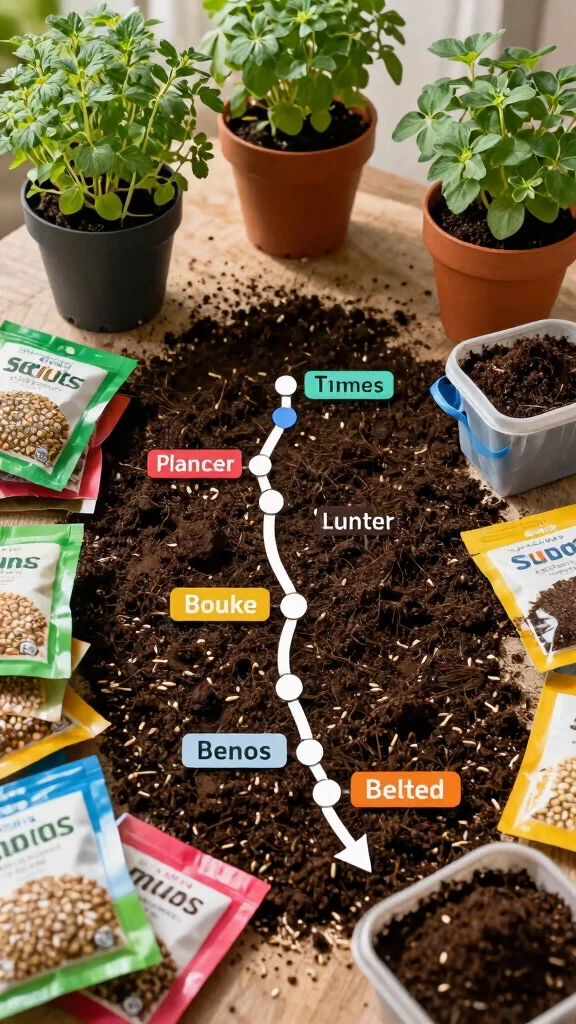
Establishing a planting timeline is crucial for aligning your seed starting with the best growing conditions. This timeline will serve as a guide for when to sow seeds indoors and when to move them outdoors for optimal growth. Understanding these timings can lead to a more productive garden.
Your planting timeline should ideally include key details like transplant dates, which are based on your area’s last frost date, and recommendations for direct sowing.
Important components to add:
– Dates for transplanting based on frost dates
– Guidelines for direct sowing based on weather indicators
– Crop rotation plans to maintain soil health
By keeping a visual planting timeline handy, you can cultivate your garden with confidence and ensure vibrant growth throughout the season.
How To Choose the Right Seed Starting Calendar
Choosing the right seed starting calendar is essential for planning a successful growing season. A good calendar helps you stay organized and on track with your gardening tasks. Here are some key points to consider when selecting a seed starting calendar that fits your needs:
1. Understand Your Growing Zone
Knowing your growing zone is crucial. Each zone has a different last frost date and growing season length. Research your local climate to determine when to start seeds indoors. You can find zone maps online or at gardening centers. This knowledge helps you set accurate planting dates on your calendar.
2. Consider the Types of Seeds You’ll Plant
Different seeds have varying germination times and requirements. For example, tomatoes may take 6-8 weeks to germinate, while peppers might need 8-10 weeks. Create a list of the seeds you plan to start and check their seed packets for specific timelines. This ensures your seed starting calendar reflects the needs of your plants.
3. Choose a Format That Works for You
Seed starting calendars come in various formats. Some are digital apps, while others are printable templates or physical planners. Decide what suits your lifestyle best. If you prefer technology, look for apps that send reminders. If you like hands-on planning, a wall calendar or planner may fit better.
4. Include Important Dates
Your calendar should not only feature planting dates but also other critical gardening tasks. Mark important dates like soil preparation, transplanting, and fertilizing. Include reminders about watering and pest management. This way, you have a holistic view of your gardening schedule.
5. Customize for Your Gardening Style
Not all gardens are the same. If you’re growing indoors, your calendar may differ from someone gardening outdoors. Factor in whether you use grow lights, heating mats, or specific containers. Tailoring your calendar to your unique gardening style can help you better plan and execute your growing season.
6. Track Your Progress
Choose a calendar that allows you to track your progress. This could be as simple as a section for notes or a checklist. Documenting your experiences helps you learn and improve over time. You can note what worked well and what didn’t, making it easier to adjust your strategies for next season.
Pro Tip: Use color coding to differentiate between various plant types or tasks in your seed starting calendar. This visual aid makes it easier to see what needs attention at a glance! 🌱
With these tips, you can select a seed starting calendar that fits your gardening needs perfectly. By planning effectively, you’ll be well on your way to a fruitful growing season!
Implement a Planting Timeline
Editor’s Choice

Legend Gardening Journal – 5-Year Garden Journal Planner & Log Book wi…

Burpee SuperSeed Seed Starting Tray | 36 Cell Reusable Seed Starter Tray…
4. Utilize Seed Germination Tips
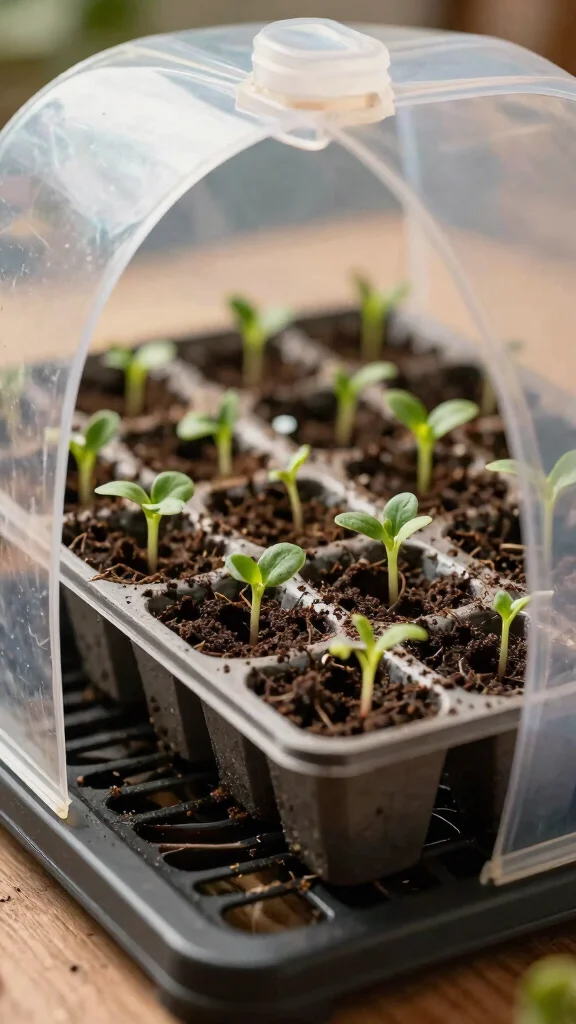
Mastering effective seed germination tips is vital for successful seed starting indoors. Factors like moisture, light, and temperature can greatly affect the germination process. Knowing how to optimize these conditions will help you achieve better results.
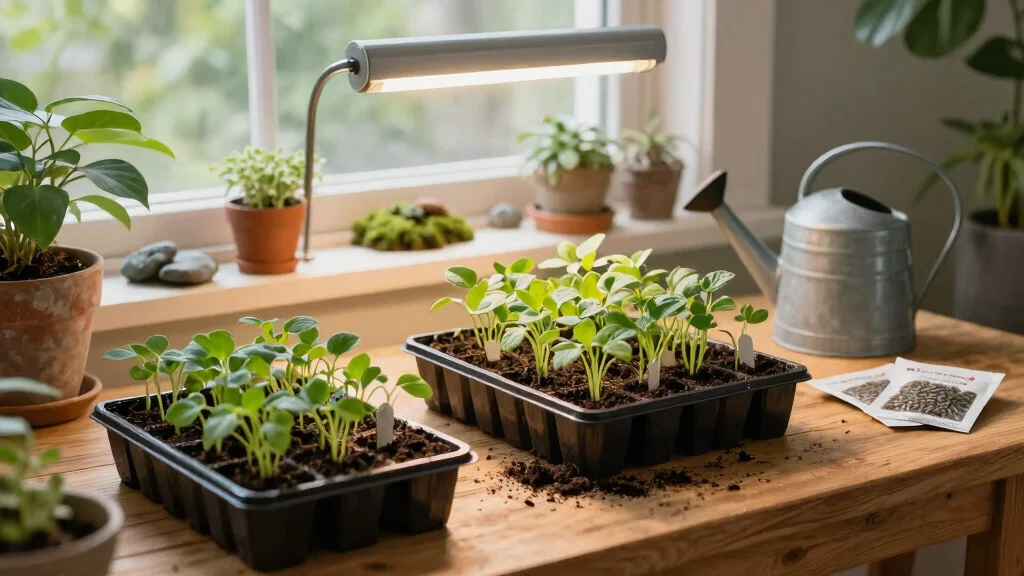
To boost your chances of successful germination, ensure your soil remains consistently moist but not oversaturated, as this can lead to mold. Consider using a heat mat to provide warmth for seeds that thrive in higher temperatures, and try covering your seed trays with a humidity dome for a mini-greenhouse effect.
Additional tips to enhance germination:
– Experiment with seed starting mediums like coco coir
– Monitor temperature and moisture levels carefully
– Use trays with good drainage to avoid waterlogging
With these strategies in place, you’ll be well on your way to cultivating a thriving indoor garden.
Fun fact: seed germination tips show that keeping soil consistently moist, but not soggy, can boost germination rates by up to 25%. Add a warm mat for seeds that need heat, and you’ll see better, faster sprouts—great for your seed starting calendar.
Utilize Seed Germination Tips
Editor’s Choice

Gardzen 3 Pack Seed Starting Tray, Plant Germination Trays, Seed Starter…
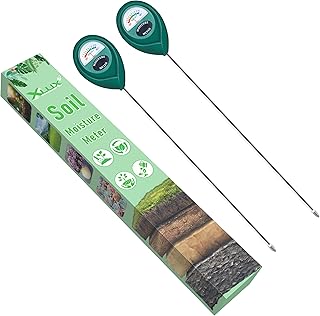
XLUX Long Probe Deep Use Soil Moisture Meter Sensor, Water Monitor Indic…
VIVOSUN Durable Waterproof Seedling Heat Mat 10″ x 20.75″ UL & MET-Certi…
5. Track Your Gardening Schedule

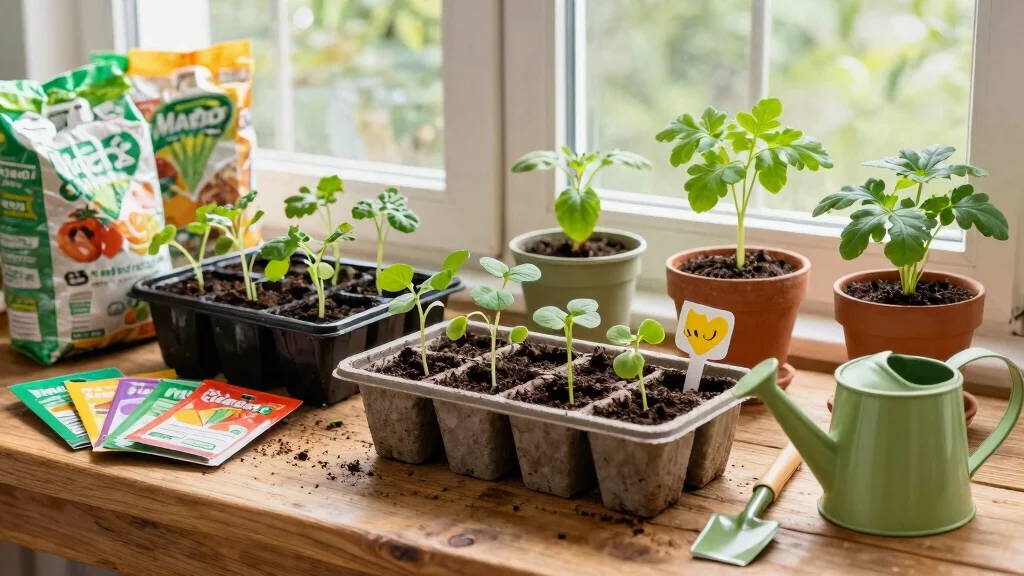
Keeping track of your gardening schedule is an excellent way to stay organized and maximize your seed starting success. A dedicated journal or gardening app can help you document important dates and observations about your plants.
To set up your gardening schedule effectively, log details such as planting dates, germination times, and your observations on plant growth. Don’t forget to note any pest issues or diseases to help you plan future strategies.
Here’s how to maintain your schedule:
– Record key dates and progress updates
– Schedule reminders for watering and fertilizing
– Include notes on pest sightings and preventive measures
Regularly updating your gardening schedule will provide you with valuable insights, making you a more adaptable and successful gardener.
You might also like
Track Your Gardening Schedule
Editor’s Choice


Garden Planting Log Book: Track Seeds, Beds, Dates, Growth and Harvest N…
6. Create a Seed Starting Checklist
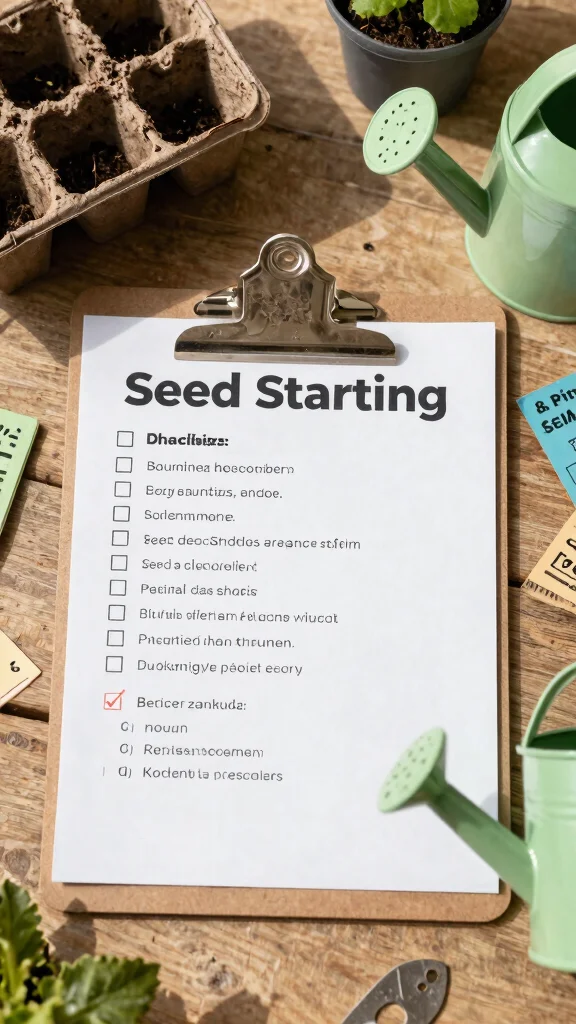
A seed starting checklist is a practical tool that helps you stay focused and organized as you embark on your gardening adventure. This checklist should cover all the essentials you’ll need to prepare before planting.
Consider including items like a list of all the seeds you want to start, necessary supplies such as trays and soil, and a timeline for each seed type based on their germination periods.
Include these key points in your checklist:
– List of seeds to start
– Essential supplies like labels and watering cans
– Timeline based on germination times
This handy checklist will serve as your roadmap during the planting process, allowing you to enjoy the experience without feeling overwhelmed.
Create a Seed Starting Checklist
Editor’s Choice

KINGLAKE 100 Pcs 6 x10cm Plastic Plant T-Type Tags Nursery Garden Labels
Miracle-Gro Indoor Potting Mix for Seed Starting, For Starting Vegetable…
Burpee SuperSeed Seed Starting Tray | 36 Cell Reusable Seed Starter Tray…
7. Experiment with Companion Planting
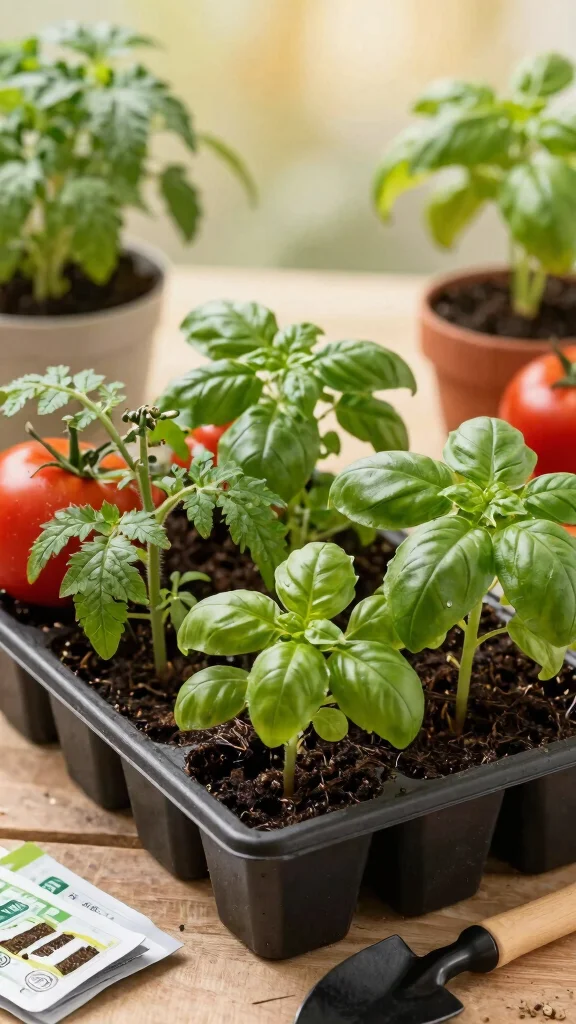
Exploring companion planting can be an exciting and beneficial aspect of starting seeds. This practice involves growing plants together that can enhance each other’s growth and deter pests. For example, pairing tomatoes with basil not only boosts flavor but also helps keep pests at bay.
By understanding companion planting, you can maximize your space and improve your garden’s health. Some plants can even attract beneficial insects that assist in pollination and pest control.
Benefits of companion planting:
– Maximize space in small gardens
– Naturally improve soil health
– Attract beneficial insects for pest management
Creating a companion planting guide will help you plan your seed starts effectively, leading to a more productive and enjoyable gardening experience.
Fun fact: In compact urban gardens, companion planting can cut pest pressure by up to 25% and boost overall health. For your seed starting calendar, pair tomatoes with basil to maximize space and attract beneficial insects that help pollination and pest control.
Experiment with Companion Planting
Editor’s Choice

Companion Planting for Beginners: Pair Your Plants for a Bountiful, Chem…
8. Share Your Gardening Journey

Sharing your gardening journey can inspire others and help you build a supportive community. Whether through social media or local gardening groups, connecting with fellow gardeners can enrich your experience and provide valuable insights.
Consider documenting your seed starting process with photos and updates, joining online forums for advice and tips, or even hosting a seed swap with neighbors to foster community connections.
Ways to share your journey:
– Post photos of your gardening progress
– Join groups to exchange tips and experiences
– Organize a seed swap with friends or neighbors
By sharing your gardening story, you may find joy in learning new techniques and making lasting friendships with others who share your passion.
You Might Also Like
Share Your Gardening Journey
Editor’s Choice

4K Time Lapse Camera Outdoor Construction Plant Weather Life, Manual Foc…

9. Reflect and Adjust Your Strategies
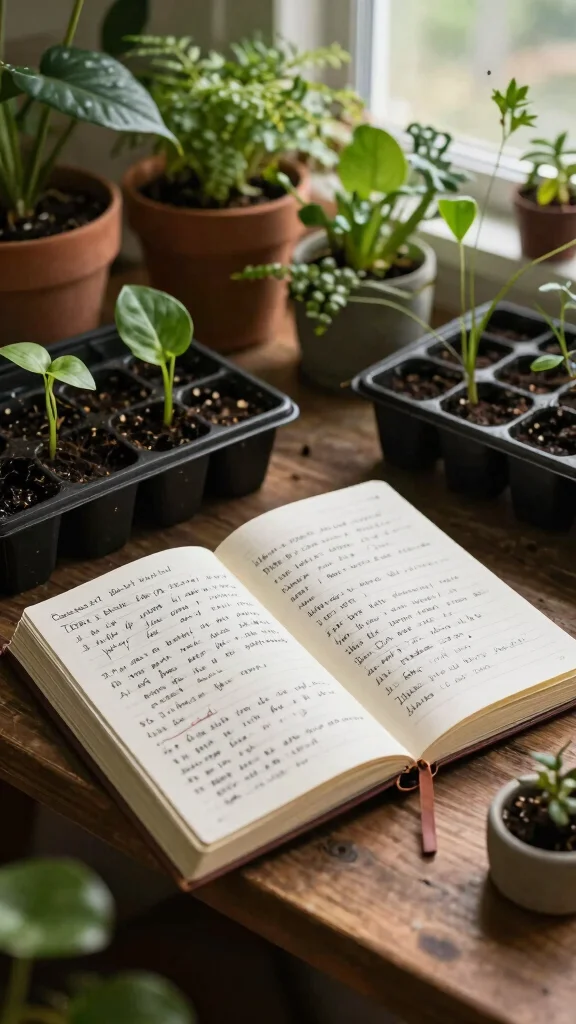
Taking time to reflect and adjust your strategies at the end of each growing season can lead to significant improvements in your gardening practices. By analyzing what worked and what didn’t, you can refine your seed starting calendar for even better results next time.
Keep a log of successful varieties, germination rates, and any pest management strategies that were effective. Note unexpected challenges and how you addressed them to learn for the future.
Key reflection points:
– Document successful and unsuccessful plant varieties
– Record challenges and solutions
– Stay flexible to adapt your strategies
This practice of reflection will not only help you grow as a gardener but also ensure that each season brings more fruitful results.
Fun fact: gardeners who log last season in their seed starting calendar cut pest issues by 60% and boost germination rates. Reflect, adjust, and note which varieties thrive—the tweaks today mean bigger harvests tomorrow.
Reflect and Adjust Your Strategies
Editor’s Choice

Complaints Log Book: Register Book for Recording Complaints
Conclusion
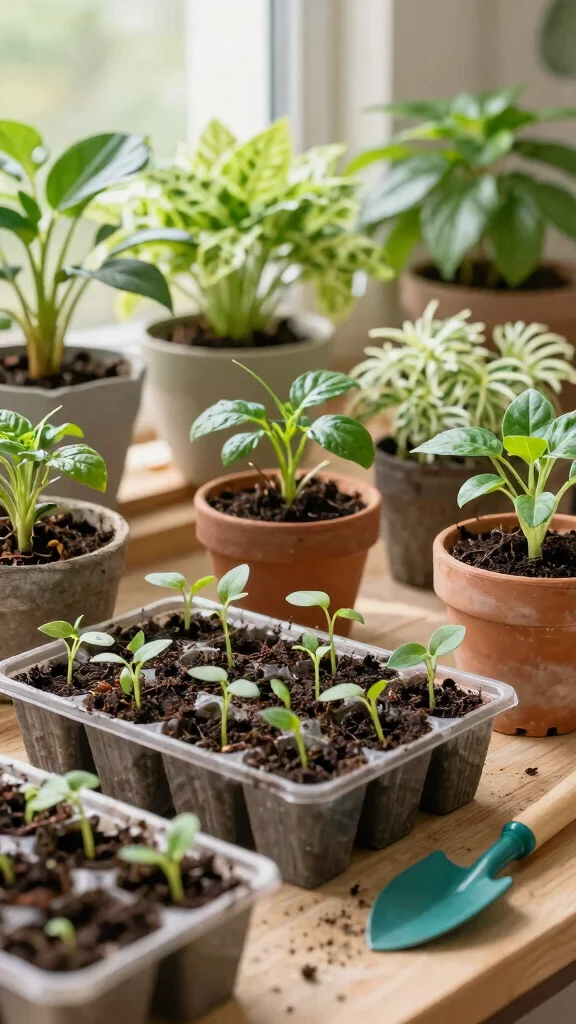
Planning your indoor seed starting calendar can transform your gardening experience, allowing you to cultivate a productive and fulfilling urban garden.
By incorporating these nine ideas, you’ll set the stage for a successful growing season, filled with vibrant greens and bountiful harvests. Don’t hesitate to share your journey and learn from fellow gardeners to enrich your experience even further!
Note: We aim to provide accurate product links, but some may occasionally expire or become unavailable. If this happens, please search directly on Amazon for the product or a suitable alternative.
This post contains Amazon affiliate links, meaning we may earn a small commission if you purchase through our links, at no extra cost to you.
Frequently Asked Questions
What is a seed starting calendar and how can it help indoor seed starting for urban gardeners?
A seed starting calendar is a simple plan that maps when to start seeds, when you will see germination, and when to move seedlings to the next stage.
It keeps your tasks organized around a clear seed starting calendar, planting timelines, and gardening schedule. By planning indoors first, you avoid sprint pushes at harvest time and maintain a steady supply of vegetables at home.
Begin by noting your last frost date and back calculate indoor starting dates for the crops you want to grow using practical indoor seed starting tips.
How do I build a practical gardening schedule for indoor seed starting in small spaces?
Start by choosing a short list of crops that fit your space and climate.
Use a reliable set of seed germination tips to estimate days to germination and days to transplant so you can build a realistic gardening schedule. Break the calendar into stages like starting seeds indoors, hardening off, and transplanting or harvesting.
Keep a simple log of dates and adjustments so your planting timelines stay on track.
What are essential seed germination tips to know when following a seed starting calendar?
The basics are warmth, moisture, light, and cleanliness.
Keep seed trays in a spot with stable temperatures, provide the right moisture level, and give plenty of light after germination. Use humidity domes or clear covers to maintain humidity. Finally, label seeds and thin seedlings to proper spacing as they emerge. Include seed germination tips and indoor seed starting guidance.
Can a seed starting calendar work with limited light in urban apartments?
Yes. Invest in quality grow lights or LED fixtures and aim for 12 to 16 hours of light per day during seed starting. Choose crops with shorter days to germination and growth to fit your planting timelines in restricted spaces. Place light sources close to the tray and use a reflective surface to spread light evenly. With a solid indoor seed starting setup, you can keep a productive garden year round and follow a practical vegetable growing guide.
Could you share a simple month by month seed starting calendar example for a home setup?
Absolutely. A practical example starts with indoor sowing in late winter for cool season crops like lettuce and broccoli, then shifts to warm season crops as the weather warms.
Map a rough timeline such as January to March for starting indoors, April to May for transplanting or direct sowing, and May onward for succession plantings. Keep a note of each crop on your seed starting calendar and use a vegetable growing guide to adjust days to maturity.
This helps you stay on track with your gardening schedule.
Related Topics
seed starting calendar
indoor gardening
planting timelines
urban gardening
vegetable growing guide
seed germination tips
beginner friendly
gardening schedule
easy gardening
seasonal planting
home gardening
container gardening