
Growing your own food at home has become a popular passion, and nothing adds spice quite like a variety of peppers. If you’ve been curious about diving into the world of hydroponic gardening, you’re in for a treat. This post is all about hydroponic peppers grow ideas that will help you achieve a vibrant indoor harvest, regardless of your space limitations. Whether you have a small apartment, a cozy balcony, or even a spare room, you can cultivate delicious, fresh peppers right from home.
If you love indoor gardening or are simply looking to explore hydroponic systems, this guide is tailored for you. You’ll find actionable tips and techniques that cater to all skill levels. From selecting the right pepper varieties to maximizing your setup for optimal growth, we’ve got you covered. These ideas will not only inspire but also empower you to grow your own peppers, adding flavor to your meals and a sense of accomplishment to your day.
Get ready to embrace the fascinating realm of hydroponics! In this post, you will discover eight unique ways to grow peppers indoors. Each section offers insights into effective techniques, ensuring you have a spicy and productive harvest. Whether you’re a seasoned gardener or a curious newcomer, these ideas will bring a splash of excitement to your indoor gardening journey.
Key Takeaways
– Start with Compact Varieties: Choose smaller pepper plants that thrive in limited spaces, making them perfect for indoor setups. Varieties like jalapeños and mini bell peppers are great options.
– Vertical Gardening Solutions: Explore vertical systems to maximize your space and increase the number of plants you can grow. Shelves and wall-mounted planters can make a big difference.
– Hydroponic Raft Systems: Consider using raft systems for a simple and effective way to grow your peppers. This method allows for easy water access and nutrient distribution.
– Utilize Smart Hydroponic Systems: Invest in smart hydroponic setups that automate watering and nutrient delivery, making it easier to care for your plants.
– Harvesting and Storing Your Peppers: Learn the best practices for harvesting your peppers to ensure maximum flavor and longevity, along with tips for proper storage to keep them fresh longer.
1. Start with Compact Varieties

Are you eager to grow your own peppers but limited on space? Compact pepper varieties like ‘Mini Bell’ and ‘Chili Pepper’ are ideal for indoor hydroponic systems. They not only save space but also pack a flavorful punch that will elevate your dishes. You can enjoy vibrant colors that brighten your indoor space while reaping the benefits of fresh, homegrown peppers.
Growing Tips:
– Use nutrient-rich water solutions to nourish your plants.
– Make sure they get 12-16 hours of sunlight daily, utilizing grow lights if necessary.
– Keep an eye out for pests, as indoor plants can attract unwanted visitors.
Adding compact varieties to your hydroponic setup will yield delicious peppers and enhance your indoor decor.
Start with Compact Varieties
Editor’s Choice

Liquid Plant Food – Hydroponics Nutrients for Indoor House Plants, Tom…


Ahopegarden Indoor Garden Hydroponics Growing System: 10 Pods Plant Germ…

GooingTop LED Grow Light,6000K Full Spectrum Clip Plant Growing Lamp wit…
2. Vertical Gardening Solutions

Running out of floor space for your gardening dreams? Vertical gardening is your solution for growing hydroponic peppers in a stylish way! By stacking your plants, you save space while creating an eye-catching living wall effect. This method allows you to maximize your plant variety while keeping your setup compact and visually appealing.
Growing Tips:
– Ensure each tier has proper drainage to avoid waterlogging.
– Rotate your plants regularly for even growth.
– Mix different pepper varieties for a colorful display!
Vertical gardening not only optimizes space but also adds a creative flair to your indoor environment.
Vertical Gardening Solutions
Editor’s Choice

Hydroponics for Beginners: The Complete Guide to Hydroponic Gardening, D…

GameXcel Vertical Planter Tower – 5 Tier Stackable Garden Planters with …
3. Hydroponic Raft Systems

Looking for an exciting way to grow peppers? A hydroponic raft system might be your next favorite project! This innovative approach lets your plants float on rafts in a nutrient solution, allowing them to thrive without soil. It’s space-efficient and easy to maintain, providing your peppers with the oxygen and nutrients they need for robust growth.
Growing Tips:
– Monitor for algae growth and clean your system regularly.
– Use a pump to keep the nutrient solution fresh and oxygenated.
– Maintain a pH level between 5.5 and 6.5 for optimal growth.
With a hydroponic raft system, you’ll enjoy a bountiful harvest of peppers while transforming your gardening space into something unique.
Fun fact: hydroponic raft systems can use up to 90% less water than soil methods, helping hydroponic peppers grow in tight spaces. Keep a pump circulating the nutrients, monitor algae, and your harvest will be pepper-perfect.
Hydroponic Raft Systems
Editor’s Choice
Ahopegarden Indoor Garden Hydroponics Growing System: 10 Pods Plant Germ…

Liquid Plant Food for use in AeroGarden, IDOO and Hydroponic Growing Sys…
Generic Low Noise Small Submersible Pump for Hydroponics Garden Fountain…
4. Utilize Smart Hydroponic Systems
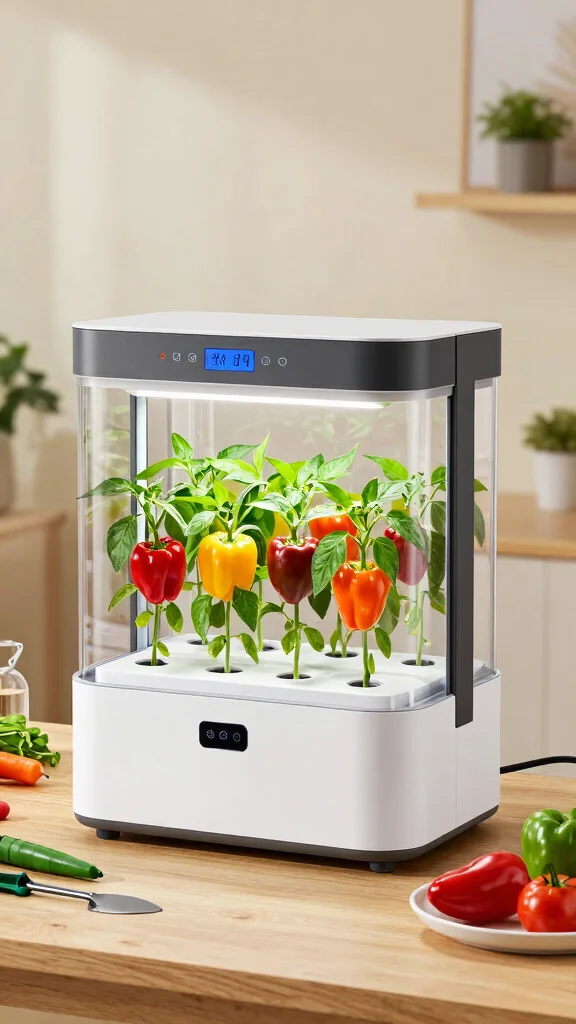
Ready to revolutionize your indoor gardening experience? Smart hydroponic systems make growing your own peppers easier than ever! Equipped with sensors that monitor your plants’ needs, these systems automatically adjust light, water, and nutrients for optimal growth. You can enjoy the benefits of homegrown peppers with minimal effort, all while adding a modern touch to your decor.
Growing Tips:
– Research different smart systems to find one that suits your space.
– Set up notifications to remind you to check nutrient levels or water.
– Combine smart features with traditional care for the best outcomes.
With a smart hydroponic system, gardening becomes hassle-free and enjoyable.
You might also like


Utilize Smart Hydroponic Systems
Editor’s Choice
Liquid Plant Food for use in AeroGarden, IDOO and Hydroponic Growing Sys…
Ahopegarden Indoor Garden Hydroponics Growing System: 10 Pods Plant Germ…
GooingTop LED Grow Light,6000K Full Spectrum Clip Plant Growing Lamp wit…
5. Companion Planting for Peppers

Want to boost the growth of your hydroponic peppers? Companion planting can be your secret weapon! Certain plants, like basil, thrive alongside peppers, deterring pests and enhancing flavors. Other great companions include marigolds, which attract beneficial insects while adding vibrant color to your garden.
Growing Tips:
– Research companion plants that suit your specific pepper varieties.
– Ensure your companions can thrive in the same hydroponic system.
– Rotate companion plants periodically for sustained benefits.
Embracing companion planting leads to healthier plants and a more productive indoor garden.
Fun fact: Basil beside peppers can help hydroponic peppers grow by deterring pests and boosting flavors. Marigolds bring in beneficial insects and color, turning a compact setup into a thriving mini-ecosystem. Research companion plants that suit your peppers and system.
📹 Related Video: Companion Planting // 16 Companion Plants for Peppers!
Companion Planting for Peppers
Editor’s Choice

Spider Farmer DWC Hydroponics Grow System with 7-Gallon Deep Water Cultu…

Pepper Fertilizer – Liquid Plant Food for Bigger Harvests, Better Flow…
GooingTop LED Grow Light,6000K Full Spectrum Clip Plant Growing Lamp wit…
6. DIY Hydroponic Systems

Feeling adventurous? Building your own DIY hydroponic system can be a fun and cost-effective way to grow peppers at home. With a few basic materials and a touch of creativity, you can create a system tailored to your space. You might use plastic containers, a water pump, and net pots to customize your gardening experience.
Growing Tips:
– Start small; you can always expand later.
– Choose high-quality materials for durability and efficiency.
– Test your system before planting to ensure everything works smoothly.
Crafting a DIY hydroponic system not only nurtures your creativity but also deepens your understanding of plant care.
DIY Hydroponic Systems
Editor’s Choice

2 inch Net Cups Pots 30 Pack with 30 feet Self Watering Wick & 30 Plant …

CWKJ Fountain Pump, 400GPH Submersible , Durable 25W Outdoor Water Pump …

12 Pack 3 inch Net Cups Pots with 12 feet Hydroponics Self Watering Wick…
7. Harvesting and Storing Your Peppers

Once your peppers are ripe, it’s time to enjoy the fruits of your labor! Knowing how to properly harvest and store your hydroponic peppers is key to savoring their flavors for longer. Use sharp scissors or pruning shears to cut the peppers, leaving a small portion of the stem attached to extend shelf life. Rinse them gently under cool water, and store them in a cool, dry place or refrigerate for freshness.
Growing Tips:
– Keep an eye on color changes; bright colors often indicate ripeness.
– Freeze any excess peppers for long-term storage.
– Incorporate freshly harvested peppers into salads or sauces for a delightful flavor boost.
Proper harvesting and storage help you maximize your indoor gardening efforts and fully enjoy your spicy rewards.
You Might Also Like
Harvesting and Storing Your Peppers
Editor’s Choice

6.5 Inch Gardening Scissors Hand Pruner Pruning Shear with Straight Stai…
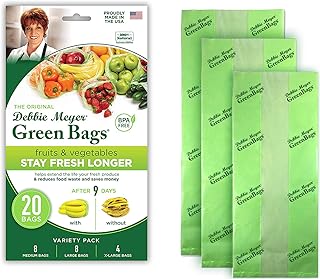
Debbie Meyer, GreenBags 20-Pack (8M, 8L, 4XL) | Reusable Storage Bags Ke…
8. Embrace Seasonal Changes

Adapting to seasonal changes can significantly enhance your indoor pepper garden. Each season offers unique challenges and opportunities for growth. For instance, in warmer months, consider increasing light exposure to boost growth. Conversely, during colder months, adjust your watering and nutrient schedules accordingly. Indoor hydroponic gardening allows for year-round growth, and being mindful of your peppers’ needs can lead to a thriving harvest.
Growing Tips:
– Monitor temperature and humidity levels, making adjustments as needed.
– Rotate your plants to ensure they receive even light exposure.
– Experiment with various pepper varieties each season to discover which thrive best.
By embracing seasonal changes, you can enjoy a consistent supply of spicy goodness throughout the year.
Season-aware care makes all the difference: hydroponic peppers grow year-round in small spaces when you tune light and watering. In warmer months, boost light; in colder months, adjust schedules to keep growth steady. Small changes, big harvests, and practical peppers you can enjoy.
How To Choose the Right Hydroponic System for Growing Peppers
Choosing the right hydroponic system is crucial for a successful indoor growth of pepper varieties. Each system has its pros and cons, making it essential to find one that suits your space and gardening style.
1. Space Consideration
Before selecting a hydroponic system, assess your available space. If you have limited space, consider compact systems like vertical gardens. These systems use vertical space effectively and allow you to grow multiple plants without taking up much room. If you have more space, larger systems like NFT (Nutrient Film Technique) might be suitable for a variety of pepper plants.
2. Type of Hydroponic System
There are several types of hydroponic systems, including Deep Water Culture, Aeroponics, and Ebb and Flow. Each system operates differently. For peppers, Deep Water Culture is popular because it provides plenty of oxygen and nutrients directly to the roots. If you want a more hands-on approach, Aeroponics allows for better control over nutrient delivery, which is excellent for growing spicy peppers.
3. Light Requirements
Pepper plants need ample light for healthy growth. When choosing a hydroponic system, consider the lighting setup. LED grow lights are energy-efficient and effective for indoor gardening. Ensure your system can accommodate these lights. You want to recreate a sunny environment to boost your pepper yield.
4. Budget
Your budget will play a vital role in your choice of hydroponic system. Basic setups can be affordable, while more advanced systems with automation will cost more. Calculate ongoing costs like nutrients, pH testing kits, and electricity for lights. Choose a system that fits within your budget while still meeting your growing needs.
5. Maintenance Level
Different hydroponic systems require varying levels of maintenance. If you’re busy, look for systems that require less frequent maintenance. For instance, a self-watering system can help reduce your workload. Conversely, if you enjoy hands-on gardening, you might prefer a system that involves more interaction with your plants.
6. Pepper Varieties
Consider what type of pepper varieties you want to grow. Some peppers need more support, while others thrive in smaller spaces. If you plan to grow larger varieties like bell peppers, ensure your chosen system can accommodate their size and root structure. Compact varieties like chili peppers are generally easier to manage in smaller systems.
Pro Tip: Consider combining your hydroponic system with companion plants. Basil or marigold can enhance the growth of your peppers by repelling pests or improving pollination. This creates a mini ecosystem in your indoor garden, leading to a healthier and more productive harvest.
Choosing the right hydroponic system is essential for a successful indoor garden. By considering your space, budget, and maintenance preferences, you can create a thriving environment for your peppers. With the right setup, you’ll enjoy a spicy and productive indoor harvest!
Embrace Seasonal Changes
Editor’s Choice

4-in-1 Soil Moisture Meter Digital PH Meter/Soil Moisture/Plant Temperat…
Pepper Fertilizer – Liquid Plant Food for Bigger Harvests, Better Flow…
GooingTop LED Grow Light,6000K Full Spectrum Clip Plant Growing Lamp wit…
Conclusion

Growing hydroponic peppers indoors can be a colorful and rewarding experience that brings spice to your culinary adventures. From compact varieties to smart systems, there’s a method perfect for every space.
By diving into these eight ideas, you’re well on your way to creating a productive and vibrant indoor garden that can flourish throughout the year. So grab your gardening tools and start your hydroponic journey today!
Embrace the fun of indoor gardening, and soon you’ll be enjoying fresh peppers right from your home.
Note: We aim to provide accurate product links, but some may occasionally expire or become unavailable. If this happens, please search directly on Amazon for the product or a suitable alternative.
This post contains Amazon affiliate links, meaning we may earn a small commission if you purchase through our links, at no extra cost to you.
Frequently Asked Questions
What are the best pepper varieties for indoor hydroponic grow in small spaces?
For hydroponic peppers grow in small spaces, choose compact or dwarf varieties that stay bushy and manageable. Look for pepper varieties labeled as dwarf, mini or designed for container gardening and indoor gardening. These plants typically stay under about 12 inches tall and still offer reliable harvests under indoor grow lights. Pair your pick with a proven hydroponic setup and strong light to maximize production.
How do I set up a beginner-friendly hydroponic system to grow peppers indoors in a small space?
Getting started is simpler than you think. Start with a beginner-friendly hydroponic setup such as a drip-to-waste or a basic water culture, both of which work well for peppers in a small space. You’ll need net pots, a reservoir, a pump, and a growing medium like coco coir or perlite. Keep day temperatures around 22-26C and provide 14-16 hours of light with a full-spectrum LED. Use a complete hydroponic fertilizer, monitor pH around 5.5-6.5 and EC around 1.6-2.0, and check roots regularly.
What common problems should I expect when growing hydroponic peppers and how can I fix them?
Common issues include slow growth or yellowing leaves from nutrient imbalances, brown tips from overfeeding, root problems from low oxygen, and poor fruit set from insufficient light. Fix by adjusting the light intensity and duration, flushing and rebalancing the nutrient solution, and maintaining pH around 5.5-6.5 and good root oxygenation. Keep temperatures in a comfortable range, ensure good air circulation, and inspect for pests like aphids or whiteflies. With steady monitoring, you can keep hydroponic systems thriving indoors.
How much light and what nutrients and growing tips do I need to maximize production of hydroponic peppers grow indoors?
Aim for strong, full spectrum light and a long day length, around 14-16 hours of light for peppers. Use a complete hydroponic fertilizer that covers nitrogen early on and increases potassium and phosphorus as fruit set begins. Maintain a nutrient solution with an EC of about 1.6-2.0 and a pH of 5.5-6.5. Train plants to a trellis to keep centers open and improve air flow, and prune to maintain a compact shape for container gardening. Regularly top off the reservoir and monitor plant response week to week.
Can I grow spicy pepper varieties indoors year-round and what container gardening tips help?
Absolutely. With reliable indoor gardening lights and a stable climate, you can extend your pepper harvest year-round in small spaces. Choose peppers suited for container gardening and provide a 3-5 gallon pot per plant with a sturdy trellis or stake. Use a grow light schedule that mimics long days, keep temperatures between 70-80F by day and a bit cooler at night, and pollinate gently by giving the plants a little shake or using a small brush. Hydrate and feed consistently with a balanced hydroponic solution to keep the peppers growing strong.
Related Topics
hydroponic peppers
indoor gardening
pepper varieties
container gardening
growing tips
small space gardening
easy hydroponics
spicy harvest
home gardening
urban gardening
vegetable gardening
beginner friendly