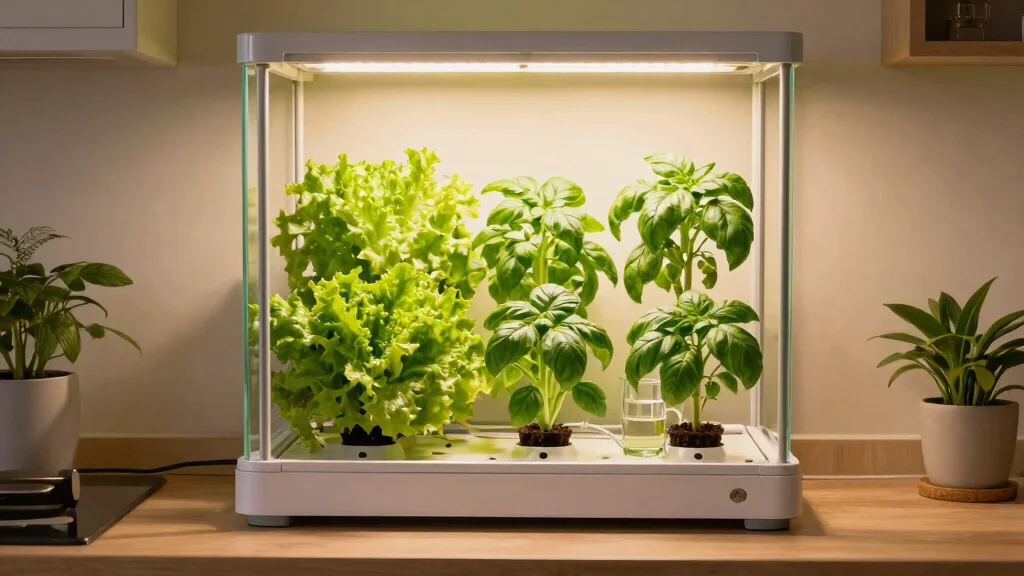
If you’re like me, the idea of growing fresh herbs and vegetables at home is both exciting and a bit overwhelming. Urban living often means limited space, and finding the right way to garden can feel daunting. That’s why I created this post! I want to share some fantastic DIY NFT hydroponic system ideas that will help you cultivate a productive garden without taking up too much room.
This post is for urban dwellers, small-space gardeners, and anyone looking to explore hydroponic gardening. If you’re eager to grow your greens indoors or on a balcony, you’re in the right spot. Each idea I’ve gathered here is not only space-saving but also sustainable, so you can enjoy homegrown produce while being kind to the planet.
You’ll walk away with eight easy-to-follow DIY projects that will transform your living area into a lush green sanctuary. Whether you have a tiny apartment or just a compact balcony, these systems will fit perfectly. Let’s dig in and get your indoor garden thriving!
Key Takeaways
– Discover eight creative DIY NFT hydroponic systems that suit small spaces, perfect for urban gardening.
– Learn how to set up a Compact Vertical NFT System for maximizing your growing area vertically.
– Explore a Tabletop NFT Hydroponic Garden, ideal for kitchen use, allowing quick access to herbs.
– Create a DIY Window Hydroponic Planter that brings nature inside while utilizing natural light efficiently.
– Understand sustainable practices in hydroponic gardening, contributing to a greener lifestyle while enjoying fresh produce.
1. Compact Vertical NFT System
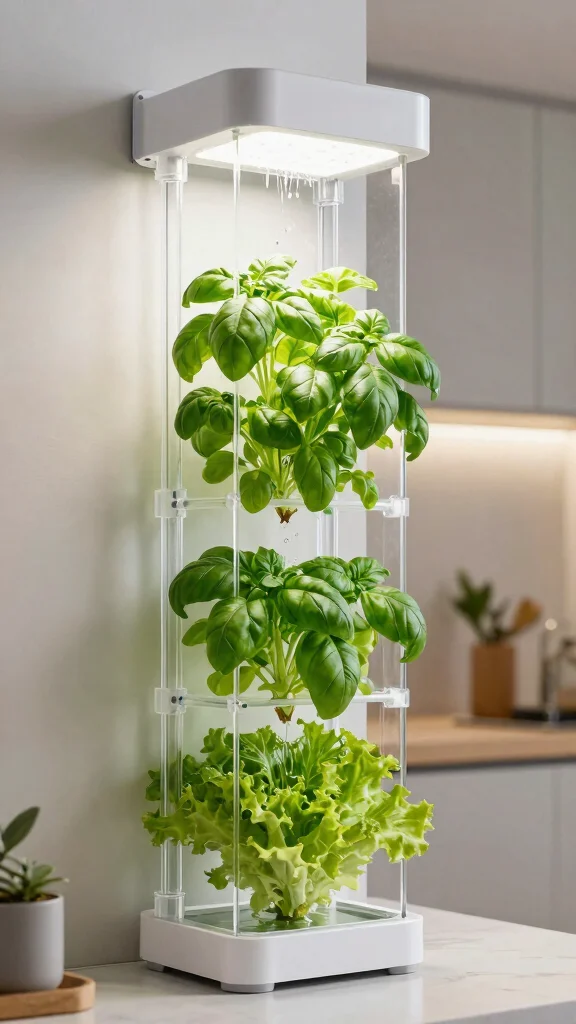
Are you looking to maximize your gardening potential in limited space? A compact vertical NFT hydroponic system is the perfect solution. This setup uses stacked PVC pipes, allowing you to cultivate a variety of plants while conserving floor space. Each section features small openings for planting, ensuring excellent air circulation and an attractive green display in your home.
Start by selecting fast-growing herbs or leafy greens to fill your vertical garden, ensuring a quick harvest. You can enhance plant growth using LED grow lights, especially in dimly lit areas. This method not only beautifies your space but also provides fresh produce on demand.
Key features to consider:
– Use small PVC pipes for easy planting and maintenance.
– Install LED lights to boost growth in low-light settings.
– Choose fast-growing plants for quicker harvests.
Transform your walls into lush gardens and enjoy vibrant, fresh produce right at home.
Compact Vertical NFT System
Editor’s Choice

NFT Hydroponic Growing System Kit – Full-Spectrum Grow Lights & Timer …


GooingTop LED Grow Light,6000K Full Spectrum Clip Plant Growing Lamp wit…

Liquid Plant Food for use in AeroGarden, IDOO and Hydroponic Growing Sys…
2. Tabletop NFT Hydroponic Garden
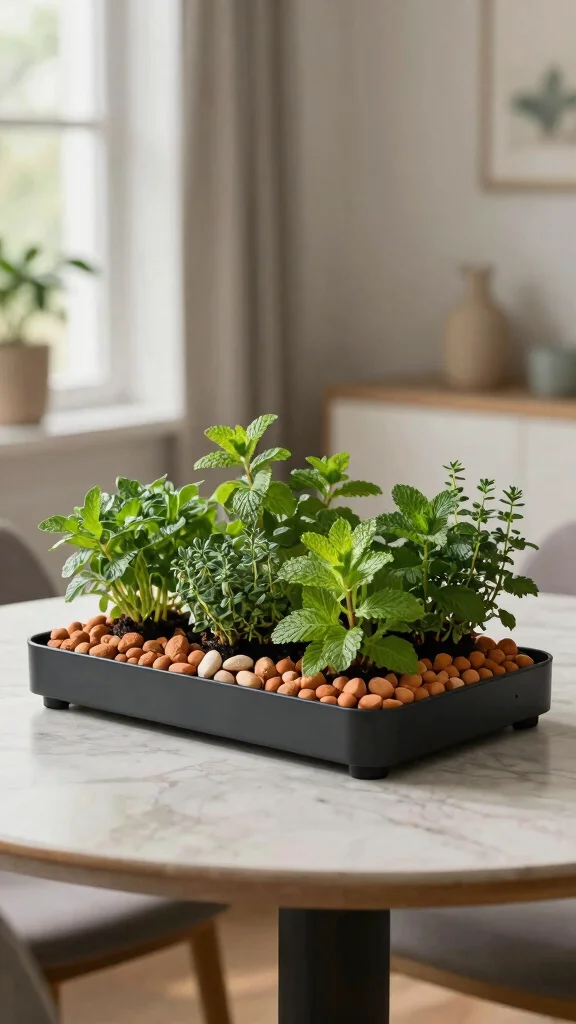
Do you want to bring a touch of greenery to your living space? A tabletop NFT hydroponic garden can sit elegantly on your dining or coffee table. This stylish setup allows you to grow an array of herbs just within arm’s reach, using a shallow tray filled with clay pebbles to support your plants while the nutrient solution flows through.
Consider using aromatic herbs like mint and thyme to enhance the atmosphere of your home. You can customize the tray’s design with colorful pebbles to match your decor. This system encourages daily interaction with your plants, making gardening a delightful experience.
Key benefits of this setup:
– Grow aromatic herbs for a delightful fragrance.
– Choose colorful pebbles for a personal touch.
– Keep compact size for easy placement anywhere.
Enjoy the charm and freshness of herbs while adding elegance to your home.
Tabletop NFT Hydroponic Garden
Editor’s Choice

Legigo 10 LB Organic Leca Clay Pebbles for Plants, 4mm-16mm 100% Natural…

Ahopegarden Indoor Garden Hydroponics Growing System: 10 Pods Plant Germ…

VIPARSPECTRA P700 Grow Light, 70 Watt Dimmable Full Spectrum Plant Light…
3. Multi-Tiered Hydroponic Shelf
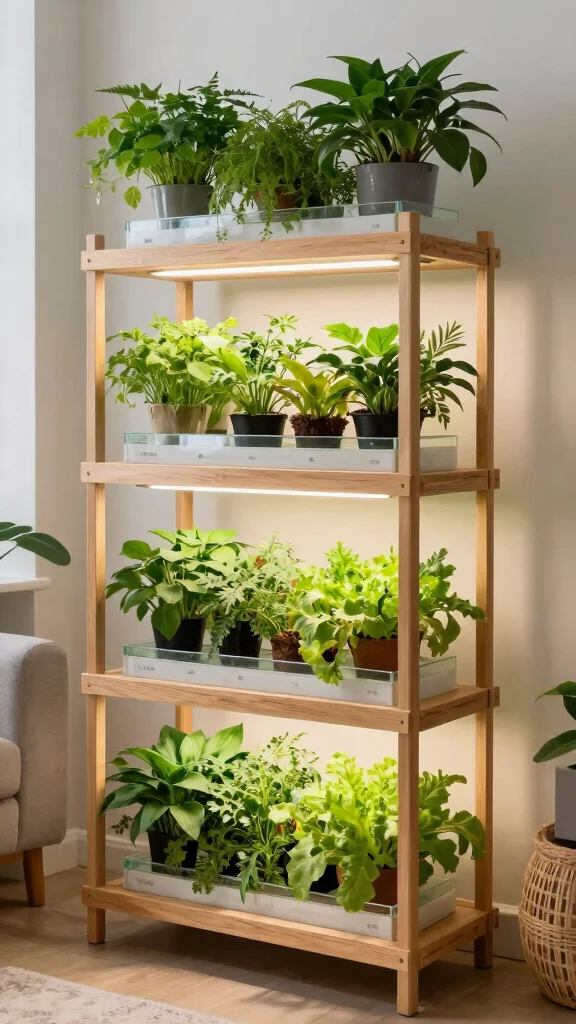
Looking for a way to display your plants beautifully? A multi-tiered hydroponic shelf is an excellent choice to create an organized garden in limited space. This system uses wooden or metal shelves to hold multiple plants, each tier equipped with its own water reservoir for seamless irrigation.
Arrange your plants by height to ensure they receive adequate light exposure. You can even incorporate decorative pots for added visual interest. This setup not only maximizes space but also creates a stunning focal point in any room.
Key features to enhance your garden:
– Use sturdy wooden or metal shelves for durability.
– Arrange plants by height for optimal light access.
– Add decorative pots to enhance aesthetics.
This multi-tiered shelf will transform your space into a lively indoor garden, showcasing your plants with style.
Multi-Tiered Hydroponic Shelf
Editor’s Choice

Plant shelf with grow light, 5-Tier metal Plant Stand with 4-Pack 72W Fu…
GooingTop LED Grow Light,6000K Full Spectrum Clip Plant Growing Lamp wit…
4. DIY Window Hydroponic Planter

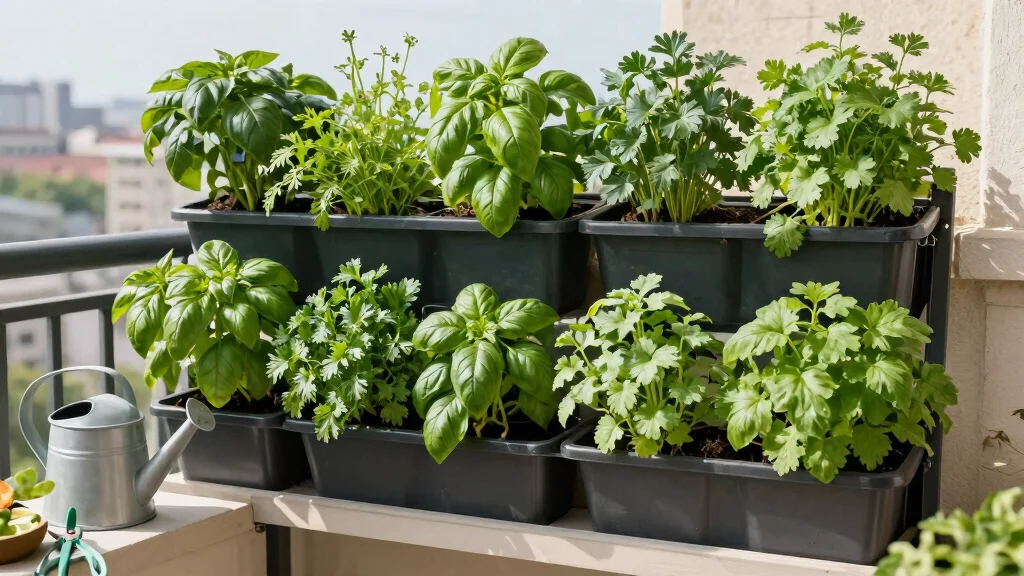
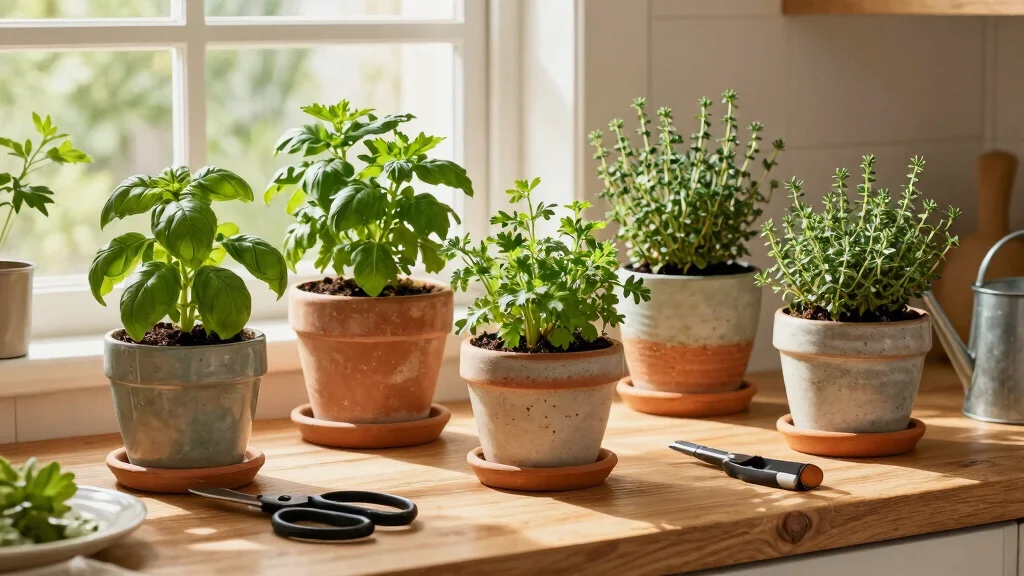
Want to utilize your window space for gardening? A DIY hydroponic planter fits perfectly into your window frame, allowing plants to thrive in natural sunlight. You can create this system using simple materials like PVC pipes or wooden boxes, designed to facilitate water flow while capturing excess moisture.
Fast-growing herbs like chives or parsley are excellent choices for this setup, thriving in sunny spots. Make sure the planter is securely mounted to avoid any mishaps and has proper drainage to protect your window sill.
Key benefits of this approach:
– Harness natural sunlight to grow healthy plants.
– Ideal for small kitchens or apartments with limited space.
– Enjoy a green view from your window.
Creating a window planter beautifully merges gardening with home decor, providing both functionality and aesthetic appeal.
You might also like
DIY Window Hydroponic Planter
Editor’s Choice

Hydroponics Growing System Kit 36 Plant Sites Food-Grade PVC-U Pipes Hyd…
GooingTop LED Grow Light,6000K Full Spectrum Clip Plant Growing Lamp wit…
Liquid Plant Food for use in AeroGarden, IDOO and Hydroponic Growing Sys…
5. Hydroponic Gutter Garden

Do you want to get creative with your gardening? Using rain gutters as a hydroponic system is an innovative way to recycle materials while cultivating a vibrant garden. This setup can be hung in any bright area, making it perfect for smaller homes or apartments. The gutters act as channels for water and nutrients, while plants grow in net pots suspended above.
Customize the gutter setup to fit your space, whether indoors or outdoors. You can grow long, leafy vegetables like spinach and kale that thrive in this environment.
Key aspects to consider:
– Use rain gutters for an eco-friendly solution.
– Hang at varying heights for added visual interest.
– Grow long vegetables like spinach for a bountiful harvest.
This hydroponic gutter garden turns any wall into a lush spectacle, combining sustainability with fresh produce.
Did you know a simple rain gutter can host a thriving diy nft hydroponic system in a compact space? Hang leafy greens and herbs in a sunny corner—space-saving, productive, and surprisingly affordable.
📹 Related Video: Nutrient Film Technique (NFT) Hydroponics System Tutorial
Difficulty Rating & Requirements
Overall Difficulty Rating: Medium
Building a DIY NFT hydroponic system can be moderately challenging. It requires some basic knowledge of gardening and plumbing, but it’s doable for most urban gardeners. This project is well-suited for those who have a bit of hands-on experience or are willing to learn along the way. If you enjoy working with your hands and have a passion for sustainable gardening, this project could be a rewarding experience for you.
Time Estimate:
⏱ Estimated time: 5-10 hours, depending on the complexity of your chosen design.
– Design Planning: 1-2 hours for choosing a system and gathering materials.
– Construction Phase: 3-6 hours for assembly and installation.
– Initial Setup: 1-2 hours for planting and system testing.
Skill Requirements:
– Required skills: Basic plumbing, electrical knowledge (if using LED lights), and plant care knowledge.
– Beginner-friendly: Yes, with some guidance. You can learn the necessary skills through tutorials and trial-and-error.
– Skills that can be learned include system assembly and basic plant care. Some tasks may require prior experience, but most can be picked up quickly.
Tools & Materials Needed:
🧰 Essential items checklist:
– PVC pipes: Required for the NFT channels.
– Water pump: Required for circulating nutrient solution.
– Reservoir container: Required for holding the nutrient solution.
– Net pots: Required for holding your plants.
– Growing medium (e.g., clay pellets): Required for stabilizing plants.
– Tubing: Required for connecting the water pump to the NFT channels.
– pH testing kit: Optional for monitoring nutrient solution health.
– LED grow lights: Optional for enhancing growth if natural light is limited.
Step-by-Step Overview:
1. Design Planning (1-2 hours): Spend time researching different NFT systems. Choose one that fits your space and skills.
2. Gather Materials (1 hour): Collect all tools and materials needed for the build. Double-check your list to avoid last-minute runs.
3. Construction Phase (3-6 hours): Follow your design to cut and assemble the NFT channels, install the pump, and connect the tubing. Don’t rush; ensure everything is secured properly.
4. Initial Setup (1-2 hours): Fill the reservoir with nutrient solution and test the pump. Make necessary adjustments before planting to ensure everything is functioning correctly.
5. Planting (1 hour): Place seedlings in net pots and fill with growing medium. Set them in the NFT channels and monitor the system for the first few days.
Professional vs DIY:
Professional Setup: Hiring a service for a fully installed hydroponic system can cost anywhere from $500 to $2,000, depending on the size and complexity.
DIY Cost: A homemade NFT hydroponic system can be set up for around $100 to $300, depending on the materials used and designs chosen.
If you’re on a budget and enjoy DIY projects, creating your own NFT hydroponic system is a fantastic way to save money while cultivating your urban garden. However, if you prefer a hassle-free approach or lack time, hiring a professional might be the better choice.
Hydroponic Gutter Garden
Editor’s Choice

2 inch Net Cups Pots 30 Pack with 30 feet Self Watering Wick & 30 Plant …

Rain Bird LNDDRIPKIT Drip Irrigation Landscape/Garden Watering Kit with …
Liquid Plant Food for use in AeroGarden, IDOO and Hydroponic Growing Sys…
6. Simple Hydroponic Bucket System
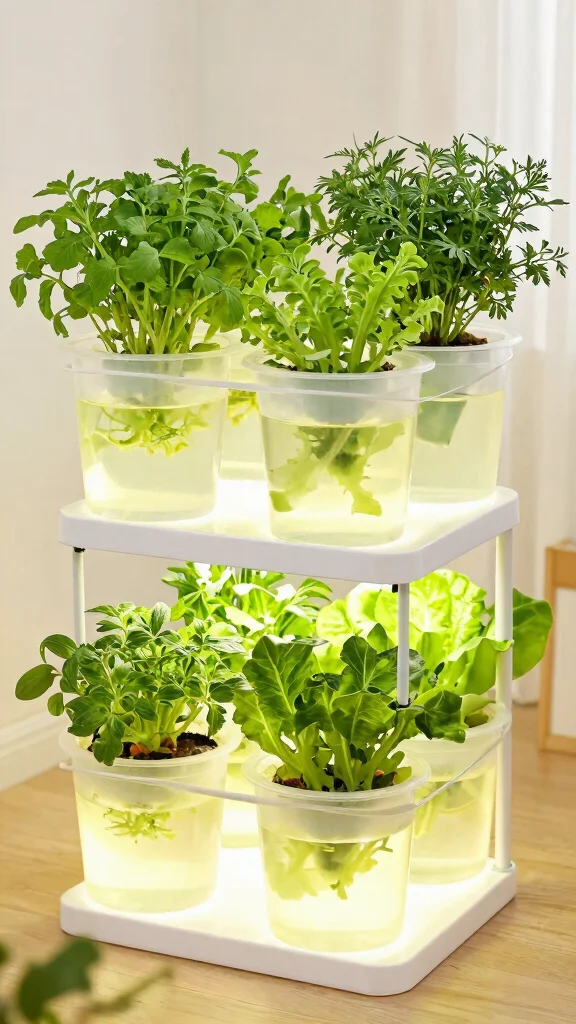
Are you looking for a straightforward way to start hydroponic gardening? The bucket system is a simple yet effective DIY hydroponic method. Using 5-gallon buckets, each holds a plant and provides a reservoir for nutrients. This setup is perfect for beginners who want to enjoy fresh produce without complex maintenance.
Ensure you use high-quality net pots for efficient drainage. Adding a small air pump can also increase oxygenation in the nutrient solution, promoting healthier growth.
Key benefits to this system:
– Easy-to-assemble design for beginners.
– Grow diverse plant types, from herbs to veggies.
– Minimal space needed with optimal growing conditions.
The hydroponic bucket system makes it easy to cultivate a variety of plants, perfect for those starting their indoor gardening journey.
Fun fact: A simple diy nft hydroponic system using 5-gallon buckets can yield fresh greens in a tiny apartment. With a quality net pot and a small air pump, maintenance stays minimal and growth stays healthy.
Simple Hydroponic Bucket System
Editor’s Choice

Uniclife Aquarium Air Pump Dual Outlet Fish Tank Aerator with Accessorie…

United Solutions 5-Gallon Heavy-Duty Buckets with Snap-On Lids, 6-Pack �…
2 inch Net Cups Pots 30 Pack with 30 feet Self Watering Wick & 30 Plant …
7. Hydroponic Wine Crate Garden

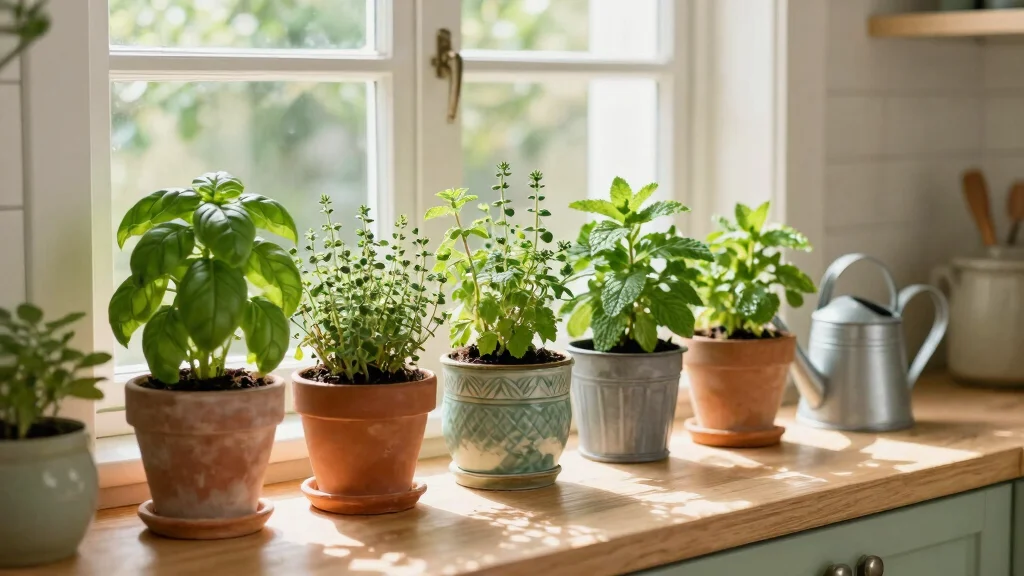
Are you interested in a unique way to garden? Repurposing old wine crates into a hydroponic garden is both charming and eco-friendly. This rustic setup not only adds character to your indoor garden but also provides ample space for several plants. Fitting the crates with a simple NFT system allows for efficient water flow while maintaining a natural aesthetic.
You can stain or paint the crates to match your decor style. Consider growing trailing plants like strawberries or herbs that cascade over the sides for a beautiful effect.
Key advantages of this idea:
– Adds vintage charm to your indoor space.
– Utilizes recycled materials for sustainability.
– Offers excellent drainage for various plants.
Transforming wine crates into hydroponic systems showcases your creativity while cultivating a delightful indoor garden.
❝ Fun fact: repurposing wine crates into a diy nft hydroponic system creates a thriving herb bed in just a few square feet. It uses significantly less water than traditional soil gardening, and you get a rustic centerpiece you can stain to match your decor!
You Might Also Like

Hydroponic Wine Crate Garden
Editor’s Choice

NFT Hydroponics Growing System,36 Pods Wall-Mounted Indoor Garden,Fu…
GooingTop LED Grow Light,6000K Full Spectrum Clip Plant Growing Lamp wit…
Liquid Plant Food for use in AeroGarden, IDOO and Hydroponic Growing Sys…
8. LED Hydroponic System
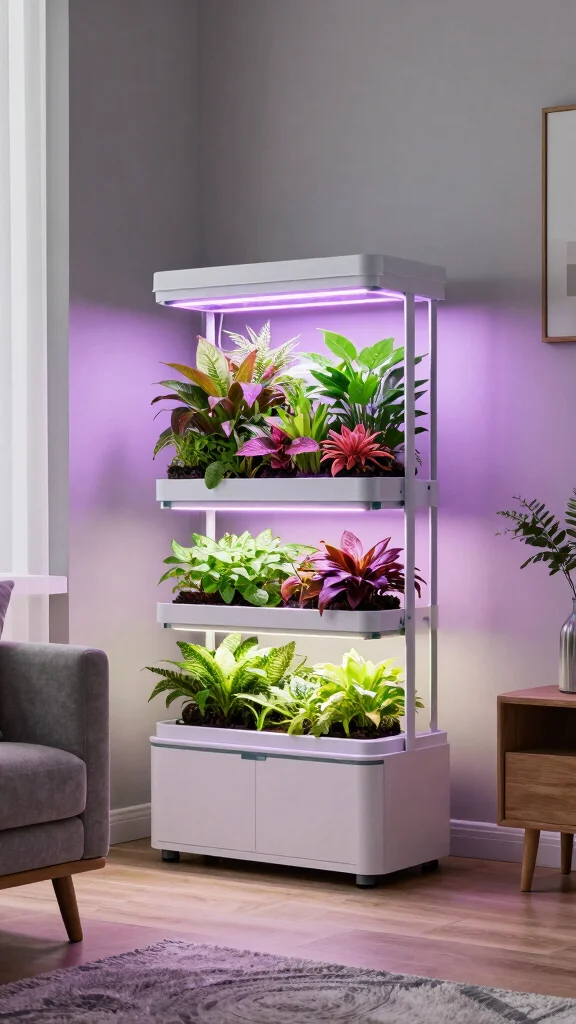
Want to merge technology with your gardening hobby? An LED hydroponic system is the way to go. These setups use energy-efficient LED lights to promote rapid plant growth while ensuring vibrant, healthy plants. You can customize this system to fit small spaces, providing a modern flair to your indoor gardening experience.
Create a compact stand with adjustable heights to fit neatly into corners. Choosing color-changing LED lights can also enhance both aesthetics and plant growth.
Key features to consider:
– Optimal light conditions for year-round growth.
– Energy-efficient design saves on electricity bills.
– Versatile design fits into any corner of your home.
Creating a DIY LED hydroponic system allows you to enjoy fresh produce while adding a contemporary touch to your living space.
LED Hydroponic System
Editor’s Choice
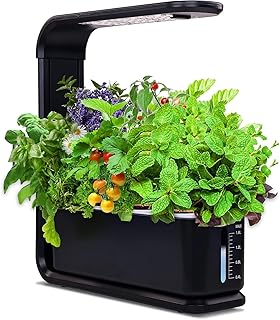
Elevon Hydroponic Growing System, 12-Pod Indoor Garden with LED Grow Lig…

SANSI LED Grow Light Bulb for Seeds and Greens, Full Spectrum 10W Grow L…
GooingTop LED Grow Light,6000K Full Spectrum Clip Plant Growing Lamp wit…
Conclusion
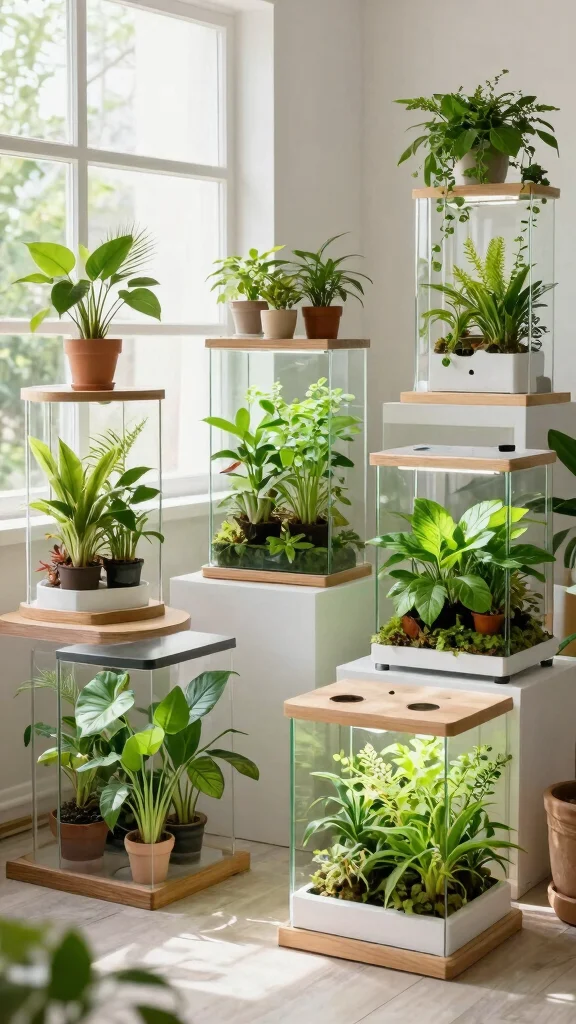
Crafting a DIY NFT hydroponic system can transform your indoor space into a lush, productive garden, even in the smallest of areas. With these eight creative ideas, anyone can cultivate fresh herbs and vegetables right at home, effortlessly combining sustainability with style.
From vertical setups to repurposed materials, the options are endless, allowing for personal creativity in your gardening journey. Dive into the urban gardening trend and experience the joy of growing your own food, regardless of your living situation.
Note: We aim to provide accurate product links, but some may occasionally expire or become unavailable. If this happens, please search directly on Amazon for the product or a suitable alternative.
This post contains Amazon affiliate links, meaning we may earn a small commission if you purchase through our links, at no extra cost to you.
Frequently Asked Questions
What is a DIY NFT hydroponic system and why is it ideal for small-space gardening?
A DIY NFT hydroponic system (Nutrient Film Technique) circulates a thin film of nutrient solution through shallow channels, letting roots hang in a moving stream of nutrition with minimal growing medium. For urban spaces, NFT is space-saving because you can mount or stack channels along walls or on shelves, using vertical footprint rather than a bulky bed. To start: plan your layout, choose a channel width (2-4 inches works well for leafy greens), pick a small submersible pump and timer, connect tubing to a reservoir, and set up a simple return loop. Mix a balanced nutrient solution and keep the pH around 5.5-6.5. Regular checks and a clean reservoir prevent clogs and algae. Pro tip: start with fast-growing greens and herbs for quick wins in space-saving gardening and hydroponic growing techniques.
Which crops work best with a DIY NFT hydroponic system in urban spaces?
Leafy greens top the list for hydroponic gardening beginners: romaine, bibb lettuce, spinach, kale, arugula. Herbs like basil, cilantro, and parsley also perform exceptionally well. For small fruiting crops, choose cherry tomatoes or cucumbers if your setup can support fruit weight and longer cycles. Tips: space plants about 6-8 inches apart in NFT channels, keep the nutrient solution warm but not hot, maintain a pH of 5.5-6.5 and an EC of roughly 1.0-2.0, and harvest frequently to keep the film flowing and roots oxygenated. This keeps your indoor gardening systems productive and satisfying.
How can I maximize space with an NFT hydroponic system for space-saving gardening?
Go vertical: mount NFT channels on a rack or wall, add a compact reservoir underneath, and run tubing with a simple pump and timer. Use multi-tier racks or DIY gutter channels to fit more plants in the same footprint. Pair with slim LED grow lights that hang above each level; use reflective panels to boost light efficiency. Keep cables tidy with zip ties and labels, and plan for proper airflow to prevent mold in tight spaces. This approach makes the most of space-saving gardening in small apartments while staying aligned with sustainable gardening and indoor gardening systems principles.
What maintenance and troubleshooting tips keep a DIY NFT hydroponic system running smoothly?
Set a daily quick check: is the pump running, are there leaks, is the reservoir at the right level. Weekly: test pH (target 5.5-6.5) and EC, top up nutrients, and inspect hoses for wear. Monthly: flush and clean NFT channels to remove algae and mineral buildup, rinse roots if needed, and sanitize the reservoir. Keep the reservoir cooler to prevent root issues; use a timer to ensure consistent circulation. Have a spare pump and extra tubing handy. And always follow electrical safety with a GFCI outlet and keep work areas dry.
Is a DIY NFT hydroponic system cost-effective and beginner-friendly for sustainable gardening?
Absolutely, a DIY NFT hydroponic system is often cheaper to start than a full commercial setup, with a basic 2-4 channel system running well under $100-$200 depending on materials. Reusing gutters, PVC, or shelving can cut costs while keeping things sturdy for space-saving gardening. Ongoing costs include a small amount of nutrients and electricity for a compact LED light, but you save water with a recirculating loop, aligning with sustainable gardening. Start small, then scale up as you gain confidence. A key step is to plan a budget and components list before buying so you stay aligned with hydroponic growing techniques.
Related Topics
diy nft hydroponic system
hydroponic gardening
space-saving gardening
indoor gardening systems
sustainable gardening
urban gardening
small space solutions
beginner friendly
easy hydroponics
vertical gardening
eco-friendly gardening
container gardening