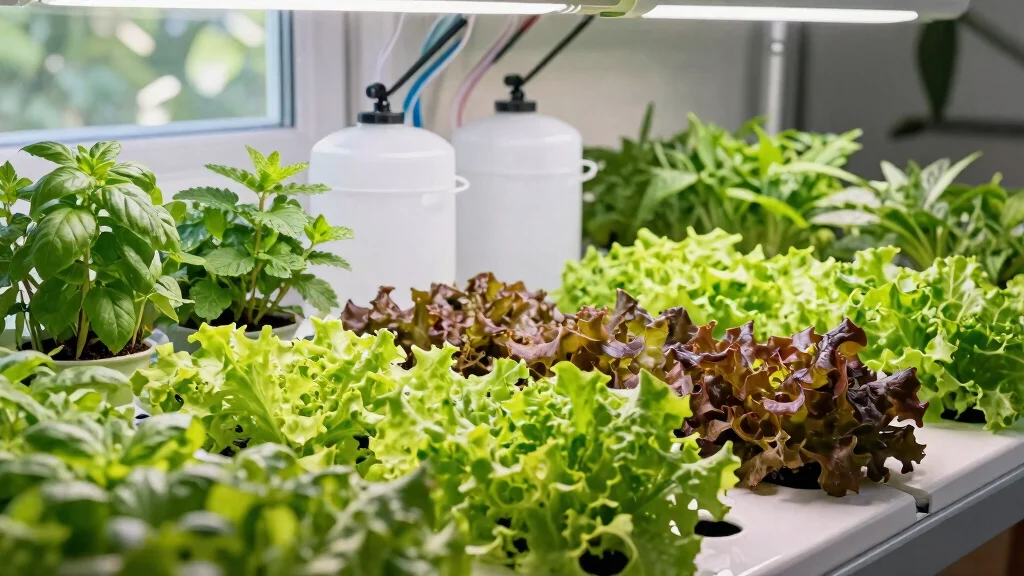
Are you curious about hydroponics? You’re not alone! Many people are turning to this fascinating method of indoor gardening to grow plants without soil. This post was created because I want to share the wonders of hydroponics with you. Maybe you’ve been dreaming of a small indoor garden but felt unsure about how to start. The world of soil-free growing is intriguing, and understanding its basics can unleash your green thumb!
If you’re a first-time grower or simply someone who loves indoor gardening, this guide is just for you. You’ll discover how hydroponic systems work and why they’re perfect for small spaces. Whether you’re looking for beginner gardening tips or want to learn about nutrient solutions, you’ll find valuable insights here. I’ve gathered essential information that’s easy to understand and practical, helping you take those first steps toward your new garden adventure.
Get ready to dive into the basics of hydroponics! From choosing the right system to managing light for success, you’ll learn how to cultivate a thriving indoor garden. This guide is packed with straightforward explanations and actionable tips that will help you grow healthy plants in no time. Let’s get started on this exciting journey into the world of hydroponics!
Key Takeaways
– Understanding Hydroponics: Learn the basic principles of how hydroponics work and the advantages of growing plants without soil.
– Essential Nutrient Solutions: Discover what nutrient solutions are needed for healthy plant growth in a hydroponic system.
– Choosing the Right Hydroponic System: Explore different types of hydroponic systems and find out which one suits your space and plants best.
– Ideal Plants for First-Time Growers: Get recommendations on which plants are easy to grow and perfect for beginners in hydroponics.
– Managing Light for Hydroponic Success: Understand the importance of light and how to provide the right conditions for your indoor plants to thrive.
1. Understanding Hydroponics: The Basics
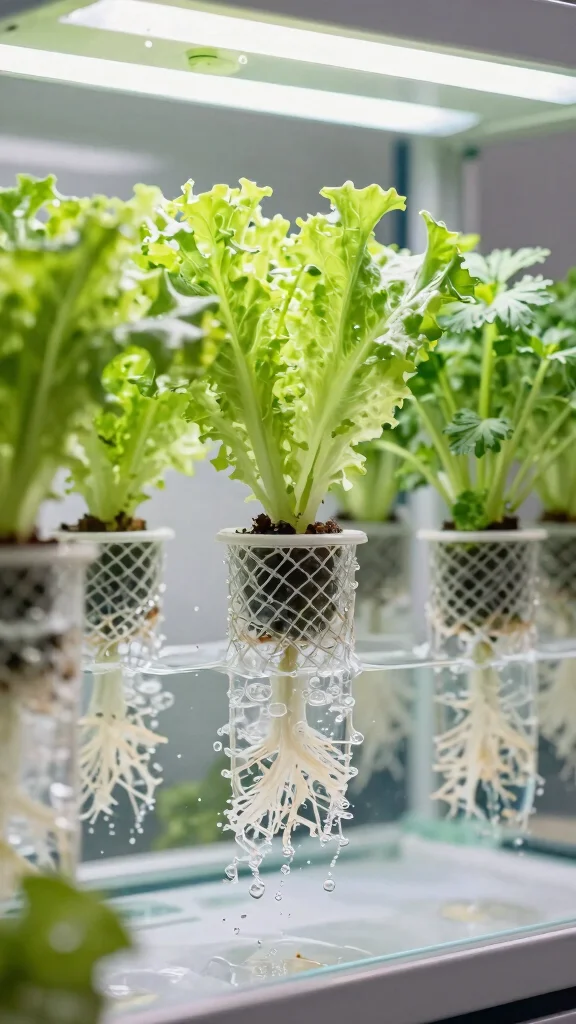
Hydroponics offers an exciting way to grow plants without the need for soil. This method uses nutrient-rich water to nourish plants directly, leading to quicker growth and more robust yields. You can enjoy a cleaner gardening experience, free from the pests and diseases often associated with traditional soil gardening. Whether you’re interested in vibrant greens or aromatic herbs, hydroponics can be your gateway to successful gardening.To get started, explore various hydroponic systems like Deep Water Culture (DWC) or Nutrient Film Technique (NFT). DWC is user-friendly for beginners, while NFT involves a continuous flow of nutrients that keeps roots healthy and nourished. Learning about these systems will help you find the best fit for your gardening goals.Key Takeaways:– Hydroponics replaces soil with nutrient-rich water.
– Different hydroponic systems offer unique advantages.
– Essential components include water, nutrients, and oxygen.
Understanding Hydroponics: The Basics
Editor’s Choice

VIVOSUN DWC Hydroponics Grow System with Top Drip Kit, 5-Gallon Deep Wat…


VIVOSUN Liquid Nutrients Base A & B Bundle, Grow Big Hydroponic Fertiliz…

GooingTop LED Grow Light,6000K Full Spectrum Clip Plant Growing Lamp wit…
2. Essential Nutrient Solutions for Hydroponics
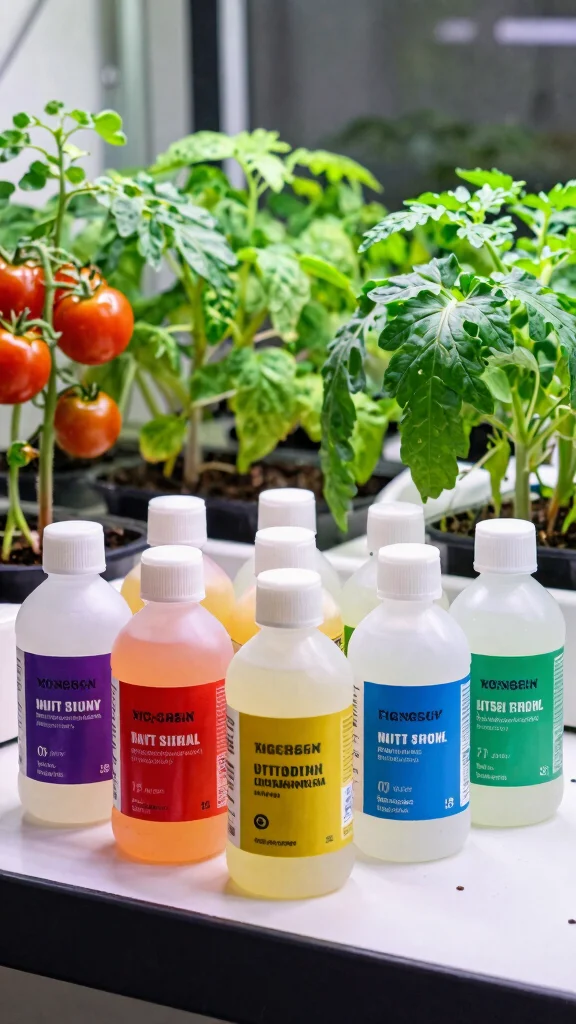
In hydroponics, the right nutrient solution is key for healthy plant growth. These solutions contain a mix of water and essential minerals tailored to meet each plant’s needs. The beauty of hydroponics lies in your ability to customize these solutions for maximum effectiveness, ensuring plants receive everything they need to thrive.Common nutrients include nitrogen, phosphorus, potassium, calcium, and magnesium, along with trace minerals. Keep an eye on pH levels, usually between 5.5 and 6.5, to ensure plants can absorb nutrients effectively. Regular monitoring will set you up for a successful hydroponic experience.Beginner Gardening Tips:– Use pre-mixed nutrient solutions made for hydroponics.
– Regularly check pH levels for better nutrient absorption.
– Watch for deficiency signs like yellow leaves or slow growth.Understanding nutrient balance will empower you to nurture your plants effectively.
📹 Related Video: Hydroponic Nutrients EXPLAINED | Beginners Guide to 1, 2, and 3 part solutions, Organic Vs Synthetic
Essential Nutrient Solutions for Hydroponics
Editor’s Choice

Advanced Nutrients Grow Micro Bloom pH Perfect Bundle Set Combo Base Nut…

General Hydroponics Flora Series: FloraMicro, FloraBloom, FloraGro – 3-P…

Liquid Plant Food for use in AeroGarden, IDOO and Hydroponic Growing Sys…
3. Choosing the Right Hydroponic System
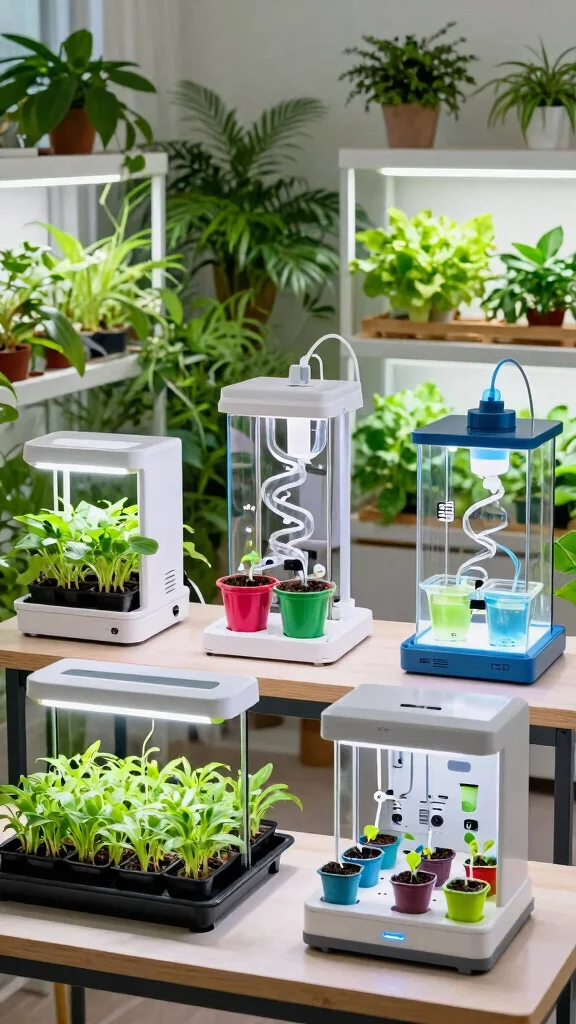
Selecting the perfect hydroponic system can feel daunting, but it’s all about matching it to your space and lifestyle. Popular systems include Deep Water Culture, Ebb and Flow, and Wick systems, each offering distinct benefits. Consider what will work best for your gardening style and available space.For limited areas, a Wick system is ideal due to its simplicity and low maintenance. If you want a more hands-on experience, Ebb and Flow systems can provide impressive yields by flooding and draining the grow bed. Choosing the right system is crucial for your gardening success.Questions to Consider:– Assess your available space for a system.
– Determine how much time you can commit.
– Decide which plants you want to grow.With clear answers to these questions, you can confidently select the hydroponic system that suits your needs.
Fun fact: There are three common hydroponic systems—Wick, Deep Water Culture, and Ebb and Flow—each suited to different spaces. For tiny areas, Wick wins with low maintenance and simple setup. How does hydroponics work? It keeps plants fed with a simple water solution.
Choosing the Right Hydroponic System
Editor’s Choice

RooTrimmer 5-Tier Hydroponics Growing System, Plant Stand, Ebb and Flow …

Hydroponics for Beginners: Simple Systems, Proven Setups, 21-Day Plan fo…

49.2 feet 1/6 Inch Bright White Self Watering Wick Cord Automatic Wateri…
4. Ideal Plants for First-Time Hydroponic Growers
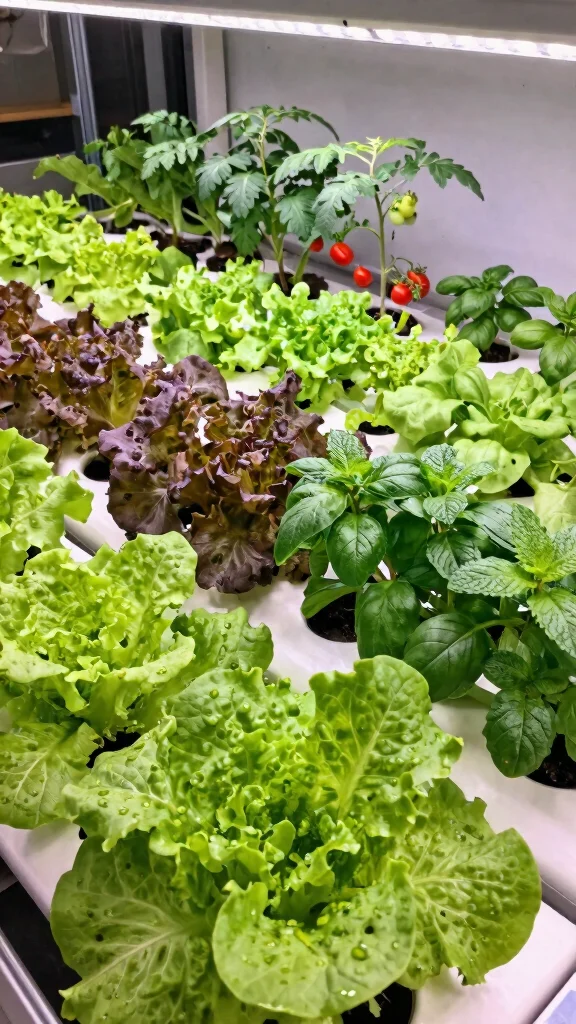
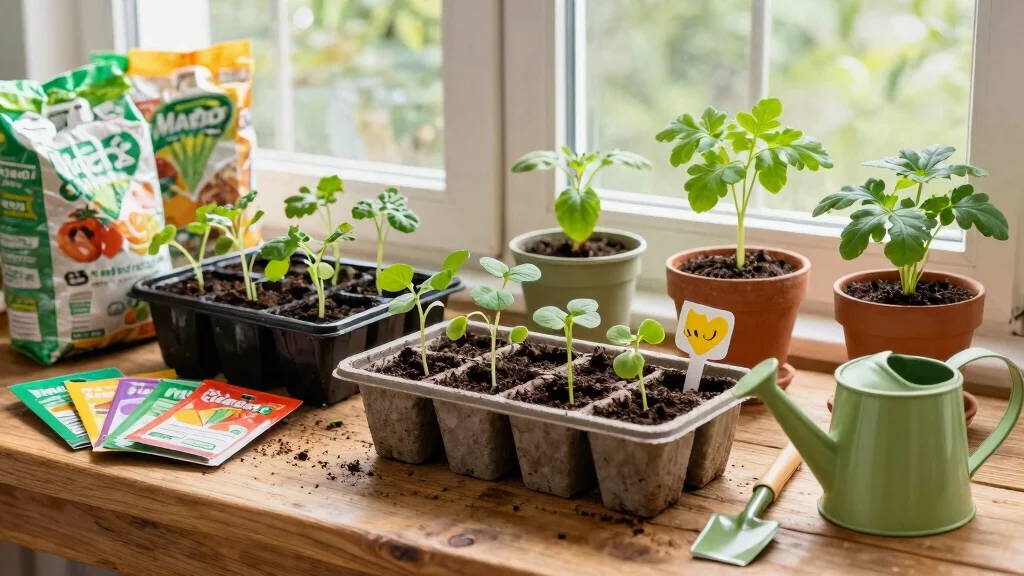
Embarking on your hydroponic journey is thrilling, especially when choosing the best plants. Some varieties are particularly easy for beginners, making them perfect for your first garden. Leafy greens like lettuce, spinach, and kale are fantastic options due to their quick growth cycles and adaptability to hydroponic systems.Herbs such as basil, mint, and cilantro are also excellent choices, offering rapid growth and frequent harvests. For a splash of color, consider strawberries or cherry tomatoes, which can do well with the right care. Selecting the right plants will make your hydroponic experience enjoyable and rewarding.Beginner Gardening Tips:– Start with fast-growing plants to gain confidence.
– Ensure proper lighting for optimal growth.
– Pay attention to the specific needs of each plant.With a solid plant selection, your hydroponic garden will flourish, providing fresh produce in no time.
Fun fact: Leafy greens like lettuce, spinach, and kale grow quickly in hydroponics. When you ask how does hydroponics work, these fast cycles can deliver a harvest in as little as two weeks. Perfect for first-time growers.
You might also like

Ideal Plants for First-Time Hydroponic Growers
Editor’s Choice
GooingTop LED Grow Light,6000K Full Spectrum Clip Plant Growing Lamp wit…

URUQ Hydroponics Growing System Garden: 8 Pods Indoor Herb Garden with G…
Liquid Plant Food for use in AeroGarden, IDOO and Hydroponic Growing Sys…
5. Managing Light for Hydroponic Success
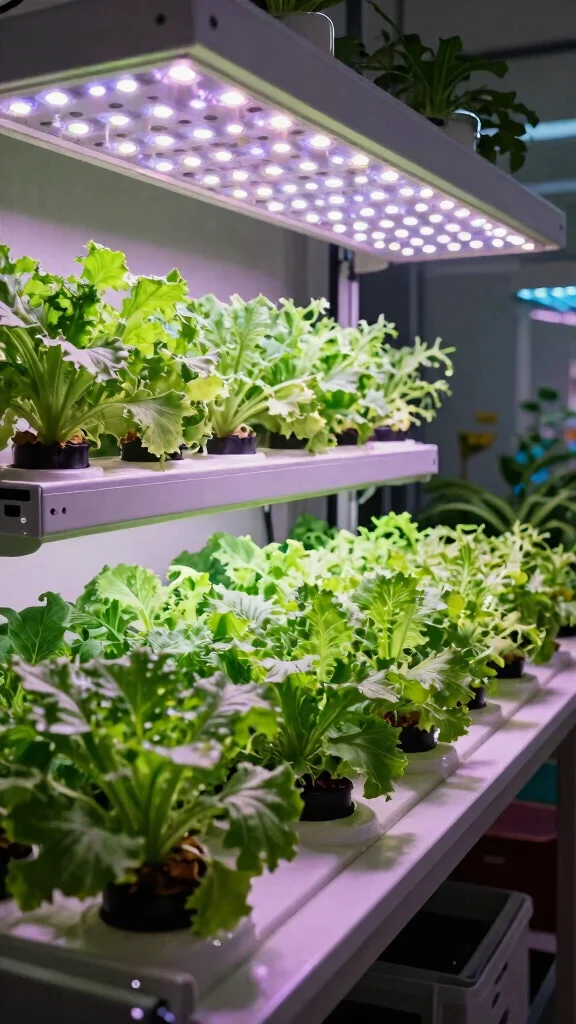
Proper lighting is essential for a thriving hydroponic garden. Most indoor spaces lack sufficient natural light, so providing artificial light that mimics the sun is crucial. There are various grow lights available, including LED, fluorescent, and HID lights, each offering unique benefits.LED lights are favored by many indoor gardeners because they are energy-efficient and have a long lifespan. They generate less heat, making it easier to maintain the right temperature. Aim for 12 to 16 hours of light daily, depending on the plants you are growing, to ensure healthy development.Tips for Managing Light:– Position grow lights 12 to 24 inches above your plants.
– Rotate plants for even light exposure.
– Use a timer to keep a consistent light schedule.By mastering light management, you’ll elevate your hydroponic gardening to new levels of success.
Fun fact: LED grow lights use up to 40-60% less energy than traditional HID setups, while still boosting yields in hydroponics. For best results, run 12 to 16 hours of light daily to mimic the sun and keep temps steady.
Managing Light for Hydroponic Success
Editor’s Choice
GooingTop LED Grow Light,6000K Full Spectrum Clip Plant Growing Lamp wit…
Hydrofarm FLT5264 2′ 24 Watt T5 Replacement Bulbs

VIPARSPECTRA P700 Grow Light, 70 Watt Dimmable Full Spectrum Plant Light…
6. Common Challenges in Hydroponic Gardening
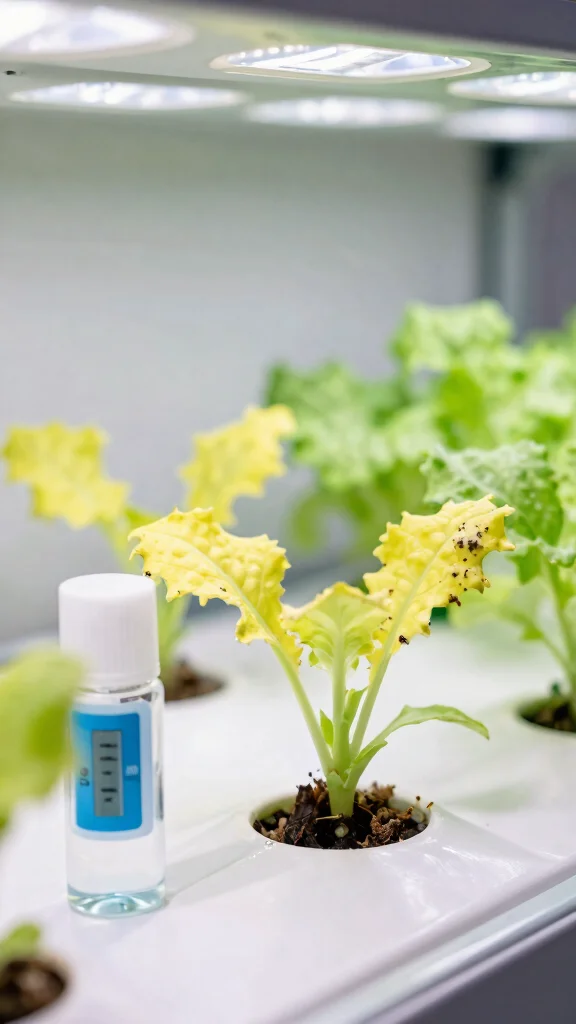
Like any gardening approach, hydroponics presents its own set of challenges. As a beginner, being aware of potential issues can help you navigate them successfully. One common problem is keeping pH and nutrient levels stable, as fluctuations can cause deficiencies or toxicities in plants.Pest control is another challenge in indoor setups. While hydroponics can minimize soil-related pests, you still need to monitor for potential issues. Good hygiene and regular checks in your growing area can help keep problems at bay.Tips to Overcome Challenges:– Regularly test pH and nutrient levels.
– Keep your system clean to prevent algae and pests.
– Stay informed about common plant diseases and treatments.By being vigilant and proactive, you can enjoy a successful hydroponic gardening adventure.
You Might Also Like

Common Challenges in Hydroponic Gardening
Editor’s Choice
Liquid Plant Food for use in AeroGarden, IDOO and Hydroponic Growing Sys…

Mighty Mint Gallon (128 oz) Insect and Pest Repellent Peppermint Oil – N…
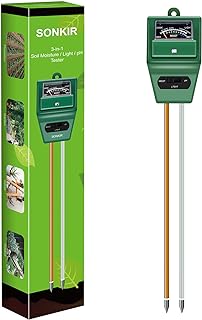
SONKIR Soil pH Meter, MS02 3-in-1 Soil Moisture/Light/pH Tester Gardenin…
7. Harvesting and Enjoying Your Hydroponic Garden

There’s a special joy in harvesting your own home-grown plants. Hydroponics often allows for quicker yields than traditional gardening. Leafy greens can be ready just weeks after planting, while herbs can be snipped for fresh seasoning right away.When harvesting, always use clean tools to protect your plants from disease. Cut above the growing points to encourage regrowth, allowing for multiple harvests. For fruits like cherry tomatoes, gently twist to remove them without damaging the plant.Tips for Enjoying Your Harvest:– Use fresh herbs in your cooking for enhanced flavor.
– Share your produce with friends and family for a joyful experience.
– Try new recipes that highlight your fresh ingredients!Harvesting your crops is one of the most fulfilling aspects of hydroponic gardening, motivating you to continue growing and exploring.
How Does Hydroponics Work?
Hydroponics is a method of growing plants without soil. Instead, it uses nutrient-rich water to provide everything plants need to thrive. This soil-free growing method allows you to grow indoors, making it ideal for small spaces. Let’s break down how hydroponics works in simple steps to help you get started.
1. Choose Your Hydroponic System
Different hydroponic systems work better for various types of plants. Some popular systems include Nutrient Film Technique (NFT), Deep Water Culture (DWC), and Ebb and Flow. Each system has its pros and cons depending on the space, plants, and your growing goals. For beginners, the DWC or Ebb and Flow systems are often recommended for their ease of use.
2. Prepare Your Nutrient Solution
Plants need the right nutrients to grow strong and healthy. In hydroponics, you mix water with a nutrient solution specifically designed for plants. This solution usually contains essential elements like nitrogen, phosphorus, potassium, calcium, and magnesium. Follow the instructions on the nutrient package to mix it properly. Make sure to adjust the pH to the right level (usually between 5.5 and 6.5) for optimal growth.
3. Set Up Your Growing Medium
Even though hydroponics doesn’t use soil, plants still need some support. You can use various growing mediums like clay pellets, rock wool, or coconut coir. These materials provide stability for the plants and help retain moisture. Choose a medium that suits your hydroponic system and the type of plants you will grow.
4. Provide Adequate Light
Plants need light to grow, and in an indoor hydroponic setup, this often means using grow lights. LED grow lights are popular because they use less energy and produce less heat. Position the lights about 12 to 24 inches above your plants, adjusting them as the plants grow. Aim for 12 to 16 hours of light each day for optimal results.
5. Monitor and Maintain
Once your system is set up, it’s essential to monitor the water level, nutrient concentration, and pH regularly. Make adjustments as needed to keep everything balanced. Check for pests and diseases too, as these can affect your plants quickly. Keeping a close eye on your hydroponic garden will help you catch any issues early.
6. Harvest and Enjoy!
After a few weeks to a few months, depending on the plants, it’s time to harvest! Cut your plants carefully, ensuring you don’t damage the roots if you plan to regrow them. Enjoy the fresh produce you’ve grown yourself, and feel proud of your new gardening skills.
Best for: This method is great for first-time growers looking to maximize their indoor gardening efforts in small spaces. You can grow a variety of herbs, leafy greens, and even some fruits with the right setup.
Pro Tip: Start with easy-to-grow plants like basil, lettuce, or spinach. They are forgiving and will give you a quick sense of accomplishment as a beginner!
Harvesting and Enjoying Your Hydroponic Garden
Editor’s Choice

LBW Grow Lights for Indoor Plants Full Spectrum with Stand,214 LEDs Stan…
Liquid Plant Food for use in AeroGarden, IDOO and Hydroponic Growing Sys…

12 Pcs Pollination Brush for Indoor Hydroponic Gardens, Pollinator Tool …
Conclusion
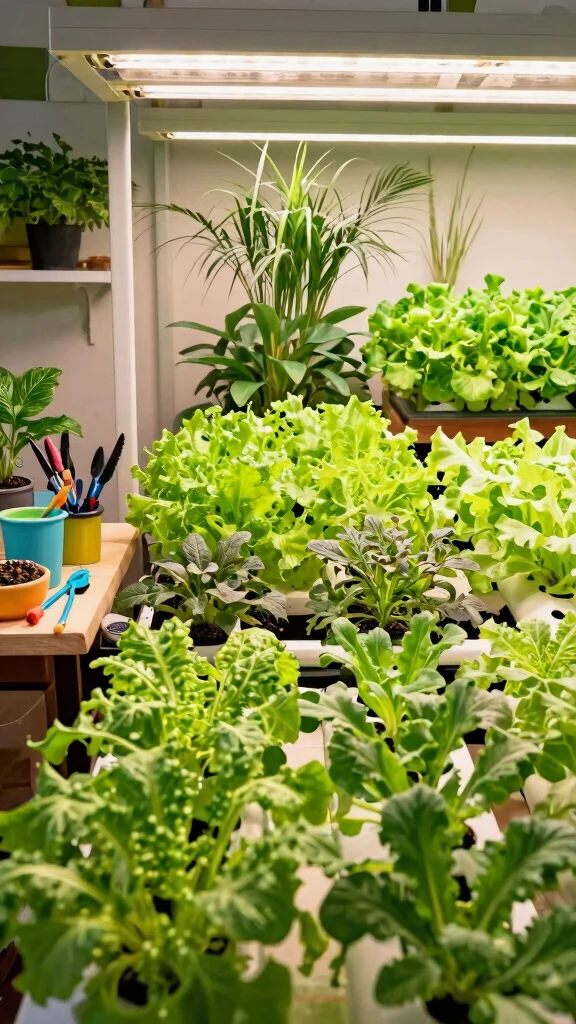
Embarking on your hydroponic gardening journey opens up a world of possibilities, from fresh herbs to colorful veggies, all grown right from the comfort of your home. Understanding the basics of how hydroponics work will empower you to create a thriving indoor garden, no matter the size. Remember, every gardener starts as a beginner, so take your time and enjoy the process!
As you gain confidence, you might find yourself experimenting with different plants and systems, leading to a rewarding and sustainable hobby. Happy growing, and may your hydroponic adventures be fruitful!
Note: We aim to provide accurate product links, but some may occasionally expire or become unavailable. If this happens, please search directly on Amazon for the product or a suitable alternative.
This post contains Amazon affiliate links, meaning we may earn a small commission if you purchase through our links, at no extra cost to you.
Frequently Asked Questions
How does hydroponics work for curious first-time growers?
Hydroponics is soil-free growing where plants get their nutrients from water instead of soil. In a simple setup, plant roots sit in a growing medium while a nutrient solution is circulated to feed them, and oxygen is delivered to keep roots healthy. So, how does hydroponics work in practice? Start with a beginner-friendly system like deep water culture or a wick setup, ensure good light, and monitor pH and nutrients regularly.
For a quick win, choose easy crops (lettuce, herbs, or spinach), keep the setup compact, and follow a simple feeding schedule. With a little practice, you’ll often see faster growth and cleaner harvests in indoor gardening than traditional soil when done right.
What are the most common hydroponic systems for small indoor spaces?
Great options for small spaces include hydroponic systems that fit a compact footprint. The most beginner-friendly choices are deep water culture (DWC) systems, compact wick setups, and vertical or tiered units. If you want more water efficiency, try a small drip system or nutrient film technique (NFT) in a narrow tray. For truly tiny spots, consider vertical towers or stackable modules. Start simple, budget-conscious, and expand as you learn.
Do I need soil for hydroponics, and what should I use instead?
One of the key benefits of soil-free growing is flexibility in indoor spaces. You don’t need soil at all—plants grow in a nutrient solution with an inert growing medium like coconut coir, perlite, clay pellets, or rock wool. Set up a proper growing tray, keep the medium moist but not waterlogged, and maintain good drainage. Pair your chosen medium with a clean reservoir and a timer for pumps or air stones so roots get oxygen as they drink in the nutrients.
What nutrient solutions do I need and how often should I feed plants?
Hydroponics runs on a balanced nutrient solution that supplies macronutrients (nitrogen, phosphorus, potassium) and micronutrients (iron, calcium, magnesium, trace elements). Start with a ready-to-use hydroponic formula and follow the label. Keep the solution pH around 5.5–6.5 and an EC or ppm target based on your crop. In most beginner setups, check and top up the reservoir daily or every other day, and do a full replacement every 1–2 weeks. Always adjust feeding to plant growth stage and avoid overfeeding to prevent root burn.
What are beginner-friendly tips to start indoor hydroponic gardening confidently?
Start with one or two easy crops like lettuce or basil to build confidence in indoor gardening. Use a simple, timer-based lighting setup and a ready-made nutrient solution to remove guesswork. Keep the pH and nutrient levels steady, monitor roots for color and smell, and keep your space clean to avoid pests. Write a quick growing log, and gradually scale up as you master the basics of soil-free growing.
Related Topics
hydroponics basics
indoor gardening
small space gardening
beginner hydroponics
soilless systems
nutrient solutions
urban gardening
easy gardening tips
home gardening
sustainable growing
container gardening
first time growers