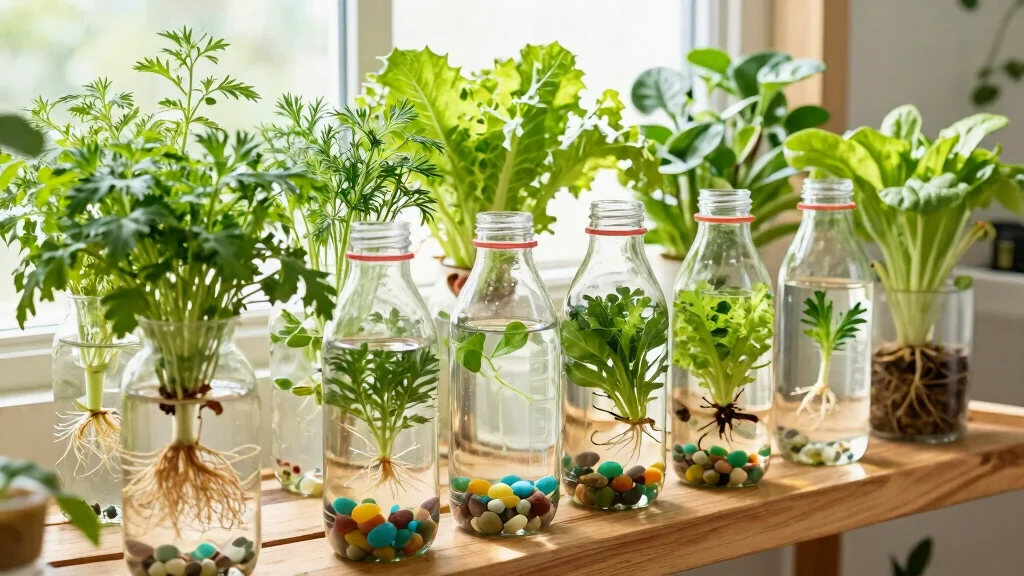
Growing your own plants can be a rewarding experience. If you’re eager to cultivate fresh herbs or vegetables but feel limited by space, then you’re in for a treat. Urban gardening has never been more accessible, especially with the creative concept of bottle hydroponics. In this post, I’m excited to share some innovative ideas that utilize recycled containers, turning old bottles into thriving gardens.
If you’re someone who loves to garden but struggles with limited outdoor space or wants to adopt more sustainable practices, this guide is just for you. We’ll dive into eight unique bottle hydroponics ideas that will spark your creativity and inspire you to repurpose those empty containers that might otherwise end up in the trash.
By the end of this article, you’ll have a variety of practical tips and DIY systems for growing fresh plants in a fun and eco-friendly way. Get ready to transform your home into a green haven that’s not just beautiful but also contributes to a sustainable lifestyle!
Key Takeaways
– Discover how to create a bottle hydroponic garden in various styles, making the most of limited space.
– Learn to use recycled containers effectively, promoting sustainable gardening practices while being eco-friendly.
– Get step-by-step instructions for popular setups like the vertical hydroponic garden and the indoor hydroponic system with fish.
– Find helpful hydroponic gardening tips that ensure your plants thrive despite potential challenges.
– Explore unique ideas like a decorative hydroponic display to add a touch of greenery to your home while growing fresh produce.
1. The Classic Bottle Planter
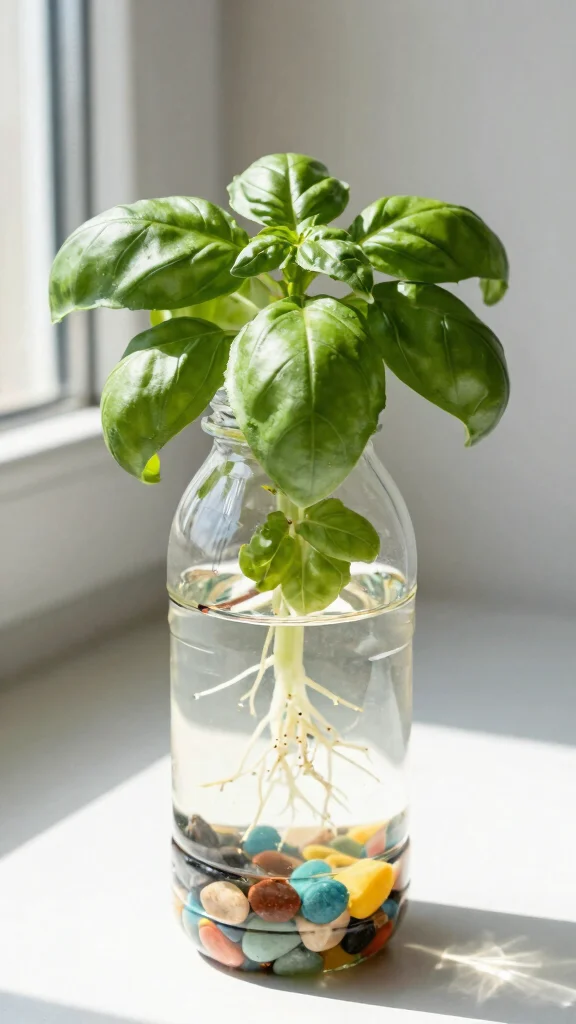
Looking for an easy way to dive into hydroponics? The Classic Bottle Planter is a fantastic entry point! Simply take a plastic bottle, cut it in half, and fill the bottom with water and nutrients. By placing the top half upside down, you allow plant roots to reach down into the nourishing solution below.
This method is perfect for growing herbs like basil, mint, or cilantro, which love to be in a moist environment. With a clear bottle, you can watch the roots develop, making it a fun learning experience for everyone. Plus, you can personalize your planter with paint or stickers, giving it a unique flair!
Key benefits of this setup:
– Inexpensive and easy to create
– Observe growth through transparent walls
– Minimal maintenance required
Embracing this method not only gives you homegrown herbs but also plays a part in reducing plastic waste. It’s a small step towards a greener lifestyle!
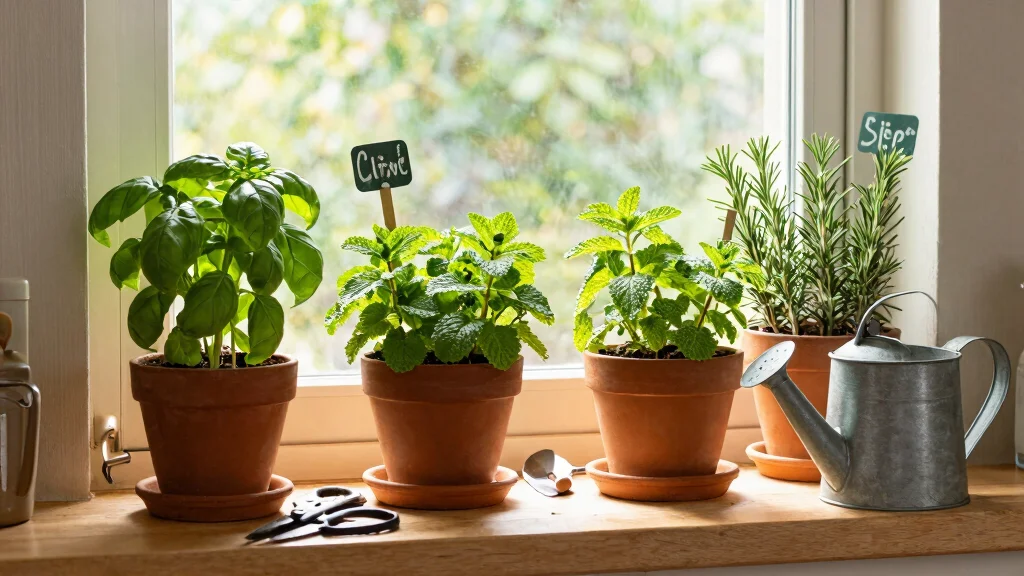
Starting with bottle hydroponics is a game changer for tiny spaces. Cut, upside-down, and watch basil roots swim into the nutrient solution; soon you’ll be pinching fresh leaves from your own countertop garden.
The Classic Bottle Planter
Editor’s Choice

Liquid Plant Food for use in AeroGarden, IDOO and Hydroponic Growing Sys…


GooingTop LED Grow Light,6000K Full Spectrum Clip Plant Growing Lamp wit…

Mumufy 8 Pcs 1000 ml 33 oz Plastic Squeeze Bottle Safety Wash Squirt Tat…
2. Vertical Hydroponic Garden
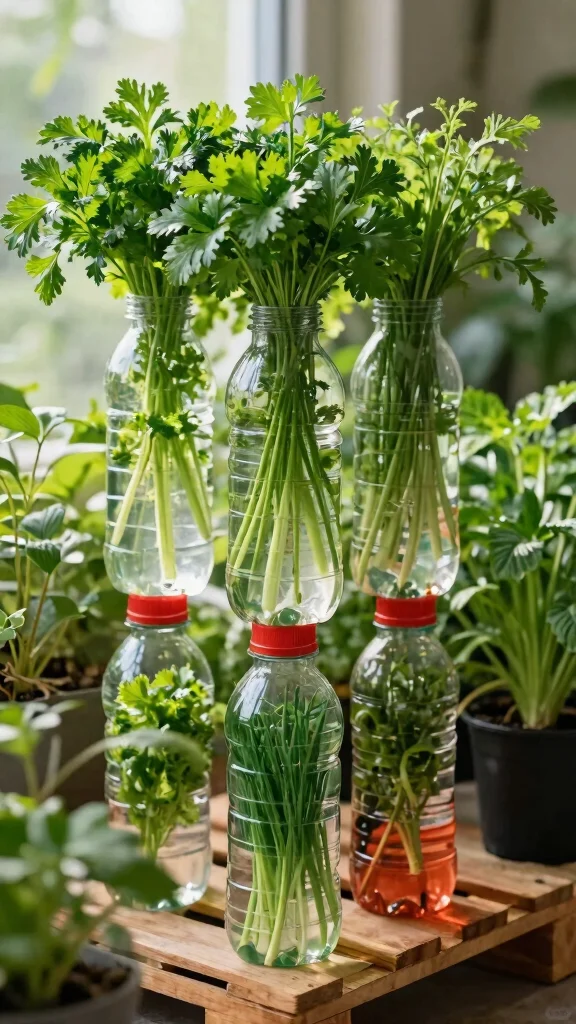
Need to make the most of your limited space? A Vertical Hydroponic Garden using recycled bottles is your ideal solution. Stack bottles vertically on a sturdy frame or a wooden pallet, cutting holes in the sides to plant herbs or leafy greens.
This arrangement not only saves room but also looks stunning as plants cascade down. Perfect for balconies or small yards, you can water from the top so that every plant receives moisture. A drip irrigation system can simplify the process even further!
Here are some advantages of this garden:
– Maximizes vertical space
– Aesthetic and visually appealing
– Easy harvesting with top access
By utilizing vertical space, you can grow your own food at home, significantly reducing your carbon footprint.
How To Choose the Right Bottle for Hydroponics
Choosing the right bottle for your hydroponics project is crucial for success. You want to ensure that your plants thrive in a safe and suitable environment. Here are some key points to consider:
1. Size of the Bottle
The size of your bottle will determine how many plants you can grow. Consider what you want to plant and how much space you have available. Smaller bottles work well for herbs, while larger bottles can accommodate bigger plants like tomatoes or strawberries. Aim for bottles that hold at least 1-2 liters of water for adequate nutrient supply.
2. Material of the Bottle
Different materials can affect plant growth. Look for bottles made of food-grade plastic or glass. Avoid bottles that can leach harmful chemicals into the water. Glass bottles are great for aesthetic appeal, but they can be heavy and break easily. Plastic bottles are lightweight and often come in various shapes that can be easily modified.
3. Bottle Shape and Design
The shape of the bottle can impact root growth and water flow. Bottles with a wider base provide stability for taller plants. Consider bottles with a narrow neck for easier water access and maintenance. Some bottles can be modified to create vertical gardens, making them more efficient for small spaces.
4. Light Exposure
Plants need light to grow, so consider how much light your chosen bottle allows. Clear or translucent bottles can let in light, but they might also encourage algae growth. If you prefer to use opaque bottles, you may need to supplement with grow lights. Choose colors like white or reflective surfaces to maximize light exposure without the algae issue.
5. Accessibility for Maintenance
Think about how you will maintain your hydroponic system. Choose bottles that are easy to fill, empty, and clean. Ensure you can access the roots and water easily. You might want to opt for designs that allow you to open or close the bottle without much hassle.
6. Budget Considerations
Hydroponic gardening can be done on a budget. Calculate how many bottles you need and their costs. Remember that recycled containers can save money and help the environment. You can often find suitable bottles at home or local recycling centers.
Pro Tip: Try experimenting with different bottle types to see which works best for your plants. Don’t be afraid to mix styles—using various shapes can create a visually appealing garden and give your plants the best chance to thrive!
By keeping these points in mind, you’ll be well on your way to selecting the perfect bottles for your hydroponics system. Dive into bottle hydroponics with confidence, and enjoy the process of watching your plants flourish!
Vertical Hydroponic Garden
Editor’s Choice

VIVOSUN Automatic Drip Irrigation Kit, Smart Watering System with 16 Dri…

VIVOSUN 5 Tier Vertical Gardening Stackable Planter for Strawberries, Fl…
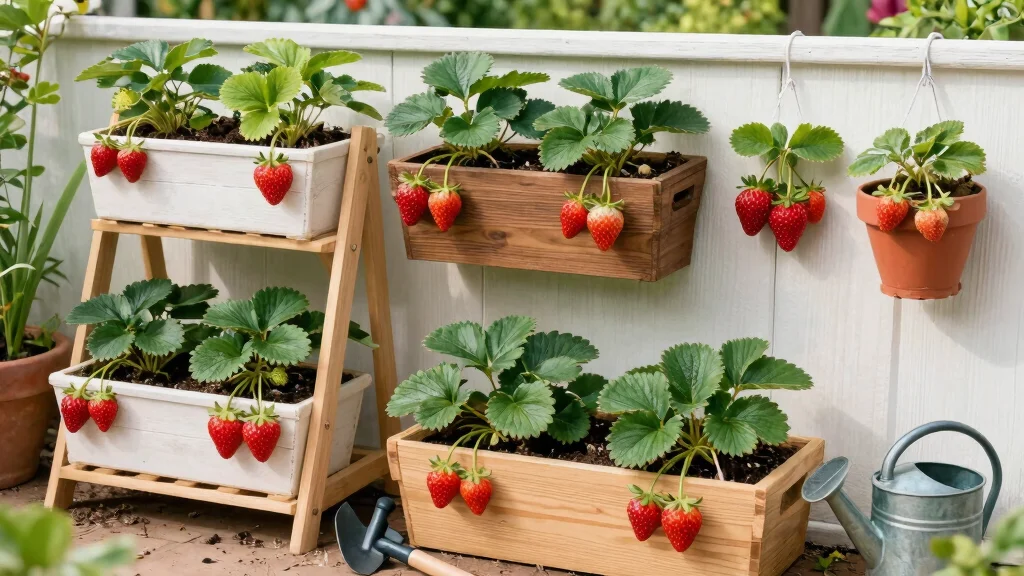
3. Hydroponic Bottle for Strawberries

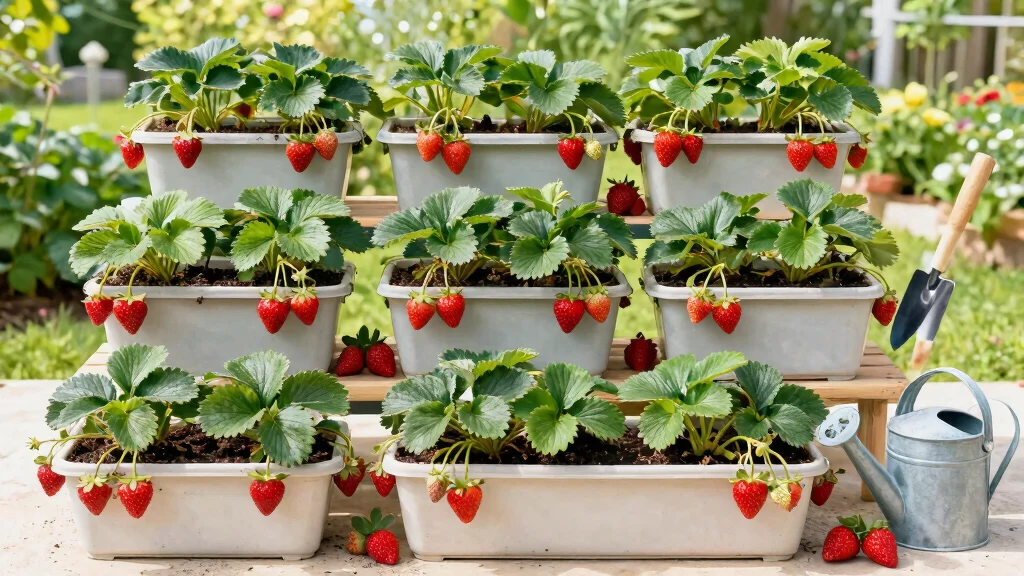
Ever thought about growing strawberries hydroponically? The Hydroponic Bottle for Strawberries is a delightful project that brings sweet rewards! Use larger plastic bottles, cutting them at an angle, then fill the bottom with water and nutrient solution. Secure the top at an angle for proper drainage while roots flourish below.
Strawberries thrive in sunlight and this setup creates a charming strawberry tower when stacked. You’ll be amazed at the vibrant display as your fruits ripen. Just remember to add drainage holes to prevent root rot!
Key highlights include:
– Unique take on strawberry gardening
– Gorgeous blooms and tasty fruit
– Fun for all ages
Cultivating your own strawberries means less reliance on store-bought options, helping to cut down on waste.
Hydroponic Bottle for Strawberries
Editor’s Choice
Liquid Plant Food for use in AeroGarden, IDOO and Hydroponic Growing Sys…

Miracle-Gro, Grow Light for Indoor Plants – 10W LED, Flexible 2-Head, Se…

Valchoose Larger 1000ml Tattoo Squeeze Bottle, 32oz Wash Bottle Exactly …
4. Herb Garden in Wine Bottles

Turn empty wine bottles into a chic Herb Garden! This elegant design enhances your kitchen or dining area. Fill the bottle with water and nutrient solution, then place a small net pot with herbs like thyme or rosemary into the neck.
The roots dangle into the solution, absorbing moisture and nutrients directly. This setup is not just useful; it doubles as a stylish decor piece. Imagine grabbing fresh herbs right from your indoor garden while cooking!
Benefits of this herb garden:
– Combines style with functionality
– Fresh herbs always within reach
– A great topic for conversation
Repurposing wine bottles not only keeps waste out of landfills but also adds charm to your living space.
Turn a wine bottle into a bottle hydroponics herb garden—thyme and rosemary never tasted so fresh. Fill it with water and nutrient solution, drop in a net pot, and watch the roots drink right from your kitchen. It’s practical, stylish, and totally doable.
📹 Related Video: Upcycling Wine Bottles/ Herb & Succulent Garden
You might also like
Herb Garden in Wine Bottles
Editor’s Choice

2 inch Net Cups Pots 30 Pack with 30 feet Self Watering Wick & 30 Plant …
Liquid Plant Food for use in AeroGarden, IDOO and Hydroponic Growing Sys…
5. DIY Hydroponic Salad Bar
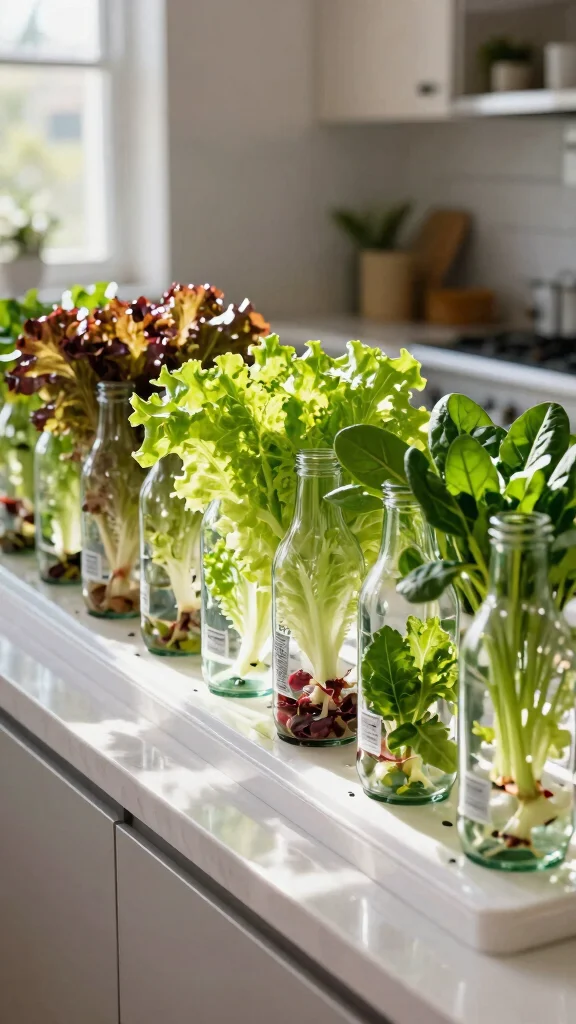
Who doesn’t enjoy a fresh salad? With a DIY Hydroponic Salad Bar, you can cultivate a variety of greens right in your kitchen! Arrange multiple recycled bottles horizontally, cutting openings in the front for planting greens like lettuce, arugula, or spinach.
This setup makes it easy to harvest your fresh greens and experiment with different seeds for a vibrant salad mix. Watching them grow inspires you to whip up delicious, healthy meals. Just ensure they have access to plenty of light!
Key advantages include:
– Fresh meals at home
– Promotes healthy eating
– A fun family project
Growing your own salad greens reduces the environmental impact associated with buying produce.
DIY Hydroponic Salad Bar
Editor’s Choice
GooingTop LED Grow Light,6000K Full Spectrum Clip Plant Growing Lamp wit…

Ahopegarden Hydroponics Growing System Herb Garden: 10 Pods Indoor Garde…
Liquid Plant Food for use in AeroGarden, IDOO and Hydroponic Growing Sys…
6. Decorative Hydroponic Displays
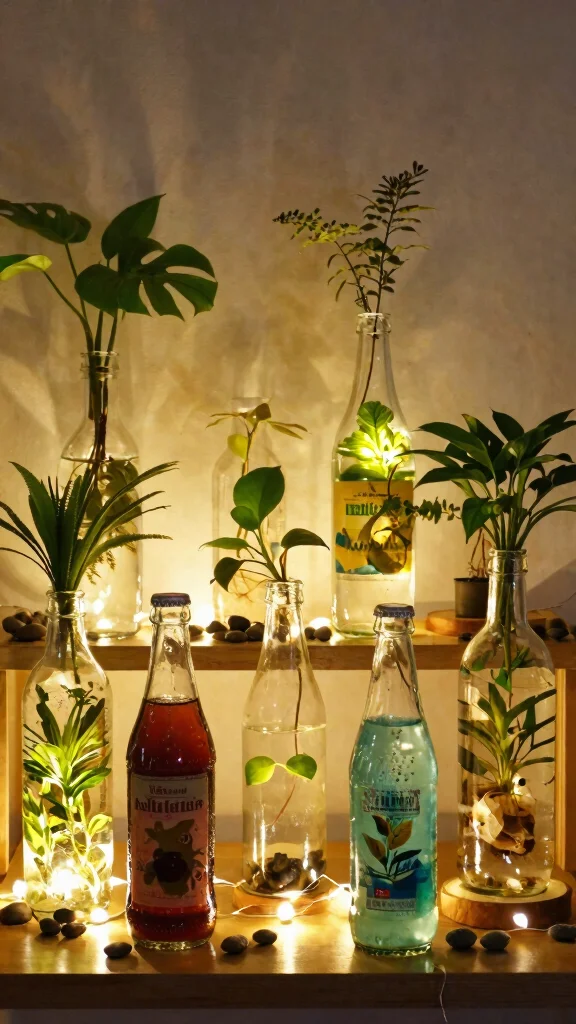
Elevate your hydroponics with Decorative Hydroponic Displays! This idea blends creativity with aesthetics. Use colorful, artistic recycled bottles to craft unique displays that serve both as a garden and a decor piece.
Think about using painted glass or vintage soda bottles, arranging them on shelves or window sills. Adding fairy lights or decorative stones gives it a magical touch. This approach not only showcases plants but also enhances any space.
Benefits include:
– Adds a personal touch to decor
– A creative outlet for your imagination
– Great conversation starters
Crafting displays from recycled materials minimizes waste while encouraging artistic expression.
Fun fact: decorative bottle hydroponics can save up to 60% of shelf space in small rooms by stacking colorful recycled bottles as living art. Even a few fairy lights turn these displays into year-round plant decor that’s both practical and stylish.
Decorative Hydroponic Displays
Editor’s Choice
![24 Pack Fairy Lights Battery Operated [3 Modes] 7ft 20 LED Mini Twinkle ...](https://m.media-amazon.com/images/I/81YK+BKeKLL._AC_UL320_.jpg)
24 Pack Fairy Lights Battery Operated [3 Modes] 7ft 20 LED Mini Twinkle …

2026 Colorful Glow-in-the-Dark Garden Stones Night Guide Luminous Pebble…

Noamus 3 Pack Vintage Vase with Corks, Embossed Colorful Glass Bottles, …
7. Bottle Hydroponic Wall Garden

Create a stunning visual with a Bottle Hydroponic Wall Garden! This design uses multiple bottles mounted vertically, transforming your wall into a living art piece. Cut the bottles in half, fill them with water and nutrients, and attach them securely to a wall frame.
Fill each bottle with various plants to develop a beautiful mosaic of colors and textures. From ferns to edible plants, this setup adds lush greenery to your home while saving space. Just make sure to secure everything properly!
Advantages of this wall garden:
– Saves space while enhancing style
– Visually striking and refreshing
– A unique way to add greenery indoors
This creative solution repurposes bottles and improves indoor air quality with natural plants.
You Might Also Like

Bottle Hydroponic Wall Garden
Editor’s Choice

Miracle-Gro Indoor Plant Food for All Plants, Liquid Plant Food for Hous…
GooingTop LED Grow Light,6000K Full Spectrum Clip Plant Growing Lamp wit…

6 Pack Wall Hanger Fastener, Stainless Steel Wall Mount Brackets Hook wi…
8. Indoor Hydroponic System with Fish
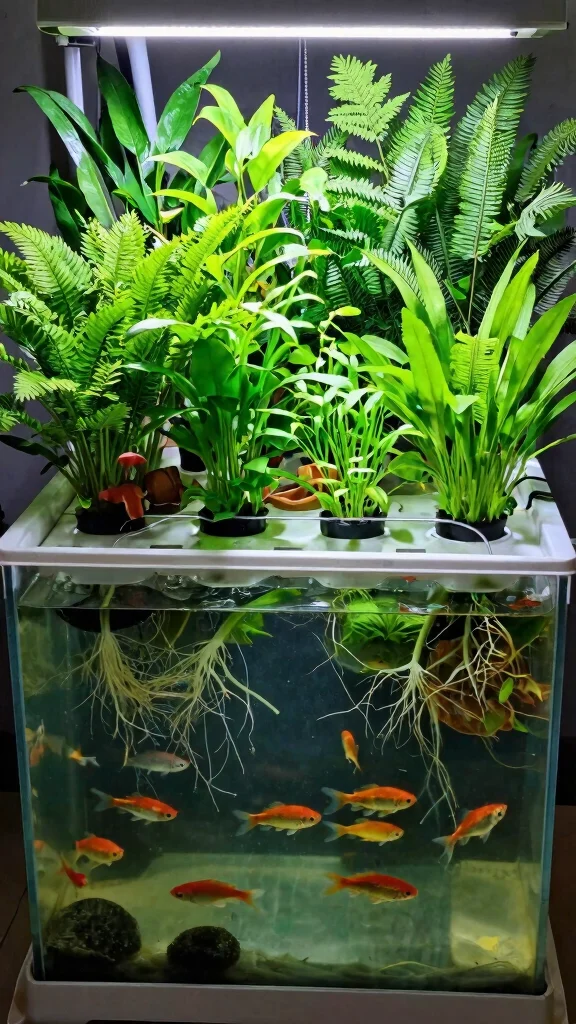
Lastly, explore the exciting world of aquaponics, blending fish and plants in a bottle hydroponics system! Using a larger recycled container, create a mini ecosystem where fish waste nourishes plants while plants purify the water for the fish.
This setup not only yields fresh vegetables but adds an intriguing dynamic to your indoor gardening experience. Research suitable fish that thrive in smaller spaces, perfect for apartments. Just ensure you provide good filtration and maintain water quality for both plants and fish!
Benefits include:
– A unique sustainable gardening approach
– Engaging for everyone
– Yields both fish and fresh produce
This system highlights recycling and efficient resource use, creating a sustainable ecosystem right in your home.
Indoor Hydroponic System with Fish
Editor’s Choice

Ahopegarden Indoor Garden Hydroponics Growing System: 10 Pods Plant Germ…

32oz Aeroponics & Hydroponics Liquid Plant Food – Up to 96 Feedings – Ri…
GooingTop LED Grow Light,6000K Full Spectrum Clip Plant Growing Lamp wit…
Conclusion
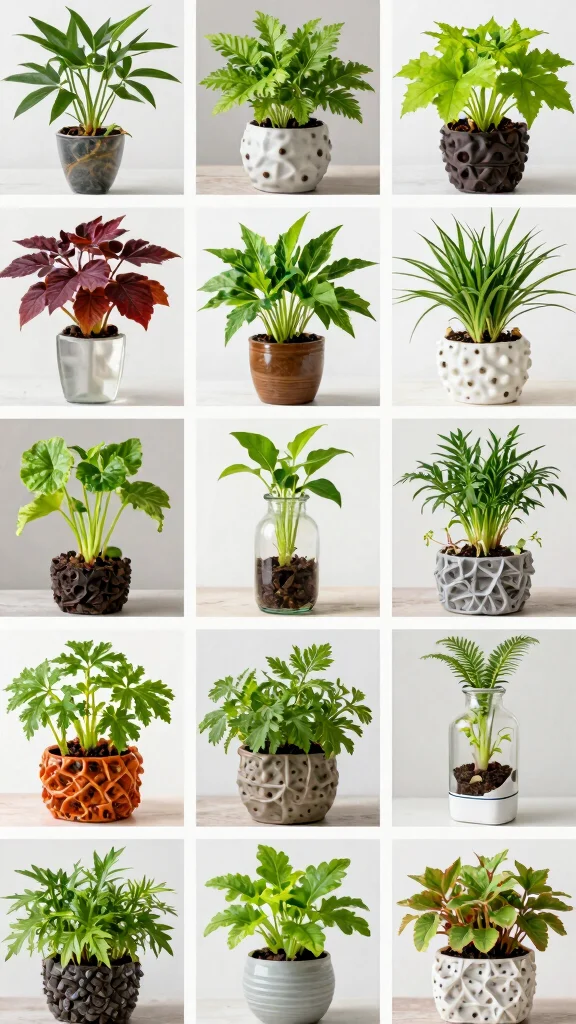
Bottle hydroponics provides a fantastic way to grow fresh plants while reducing waste and embracing sustainable gardening practices. From classic bottle planters to elaborate wall gardens, the possibilities are endless! Each idea not only beautifies your space but also contributes to a greener lifestyle.
So why not start your own indoor garden today? Dive into the world of hydroponic gardening, using your creativity and recycling skills to cultivate fresh produce right at home!
Note: We aim to provide accurate product links, but some may occasionally expire or become unavailable. If this happens, please search directly on Amazon for the product or a suitable alternative.
This post contains Amazon affiliate links, meaning we may earn a small commission if you purchase through our links, at no extra cost to you.
Frequently Asked Questions
Question: How can I start bottle hydroponics with recycled containers in a small urban space?
Getting started with bottle hydroponics in a small urban space is totally doable.
Grab some recycled containers (like 2-liter bottles), rinse, remove labels, and cut them into a plant pot and a reservoir.
Set up a simple, low-tech system such as a wick or capillary drip to move the nutrient solution into the root zone, then add a growing medium (perlite, coconut coir, or clay pebbles).
Keep your setup near bright light or under a grow light, and monitor pH (aim for about 5.5–6.5) and nutrient strength using hydroponic gardening tips guidance.
If you want more reliability, you can upgrade to a basic DIY hydroponics systems kit, all while embracing sustainable gardening practices.
Question: What plants grow best in bottle hydroponics for small spaces?
Leafy greens and compact herbs shine in bottle hydroponics.
Try lettuce, spinach, arugula, basil, mint, and chives; they grow fast, stay compact, and tolerate indoor light well.
For a splash of color or cooking flavor, you can test small cherry tomatoes or peppers if your light and bottle size allow, but keep varieties chosen for compact growth.
Use regular pruning to prevent crowding and follow simple hydroponic gardening tips to keep roots happy in a recycled container gardening setup.
With a little care, these plants stay productive in small spaces.
Question: How do I create an affordable pump-free bottle hydroponics system?
Build a simple, low-cost system that doesn’t require a heavy pump.
Use a bottle as a reservoir and a cap with a wick or capillary tube feeding the plant container.
Materials: a cotton or nylon wick, a net pot, growing medium, and nutrient solution.
Set up in minutes: drill drainage holes, thread the wick from reservoir to plant cup, fill with medium, and mix your nutrients.
This DIY hydroponics systems approach is perfect for sustainable gardening practices and indoor plant care.
Question: How often should I change nutrients and water in bottle hydroponics?
Monitor the nutrient solution weekly; use a TDS/EC meter or follow label guidance to keep concentrations appropriate for leafy greens.
Change and refresh the reservoir every 1–2 weeks to prevent salt buildup and algae; keep pH in range 5.5–6.5.
Clean the bottles between cycles and top up with fresh water/nutrients as needed.
This is a practical part of hydroponic gardening tips and indoor plant care.
Question: How can I make recycled container hydroponics visually appealing while keeping plants healthy?
Make it look good and stay healthy with easy tweaks: clean and label containers, paint or wrap for style, add a drip-free drainage plan, and use a secondary outer pot to hide the reservoir.
Drill proper drainage holes and use net pots for airflow, and choose food-safe plastics when possible.
Keep lids tight and consider a simple decorative mulch or fabric wrap to hide cords while still allowing light.
This boosts recycled container gardening aesthetics while staying mindful of sustainable gardening practices and indoor plant care.
Related Topics
bottle hydroponics
recycled container gardening
DIY hydroponics
urban gardening
sustainable practices
small space gardening
indoor plants
hydroponic tips
easy gardening
beginner friendly
eco-friendly gardening
vertical planting