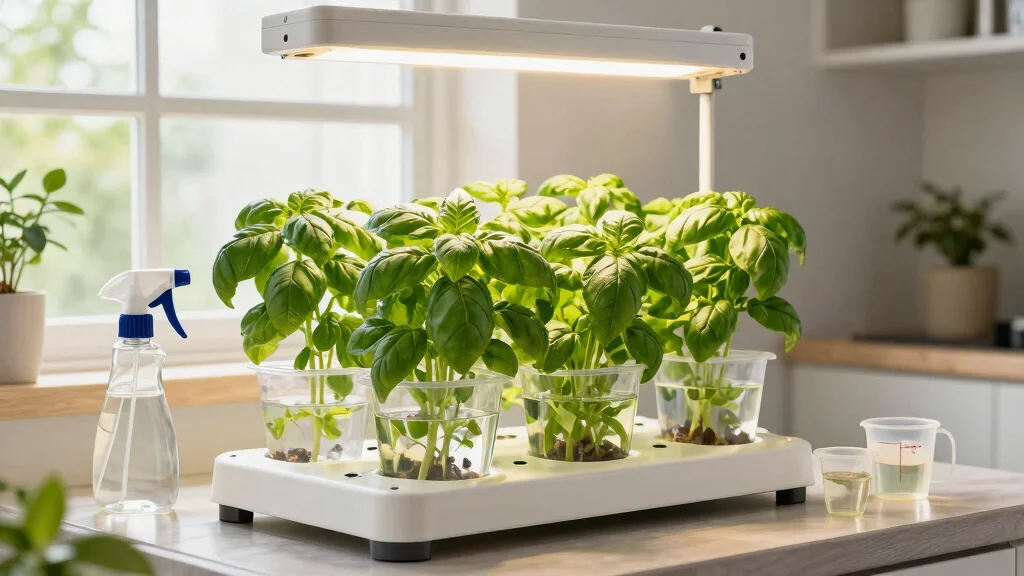
Growing your own herbs at home can be an incredibly rewarding experience, especially when it comes to basil. The sweet aroma and vibrant flavor of freshly grown basil can elevate any dish. That’s why I created this post about growing basil hydroponically—to help you turn your indoor space into a herb garden filled with lush, flavorful basil.
If you’re someone who enjoys cooking or simply loves the idea of having fresh herbs at your fingertips, this guide is for you. Whether you’re a seasoned gardener looking to try something new or a beginner intrigued by soil-free gardening, you’ll find valuable tips here to enhance your indoor gardening techniques.
In this post, I’ll share eight essential tips for growing basil hydroponically at home. You’ll learn about choosing the right hydroponic system, providing adequate lighting, and monitoring nutrient levels. By following these guidelines, you’ll be able to enjoy vibrant basil plants that are not only beautiful but also packed with flavor, ready to be added to your favorite recipes.
Key Takeaways
– Choose the Right Hydroponic System: Select a system that suits your space and experience level, whether it’s a simple Kratky method or a more complex nutrient film technique.
– Provide Adequate Lighting: Ensure your basil receives at least 12-16 hours of light each day, using grow lights if natural sunlight is insufficient.
– Monitor Nutrient Levels: Regularly check and adjust nutrient solutions to keep your basil healthy. Use a pH meter to maintain optimal levels between 5.5 and 6.5.
– Ensure Proper Airflow: Good air circulation helps prevent mold and pests. Use fans to maintain airflow around your plants.
– Practice Good Basil Care Tips: Regularly prune your basil to encourage bushy growth and avoid flower formation, which can affect flavor.
1. Choose the Right Hydroponic System

Are you ready to grow your own basil at home? Choosing the right hydroponic system is the first step to achieving lush, flavorful herbs. Each system has its unique strengths, whether it’s nutrient film technique (NFT), deep water culture (DWC), or aeroponics. For basil, a deep water culture system is fantastic as it keeps roots submerged in an oxygen-rich solution, resulting in rapid growth and abundant yields. If you’re adventurous, consider the aeroponic method, which mists the roots with nutrients for optimal absorption. Evaluate your available space and needs to find the perfect setup for your indoor herb garden.
Research the various hydroponic systems online.
Visit local garden centers specializing in hydroponics for expert advice.
Explore DIY options if you’re feeling creative!
Choosing the right hydroponic system lays the groundwork for a flourishing basil garden.
Choose the Right Hydroponic System
Editor’s Choice

VIVOSUN DWC Hydroponics Grow System with Top Drip Kit, 5-Gallon Deep Wat…


Liquid Plant Food for use in AeroGarden, IDOO and Hydroponic Growing Sys…

Aeroponics Growing System with Grow Light & Humidifier – Smart Indoor Ga…
2. Provide Adequate Lighting
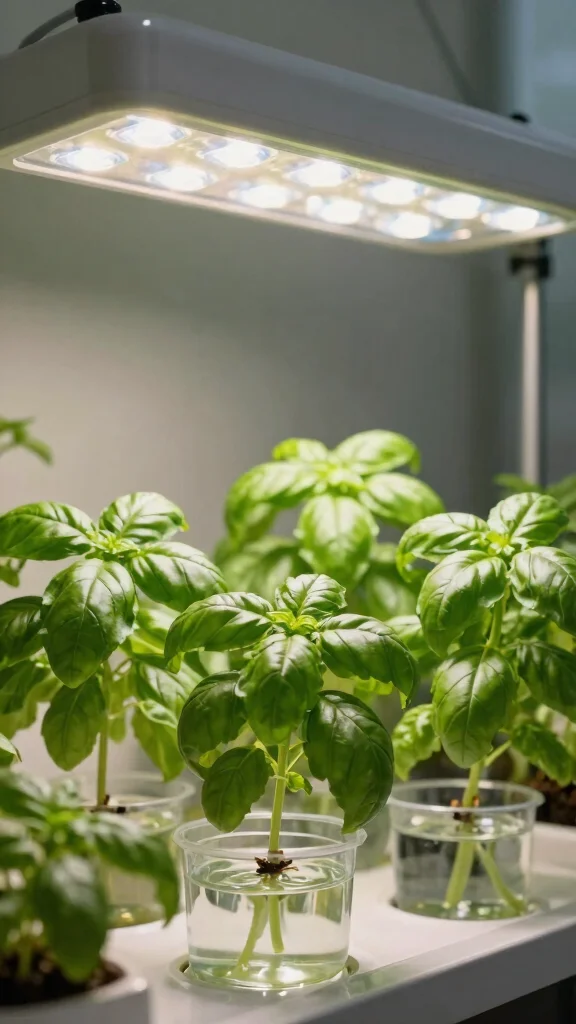
Do your basil plants seem to be struggling? Light is essential for their growth and overall health. Indoor gardens often lack sufficient natural sunlight, making proper lighting crucial. Aim for 12-16 hours of bright light daily to keep your basil thriving. If natural light is limited, full-spectrum LED grow lights are a smart investment; they save energy and produce minimal heat. Position the lights 6-12 inches above the plants and adjust them as your basil grows to avoid any stretching. Using timers can automate the light schedule, ensuring your plants receive consistent exposure.
Select energy-efficient LED grow lights for an economical option.
Regularly check the distance between lights and plants.
Experiment with different lighting schedules to discover what works best for your basil.
A well-lit environment will produce vibrant basil, perfect for your culinary adventures.
Provide Adequate Lighting
Editor’s Choice

GooingTop LED Grow Light,6000K Full Spectrum Clip Plant Growing Lamp wit…
3. Monitor Nutrient Levels
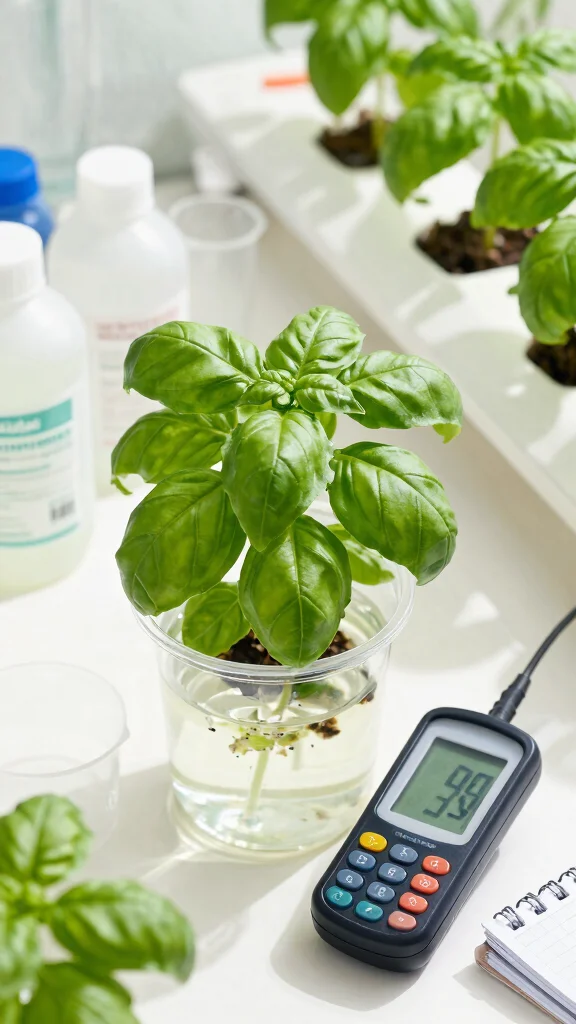
Are you aware that hydroponics requires you to manage nutrients directly? Without soil, providing the right nutrient balance becomes crucial for your basil’s growth. This herb thrives on a nutrient solution rich in nitrogen, potassium, and phosphorus. Start with a balanced hydroponic nutrient mix and follow the instructions for diluting it. Regularly check the EC (electrical conductivity) or ppm (parts per million) levels to ensure your plants are well-fed. Adjust your nutrient levels based on the growth stage, as seedlings need less than mature plants. Changing the nutrient solution every 1-2 weeks helps prevent salt buildup.
Invest in an EC meter for precise readings.
Keep a log of nutrient adjustments and plant responses.
Always read labels to ensure proper usage.
Monitoring nutrient levels closely will ensure your basil stays healthy and flavorful.
Fun fact: In growing basil hydroponically, EC stays between 1.2 and 1.8 mS/cm for lush growth. Start with a balanced nutrient mix, then measure EC or ppm weekly and adjust nitrogen, potassium, and phosphorus as needed.
Monitor Nutrient Levels
Editor’s Choice
Liquid Plant Food for use in AeroGarden, IDOO and Hydroponic Growing Sys…

HM Digital COM-80 Electrical Conductivity (EC) and Total Dissolved Solid…
4. Ensure Proper Airflow
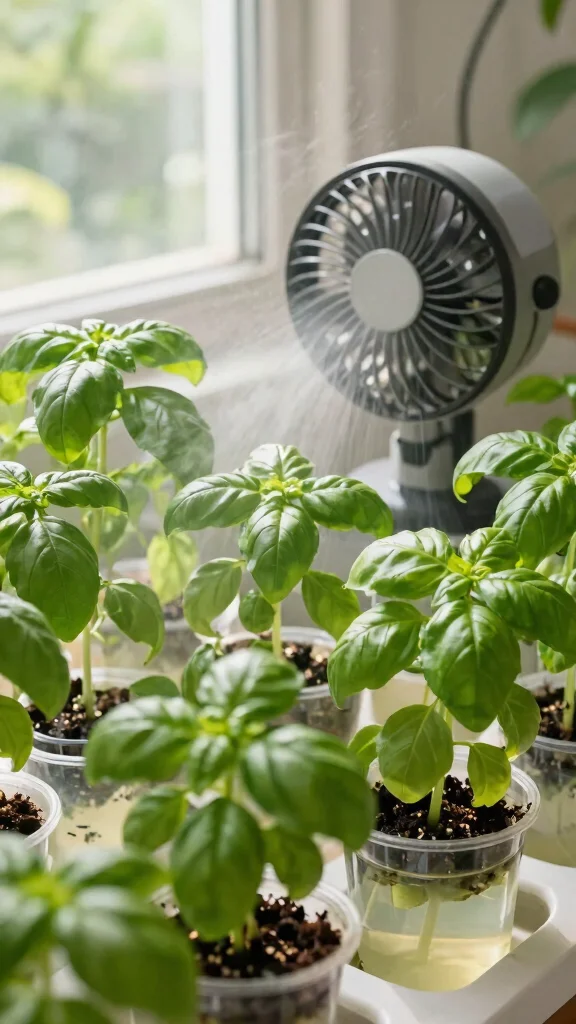
Have you considered how airflow impacts your basil plants? Proper air circulation is essential for preventing mold and mildew while promoting healthy growth. Basil appreciates gentle airflow that strengthens its stems and leaves. Adding a small fan to your indoor setup can help circulate air without blasting the plants directly. Good airflow mimics outdoor conditions, which can lead to stronger plants and reduced disease risk.
Rotate your plants regularly to expose all sides to airflow.
Keep an eye on humidity levels; high humidity can encourage mold.
Ensure your indoor space is well-ventilated.
By maintaining proper airflow, your basil will flourish, showing robust growth and resilience.
Fun fact: In growing basil hydroponically, a gentle breeze from a small fan can strengthen stems by about 20–25% and reduce mold risk. Rotate plants regularly to expose all sides to airflow, mimicking outdoor conditions for healthier, more flavorful basil.
You might also like
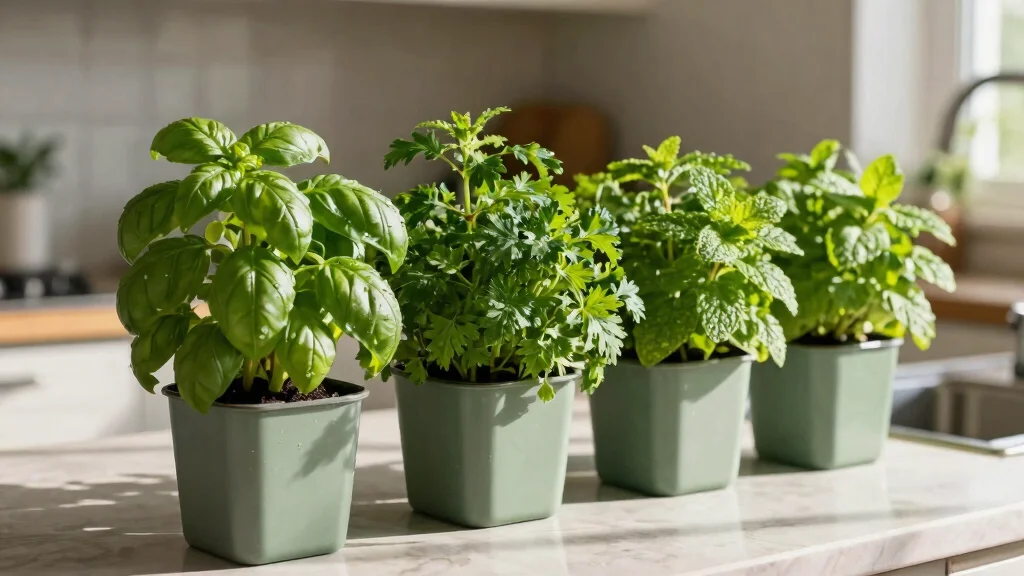
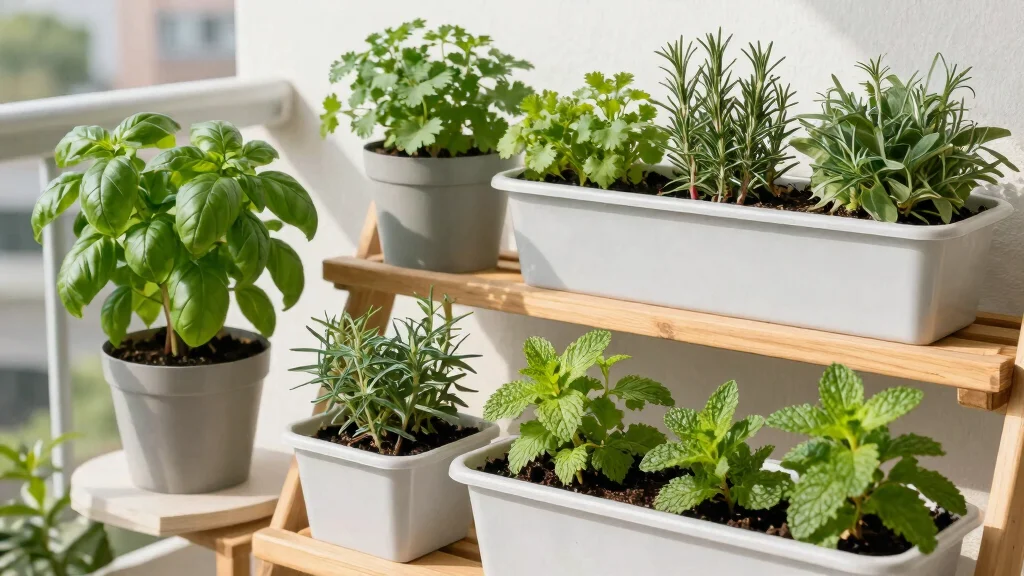
How To Choose The Right Hydroponic System
When you’re ready to dive into growing basil hydroponically, selecting the right hydroponic system is crucial. Each system offers unique features that can impact your indoor gardening experience. Here are some key factors to consider in making your choice:
1. Type of System
Hydroponic systems come in various types, such as Deep Water Culture, Nutrient Film Technique, and Ebb and Flow. Each one has its own method of delivering nutrients and oxygen to the plants. You’ll want to choose a system that aligns with your skill level and space. For beginners, a Deep Water Culture setup is easy to manage and maintain.
2. Space Requirements
Consider how much space you have available for your hydroponic herb garden. Some systems, like Vertical Gardens, are perfect for smaller areas, while others need more horizontal space. Measure your available area and think about the number of basil plants you want to grow. This will help you determine the best system for your needs.
3. Budget
Your budget plays a significant role in which hydroponic system you choose. Basic systems can be quite affordable, while advanced setups with features like automated nutrient dosing and lighting can be more expensive. Set a budget that includes not just the system, but also ongoing costs like nutrients, water, and lighting.
4. Ease of Use
If you’re new to hydroponics, look for a system that is user-friendly. Some systems come with detailed instructions or a beginner’s guide. Systems with less assembly and fewer parts can save you time and frustration. Read reviews to see what other users say about the ease of setup and maintenance.
5. Scalability
Think about your future plans for growing basil and other herbs. Some systems allow you to start small and expand as you gain more experience and confidence. Consider investing in a scalable system if you anticipate wanting to grow more plants later.
6. Compatibility with Lighting
Basil thrives with adequate light, so choose a hydroponic system that can easily accommodate grow lights, especially if you don’t have natural sunlight. LED grow lights are energy-efficient and effective for indoor gardening. Ensure that the system you pick has space for lighting that suits your setup.
Pro Tip: Before purchasing, research and compare different hydroponic systems online. Reading reviews and watching setup videos can help you visualize what will work best in your home. Don’t hesitate to ask for recommendations from experienced indoor gardeners!
Ensure Proper Airflow
Editor’s Choice

Mighty Mini Bonsai Tree Turntable 12.5″ Base Stainless Steel Ball Bearin…

Grow Tent Fan, 5in Two Fans for Greenhouse Plant All Direction Ventilati…

DREO Fan for Bedroom, 12 Inches, 70ft Powerful Airflow, 25db Quiet Table…
5. Control Temperature and Humidity
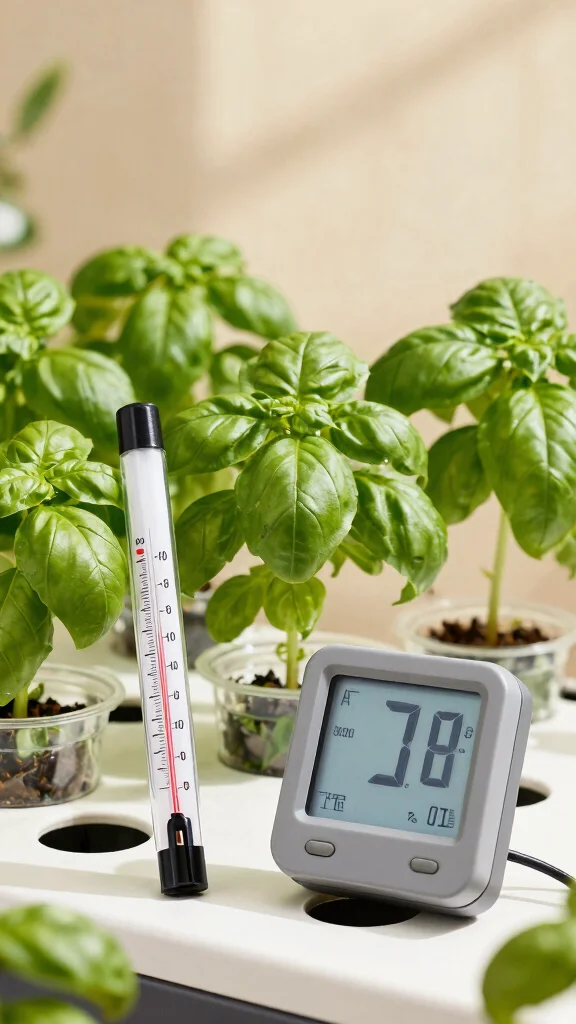
Is your indoor temperature affecting your basil? Basil loves warmth, thriving best between 70°F and 80°F (21°C to 27°C). Monitoring temperature and humidity is vital for promoting optimal growth. Use a thermometer and hygrometer to keep track of conditions, aiming for humidity levels around 40% to 60%. If it gets too humid, it can lead to mold, while low humidity can dry out your plants. For temperature control, use fans to cool down hot spaces or heat mats for colder areas.
Maintain a consistent temperature to avoid stressing your plants.
Use humidity trays with water to balance humidity as needed.
Check daily to keep your basil in ideal conditions.
Controlling temperature and humidity will keep your basil fresh and flavorful all year.
❝ Fun fact: Basil shines when kept at 70–80°F (21–27°C) while growing basil hydroponically. Aim for 40–60% humidity and watch leaves stay lush and flavorful. Use a simple thermometer and a small fan to keep temps steady.
Control Temperature and Humidity
Editor’s Choice

VIVOSUN Durable Waterproof Seedling Heat Mat 10″ x 20.75″ UL & MET-Certi…

TempPro TP50 Digital Hygrometer Indoor Thermometer Room Thermometer and …

DREO Tower Fan for Bedroom, 2026 Upgraded DC Motor, 28ft/s High Velocity…
6. Practicing Good Basil Care Tips
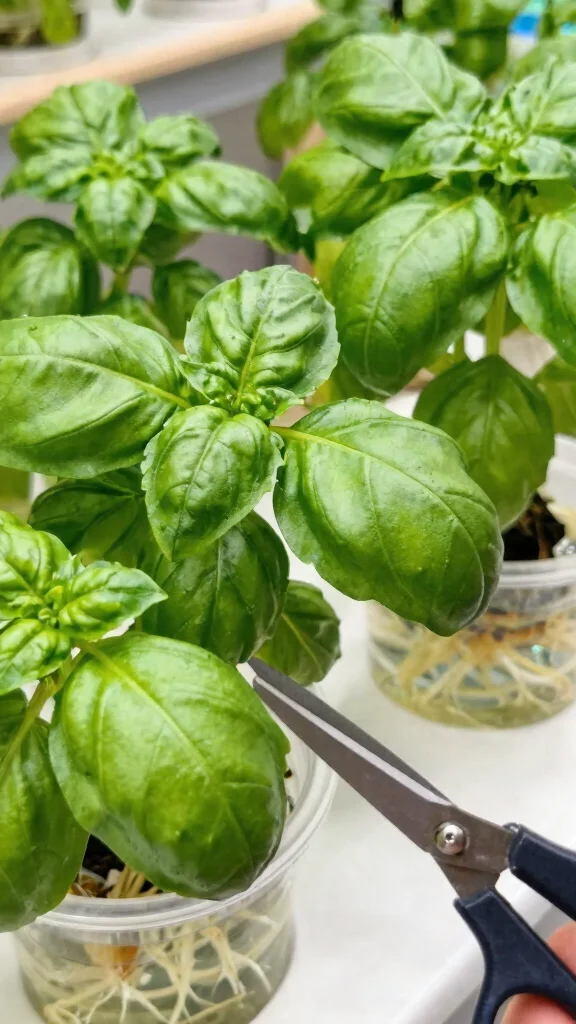
Are you giving your basil the care it deserves? Even in a hydroponic system, regular maintenance is essential for a bountiful harvest. Start by harvesting your basil frequently; this encourages bushier growth and prevents leggy plants. Always cut above a leaf node to stimulate new growth. Keep an eye out for pests or diseases, as they can still affect your plants in a soil-free environment. When your basil flowers, pinch off the buds to keep energy focused on leaf production.
Set a reminder to check your basil weekly.
Use clean, sharp scissors for harvesting to minimize damage.
Learn about common pests that can affect basil in hydroponics.
Implementing these care tips will enhance the flavor and health of your basil, ensuring a delightful harvest.
📹 Related Video: Grow Infinite Basil Plants for using Hydroponics or the Kratky Method
Practicing Good Basil Care Tips
Editor’s Choice
Liquid Plant Food for use in AeroGarden, IDOO and Hydroponic Growing Sys…

Fiskars Bypass Pruning Shears, 5/8″ Cut Capacity Gardening Scissors, Sel…

Mighty Mint Gallon (128 oz) Insect and Pest Repellent Peppermint Oil – N…
7. Harvesting and Storing Basil

Are you ready to enjoy the fruits of your labor? Properly harvesting basil is key to keeping your plants productive and savoring the freshest flavors. Wait until your basil reaches at least 6-8 inches tall before you begin harvesting. Use clean scissors to cut leaves from the top first, promoting bushier growth below. Avoid taking more than one-third of the plant at once to ensure it continues to thrive. When it comes to storage, don’t wash the basil until you’re ready to use it. Instead, wrap the leaves in a damp paper towel and place them in a plastic bag, or store them upright in a jar of water like a bouquet, covering the leaves loosely with a bag.
Harvest only healthy leaves, avoiding yellow or wilting ones.
Regular harvesting keeps your basil flavorful and productive.
Try drying or freezing basil for long-term storage options.
Mastering the right harvesting and storage techniques ensures you have fresh basil ready for your kitchen creations.
You Might Also Like

Harvesting and Storing Basil
Editor’s Choice
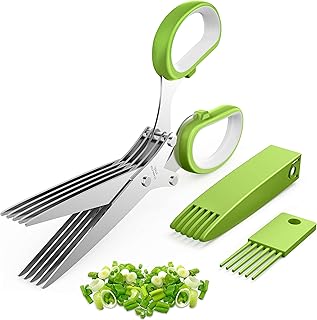
2026 Upgraded Herb Scissors, Effortless Herb Shears Cutter Tool with Sha…
Norpro Fresh Herb Keeper Refrigerator Container Basil Cilantro Etc. 9″ x…
8. Troubleshooting Common Hydroponic Issues
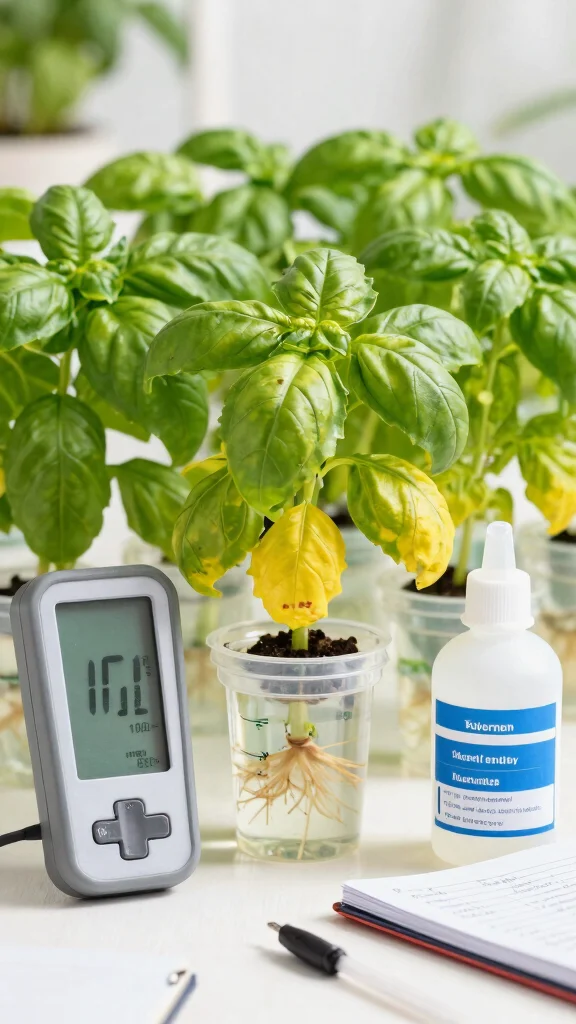
Are you facing challenges while growing basil hydroponically? Like any gardening method, there can be bumps along the way. Look for signs of nutrient deficiency, such as yellowing leaves or stunted growth, and adjust your nutrient solution as needed. Keep an eye on your pH levels, aiming for a range of 5.5 to 6.5. If pests like aphids or spider mites appear, using insecticidal soap that’s safe for edible plants can be effective. Regular observation helps you catch issues early; for example, if your basil is leggy, it may need more light. Adjusting your lighting can help.
Keep a gardening journal to track plant health and problems.
Learn about pest and disease signs for quick action.
Don’t hesitate to try different solutions; your garden is unique!
By being proactive, you’ll keep your hydroponic basil healthy and thriving.
Troubleshooting Common Hydroponic Issues
Editor’s Choice

VIVOSUN Digital pH Meter, 0.01pH High Accuracy Pen Type pH Tester for Hy…
Liquid Plant Food for use in AeroGarden, IDOO and Hydroponic Growing Sys…

Trifecta Crop Control Super Concentrate All-in-One Natural Pesticide, Fu…
Conclusion
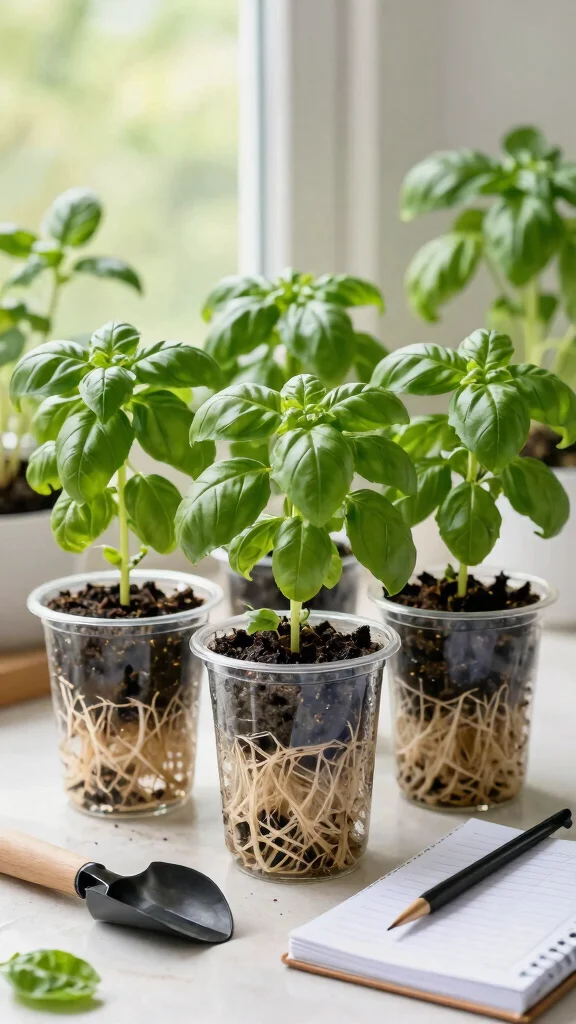
Growing basil hydroponically is an exciting and rewarding journey that allows you to cultivate fresh herbs year-round. By following these tips, you’ll ensure your basil plants thrive in your indoor hydroponic garden. Remember to choose the right system, monitor nutrient levels, and provide proper care to enjoy a bountiful harvest.
With the right techniques, your hydroponic basil can flourish, providing you with a constant supply of flavor for your favorite dishes. So, roll up your sleeves and embrace the joy of indoor gardening – fresh basil is just a few steps away from your kitchen!
Note: We aim to provide accurate product links, but some may occasionally expire or become unavailable. If this happens, please search directly on Amazon for the product or a suitable alternative.
This post contains Amazon affiliate links, meaning we may earn a small commission if you purchase through our links, at no extra cost to you.
Frequently Asked Questions
What are the basics of growing basil hydroponically at home?
Starting with basil hydroponically is simpler than you might think. Choose a compact basil variety and select a suitable hydroponic systems for herbs—like a Deep Water Culture or NFT—for a straightforward soil-free gardening setup.
Set up a clean reservoir, mix a leafy-green nutrient solution, and keep the pH in the 5.5–6.5 range with an EC around 1.5–2.0.
Provide 14–16 hours of light per day with bright LEDs or fluorescent tubes, and maintain room temperatures of 65–75°F with good air circulation. For propagation, use healthy cuttings or seeds, and prune early to encourage bushy growth. Regularly monitor the nutrient level and change the solution every 1–2 weeks. With steady care, you’ll be harvesting flavorful basil leaves and enjoying a simple indoor indoor gardening techniques approach to growing basil hydroponically.
Which hydroponic systems are best for herbs like basil in an indoor hydroponic herb garden?
For many home growers, the best hydroponic systems for herbs are Deep Water Culture (DWC) and Nutrient Film Technique (NFT). DWC keeps roots submerged in an aerated nutrient solution, delivering fast growth and a simple setup, while NFT runs a very shallow film of solution over the roots for steady oxygenation. Ebb and Flow can work well for larger basil plants if you want a more hands-on schedule, while Wick systems are affordable and simple but less scalable. Regardless of the system you choose, keep the pH in 5.5–6.5, monitor EC, and provide strong lighting to support healthy basil care tips in your indoor hydroponic herb garden.
How do I care for basil in a soil-free gardening setup and avoid common problems?
In a soil-free gardening setup, basil care comes down to clean water, correct nutrition, and good light. Keep the pH at 5.5–6.5 and EC around 1.5–2.0, and feed with a balanced leafy-green nutrient solution. Prune regularly to prevent legginess and flowering, which can dull flavor; harvest leaves from the top to encourage branching. Inspect roots—healthy roots are white and crisp; brown, slimy roots mean trouble, so flush and refresh the solution. Watch for pests and treat with gentle methods if needed, and ensure plenty of air circulation to avoid mold. With these basil care tips and careful maintenance, you’ll keep your indoor gardening techniques thriving in a near-perfect hydroponic herb garden.
Can I grow basil hydroponically year-round indoors, and what light and nutrient needs should I meet?
Yes—you can seasonally harvest basil year-round indoors with the right light, temperature, and nutrients. Aim for 14–16 hours of strong light daily to maximize growth, and provide enough intensity for leafy herbs. Keep daytime temperatures around 70°F (21°C) and nights above 60°F, with moderate humidity. Use a nutrient solution suited for leafy greens, with a slightly higher nitrogen level to support vegetative growth; keep pH in 5.5–6.5 and EC around 1.5–2.0. Check the solution weekly, top off with clean water as needed, and ensure good airflow and aeration for healthy roots. With this indoor gardening techniques approach, you can enjoy fresh basil anytime while growing basil hydroponically indoors.
What are practical tips to maximize flavor and yield when growing basil hydroponically?
To maximize flavor and yield, harvest just before the plant flowers and prune to keep it in a vigorous vegetative state. Pinch the growing tip to encourage branching, and harvest leaves in the morning after the essential oils have filled the air for stronger aroma. Use a well-balanced nutrient mix with enough nitrogen to support leafy growth, and avoid nutrient burn by feeding at the recommended rate. Ensure bright light, steady airflow, and regular reservoir changes to prevent algae, pests, or diseases. With steady pruning and proper management of your hydroponic herb garden and hydroponic systems for herbs, you’ll enjoy lush, flavorful basil right at home.
Related Topics
growing basil
hydroponic herbs
indoor gardening
basil care tips
soil-free gardening
hydroponic systems
beginner friendly
easy gardening
herb garden tips
home gardening
flavorful herbs
sustainable gardening