
Growing a garden from scratch can feel like both a challenge and a thrill. The excitement of watching your plants come to life is something special. That’s why I created this post. I want to share with you essential tips to make the process smoother and more enjoyable. Gardening is not just about putting some seeds in the soil; it’s about nurturing life and creating beauty. The joy of growing your own organic heirloom vegetables is a rewarding experience you won’t want to miss.
If you’re someone eager to dive into gardening or if you’re looking to improve your green thumb, this guide is for you. Whether you’re a beginner or someone looking to deepen your knowledge, you will find practical advice here that resonates with your gardening goals. I’ve gathered nine tips that are straightforward, effective, and perfect for creating a thriving garden. From selecting the right seeds to caring for them, you’ll find everything you need to cultivate your dream garden.
Get ready to dig in! You’ll learn about seed starting techniques, garden soil preparation, plant care tips, and necessary gardening tools. You’ll also discover the importance of keeping a seasonal planting guide to ensure your garden flourishes year-round. Let’s embark on this botanical adventure together and watch your garden thrive!
Key Takeaways
– Choosing the Right Organic Heirloom Seeds: Start with seeds that are suitable for your climate and soil to ensure better growth and yield.
– Master Seed Starting Techniques: Learn how to start seeds indoors or outdoors to give your plants the best chance to thrive.
– Prepare Your Garden Soil Wisely: Good soil is the foundation of a healthy garden. Mix in organic matter to enhance soil quality and fertility.
– Understand Plant Care Tips: Regular watering, pest control, and appropriate sunlight are crucial for nurturing your plants successfully.
– Gather Gardening Tools Essentials: Equip yourself with basic tools like trowels, gloves, and watering cans to make gardening easier and more enjoyable.
1. Choose the Right Organic Heirloom Seeds

Are you ready to kickstart your gardening adventure? Selecting the right seeds is the first step to creating a garden full of life and flavor. Organic heirloom seeds not only bring unique tastes to your table but also support sustainable farming practices, making your gardening journey both delicious and eco-friendly.
When choosing seeds, think about the vegetables your family loves. Opt for seeds with a history of success in your local area, ensuring they are certified organic. This choice helps your plants thrive while contributing to biodiversity.
Research local seed catalogs for heirloom varieties.
Consider companion planting to maximize space and yield.
Join a local gardening club to exchange seeds and knowledge.
Incorporating heirloom varieties like ‘Brandywine’ tomatoes or ‘Jubilee’ squash not only beautifies your garden but also adds a delightful twist to your meals!
Choose the Right Organic Heirloom Seeds
Editor’s Choice

GooingTop LED Grow Light,6000K Full Spectrum Clip Plant Growing Lamp wit…


Open Seed Vault |15,000 Heirloom Seeds | 32 Seed Types | Survival Seeds …

Fox Farm Big Bloom Liquid Plant Food – Organic Bloom Fertilizer for Flow…
2. Master Seed Starting Techniques
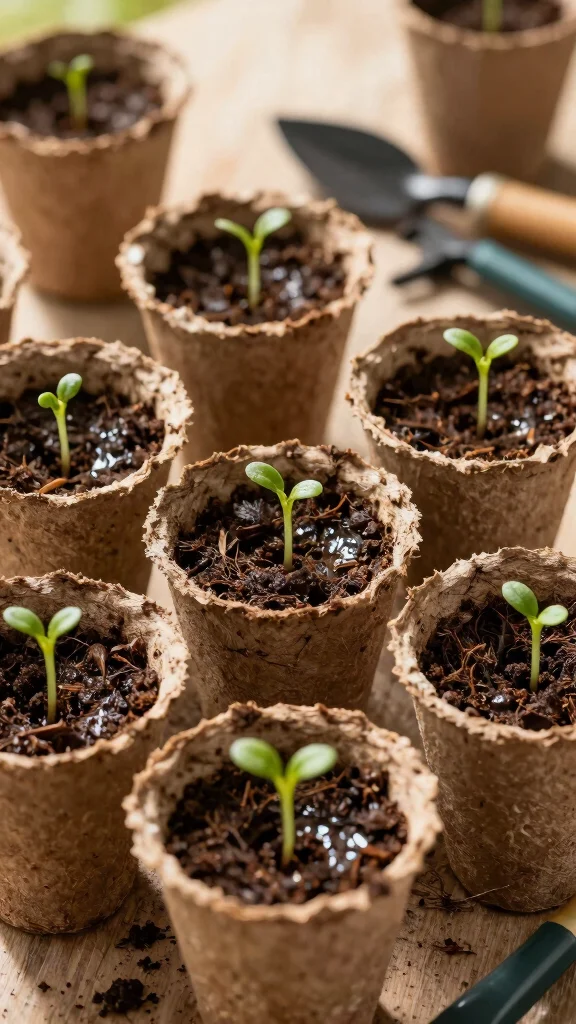
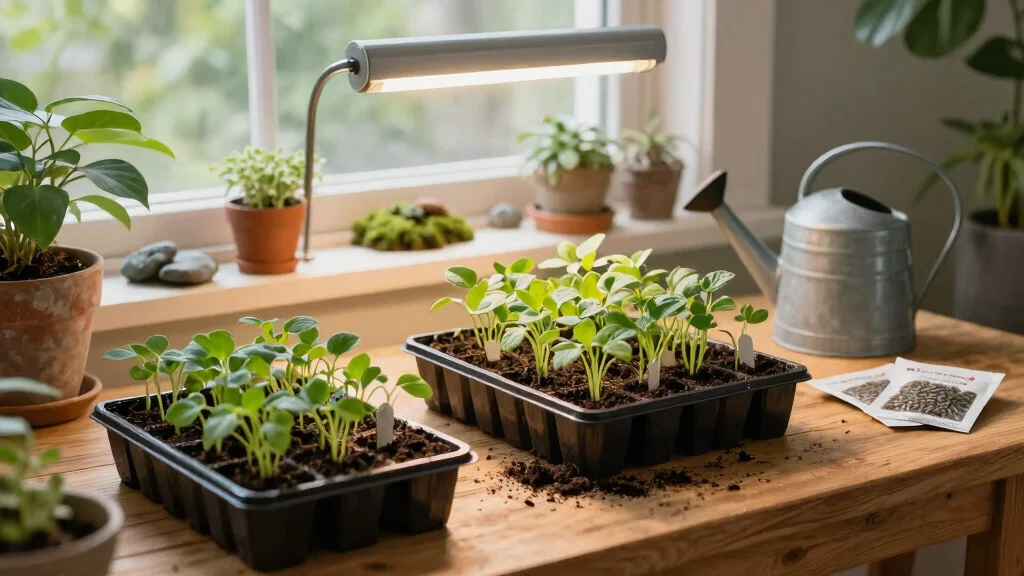
Excited about planting your seeds? Mastering seed starting techniques is essential for a successful garden. Proper methods can greatly influence the growth and health of your plants. You can start seeds indoors or outdoors, depending on the plant type and climate.
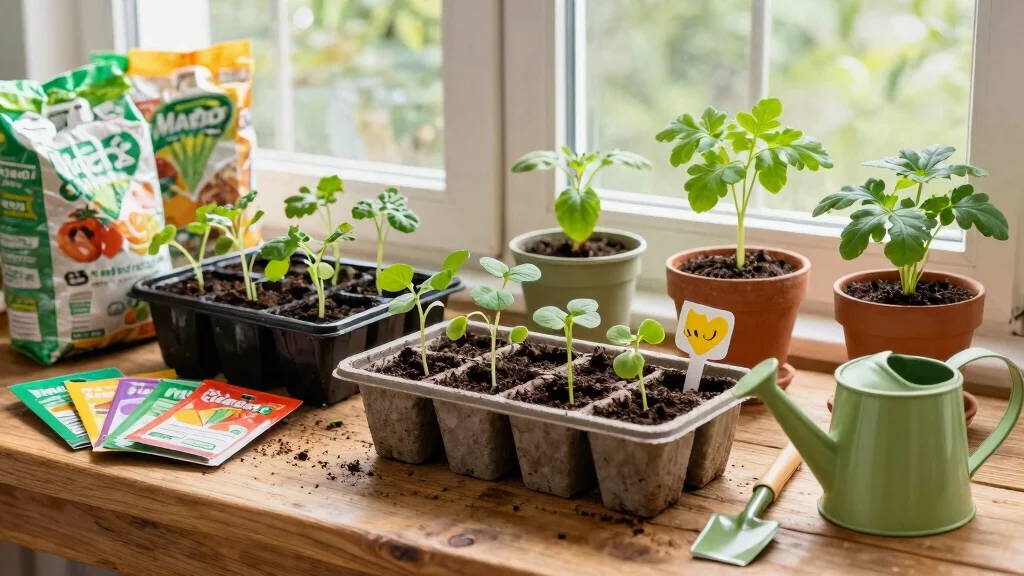
Starting seeds indoors gives you a head start, especially for warm-loving plants like peppers and tomatoes. Consider using biodegradable pots made from peat, allowing you to transplant directly into the garden with minimal shock.
Fill seed trays or pots with quality seed starting mix.
Moisten the soil lightly before planting.
Follow the seed packet instructions for planting depth and spacing.
Provide warmth and humidity until seeds germinate.
For outdoor planting, wait until frost danger is gone. Choose a sunny spot and amend the soil with compost to ensure your seeds get the best start possible.
Fun fact: Starting seeds indoors 6-8 weeks before last frost can boost tomato yields by up to 40%. Master seed starting techniques help you plant seeds with confidence, giving healthier plants, less transplant shock, and a head start you can taste in early garden harvests.
Master Seed Starting Techniques
Editor’s Choice

70-Pack 3.15 inch Square Peat Pots for Seedlings with 100 Labels, Biodeg…
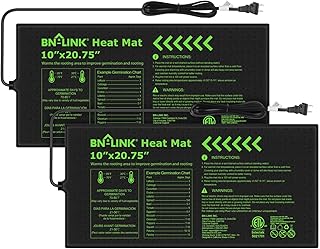
BN-LINK Durable Seedling Heat Mat for Seed Starting 10″ x 20.75″, 2 Pack…
GooingTop LED Grow Light,6000K Full Spectrum Clip Plant Growing Lamp wit…
3. Prepare Your Garden Soil Wisely

Looking to create a thriving garden? Soil preparation is vital for plant health. Healthy soil is teeming with microorganisms that nurture growth. Start by testing your soil to understand its pH and nutrient levels, guiding your amendments for a rich growing environment.
A blend of compost, well-rotted manure, and organic fertilizers can greatly enhance soil fertility. Ensure your garden beds are well-drained for strong root development and disease prevention.
Remove any weeds and debris before tilling the soil.
Add organic materials like leaf mold or worm castings to enrich the soil.
Consider raised beds if your native soil is rocky or poor.
Healthy soil leads to resilient plants that can better withstand pests and diseases. Taking the time to prepare your garden will pay off with a lush and productive harvest!
Prepare Your Garden Soil Wisely
Editor’s Choice

Rapitest Soil Test Kit for Gardens, Vegetables, Flowers and Lawns. USA d…

R&M Organics Premium Organic Compost 10 lb Bag for Vegetables, Flowers, …

Garden Tools Set, 3 Pack Heavy Duty Gardening Tools Set Include Garden S…
4. Understand Plant Care Tips
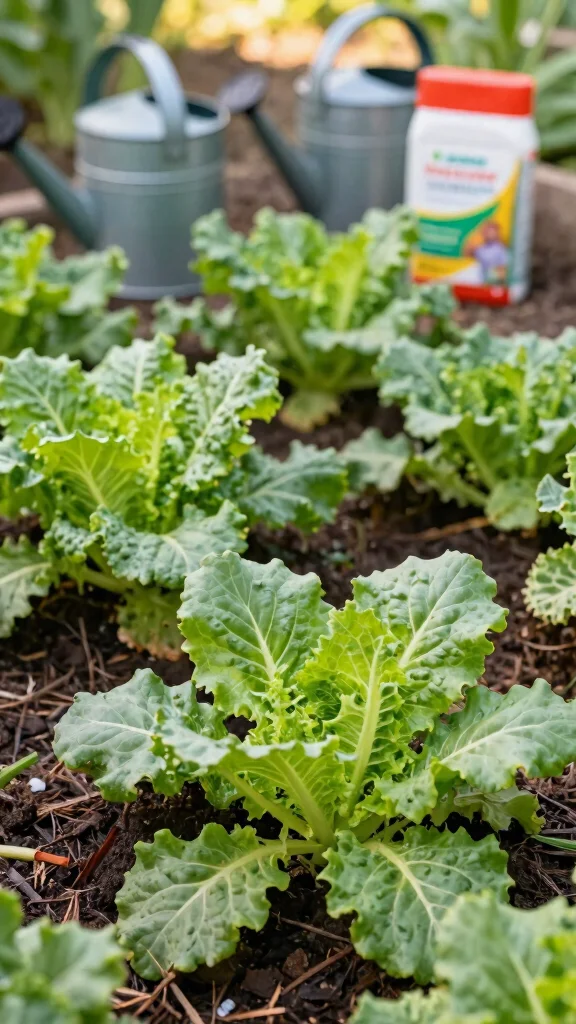
Do you know how to care for your plants properly? Plant care goes beyond just watering. Each plant has unique needs based on its type and environment. Understanding these requirements enhances growth and yield significantly.
Regular watering is crucial, especially in dry spells, but avoid overwatering to prevent root rot. Mulching helps retain moisture while keeping weeds at bay. Feeding your plants with organic fertilizers during their active growth phase provides essential nutrients for robust development.
Observe plants for pests or diseases regularly.
Prune plants to encourage healthy growth and airflow.
Rotate crops each year to prevent soil depletion and pest buildup.
By following these care tips, you can cultivate a vibrant garden full of life and bountiful harvests!
Did you know that consistent plant care can boost yields by up to 30%? Regular watering, mulching, and feeding your plant seeds with organic fertilizers cut stress and lock in moisture, helping each plant thrive from scratch.
📹 Related Video: 🌱 Seedling Care 101: What To Do AFTER Germination
Understand Plant Care Tips
Editor’s Choice

Miracle-Gro Organic Plant Food – Use with Indoor or Outdoor Plants, Orga…

Watering Can for Indoor and Outdoor Plants – Long Spout Water Can for Ga…

HealthiStraw GardenStraw, 3 cu ft (20 lbs) All-Natural Mulch for Gardens…
5. Gather Gardening Tools Essentials
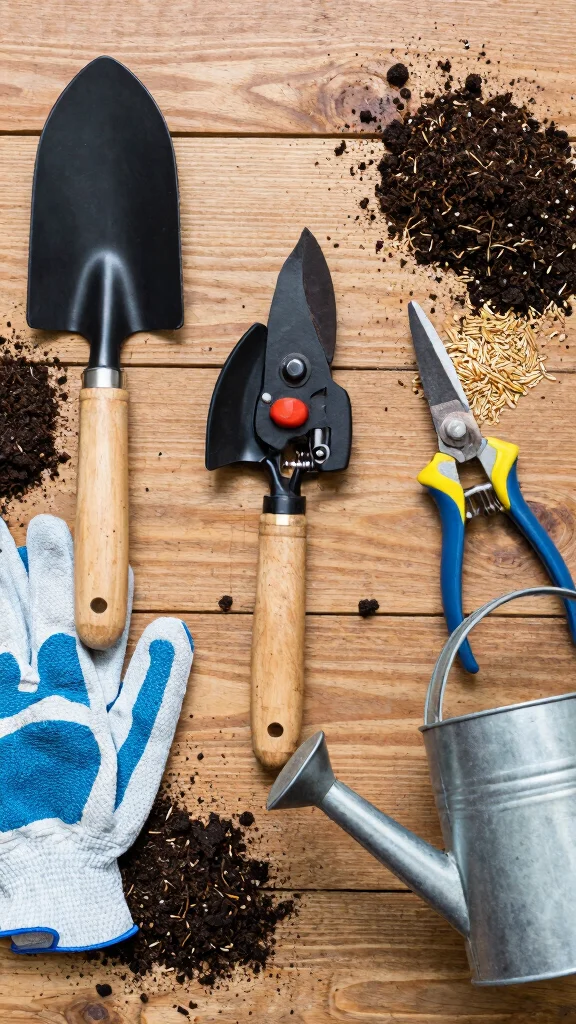
Are your gardening tools ready for action? Having the right tools is essential for effective plant care. Investing in quality equipment not only saves time but also makes gardening a lot more enjoyable.
Your basic toolkit should include:
– A sturdy hand trowel for planting and transplanting seeds.
– Pruning shears for trimming and shaping plants.
– A watering can or hose with a gentle spray nozzle for delicate seedlings.
– A sturdy rake and hoe for soil preparation and weeding.
Consider adding ergonomic tools to reduce strain, especially for larger gardens. Keeping your tools clean and well-maintained will extend their lifespan, ensuring you’re always equipped for successful gardening!
You might also like
Gather Gardening Tools Essentials
Editor’s Choice

Fiskars Bypass Pruning Shears, 5/8″ Cut Capacity Gardening Scissors, Sel…

Chapin 47998 Watering Can, 2 Gallon, Indoor and Outdoor Plants, Lawn, Ga…

Fiskars Trowel, Heavy Duty Gardening Hand Tool with Hang Hole, For Diggi…
6. Keep a Seasonal Planting Guide

Are you ready to plan your garden’s success? A seasonal planting guide serves as your roadmap to a flourishing garden. Knowing when to plant different seeds is crucial for maximizing your growing seasons and achieving healthy harvests.
In cooler areas, begin with cold-tolerant crops like spinach and kale in early spring. As temperatures rise, transition to warm-season crops like tomatoes and peppers. In warmer climates, consider fall planting for a second crop before winter.
Keep a gardening journal to track what you planted, when, and how well it performed.
Include a planting calendar outlining:
– Best planting times for various crops.
– Companion planting pairings for optimal growth.
– Succession planting strategies for continuous harvests.
Following a seasonal guide ensures your garden yields fresh produce all year round!
Keep a Seasonal Planting Guide
Editor’s Choice

ZICOTO Beautiful Daily Planner And Notebook With Hourly Schedule – Aesth…

Beginner’s Guide to Companion Planting Poster, Gardening Reference Chart…

Burpee SuperSeed Seed Starting Tray | 36 Cell Reusable Seed Starter Tray…
7. Embrace Companion Planting

Ready to enhance your garden’s productivity? Companion planting is a fantastic technique that promotes healthy growth by placing compatible plants together. This method maximizes space while creating a natural ecosystem that deters pests.
For instance, marigolds planted alongside tomatoes can repel nematodes and aphids, while basil can enhance their flavor. Legumes, like beans, can help fix nitrogen in the soil, benefiting neighboring plants.
Key benefits of companion planting include:
– Enhanced pollination and growth rates.
– Natural pest control without chemicals.
– Improved soil fertility through diverse plant roots.
Research companion planting combinations that suit your garden, and enjoy the beauty of a thriving, productive space!
Embrace Companion Planting
Editor’s Choice

Companion Planting for Beginners: Pair Your Plants for a Bountiful, Chem…

Mighty Mint Gallon (128 oz) Insect and Pest Repellent Peppermint Oil – N…

Burpee Organic Tomato & Vegetable Granular Plant Food, 4 lb
8. Harvesting and Saving Seeds
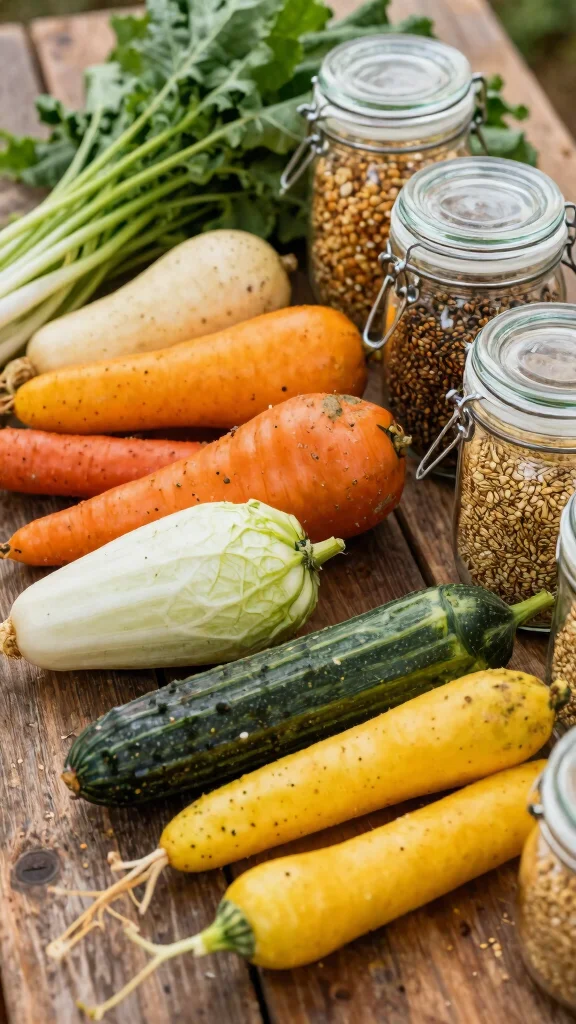
Are you excited about harvesting your crops? Knowing when and how to harvest your heirloom vegetables is crucial for extending your gardening experience. Each plant has specific signs that indicate when it’s ripe and ready for picking.
For example, harvest tomatoes when they reach a rich, vibrant color but remain firm. Beans should be picked when plump, just before the pods start drying out.
Consider saving seeds from your heirloom vegetables for future planting, creating a sustainable cycle in your gardening practice. To save seeds:
– Choose disease-free, healthy plants for seed saving.
– Allow fruit or pods to fully mature before harvesting.
– Rinse and dry seeds thoroughly before storing in a cool, dark place.
Mastering the art of harvesting and seed-saving ensures your garden flourishes season after season!
Fun fact: Saving seeds from just 5 heirloom tomatoes can yield over 500 plant seeds for next season, creating a sustainable cycle. When you harvest, label varieties and dry thoroughly; saving seeds keeps your garden true to its heritage.
You Might Also Like
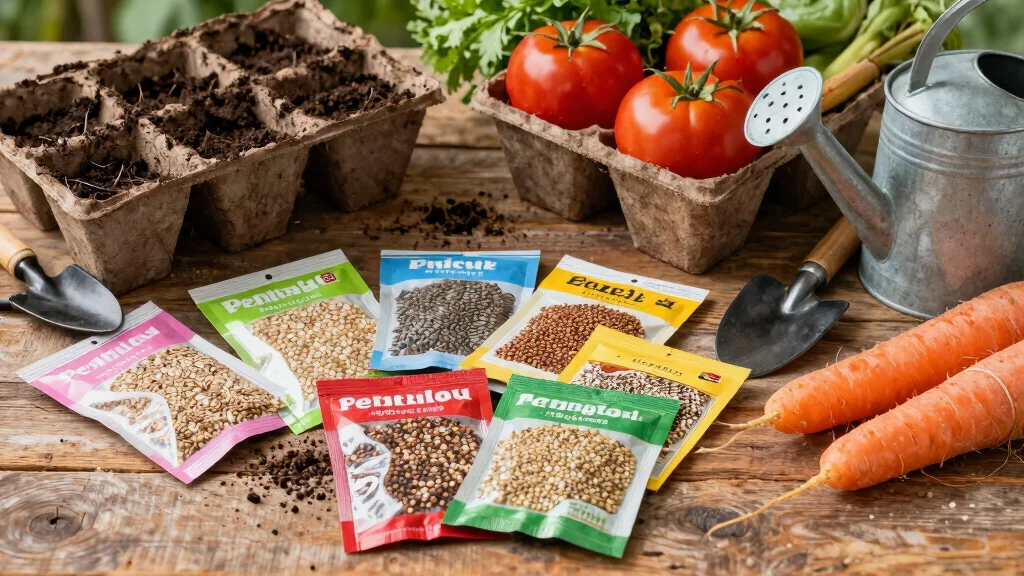
How To Choose The Right Organic Heirloom Seeds
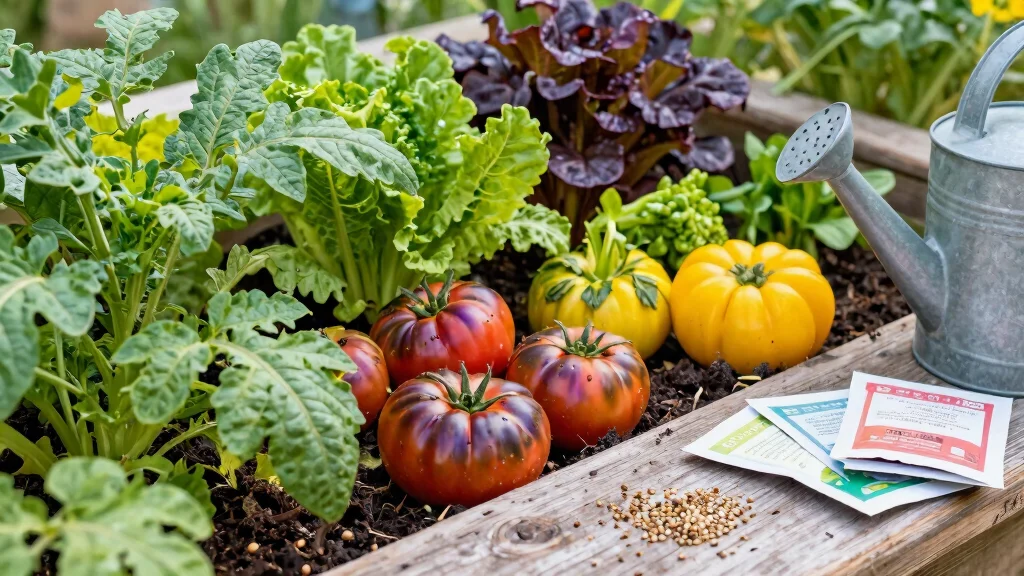
Choosing the right organic heirloom seeds is crucial for starting your garden off on the right foot. These seeds produce plants that yield fruits and vegetables true to their parent plants, making them perfect for sustainable gardening. Let’s break down how to select the best seeds for your personal garden.
1. Consider Your Climate
Different seeds thrive in different climates. Check your local growing zone and pick seeds that are suited for your area’s temperature and weather conditions. Look for seed packets that indicate their hardiness zone to ensure they can handle local climate fluctuations.
2. Understand Your Gardening Goals
What do you want to grow? Are you looking for vegetables, herbs, or flowers? Define your goals first. If your aim is to create a kitchen garden, focus on seeds for plants you will use frequently in your cooking. For ornamental gardens, choose seeds that will add color and beauty to your space.
3. Check Seed Quality
Always purchase seeds from reputable suppliers. Look for certifications like USDA Organic or Non-GMO Project Verified. High-quality seeds have a higher germination rate and are less prone to diseases. It can make a significant difference in achieving a thriving garden.
4. Look for Disease Resistance
Opt for varieties that mention disease resistance on the seed packets. This is especially important for heirloom seeds, which can sometimes be more vulnerable to pests and diseases. Varieties with built-in resistance will save you time and effort in caring for your plants.
5. Read Reviews and Recommendations
Before finalizing your seed choices, read reviews from other gardeners. Online gardening forums and local gardening clubs can offer valuable insights into what seeds perform well in your area. Recommendations from fellow gardeners can lead you to seeds that are tried and tested.
6. Pay Attention to Seed Sourcing
Choose seeds that are sourced locally or adapted to your region. Local seeds are often better suited to the environment and have better chances for success. They are also more likely to thrive because they have adapted to your soil type and climate over time.
Pro Tip: Always keep a seed journal! Document which seeds you planted, where you planted them, and how they performed. This can help you make better choices in the future and improve your gardening skills.
Taking the time to choose the right organic heirloom seeds will pay off when you see your garden flourish. By considering climate, goals, quality, disease resistance, reviews, and local sourcing, you can confidently select seeds that will help you cultivate a beautiful and productive garden. Happy planting!
Harvesting and Saving Seeds
Editor’s Choice

【40 Slots】 Seed Storage Organizer, Sturdy Seed Organizer Storage Box…

Remerry 8 Pcs Gardening Tools for Women Harvest Basket Vegetables with H…

Douorgan Seed Storage Box, Portable Seed Saving Box, Sturdy Seed Organiz…
9. Enjoy the Beauty of Your Garden

After nurturing your garden, take a moment to relish in your hard work! A flourishing garden isn’t just about vegetables; it’s a sanctuary filled with peace and beauty. Enhance its charm by adding decorative elements like garden stakes, flowering plants, or unique art pieces.
Create cozy spots to relax, like a bench surrounded by fragrant herbs or a hammock between fruit trees. Spend time observing the diverse wildlife that visits, from buzzing bees to fluttering butterflies, all part of the ecosystem you’ve nurtured.
Embrace the changing seasons, each bringing new beauty to your garden. Use your produce in meals, share with friends, or even sell at local markets. Connecting with nature and sharing your harvest is incredibly fulfilling!
Enjoy the Beauty of Your Garden
Editor’s Choice

Garden Bench,Outdoor Benches,Iron Steel Frame Patio Bench with Mesh Patt…

AnorTrek Camping Hammock, Super Lightweight Portable Parachute Hammock w…
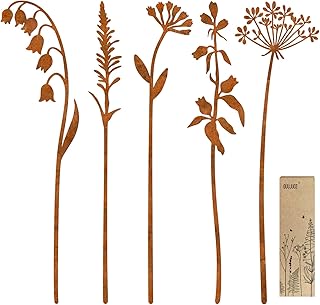
Metal Flowers for Outside,Decorative Garden Stakes,Flower Bed Decor Plan…
Conclusion

Growing a thriving garden from scratch is a fulfilling and rewarding journey that connects you with nature and encourages sustainable practices. By embracing organic heirloom vegetable seeds and following these essential tips, you’ll cultivate not only beautiful plants but also a rich bounty of fresh produce.
Gardening is a continuous learning experience. Share your successes and challenges, and never hesitate to reach out to your local gardening community for support. Here’s to sprouting new adventures in your garden!
Note: We aim to provide accurate product links, but some may occasionally expire or become unavailable. If this happens, please search directly on Amazon for the product or a suitable alternative.
This post contains Amazon affiliate links, meaning we may earn a small commission if you purchase through our links, at no extra cost to you.
Frequently Asked Questions
What are the most effective seed starting techniques for organic heirloom vegetables?
For seed starting techniques that work with organic heirloom vegetables and plant seeds, begin with clean containers and a sterile seed starting mix designed for seedlings, then sow according to seed packet depth. Keep the flats warm (around 70–75°F) and consistently moist, using bottom heat or a seedling mat for reliable germination. A clear humidity dome can help at first, but ventilate daily to prevent damping-off. Once sprouts appear, remove the cover gradually and provide bright light. When true leaves form, transplant to larger containers or your garden, and harden off for 7–10 days before outdoor exposure. Label each variety and keep notes so your seasonal planting guide stays accurate.
How should I prepare garden soil for starting plant seeds to ensure strong germination?
Healthy germination starts with garden soil preparation. Test soil pH (most veggies prefer 6.0–7.0) and amend with plenty of well-rotted compost and organic matter, mixing 2–3 inches into the top 6–8 inches of soil. Loosen heavy clay and improve drainage, using raised beds if needed. Remove debris and clumps, then rake smooth. Water well before sowing and keep soil evenly moist until seeds germinate. In organic gardens, avoid synthetic fertilizers—let soil biology feed your plant seeds through healthy microbial life.
What plant care tips help seedlings become thriving plants in an organic garden?
These plant care tips help seedlings become thriving plants. Give them bright light (at least 6–8 hours a day) or a strong grow-light setup, and keep moisture steady—deep water less often rather than frequent shallow sprinkles. Thin crowded seedlings so each has room to grow, and transplant with minimal root disturbance. Feed with a diluted organic fertilizer or homemade compost tea after the first true leaves appear. Use mulch to conserve moisture and prevent weeds, and monitor for pests using organic methods like hand-picking, beneficial insects, or companion planting. Finally, gradually acclimate indoors seedlings to outdoor conditions through a proper hardening-off routine.
What gardening tools essentials do I need to start a garden from scratch with heirloom seeds?
A practical set of gardening tools essentials includes a sturdy hand trowel, a dibber for seed holes, pruning shears, a watering can or hose with a gentle spray nozzle, a hand rake or cultivator, and a hoe. Seed starting trays or flats, plant labels, and a moisture meter or simple finger test help manage garden tool use and seed success. Add a comfortable kneeling pad and a small spray bottle for delicate misting. With these basics, you can confidently start heirloom seeds and watch your garden grow.
What is a seasonal planting guide for growing organic heirloom vegetables in a home garden?
Here’s a simple seasonal planting guide to turn seed into a thriving harvest. First, determine your last frost date and plan cool-season crops (lettuce, spinach, peas) to sow indoors or directly as soon as the soil can be worked. Wait for warm-season crops (tomatoes, peppers, beans) to be planted after the soil warms and nights are reliably above freezing. Practice succession planting every 2–3 weeks to extend harvests. Use row covers to stretch the season and rotate crops yearly to protect soil health. By tying seed starting techniques and garden soil preparation into a seasonal planting plan, you’ll grow a beautiful garden from scratch with organic heirloom seeds.
Related Topics
organic gardening
heirloom seeds
seed starting techniques
garden soil preparation
plant care tips
gardening tools essentials
seasonal planting guide
beginner friendly
sustainable gardening
easy gardening
home garden
vegetable gardening