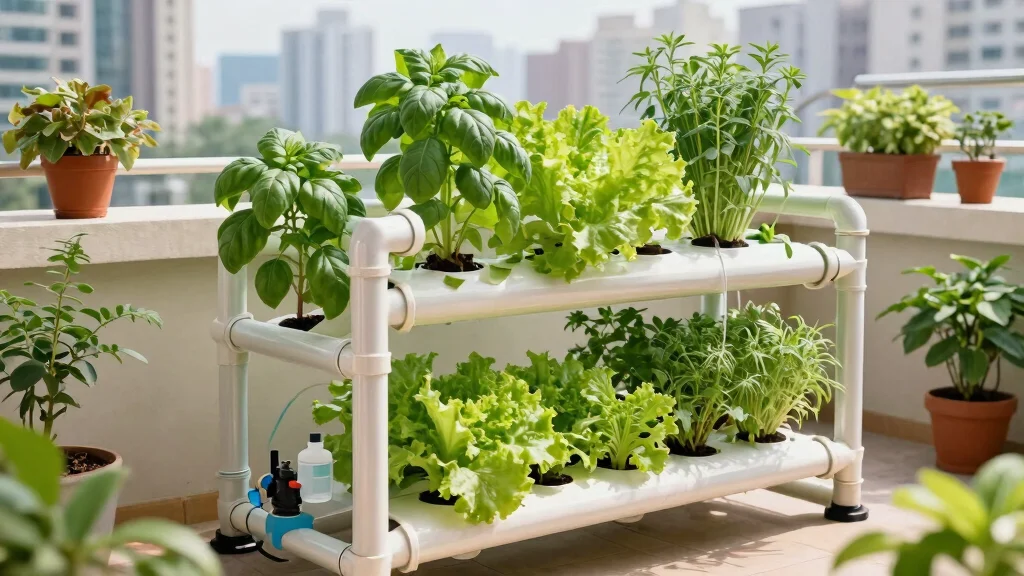
If you’re looking to dive into the world of hydroponics but feel overwhelmed by the complexity and cost, you’re in the right place. This post is designed to show you that growing fresh produce doesn’t have to be pricey or complicated. With just a few PVC pipes and some basic tools, you can create your own hydroponic systems at home. Think of it as a fun DIY project that pays off in fresh vegetables and herbs right from your own space.
This guide is for urban gardeners, apartment dwellers, or anyone eager to cultivate their own greens without needing a sprawling backyard. If you care about healthy eating, sustainability, or simply the joy of gardening, you’ll find these PVC pipe hydroponic ideas both simple and satisfying. Each project is designed to be affordable and easy to build, perfect for those who might feel daunted by traditional gardening or hydroponic setups.
In this article, you’ll discover seven creative and cost-effective hydroponic system DIY PVC pipe ideas that fit snugly into any small space. From vertical gardens to window box systems, these projects will not only enhance your living area but also provide fresh produce year-round. Let’s get started on your hydroponic gardening journey!
Key Takeaways
– Affordable Solutions: Learn how to build hydroponic systems using inexpensive PVC pipes, making urban gardening accessible for everyone.
– Space-Saving Designs: Discover vertical and compact setups that maximize your growing area, ideal for small apartments or limited outdoor spaces.
– User-Friendly Guides: Each hydroponic system idea comes with step-by-step instructions to help you build with ease, regardless of your prior experience.
– Fresh Produce Year-Round: Enjoy the benefits of home-grown vegetables and herbs at your fingertips, promoting healthier eating habits.
– Engaging DIY Projects: These fun and creative projects provide a rewarding way to learn about gardening while cultivating your own fresh food.
1. The Vertical PVC Pipe Garden
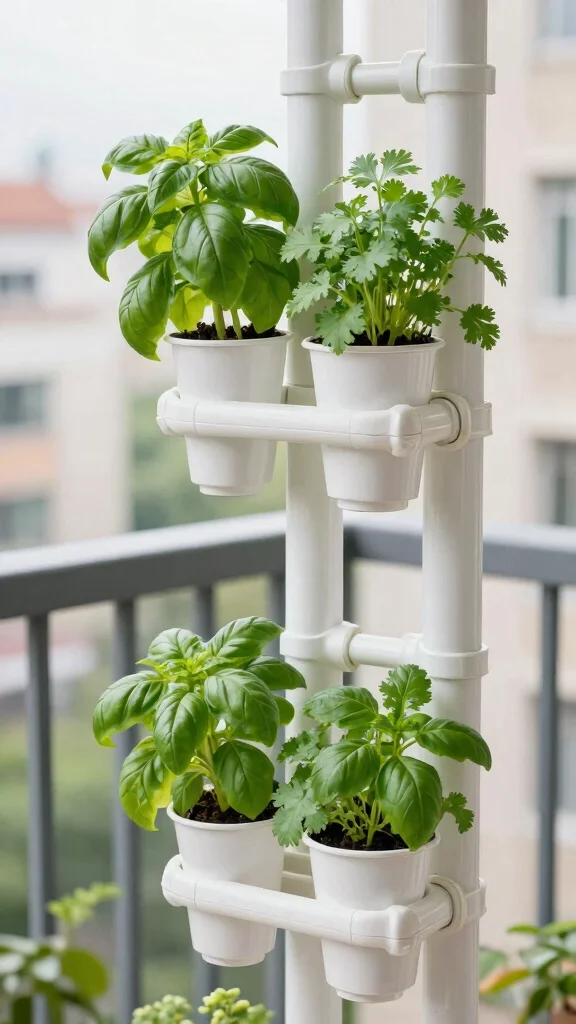
Looking to transform your space into a vibrant garden? A vertical PVC pipe garden is your answer! This setup makes it easy to grow herbs and salad greens, all while saving valuable floor space. With just a few 4-inch PVC pipes, plant cups, and a water reservoir, you can create a stunning display that enhances your home’s aesthetic. Start by measuring and cutting your PVC pipes to the desired height. Drill holes for plant cups, ensuring they’re spaced for optimal growth, and assemble your vertical structure securely. This simple yet effective project not only beautifies your area but also provides fresh produce right at your fingertips. Key steps to get started: – Cut the Pipes to your desired height for a uniform look. – Drill holes spaced 6-8 inches apart for plant access. – Assemble securely, either stacking or framing the pipes. This vertical garden will turn your balcony into a lush oasis, perfect for fresh herbs and greens!
Fun fact: A vertical PVC pipe garden can boost herb yields by up to 3x in a small apartment, using the hydroponic system diy pvc pipe setup. It saves floor space and is surprisingly easy to assemble—just cut, drill, and stack plant cups.
The Vertical PVC Pipe Garden
Editor’s Choice

12 Pack 3 inch Net Cups Pots with 12 feet Hydroponics Self Watering Wick…


Hydroponic Growing Kit 4 Tiers 20 Holes Vertical Vegetable Plant Tower w…

4 Inch PVC Pipe 17″ Long White Sch40 Industrial PVC Pipes for Home DIY, …
2. The PVC Pipe Raft System
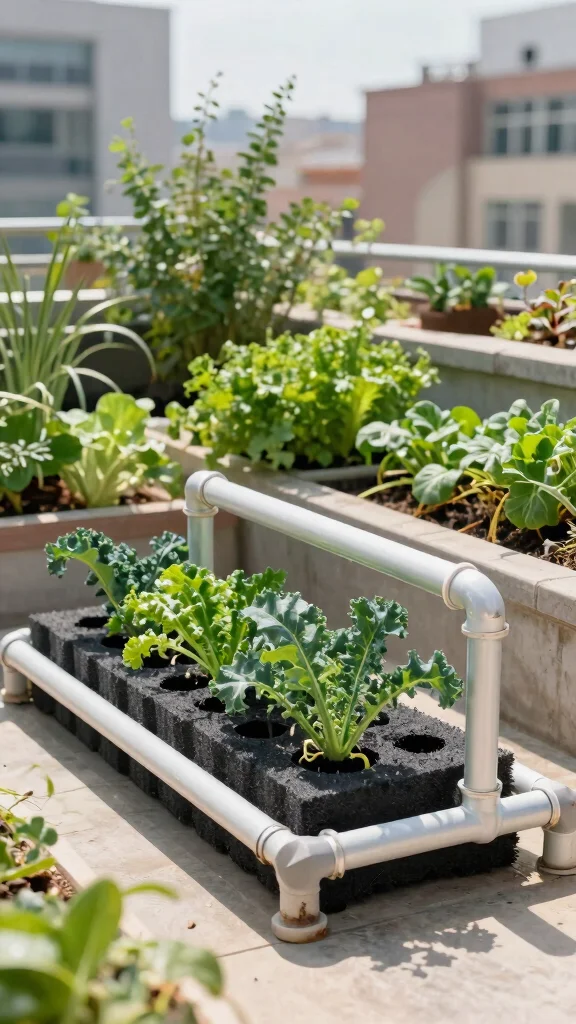
Ready to take your gardening to the next level? The PVC pipe raft system is perfect for larger plants like leafy greens and strawberries! This ingenious method keeps your plants afloat on foam rafts while their roots soak in nutrient-rich water below. With a few materials, you can set up a thriving garden. To get started, create a rectangular frame with your PVC pipes to hold the foam rafts securely. Cut the foam to fit snugly within the frame, ensuring it supports your plants effectively. Finally, add the nutrient solution to the reservoir underneath for optimal plant growth. Key steps to set up: – Build the Float with a rectangular PVC frame for stability. – Insert foam rafts to keep plants above water. – Fill the reservoir with nutrient solution for nourishment. This simple raft system not only makes gardening fun but also lets you watch your plants thrive in a unique way!
The PVC Pipe Raft System
Editor’s Choice

Bates- PVC Pipe Cutter, Cuts up to 1-1/4″, Ratcheting PVC Pipe Cutter To…

TRC Recreation Sunsation Thick Foam Pool Float Lounger w/Headrest for Lo…

Liquid Plant Food for use in AeroGarden, IDOO and Hydroponic Growing Sys…
3. The Simple Hydroponic PVC Pipe System
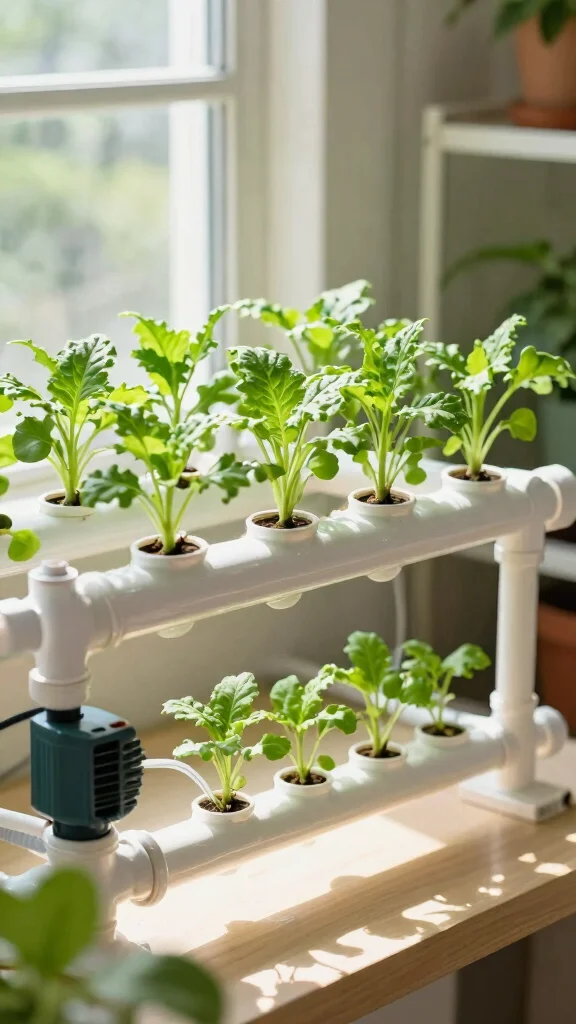
If you’re new to hydroponics, this simple PVC pipe system is a fantastic starting point! It’s beginner-friendly and requires just a few PVC pipes, connectors, and a water pump. With a horizontal flow design, your plants will receive the nutrients they need while maximizing space. To set it up, cut the PVC pipes to your preferred length and connect them with elbows and tees. Drill evenly spaced holes for plant cups along the top, then install a water pump at one end to circulate the nutrient solution. Key steps for your hydroponic setup: – Create your Layout by cutting PVC to your desired length. – Add Plant Holes spaced evenly for optimal growth. – Install a Pump to circulate nutrient-rich water efficiently. This system not only accelerates plant growth but also makes urban gardening a breeze!
The Simple Hydroponic PVC Pipe System
Editor’s Choice

MiniUSB Water Pump – 4 L/min Flow Rate, Low-Power Self-Priming Submers…
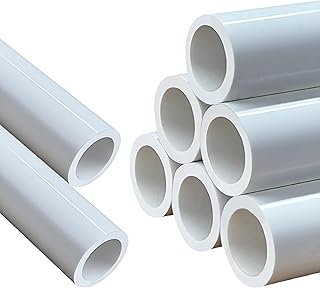
LESSO 8PCS 1/2 Inch PVC Pipe 39″L, Industrial 1/2″ PVC Pipes for Home DI…
12 Pack 3 inch Net Cups Pots with 12 feet Hydroponics Self Watering Wick…
4. The DIY Hydroponic Tower
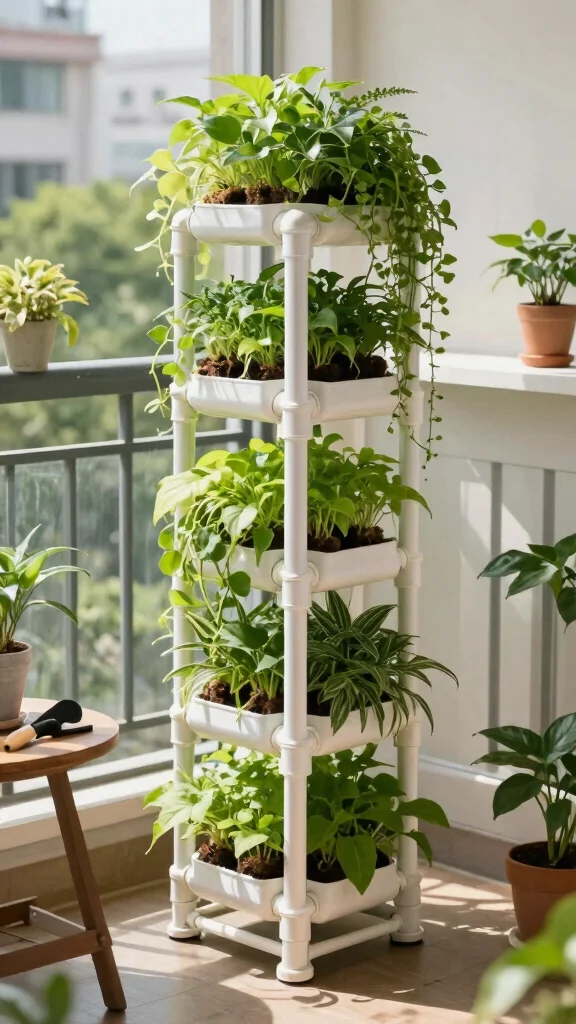
Elevate your gardening experience with a DIY hydroponic tower made from PVC pipes! This vertical gardening system is perfect for small spaces, allowing you to grow a variety of plants while taking up minimal ground area. It’s both functional and visually striking, making it a great addition to any home. To build your tower, start with a sturdy base made of larger PVC pipes. Stack smaller sections vertically, drilling holes for plants at each level. Connect the sections to ensure the nutrient solution flows down effectively. Key steps to create your tower: – Make the Base with larger pipes for stability. – Stack Vertical Pipes, ensuring holes for plants at every level. – Connect the System for efficient nutrient flow. Watch your plants flourish in this eye-catching tower, creating a stunning green display!
Fun fact: A compact hydroponic tower made from PVC pipes can boost yields on a tiny balcony—yet sit on under 2 square feet of ground space. This hydroponic system diy pvc pipe setup stacks sections with holes at each level, so herbs thrive vertically.
You might also like

The DIY Hydroponic Tower
Editor’s Choice
Bates- PVC Pipe Cutter, Cuts up to 1-1/4″, Ratcheting PVC Pipe Cutter To…
Liquid Plant Food for use in AeroGarden, IDOO and Hydroponic Growing Sys…

KATA 8PCS Hole Saw Kit 1″ to 2-1/8″(25-54mm) Hole Saw Set in Case with M…
5. The Hydroponic Window Box
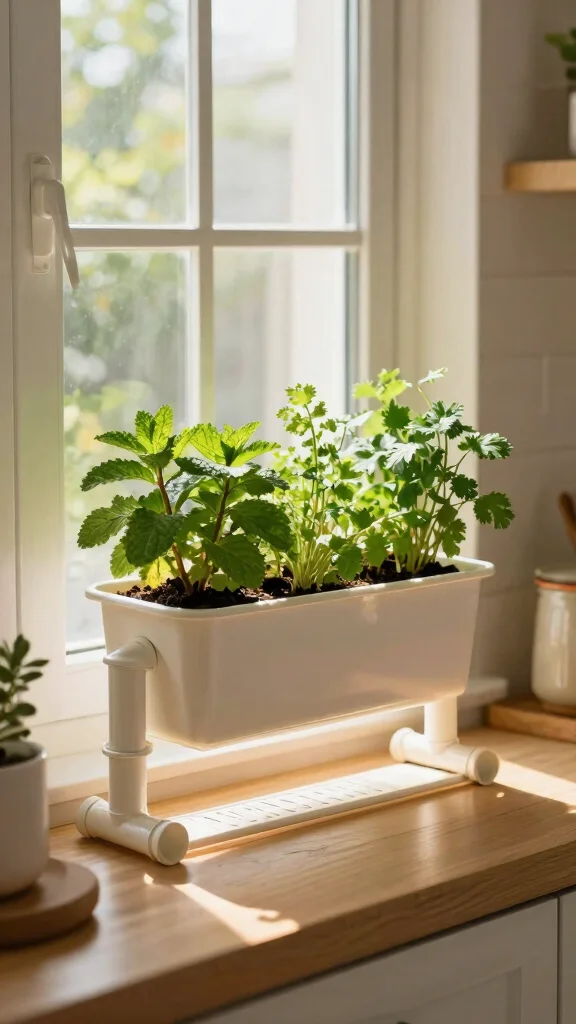
Turn your window into a mini hydroponic garden with a DIY window box! This project is ideal for small spaces and lets you enjoy fresh herbs right from your kitchen. With just a few PVC pipes, you can create a charming addition to your home. Start by determining the size of your window box and cutting the PVC accordingly. Drill holes for your plants at the top, ensuring proper spacing. Don’t forget to include a drainage system to prevent water overflow. Key steps for your window box: – Choose Your Size based on your window space. – Drill Cup Holes for plant placement. – Add a Drainage System to keep excess water at bay. This project will not only provide fresh herbs but also beautify your living area with vibrant greenery!
📹 Related Video: Planting a Window Box & How to Make any Container Self-Watering | Hooks and Lattice
The Hydroponic Window Box
Editor’s Choice
Bates- PVC Pipe Cutter, Cuts up to 1-1/4″, Ratcheting PVC Pipe Cutter To…
Liquid Plant Food for use in AeroGarden, IDOO and Hydroponic Growing Sys…

Mini Submersible Pump Noiseless Brushless Submersible Pump for Hydroponi…
6. The Horizontal Hydroponic System
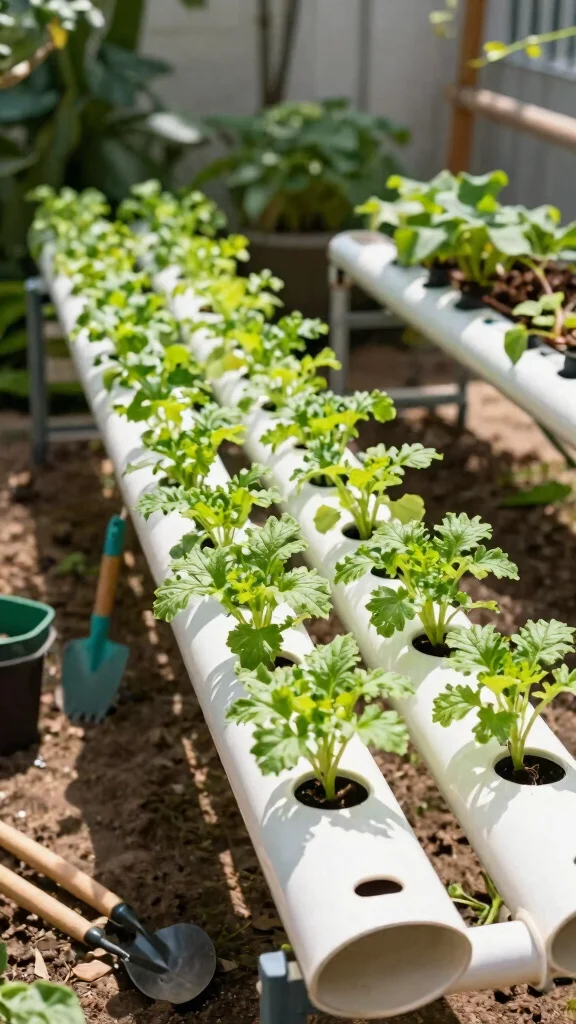
Experience the efficiency of a horizontal hydroponic system using PVC pipes! This design accommodates various plants while keeping maintenance simple and accessible. It’s perfect for urban gardeners looking to maximize their growing space. Begin by cutting your PVC pipes into horizontal sections and connecting them with elbows for stability. Drill holes for plant cups, ensuring they’re evenly spaced for healthy growth. Incorporate a water flow system using a simple pump to keep the nutrient solution circulating. Key steps for setting up: – Cut and Connect Pipes horizontally for stability. – Plant Cups Placement ensures even growth. – Water Flow System setup with a pump for nutrient delivery. This system is easy to manage and produces fresh greens while enhancing your urban environment!
You Might Also Like

The Horizontal Hydroponic System
Editor’s Choice

2 inch Net Cups Pots 30 Pack with 30 feet Self Watering Wick & 30 Plant …

CWKJ Fountain Pump, 400GPH Submersible , Durable 25W Outdoor Water Pump …
Bates- PVC Pipe Cutter, Cuts up to 1-1/4″, Ratcheting PVC Pipe Cutter To…
7. The Recirculating Hydroponic System
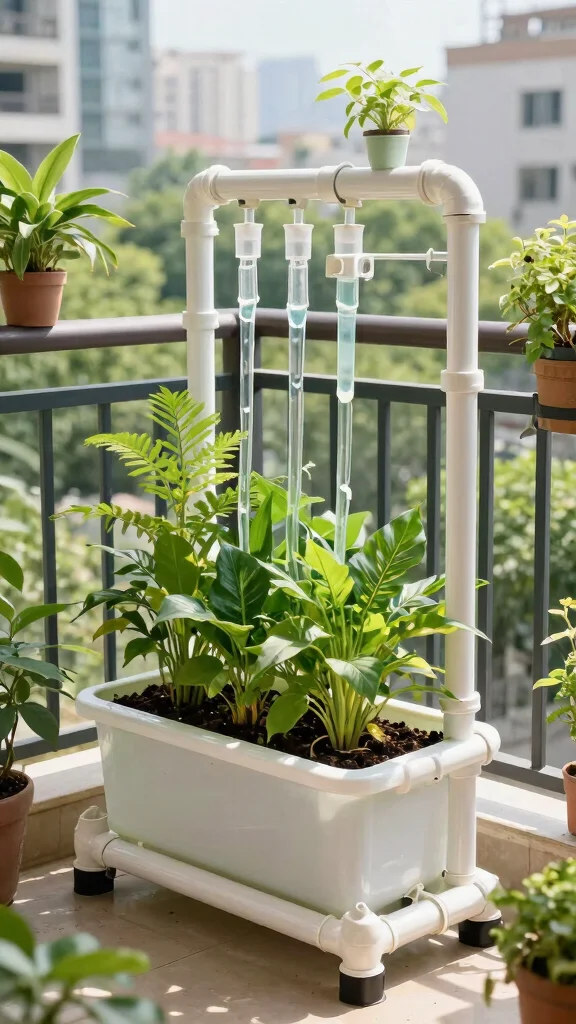
Embrace eco-friendliness with a recirculating hydroponic system made from PVC pipes! This sustainable setup reuses nutrient solutions, minimizing waste while promoting plant growth. It’s a great way to garden while being kind to the environment. To create this system, use a large PVC container as your reservoir for the nutrient solution. Set up a loop with the PVC pipes, allowing the water to flow back into the reservoir. Insert your plants into the holes and keep an eye on the water levels to ensure they receive adequate nourishment. Key steps for your recirculating system: – Create a Reservoir with a large PVC container. – Set Up Pipes to form a closed-loop system. – Plant and Monitor your setup for optimal growth. Not only will this setup yield fantastic plants, but it also supports sustainable gardening practices!
Fun fact: A recirculating hydroponic system diy pvc pipe reuses nutrient solution, slashing waste by up to 70% and conserving water for small-space gardens. With a simple PVC reservoir and looping pipes, you feed plants efficiently and grow more in less space.
Difficulty Rating & Requirements
Overall Difficulty Rating: Easy
Building a hydroponic system using PVC pipes is generally easy. It’s perfect for beginners who want to try hydroponic gardening without breaking the bank. If you enjoy hands-on projects and have some basic tools, you’ll find it manageable and even fun!
Time Estimate:
⏱ Estimated time: 3-5 hours
The time to complete your hydroponic system can vary based on the complexity of the design. Here’s a breakdown of the major phases:
1. Planning and gathering materials: 1-2 hours
2. Cutting and assembling PVC pipes: 1-2 hours
3. Setting up the hydroponic system and testing: 1 hour
Skill Requirements:
– Required skills: Basic measuring, cutting, and assembling skills
– Beginner-friendly: Yes! This project is designed for beginners. You’ll learn as you go, and most of the techniques can be picked up quickly.
– Skills that can be learned: You can learn how to handle basic tools, understand how hydroponic systems work, and develop problem-solving skills.
– Skills that require experience: There’s no specialized experience required, so you can jump in without worry!
Tools & Materials Needed:
🧰 Essential items checklist:
– PVC pipes (required)
– PVC pipe cutter or saw (required)
– Drill with drill bits (required)
– Hydroponic nutrient solution (required)
– Net pots (required)
– Water pump (optional, for larger systems)
– Tubing for water flow (optional, depending on your design)
– Measuring tape (required)
Step-by-Step Overview:
1. Planning and Design (1-2 hours): Start by choosing which hydroponic system you want to build. Sketch your layout and gather all necessary materials. This is a crucial phase that sets the tone for your project.
2. Cutting and Assembling (1-2 hours): Measure and cut your PVC pipes according to your design. Assemble the pipes using PVC glue or connectors. Ensure everything is secure and leak-free for optimal function.
3. Setting Up (1 hour): Position your hydroponic system in a sunny spot or under grow lights. Fill it with water and add your nutrient solution. Test the system to check for leaks and flow rates.
Professional vs DIY:
Building your own hydroponic system can save you a substantial amount of money. Commercial systems can range from $100 to over $1,000, depending on the size and features. A DIY PVC pipe hydroponic system can be built for around $50 to $150, depending on your design and materials used. If you’re looking for something specific or lack the time, hiring a professional might be worth it. However, the learning experience and satisfaction of doing it yourself are hard to beat!
The Recirculating Hydroponic System
Editor’s Choice
Bates- PVC Pipe Cutter, Cuts up to 1-1/4″, Ratcheting PVC Pipe Cutter To…
Liquid Plant Food for use in AeroGarden, IDOO and Hydroponic Growing Sys…

VIVOSUN 800GPH Submersible Pump(3000L/H, 24W), Ultra Quiet Water Fountai…
Conclusion
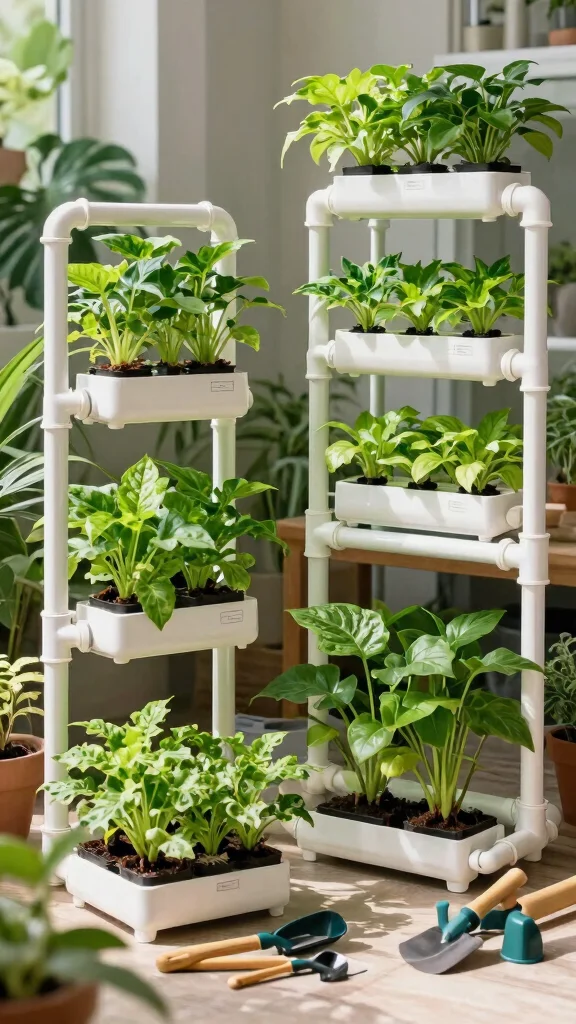
Creating your own hydroponic system using PVC pipes can be incredibly fulfilling and affordable!
These DIY projects not only enhance your living space but also give you the opportunity to grow fresh produce right at home. Whether you’re a seasoned gardener or just starting out, these ideas will inspire you to cultivate your green dreams, even in the smallest of spaces. Get your materials ready, and let the gardening adventure begin!
Note: We aim to provide accurate product links, but some may occasionally expire or become unavailable. If this happens, please search directly on Amazon for the product or a suitable alternative.
This post contains Amazon affiliate links, meaning we may earn a small commission if you purchase through our links, at no extra cost to you.
Frequently Asked Questions
Question: Why is a hydroponic system diy pvc pipe a great option for small urban spaces?
Answer: Because it’s affordable hydroponic systems, customizable, and fits tight spaces like balconies or countertops. With PVC pipe gardening, you can stack units vertically or run a compact horizontal setup in a corner. It’s perfect for DIY hydroponics beginners and urban growers alike.
Choose one of the 7 ideas to match your space, measure your area, and gather inexpensive components like PVC pipe, end caps, net pots, a small submersible pump, and a nutrient solution to get started.
As you grow, you can expand later by adding more pipes or upgrading to a larger setup without breaking the bank.
Question: What are the simplest pvc pipe configurations for beginner hydroponic projects?
Answer: Here are a few easy configurations to start with:
– a straight horizontal NFT-style pipe with holes every 6-8 inches
– a compact vertical tower made from stacked PVC sections
– a small gravity-fed drip system using a reservoir
For beginners, starting with a single pipe NFT is the simplest path. Use 2-4 inch pipe, drill holes, insert net pots, seal ends, and run a gentle slope to drain back to the reservoir. This keeps things hydroponic system diy pvc pipe friendly and affordable hydroponic systems while staying in the realm of easy hydroponic projects.
Question: How do I set up a basic hydroponic system diy pvc pipe from start to finish?
Answer: Follow these steps: Step 1: choose a design and measure your space. Step 2: gather materials like PVC pipe, end caps, net pots, a pump, tubing, and a nutrient solution. Step 3: cut the pipe to length. Step 4: drill holes for each plant. Step 5: deburr holes and insert net pots. Step 6: seal ends with end caps. Step 7: mount the pipe with a slight slope. Step 8: connect the pump to the reservoir and run tubing to the pipe. Step 9: fill the reservoir with the nutrient solution and start the pump. Step 10: test for leaks and algae; Step 11: plant seedlings or starts, provide appropriate light, and monitor pH and EC. This is a great project for DIY hydroponics beginners.
Question: What maintenance tips help keep a PVC pipe hydroponic system running smoothly?
Answer: Maintenance tips:
• Check pH and EC weekly; aim for 5.5-6.5 depending on crop.
• Clean reservoir and tubes every 2-4 weeks to prevent mineral buildup and algae.
• Use opaque PVC or cover pipes to stop light exposure.
• Inspect seals, joints, and pump for wear; flush lines if you notice low flow.
• Sanitize end caps and nets between crops and rotate crops to reduce disease risk.
Question: Is a PVC pipe gardening setup really affordable and beginner-friendly for urban hydroponics?
Answer: Yes. A basic DIY PVC pipe gardening setup can be incredibly affordable and friendly to beginners. Start small with a 1- to 2-pipe system and scale up later. Typical costs: PVC pipe gardening materials under $20 for pipes and end caps, net pots and growing medium, a small submersible pump around $15–$25, and basic nutrients if needed. Reusing parts and shopping second-hand can lower costs even more, so you can build a functional hydroponic system diy pvc pipe for under $50–$100. This approach suits DIY hydroponics in apartments, balconies, or rooftops and aligns with affordable hydroponic systems and easy hydroponic projects.
Related Topics
hydroponic gardening
DIY hydroponics
PVC pipe gardening
affordable hydroponic systems
easy hydroponic projects
urban gardening
small space gardening
budget gardening
beginner friendly
simple builds
sustainable gardening
indoor gardening