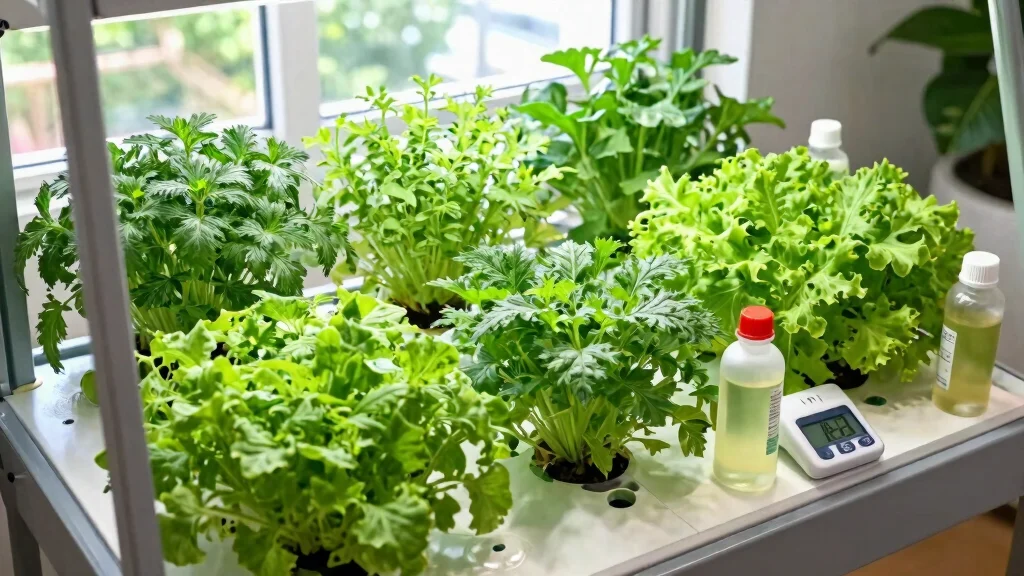
Many urban gardeners are discovering the joys of hydroponics, especially when space is tight. This post came about because I noticed how crucial pH levels are in ensuring plants not only survive but truly thrive in hydroponic systems. If you’ve ever struggled with yellowing leaves or stunted growth, understanding your hydroponic pH levels could be the game changer you need.
If you’re an urban gardener seeking to maximize your small space, this guide is for you. You care about nurturing healthy plants, and you want them to flourish despite the challenges of limited room. You’ll learn essential tips about maintaining the right pH levels in your hydroponic nutrient solution, ensuring your plants are primed for optimal nutrient uptake.
In this comprehensive guide, you’ll get practical insights into pH testing methods, how to maintain an optimal pH range, and recognize symptoms of pH imbalance. Plus, I’ll share effective ways to adjust pH levels and discuss the importance of your nutrient solution composition. It’s all designed to help you keep your plants healthy and thriving all year round.
Key Takeaways
– Understanding pH is vital for healthy hydroponic plants, as it affects nutrient absorption and overall growth.
– You can easily test pH levels using various methods, such as pH strips or digital meters, to ensure accuracy.
– Maintaining an optimal pH range (typically between 5.5 to 6.5) is crucial for promoting nutrient uptake efficiency in your plants.
– Symptoms of pH imbalance can manifest as yellowing leaves or stunted growth, signaling that it’s time to take action.
– Regular adjustments of pH levels, based on seasonal changes and nutrient composition, can lead to better plant health and yield.
1. Understanding pH in Hydroponics

Understanding the pH level in hydroponics is essential for your plants’ success. The pH indicates how acidic or alkaline your nutrient solution is, directly influencing nutrient absorption. Ideally, you want a pH between 5.5 and 6.5, allowing your plants to thrive and grow robustly. If your pH strays outside this range, it can lead to nutrient deficiencies or toxicities, negatively affecting plant health.
To keep your pH in check, regularly monitor it with a reliable pH meter. Changes can happen due to factors like adding nutrients or water evaporation, so testing a few times weekly is a smart practice. If you find your pH off balance, you can adjust it using pH up or down solutions, ensuring your garden stays vibrant.
Key tips for managing pH effectively:
– Use a reliable pH meter for accurate readings
– Adjust pH gradually with pH up or down solutions
– Keep a log of pH levels and plant health
Regular pH monitoring leads to healthier plants and a more fruitful hydroponic garden.
Understanding pH in Hydroponics
Editor’s Choice

VIVOSUN Digital pH and TDS Meter Kits, 0.01pH High Accuracy Pen Type pH …


General Hydroponics pH Up Liquid Premium Buffering For pH Stability, Quart

Liquid Plant Food for use in AeroGarden, IDOO and Hydroponic Growing Sys…
2. pH Testing Methods
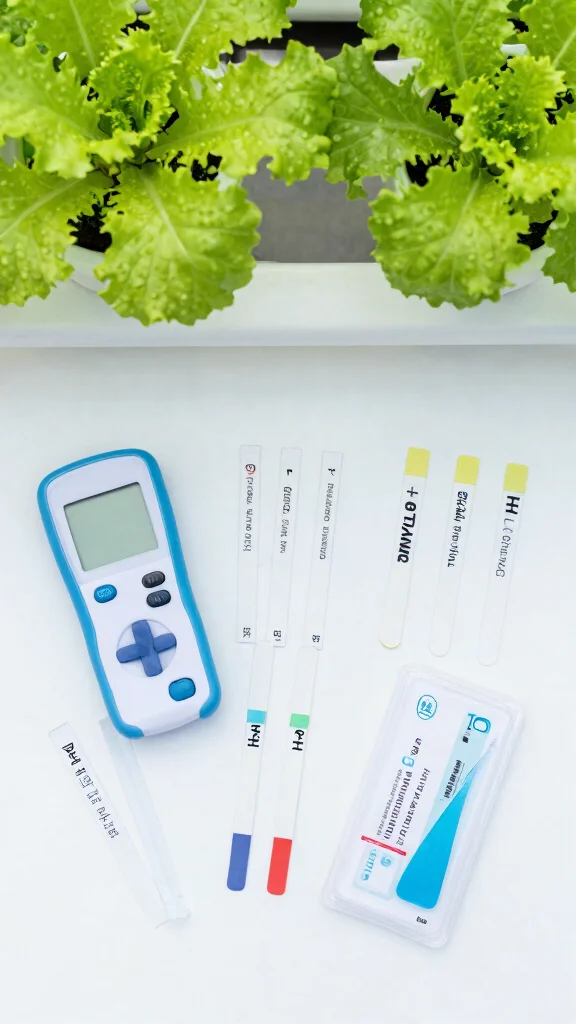
Testing pH in your hydroponic system is vital, and you have several methods at your disposal. The most dependable option is a digital pH meter, which provides quick and accurate readings. If you’re looking for a simple alternative, pH test strips can also work, changing color to show your solution’s acidity or alkalinity.
For the best results, calibrate your pH meter regularly with standard solutions. This practice ensures accuracy, so clean the meter after each use to avoid contaminating your readings. If you enjoy hands-on approaches, consider pH testing kits that use reagents for color changes in your solution.
Effective pH testing methods include:
– Use a digital pH meter for precision
– Regularly calibrate your meter for accuracy
– Explore pH test strips for quick checks
Consistency in testing will help you maintain happy, healthy plants throughout their growth cycle.
pH Testing Methods
Editor’s Choice

Biopharm pH Calibration Buffer 3-Pack, 500 mL (1.06 Pint) Each: pH 4.00,…

2 Pack pH Test Strips, 160 Strips pH.1-14 Universal pH Test Paper Litmus…

VIVOSUN Digital pH Meter, 0.01pH High Accuracy Pen Type pH Tester for Hy…
3. Maintaining Optimal pH Range
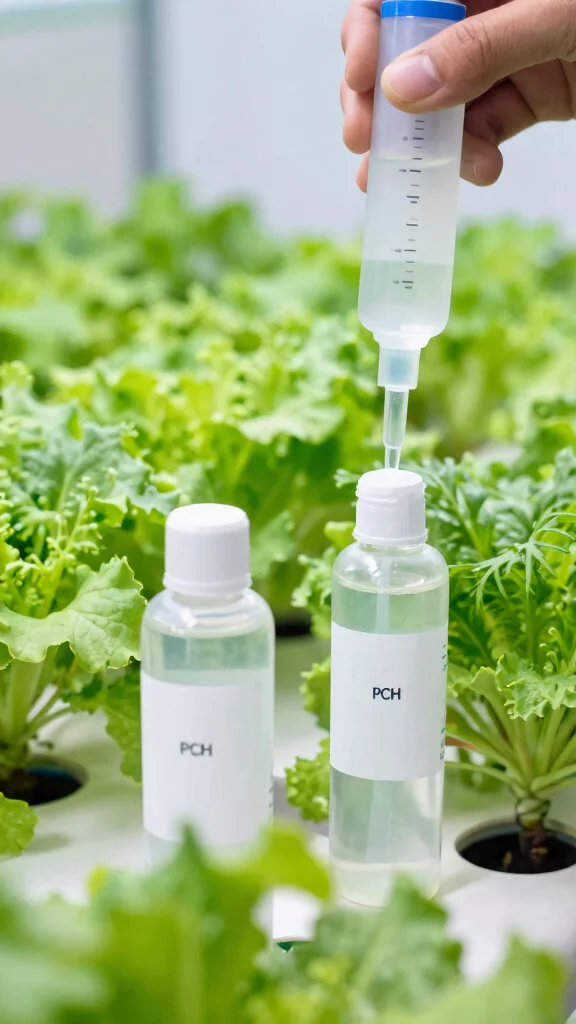
Maintaining the ideal pH range in your hydroponic garden is crucial for plant health. Aim for a pH between 5.5 and 6.5, as even slight deviations can affect nutrient uptake. If you notice pH levels changing, use pH up or down solutions carefully, adding them slowly and retesting right after each adjustment.
Be mindful of factors influencing pH, like the type of substrate or your water source. For example, tap water often has minerals that can alter pH, so check before mixing your nutrient solution. Planning your feeding schedule can also help minimize drastic pH changes.
Steps to maintain optimal pH:
– Regularly monitor pH levels to identify issues
– Use pH up or down solutions cautiously
– Consider your water source and its impact on pH
Keeping your pH stable will create a thriving environment for your plants to flourish.
How To Maintain Optimal pH Levels in Hydroponics
Tools You’ll Need:
– pH testing kit
– pH adjustment solutions (pH up and down)
– Clean measuring tools (like a pipette)
– Water for rinsing
– Notebook for tracking results
Step 1: Measure & Record Your Starting pH
✔ Use your pH testing kit to check the water in your hydroponic system. This will give you an initial reading of your pH level.
✔ Record this value in your notebook to track changes over time. A pH level between 5.5 and 6.5 is generally considered optimal for most hydroponic plants.
Step 2: Identify Issues with pH
✔ If your plants show signs of nutrient deficiency, like yellowing leaves or stunted growth, it might be a pH issue.
✔ Check your recorded pH levels. If they fall outside the optimal range, you need to adjust it.
Step 3: Adjusting pH Levels
✔ If your pH is too high, add a few drops of pH down solution to the water. If it’s too low, use pH up.
✔ Stir gently to mix, then retest the pH level. Repeat this until you reach the desired range.
Step 4: Regular Monitoring
✔ Make it a habit to check your pH levels weekly or even bi-weekly, depending on the plant growth stage.
✔ You can also schedule reminders on your phone to ensure you don’t forget. Consistent monitoring helps you catch problems early.
Step 5: Maintain Consistency
✔ Once your pH levels are stable, keep an eye on your nutrient solution composition. Changes here can impact pH.
✔ Regularly refresh your nutrient solution every 2-3 weeks to maintain balance and health for your plants.
Step 6: Document Everything
✔ Keep notes on your adjustments, including how much pH up or down you used each time.
✔ This will help you recognize patterns over time and make it easier to predict adjustments in the future.
💡 Pro Tip: If you’re experiencing frequent pH fluctuations, consider investing in a digital pH meter for more accurate readings. They can save you time and improve the overall health of your plants by providing precise measurements. Regular pH checks are key to ensuring nutrient uptake efficiency and promoting healthy growth in your hydroponic garden!
Maintaining Optimal pH Range
Editor’s Choice
SONKIR Soil pH Meter, MS02 3-in-1 Soil Moisture/Light/pH Tester Gardenin…

General Hydroponics pH Up Liquid Premium Buffering For pH Stability, Quart
4. Recognizing Symptoms of pH Imbalance

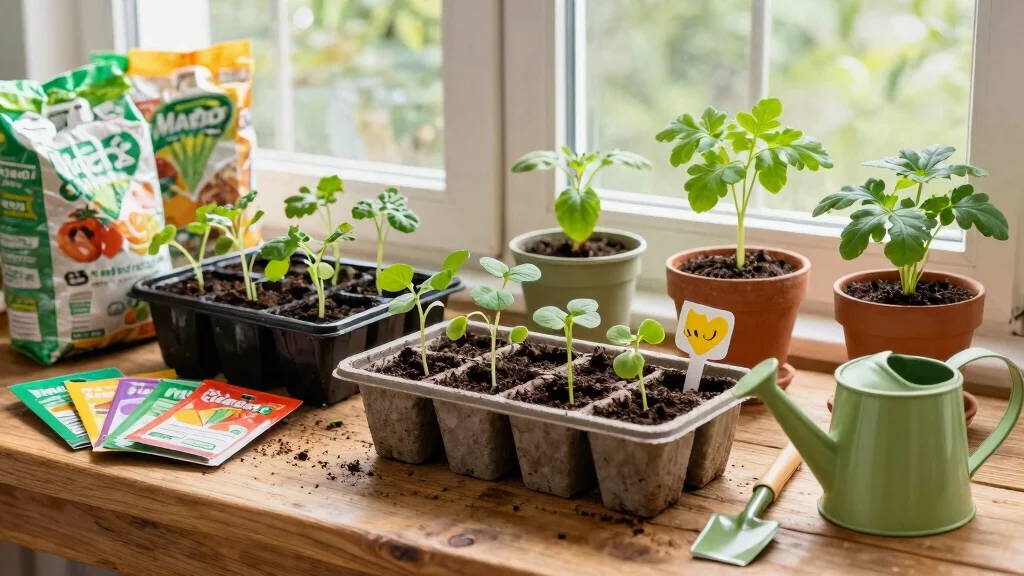
Observing your plants closely can reveal their pH needs. Symptoms of pH imbalance often show up as nutrient deficiencies or toxicities. For instance, yellowing leaves may signal nitrogen deficiency from high pH, while burnt leaf tips could indicate low pH causing nutrient lockout.
Stunted growth can also hint at broader nutrient issues linked to pH fluctuations. Pay attention to the patterns in your hydroponic plants, considering both symptoms and pH readings. If you notice changes, test your nutrient solution’s pH immediately.
Signs to watch for include:
– Yellowing leaves: Often indicates nitrogen deficiency
– Burnt tips: Suggests low pH and nutrient lockout
– Stunted growth: Could hint at pH fluctuations
By being proactive, you can maintain a healthy hydroponic garden and prevent potential distress.
You might also like

Recognizing Symptoms of pH Imbalance
Editor’s Choice

pH Tester,Digital pH Meter for Water,New Version TDS Meter for Drinking …

General Hydroponics HGC722120 Liquid Premium Buffering for pH Stability,…
5. Adjusting pH Levels Effectively
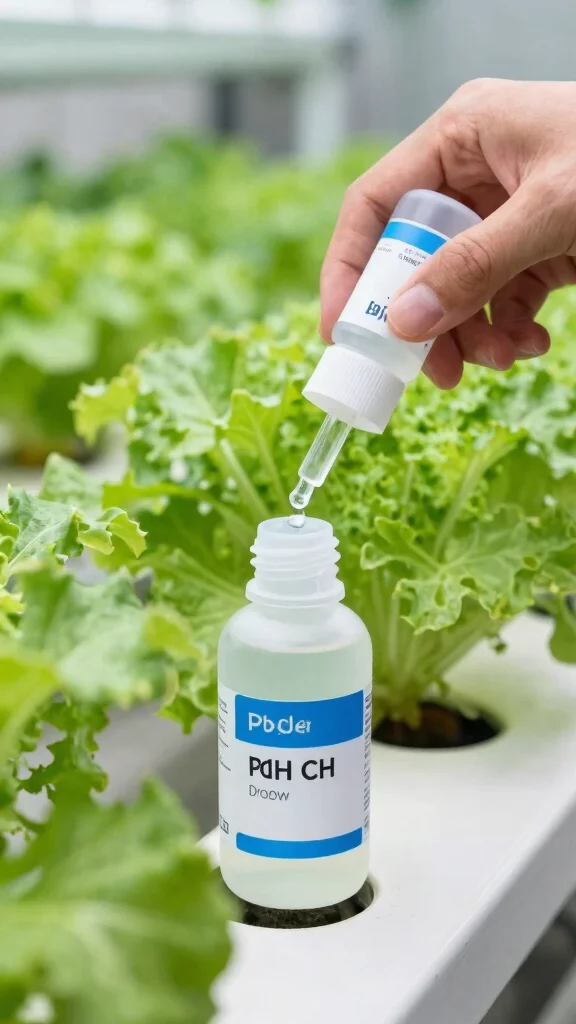
Adjusting your pH levels doesn’t have to be intimidating. Start by determining if your pH is too high or too low. Readings above 6.5 require pH down solutions, while those below 5.5 need pH up. Always add these solutions gradually, mixing thoroughly to ensure even distribution. Retest the pH after each adjustment to avoid overshooting.
If you’re managing a larger system, consider using a pH controller for automatic adjustments, or a pH probe for real-time monitoring. For a natural approach, you can use lemon juice or vinegar to lower pH and baking soda to raise it, though they may be less precise.
Effective pH adjustment strategies:
– Gradually add solutions to avoid shock
– Consider a pH controller for larger systems
– Use natural adjusters for a more organic approach
Maintaining balanced pH levels will ensure your plants can absorb nutrients efficiently and thrive.
Fun fact: In hydroponics, a tiny 0.1 pH swing can noticeably change how nutrients are absorbed by roots. Small, gradual tweaks and frequent retests keep an urban garden thriving in compact spaces—this hydroponic ph level guide helps you stay on track.
📹 Related Video: natural pH Adjustment how to video
Adjusting pH Levels Effectively
Editor’s Choice

pH UP and Down for Hydroponic, Adjust The pH Balance of Reservoir Water …

Milwaukee Instruments MC122US pH Controller with Hi/Low Range Alarm, 2 P…
General Hydroponics pH Up Liquid Premium Buffering For pH Stability, Quart
6. Importance of Nutrient Solution Composition

The composition of your hydroponic nutrient solution plays a vital role in determining pH levels and plant health. Nutrient solutions should provide essential elements like nitrogen, phosphorus, and potassium. However, the source and balance of these nutrients can significantly influence your pH.
For example, a solution rich in ammonium nitrogen may lower pH, while one high in calcium can raise it. Choosing the right nutrient mixes for your plants is crucial, and changing your nutrient solution regularly can help prevent imbalances that affect pH.
Key considerations for nutrient solutions:
– Select nutrient mixes suited to your plants
– Regularly refresh your nutrient solution
– Explore organic alternatives for stability
By ensuring your nutrient solution is balanced, you’ll support healthier and happier plants in your hydroponic garden.
Fun fact: In hydroponics, ammonium-rich nutrients can push pH downward by up to 0.5, while calcium-heavy mixes can lift it. This hydroponic pH level guide helps you balance the solution and keep roots thriving in small spaces.
You Might Also Like


Importance of Nutrient Solution Composition
Editor’s Choice

Calcium Nitrate 15.5-0-0 Fertilizer – Made in USA – 5LB Greenhouse Grade…
Liquid Plant Food for use in AeroGarden, IDOO and Hydroponic Growing Sys…

7. Seasonal Considerations for pH Management

Understanding seasonal shifts is crucial for effective pH management in hydroponic gardening. Warmer temperatures can increase evaporation rates, concentrating solutions and raising pH. Conversely, cooler months may slow nutrient uptake, potentially lowering pH levels.
By closely monitoring your plants and adjusting nutrient solutions, you can maintain stable pH throughout the year. This might involve altering your watering schedule or fertilizer concentration. Insulating your setup during extreme weather will also protect your plants and nutrient solutions.
Seasonal management tips:
– Adjust your watering schedule with temperature changes
– Insulate your system during extreme weather
– Monitor your water source for seasonal changes
Being proactive about seasonal adjustments will significantly enhance the health of your urban garden.
Seasonal shifts demand a proactive approach in our hydroponic ph level guide. Warmer days boost evaporation and pH rises, while cooler weeks slow uptake and pH can dip. Check pH daily, adjust nutrient strength, and tweak watering schedules; insulation keeps your system stable year-round.
Seasonal Considerations for pH Management
Editor’s Choice
Liquid Plant Food for use in AeroGarden, IDOO and Hydroponic Growing Sys…

General Hydroponics Flora Series: FloraMicro, FloraBloom, FloraGro – 3-P…

pH Meter for Hydroponics PPM EC Meter for Plant Nutrients Simultaneous M…
Conclusion
With the right knowledge of pH levels, you can set your hydroponic garden up for success! Regularly testing and adjusting pH, understanding your nutrient solutions, and recognizing signs of imbalance will ensure your plants flourish, even in the smallest urban spaces. Embrace these strategies and watch your miniature garden thrive like never before.
Remember, each plant is unique, and learning their specific needs will deepen your connection to gardening. Happy hydroponic gardening!
Note: We aim to provide accurate product links, but some may occasionally expire or become unavailable. If this happens, please search directly on Amazon for the product or a suitable alternative.
This post contains Amazon affiliate links, meaning we may earn a small commission if you purchase through our links, at no extra cost to you.
Frequently Asked Questions
What is the optimal pH range for hydroponic systems in urban small-space gardens?
In our hydroponic ph level guide, most leafy greens thrive best around a pH 5.5–6.5. Fruiting crops like tomatoes and peppers usually prefer about pH 5.8–6.3. In a compact setup, even small drift can reduce nutrient uptake efficiency and lead to deficiencies, so aim for a steady range and adjust the hydroponic nutrient solution slowly if you see plant trouble. Use reliable pH testing methods such as a digital pH meter for quick results or affordable test strips for quick checks, and log readings to stay on plan. Regular monitoring is part of solid hydroponic plant care.
How do I test and adjust pH in a small urban hydroponic setup?
Start with a trusted pH testing methods approach like a calibrated digital meter; keep a buffer solution for calibration and clean the probe after each use. Test at least once daily during startup and after changing the hydroponic nutrient solution, then recheck in 1–2 hours after any adjustment. If the pH is too high or too low, adjust gradually with a small amount of pH up or pH down, then recheck until you land in the safe optimal pH range for your crops. Consistent pH is a cornerstone of nutrient uptake efficiency and healthy growth in urban hydroponics.
What are common signs that pH is off in a hydroponic garden?
Look for slower growth, yellowing or interveinal chlorosis, and leaf tips browning, which often point to pH-related nutrient lockout. If you see unusual nutrient deficiencies that don’t match your feed, test pH first, because the wrong pH can prevent even a hydroponic nutrient solution from being absorbed. Other clues include pH drifting after a big nutrient change or after transplanting. Fix by rebalancing the pH to the optimal pH range and giving a gentle rinse with fresh nutrient solution to recover nutrient uptake efficiency.
Do different crops require different pH ranges, and how should I manage that with limited space?
Yes, different crops have preferences; leafy greens like lettuce and spinach prefer about pH 5.5–6.5, while tomatoes and peppers like roughly pH 5.8–6.3. In small urban spaces you can manage this by selecting crops with compatible ranges, or by dialing in the most common range and adjusting feeding slightly for exceptions. Keep a simple hydroponic plant care routine, test regularly with your pH testing methods, and use a hydroponic nutrient solution formulated for mixed crops if you must mix plants.
What are practical tips to maintain stable pH in a compact hydroponic system?
Use an inline or reservoir-based pH controller or dosing kit to automate adjustments, so you stay within the optimal pH range without constant guessing. Keep your reservoir temperature stable and clean, as temperature swings can affect pH readings. Test daily when you’re setting up, then a few times per week as things settle, and adjust slowly with reliable pH up or pH down solutions. A stable pH improves nutrient uptake efficiency and keeps your hydroponic plant care routine simple in small spaces.
Related Topics
hydroponic gardening
pH testing methods
urban gardening
small space gardening
optimal pH range
hydroponic nutrient solution
plant care tips
beginner friendly
nutrient uptake
easy hydroponics
indoor plants
sustainable gardening