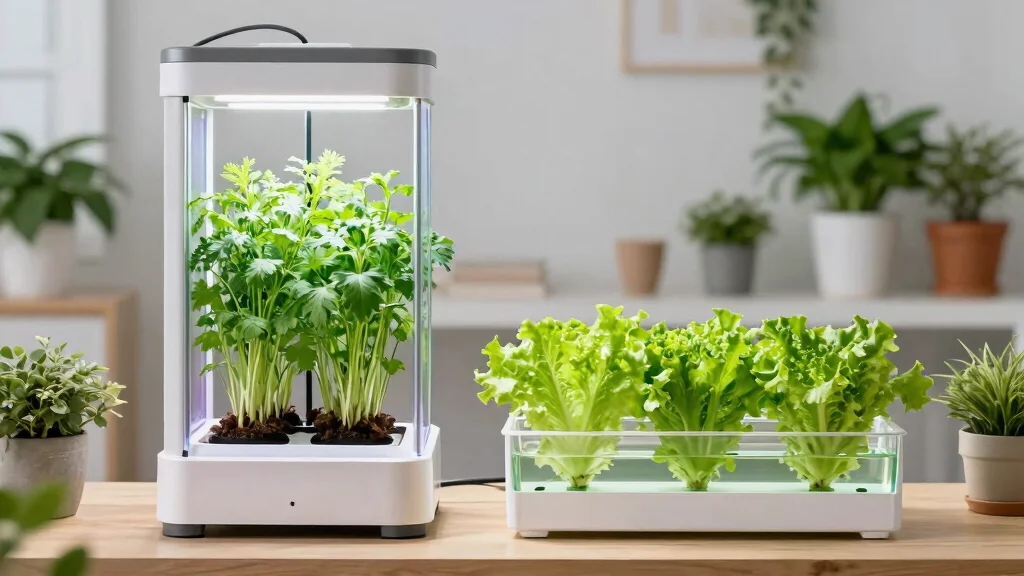
If you’ve been bitten by the gardening bug, you’re probably exploring ways to grow your own fresh veggies and herbs. The idea of cultivating plants indoors is exciting, but it can feel overwhelming. With so many methods out there, it’s hard to know which one is best for you. That’s why I put together this guide to help you understand the differences between aeroponic and hydroponic systems.
Whether you’re a newbie or an urban gardening enthusiast, this post is tailored for you. You want to grow plants efficiently and effectively, but you may not know where to start. Don’t worry! I’ll break down the essential differences between aeroponics and hydroponics, so you can choose the right technique for your indoor garden.
By the end of this post, you’ll have a solid grasp of the strengths and weaknesses of both growing methods. I’ll share seven key differences, covering everything from the way plants grow to how much maintenance each system requires. You’ll walk away with actionable insights that make your gardening journey smoother and more fruitful.
Key Takeaways
– Growth Methodology: Understand how aeroponics uses air to nourish plants while hydroponics relies on water to support growth.
– Space Efficiency: Discover how aeroponic systems can save vertical space compared to the horizontal nature of hydroponic setups, making them great for small areas.
– Setup Complexity: Learn which system is simpler to set up and maintain, catering to beginners who may feel daunted by complicated processes.
– Water Usage: Find out how each method utilizes water differently, with aeroponics being highly efficient and hydroponics offering a more conservative approach.
– Plant Variety: Explore which types of plants can thrive in each system, from herbs to larger vegetables, helping you plan your indoor garden effectively.
1. Growth Methodology: Air vs. Water
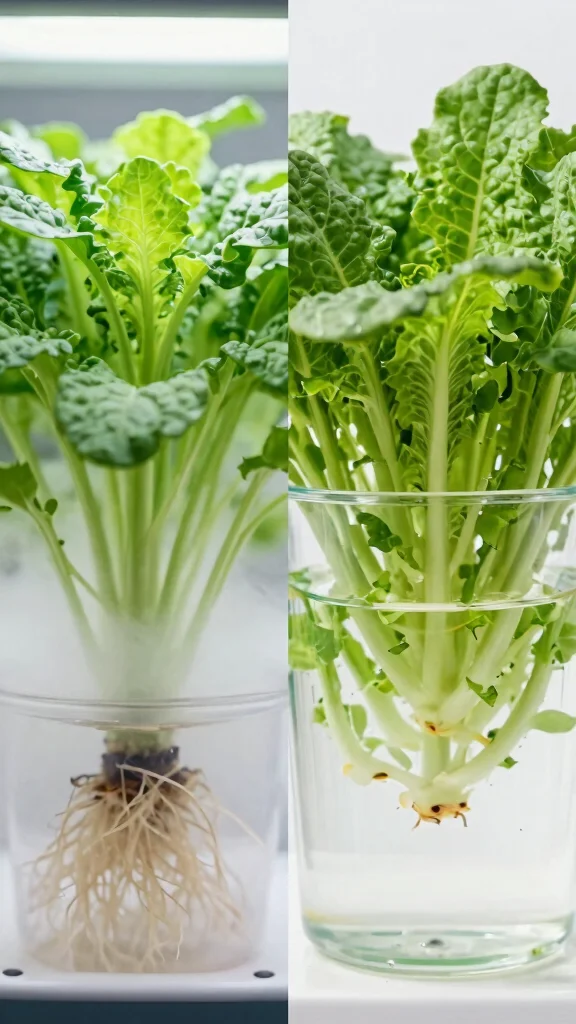
Understanding how plants grow is crucial for any aspiring gardener. Aeroponics provides a unique method by misting nutrient-rich water directly onto plant roots, ensuring they receive ample oxygen. This technique can significantly speed up growth, allowing plants to thrive. In contrast, hydroponics submerges roots in a nutrient solution, creating stable conditions for growth over time.
You can achieve impressive results with either method. If you’re after quick harvests, aeroponics might be your best bet. However, if you’re looking for more consistent growth, hydroponics may offer a safer path.
Key differences to consider:
– Aeroponics enables rapid growth cycles for many plants.
– Hydroponics provides a stable environment, ideal for beginners.
– Both systems can lead to healthy, bountiful crops.
– Choose based on your gardening goals and patience for results.
Each method has unique benefits, allowing you to pursue your gardening passion with confidence and success.
📹 Related Video: Which Method Reigns Supreme: Hydroponics or Aeroponics
Growth Methodology: Air vs. Water
Editor’s Choice

Liquid Plant Food for use in AeroGarden, IDOO and Hydroponic Growing Sys…


pH Meter for Hydroponics PPM EC Meter for Plant Nutrients Simultaneous M…

Aeroponics Growing System with Grow Light & Humidifier – Smart Indoor Ga…
2. Space Efficiency: Vertical vs. Horizontal
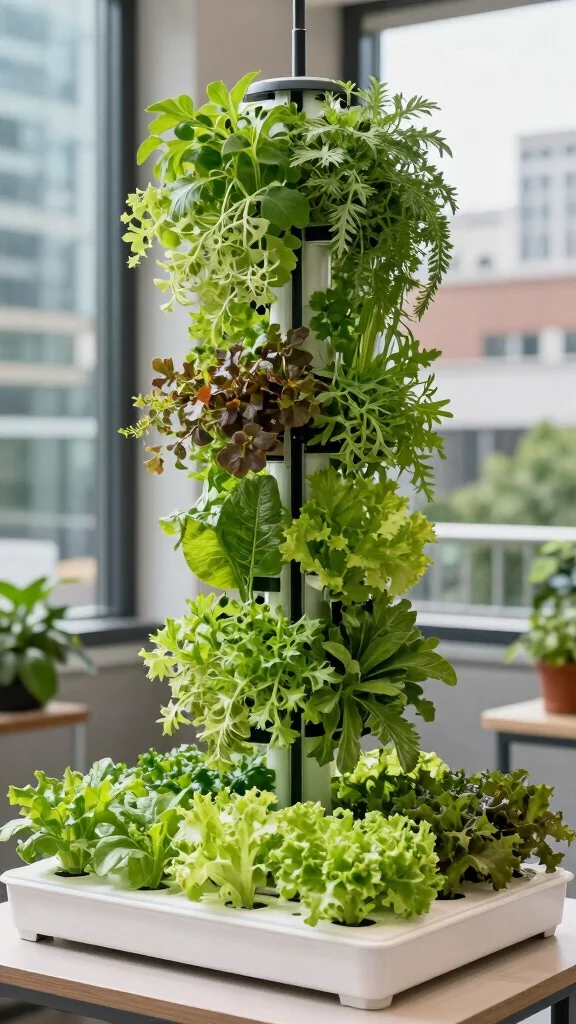
Maximizing your growing space is essential, especially in urban settings. Aeroponic systems excel at vertical gardening, allowing you to cultivate plants in compact areas. This is perfect for small apartments or homes, where every inch counts. On the other hand, hydroponics usually requires more horizontal space for larger plant beds and water containers.
Think about how much room you have to work with. If you’re tight on space, aeroponics can help you yield more plants in a smaller footprint. Hydroponics may fit better in spaces where you can spread out.
Consider these factors:
– Aeroponics utilizes vertical towers for efficient space use.
– Hydroponics needs more floor area for setup.
– Vertical gardening can increase your plant output significantly.
– Choose the system that best fits your available space.
In the end, aeroponics might be the ideal solution for those looking to grow in tight spaces while maximizing yield.
“Space is precious in urban gardening. Aeroponic setups soar vertically, letting you grow more in a small footprint, while hydroponics demand horizontal room for beds and reservoirs. For tight apartments, go aeroponic vs hydroponic—maximize every inch and harvest more with less space.”
Key Trade-offs & Our Top Pick
Aeroponic Systems
– Pros:
– Uses less water compared to hydroponic systems, making it a sustainable choice.
– Provides better oxygenation for roots, promoting faster plant growth.
– Cons:
– Requires a more complex setup and maintenance process.
– Can be more expensive to start and maintain due to specialized equipment.
– Best for:
You should consider aeroponic systems if you have experience with gardening and want to maximize growth speed in a limited space.
Hydroponic Gardening
– Pros:
– Simpler and more straightforward to set up, especially for beginners.
– Offers a variety of systems, from deep water culture to nutrient film technique, catering to different needs.
– Cons:
– Uses more water than aeroponic systems, which can be a concern in certain areas.
– Nutrient levels need careful monitoring, as over-fertilization can harm plants.
– Best for:
Hydroponic gardening is ideal for beginners or those wanting a less complex setup for growing herbs and vegetables.
Vertical Gardening Systems
– Pros:
– Maximizes space by allowing you to grow upwards, perfect for small areas.
– Can create a visually appealing display, combining aesthetics with functionality.
– Cons:
– May require more frequent watering due to rapid evaporation in vertical setups.
– Can be challenging to maintain nutrient levels throughout the vertical system.
– Best for:
This option is best for urban gardeners with limited floor space who want a stylish way to grow their plants.
Deep Water Culture (DWC)
– Pros:
– Provides constant access to water and nutrients, leading to rapid growth.
– Easy to monitor and adjust nutrient levels in the water reservoir.
– Cons:
– Susceptible to water temperature fluctuations, which can affect plant health.
– Not ideal for larger plants, as they might outgrow the system quickly.
– Best for:
DWC is perfect for those looking to grow leafy greens or smaller plants quickly in a controlled environment.
Nutrient Film Technique (NFT)
– Pros:
– Uses less water and nutrients by recycling the solution, making it eco-friendly.
– Allows for quick growth due to constant nutrient access.
– Cons:
More complex to set up and may require troubleshooting if the pump fails.
Not suitable for all plants, as roots need to be small enough to thrive in the shallow film of water.
– Best for:
NFT is best for advanced gardeners who want efficient growth for plants like lettuce or herbs.
Expert Recommendation:
Best Overall: Hydroponic Gardening
Hydroponic gardening stands out as the best overall choice for most beginners. It balances ease of setup with effective plant growth without overwhelming new gardeners. You get great value for your investment, as it allows you to experiment with various plants and growing methods. Plus, its versatility means you can adapt your setup as you gain more experience in indoor gardening.
Why We Picked This:
While hydroponic gardening is our top pick, consider aeroponic systems if you’re focused on speed and water conservation. Vertical gardening is excellent for maximizing small spaces, while DWC and NFT cater to those looking for specific plant growth strategies. Each method has its unique advantages and challenges, so choose the one that best aligns with your gardening goals and lifestyle!
Space Efficiency: Vertical vs. Horizontal
Editor’s Choice

GooingTop LED Grow Light,6000K Full Spectrum Clip Plant Growing Lamp wit…

5.25ft Tall Hydroponics Growing System Tower, 9 Layers 36 Plant Spots Hy…
3. Setup Complexity: Simple vs. Advanced
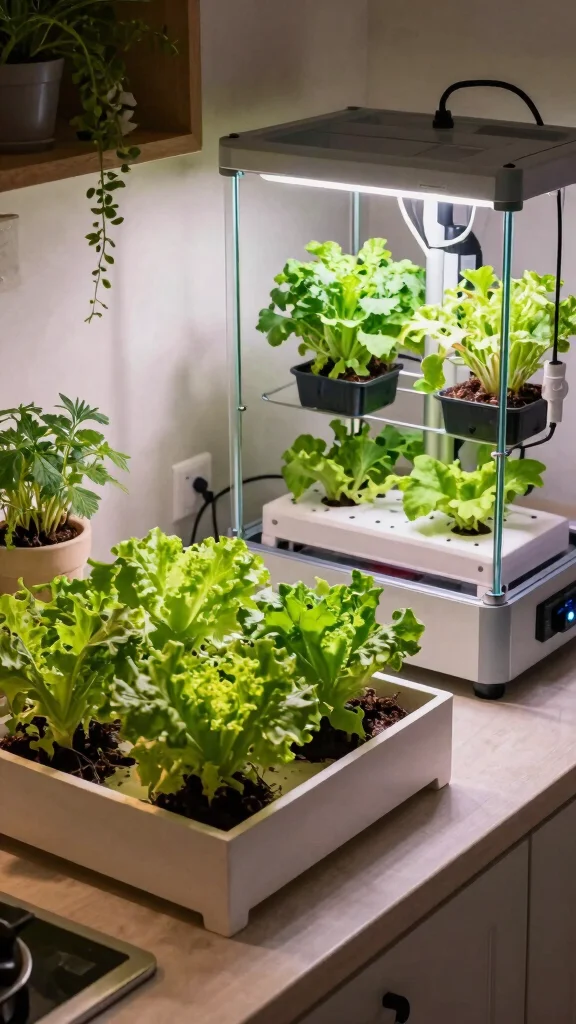
Getting started with gardening can feel overwhelming, especially with different systems available. Hydroponic setups are generally simpler, often coming as ready-to-use kits that require minimal assembly. This makes them accessible for beginners. In contrast, aeroponic systems involve more components and technical knowledge, which can be a rewarding challenge for tech enthusiasts.
If you’re new to gardening, starting with a hydroponic kit might give you the smoothest introduction. For those who love tinkering, aeroponics can provide an exciting learning experience.
Here’s what to keep in mind:
– Hydroponics often offers plug-and-play kits for newcomers.
– Aeroponics may require more hands-on learning and setup.
– Choose based on your comfort level with technology.
– Invest time in learning for long-term success.
Ultimately, starting with hydroponics could pave the way for more advanced gardening adventures later on.
Starting with aeroponic vs hydroponic can feel like a tech puzzle, but beginner-friendly kits prove the point: hydroponic setups are quicker to start and easier to troubleshoot. If you’re new, go with hydroponic first—it’s a smoother intro that still teaches the core tricks.
Setup Complexity: Simple vs. Advanced
Editor’s Choice

URUQ Hydroponics Growing System Garden: 8 Pods Indoor Herb Garden with G…
Liquid Plant Food for use in AeroGarden, IDOO and Hydroponic Growing Sys…
4. Water Usage: Efficient vs. Conservative
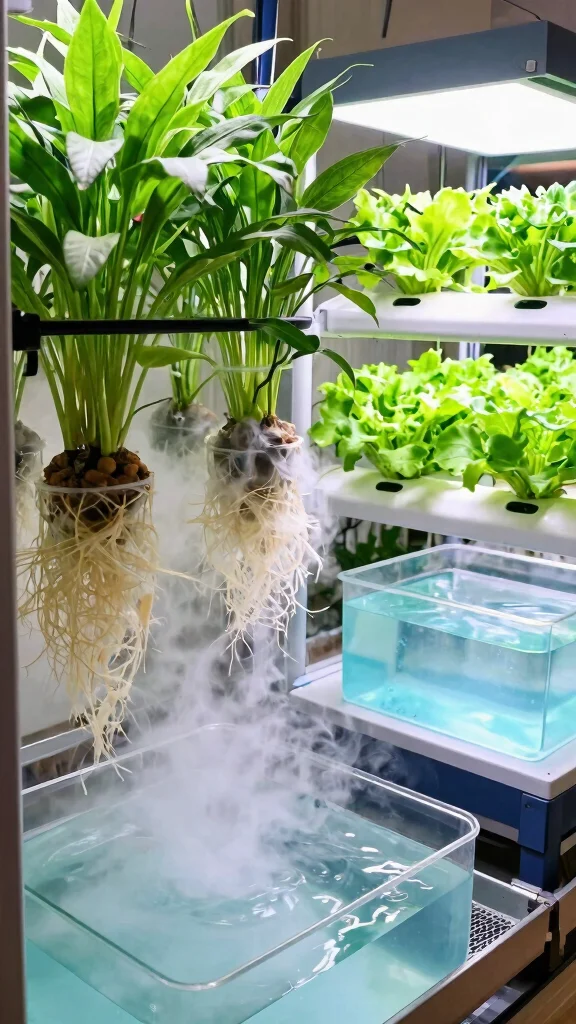
Water conservation is becoming increasingly important, especially in urban gardening. Aeroponic systems are incredibly efficient, using up to 90% less water compared to traditional gardening methods. The fine mist delivery system minimizes waste while ensuring plants receive essential nutrients. Hydroponics, while still water-efficient, generally requires a larger volume of water for its setups.
If you’re focused on sustainability, aeroponics can be the perfect choice for conserving water. However, hydroponics can still be a viable option for those looking for a balanced approach to gardening.
Key points to consider:
– Aeroponics optimizes water use for eco-conscious growers.
– Hydroponics may need more water, but is still efficient.
– Consider your water supply and conservation goals.
– Choose the system that aligns with your environmental values.
For urban gardeners, aeroponics might be the best method for sustainable growing practices.
You might also like

Water Usage: Efficient vs. Conservative
Editor’s Choice
Aeroponics Growing System with Grow Light & Humidifier – Smart Indoor Ga…
5. Plant Variety: Herbs to Veggies
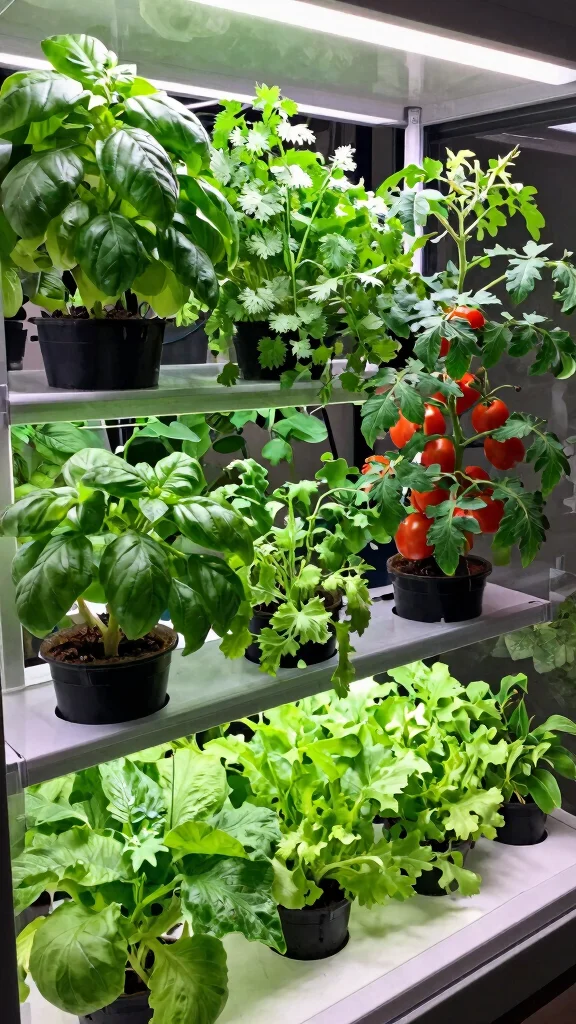
Both aeroponic and hydroponic systems are capable of growing a diverse array of plants. Aeroponics shines with its versatility, allowing delicate herbs and fast-growing vegetables to flourish in its controlled environment. Hydroponics can also support various crops, but may require specific setups for different plants.
If you’re interested in experimenting, aeroponics can offer the flexibility to grow a wide range of plants. Hydroponics is also capable but might need some adjustments for larger varieties.
Things to remember:
– Aeroponics excels at growing herbs like basil and cilantro.
– Hydroponics can support larger vegetables like tomatoes when properly adjusted.
– Explore the variety of plants each system can support.
– Experiment to find your favorite crops.
If you want to try many different plants, aeroponics may provide the ideal environment for your gardening adventures.
Plant Variety: Herbs to Veggies
Editor’s Choice

Salad Seed Pods, Grow Anything Kit for All Hydroponics Growing Systems, …
Liquid Plant Food for use in AeroGarden, IDOO and Hydroponic Growing Sys…
Aeroponics Growing System with Grow Light & Humidifier – Smart Indoor Ga…
6. Nutrient Delivery: Manual vs. Automatic
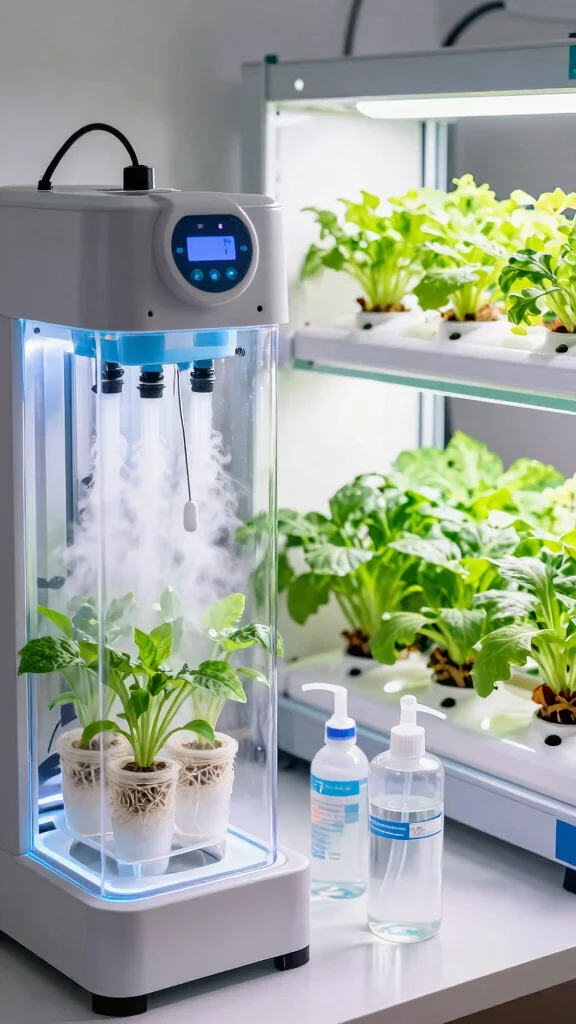
Nutrient management is another key distinction between aeroponic and hydroponic systems. Aeroponics often employs automated misting schedules, allowing for precise nutrient delivery to the roots. This can lead to healthier plants with less manual oversight. In contrast, hydroponics generally requires manual mixing and monitoring of nutrient solutions.
Consider how involved you want to be in the nutrient management process. If you prefer automation, aeroponics may simplify your gardening routine. Hydroponics offers more hands-on engagement but requires regular checks.
Points to keep in mind:
– Aeroponics automates nutrient delivery for busy gardeners.
– Hydroponics encourages a more hands-on approach to plant care.
– Evaluate your time and interest in nutrient management.
– Choose based on your desired level of involvement.
When selecting a system, think about how much time you want to dedicate to nutrient management for your plants.
You Might Also Like

Nutrient Delivery: Manual vs. Automatic
Editor’s Choice
Aeroponics Growing System with Grow Light & Humidifier – Smart Indoor Ga…
Liquid Plant Food for use in AeroGarden, IDOO and Hydroponic Growing Sys…
pH Meter for Hydroponics PPM EC Meter for Plant Nutrients Simultaneous M…
7. Maintenance and Care: Low vs. Moderate
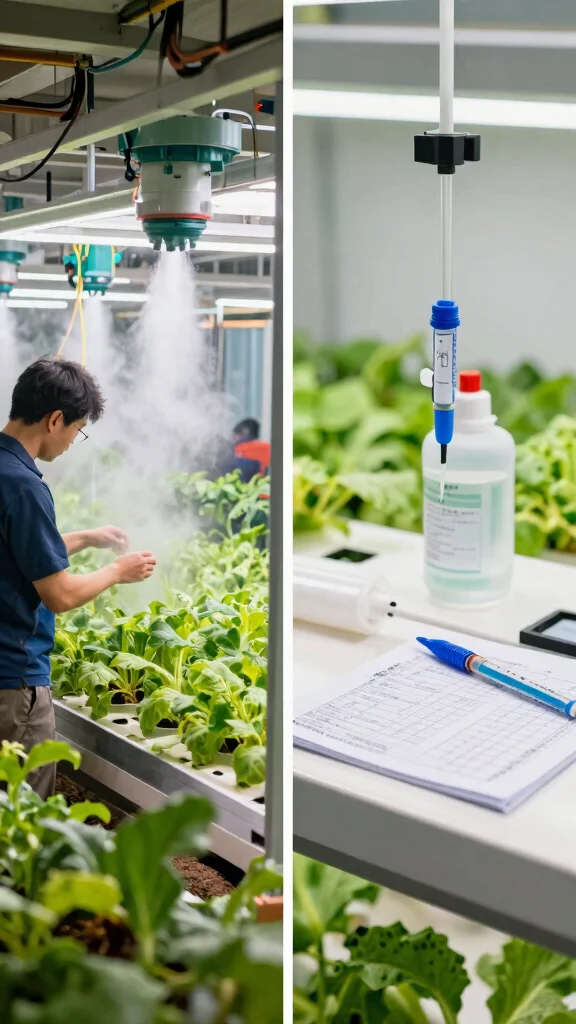
Maintenance requirements can vary significantly between these two systems. Aeroponic setups may require less routine upkeep due to their automated functions, yet they need regular monitoring to ensure misting systems work properly. Hydroponic systems usually demand checks for nutrient levels and pH balance, but are often straightforward to maintain.
If you prefer less hands-on work, aeroponics might appeal to you. On the other hand, hydroponics can be ideal for gardeners who enjoy more direct involvement without excessive complexity.
Consider these factors:
– Aeroponics demands tech-savvy monitoring for optimal function.
– Hydroponics offers a straightforward maintenance approach.
– Decide based on how much effort you want to invest.
– Consider the balance between tech and hands-on gardening.
Your choice may ultimately depend on how much time and energy you’re willing to dedicate to your gardening experience.
Fun fact: Aeroponic vs hydroponic systems can cut routine maintenance by up to 50%, once dialed in. You’ll still need to regularly monitor misting and nutrient delivery to prevent clogs. If you want less hands-on work, aeroponics can be the friendlier option.
Maintenance and Care: Low vs. Moderate
Editor’s Choice
MistKing – Starter Misting System, 5th Gen | Used by Zoos, Botanical G…
Liquid Plant Food for use in AeroGarden, IDOO and Hydroponic Growing Sys…
SONKIR Soil pH Meter, MS02 3-in-1 Soil Moisture/Light/pH Tester Gardenin…
Conclusion
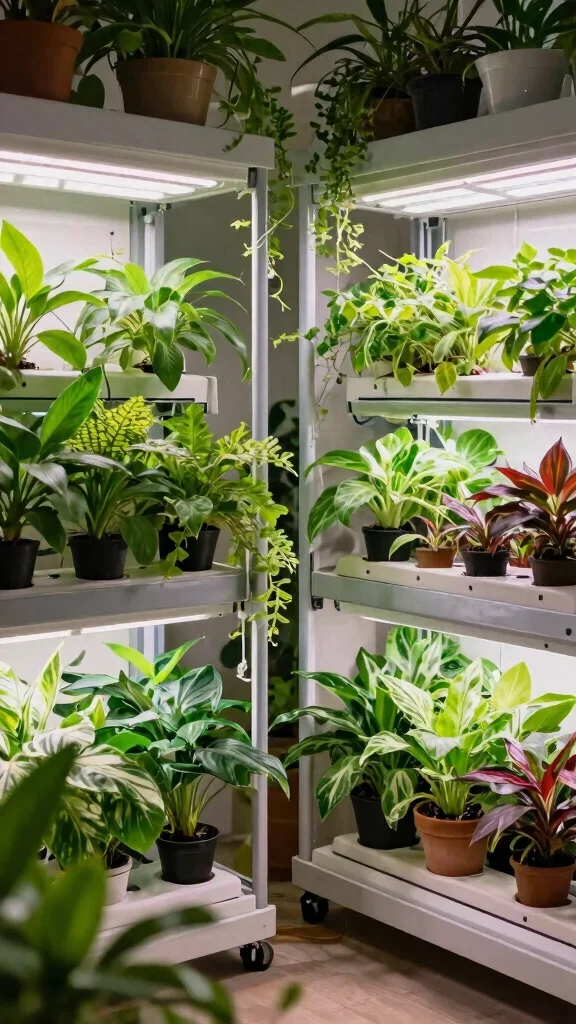
Navigating the world of aeroponic versus hydroponic systems can seem overwhelming at first, but understanding their unique differences can lead to a more fruitful gardening experience. Each method offers its own set of benefits and challenges, allowing gardeners to pick the one that aligns best with their goals and living situations.
Whether you choose aeroponics for rapid growth or hydroponics for simplicity, your indoor garden awaits!
Happy gardening!
Note: We aim to provide accurate product links, but some may occasionally expire or become unavailable. If this happens, please search directly on Amazon for the product or a suitable alternative.
This post contains Amazon affiliate links, meaning we may earn a small commission if you purchase through our links, at no extra cost to you.
Frequently Asked Questions
What is the main difference between aeroponic vs hydroponic systems for beginner growers?
At a high level, aeroponic vs hydroponic systems differ in how they deliver nutrients to the roots.
Aeroponics uses a fine mist to suspend roots in air, while hydroponics keeps roots submerged in or constantly moist with nutrient solution.
This affects equipment needs, maintenance, and water efficiency.
For indoor gardening techniques, aeroponic systems can offer faster growth and greater water use efficiency, but they require a reliable misting setup and regular nozzle cleaning to prevent clogs.
If you’re just starting out, many beginners opt for a simpler hydroponic gardening setup to learn the basics, then explore aeroponic systems as you gain experience.
Practical steps to begin: define your space and budget, pick a starter kit, learn how to mix and monitor the nutrient solution (pH and EC), keep the water clean and fresh, and set a regular maintenance routine.
Which is easier to set up and maintain for beginners: aeroponic vs hydroponic?
In most cases, hydroponic gardening is easier to set up and maintain for beginners.
Starter kits are plentiful and forgiving, especially for leafy crops. Aeroponics, by contrast, uses a network of spray nozzles, pumps, and timers that need regular inspection to avoid clogs or failed mists.
If you want quick wins, start with a simple hydroponic system such as deep-water culture (DWC) or ebb-and-flow, learn nutrient management and pH control, then gradually tinker with aeroponic systems as you feel confident.
Actionable steps: choose a beginner-friendly kit, learn to maintain a clean reservoir, set reliable timers, and keep spare parts on hand.
What factors should I consider when choosing between aeroponic systems and hydroponic gardening for indoor spaces?
Start by evaluating your space, budget, and the plants you want to grow.
For indoor gardening techniques, consider whether you have space for plumbing and a reliable power supply.
If you’re tight on cash or time, a robust hydroponic gardening setup is usually the better fit.
If you value water efficiency and rapid growth and don’t mind higher upfront cost, look into aeroponic systems.
Also check ease of maintenance, available spare parts, and community support—these matter for growing methods comparison over time.
Finally, consider plant type: leafy greens are forgiving in both systems, while fruiting crops may push aeroponics more.
Are aeroponic and hydroponic methods suitable for small urban indoor gardens, and what are the practical pros and cons?
Yes—both methods can fit compact urban setups, especially with vertical or modular designs.
Aeroponic systems offer water efficiency and fast growth, but come with higher upfront cost, maintenance needs, and a higher risk of root drying if the misting fails.
Hydroponic gardening is generally more resilient, scalable, and budget-friendly, with lots of plug-and-play options.
For small spaces, look for compact, stackable units and plan a simple routine: keep a clean reservoir, monitor pH/EC, and schedule regular filter and pump checks.
A smart combination for urban growers is starting with hydroponics for reliability and then adding aeroponic modules as you expand.
What beginner gardening tips help me get started with the aeroponic vs hydroponic growing methods comparison?
Begin with a clear goal: leafy greens grow quickly and are forgiving for both aeroponic vs hydroponic setups.
Start with a beginner crop like lettuce or herbs, and pick a simple system first.
Learn the basics of nutrient management—proper pH, EC, and clean water—and keep a log of readings.
Set up reliable lighting and timers, clean all components regularly, and keep spare parts on hand.
Finally, tap into online communities and local clubs to share tips, troubleshoot issues, and stay motivated on your growing methods comparison journey.
Related Topics
aeroponic systems
hydroponic gardening
urban gardening
indoor growing
beginner gardening
growing methods
sustainable gardening
easy gardening tips
plant growth techniques
soilless gardening
hydroponic vs aeroponic
indoor plant care