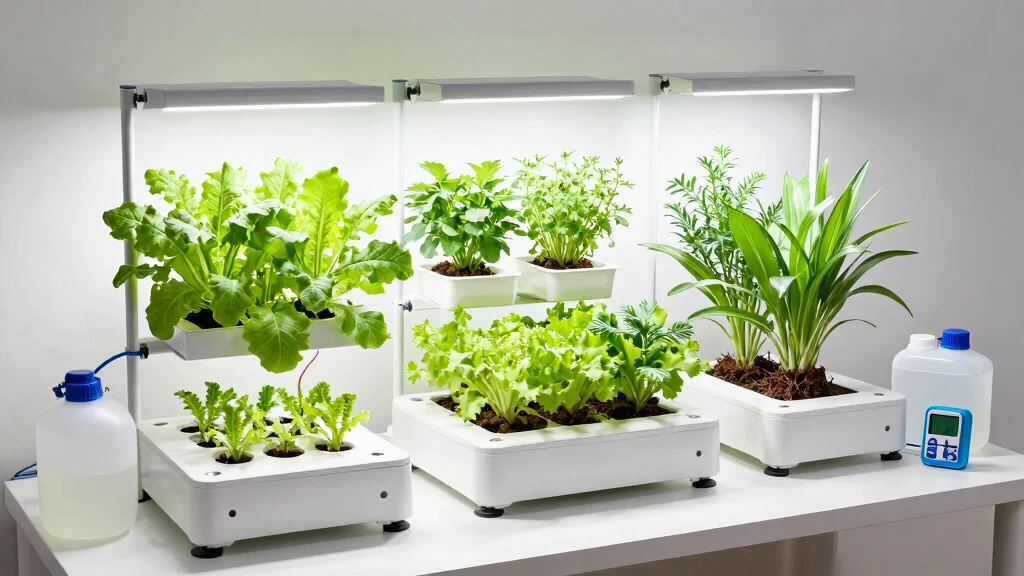
If you’re diving into urban hydroponic gardening, you’re in for a rewarding experience. The thrill of growing your own food in a small space can be electrifying. But let’s face it: starting something new often comes with a few bumps along the way. I created this post to help you spot and avoid the most common hydroponic mistakes beginners make. The last thing you want is to watch your hard work go to waste because of simple oversights.
This post is perfect for anyone eager to grow their own vegetables, herbs, or flowers indoors. If you’re a beginner looking for reliable tips to set up your hydroponic system and ensure your plants thrive, you’ve come to the right place. From understanding nutrient solutions to managing pH levels, I’ve gathered practical advice aimed at helping you cultivate a flourishing garden right in your home.
By the end of this article, you’ll have a clear path to sidestepping common pitfalls. You’ll discover essential hydroponic growing tips that are straightforward and actionable, allowing you to focus on enjoying the process and reaping the benefits of your indoor garden.
Key Takeaways
– Nutrient Solutions Matter: Don’t overlook the importance of nutrient solutions; they are essential for healthy plant growth in hydroponics.
– Monitor pH Levels: Keeping an eye on pH levels can prevent nutrient absorption issues that might hinder plant growth.
– Proper Lighting is Key: Inadequate lighting can stunt your plants. Invest in good quality grow lights to support photosynthesis.
– Choose the Right Plants: Not all plants flourish in hydroponic systems. Research which varieties are best suited for your setup.
– Maintain Your System: Regular cleaning and monitoring of your hydroponic system can help prevent problems down the line and keep your plants happy.
1. Overlooking Nutrient Solutions
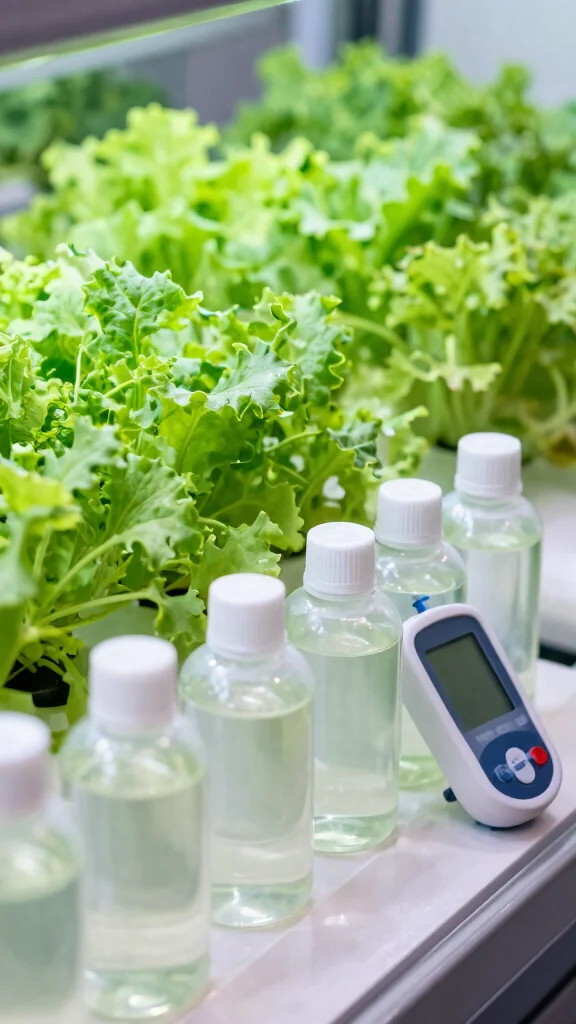
You might be surprised to learn that the right nutrient solution is vital for your hydroponic success. Your plants depend entirely on what you provide, so understanding nutrient balance is key. Too much can be just as harmful as too little, leading to unhealthy plants. Think of it as your plants’ diet; they need the right mix to thrive.
Begin with a nutrient solution tailored for hydroponics, especially if you are just starting out. Keep an eye on your plants’ growth stages; for example, leafy greens need different nutrients than fruiting plants. A TDS meter can help you monitor your solution effectively, ensuring your plants have everything they need.
Key tips for managing nutrients:
– Start with a beginner-friendly nutrient blend
– Adjust according to your plants’ growth stages
– Regularly test nutrient levels with a TDS meter
By taking control of your nutrient management, you will cultivate vibrant, healthy plants that flourish in your hydroponic system.
Overlooking Nutrient Solutions
Editor’s Choice

2025 All-New 4 in 1 Tds Meter Digital Water Tester – Accurate and Reliab…


VIVOSUN Digital pH Meter, 0.01pH High Accuracy Pen Type pH Tester for Hy…

Liquid Plant Food for use in AeroGarden, IDOO and Hydroponic Growing Sys…
2. Ignoring pH Levels
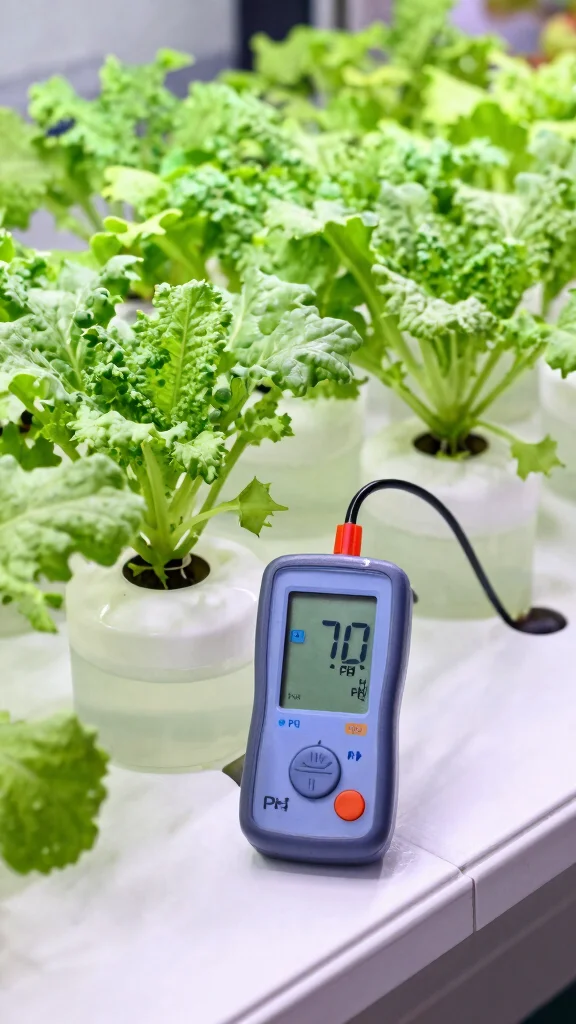
Did you know that pH levels can make or break your hydroponic garden? Maintaining the right pH is essential for optimal nutrient absorption. Most plants thrive in a pH range of 5.5 to 6.5, so monitoring this can significantly impact your success.
Make it a habit to regularly check your nutrient solution’s pH using a reliable meter. Adjust it accordingly with pH up or down solutions based on your readings. Keeping a log of your pH levels can help you identify trends and make informed adjustments.
Steps to manage your pH effectively:
– Use a reliable pH meter for regular checks
– Adjust levels with pH solutions as needed
– Keep a log to track changes over time
With consistent pH monitoring, your plants will thrive, showing robust growth and increased resilience.
Ignoring pH Levels
Editor’s Choice

Nutrition Log Book: Daily Food Intake Journal Notebook for Keep Track Of…
VIVOSUN Digital pH Meter, 0.01pH High Accuracy Pen Type pH Tester for Hy…

3. Inadequate Lighting
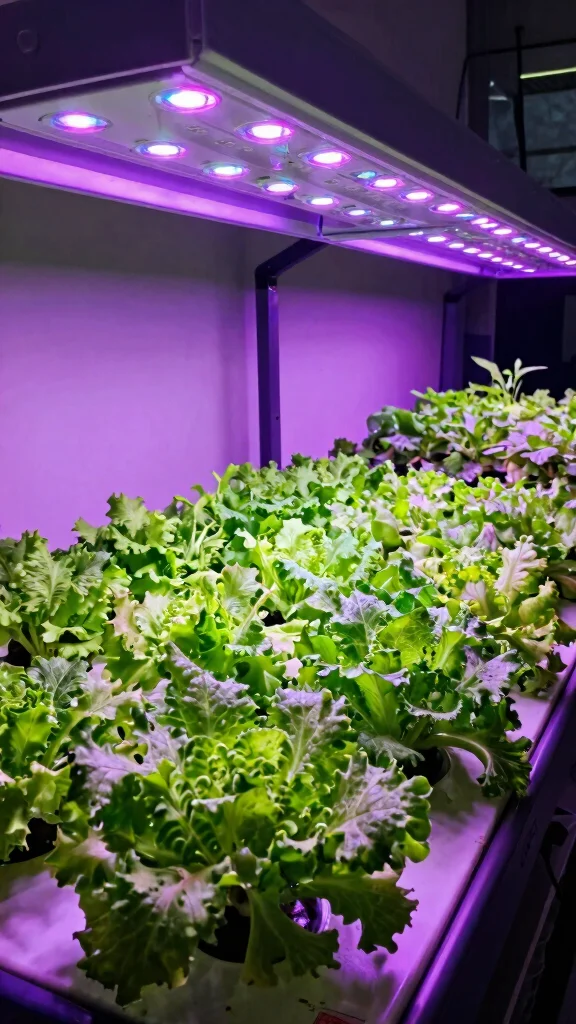
Lighting is crucial in hydroponics, yet many beginners overlook its significance. Insufficient lighting can lead to spindly plants and reduced yields. Each plant type has specific light requirements, and providing the right intensity is essential for healthy growth.
Invest in quality grow lights that suit your plants’ needs. LED lights are popular due to their efficiency and lower heat output. Position them correctly, usually 12 to 24 inches above your plants, depending on the type of lighting used.
Tips for optimizing your lighting setup:
– Choose high-quality grow lights tailored for your plants
– Use a timer for consistent light schedules
– Adjust height based on plant growth and light type
By enhancing your lighting conditions, you can create a thriving environment that encourages your plants to grow strong and healthy.
Fun fact: proper lighting can boost hydroponic yields by up to 40% in urban setups. For leafy greens, avoid the common hydroponic mistakes beginners make by keeping LEDs 12 to 24 inches above shoots and dialing in intensity to match each plant’s needs.
📹 Related Video: Easy Beginner’s Guide To Grow Lights For Houseplants 💡 GROW LIGHT 101 🌱 Why, When + How To Use Them
How To Choose The Right Hydroponic System
When starting your hydroponic journey, selecting the right system is crucial. There are various types available, each with unique features and benefits. Here’s how to choose the right hydroponic system based on your needs:
1. Consider Your Space
Think about where you will set up your hydroponic system. Measure your available space to ensure the system fits. If you’re gardening in a small urban area, a compact vertical system might be ideal. For larger spaces, you might opt for a larger hydroponic setup that can accommodate more plants.
2. Evaluate Plant Types
Different hydroponic systems work better for different plants. Research the types of plants you want to grow. Leafy greens like lettuce are easier to start with, while fruiting plants like tomatoes require more advanced systems. Make sure your chosen system is suitable for the plants you wish to cultivate.
3. Understand the Hydroponic System Types
Familiarize yourself with the various hydroponic systems available. Some popular types include Nutrient Film Technique (NFT), Deep Water Culture (DWC), and Ebb and Flow systems. Each has its benefits and limitations based on factors like maintenance and water usage. Pick a system that aligns with your gardening goals and experience level.
4. Assess Your Budget
Your budget is a significant factor in choosing a hydroponic system. Systems can range from inexpensive DIY setups to high-end commercial units. Set a realistic budget, considering not just the initial cost, but also ongoing expenses like nutrient solutions, water, and maintenance supplies. It’s wise to choose a system that offers good value for your investment.
5. Check for Expandability
If you plan on growing more plants in the future, consider a system that allows for expansion. Some hydroponic setups can easily be scaled up by adding more containers or modules. This flexibility may save you time and money when you decide to increase your gardening project.
6. Research Reviews and Recommendations
Before making a purchase, research user reviews and expert opinions on various hydroponic systems. Look for feedback about ease of use, effectiveness, and any issues experienced by other gardeners. Online forums and gardening communities can provide valuable insights into which systems perform best in real-world conditions.
Pro Tip: Start small! If you’re new to hydroponics, consider beginning with a simpler system to build your skills. Once you gain confidence and experience, you can transition to more complex setups.
Choosing the right hydroponic system is essential to your success in urban gardening. By considering your space, plant types, system features, budget, expandability, and researching reviews, you’ll set yourself up for a fruitful hydroponic experience. Happy gardening!
Inadequate Lighting
Editor’s Choice

Light Meter Digital Illuminance Meter Handheld Ambient Temperature Measu…

BN-LINK Indoor Digital Timer Outlet, Dual Outlet 7 Day Programmable Ligh…

GooingTop LED Grow Light,6000K Full Spectrum Clip Plant Growing Lamp wit…
4. Choosing the Wrong Plants
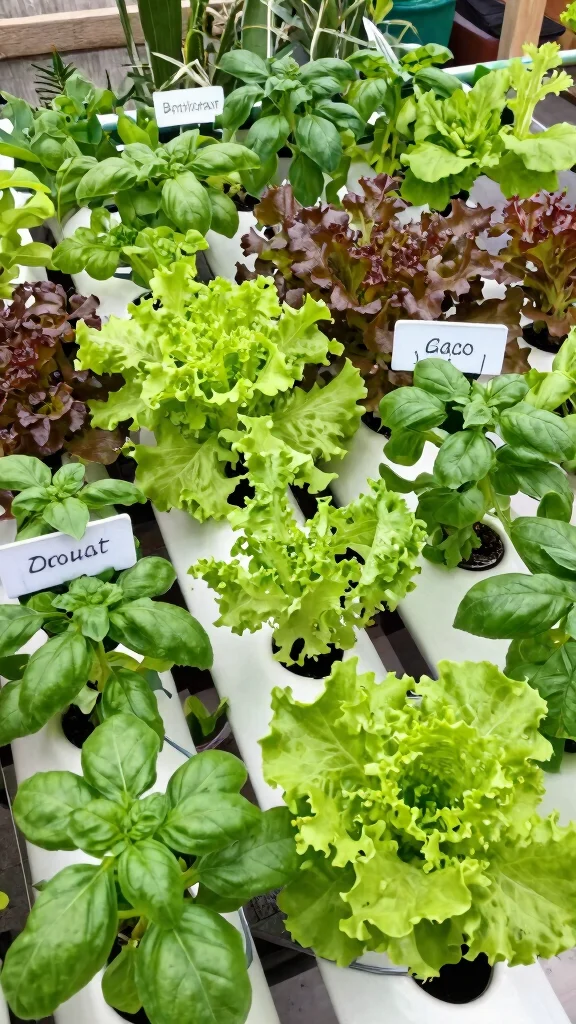
Selecting the right plants for your hydroponic setup is crucial for a successful gardening experience. Not all plants thrive in hydroponic systems, and choosing complicated varieties can lead to frustration. Starting with easier plants helps build your confidence and skills.
Begin with forgiving options like lettuce, basil, or spinach, which typically do well in hydroponics. Research each plant’s specific light, temperature, and nutrient needs before planting.
Plant selection strategies:
– Start with easy-to-grow varieties
– Understand each plant’s unique requirements
– Experiment with compatible plants for diversity
This thoughtful approach will lead to a successful gardening journey, allowing you to expand your skills and enjoy a lush harvest.
Choosing the Wrong Plants
Editor’s Choice

Ahopegarden 52PCS Hydroponics Pods Kit: Compatible with Aerogarden, Incl…
Liquid Plant Food for use in AeroGarden, IDOO and Hydroponic Growing Sys…
GooingTop LED Grow Light,6000K Full Spectrum Clip Plant Growing Lamp wit…
5. Neglecting Environmental Factors
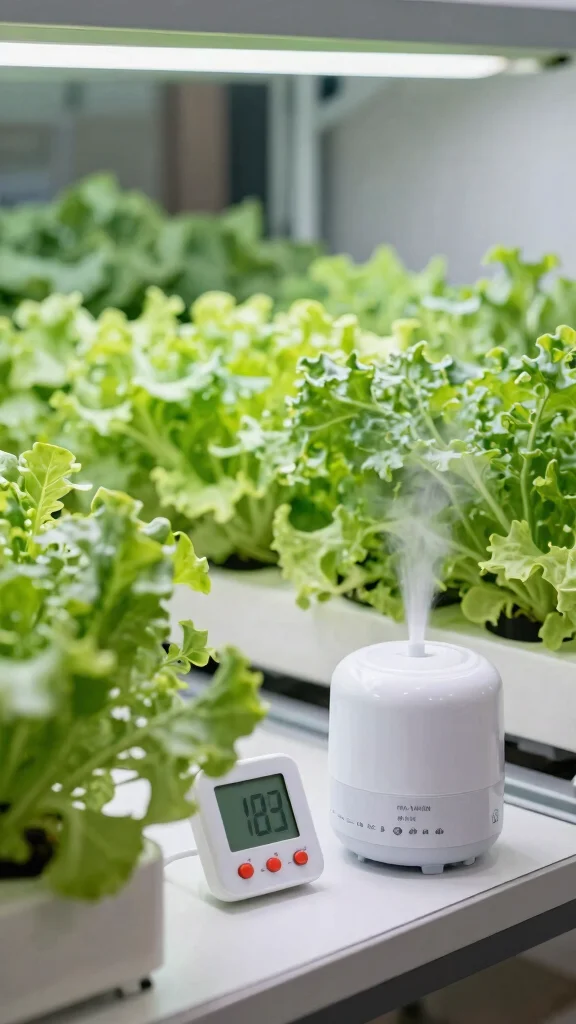
Your hydroponic system’s environment is vital for plant success, yet many beginners overlook it. Factors like temperature and humidity can drastically affect growth and health. Maintaining optimal levels ensures your plants thrive.
Monitor your indoor garden’s temperature, aiming for a range of 65°F to 75°F. Use a thermometer for accurate readings. Humidity should be maintained between 40% and 70%, depending on your plants.
Ways to manage environmental factors:
– Keep temperature within the ideal range
– Use a thermometer for regular checks
– Adjust humidity with a humidifier or fans
By proactively managing your environment, you’ll create a thriving habitat that supports your plants’ growth and vitality.
You might also like


Neglecting Environmental Factors
Editor’s Choice

XLUX Long Probe Deep Use Soil Moisture Meter, Water Monitor Indicator Se…

TempPro TP50 Digital Hygrometer Indoor Thermometer Room Thermometer and …

Homedics Portable Humidifier – Small Air Humidifiers for Bedroom, Plants…
6. Improper Water Management
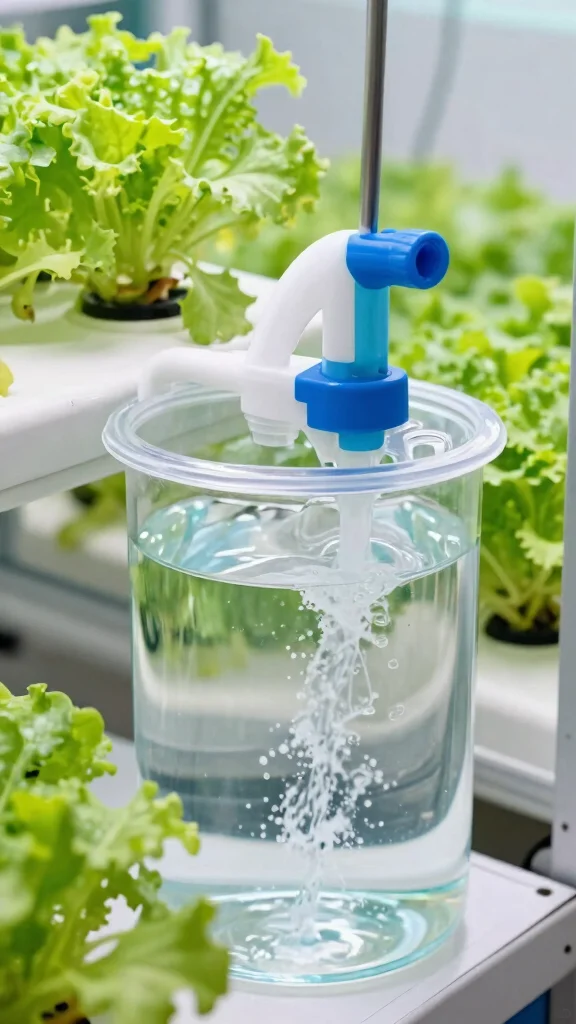
Effective water management is essential in hydroponics, yet many beginners struggle with it. Inconsistent watering can cause root rot or dehydration, both detrimental to plant health. Establishing a reliable watering routine is crucial for success.
Create a watering schedule based on your specific hydroponic system. Deep-water culture may require less frequent checks, while drip systems need regular monitoring. Clean your reservoir periodically to prevent algae growth.
Tips for effective water management:
– Establish a consistent watering schedule
– Clean the reservoir regularly
– Use a timer to automate watering
By closely observing your plants and adjusting your practices, you can achieve a successful and thriving hydroponic garden.
Fun fact: 40% of common hydroponic mistakes beginners make come from inconsistent watering, risking root rot or dehydration. Create a simple schedule—drip systems require daily checks, while deep-water setups may be weekly—and clean your reservoir monthly to keep nutrients balanced.
Improper Water Management
Editor’s Choice
Garneck 4pcs 300cm Water Level Gauge for Plants Potted Plant Indicator: …
VIVOSUN Digital pH Meter, 0.01pH High Accuracy Pen Type pH Tester for Hy…
7. Failing to Clean Your System
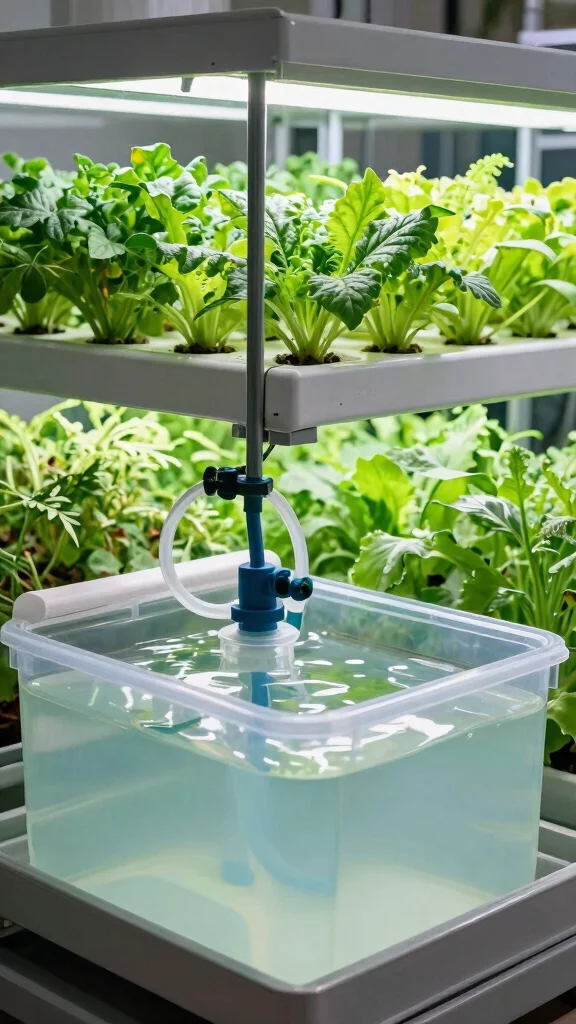
Regular cleaning of your hydroponic system is crucial for plant health, yet many beginners neglect it. Algae and harmful pathogens can thrive in a dirty setup, impacting your plants’ growth. Prioritizing hygiene is essential for success.
Incorporate a cleaning routine after each harvest or nutrient change. Use a mild bleach solution or specialized cleaner for all system components, ensuring you rinse thoroughly to eliminate any residue.
Cleaning strategies to consider:
– Clean your system after every harvest
– Use a mild cleaner for all components
– Rinse thoroughly to avoid chemical residues
This proactive approach to cleanliness will promote healthier plants and better yields over time.
Regular cleaning stops algae and pathogens from taking hold in small-space hydro systems. It’s one of the common hydroponic mistakes beginners make, so build a quick post-harvest cleaning routine and rinse thoroughly until no residue remains.
Failing to Clean Your System
Editor’s Choice

Lumkew Small Cleaning Brush Tight Spaces, 8pcs Crevice Cleaning Brushes …

General Hydroponics TrueFlo Irrigation Line Cleaner, 1 qt.

Amazon Basics Hydrogen Peroxide Topical Solution USP, First Aid Antisept…
8. Lack of Research and Planning
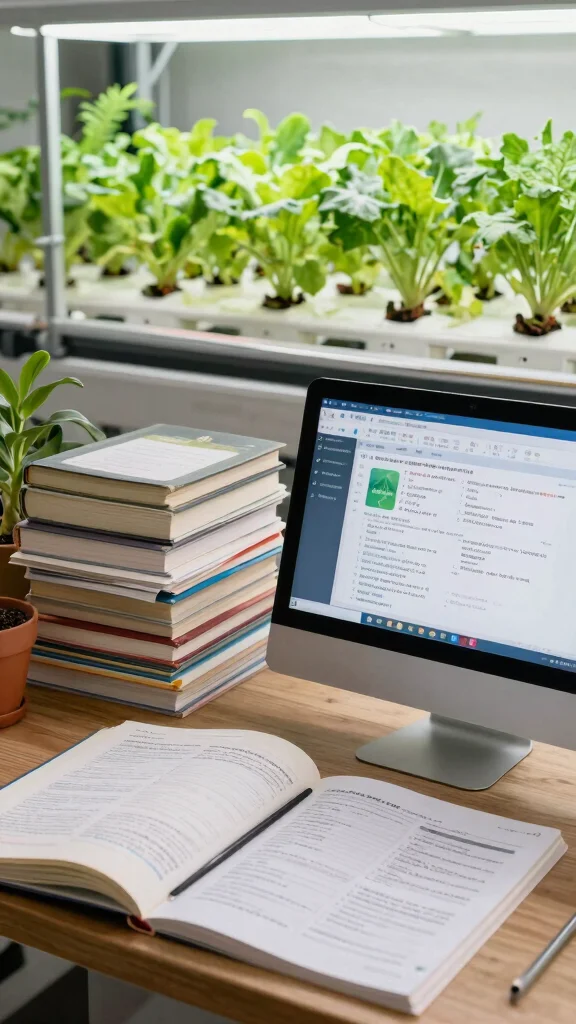
Diving into hydroponics without adequate research can lead to mistakes. Beginners often make hasty decisions without understanding their plants’ needs, leading to unnecessary frustration. Taking time to plan can set you up for success.
Educate yourself about hydroponic systems, plant care, and potential challenges. Online resources and local gardening groups can be valuable for gathering insights and strategies.
Planning tips for your hydroponic journey:
– Research hydroponic systems thoroughly
– Create a plan for plant selection and care
– Join gardening communities for support and advice
This foundational research will enhance your gardening experience, allowing you to thrive in your hydroponic endeavors.
You Might Also Like
Lack of Research and Planning
Editor’s Choice

E SUPEREGROW Hydroponics Growing System kit with Trellis,Smart Hydroponi…

Hydroponics for Beginners: The Complete Guide to Hydroponic Gardening, D…
9. Not Keeping Track of Progress
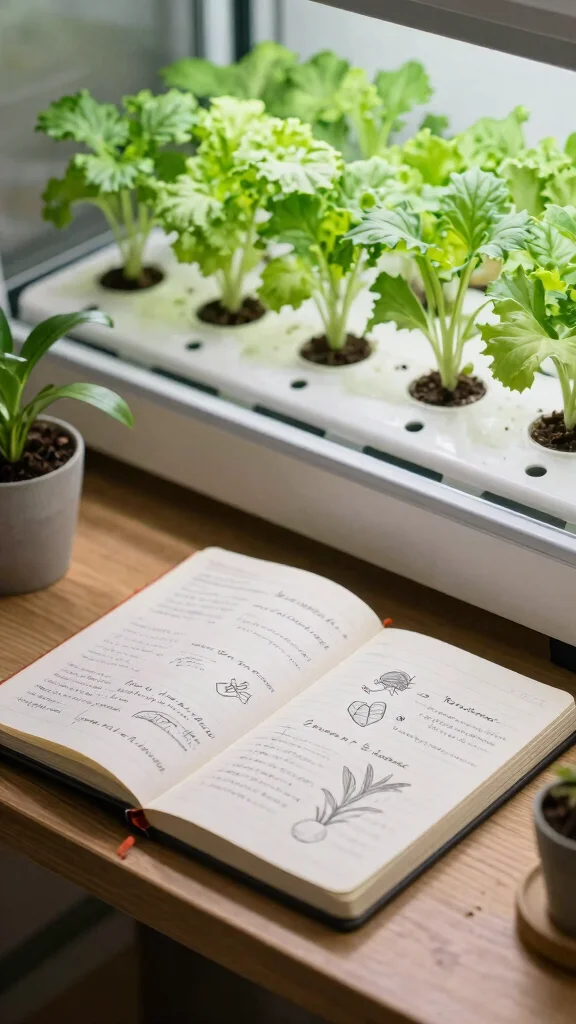
One common mistake in hydroponics is neglecting to track your progress. Without documenting plant growth, nutrient adjustments, or environmental changes, it becomes difficult to learn from your experiences. Keeping a record can help you improve.
Start a gardening journal to note observations, changes, and outcomes. This practice allows you to recognize patterns and celebrate successes, making your gardening journey more enjoyable.
Effective tracking strategies:
– Maintain a gardening journal for observations
– Document changes and outcomes for reflection
– Share your journey with others for support
By making documentation a habit, you position yourself for long-term success and fulfillment in your hydroponic gardening.
Not Keeping Track of Progress
Editor’s Choice

App & Subscription Tracker: Subscription Log Book to Monitor Charges, Re…
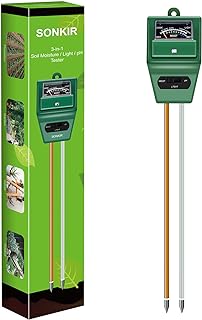
SONKIR Soil pH Meter, MS02 3-in-1 Soil Moisture/Light/pH Tester Gardenin…

10. Giving Up Too Soon
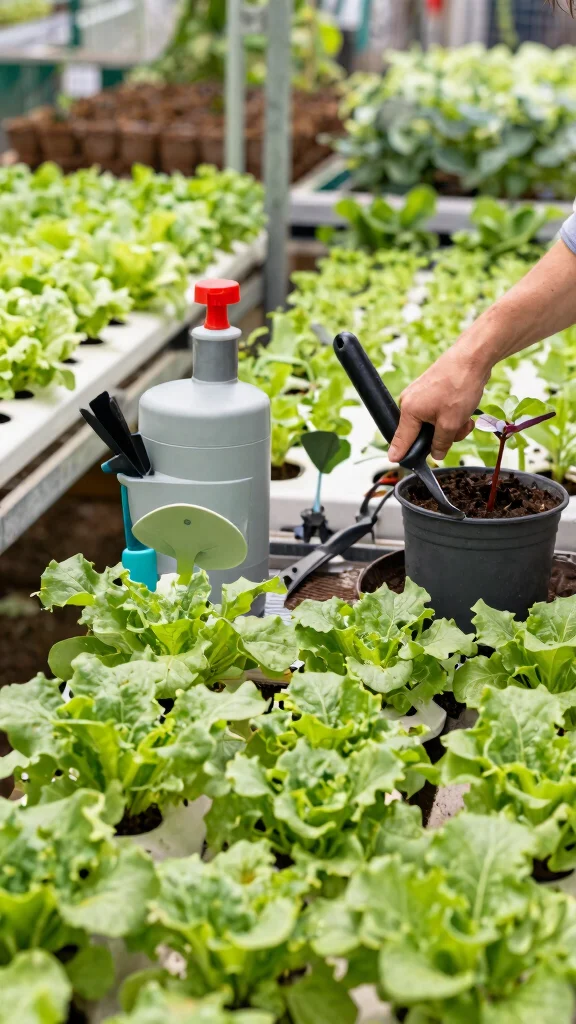
It’s common for beginners to face challenges in hydroponics and feel tempted to quit. Remember, setbacks are part of the learning process. Like any living organism, plants need time and care to thrive, so patience is key.
Stay positive and recognize that every mistake offers a lesson. Seek resources, connect with fellow gardeners, and don’t hesitate to ask for help when needed.
Encouragement for your gardening journey:
– Maintain a positive outlook despite challenges
– Seek support from gardening communities
– Embrace mistakes as learning opportunities
Building resilience in your gardening journey enhances your enjoyment and success in hydroponics, reminding you that perseverance pays off.
Giving Up Too Soon
Editor’s Choice

2 Pack pH Test Strips, 160 Strips pH.1-14 Universal pH Test Paper Litmus…

KingLED KP1000 LED Grow Light for Indoor Plants, Full Spectrum Plant Lig…
Conclusion
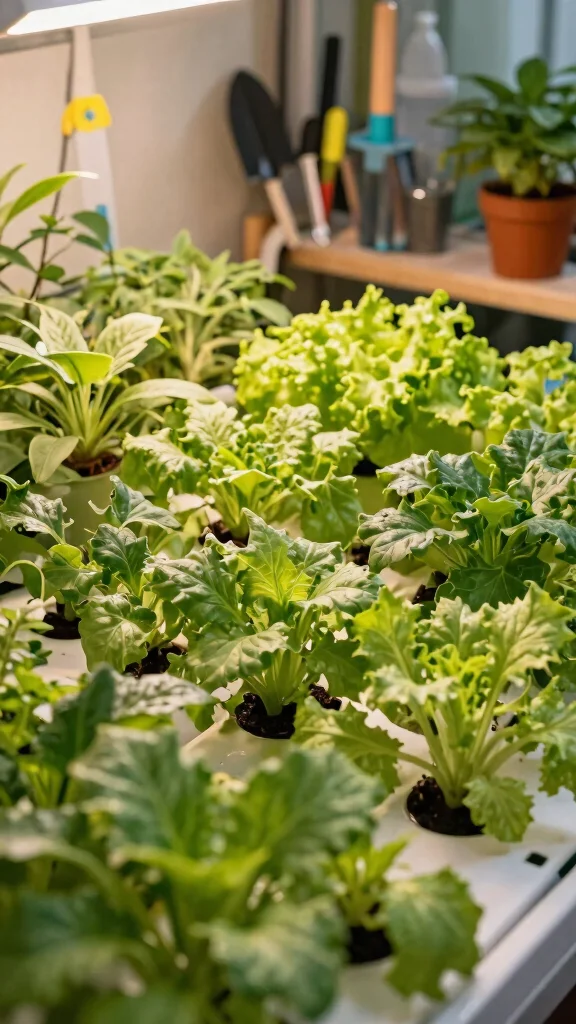
Navigating the world of hydroponics can be both rewarding and challenging, but being aware of these common mistakes can help you cultivate a thriving garden right in your urban space. With the right mindset, knowledge, and a willingness to learn, you can avoid pitfalls and enjoy a fruitful hydroponic journey filled with fresh greens and herbs. Embrace the experience, nurture your plants, and watch your urban oasis flourish.
Here’s to your future success in hydroponic gardening!
Note: We aim to provide accurate product links, but some may occasionally expire or become unavailable. If this happens, please search directly on Amazon for the product or a suitable alternative.
This post contains Amazon affiliate links, meaning we may earn a small commission if you purchase through our links, at no extra cost to you.
Frequently Asked Questions
What are the most common hydroponic mistakes beginners make, especially in small-space urban setups?
You’re not alone—many new growers stumble on the same issues when space is tight and light is precious. The top mistakes include underestimating light, neglecting pH and nutrient management, and choosing systems that don’t fit a small area. In urban, compact setups, even small errors can slow growth fast. To avoid them: start with a simple, scalable setup that fits your space, use reliable grow lights with a timer, monitor pH daily (keep it in the 5.5–6.5 range) and EC, choose compact crops, and follow a beginner hydroponics guide for setup and maintenance. Also watch out for nutrient solution mistakes—use a complete hydroponic fertilizer and change the reservoir regularly. Keeping things simple and steady will reduce risk and help you learn quickly.
How can I do a simple beginner-friendly hydroponic system setup for a tiny apartment?
Start with a user-friendly setup like a Kratky-style bucket or a small NFT/wick hybrid that’s easy to scale. For a tiny space, pick a compact system that fits on a shelf or table, and use a simple LED panel with a timer. Steps: choose a reservoir and grow tray, add an air pump or air stone if needed, install timers for lights and pumps, fill with clean nutrient solution, keep pH around 5.8–6.2 for most greens, and select shallow-root crops like lettuce, basil, and herbs. Keep the whole setup manageable now and you can expand later as you gain confidence. Your hydroponic system setup should be doable in a few hours.
What nutrient solution mistakes should beginners avoid and how can I fix them quickly?
Common pitfalls include using soil-based fertilizer in a water culture, mixing nutrients incorrectly, and not adjusting for plant growth stage. Avoid this by using a complete hydroponic nutrient designed for water culture, following label directions, and regularly checking and adjusting pH and EC. Keep pH in the 5.5–6.5 range and steer EC toward crop targets (often around 1.2–2.0 for leafy greens). Change or top up the reservoir every 1–2 weeks to prevent buildup or nutrient lockout. If you see slow growth or strange leaf symptoms, flush and restart with fresh solution. For extra guidance, consult your beginner hydroponics guide.
What are the best hydroponic growing tips for beginners in apartments to maximize space and yields?
Focus on vertical and compact growing methods to maximize space. Use trellises or strings to train vines, choose fast-growing, compact varieties, and stagger plantings so you’re harvesting multiple crops over time. Automate what you can with timers for lights and pumps to keep routines consistent. Use reflective surfaces and proper lighting to maximize efficiency, and keep your environment stable with moderate temperatures (roughly 65–75°F) and 40–60% humidity for leafy greens. These hydroponic growing tips help you squeeze more yield from limited space while keeping maintenance manageable.
How do I troubleshoot common indoor gardening errors in beginner hydroponics?
Start with a quick environmental check: is the light adequate, and are temperatures and humidity in a comfortable range? Then inspect the water system: is the pump running, are air stones oxygenating the reservoir, and is the nutrient solution clear and correctly mixed? Check pH (5.5–6.5) and EC levels and adjust as needed. Look at the plants for clues—yellowing leaves often signal pH or nutrient issues, while stunted growth can mean light or root problems. Clean the reservoir regularly, replace solution on schedule, and ensure your setup matches the plant’s growth stage. This is a practical approach to avoiding common indoor gardening errors in beginner hydroponics.
Related Topics
hydroponic mistakes
urban gardening
beginner hydroponics
hydroponic tips
small space gardening
nutrient solutions
indoor gardening
easy hydroponics
hydroponic setup
gardening errors
growing indoors
beginner friendly