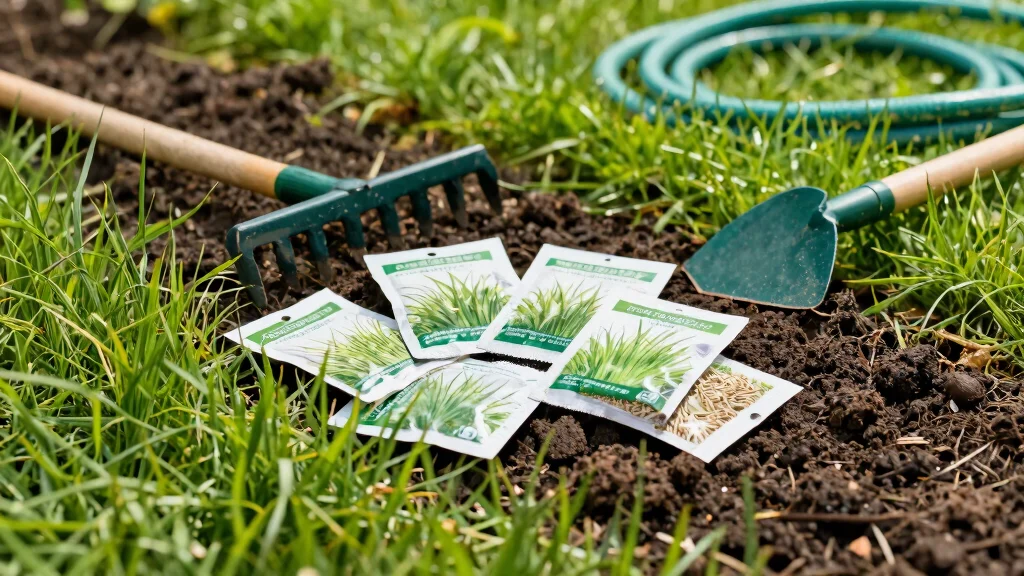
Creating a lush, thick lawn is a goal for many homeowners. There’s something satisfying about stepping onto a soft, green carpet of grass. It creates an inviting atmosphere and enhances your outdoor space. This post is designed to help you achieve that dream lawn. After all, who wouldn’t want a yard that makes their neighbors green with envy?
If you love gardening and take pride in maintaining your home’s landscape, this guide is for you. Whether you’re a seasoned gardener or just starting out, you’ll find valuable tips on planting grass seed. You’ll learn how to choose the right grass varieties, prepare your soil, and master watering techniques. These steps will not only enhance your lawn’s appearance but also boost its health.
In this post, I have gathered seven essential tips for planting grass seed that will lead you to a beautiful, verdant lawn. From the best timing to effective lawn maintenance practices, this guide is packed with insights to help you cultivate a thriving yard. Let’s get ready to transform your lawn into a lush, green haven!
Key Takeaways
– Understand the importance of selecting the right grass seed varieties that suit your climate and soil type for optimal growth.
– Learn how to master soil preparation, ensuring the ground is healthy and ready for new seeds to take root.
– Discover the ideal timing for planting your grass seed to maximize germination and growth.
– Get tips on proper seed distribution techniques to ensure even coverage and reduce waste.
– Familiarize yourself with watering techniques for germination to keep your soil moist and promote healthy growth.
1. Choose the Right Grass Seed Varieties
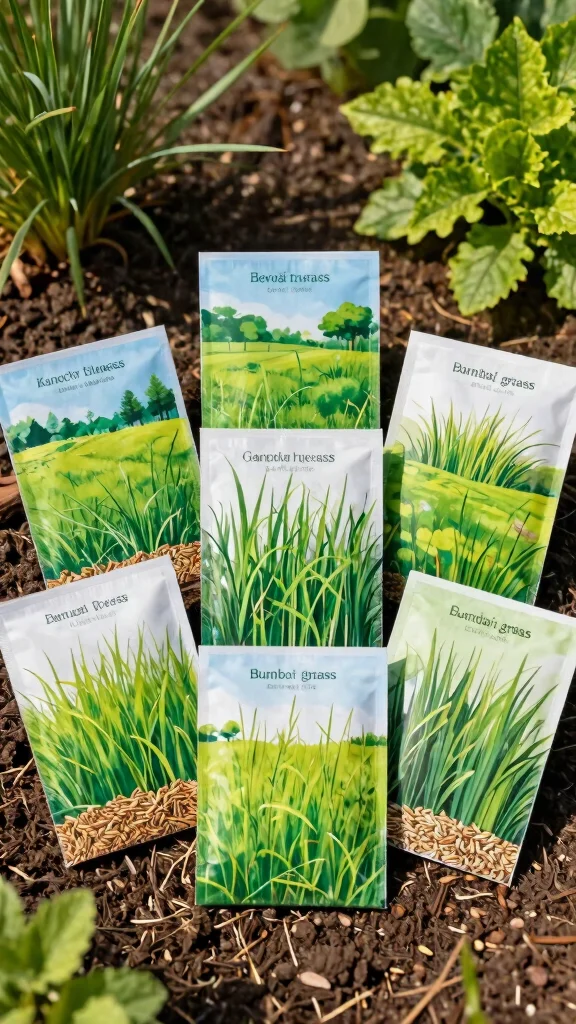
Selecting the right grass seed is essential for a vibrant lawn. You want grass that thrives in your specific climate and soil conditions. For instance, Kentucky Bluegrass is ideal for cooler areas, while Bermuda grass flourishes in warmer climates.
Consider how you’ll use your lawn. For high-traffic spots, choose durable options like Perennial Ryegrass, known for its toughness. Always look for seeds that resist diseases and tolerate drought, ensuring a lush lawn with minimal effort. Mixing varieties can also enhance resilience and appeal.
Key steps to get started:
– Research local grass types suitable for your area.
– Experiment with a mix of varieties for better endurance.
– Look for organic seed options for a healthier ecosystem.
This foundation sets you up for a thriving lawn that is both beautiful and functional.
📹 Related Video: What to look for when buying grass seed
Choose the Right Grass Seed Varieties
Editor’s Choice

Pennington Smart Seed Perennial Ryegrass 3 lb


Jonathan Green (10514) Black Beauty Heat & Drought Resistant Grass Seed …

Scotts Turf Builder Grass Seed Sun and Shade Mix – Grass Seed Plus Lawn …
2. Master Soil Preparation
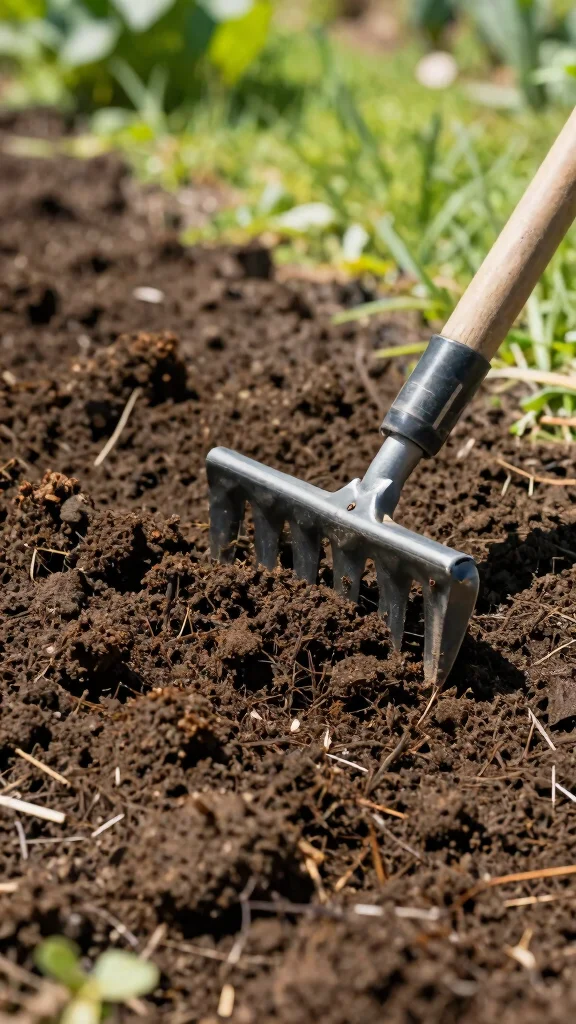
Preparing your soil is crucial for a successful lawn. Start by testing your soil’s pH and nutrient levels to understand what it needs. Ideally, aim for a slightly acidic to neutral range (pH 6.0 – 7.0). Incorporate organic matter like compost to enhance fertility and drainage.
Next, till the soil to a depth of 3-4 inches. This breaks up compacted areas and creates a fine seedbed. Rake the surface smooth for better seed-to-soil contact. If your lawn has been established, aeration can promote root growth and nutrient absorption.
Quick tips for optimal soil:
– Test soil for pH before planting.
– Add organic matter to improve soil structure.
– Tilling helps seeds embed properly for a healthier lawn.
These steps ensure your grass has the best chance to flourish.
Fun fact: soil prepared with a pH of 6.0–7.0 and a compost-rich bed can boost germination by up to 50%. For successful planting grass seed, till 3-4 inches, smooth the surface, and ensure good seed-to-soil contact.
Master Soil Preparation
Editor’s Choice

Michigan Peat Compost and Manure Blend, Garden Magic Mix with Odor-Free …

Rapitest Soil Test Kit for Gardens, Vegetables, Flowers and Lawns. USA d…

MZK 12-Inch 10.5 Amp Corded Electric Tiller/Cultivator for Gardening, 8-…
3. Ideal Timing for Planting

Timing can make all the difference when planting grass seed. The best periods are early spring or early fall, allowing seeds to establish before extreme weather. In spring, wait until the soil hits about 50°F for cool-season grasses and 65°F for warm-season types.
Fall planting benefits from cooler conditions that promote germination. Avoid sowing during hot summer days or right before rainstorms, which can wash away seeds or dry them out. Consider your local climate and historical weather data to pinpoint the best planting window.
Timing tips to remember:
– Use a soil thermometer for optimal temperature checks.
– Monitor local weather forecasts to choose ideal planting days.
– Mark your calendar for the best planting windows for grass types.
By planting at the right time, you enhance the chances of a lush lawn.
How To Choose The Right Grass Seed Varieties
1. Understand Your Climate
The first step in choosing the right grass seed is to know your climate zone. Different grass types thrive in specific temperatures and moisture levels. For example, cool-season grasses like Kentucky bluegrass and fescue are ideal for northern climates, while warm-season grasses, such as Bermuda or Zoysia, flourish in southern regions. Check the USDA Plant Hardiness Zone Map to find your zone, which will guide your selection process.
2. Assess Sunlight and Shade
Next, consider how much sunlight your lawn receives throughout the day. Some grass seed varieties are better suited for sunny spots, while others tolerate shade. For sunny areas, look for sun-loving grasses, such as Bermuda. For shaded spots, consider shade-tolerant options like fine fescue or creeping red fescue. Knowing your lawn’s light conditions will help you select seeds that grow strong and healthy.
3. Evaluate Foot Traffic
Think about how much foot traffic your lawn will experience. If you have kids or pets playing outside, you need a durable grass variety. Perennial ryegrass is excellent for high-traffic areas because of its quick germination and resilience. On the other hand, if your lawn sees minimal activity, you might opt for a more decorative type of grass, like tall fescue, which provides a lush appearance.
4. Local Soil Conditions
Soil type plays a critical role in grass seed selection. Test your soil to understand its pH level, nutrient content, and drainage capabilities. Some grasses, like fescue, adapt well to poor soil conditions, while others, like Kentucky bluegrass, prefer richer, well-drained soil. Knowing your soil condition will help you choose the right variety for optimal growth.
5. Consider Your Maintenance Preferences
Lastly, evaluate how much time and effort you’re willing to invest in lawn care. Some grass varieties require more maintenance than others. For instance, Kentucky bluegrass needs regular watering and fertilization, while Zoysia grass is drought-resistant and requires less mowing. Choose a variety that aligns with your maintenance preferences to keep your lawn healthy without overwhelming your schedule.
Pro Tip: Mix different grass seed varieties to create a more resilient lawn. This blend can help ensure that even if one type struggles due to weather or other conditions, another type can thrive, giving your lawn the best chance for success!
Ideal Timing for Planting
Editor’s Choice

Scotts Turf Builder EdgeGuard Mini Broadcast Spreader – Spreader for Law…

Taylor Soil Testing Thermometer, Gardening Tool for Plant Care, Gardenin…
Scotts Turf Builder Grass Seed Sun and Shade Mix – Grass Seed Plus Lawn …
4. Proper Seed Distribution Techniques
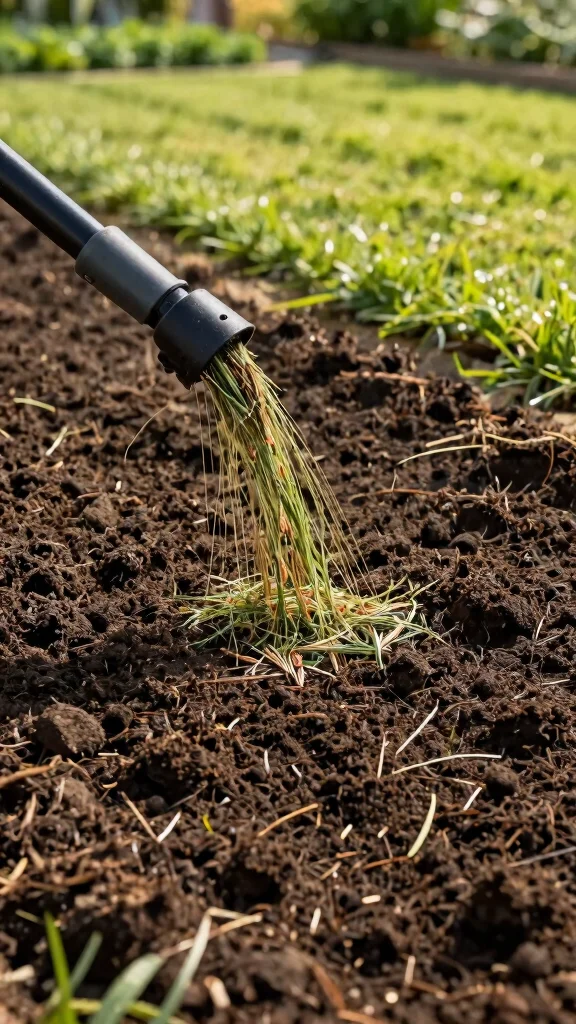
The way you distribute grass seeds is crucial for a thriving lawn. Even distribution gives every area a fair chance to flourish. For larger spaces, use a broadcast spreader for consistent application. For smaller areas, hand-sow seeds while maintaining steady spacing to avoid clumping.
After planting, lightly cover the seeds with soil to protect them from birds and retain moisture. A gentle raking can achieve this without burying them too deep.
Distribution insights to follow:
– Follow recommended seed rates on the packet.
– Lightly water after sowing to help settle the seeds.
– Avoid over-seeding to prevent nutrient competition.
Effective seed distribution sets the stage for a uniform and healthy lawn.
Pro Tip: When planting grass seed, even spacing makes all the difference—hand-sow small patches with steady gaps, or use a broadcast spreader for larger areas. It saves you time, reduces clumps, and boosts germination odds for a lush lawn.
You might also like


Proper Seed Distribution Techniques
Editor’s Choice
Scotts Turf Builder EdgeGuard Mini Broadcast Spreader – Spreader for Law…

Scotts Whirl Hand-Powered Spreader – for Grass Seed, Lawn Fertilizers, S…

Garden Rake, 63 Inch Long Handle with 17 Tongs, Heavy Duty Metal Bow Rak…
5. Watering Techniques for Germination
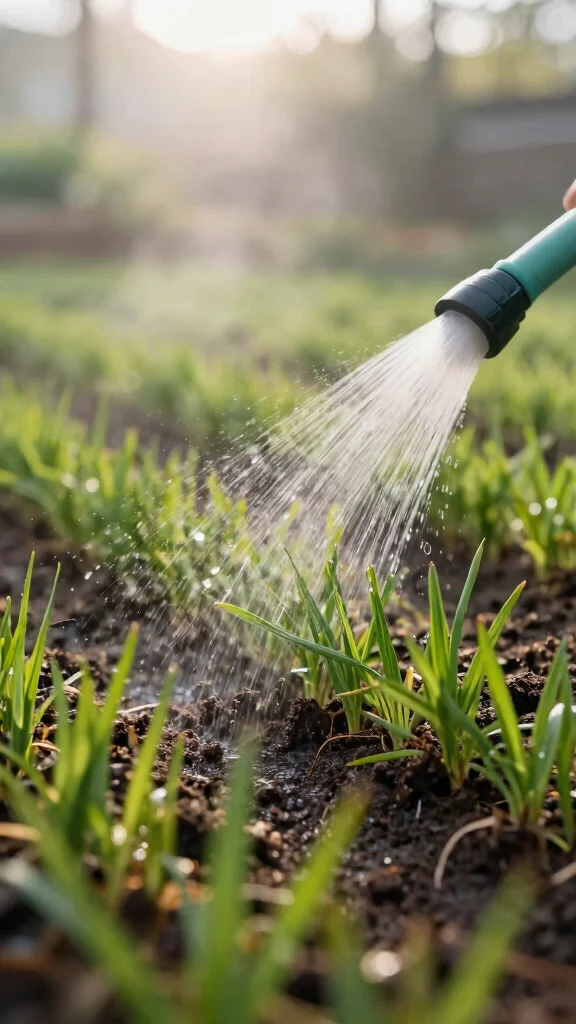
Watering is vital for the successful germination of grass seeds. After sowing, keep the soil consistently moist, but not soaked, to prevent issues like seed rot. Start with light, frequent watering, perhaps misting the area until the seeds sprout.
Once you see sprouts, transition to deeper, less frequent watering to encourage root growth. Watering early in the morning or late afternoon minimizes evaporation during peak heat. Keep an eye on rainfall to adjust your watering schedule.
Watering tips to consider:
– Use a sprinkler system or handheld hose for controlled watering.
– Test soil moisture before watering; if it’s damp, hold off.
– Gradually reduce watering frequency as grass matures.
Good watering habits lead to strong, healthy grass.
Watering Techniques for Germination
Editor’s Choice

RAINPOINT Sprinkler Timer, Programmable Water Timer for Garden Hose, Out…
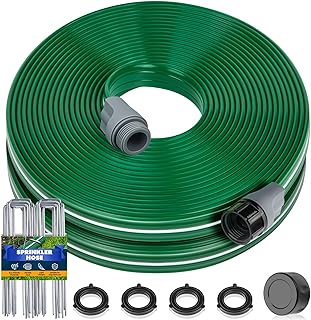
Jin&Bao Sprinkler Hose with Holes 50FT, Heavy Duty Watering Garden Hose,…

XLUX Long Probe Deep Use Soil Moisture Meter, Water Monitor Indicator Se…
6. Regular Lawn Maintenance Practices

Once your grass starts thriving, regular maintenance is key to keeping it looking its best. Regular mowing helps maintain a lush appearance and promotes thicker growth. Initially, set your mower to a higher setting, allowing the grass to develop strong roots before cutting it shorter.
Adding organic fertilizers to your maintenance routine supports healthy growth without harmful chemicals. Fertilize in spring and fall for optimal results. Keep an eye out for pests and diseases, addressing them quickly if you see any problems. Aeration can also enhance root health.
Maintenance tips to follow:
– Keep mower blades sharpened for a clean cut.
– Stick to a fertilization schedule using organic products.
– Aerate annually for improved soil health and water penetration.
Consistent care will keep your lawn vibrant and inviting.
Fun fact: Mowing at a higher setting while your lawn establishes roots creates a tougher, thicker lawn. For planting grass seed, regular organic fertilizers feed the soil and support healthy growth without harsh chemicals.
You Might Also Like
Regular Lawn Maintenance Practices
Editor’s Choice

Greenworks 40V 16″ (Push) Cordless Lawn Mower, 4.0Ah Battery (1/3 Acre, …

Scotts Natural Lawn Food, Lawn Fertilizer, For All Grass Types, Apply An…

Wondercide – Outdoor Pest Control Spray with Natural Essential Oils – Mo…
7. Seasonal Lawn Care Adjustments

Each season presents unique challenges and opportunities for your lawn care. In spring, focus on fertilizing and seeding to give your grass a boost. During summer, watering becomes crucial; ensure your lawn receives at least an inch of water weekly, making adjustments for rainfall.
Fall is the prime time for aeration and overseeding, preparing your lawn for the winter months. Don’t forget winter preparations—keep the lawn clear of debris and consider using a winter fertilizer to help roots survive the cold.
Seasonal care tips:
– Create a seasonal lawn care calendar to stay organized.
– Invest in winter maintenance tools for grass protection.
– Regularly observe your lawn’s health and adapt care as needed.
Seasonal adjustments help keep your lawn lush and healthy year-round.
Seasonal Lawn Care Adjustments
Editor’s Choice

EarthWorks EW4H Replenish Lawn Fertilizer, Organic Compost Grass Food, D…

Saker Manual Lawn Aerator Tool with 15 Iron Spikes Adjustable Height, Do…
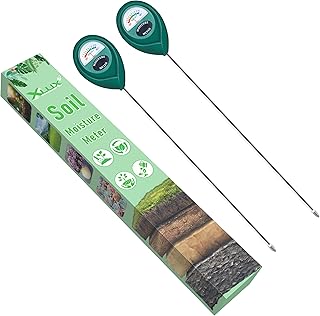
XLUX Long Probe Deep Use Soil Moisture Meter Sensor, Water Monitor Indic…
Conclusion

Achieving a thick, lush lawn is a journey that combines knowledge, patience, and care.
By following these seven essential tips, you’re not just planting grass seed—you’re cultivating a beautiful space that enhances your home.
Remember to embrace organic lawn care techniques for sustainable success, making your lawn a source of pride for years to come.
Note: We aim to provide accurate product links, but some may occasionally expire or become unavailable. If this happens, please search directly on Amazon for the product or a suitable alternative.
This post contains Amazon affiliate links, meaning we may earn a small commission if you purchase through our links, at no extra cost to you.
Frequently Asked Questions
What is the best time to start planting grass seed for a thick, lush lawn at home?
Timing depends on your climate. Cool-season lawns perform best in early fall or early spring when soil is cool and rainfall is reliable. Warm-season lawns thrive from late spring through early summer. Regardless of timing, start with solid soil preparation and choose the right grass seed varieties for your area. Begin by testing your soil pH and amending with compost, then loosen the top 2 inches to create a fine seedbed. Apply the seed at the recommended rate, lightly rake it in, and cover with a thin mulch to hold moisture. Water gently to keep the surface moist until germination, and then continue with light, frequent watering and good lawn maintenance as roots establish.
Which grass seed varieties are best for organic lawn care and shade tolerance?
For organic lawn care, look for mixes that tolerate shade and require fewer chemicals, such as fine fescues for shady spots and balanced blends of Kentucky bluegrass and tall fescue for sunny areas. Choose grass seed varieties suited to your climate, prioritizing drought- and disease-resistance. Prep the soil, sow at the recommended rate, and rely on organic practices like compost and proper watering rather than synthetic fertilizers. This approach helps you grow a healthy, thick lawn at home with fewer inputs.
How can I do soil preparation for planting grass seed without chemicals?
Start with a soil test to determine pH and nutrient needs. Amend with garden compost to improve structure and soil biology, and adjust pH with lime or sulfur as needed. Remove weeds and debris, then loosen and level the top 2–3 inches to create a fine seedbed. Avoid harsh tilling; a light rake after spreading seed helps achieve good seed-to-soil contact. Finish with a gentle roll or press and you’re ready for planting grass seed.
What are the best watering techniques after planting grass seed to prevent washout and ensure germination?
Keep the top inch of soil consistently moist during germination with light, frequent waterings several times a day. Use a gentle sprinkler or soaker hose to avoid pooling and seed displacement. As seedlings emerge, continue light waterings but gradually reduce frequency while deepening each watering to encourage deep roots. Water in the early morning to minimize evaporation and disease, and avoid overwatering which can wash seeds away. Consider organic mulch or light straw after sowing to help retain moisture and protect seeds.
How can I maintain a thick lawn after planting grass seed for long-term lawn maintenance?
Once germination is strong, raise your mowing height to keep a dense canopy and reduce weed pressure. Feed with organic options like compost tea or compost and avoid harsh synthetic fertilizers. Overseed thin patches annually, aerate to improve air and water movement, and mow with a sharp blade to prevent stress. Water deeply but infrequently to promote deep roots, and manage weeds through hand-pulling or mowing rather than chemicals. With consistent lawn maintenance, your thick lawn at home will stay lush year after year.
Related Topics
organic lawn care
planting grass seed
lawn maintenance
soil preparation
watering techniques
grass seed varieties
beginner friendly
easy lawn tips
lush lawn
envy worthy lawn
seasonal planting
lawn care tips